
Reviewed · ROMAN CATACOMBS & CRYPTS TOURS
Rome: Capuchin Crypts and Museum Ticket and Tour
Rome under your feet feels unreal.
This Capuchin Crypts and museum ticket gets you into one of Rome’s most private-feeling Christian sites, where the underground spaces explain the friars’ ideas about life, death, and eternity. I like that you walk in with reserved tickets and get real interpretation, either with a live English guide or an optional audio track.
Two things I really like: the way the visit is organized so you don’t waste time figuring things out, and the atmosphere, which stays calm even though the subject is… bones. One thing to consider: it’s not a good fit if you’re claustrophobic, have mobility limits, or you need wheelchair access.
In This Review
- Key highlights that matter
- What the Capuchin Crypts tour really shows beneath Rome
- Tickets, meeting point, and the smooth entry
- The guided walk: museum chambers to the 30-meter corridor
- Inside the crypts: friars, bones, and the four main rooms
- The Three Skeletons and the idea of youth at the center
- The Crypt of the Tibiae and Femurs
- The Crypt of the Pelvis: vertebrae and long bones
- The Crypt of the Skulls: the climax of the visual sermon
- Audio guide vs live guide: which style fits you
- Dress code, rules, and who should skip this tour
- How long it takes and how to plan your day
- Cost and value: is $25 per person a good deal?
- Should you book the Rome Capuchin Crypts tour or skip it?
- FAQ
- How long is the Capuchin Crypts and museum tour?
- Where do I meet for the tour?
- Is the ticket line-skipping included?
- Do I need a live guide, or can I use an audio guide?
- What languages are available for the audio guide?
- What should I wear to enter the crypts?
- Is this tour suitable for people with claustrophobia?
- Are food and drinks included?
Key highlights that matter
- Reserved ticket entry helps you skip the line and start the experience faster
- 30-meter corridor lined with rooms sets the pace for what comes next
- Four main crypt areas (Three Skeletons, Tibiae & Femurs, Pelvis, Skulls) each have a distinct visual theme
- Guided history through Christian symbolism keeps it from feeling like a creepy photo stop
- Audio guide options in many languages if you prefer to read at your own speed
- On-site help at the entrance makes it easier to find your way in
What the Capuchin Crypts tour really shows beneath Rome
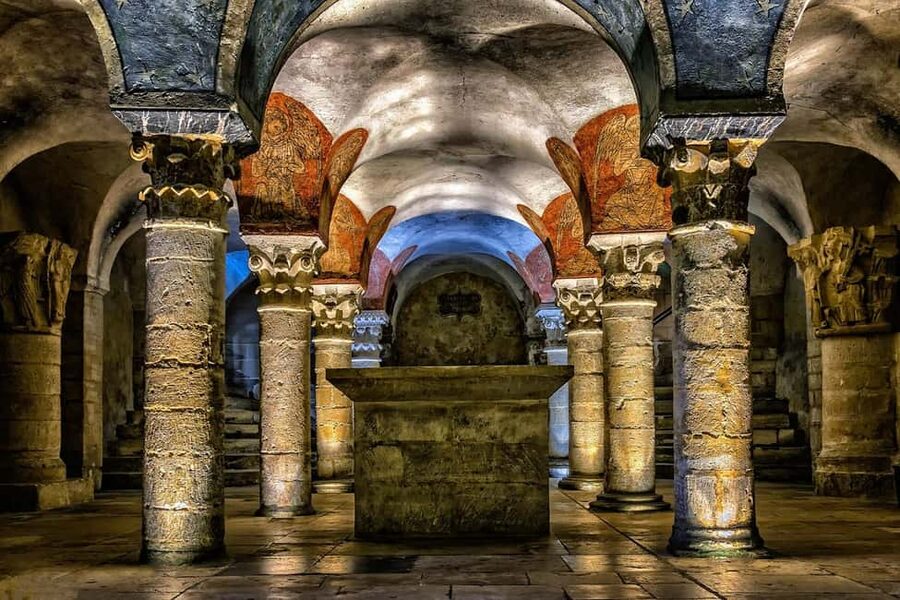
This is not a typical museum experience where you float past tidy glass cases. The Capuchin Crypts are part church, part memorial, and part visual sermon, all set below street level. If you’ve ever wondered how Rome holds contradictions at the same time—holy and macabre—this is where you see the idea played out in real space.
The tour route takes you through the museum areas first, then into the underground chambers and catacomb-like passages. You’ll hear the backstory of the Capuchin friars and the legend that helped shape why the site exists in this form. It’s also one of the few places in Rome where the interpretation matters just as much as the visuals.
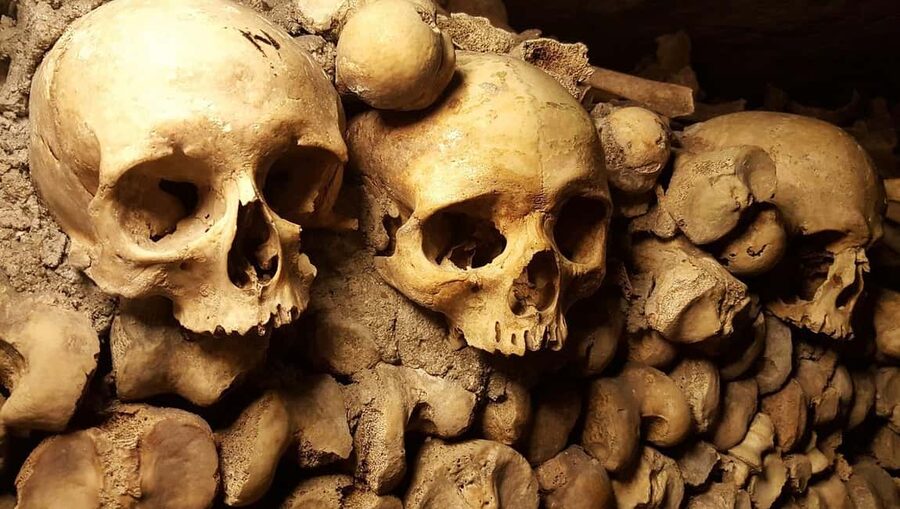
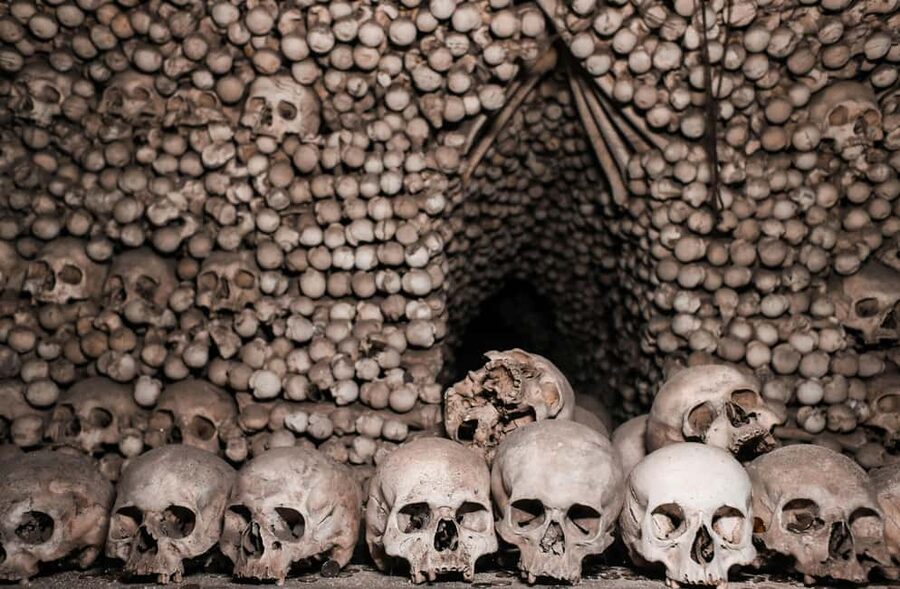
And yes, the visuals are exactly what you think they are: bone-and-skull decoration arranged into structured rooms. The point, though, isn’t shock value. The point is that the friars used these remains to talk about mortality in a very intentional way.
Deeper underground: more crypts and catacombs
- Rome: Capuchin Crypts and Catacombs Tour with Transfers
★ 4.6 · 6,456 reviews - The Original Roman Crypts and Catacombs Tour with Transfers
★ 4.5 · 4,896 reviews - Rome: Catacombs of St. Callixtus Entry Ticket & Guided Tour
★ 4.6 · 3,037 reviews - Rome: Guided Roman Catacombs Tour with Transfers
★ 4.6 · 1,830 reviews
Tickets, meeting point, and the smooth entry
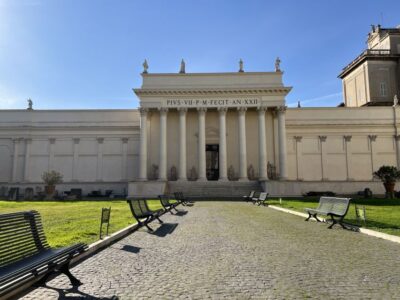
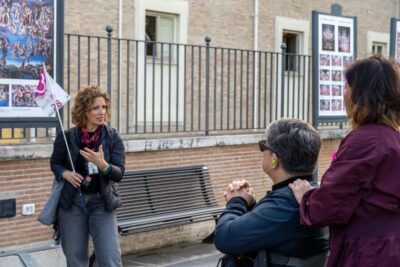
You meet in front of the Capuchin Crypts entrance at Museo e Cripta dei Frati Cappuccini. Look for staff holding a C.I.S. Tours sign, and that’s where your visit starts. The setup is meant to keep the experience simple: find your staff, get oriented, and then go straight into the underground spaces.
Your ticket includes skip-the-line entry to the crypts and museum, and it also includes taxes and fees. That matters in Rome, where a few minutes of delay can turn a calm plan into a stressed one. Even though the overall tour time is short, reserved entry helps you feel like you actually got value from the time.
If you’re choosing between the live guide and audio, it’s good to know there’s support on-site either way. You’re not wandering in the dark trying to guess what you’re looking at.
The guided walk: museum chambers to the 30-meter corridor
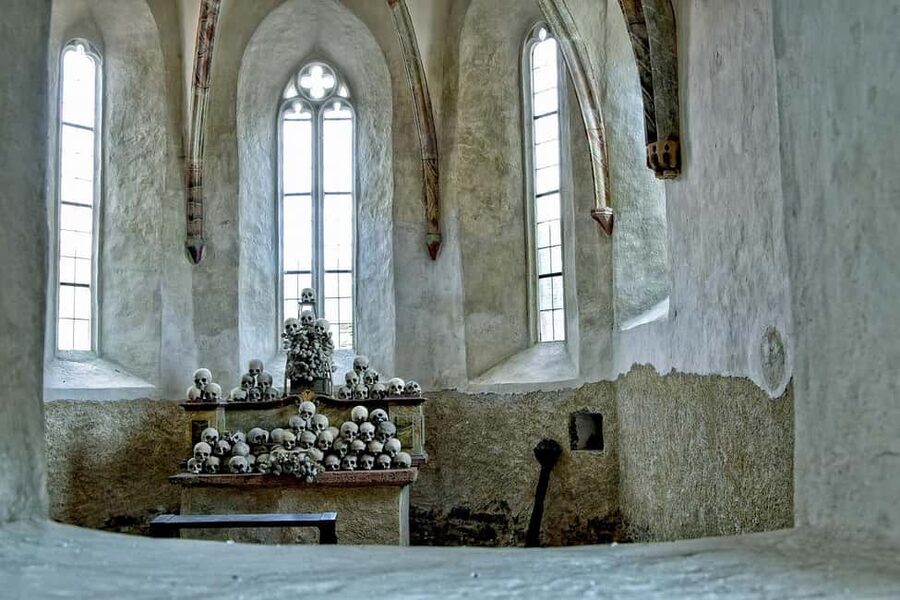
The visit is built like a steady story: explanation first, then movement, then rooms that progressively change the mood. After you meet your staff, you’ll get an overview of what you’re about to do and what to expect in the underground sections.
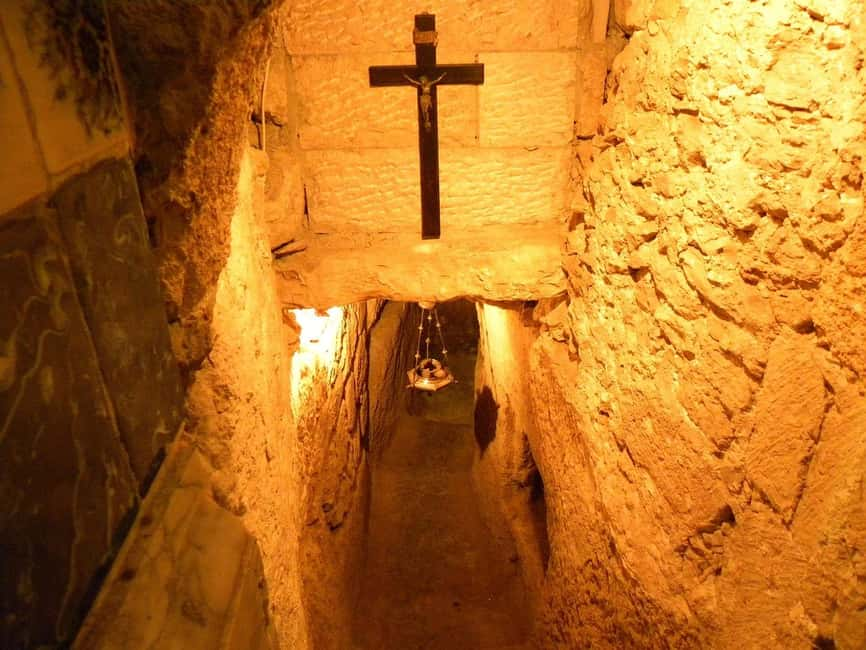
From there, the tour includes a walk through the long corridor—about 30 meters—lined with six rooms along the way. That corridor is your first big “okay, this is real” moment, because it compresses the experience into something you can’t really rush. You’re moving through a narrow passage, and the rooms pull your attention in different directions.
You also get structured stops for photo and sightseeing along the route. If you like taking pictures, this is one of the rare underground sites where the pacing feels designed for it rather than forcing you to sprint between viewpoints.
The main practical point: wear comfortable shoes and expect a bit of walking and moving through confined spaces. The tour is short, but the environment is not a casual stroll.
Inside the crypts: friars, bones, and the four main rooms
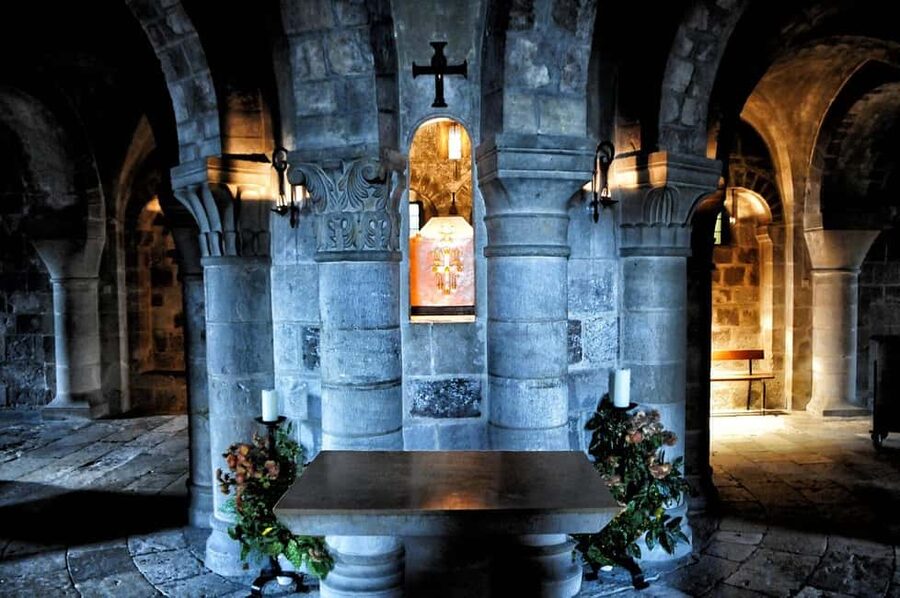
Once you’re underground, the tour focuses on the core areas that define the site’s identity. The tour description highlights that the remains of about 3,700 Capuchin friars were collected here. You’ll also hear the legend that the earth used for the burials was transported from Palestine, probably connected to Jerusalem. Whether you take every detail literally or not, the story helps explain why this site is framed as more than a burial room.
You’ll also see that the crypts are organized into specific themed chambers. The guided interpretation ties the visuals to historical and religious meaning, so it doesn’t turn into only a macabre scavenger hunt.
Here are the main areas you should expect to encounter:
Worth a look next to this Rome booking:


The Three Skeletons and the idea of youth at the center
The crypt of the Three Skeletons houses three juvenile skeletons. This room is often the emotional center of the visit because it makes the message very personal. Instead of only showing “what happens to everyone,” it emphasizes that death is not limited to age.
The Crypt of the Tibiae and Femurs
In the Crypt of the Tibiae and Femurs, you’ll find vaults decorated with bones and skulls. The room’s design is a reminder that the site isn’t random. The bones are arranged so the eye understands patterns, not just scattered remains.
The Crypt of the Pelvis: vertebrae and long bones
The Crypt of the Pelvis features a vault decorated with bands of vertebrae and long bones. Seeing this after the earlier rooms helps you notice how the friars shifted the visual message room by room, using different bone groupings to build an ongoing argument.
The Crypt of the Skulls: the climax of the visual sermon
Finally, the Crypt of the Skulls brings the experience to a concentrated peak. This is where the site’s symbolism becomes hard to ignore. If you’re the kind of person who likes thinking about art as communication, this is the room that rewards it.
One more interpretive layer you’ll hear: the tour notes that hidden passages beneath important streets are part of the legends and layout connected to this place. Even if you only catch glimpses of the underground idea, it adds a sense that Rome’s stories extend far below what you normally see.
Audio guide vs live guide: which style fits you
This tour is flexible. You can go with a live English guide or choose an optional audio guide. Audio guides are available in many languages, including Chinese, Arabic, French, German, Italian, Japanese, Korean, Polish, Portuguese, Russian, and Spanish.
If you like having your attention managed by someone who can react to questions, the live guide is the safer bet. The tour description emphasizes that your guide explains the curiosities and references—historical, artistic, and Christian—so you don’t miss the meaning behind the arrangement.
If you’d rather go at your own rhythm, audio works well here. One reason is that the site is compact: you’re not crossing huge distances. So you can pause a moment, take a picture, then restart your narration when you’re ready.
Based on the way the audio is described, it has a conversational feel, almost like a monk talking directly as you walk. That matters, because it keeps the explanations from sounding like a boring tour cassette.
Dress code, rules, and who should skip this tour
This is a religious site, and it has clear entry expectations. Plan to dress so your shoulders and knees are covered, or access may not be guaranteed. That means skipping shorts, short skirts, and sleeveless shirts. If you’re visiting in warm weather, bring a light layer you can wear without overheating.
Comfort rules also affect planning. You’ll want comfortable shoes. And this tour is not recommended if you have claustrophobia or you’re uncomfortable in confined spaces.
It also isn’t suitable for:
- wheelchair users
- people with mobility impairments
- people with respiratory issues
On top of that, the site doesn’t allow pets, baby strollers, luggage or large bags, and it also bans glass objects and explosive substances. If you’re traveling light, you’ll have an easier time. If you’re used to breezing through churches with a backpack, consider leaving large items behind.
How long it takes and how to plan your day
The total time is 50 minutes to 1 hour. That’s a sweet spot for Rome. You get a full experience without sacrificing half a day, which is important if you’re also trying to see big-ticket sites above ground.
Because the tour is short, it’s smart to protect it from your schedule. Don’t stack it as a last-second filler between two major timed tickets. This place works best when you can walk in and stay present.
Also, the experience includes a visit to the museum portions alongside the underground visit. That’s helpful because it gives you context before you reach the main crypt rooms. If you only care about the underground, you might feel impatient at first—but the structure is what makes the crypts land harder.
And if you have time after, it can make sense to check out the church next door. It’s the kind of pairing that helps the whole story click: the underground memorial isn’t separate from the worship space above.
Cost and value: is $25 per person a good deal?
At $25 per person, you’re paying for three things: reserved skip-the-line entry, guided interpretation (if you select it), and a guided route through the museum and crypt areas. Taxes and fees are included, which keeps the final total from turning into a surprise.
Is it worth it? I think it is if you like your Rome experiences to have a strong sense of place and meaning. You’re not just paying to look. You’re paying for orientation and symbolism—especially because the crypt rooms are so specific (Three Skeletons, Tibiae & Femurs, Pelvis, Skulls). Without explanation, it can still be fascinating. With explanation, it becomes more than a photo stop.
It can also be a value choice for families and curious teens, since the structure is straightforward and the duration is manageable. If you hate long lines and long tours, this format fits.
If you’re only interested in superficial sightseeing or you can’t handle confined spaces, then $25 feels like the wrong purchase. In that case, skip it and look for a different underground or church-based experience that matches your comfort level.
Should you book the Rome Capuchin Crypts tour or skip it?
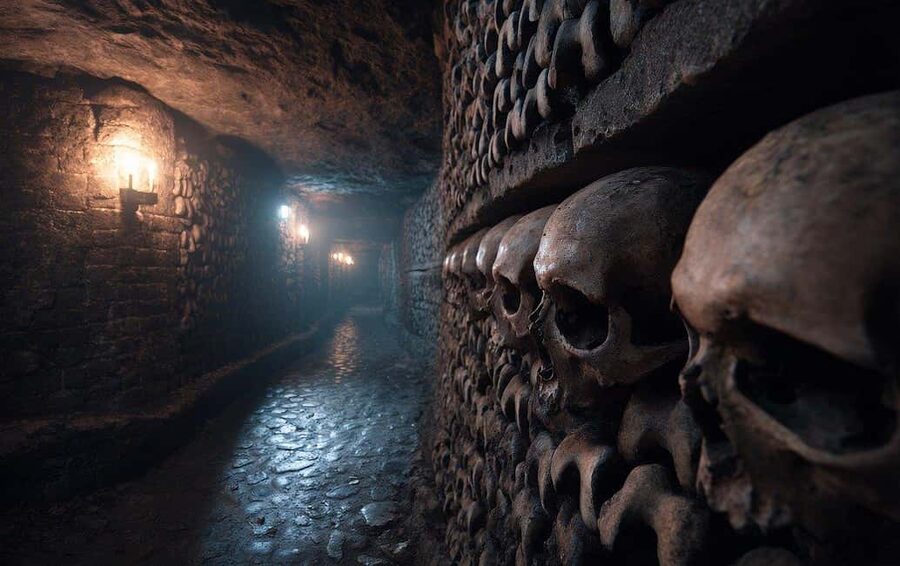
Book it if you want a short, organized, reserved-entry visit to a place that feels unusual in the best way. You’ll get a clear path through the museum and underground chambers, plus interpretation that connects the visuals to Christian symbolism and the friars’ story. The English live guide option is a strong plus, and the audio option is a good backup if you prefer listening at your pace.
Skip it if any of these apply: you have claustrophobia, you need wheelchair access, or you’re sensitive to confined spaces. Also take the dress expectations seriously—shoulders and knees covered isn’t a suggestion here.
If you’re visiting Rome and you want one experience that’s memorable because it’s different, not because it’s trendy, this is one of the easier “yes” decisions you can make.
FAQ
How long is the Capuchin Crypts and museum tour?
It runs about 50 minutes to 1 hour, depending on the time slot available.
Where do I meet for the tour?
Meet in front of the Capuchin Crypts entrance at Museo e Cripta dei Frati Cappuccini. Look for staff with the C.I.S. Tours sign.
Is the ticket line-skipping included?
Yes. The package includes a skip-the-line ticket for the Capuchin Crypt and museum.
Do I need a live guide, or can I use an audio guide?
You can choose an English live guided tour if that option is selected. An audio guide option is also available in multiple languages.
What languages are available for the audio guide?
The audio guide options listed include Chinese, Arabic, French, German, Italian, Japanese, Korean, Polish, Portuguese, Russian, and Spanish.
What should I wear to enter the crypts?
Because it’s a religious place, shoulders and knees must be covered to help guarantee access. Sleeveless shirts and shorts are not allowed.
Is this tour suitable for people with claustrophobia?
No. It’s not recommended for people who suffer from claustrophobia or feel uncomfortable in confined spaces.
Are food and drinks included?
No. Food and drink are not included, and transport is not included either.
More Tours in Rome
- Vatican Museums, Sistine Chapel & St. Peter’s Basilica Tour
★ 4.3 · 73,970 reviews - Vatican Museums, Sistine Chapel & St Peter’s Basilica Guided Tour
★ 4.5 · 39,149 reviews - Rome: Colosseum, Palatine Hill and Roman Forum Guided Tour
★ 4.8 · 32,814 reviews - Rome: Guided Tour of Colosseum, Roman Forum & Palatine Hill
★ 4.7 · 27,897 reviews - Rome: Colosseum, Roman Forum and Palatine Hill Guided Tour
★ 4.5 · 23,903 reviews - Rome: Colosseum Arena Floor, Palatine & Forum Guided Tour
★ 4.5 · 20,180 reviews
More Tour Reviews in Rome
- Vatican Museums, Sistine Chapel & St. Peter’s Basilica Tour
★ 4.3 · 73,970 reviews - Vatican Museums, Sistine Chapel & St Peter’s Basilica Guided Tour
★ 4.5 · 39,149 reviews - Rome: Colosseum, Palatine Hill and Roman Forum Guided Tour
★ 4.8 · 32,814 reviews - Rome: Guided Tour of Colosseum, Roman Forum & Palatine Hill
★ 4.7 · 27,897 reviews - Rome: Colosseum & Forum with Audio Guide App -Optional Arena
★ 4.2 · 24,770 reviews - Rome: Colosseum, Roman Forum and Palatine Hill Guided Tour
★ 4.5 · 23,903 reviews
Further Below Rome
- Rome: Capuchin Crypts and Catacombs Tour with Transfers
★ 4.6 · 6,456 reviews - The Original Roman Crypts and Catacombs Tour with Transfers
★ 4.5 · 4,896 reviews - Rome: Catacombs of St. Callixtus Entry Ticket & Guided Tour
★ 4.6 · 3,037 reviews - Rome: Guided Roman Catacombs Tour with Transfers
★ 4.6 · 1,830 reviews - Rome: Catacombs Guided Tour with Transfer
★ 4.2 · 1,808 reviews - Rome EBike Tour: Appian Way, Catacombs & Roman Aqueducts
★ 5.0 · 1,766 reviews
Just added to our Rome reviews





Roman Catacombs & Crypts Tours, compared.
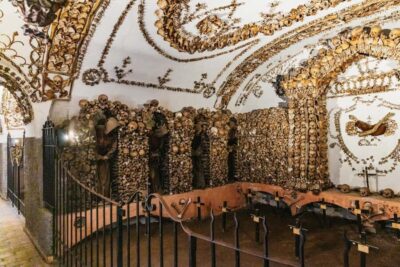 ★ 4.6Capuchin Crypts and Catacombs Tour with TransfersFrom $606,456 reviews
 ★ 4.5The Original Roman Crypts and Catacombs Tour with TransfersFrom $664,896 reviews
 ★ 4.6Catacombs of St. Callixtus Entry Ticket & Guided TourFrom $163,037 reviews
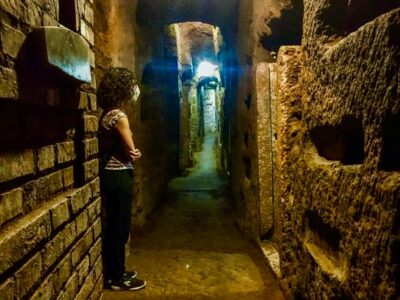 ★ 4.6Guided Roman Catacombs Tour with TransfersFrom $651,830 reviews
 ★ 4.2Catacombs Guided Tour with TransferFrom $541,808 reviews
 ★ 5.0Rome EBike Tour: Appian Way, Catacombs & Roman AqueductsFrom $1021,766 reviews
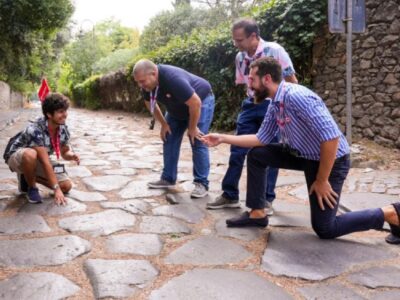 ★ 4.6Catacombs and Capuchin Crypt Guided Tour with TransferFrom $411,606 reviews
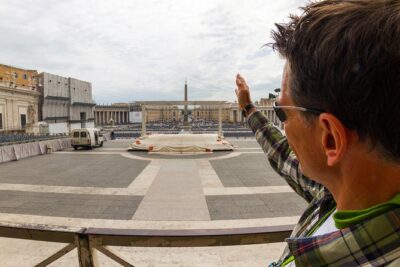 ★ 4.7St. Peter’s Basilica Priority Access Tour with Dome & CryptFrom $701,504 reviews
Browse the lists this tour appears in