
Reviewed · MUSEUMS
Private Tour – National Etruscan Museum
Villa Giulia turns Etruscan art into a real story. With a private guide and unlimited time for questions, this 2-hour visit to the National Etruscan Museum feels relaxed, not rushed. I also like that you can choose a morning or afternoon slot, so you can fit it around the rest of your Rome days.
What makes the experience especially good is the way the guide connects objects to the bigger picture—then lets you slow down where you care most. The one thing to consider is that there’s no hotel pickup, so you’ll want to plan an easy walk or transit route to the meeting point at Piazzale di Villa Giulia 9.
In This Review
- Key things you’ll notice on this private tour
- Villa Giulia is more than a container for Etruscan art
- How the private tour format changes what you get out of the museum
- What you’ll see inside Museo Nazionale Etrusco di Villa Giulia
- The Etruscan masterpieces that anchor the tour (and why they matter)
- Apollo from Veio (6th century BC)
- Sarcophagus of the Spouses from Cerveteri (6th century BC)
- Pyrgi: high relief and gold thin sheets (5th century BC)
- Apollo dello Scasato (4th century BC)
- Centaur from Vulci (6th century BC)
- Cista Ficoroni from Palestrina (4th century BC)
- Pace and questions: what “unlimited time” looks like in real life
- Price and value: is $138.18 per person worth it?
- Practical details: meeting point, timing, and how to prepare
- Who this private Etruscan Museum tour is best for
- Should you book this Private Tour – National Etruscan Museum?
- FAQ
- How long is the Private Tour – National Etruscan Museum?
- Is the entrance ticket included?
- What language is the tour offered in?
- Where does the tour start and end?
- Does the tour include hotel pickup or transportation?
- Is there free cancellation?
Key things you’ll notice on this private tour
- Private Q&A time instead of feeling cut off at the end of a group script
- Villa Giulia as a setting: a Renaissance villa turned museum with its own architectural story
- Two wings added later (1912–1923), so the museum layout gives you variety as you move
- Epigraphy and Valle Giulia context alongside famous sculptures and grave goods
- Admission ticket included, plus a professional local guide in English
- Guide energy level: reviews specifically highlight Vincenzo’s lively, above-and-beyond explanations
Villa Giulia is more than a container for Etruscan art
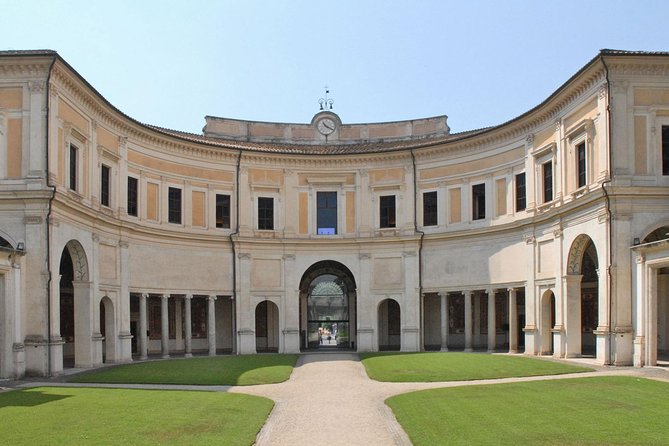
You’re not just walking into a room full of Etruscan objects. The National Etruscan Museum sits in Villa Giulia, a suburban residence built for Pope Julius III around 1550–55, designed by Vignola and realized with help from Ammannati and Vasari. That matters because the building itself sets the tone: this collection was meant to be seen as something important, not an afterthought.
In 1889, the villa became a museum for pre-Roman antiquities of Latium. Later, two wings were added between 1912 and 1923, expanding the museum’s ability to show collections in a more complete way. For you, that translates to a visit that feels like it has a flow, not just a checklist of famous pieces.
Worth a look next to this Rome booking:
- Rome by Golf Cart Private Tour: Beyond the Landmarks
★ 5.0 · 4,361 reviews - Early Morning Vatican, Sistine, St. Peter’s Semi or Private Tour
★ 5.0 · 3,779 reviews - Rome on a Golf Cart Semi-Private Tour Max 6 with Private Option
★ 5.0 · 2,502 reviews - Rome Private Arrival Transfer: Fiumicino Airport to Hotel in Rome
★ 4.5 · 2,492 reviews
How the private tour format changes what you get out of the museum
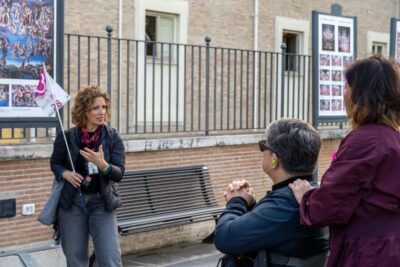
This is a private tour for only your group, led in English by a professional local guide. In practice, that means you’re not lining up behind a big pack while the guide rushes through the highlights. You set the pace, and the tour is designed to give you time to ask questions without watching the clock.
The reviews are very clear about the guide impact—Vincenzo gets called out for being insightful and lively, and for going above and beyond to explain Etruscan civilization in a way that sticks. That’s what you’re buying here: not just access, but interpretation. When you’re standing in front of an object, it’s easy to wonder what you’re actually looking at. A good guide makes the difference between seeing artifacts and understanding why they mattered.
You’ll also have the option of a morning or afternoon tour time. That sounds minor, but for Rome it’s huge. It helps you avoid the “everything is running late, now I’m stressed” feeling, especially if you’re juggling other museum stops.
What you’ll see inside Museo Nazionale Etrusco di Villa Giulia
The museum visit is built around one main stop: the Museo Nazionale Etrusco di Villa Giulia. In about 2 hours, you’ll cover key sections and the objects most people come for, plus context that helps everything click.
Expect the guide to pull from several museum areas:
- sections dedicated to Etruscan epigraphy, so you get a sense of how writing, inscriptions, and language show up in material culture
- areas covering the history of the museum and what it was originally meant to collect
- parts tied to the architectonic complex of Valle Giulia, which helps you understand why the site feels like more than a standard attraction
The museum is organized so that the big names sit alongside supporting material. That’s good for you if you want a tour that explains not only what’s famous, but also what makes Etruscan culture distinct.
One small drawback to keep in mind: since it’s focused on a single museum stop, it’s best if you already want to prioritize the Etruscans. If your goal is to “hit several top sights” in a single afternoon, this won’t be that kind of tour.
The Etruscan masterpieces that anchor the tour (and why they matter)
If you’re short on time, you still need the best anchors—the objects that make the civilization feel real. This tour includes several standout works, and the guide’s job is to connect each one to Etruscan life, belief, and artistry.
Here are the pieces that define the visit:
Worth a look next to this Rome booking:
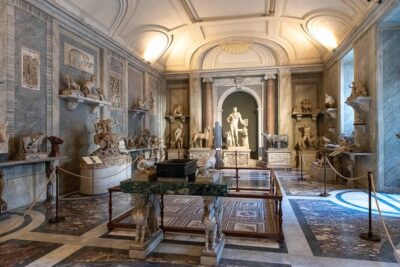
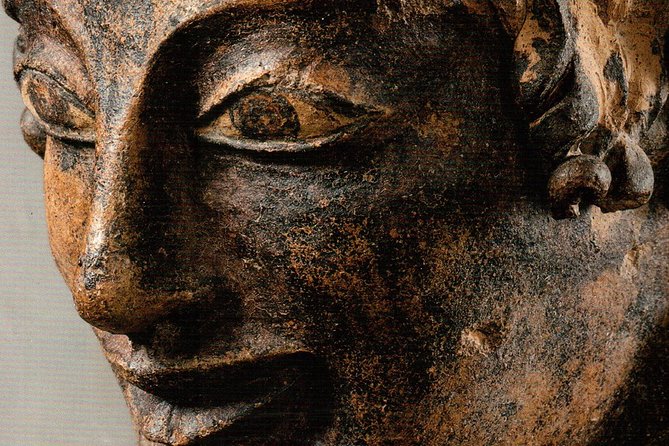
Apollo from Veio (6th century BC)
This is one of the major sculptures highlighted on the tour. The guide can help you look beyond the face and gestures—so you start noticing style choices and what they suggest about Etruscan artistic taste and connections in the wider ancient Mediterranean.
Sarcophagus of the Spouses from Cerveteri (6th century BC)
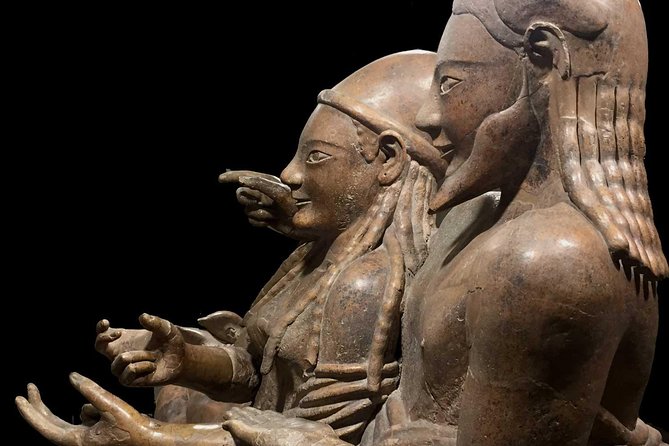
This one is a crowd favorite for a reason: it brings a sense of presence to burial practices. A strong guide will also help you interpret what the scene implies about relationships and how funerary settings communicate values.
In reviews, people mention the reclining couple as especially transporting—exactly the kind of moment where private pacing helps. You can linger without feeling like you’re holding up anyone else.
Pyrgi: high relief and gold thin sheets (5th century BC)
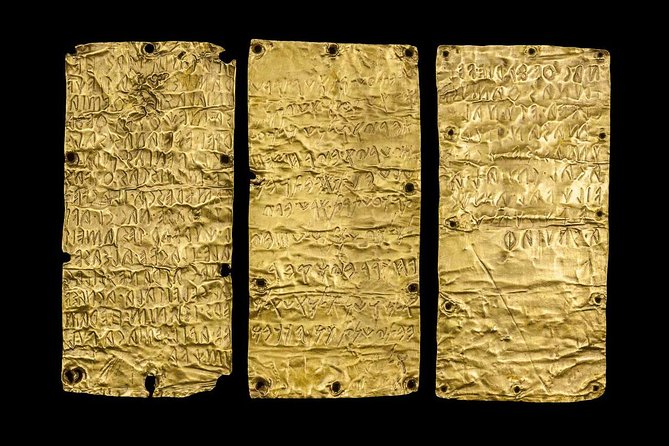
The tour flags the Pyrgi material for good reason. You’re not just looking at imagery; you’re also seeing the power of materials. Gold thin sheets plus relief work gives you a clearer sense of how Etruscan groups invested in prestige and ceremony.
Apollo dello Scasato (4th century BC)
This later Apollo piece helps show how styles and themes shift over time. If you like noticing change across centuries, this is a useful stop because it prevents the whole civilization from feeling frozen in one “look.”
Centaur from Vulci (6th century BC)
My favorite thing about centaur imagery in ancient art is how it blends myth with human imagination. A good guide can show you how this subject connects to performance, symbolism, and the way Etruscans expressed ideas through sculpture.
Cista Ficoroni from Palestrina (4th century BC)
This object is the kind of item that rewards slow looking. It’s a strong example of how Etruscan craftsmanship can be both functional and expressive. If you enjoy the small-world details—decorative logic, style, and what imagery may be signaling—this is one you’ll want time for.
Pace and questions: what “unlimited time” looks like in real life
On paper, unlimited time for questions is a nice perk. In real terms, it changes your emotional experience of the museum.
Instead of waiting until the end, you can stop the guide when something feels confusing: a symbol, a technique, or a date. Instead of rushing to see everything, you can pick what you want to understand and stay there long enough for it to make sense. That’s especially helpful in an Etruscan museum, where the story is less automatically familiar than Rome’s own marble legends.
The best version of this tour also creates small moments of discovery—like when you connect epigraphy to the wider cultural context or realize that a building section is part of the museum’s mission, not just a random room. Reviews that praise Vincenzo’s passion line up with what you’ll feel when the explanations keep moving and the guide actually wants you to ask.
Price and value: is $138.18 per person worth it?
At $138.18 per person, this tour sits in the private-tour range. The real question isn’t the number alone—it’s what’s included.
Here’s the value math that matters:
- Admission ticket is included, so you’re not juggling separate entry costs
- Local professional guide is included, and it’s a private format, not a shared group lecture
- Private tour means you’re paying for time with a guide tailored to your group, not just a timed entrance
Also, the tour offers group discounts, which can soften the per-person price if you’re traveling with others. And it’s booked an average of 38 days in advance, which is a good sign for a popular, high-demand museum slot.
If you’re the type who likes to ask questions and you don’t want to feel rushed, this can be a strong value. If you prefer to wander with no guidance at all, you might find a self-guided museum visit cheaper. But for most people who want Etruscans to feel understandable, not just impressive, private guidance is where the money goes.
Practical details: meeting point, timing, and how to prepare
The tour meets at the National Etruscan Museum of Villa Giulia, Piazzale di Villa Giulia 9, 00196 Roma RM, Italy. It ends back at the meeting point, so you won’t have to think about a transfer.
There’s no hotel pickup or private transportation included. That’s normal for museum tours, but you should plan an easy way to get there—walking if your route allows, or using public transit. Since the meeting point is described as near public transportation, you should be able to build this into a busy day without extra stress.
Because the tour is about 2 hours, don’t overstuff the schedule right after. Give yourself some breathing room to see whatever the guide points out as you go, then follow up with questions if you didn’t get to everything.
What to bring? Comfortable shoes help, plus a phone or camera if you like to take notes on what you saw. If you’re especially interested in inscriptions, keep an eye out for what the guide points to—you can learn a lot from epigraphy even if you can’t read the language yourself.
Who this private Etruscan Museum tour is best for
This tour fits best if you want more than a fast pass through a famous museum.
You should book it if:
- Etruscan civilization interests you, and you want it explained clearly
- you love art and objects with stories behind them—especially funerary art and symbolic works
- you don’t want the pressure of a group pace
- you’re traveling with friends or family who would benefit from Q&A in real time
It’s also a great choice if you’re pairing this with other Rome stops and want a museum segment that’s controlled, timed, and guided. Reviews that mention how Vincenzo made the Etruscans come alive are exactly what you hope for when you’re investing in a private guide.
Should you book this Private Tour – National Etruscan Museum?
I’d book it if you care about understanding what you’re seeing and you want the museum to feel human. Villa Giulia is an especially smart place for this collection, and the private format lets you slow down for the objects that hook you.
Skip it only if you prefer self-guided wandering with no guide attention, or if you’re trying to cover a long list of sights in just one short window. For an Etruscan-focused visit, this is a solid choice.
FAQ
How long is the Private Tour – National Etruscan Museum?
The tour lasts about 2 hours.
Is the entrance ticket included?
Yes. The tickets (admission) are included.
What language is the tour offered in?
It’s offered in English.
Where does the tour start and end?
The meeting point is at the National Etruscan Museum of Villa Giulia, Piazzale di Villa Giulia 9, 00196 Roma RM, Italy, and the tour ends back at the meeting point.
Does the tour include hotel pickup or transportation?
No. Hotel pickup/drop-off and private transportation are not included.
Is there free cancellation?
Yes. You can cancel for a full refund up to 24 hours before the experience starts.
More Private in Rome
- Rome by Golf Cart Private Tour: Beyond the Landmarks
★ 5.0 · 4,361 reviews - Early Morning Vatican, Sistine, St. Peter’s Semi or Private Tour
★ 5.0 · 3,779 reviews - Rome on a Golf Cart Semi-Private Tour Max 6 with Private Option
★ 5.0 · 2,502 reviews - Rome Private Arrival Transfer: Fiumicino Airport to Hotel in Rome
★ 4.5 · 2,492 reviews - Rome Highlights by Golf Cart Private Tour
★ 5.0 · 2,379 reviews - Private Pompeii, Positano & Amalfi coast Tour from Rome
★ 4.5 · 1,888 reviews
More Tours in Rome
- Vatican Museums, Sistine Chapel & St. Peter’s Basilica Tour
★ 4.3 · 73,970 reviews - Vatican Museums, Sistine Chapel & St Peter’s Basilica Guided Tour
★ 4.5 · 39,149 reviews - Rome: Colosseum, Palatine Hill and Roman Forum Guided Tour
★ 4.8 · 32,814 reviews - Rome: Guided Tour of Colosseum, Roman Forum & Palatine Hill
★ 4.7 · 27,897 reviews - Rome: Colosseum, Roman Forum and Palatine Hill Guided Tour
★ 4.5 · 23,903 reviews - Rome: Colosseum Arena Floor, Palatine & Forum Guided Tour
★ 4.5 · 20,180 reviews
More Tour Reviews in Rome
- Vatican Museums, Sistine Chapel & St. Peter’s Basilica Tour
★ 4.3 · 73,970 reviews - Vatican Museums, Sistine Chapel & St Peter’s Basilica Guided Tour
★ 4.5 · 39,149 reviews - Rome: Colosseum, Palatine Hill and Roman Forum Guided Tour
★ 4.8 · 32,814 reviews - Rome: Guided Tour of Colosseum, Roman Forum & Palatine Hill
★ 4.7 · 27,897 reviews - Rome: Colosseum & Forum with Audio Guide App -Optional Arena
★ 4.2 · 24,770 reviews - Rome: Colosseum, Roman Forum and Palatine Hill Guided Tour
★ 4.5 · 23,903 reviews
Just added to our Rome reviews





Museums, compared.
 ★ 4.5Vatican: Museums & Sistine Chapel Entrance TicketFrom $38144,003 reviews
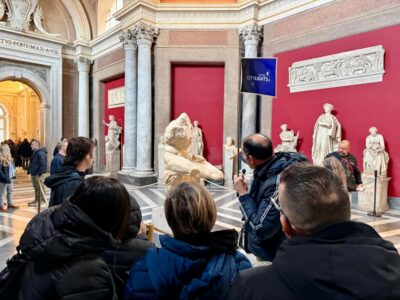 ★ 4.3Vatican Museums, Sistine Chapel & St. Peter’s Basilica TourFrom $7273,970 reviews
 ★ 4.5Vatican Museums, Sistine Chapel & St Peter’s Basilica Guided TourFrom $2239,149 reviews
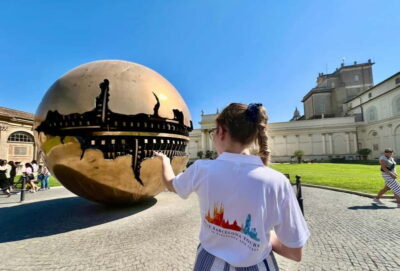 ★ 4.3Vatican Museums, Sistine Chapel and Basilica TourFrom $7316,039 reviews
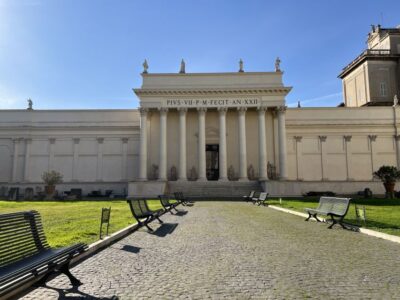 ★ 4.4Vatican Museums & Sistine Chapel Skip-the-Line Entry TicketFrom $4313,838 reviews
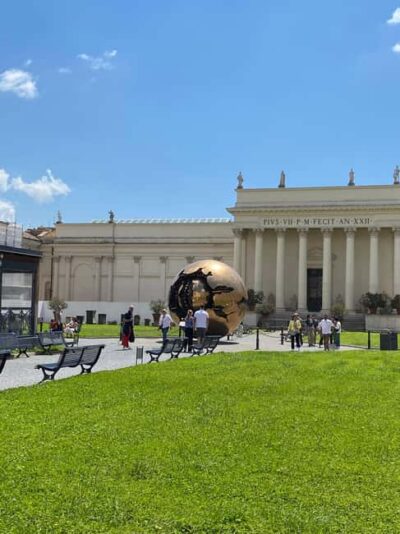 ★ 4.7Vatican Museums, Sistine Chapel & Basilica TourFrom $7213,217 reviews
 ★ 4.3Vatican Museums & Sistine Chapel Guided TourFrom $11812,117 reviews
 ★ 4.2Vatican Museums & Sistine Chapel Skip-The-Line TicketFrom $4111,708 reviews