
Reviewed · ROME COOKING CLASSES
Pasta and Tiramisù Cooking Workshop in the Heart of Rome
Fresh pasta in Rome beats any restaurant. This class is interesting because you get hands-on coaching in a small six-person group, taught in English in a modern space near Rome’s Opera House. It’s the kind of evening that turns sightseeing energy into something you can actually take home with you.
I also like that the menu is clear and practical: you make fettuccine and ravioli from scratch and finish with tiramisù, then sit down to eat what you made. One possible consideration: depending on how the kitchen runs that night, the pasta may be cooked in batches and served together, so you might not be able to pinpoint every single portion as strictly yours.
In This Review
- Key Points You’ll Care About
- Getting There at 6:00 pm: Via Firenze, a Modern Room, and Easy Transit
- Why This Class Feels Personal: The Six-Person Cap
- Your Hands-On Menu: Fettuccine, Ravioli, and Tiramisù
- Fettuccine: Ribbon Pasta With Real Technique
- Ravioli: Stuffed Pasta That Rewards Patience
- Tiramisù: The Dessert That Lets You Breathe
- What Happens During the Meal: Sauces, Wine, and the Rome-Style Dinner Pace
- The Instructor Factor: Agnes and Danilo Show the Same Thing
- The Big Win: Recipes Sent After Class
- Value Check on $66.52: What You’re Actually Paying For
- Who This Rome Workshop Fits Best (And Who Might Want to Skip)
- Practical Tips Before You Go (So You Cook Better)
- Should You Book This Pasta and Tiramisù Workshop in Rome?
- FAQ
- What is the price for this pasta and tiramisù workshop?
- How long is the cooking class?
- How many people are in the class?
- Is the class offered in English?
- Where do we meet, and what time does it start?
- What’s included besides cooking?
- Can I cancel and get a full refund?
Key Points You’ll Care About
- Six people max for real one-on-one help, not stand-back-and-watch instruction
- Two pasta styles from dough to plate: fettuccine and ravioli
- Tiramisù is part of the main event, not an afterthought
- Included meal plus drinks like Prosecco, wine, and limoncello, with non-drink options
- Clean, modern setting near the Opera House, easy to pair with an evening plan
- Recipes are sent after class, so your skills don’t vanish the next morning
Getting There at 6:00 pm: Via Firenze, a Modern Room, and Easy Transit
The workshop starts at 6:00 pm and runs about 2 hours 30 minutes. That timing is ideal if you want a slower evening after a day of walking, but you still want to be done before late-night chaos.
You’ll meet at Via Firenze 10, 00184 Roma RM, and it ends back at the meeting point. The location is also described as near public transportation, which matters in Rome. You don’t want your cooking class to become a mini scavenger hunt, especially right when you’re hungry.
More aprons-on time in a Roman kitchen
- 3 in 1 Cooking Class near Navona: Fettuccine, Ravioli & Tiramisu
★ 5.0 · 7,376 reviews - Rome: Pasta & Tiramisu Class with Fine Wine by the Vatican
★ 4.9 · 4,852 reviews - Rome: Pasta Making Class with Wine, Limoncello, and Dessert
★ 4.9 · 3,177 reviews - Rome Cooking Class: Make Pasta and 3 Spritz Cocktails
★ 5.0 · 2,937 reviews
Why This Class Feels Personal: The Six-Person Cap
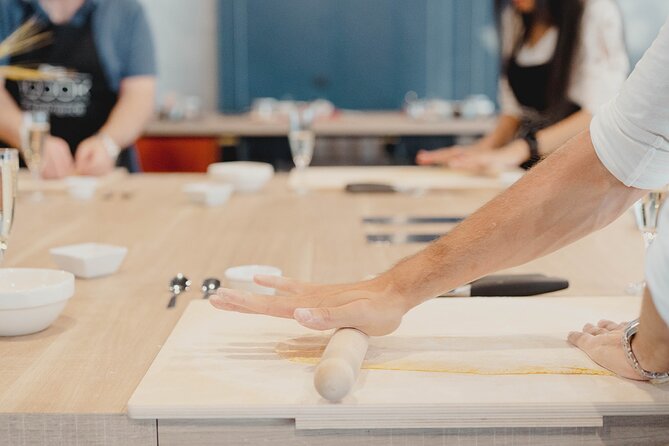
Cooking teaches best when you can actually ask questions. Here, the group is capped at six, which makes a big difference in how your instructor can correct technique.
In a bigger class, mistakes get ignored and speed takes over. In a small one, you’re more likely to get direct guidance while you’re shaping dough, rolling, or assembling ravioli. That personalized pacing shows up in how people describe the experience: patient instruction, people getting help when needed, and a general sense that the room is calm.
Also, you’re not stuck waiting for the instructor to circle the room. You can work, check in, adjust, and keep moving. That is how you end up with pasta that tastes like you tried.
Your Hands-On Menu: Fettuccine, Ravioli, and Tiramisù
This is not a tasting tour. It’s a making class, and the menu is built around three milestones: two pasta types and one classic dessert.
Fettuccine: Ribbon Pasta With Real Technique
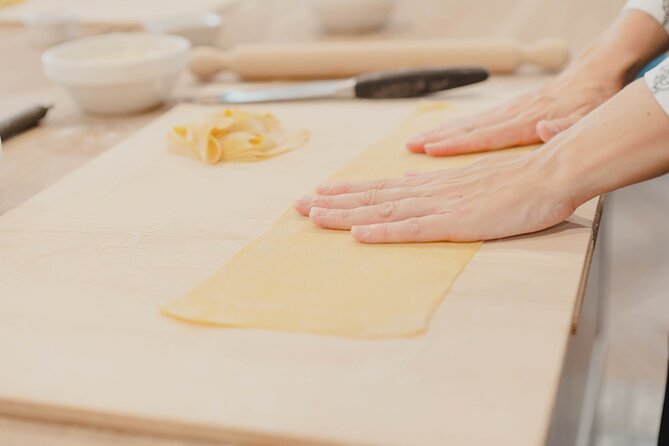
Fettuccine is the wide ribbon style you’ll recognize on Italian tables. In class, you’ll work through the basics of fresh pasta dough and then shape it into fettuccine. The important part isn’t just the shape. It’s learning what the dough should feel like as you work it and how to handle it without turning it into sticky misery.
Once it’s done, it’s served with a sauce that’s typically described as a red sauce. That means you’re not just learning to make pasta. You’re also learning how fresh pasta behaves once it meets hot sauce.
Worth a look next to this Rome booking:
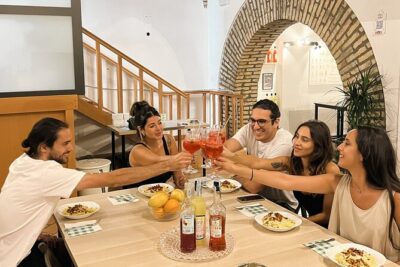
Ravioli: Stuffed Pasta That Rewards Patience
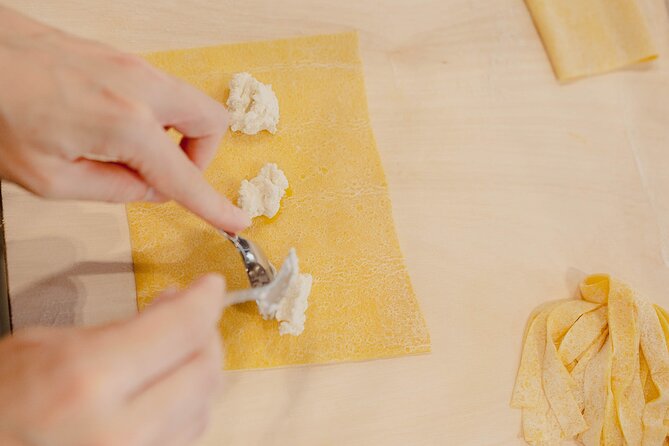
Ravioli are the step up in the experience. You’re making filled pasta, which means you have to focus on portioning and sealing so it cooks into neat pockets rather than open-faced dumplings.
People specifically highlight ravioli as a favorite, and that makes sense. Stuffed pasta is where your technique becomes obvious on the plate. It’s also where the class structure pays off: the smaller group size makes it easier for the instructor to guide you while you assemble.
A simple butter sauce is one way the ravioli may be served in the class. Simple sauces are actually a good sign for a workshop because they don’t hide under-seasoning. Your filling and dough quality show up fast.
Tiramisù: The Dessert That Lets You Breathe
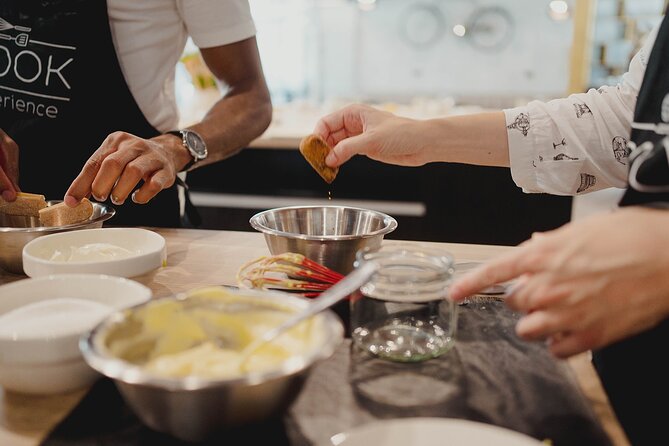
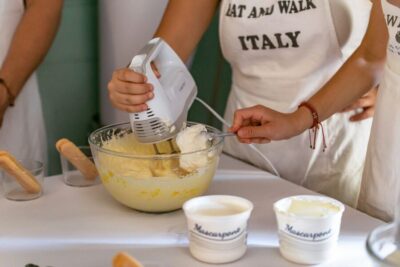
Tiramisù is the finish line, and it’s the kind of dessert that teaches you “repeatable” steps. Even if you’re not a fearless baker, tiramisù is forgiving because it’s mostly assembly plus attention to texture.
In the class setup, you end up making tiramisù and then eating it. Many people note that everyone had their own tiramisù portion. That matters for value and for enjoyment because you’re not sharing one dessert like it’s a museum sample.
What Happens During the Meal: Sauces, Wine, and the Rome-Style Dinner Pace
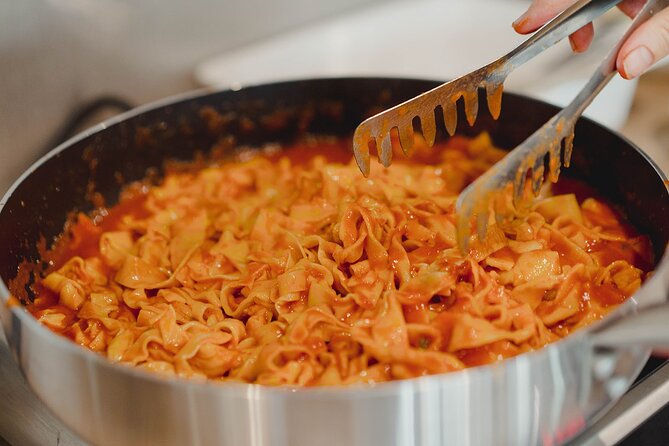
After you cook, you get to eat what you made. That lunch-style (dinner-style, since it’s evening) is a big part of why this experience feels worth it. You’re not just producing for photos and leaving. You’re sitting down with your food like a real Italian evening meal.
The beverages are a highlight. Expect Prosecco, wine, and limoncello. And the class includes other options for non-drinkers, so you’re not stuck watching people toast while you sip plain water. Drinks don’t replace instruction here; they’re a companion to it.
The general vibe is relaxed but organized. People describe it as long-casual evening dinner, not a rushed demo. If you like your classes with some conversation, this setup supports it.
The Instructor Factor: Agnes and Danilo Show the Same Thing
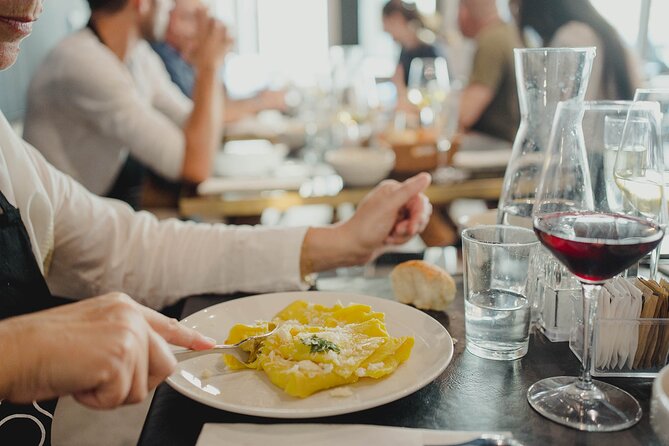
A lot of cooking classes live or die by the teacher, and here the names that come up are Agnes/Agnese and Danilo. Different names, same overall theme in how people describe the teaching: clear steps, patience with mistakes, and practical coaching.
Agnes is noted for sharing context about Roman food and regional traditions, plus Italy’s cooking culture and even music. Danilo is also praised for making the process easy and helping people nail technique. And in both cases, assistants often help with serving and cleaning up, which keeps the workflow smooth.
If you’ve ever felt intimidated by dough, this is the part you should care about most. Good instruction turns cooking from luck into a method you can repeat later.
The Big Win: Recipes Sent After Class
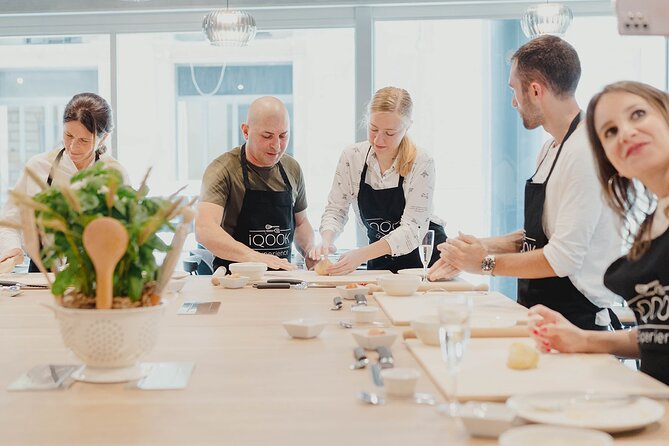
One of the most useful parts is what you get after you leave. You should receive the recipes by email following the class, so your memory isn’t the only ingredient.
That is exactly the sort of practical takeaway that makes a cooking workshop more than a night out. Fresh pasta can feel magical on day one and impossible on day two. Recipes help you recreate what you learned, with less guesswork.
Some people also mention the class includes extra touches like a certificate and a tote bag. Those aren’t what you cook for, but they add a nice “this was real” feeling at the end of the evening.
Value Check on $66.52: What You’re Actually Paying For
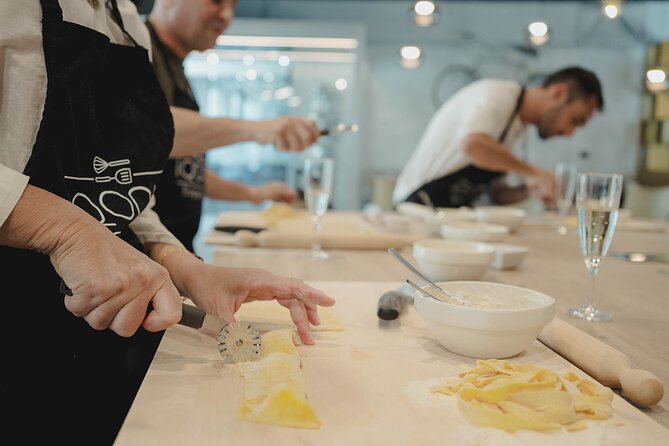
At $66.52 per person, you’re paying for a bundle, not just a seat. The core value is this: you get instruction to make two pasta varieties and tiramisù, plus you eat it, and the class includes beverages.
In Rome, meals can add up quickly, and cooking instruction isn’t usually cheap. Here, the price is competitive because you’re getting multiple components at once:
- fresh pasta making (hands-on, not watching)
- a dessert that you assemble and eat
- an end-of-class meal experience
- drinks included as part of the dinner flow
- recipes afterward so your skills continue
If you enjoy food vacations, this is the kind of value that feels tangible. You’re not just buying a ticket to an attraction. You’re buying a skill plus dinner.
Who This Rome Workshop Fits Best (And Who Might Want to Skip)
This class is a strong match if you want:
- a small-group cooking experience that doesn’t feel like a factory line
- a practical skill you can use at home
- a fun, social evening near major sights
- a menu that hits both savory (pasta) and sweet (tiramisù)
It’s also good for families, since at least some groups include kids who enjoy the hands-on work. A smaller room usually helps children because they get attention instead of being sidelined.
You might consider a different kind of class if your main goal is strictly learning every step in total isolation from the group. One practical note: pasta may be cooked and served in batches depending on how the kitchen runs that night, and that can affect how individually you experience the cooking-to-plate process.
Practical Tips Before You Go (So You Cook Better)
Here’s how to set yourself up for success without turning this into homework.
- Wear something comfortable. You’ll be working with dough and flour.
- Plan to arrive a few minutes early so you can get oriented.
- If you’re sensitive to alcohol, pace yourself. There are multiple drink options, and it’s a 6 pm start.
- If you care about home practice, pay attention to dough texture and timing. That’s what makes the recipes work later.
Also, this is a modern indoor space with people mentioning it felt clean and pleasant, which helps if you want your cooking class to be calm and comfortable rather than cramped.
Should You Book This Pasta and Tiramisù Workshop in Rome?
Book it if you want a memorable Rome evening that ends with food you made, plus recipes you can actually use later. The small group, the two pasta types, and the fact that the class includes a full meal and drinks add up to a strong value for the price.
Skip it only if you’re looking for a mostly passive experience or if you prefer cooking demonstrations with very minimal hands-on mess. If that’s your style, you might want a tasting-first option instead.
If you can handle a 6:00 pm start and you like the idea of learning fresh pasta technique, this one is a very solid choice.
FAQ
What is the price for this pasta and tiramisù workshop?
The price is $66.52 per person.
How long is the cooking class?
The duration is about 2 hours 30 minutes.
How many people are in the class?
The experience is capped at a maximum of 6 travelers.
Is the class offered in English?
Yes. The workshop is offered in English.
Where do we meet, and what time does it start?
You meet at Via Firenze, 10, 00184 Roma RM, Italy, and the class starts at 6:00 pm. It ends back at the meeting point.
What’s included besides cooking?
You make two pasta varieties (fettuccine and ravioli) and tiramisù, and you also enjoy a home-cooked Italian lunch/meal with beverages (Prosecco, wine, and limoncello are mentioned, with other options for non-drinkers). Recipes are also sent after the class.
Can I cancel and get a full refund?
Yes. You can cancel for free up to 24 hours in advance of the experience start time for a full refund.
More Cooking Classes in Rome
- 3 in 1 Cooking Class near Navona: Fettuccine, Ravioli & Tiramisu
★ 5.0 · 7,376 reviews - Rome: Pasta Making Class with Wine, Limoncello, and Dessert
★ 4.9 · 3,177 reviews - Rome Cooking Class: Make Pasta and 3 Spritz Cocktails
★ 5.0 · 2,937 reviews - Rome: 3-in-1 Fettuccine, Ravioli, and Tiramisu Cooking Class
★ 4.9 · 2,704 reviews - Rome: Fettuccine Pasta Cooking Class in Rome’s City Center
★ 4.8 · 2,414 reviews - Fettuccine & Tiramisù: Cooking Class with Wine & Limoncello
★ 4.9 · 2,103 reviews
More Tour Reviews in Rome
- Vatican Museums, Sistine Chapel & St. Peter’s Basilica Tour
★ 4.3 · 73,970 reviews - Vatican Museums, Sistine Chapel & St Peter’s Basilica Guided Tour
★ 4.5 · 39,149 reviews - Rome: Colosseum, Palatine Hill and Roman Forum Guided Tour
★ 4.8 · 32,814 reviews - Rome: Guided Tour of Colosseum, Roman Forum & Palatine Hill
★ 4.7 · 27,897 reviews - Rome: Colosseum & Forum with Audio Guide App -Optional Arena
★ 4.2 · 24,770 reviews - Rome: Colosseum, Roman Forum and Palatine Hill Guided Tour
★ 4.5 · 23,903 reviews
Learn Another Roman Dish
- 3 in 1 Cooking Class near Navona: Fettuccine, Ravioli & Tiramisu
★ 5.0 · 7,376 reviews - Rome: Pasta & Tiramisu Class with Fine Wine by the Vatican
★ 4.9 · 4,852 reviews - Rome: Pasta Making Class with Wine, Limoncello, and Dessert
★ 4.9 · 3,177 reviews - Rome Cooking Class: Make Pasta and 3 Spritz Cocktails
★ 5.0 · 2,937 reviews - Rome: 3-in-1 Fettuccine, Ravioli, and Tiramisu Cooking Class
★ 4.9 · 2,704 reviews - Rome: Fettuccine Pasta Cooking Class in Rome’s City Center
★ 4.8 · 2,414 reviews
Just added to our Rome reviews





Rome Cooking Classes, compared.
 ★ 5.03 in 1 Cooking Class near Navona: Fettuccine, Ravioli & TiramisuFrom $837,376 reviews
 ★ 4.9Pasta & Tiramisu Class with Fine Wine by the VaticanFrom $414,852 reviews
 ★ 4.9Pasta Making Class with Wine, Limoncello, and DessertFrom $483,177 reviews
 ★ 5.0Rome Cooking Class: Make Pasta and 3 Spritz CocktailsFrom $992,937 reviews
 ★ 4.93-in-1 Fettuccine, Ravioli, and Tiramisu Cooking ClassFrom $812,704 reviews
 ★ 4.8Fettuccine Pasta Cooking Class in Rome’s City CenterFrom $462,414 reviews
 ★ 5.0Learn to Make Pasta & Tiramisu with Wine and Limoncello IncludedFrom $542,345 reviews
 ★ 5.0Become a Masterchef in Rome: Pasta, Ravioli and Tiramisù ClassFrom $472,156 reviews
Browse the lists this tour appears in