
Reviewed · SELF-GUIDED TOURS
National Gallery of Modern Art Ticket & Rome App Audioguide
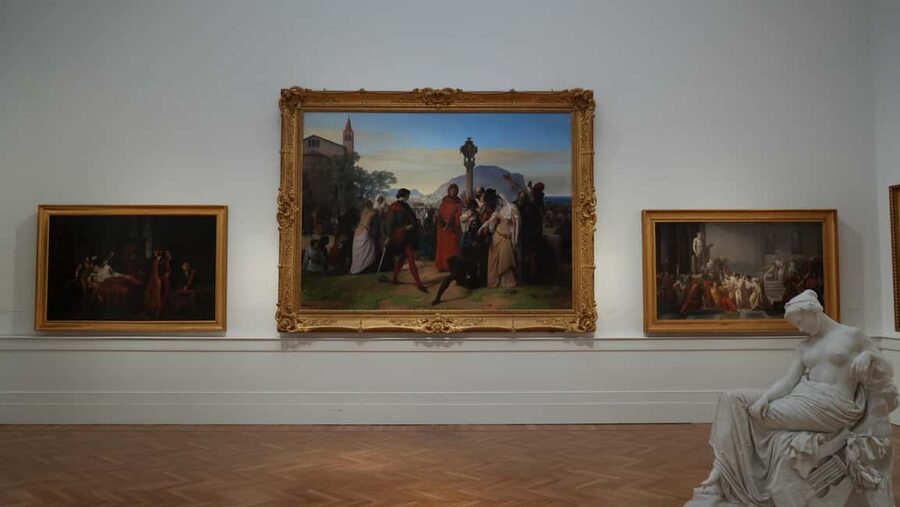
A museum that eats time fast. This ticket gives you skip-the-line access to Rome’s National Gallery of Modern Art and a phone app audioguide, so you can move straight into nearly 20,000 works of Italian and foreign art—paintings, sculpture, and installations. I especially like the way the collections are split into clear time periods, and the fact that you can pace yourself at your own speed. One drawback: the museum is huge, so without good guidance you may feel a bit like you’re searching for your next label.
On the ground floor, you’ll focus on 19th-century art with major names like Claude Monet and Vincent Van Gogh. Upstairs shifts to 20th-century art, where the highlights include works by Antonio Canova and Joseph Kosuth. Just note there’s no guided tour included, so you’ll rely on the included digital audioguide (and your own curiosity) to connect the dots.
In This Review
- Key Takeaways Before You Go
- Skip the Line at Galleria Arte Moderna Nazionale
- What You’ll See: 19th-Century Ground Floor to 20th-Century Top Floor
- Using the Digital App Audioguide Without Getting Overwhelmed
- How to Pace a 1-Day Visit in a Museum With 20,000+ Works
- Don’t Get Tripped Up: Photography, Food Rules, Cloakroom, and No Flash
- Built for Everyone: Accessibility and Practical Comfort
- Price and Value: What Your Ticket Really Covers
- When This Works Best (And When It Might Not)
- Should You Book This Skip-the-Line Ticket?
- FAQ
- FAQ
- What’s included with the National Gallery of Modern Art ticket and Rome app audioguide?
- Does this ticket include skip-the-line entry?
- Are food and drinks allowed inside the museum galleries?
- Is flash photography allowed?
- Is the museum wheelchair accessible?
- When is the museum closed?
Key Takeaways Before You Go
- Skip-the-line entry helps you start faster inside the National Gallery of Modern Art in Rome
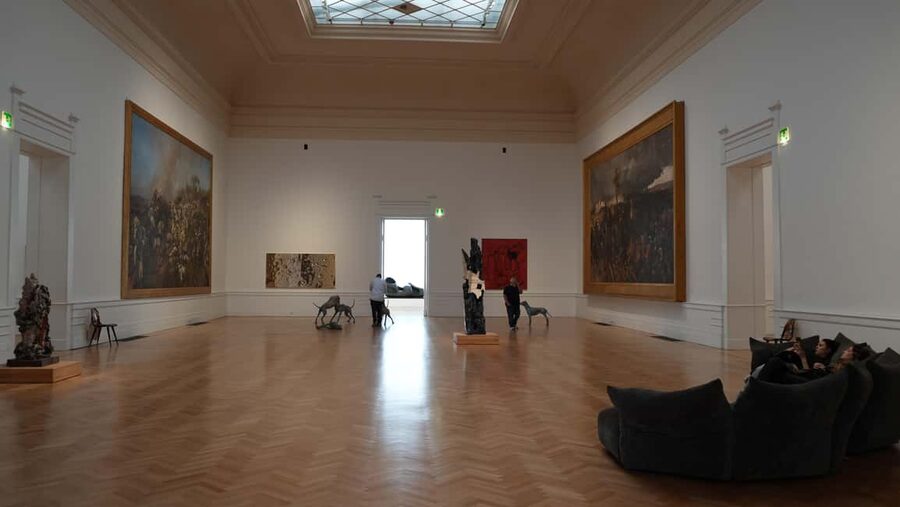
- Nearly 20,000 works makes this a choose-your-own-adventure museum day
- Two-floor timeline: 19th-century on the ground floor, 20th-century on the top floor
- Big names across styles (Monet, Van Gogh, Canova, Joseph Kosuth) without needing prior art history
- No flash, no food, bags at the cloakroom means lighter travel and fewer distractions
Skip the Line at Galleria Arte Moderna Nazionale
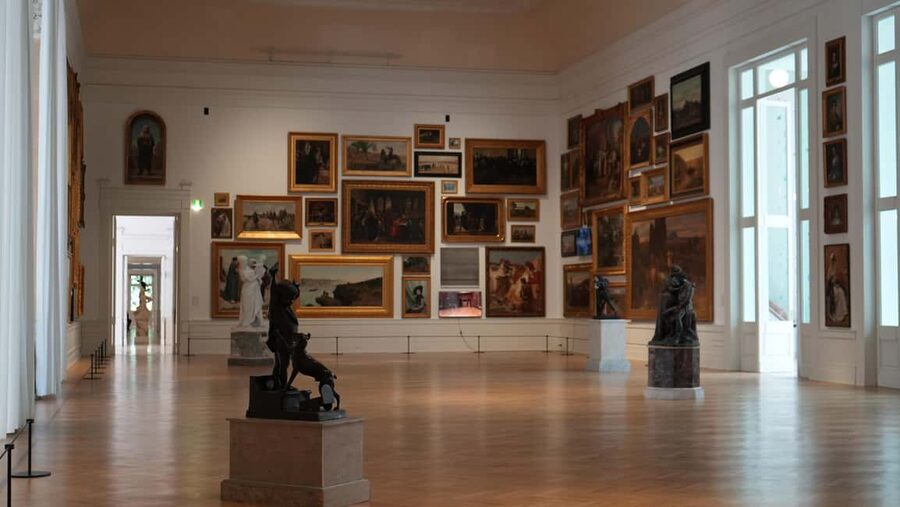
This experience is built for one simple goal: get you into the National Gallery of Modern Art quickly, without spending your day inching through the queue. Once you’re inside using your official ticket, you’re free to wander the galleries at your own pace. That freedom matters here, because this museum covers an enormous sweep of art—and if you try to rush it, you miss the small moments that make it fun.
I like that the ticket isn’t trying to force a rigid route. Instead, you get a structured “you’re in” advantage (skip-the-line) and then you build your own visit using the included digital audioguide. For many people, that’s the best of both worlds: efficiency at the door, flexibility once you’re there.
One practical consideration: because the museum is large, you’ll want a plan for how you’ll spend your time. If you drift randomly, you can end up spending the whole day moving between rooms instead of seeing what you came for.
Worth a look next to this Rome booking:
- Rome: Hop-On Hop-Off Panoramic Bus Ticket – Access 3 Routes
★ 4.0 · 18,145 reviews - Vatican Museums & Sistine Chapel Skip-the-Line Entry Ticket
★ 4.4 · 13,838 reviews - Vatican Museums & Sistine Chapel Skip-the-Ticket-Line Tour
★ 4.3 · 10,486 reviews - Rome: Vatican Museums & Sistine Chapel Skip-the-Line Ticket
★ 4.3 · 8,103 reviews
What You’ll See: 19th-Century Ground Floor to 20th-Century Top Floor
The museum’s layout is one of its biggest strengths. You’re essentially visiting two different art eras without having to hunt for the context.
On the ground floor, you’re in the lane of 19th-century art. This is where names like Claude Monet and Vincent Van Gogh fit naturally into the flow. If you’re the kind of visitor who likes to connect a style to a period, this floor helps you do that quickly. It’s also where you can see how painting and sculpture from that era set up the later shifts in modern art.
Upstairs, the museum turns toward the 20th century. The top floor includes key pieces by Antonio Canova and Joseph Kosuth, and the range is broad: Neoclassicism through movements like Impressionism, plus later currents such as Futurism and Surrealism. That matters because modern art doesn’t always feel “one thing.” It’s more like a series of experiments, and this layout makes those experiments easier to understand.
The way the floors are separated also makes planning simpler. If you only have a day, you can decide how much time to spend on each century instead of trying to see everything. And if you love one era more than the other, the museum won’t punish you for that. You just focus.
Using the Digital App Audioguide Without Getting Overwhelmed
You get an app audioguide included with your ticket. That’s the real “how do I enjoy this museum without feeling lost?” tool. Since this isn’t a guided tour, the audioguide becomes your main way to understand what you’re seeing, especially for artists and movements you don’t already know.
Here’s how I recommend using it so it doesn’t become background noise. Start with a goal: pick a handful of artists or themes you want to find, then use the audioguide to enrich those stops. If you try to listen to everything from room one onward, you’ll slow down too much and you’ll still miss stuff.
Also, because the museum is large, good audio helps you connect labels to meaning. The audioguide can act like a shortcut to understanding why a work matters, so you’re not just walking past art like it’s furniture.
One note based on the experience: signage and labeling can feel incomplete for some visitors, and having the artist/work names tied to what you’re listening to can help you avoid that puzzle-like feeling. If you’re the type who likes to know exactly what you’re looking at, the app is the way to keep your visit satisfying.
How to Pace a 1-Day Visit in a Museum With 20,000+ Works
Nearly 20,000 works sounds like a nightmare for planning, but it can also be the point. In a collection of this size, the best strategy is to accept that you can’t see everything. You’re not failing—you’re choosing what to experience.
Here’s a pacing approach that usually works in huge museums like this:
- Pick your anchor artists first. For this museum, the big ones include Claude Monet, Vincent Van Gogh, Antonio Canova, and Joseph Kosuth. Find those, and everything else becomes easier to place.
- Work in “bands” by floor and theme. Ground floor first if you want a chronological on-ramp; top floor second if you’re chasing modern experiments.
- Take breaks on purpose. If you feel yourself sprinting, stop. Look slowly at one installation or sculpture section instead of trying to cover more rooms.
The museum’s size is great for large works and bigger spaces, but it also increases walking time. If you only have a day, that physical reality matters. Give yourself permission to see fewer works—better, not more.
A practical improvement idea that fits the museum: have a backup plan if you feel under-directed. If you reach a section and can’t easily spot what you want next, switch tactics—spend ten minutes with the audioguide for that area, then move on once you’ve found your bearings again.
Worth a look next to this Rome booking:


Don’t Get Tripped Up: Photography, Food Rules, Cloakroom, and No Flash
This is one of those museums where small rules affect your comfort. Here’s what you need to know so you don’t lose time.
Photography is allowed, but flash photography isn’t permitted. That’s good news for your own viewing too—you won’t have to deal with harsh, attention-grabbing flashes in the galleries. Just keep your phone settings sensible and avoid trying to use flash lighting for darker rooms.
Food and drinks are not allowed inside the museum galleries. That means you’ll want to plan for water outside the galleries (and snack management before or after). The upside is less clutter, fewer distractions, and a calmer museum atmosphere.
Large bags and backpacks must be left at the cloakroom. So pack light if you can. If you’re traveling with a bigger daypack, consider doing laundry-level minimization: essentials only. Less time dealing with bag policies means more time with the art.
Pets aren’t allowed, though assistance dogs are allowed. If you’re traveling with a service animal, this is straightforward—but it’s still worth keeping the rule in mind.
Built for Everyone: Accessibility and Practical Comfort
The museum is wheelchair accessible, which is a major plus if you need step-free movement and easier navigation. That accessibility detail can make or break a visit in older European buildings, so it’s good that this one is set up for it.
There’s no guided tour included, which can also be a comfort factor. You don’t have to keep up with a group. If you move slowly, you can pause longer. If you want to hop to a specific room, you can do it without asking anyone for permission.
If you’re the type who needs a steady structure, the downside is that you’ll be responsible for building that structure with the app audioguide. Still, with a clear plan (anchors first, floor-by-floor pacing), it works well.
Price and Value: What Your Ticket Really Covers
The price you’ll see is about $20 per person, and the cost breakdown is pretty telling. The ticket itself is 15 EUR. The remaining amount goes toward the digital app audioguide and GetYourGuide services.
For value, I’d look at it this way: you’re not paying extra for a guide leading you room-to-room. You’re paying for the ability to get in quickly and for the audioguide support that keeps a self-paced visit from feeling aimless.
Also, since this is non-refundable, decide before you buy if you’re confident you’ll make the date. If your schedule is shaky, that’s the one “watch it” point.
When the skip-the-line matters (and in Rome, it usually does), paying for convenience can feel fair. You’re buying back time so you can actually spend it seeing the art.
When This Works Best (And When It Might Not)
This ticket is a great match if you:
- Want to visit one major museum in a day without booking a full guided tour
- Like self-paced travel, but you still want structure through an app audioguide
- Are curious about the bridge between 19th-century painting/sculpture and 20th-century modern movements
It might be less ideal if you strongly prefer a human guide who explains everything on the fly. Because no guided tour is included, your enjoyment will depend on whether you’re happy using an audio guide and reading enough labels to connect ideas.
It also fits best if you can handle the museum’s scale. If huge spaces stress you out, plan your day like you would a long hike: pick a route, do anchor points, and don’t try to do the whole list.
Should You Book This Skip-the-Line Ticket?
Book it if you want an efficient, self-guided museum day with skip-the-line entry and an included app audioguide. The combination makes sense for Rome: you save time at the busiest moment, then you spend that time where it counts—actually looking at art.
I’d skip booking (or consider an alternative) if you want a guided explanation delivered by a person, or if you know you’ll get frustrated without strong on-site signage. In that case, the app audioguide becomes essential, and you’ll want to be ready to use it actively, not passively.
FAQ
FAQ
What’s included with the National Gallery of Modern Art ticket and Rome app audioguide?
You get access to the museum and a digital app audioguide of the city of Rome. A guided tour is not included.
Does this ticket include skip-the-line entry?
Yes. The ticket provides skip-the-line access to the National Gallery of Modern Art in Rome.
Are food and drinks allowed inside the museum galleries?
No. Food and drinks are not allowed inside the museum galleries.
Is flash photography allowed?
Photography is allowed, but flash photography is not permitted.
Is the museum wheelchair accessible?
Yes. The museum is wheelchair accessible.
When is the museum closed?
The museum is closed on Mondays.
If you want, tell me your travel dates and whether you prefer paintings, sculpture, or installations most—I can suggest a simple 1-day route that matches your taste and doesn’t require seeing everything.
More Museums in Rome
- Vatican Museums, Sistine Chapel & St. Peter’s Basilica Tour
★ 4.3 · 73,970 reviews - Vatican Museums, Sistine Chapel & St Peter’s Basilica Guided Tour
★ 4.5 · 39,149 reviews - Rome: Vatican Museums, Sistine Chapel and Basilica Tour
★ 4.3 · 16,039 reviews - Vatican Museums & Sistine Chapel Skip-the-Line Entry Ticket
★ 4.4 · 13,838 reviews - Rome: Vatican Museums, Sistine Chapel & Basilica Tour
★ 4.7 · 13,217 reviews - Rome: Vatican Museums & Sistine Chapel Guided Tour
★ 4.3 · 12,117 reviews
More Tickets in Rome
- Rome: Hop-On Hop-Off Panoramic Bus Ticket – Access 3 Routes
★ 4.0 · 18,145 reviews - Vatican Museums & Sistine Chapel Skip-the-Line Entry Ticket
★ 4.4 · 13,838 reviews - Vatican Museums & Sistine Chapel Skip-the-Ticket-Line Tour
★ 4.3 · 10,486 reviews - Rome: Vatican Museums & Sistine Chapel Skip-the-Line Ticket
★ 4.3 · 8,103 reviews - Rome: St. Peter’s Basilica & Dome Entry Ticket & Audio Tour
★ 4.2 · 7,537 reviews - Vatican & Sistine Chapel Ticket with Optional Audio Guide
★ 4.1 · 5,405 reviews
More Tour Reviews in Rome
- Vatican Museums, Sistine Chapel & St. Peter’s Basilica Tour
★ 4.3 · 73,970 reviews - Vatican Museums, Sistine Chapel & St Peter’s Basilica Guided Tour
★ 4.5 · 39,149 reviews - Rome: Colosseum, Palatine Hill and Roman Forum Guided Tour
★ 4.8 · 32,814 reviews - Rome: Guided Tour of Colosseum, Roman Forum & Palatine Hill
★ 4.7 · 27,897 reviews - Rome: Colosseum & Forum with Audio Guide App -Optional Arena
★ 4.2 · 24,770 reviews - Rome: Colosseum, Roman Forum and Palatine Hill Guided Tour
★ 4.5 · 23,903 reviews
Just added to our Rome reviews





Self-Guided Tours, compared.
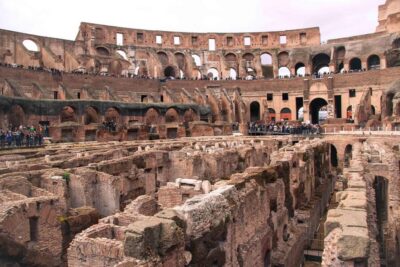 ★ 4.2Colosseum & Forum with Audio Guide App -Optional ArenaFrom $4124,770 reviews
 ★ 4.2St. Peter’s Basilica & Dome Entry Ticket & Audio TourFrom $177,537 reviews
 ★ 4.4Colosseum, Roman Forum & Palatine Hill with Audioguide AppFrom $346,291 reviews
 ★ 4.1Vatican & Sistine Chapel Ticket with Optional Audio GuideFrom $465,405 reviews
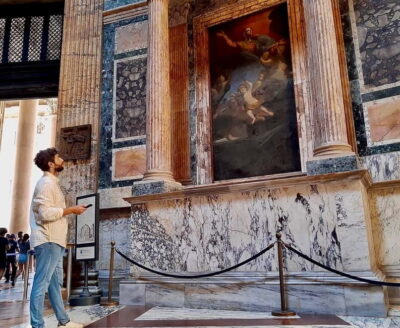 ★ 4.1Pantheon Priority Entry Ticket & Interactive AppFrom $145,114 reviews
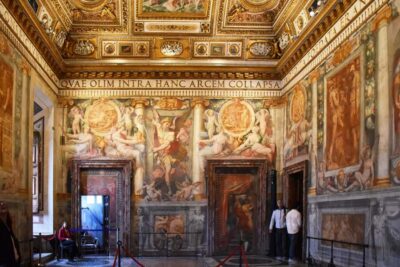 ★ 4.3Castel Sant’Angelo Entry Ticket & Audio AppFrom $234,952 reviews
 ★ 4.3Colosseum, Forum, & Palatine Hill with Audio GuideFrom $444,591 reviews
 ★ 4.6Pantheon Priority Entry Tickets with Interactive AppFrom $54,108 reviews
Browse the lists this tour appears in