
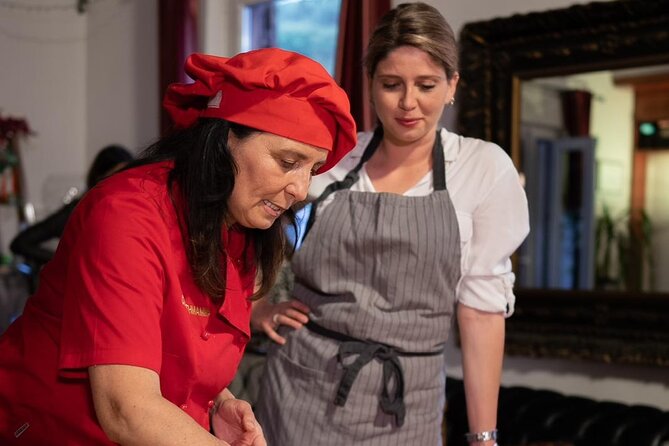
Reviewed · ROME COOKING CLASSES
Much More Than Just a Cooking Class in Rome
Forget restaurant-only Rome.
This is one of those experiences where you actually learn Roman traditions—through food—and you get to do it in a small group inside a family home, not a cooking studio. You’ll enjoy a warm start with wine and an appetizer, then cook classic dishes like tiramisù and two pastas from scratch, with laughs and family stories along the way. The one catch to plan for: children under 12 aren’t allowed (they offer a separate option for families if you contact them).
I like that the class is built around real hands-on making, so you leave with technique you can repeat at home, not just a meal. And I also like that you can choose your slot—lunch or dinner—so it fits how your day in Rome is already going.
In This Review
- Quick highlights I’d circle
- A Real Roman Household: Meet the Family, Not a Demo Kitchen
- Lunch or Dinner at 10:00 or 18:00: How the Timing Works
- The Cooking Flow: Tiramisu, Fresh Pasta, and Two Sauces
- Welcome: wine and bruschette
- Step 1: tiramisù preparation
- Step 2: pasta from scratch using eggs and water
- Step 3: two pasta shapes and two sauces
- Step 4: eat what you made
- What You Really Learn (Beyond Recipes)
- Wine and Eating Together: The Social Part You Should Plan For
- Dietary Options: Vegetarian and Gluten-Free Without the Fuss
- Price and Value in Rome: Is $108 Worth It?
- Logistics That Matter: Getting There, Moving Around, and Timing
- Who Should Book This Cooking Class (and Who Might Not)
- Should You Book This Rome Cooking Class?
- FAQ
- Where is the meeting point for the class?
- How long does the experience last?
- What times are the classes offered?
- How many people are in the group?
- What food and drinks are included?
- Is alcohol included, and is there an age requirement?
- Are vegetarian or gluten-free options available?
- Is private transportation included?
- Are children allowed?
Quick highlights I’d circle
- Cook in a real Roman household with a meet-and-greet welcome of wine and bruschette
- Hands-on pastas: cavatelli with four cheeses sauce and tagliatelle with amatriciana sauce
- Tiramisu first, then everything else with a traditional recipe from the family
- Small group, max 12 people for a chatty, personal vibe
- Wine included for 18+ plus you’ll eat what you cook
- Vegetarian and gluten-free options available
A Real Roman Household: Meet the Family, Not a Demo Kitchen
The magic here starts before you touch food. You show up at Piazzale Aurelio, 6 (00152 Roma RM) and the experience ends back at that same meeting point, so you’re not wandering Rome with a timer in your head. From there, you go into the hosts’ house, where you’re treated like part of the family table for a few hours.
This is where you feel the difference between a show-and-tell class and a true neighborhood experience. The hosts describe Roman culinary traditions—plus the customs that go with them—passed down through generations. It’s not just facts on a wall. It’s stories tied to how Romans actually cook: what matters, what to notice, and why certain methods exist.
You’ll also get that home-kitchen comfort. The experience mentions a small dog at the house, and that kind of detail usually means you’re in a lived-in space. Don’t expect museum-level polish. Do expect a warm, casual Roman home vibe where you can ask questions and laugh.
One more practical note: the group is capped at 12 travelers, which helps a lot. In a room that size, you get time with the people teaching you, and you’re not stuck watching someone else work while you wait your turn.
More aprons-on time in a Roman kitchen
- 3 in 1 Cooking Class near Navona: Fettuccine, Ravioli & Tiramisu
★ 5.0 · 7,376 reviews - Rome: Pasta & Tiramisu Class with Fine Wine by the Vatican
★ 4.9 · 4,852 reviews - Rome: Pasta Making Class with Wine, Limoncello, and Dessert
★ 4.9 · 3,177 reviews - Rome Cooking Class: Make Pasta and 3 Spritz Cocktails
★ 5.0 · 2,937 reviews
Lunch or Dinner at 10:00 or 18:00: How the Timing Works
This class runs at 10 am and 6 pm. Booking the earlier slot means you’re basically doing a lunch-style meal flow; booking the later one turns it into a dinner experience. Either way, you’re looking at around 3 hours 30 minutes total.
Why I like the schedule flexibility: it gives you a clean anchor in your day. If your Rome itinerary is packed with sights, you can pick the slot that prevents your hunger from turning into chaos. If you’re more relaxed, the late class is nice because you can enjoy Rome in daylight, then switch gears to homemade food when the light changes.
Also, the class includes the meal of what you make. That matters because you’re not paying for instruction only—you’re eating your work at the end, with wine for those 18 and older.
The Cooking Flow: Tiramisu, Fresh Pasta, and Two Sauces
Here’s what happens during the session, in the order you’ll experience it. The structure is intentionally paced so you’re not only learning ingredients—you’re learning sequence.
Welcome: wine and bruschette
You start with a greeting at the house: wine and an appetizer, specifically traditional bruschette. You’ll get those early bites while the hosts set the mood with funny stories and Roman traditions. It’s a good setup because it softens the nerves—especially if you’ve never made pasta before.
Worth a look next to this Rome booking:
Step 1: tiramisù preparation
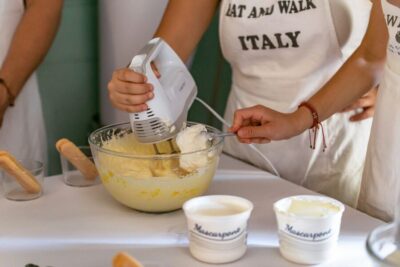
Then you begin cooking with tiramisù first. That’s a smart move, because it lets you work on something forgiving and familiar-sounding, even if the technique is new. The dessert is made using the family’s grandma-style approach, and you’ll get hands-on time preparing it.
Step 2: pasta from scratch using eggs and water
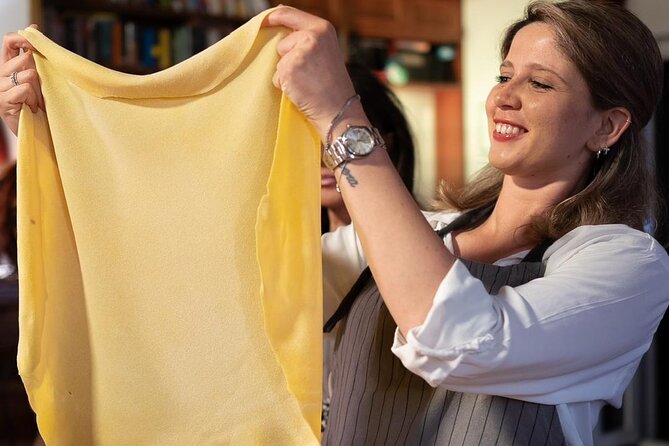
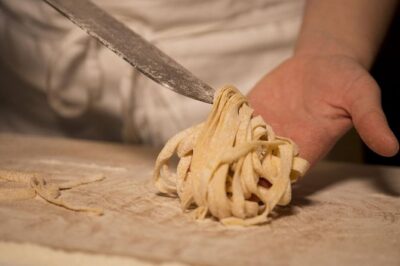
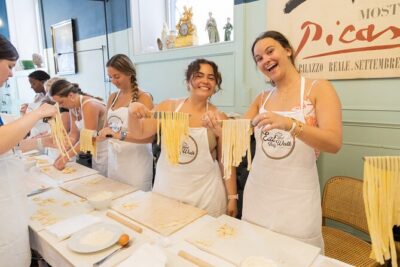
Next comes the core work: pasta from scratch, using eggs and water. You’ll roll up your sleeves and get into the tactile part of Italian cooking. Fresh dough is one of those things that’s hard to learn from a recipe alone, and this class focuses on method and feel, not just timing.
Step 3: two pasta shapes and two sauces
You’ll prepare two different pasta dishes:
- Cavatelli with a four cheeses sauce
- Tagliatelle with amatriciana sauce
And then you’ll prepare two different sauces to match. This is where you’ll really see how Roman cooking balances simplicity with flavor. Even if you’re not a “cook every day” type, you’ll come away understanding what you should taste for and what to look for when a sauce is ready.
Step 4: eat what you made
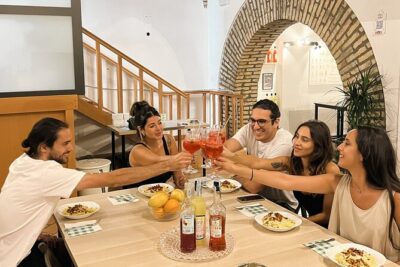
After the cooking, you sit down and enjoy the food you prepared, with complimentary wine included. That’s not a throwaway detail. It’s part of the learning. You cook, you eat, you connect the taste to the technique.
What You Really Learn (Beyond Recipes)
This class sells itself as more than a cooking lesson, and the structure backs that up. The teaching focus is Roman traditions—culinary and otherwise. You’ll hear stories about customs and methods passed down through generations, and those stories explain the why behind the how.
For example, when you make pasta and sauces in a real home kitchen, you don’t just copy steps. You learn what the dough should feel like, and what a sauce should look and taste like as it comes together. Even if you don’t remember every detail later, you’ll remember the basics: texture cues, balancing salt and flavor, and how timing affects sauce and pasta.
And because the class is small—max 12—your questions aren’t drowned out. If you want to understand a technique, you’ll likely be able to ask right when it matters, instead of getting a generic explanation at the start.
Wine and Eating Together: The Social Part You Should Plan For
Wine is included, but there’s a clear rule: alcoholic beverages are for guests 18 and older only. That means the class tends to land in that adult, evening-meal energy (even at lunch time).
The food is also part of the social contract. You’re not just receiving a plate. You’re cooking it, then sharing it. That combination—hands-on work plus sitting down to eat—creates a relaxed, talk-forward atmosphere. The experience is described as funny, warm, and laugh-filled, which makes sense if the teaching is happening in a family home rather than a formal setting.
If you’re booking with friends or for a team-building vibe, this works because it naturally turns into cooperation. People discuss dough, compare results, trade tips on sauce, and then celebrate with dessert. You’re all doing the same handful of tasks, so nobody feels like they’re just spectating.
Dietary Options: Vegetarian and Gluten-Free Without the Fuss
This experience includes vegetarian and gluten-free options. That’s a big deal in a hands-on class, because dietary needs can otherwise turn into a complicated workaround.
You’ll still want to think ahead when booking and when you arrive:
- If you need vegetarian adjustments, ask for the vegetarian option before the class starts.
- If you need gluten-free support, make sure that’s communicated for the pasta and related components.
The key point: the class doesn’t position these needs as an afterthought. It explicitly states that options exist, so you should be able to cook and eat in a way that fits your requirements.
Price and Value in Rome: Is $108 Worth It?
At about $108.02 per person for roughly 3.5 hours, this can be a very solid value—if you care about learning and not just eating.
Here’s what you’re paying for, in practical terms:
- Small-group size (up to 12), which usually means more personal instruction
- A home-based kitchen setup, which often costs less to run than a rented venue but feels far more authentic
- Hands-on cooking of multiple items (starter, two pastas, sauces, and tiramisù)
- Wine included for 18+, and you’ll drink it during the meal
- The meal itself, since you eat what you make
If you compare it to a typical Rome dinner that might run similar money, this includes actual technique and a full cooking workflow. You’re not just buying ingredients—you’re buying a guided process plus access to a family-style kitchen and methods.
In short: for people who want a real Roman meal experience with instruction, the cost feels fair. If your only goal is to eat quickly with zero cooking involved, you might find something cheaper. But for most “I want to learn something” travelers, this price lands in the sweet spot.
Logistics That Matter: Getting There, Moving Around, and Timing
There’s no private transport included. That means you’ll want to plan how you’ll reach the meeting point at Piazzale Aurelio, 6. The good news: it’s near public transportation, so you’re not stuck searching for a taxi with tight timing.
You’ll also want to remember:
- You get a mobile ticket
- The class ends back at the meeting point
- The language offered is English
What I recommend bringing (common-sense style): wear clothes you’re comfortable in while cooking. Even in a clean home kitchen, pasta work can get floury.
Also, check the age rule if you’re traveling with kids. Children under 12 aren’t allowed, but the hosts say they offer a great cooking class for families if you contact them. So you might still find a solution—you just won’t use this exact format.
Who Should Book This Cooking Class (and Who Might Not)
This class is a great fit if you:
- Want authentic Roman home cooking, not just a restaurant meal
- Love learning by doing, especially with fresh pasta and dessert
- Prefer a small group where you can talk and get hands-on help
- Are traveling with friends, or want a low-pressure activity that doubles as social bonding
It’s less ideal if:
- You’re traveling with children under 12
- You’re hoping for a fully formal, professional kitchen vibe
- You don’t want to cook at all and only want to eat
And one more point: because wine is included for those 18+, it can be a nice addition for adults who enjoy pairing food with a simple drink during the meal.
Should You Book This Rome Cooking Class?
I’d tell you to book if you want a real Roman day that’s more than photos. The biggest reason is the format: small-group, family-house energy, and a full menu you actively cook—tiramisù, two pastas, and sauces—then eat with complimentary wine.
If you’re the type who likes knowing how something is made, not just tasting it, this fits your style. If you’re traveling as an adult group, the “do it together and laugh” atmosphere is exactly what makes this kind of experience memorable.
If you want, I can also help you choose between the 10 am and 6 pm slot based on your typical Rome schedule. Just tell me what time you usually eat and where you’ll be earlier that day.
FAQ
Where is the meeting point for the class?
You meet at Piazzale Aurelio, 6, 00152 Roma RM, Italy.
How long does the experience last?
It lasts about 3 hours 30 minutes.
What times are the classes offered?
There are classes at 10 am and at 6 pm.
How many people are in the group?
The class has a maximum of 12 travelers.
What food and drinks are included?
You’ll get wine and an appetizer at the start, then you’ll prepare dishes including bruschette, fresh pasta with sauces, and tiramisù, and you’ll have the food you prepare to eat. Alcoholic beverages are included for those 18 and older.
Is alcohol included, and is there an age requirement?
Yes. Alcoholic beverages are included, but only for guests 18 years old and above.
Are vegetarian or gluten-free options available?
Yes. Vegetarians and gluten-free options are available.
Is private transportation included?
No. Private transportation is not included.
Are children allowed?
Children under 12 years old are not allowed. The hosts say they offer a great cooking class for families if you contact them.
More Cooking Classes in Rome
- 3 in 1 Cooking Class near Navona: Fettuccine, Ravioli & Tiramisu
★ 5.0 · 7,376 reviews - Rome: Pasta Making Class with Wine, Limoncello, and Dessert
★ 4.9 · 3,177 reviews - Rome Cooking Class: Make Pasta and 3 Spritz Cocktails
★ 5.0 · 2,937 reviews - Rome: 3-in-1 Fettuccine, Ravioli, and Tiramisu Cooking Class
★ 4.9 · 2,704 reviews - Rome: Fettuccine Pasta Cooking Class in Rome’s City Center
★ 4.8 · 2,414 reviews - Fettuccine & Tiramisù: Cooking Class with Wine & Limoncello
★ 4.9 · 2,103 reviews
More Tour Reviews in Rome
- Vatican Museums, Sistine Chapel & St. Peter’s Basilica Tour
★ 4.3 · 73,970 reviews - Vatican Museums, Sistine Chapel & St Peter’s Basilica Guided Tour
★ 4.5 · 39,149 reviews - Rome: Colosseum, Palatine Hill and Roman Forum Guided Tour
★ 4.8 · 32,814 reviews - Rome: Guided Tour of Colosseum, Roman Forum & Palatine Hill
★ 4.7 · 27,897 reviews - Rome: Colosseum & Forum with Audio Guide App -Optional Arena
★ 4.2 · 24,770 reviews - Rome: Colosseum, Roman Forum and Palatine Hill Guided Tour
★ 4.5 · 23,903 reviews
Learn Another Roman Dish
- 3 in 1 Cooking Class near Navona: Fettuccine, Ravioli & Tiramisu
★ 5.0 · 7,376 reviews - Rome: Pasta & Tiramisu Class with Fine Wine by the Vatican
★ 4.9 · 4,852 reviews - Rome: Pasta Making Class with Wine, Limoncello, and Dessert
★ 4.9 · 3,177 reviews - Rome Cooking Class: Make Pasta and 3 Spritz Cocktails
★ 5.0 · 2,937 reviews - Rome: 3-in-1 Fettuccine, Ravioli, and Tiramisu Cooking Class
★ 4.9 · 2,704 reviews - Rome: Fettuccine Pasta Cooking Class in Rome’s City Center
★ 4.8 · 2,414 reviews
Just added to our Rome reviews





Rome Cooking Classes, compared.
 ★ 5.03 in 1 Cooking Class near Navona: Fettuccine, Ravioli & TiramisuFrom $837,376 reviews
 ★ 4.9Pasta & Tiramisu Class with Fine Wine by the VaticanFrom $414,852 reviews
 ★ 4.9Pasta Making Class with Wine, Limoncello, and DessertFrom $483,177 reviews
 ★ 5.0Rome Cooking Class: Make Pasta and 3 Spritz CocktailsFrom $992,937 reviews
 ★ 4.93-in-1 Fettuccine, Ravioli, and Tiramisu Cooking ClassFrom $812,704 reviews
 ★ 4.8Fettuccine Pasta Cooking Class in Rome’s City CenterFrom $462,414 reviews
 ★ 5.0Learn to Make Pasta & Tiramisu with Wine and Limoncello IncludedFrom $542,345 reviews
 ★ 5.0Become a Masterchef in Rome: Pasta, Ravioli and Tiramisù ClassFrom $472,156 reviews
Browse the lists this tour appears in