
Reviewed · PIAZZA NAVONA & SPANISH STEPS TOURS
German Vom Kapitol bis zum Campo de’ Fiori – Walkingtour
Rome is best on foot.
This 3-hour German walking tour turns the historic center into a story you can actually picture, with witty guide talk that connects architecture to daily life. I love how it starts with the Capitoline viewpoint and then keeps moving through smaller, more personal stops instead of only doing the biggest-photo spots. One possible drawback: it’s a lot of walking through uneven old streets and viewpoints, so plan for comfy shoes and a steady pace.
You’ll also get real focus on details that make Rome feel less like a checklist. I like the way guides bring the city to life with humor and “how-to-see” moments—like learning about the speaking statues and spotting meaning behind what appears on Italian coins. The other consideration is language: everything is in German, so if your German is rusty, you might prefer a different language tour.
In This Review
- Key highlights that make this tour worth your time
- From the Capitoline to Campo de’ Fiori: why this walk feels different
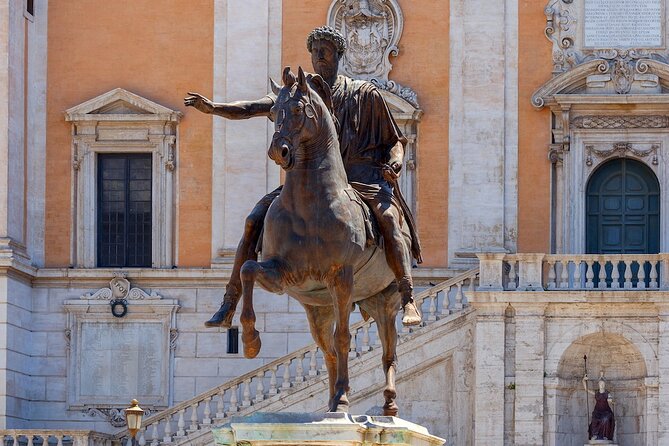
- Piazza del Campidoglio and the Marc Aurel statue: start with symbols, not noise
- The viewpoint stretch: Forum Romanum to Colosseum for photos with context
- The panorama walk to Forum Boarium: from grand views to everyday trade
- Marcellus Theatre to the Jewish Quarter: small corners, big mood
- Largo Argentina: the place where Julius Caesar was killed
- Finishing at Campo de’ Fiori: turn the tour into your own evening
- Who this is best for (and who may want to skip it)
- Practicalities that help your experience start strong
- Price and value: is $93.68 per person a smart buy?
- Should you book this German Capitoline-to-Campo walk?
- FAQ
- How long is the German walking tour?
- Where do I meet the guide, and where does the tour end?
- What is included in the price?
- Is the ticket mobile, and how do I receive it?
- What group size should I expect?
- Is it cancellable if my plans change?
Key highlights that make this tour worth your time
- Small group size (max 18) keeps the pace human and the storytelling easier to follow.
- Capitoline-to-Colosseum views give you that classic skyline without needing extra tickets or detours.
- Forum Boarium context explains why this area mattered, not just what it looks like.
- Jewish Quarter stops bring you into quieter lanes, including the romantic Turtle Fountain.
- Largo Argentina and Caesar’s assassination site add serious drama right at street level.
- Ends at Campo de’ Fiori so you can naturally roll into an afternoon or evening plan.
From the Capitoline to Campo de’ Fiori: why this walk feels different
This is one of those Rome routes where the “big names” are only half the story. Yes, you pass major sights like the Colosseum area views and the famous historic sites around Largo Argentina. But the heart of the experience is how the guide stitches it all together: where Romans lived, shopped, argued, worshiped, and changed history—often in the same places tourists rush past.
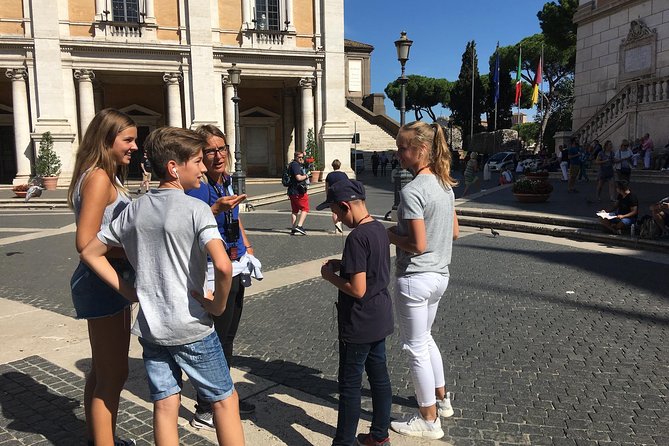
The tour also has a strong rhythm. You start with a hill viewpoint and foundational legends, then you move along a panorama path, then you shift into neighborhood texture—narrow lanes, quieter corners, and architecture you’ll want to look at slowly. Guides such as Mira, Giancarlo, Donato, and Niels are repeatedly praised for humor and for keeping things lively, even with families and mixed ages in the group.
If you’re the kind of traveler who loves getting your bearings fast, this route makes sense. You leave with a mental map: Capitoline power and symbolism, Forum Boarium’s role in daily trade, a Jewish Quarter detour with its moodier beauty, and the “right here” feeling of the Caesar assassination area.
More hours among the great piazzas
- 3 in 1 Cooking Class near Navona: Fettuccine, Ravioli & Tiramisu
★ 5.0 · 7,376 reviews - Rome Food Tour: Campo de’ Fiori, Ghetto, Trastevere Winner 2024
★ 5.0 · 3,205 reviews - Rome: Trastevere & Campo de Fiori Street Food Walking Tour
★ 4.9 · 2,768 reviews - Enjoy Spritz and Pasta Making in Piazza Navona
★ 5.0 · 1,681 reviews
Piazza del Campidoglio and the Marc Aurel statue: start with symbols, not noise
The walk begins at Piazza del Campidoglio, at the statue of Marcus Aurelius. This matters more than it sounds. The Capitoline Hill is about Rome’s “center of gravity,” and the guide uses that starting point to set the tone: how Rome was founded, what messages statues were meant to carry, and how power showed up in public art.
A highlight here is the concept of the speaking statues—a way Roman monuments weren’t just decoration, but something people could interpret like public commentary. The guide also points out details connected to what you’ll recognize later on: monuments shown on Italian money coins. It’s a simple trick, but it helps you read the city with fresh eyes.
Practical note: this is where you meet and get oriented, so try to arrive a few minutes early. Once you start walking, the pace stays steady, and the guide will want you ready to look up, not just forward.
The viewpoint stretch: Forum Romanum to Colosseum for photos with context
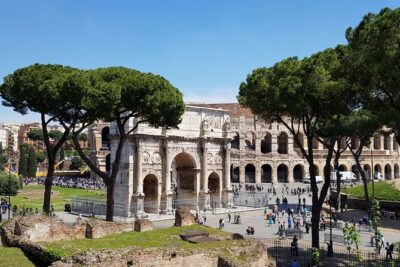
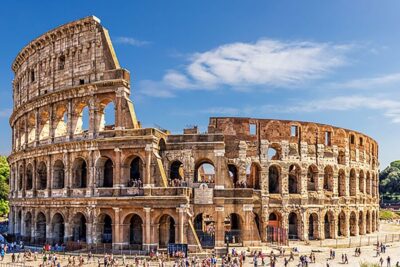
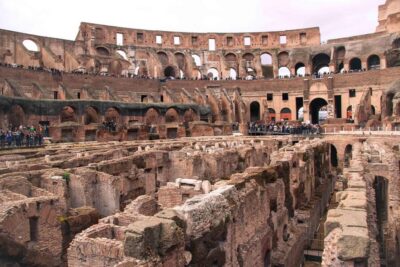
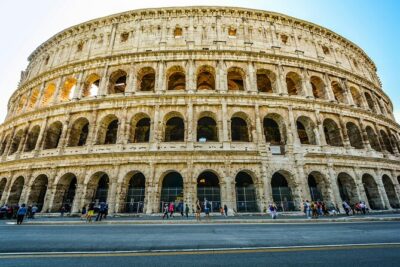
After the early learning moments, the tour shifts into a classic Rome payoff: a shared look down toward the Forum Romanum and out toward the Colosseum. This is where you get the “wow” skyline view without turning it into a separate sightseeing day.
What I like is that you don’t just stop for photos and move on. The guide ties what you’re seeing to what the spaces meant. So when you look toward the Forum, it’s not only ruins—it’s the feel of where Roman public life unfolded. When the Colosseum comes into view, it lands with a little more logic behind it, not just fame.
Also, you’ll likely find that the group’s pace is friendly during viewpoints. With a maximum of 18 people, the guide can keep an eye on where everyone is, and you’re not stuck behind a sea of heads.
The panorama walk to Forum Boarium: from grand views to everyday trade
Then you move into the panorama path, which is where the tour starts to feel more like a neighborhood stroll than a “museum conveyor belt.” One of the main stops here is the Forum Boarium—the old market area tied to Rome’s cattle trading days.
This is one of those places where tourists often only notice the name, if they notice it at all. The guide makes it practical: you learn what this space was for and why that matters for understanding the city’s layout. You also get a local-style tip about something that’s still alive today: the guide points out where the best farmers market happens on weekends (timing depends on the week, but the idea is that you’ll know the right area to aim for after the tour).
I love this kind of advice because it turns sightseeing into a plan. Instead of ending at “goodbye,” the experience sets you up with a reason to wander more later.
Marcellus Theatre to the Jewish Quarter: small corners, big mood
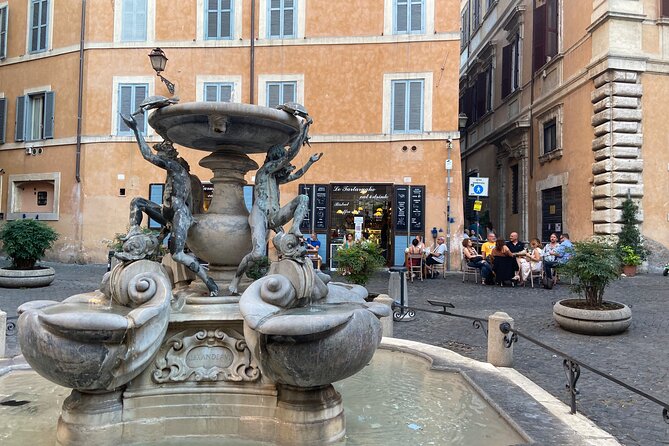
Next comes a stop near the Marcellus Theatre, and then the walk turns into the Jewish Quarter area. This shift is important. It signals a change from monumental Rome to the Rome of small details—quiet streets, small architecture moments, and human-scale beauty.
One standout stop is the Turtle Fountain (Schildkrötenbrunnen). It’s the sort of place you might miss on your own because it’s not the loudest landmark nearby. With a guide, it becomes a moment: a romantic pause in the middle of a route that otherwise jumps between major historical eras.
This segment also tends to work well for families because it offers variety. You’re not staring at stone for the entire time. You get change in scenery, a “find this” feeling, and a short cultural window that adds texture to what you’re learning.
Largo Argentina: the place where Julius Caesar was killed
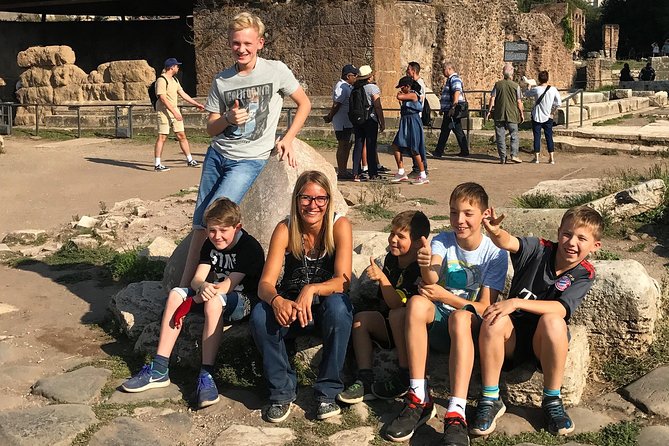
After neighborhoods and small corners, the tour lands on one of Rome’s most dramatic stories: the area connected to Julius Caesar’s assassination. The walk brings you to Largo Argentina, where you can see ancient temple remains and sense the gravity of why this location is famous.
The value here isn’t only knowing the headline. It’s the guide’s ability to ground the event in location and street-level reality. You’re not learning Caesar from a distant description. You’re standing near the physical place that holds the story, surrounded by modern city life that somehow still feels linked to the ancient setting.
This part is also a good “energy reset.” If you’ve been taking photos and looking around for a while, Largo Argentina gives you something different: a focus point that’s more about atmosphere and meaning than about skyline shots.
Finishing at Campo de’ Fiori: turn the tour into your own evening
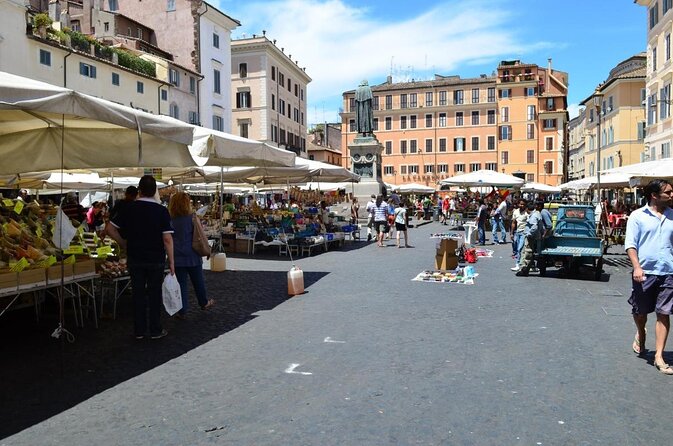
The tour ends at Campo de’ Fiori, which is a smart finish. It puts you right where you can keep going without planning. You have options for an easy lunch, an aperitivo, a late coffee, or just wandering the nearby streets for one more loop.
What I like about ending here is the mix of social energy and practical payoff. You don’t feel stuck far from the nightlife or dining areas, and the square gives you a simple place to regroup if anyone in your group wants to split up briefly.
If you’ve been focused on history for three hours, this is a gentle transition back to “enjoy Rome.” Campo de’ Fiori can be busy, but it’s also a place that helps you feel like the day has a natural ending.
Who this is best for (and who may want to skip it)
This tour is especially good if you want:
- a German-guided overview with humor and story-driven pacing
- a route that mixes famous sites with smaller, more human stops
- a walking plan that ends somewhere convenient for food or evening plans
It also seems to work well for families. Several guide styles (including Giancarlo, Susi, Julia, and others) are praised for making explanations age-friendly, with the right balance of facts and play. That doesn’t mean it’s only for kids; it’s just built so different ages can stay engaged.
Who might hesitate? If you need minimal walking or step-free routes, this one may be tougher. The tour is short in hours, but Rome streets don’t do “easy mode.” If you’re doing it in very hot weather, you’ll also want hydration and patience.
Practicalities that help your experience start strong
Duration is about 3 hours, with no transportation included to and from the sights. That means you’ll want to build your day around the start and end points: Piazza del Campidoglio at the beginning, then Campo de’ Fiori at the end.
A mobile ticket is used, which is convenient—just make sure your phone battery is healthy. The tour is capped at 18 travelers, which usually makes the guide experience smoother than larger departures.
One more practical tip: Rome is unpredictable. It rains sometimes, and a good guide can turn that into something manageable rather than a disaster. Stories from guides like Mira highlight that the tour can stay fun even when weather changes fast.
Price and value: is $93.68 per person a smart buy?
At $93.68 per person for roughly three hours, you’re paying for more than walking. You’re paying for:
- a German-language guide who interprets the route, not just points
- a compact route that includes multiple major story points in one go
- a small group size (max 18) that makes Q&A and pacing feel workable
If you’re the type who reads guidebooks and still wonders what you’re looking at, this kind of guided structure tends to pay off. If you’d rather wander freely with no set plan, you might find better value by focusing on fewer “must stops” and spending the rest of your time solo.
So I’d treat it as a value buy if you want a guided brain-map of central Rome. It’s less of a bargain if you already know the city well and only need photos.
Should you book this German Capitoline-to-Campo walk?
Book it if:
- you want German guidance for a high-effort route in just 3 hours
- you like the blend of big sights with everyday Roman life details
- you want your afternoon or evening to be easy after the tour ends at Campo de’ Fiori
Skip it (or consider another option) if:
- you need minimal walking or step-free movement
- you want a self-paced itinerary with no guided storytelling
- your German isn’t comfortable enough to follow the humor and details
If you do book, I’d suggest wearing shoes you trust and planning a relaxed follow-up meal nearby. This tour sets you up to understand Rome quickly, then enjoy it on your terms.
FAQ
How long is the German walking tour?
It lasts about 3 hours.
Where do I meet the guide, and where does the tour end?
You meet at Piazza del Campidoglio at the Marc Aurel statue and the tour ends at Campo de’ Fiori.
What is included in the price?
The tour includes 3 hours in German with a guide. Transportation, tips, and snacks are not included.
Is the ticket mobile, and how do I receive it?
You get a mobile ticket, and you’ll receive confirmation at the time of booking.
What group size should I expect?
The tour has a maximum of 18 travelers.
Is it cancellable if my plans change?
Yes, there’s free cancellation up to 24 hours before the start time for a full refund.
More Tour Reviews in Rome
- Vatican Museums, Sistine Chapel & St. Peter’s Basilica Tour
★ 4.3 · 73,970 reviews - Vatican Museums, Sistine Chapel & St Peter’s Basilica Guided Tour
★ 4.5 · 39,149 reviews - Rome: Colosseum, Palatine Hill and Roman Forum Guided Tour
★ 4.8 · 32,814 reviews - Rome: Guided Tour of Colosseum, Roman Forum & Palatine Hill
★ 4.7 · 27,897 reviews - Rome: Colosseum & Forum with Audio Guide App -Optional Arena
★ 4.2 · 24,770 reviews - Rome: Colosseum, Roman Forum and Palatine Hill Guided Tour
★ 4.5 · 23,903 reviews
More of Rome's Grand Piazzas
- 3 in 1 Cooking Class near Navona: Fettuccine, Ravioli & Tiramisu
★ 5.0 · 7,376 reviews - Rome Food Tour: Campo de’ Fiori, Ghetto, Trastevere Winner 2024
★ 5.0 · 3,205 reviews - Rome: Trastevere & Campo de Fiori Street Food Walking Tour
★ 4.9 · 2,768 reviews - Enjoy Spritz and Pasta Making in Piazza Navona
★ 5.0 · 1,681 reviews - Rome: Pasta & Tiramisu Cooking Class near the Spanish Steps
★ 4.8 · 1,395 reviews - Rome: Traditional Pizza Cooking Class near Piazza Navona
★ 4.7 · 1,241 reviews
Just added to our Rome reviews





Piazza Navona & Spanish Steps Tours, compared.
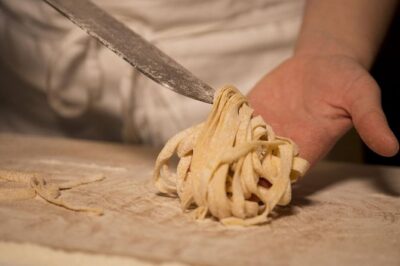 ★ 5.03 in 1 Cooking Class near Navona: Fettuccine, Ravioli & TiramisuFrom $837,376 reviews
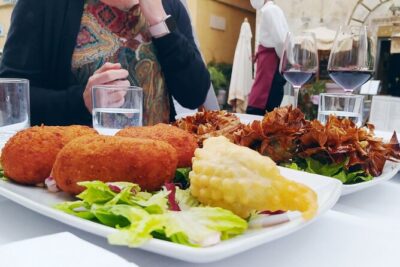 ★ 5.0Rome Food Tour: Campo de’ Fiori, Ghetto, Trastevere Winner 2024From $883,205 reviews
 ★ 4.9Trastevere & Campo de Fiori Street Food Walking TourFrom $512,768 reviews
 ★ 5.0Enjoy Spritz and Pasta Making in Piazza NavonaFrom $901,681 reviews
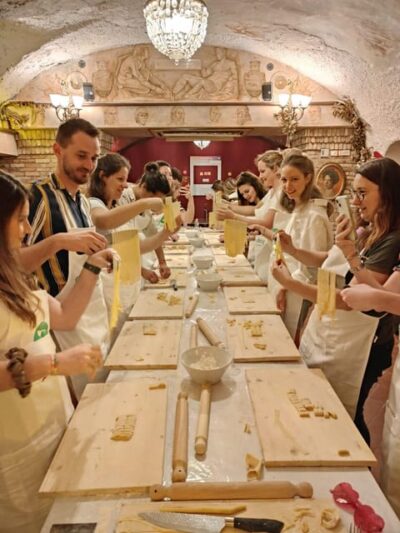 ★ 4.8Pasta & Tiramisu Cooking Class near the Spanish StepsFrom $581,395 reviews
 ★ 4.7Traditional Pizza Cooking Class near Piazza NavonaFrom $461,241 reviews
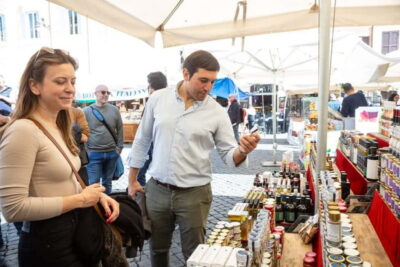 ★ 5.0Eat Like a Roman Ghetto & Campo de’ Fiori Food TourFrom $501,037 reviews
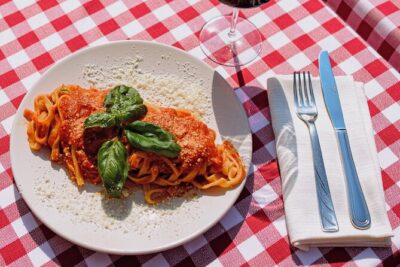 ★ 5.0Pasta Cooking Class in Rome – Fettuccine Class in Piazza NavonaFrom $671,037 reviews
Browse the lists this tour appears in