
Reviewed · ROME COOKING CLASSES
From Rome: Pasta Fresca Cooking Class in a Farmhouse with a Local
Hands-on pasta in the Roman countryside beats city classes. I love the farmhouse, small-group setup with Claudia and her kitchen team, and you’ll like the way it turns cooking into an Italian Sunday lunch experience with a full meal and homemade wine. One possible drawback: the day depends on smooth timing for pickup and meeting, so double-check the instructions before you go.
This class is built around real food, not just a demo. You may pick ingredients right from the property, roll up your sleeves to make pasta by hand, and then relax with homemade wine while Bruno provides music on the piano/keyboard. With a maximum of 8 travelers, it stays personal—but you should expect a hands-on pace, not a passive show.
In This Review
- Key Highlights You’ll Feel Immediately
- Leaving Rome for Zagarolo: The Setting Matters
- Meet Claudia’s Kitchen Team and Settle Into the Day
- From Garden to Board: How the Cooking Class Works
- Hand-Made Pasta Skills You’ll Actually Use
- The Meal Part: Homemade Wine, Views, and Sunday Lunch
- Seasonal Menus: What Changes from Summer to Winter
- Practical Timing: What the 3.5 Hours Feels Like
- Price and Value: Why $119.48 Can Make Sense
- Who Should Book This (and Who Might Not)
- Should You Book This Rome Countryside Cooking Class?
- FAQ
- How long is the pasta fresca cooking class?
- Is the cooking class offered in English?
- How many people are in the group?
- Where does the experience start and end?
- What kind of meal will I cook and eat?
- Do vegetarians have an option?
- Is homemade wine included?
- Is confirmation provided after booking?
- What is the cancellation policy?
Key Highlights You’ll Feel Immediately
- A true Roman countryside break just outside Rome, in Zagarolo
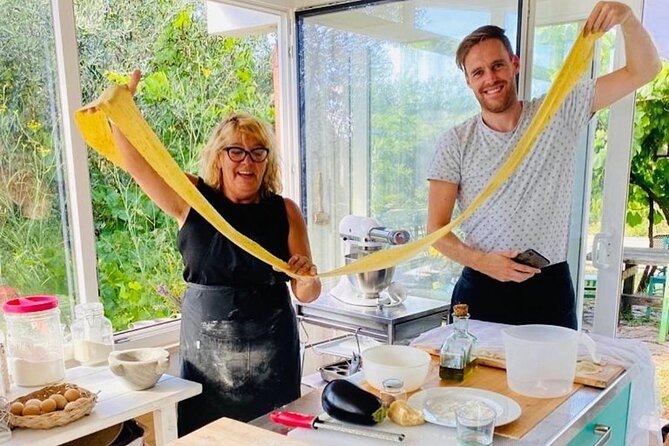
- Hands-on pasta practice using local flour and farm eggs as part of the experience
- Sunday lunch energy: cooking lessons that lead into a sit-down family-style meal
- Homemade wine with the meal, plus lots of time to slow down and eat
- Bruno’s live music (piano/keyboard and singing), turning dinner into a moment
- Seasonal menu changes: summer desserts like sorbet/ice cream, winter specialties like sfogliatelle and stuffed pasta
Leaving Rome for Zagarolo: The Setting Matters
Rome is loud, fast, and full of tourist-shaped schedules. This is different because you actually trade the city view for Roman countryside air and a farmhouse rhythm.
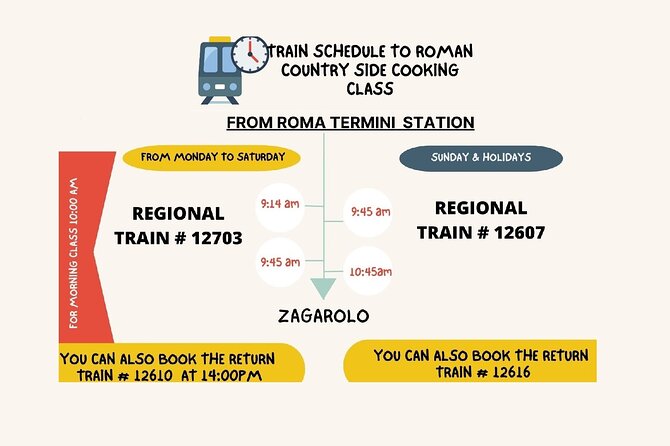
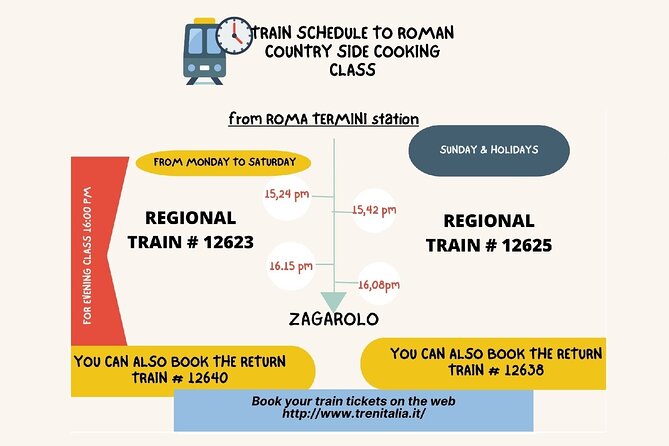
The experience starts in Zagarolo (address: 00039 Zagarolo). From there, you’re drawn into Claudia’s home base: a working, ingredient-focused property where meals feel like they belong to the season. People talk about the drive and the short ride from Roma Termini, and that matters because you’re not spending your whole day commuting. You’re spending it cooking, eating, and enjoying the view.
And because the class tops out at 8 travelers, you get more interaction than the typical big-city cooking session. The goal isn’t just to get you a recipe. It’s to get you comfortable with the techniques—especially the pasta work.
More aprons-on time in a Roman kitchen
- 3 in 1 Cooking Class near Navona: Fettuccine, Ravioli & Tiramisu
★ 5.0 · 7,376 reviews - Rome: Pasta & Tiramisu Class with Fine Wine by the Vatican
★ 4.9 · 4,852 reviews - Rome: Pasta Making Class with Wine, Limoncello, and Dessert
★ 4.9 · 3,177 reviews - Rome Cooking Class: Make Pasta and 3 Spritz Cocktails
★ 5.0 · 2,937 reviews
Meet Claudia’s Kitchen Team and Settle Into the Day
You’ll meet the host team at the start point in Zagarolo, and on the day the schedule often includes pickup from the train station. Bruno (often the one who handles arrivals) has been described as welcoming and helpful, including giving a quick look at the area before you settle in.
Once you’re at the farmhouse, the mood shifts quickly. You’re not waiting around for a group photo and a clipboard briefing. You’re stepping into a real kitchen routine with Claudia leading the cooking and teaching, while Angela supports during the process. Some days also include other family helpers in the background, depending on who’s available.
One of the best parts is how the day begins with a “you’re here” feel—coffee/cookies have shown up for some groups—and then the food work starts. If you care about atmosphere, this is one of those experiences where the setting helps you relax before the cooking begins.
From Garden to Board: How the Cooking Class Works
This isn’t just one dish. The class is designed as a full Roman meal plan, with multiple courses and multiple skills.
You’ll get a flow that usually looks like this:
- Start with a savory course made from seasonal produce (examples include vegetable fritters or savory strudel-style items, plus croutons with vegetables and cheese).
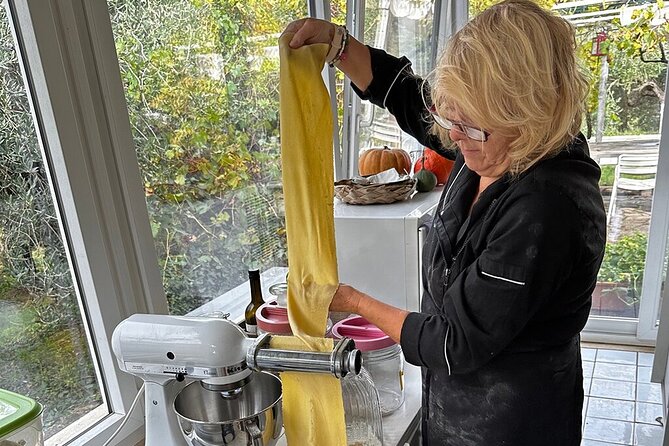
- Move into the pasta stage, with handmade pasta as a core goal. The flour comes from a local mill, and eggs come from a farmer—details that change how you think about ingredients, not just how you taste the final product.
- Continue with a first-course style of pasta and sauce (choices can include lasagne, ravioli, or fettuccine).
- Add a second course, often something like rolls or saltimbocca, with a vegetarian alternative if needed.
- Finish with dessert: a cake that might be a parfait or a tart, made together.
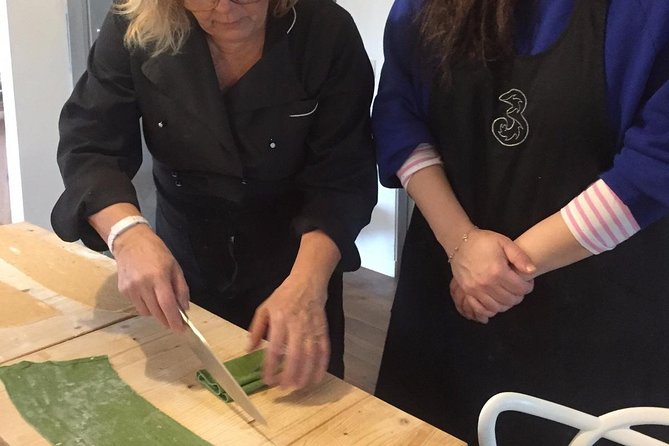
A big reason this class scores so well is the amount of hands-on teaching time. You’re not only watching. Claudia typically models steps, then guides you as you participate. That’s where the value lives—when you understand what to look for (dough feel, shaping, timing), you can reproduce the results later.
Some groups also describe learning several specific pasta types and small savory dishes, depending on the season and the menu chosen that day. The overall pattern stays the same: you work through a full meal, not a single highlight.
Hand-Made Pasta Skills You’ll Actually Use
Let’s talk pasta, because that’s what you’re booking for.
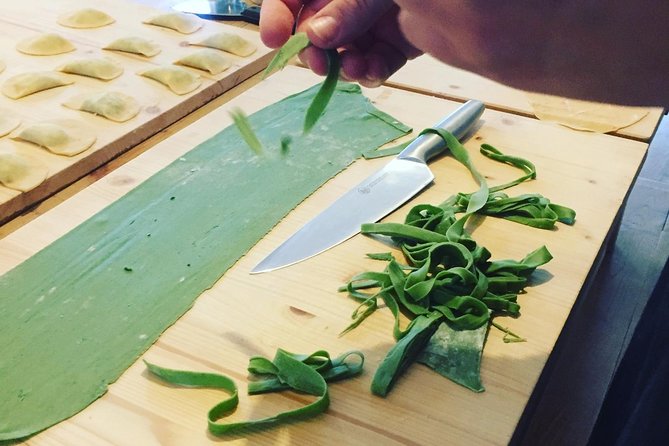
In many cooking classes, pasta making gets reduced to a quick rolling step and a rushed taste. Here, the teaching is built around doing it properly. The ingredient story helps too: using flour from a local mill and farm eggs makes it easier to understand why pasta behaves differently than what you’re used to buying in a store.
What you’re likely to practice:
- Working dough by hand (mixing, resting if relevant to the course, and shaping)
- Cutting/portioning and filling when the menu includes ravioli-style pasta
- Timing and sauce pairing, so the pasta tastes like part of a meal rather than a standalone project
If you’re the kind of traveler who wants a “souvenir you can cook,” this delivers. You leave with mental pictures and technique cues, not just a printed recipe.
And yes, the farm element matters here: if you pick herbs or other ingredients on the property, you start tasting the difference while you’re still cooking. That connection between plant to plate is one of the easiest ways to remember what you learned.
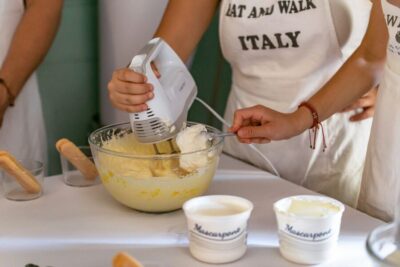
Worth a look next to this Rome booking:
The Meal Part: Homemade Wine, Views, and Sunday Lunch
The best cooking classes end with an eating experience that feels earned. This one does that by bringing you into a full sit-down meal right after the work.
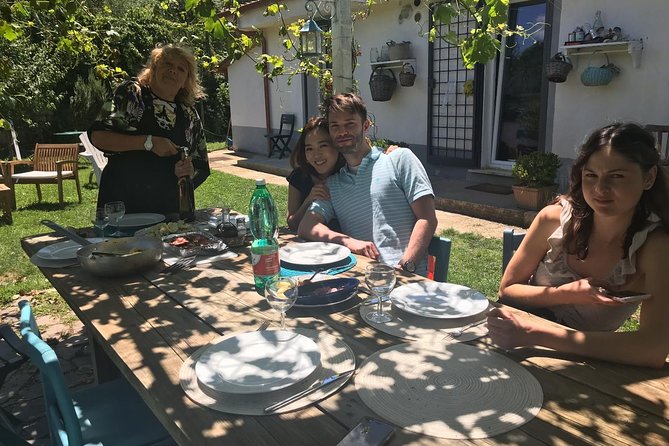
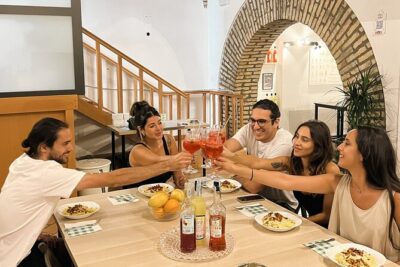
The day is designed around the idea of Italian Sunday lunch, which is treated like an important ritual. That means you cook with the expectation of sharing the table, not just tasting and leaving. Many people highlight the setting during the meal—either in the home’s romantic living space or in the garden when weather allows.
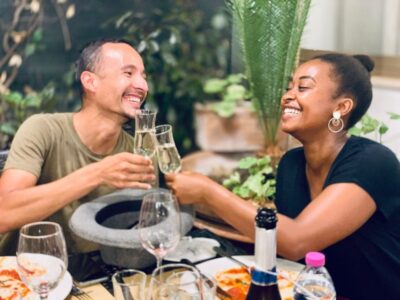
And then there’s the drink. You’ll enjoy homemade wine with your meal. It’s not just included; it’s part of the pacing. You cook, sit down, and start talking while the food continues to flow.
This is also where Bruno’s music often becomes a real feature. He’s been described playing piano/keyboard and serenading while the group is cooking or eating. That turns the end of the day into something you’ll remember because it feels personal, not staged.
Seasonal Menus: What Changes from Summer to Winter
One of the smartest parts of this experience is that the menu changes with the year. Italy’s cooking isn’t one fixed list; it shifts with what’s fresh and what’s traditional for that time.
Here’s what you can expect seasonally:
- In summer, you might make sorbets and ice cream, taking advantage of fruit and seasonal produce.
- In winter, you might do specialties like sfogliatelle and stuffed pasta options.
Even within a single season, the exact dishes can vary. Some people mention tiramisu appearing in the day’s flow. Others describe learning pasta types like carbonara-style preparation or ravioli variations, along with vegetable sides and fried items tied to the day’s produce.
So if you’re worried that you’ll get the same menu as someone else, don’t. The promise here is that you’ll cook in a way that matches the season and the household’s rhythm.
Practical Timing: What the 3.5 Hours Feels Like
The class runs about 3 hours 30 minutes. That duration is long enough to do real food work—mixing, shaping, cooking multiple components, and sitting down to eat.
It also affects how you plan your day in Rome. You’ll want to treat this like a full meal experience, not a quick activity. Plan for a proper lunch window built into the timing. If you eat a big breakfast before leaving Rome, you may not feel hungry during the meal course—but you’ll probably still want to taste everything.
Because the experience has a small group limit of 8, the pacing feels manageable. You’re not waiting for your turn for long periods. That said, it’s still a hands-on cooking program, so wear comfortable clothes and expect to stand, mix, and work with your hands.
Price and Value: Why $119.48 Can Make Sense
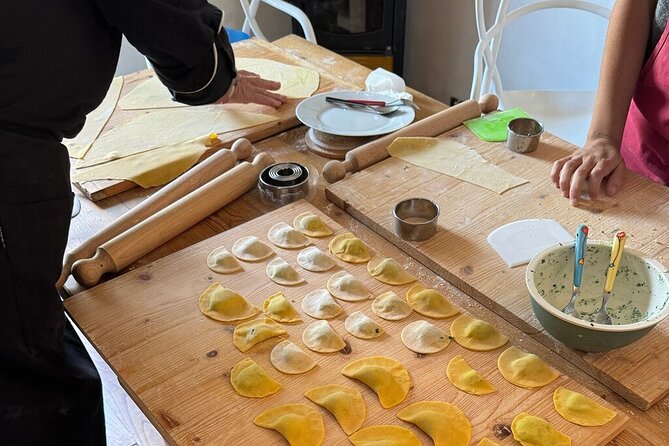
At $119.48 per person for around 3.5 hours, this isn’t the cheapest cooking class in the Rome area. But the value stacks up in clear ways.
You’re paying for:
- A small group cap (up to 8), which keeps attention on you
- A private instructor style experience, centered on Claudia’s teaching and household routine
- A full multi-course meal made and shared together
- Homemade wine during the sitting-down part of the day
- Rural transportation context, since the cooking happens in Zagarolo rather than in a city studio
- The farm ingredient angle—fresh produce and herbs from the property have been part of the experience
In other words, this price is tied to more than instruction. It’s tied to food, wine, setting, and the feeling of being welcomed into someone’s home rhythm for a few hours.
Who Should Book This (and Who Might Not)
This is a great fit if:
- You want to learn pasta by hand, not just eat it
- You like meals that feel like a ritual—especially Sunday lunch energy
- You enjoy small-group cooking with real interaction
- You’re open to rural travel just outside Rome, and you want something calmer than the city center
You might hesitate if:
- You prefer highly structured, “clockwork” city experiences and don’t like depending on pickup timing
- You want a lighter, less hands-on class where you mostly watch and taste
Also, if you have dietary needs, note that Claudia’s team has been described as able to adjust menus, including gluten-free preferences. That doesn’t guarantee every option every day, but it’s a positive signal for planning.
Should You Book This Rome Countryside Cooking Class?
If you want a cooking class that feels like a meal shared with a real family kitchen, I think this one is worth booking. The main reasons are simple: handmade pasta instruction, a full Sunday lunch table, and that farmhouse setting where the day doesn’t feel like an activity stamp.
Before you go, do one thing that protects your time: confirm the meeting details so you arrive when the hosts expect you. Also, pack for hands-on work—this isn’t a polished demo-only class.
My call: book it if pasta is your priority and you want the Rome trip to include an honest slice of countryside life around food, wine, and music.
FAQ
How long is the pasta fresca cooking class?
The experience lasts about 3 hours 30 minutes.
Is the cooking class offered in English?
Yes, it is offered in English.
How many people are in the group?
The experience has a maximum of 8 travelers.
Where does the experience start and end?
It starts in 00039 Zagarolo, Metropolitan City of Rome Capital, Italy, and ends back at the same meeting point.
What kind of meal will I cook and eat?
You’ll prepare and enjoy an Italian meal that can include items like vegetable fritters or savory strudel, croutons with vegetables and cheese, hand-made pasta (such as lasagne, ravioli, or fettuccine), a typical second course like rolls or saltimbocca, and a dessert like a parfait or tart. The exact menu can vary by season.
Do vegetarians have an option?
Yes. There is a special dish for vegetarians.
Is homemade wine included?
Yes, you’ll enjoy homemade wine with your meal.
Is confirmation provided after booking?
Yes, confirmation is received at the time of booking.
What is the cancellation policy?
You can cancel for a full refund up to 24 hours in advance of the experience’s start time. If you cancel less than 24 hours before, the amount paid is not refunded.
More Cooking Classes in Rome
- 3 in 1 Cooking Class near Navona: Fettuccine, Ravioli & Tiramisu
★ 5.0 · 7,376 reviews - Rome: Pasta Making Class with Wine, Limoncello, and Dessert
★ 4.9 · 3,177 reviews - Rome Cooking Class: Make Pasta and 3 Spritz Cocktails
★ 5.0 · 2,937 reviews - Rome: 3-in-1 Fettuccine, Ravioli, and Tiramisu Cooking Class
★ 4.9 · 2,704 reviews - Rome: Fettuccine Pasta Cooking Class in Rome’s City Center
★ 4.8 · 2,414 reviews - Fettuccine & Tiramisù: Cooking Class with Wine & Limoncello
★ 4.9 · 2,103 reviews
More Tour Reviews in Rome
- Vatican Museums, Sistine Chapel & St. Peter’s Basilica Tour
★ 4.3 · 73,970 reviews - Vatican Museums, Sistine Chapel & St Peter’s Basilica Guided Tour
★ 4.5 · 39,149 reviews - Rome: Colosseum, Palatine Hill and Roman Forum Guided Tour
★ 4.8 · 32,814 reviews - Rome: Guided Tour of Colosseum, Roman Forum & Palatine Hill
★ 4.7 · 27,897 reviews - Rome: Colosseum & Forum with Audio Guide App -Optional Arena
★ 4.2 · 24,770 reviews - Rome: Colosseum, Roman Forum and Palatine Hill Guided Tour
★ 4.5 · 23,903 reviews
Learn Another Roman Dish
- 3 in 1 Cooking Class near Navona: Fettuccine, Ravioli & Tiramisu
★ 5.0 · 7,376 reviews - Rome: Pasta & Tiramisu Class with Fine Wine by the Vatican
★ 4.9 · 4,852 reviews - Rome: Pasta Making Class with Wine, Limoncello, and Dessert
★ 4.9 · 3,177 reviews - Rome Cooking Class: Make Pasta and 3 Spritz Cocktails
★ 5.0 · 2,937 reviews - Rome: 3-in-1 Fettuccine, Ravioli, and Tiramisu Cooking Class
★ 4.9 · 2,704 reviews - Rome: Fettuccine Pasta Cooking Class in Rome’s City Center
★ 4.8 · 2,414 reviews
Just added to our Rome reviews





Rome Cooking Classes, compared.
 ★ 5.03 in 1 Cooking Class near Navona: Fettuccine, Ravioli & TiramisuFrom $837,376 reviews
 ★ 4.9Pasta & Tiramisu Class with Fine Wine by the VaticanFrom $414,852 reviews
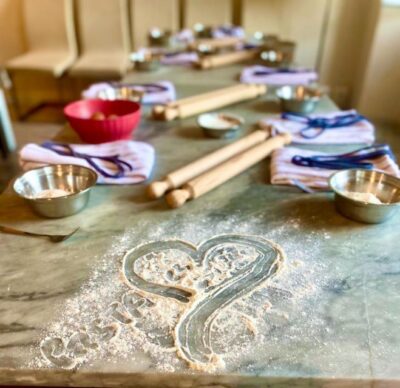 ★ 4.9Pasta Making Class with Wine, Limoncello, and DessertFrom $483,177 reviews
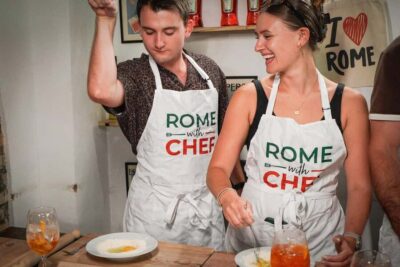 ★ 5.0Rome Cooking Class: Make Pasta and 3 Spritz CocktailsFrom $992,937 reviews
 ★ 4.93-in-1 Fettuccine, Ravioli, and Tiramisu Cooking ClassFrom $812,704 reviews
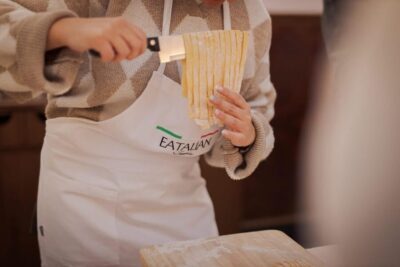 ★ 4.8Fettuccine Pasta Cooking Class in Rome’s City CenterFrom $462,414 reviews
 ★ 5.0Learn to Make Pasta & Tiramisu with Wine and Limoncello IncludedFrom $542,345 reviews
 ★ 5.0Become a Masterchef in Rome: Pasta, Ravioli and Tiramisù ClassFrom $472,156 reviews
Browse the lists this tour appears in