

Reviewed · ROME COOKING CLASSES
Fettuccine, Ravioli and Tiramisu Pasta Making in Rome
Three dishes, one small Roman kitchen. You’ll learn to turn basics into homemade pasta and finish with tiramisu. It’s a hands-on food class set in the center of Rome, built around three crowd-pleasing Italian standards.
What I like most is the clear skill progression. You start with flour and eggs for pasta dough, then move into shaping and cooking—no “watch and hope” style class. The second big win is the meal at the end: you eat what you make, with wine (or a non-alcoholic drink) and options for your pasta sauces.
The main thing to consider: this is not for very small kids (not suitable for children under 4), and it’s focused on cooking—so if you want a sightseeing-heavy morning, this takes up the full 3 hours.
In This Review
- Key Things to Know Before You Go
- A Central Rome Kitchen Stop at Gusto Restaurant
- The 3-Hour Flow: Three Italian Favorites From Scratch
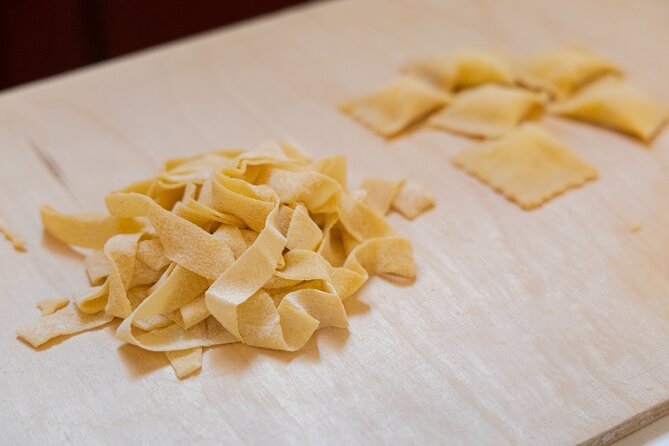
- Fettuccine Workshop: Flour and Eggs to Fresh Pasta
- Ravioli Workshop: Stuffing, Shaping, and Sage-Butter Comfort
- Tiramisu Workshop: Coffee-Style Dessert Skills You Can Repeat
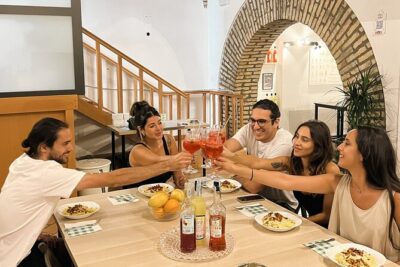
- Wine, Limoncello, and the Included Meal Moment
- Price and Value: Is $82 Reasonable for Rome?
- Who This Pasta-Making Experience Fits Best
- The Little Details That Matter in a Hands-On Class
- Should You Book This Class?
- FAQ
- Where is the meeting point?
- How long is the pasta making experience?
- What is the price per person?
- What dishes are included?
- Is instruction available in English?
- Is the experience wheelchair accessible?
- Is the class suitable for young children?
Key Things to Know Before You Go
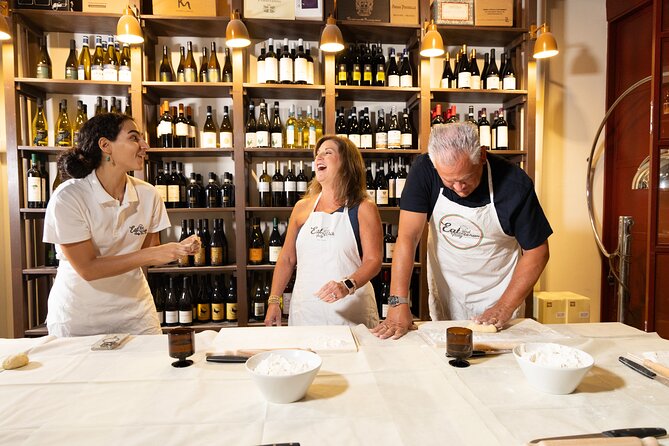
- Central Rome location at Gusto Restaurant (Via Giuseppe Zanardelli 14)
- 3-hour hands-on workshop focused on fettuccine, ravioli, and tiramisù
- Sauce choice for your fettuccine: tomato basil, cacio e pepe, or Amatriciana
- Ravioli served with butter and sage as part of the class meal
- Included drinks: wine or non-alcoholic drink, plus limoncello or coffee
- English instruction with a chef guiding the whole process
A Central Rome Kitchen Stop at Gusto Restaurant
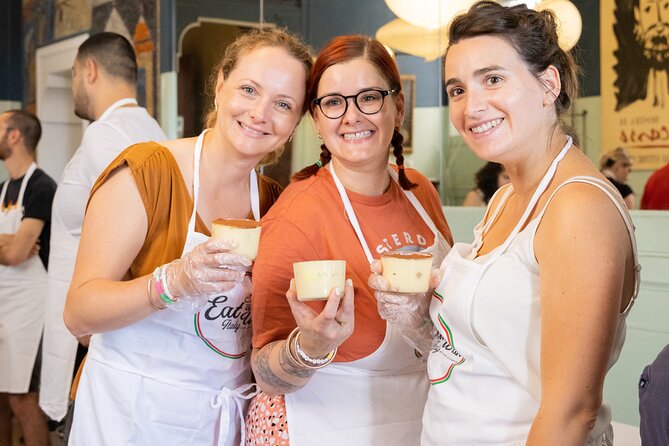
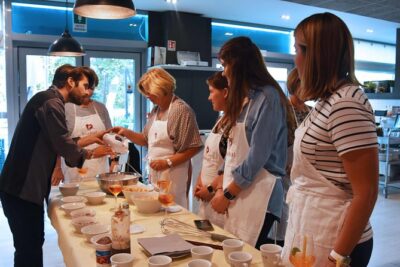
If you want your Rome trip to taste like Italy—not just look like it—this class hits the sweet spot. The meeting point is Gusto Restaurant, at Via Giuseppe Zanardelli 14, right in the city center. That matters because you spend less time commuting and more time actually cooking, eating, and learning.
The format is simple: meet your chef, get to work, then sit down together to enjoy the dishes you made. One helpful detail is that instruction is in English, so you can follow the steps without guessing. You also get a true meal out of it, not a tiny tasting.
One more practical note: arrive about 10 minutes early. Classes like this run on timing—dough needs attention, and desserts have their own clock—so arriving late can throw off the pace.
More aprons-on time in a Roman kitchen
- 3 in 1 Cooking Class near Navona: Fettuccine, Ravioli & Tiramisu
★ 5.0 · 7,376 reviews - Rome: Pasta & Tiramisu Class with Fine Wine by the Vatican
★ 4.9 · 4,852 reviews - Rome: Pasta Making Class with Wine, Limoncello, and Dessert
★ 4.9 · 3,177 reviews - Rome Cooking Class: Make Pasta and 3 Spritz Cocktails
★ 5.0 · 2,937 reviews
The 3-Hour Flow: Three Italian Favorites From Scratch
This workshop is built like a cooking mini-course, not a demo. You’ll spend your time on three big targets:
1) Tiramisu first, using the ingredients and tools needed for the classic dessert
2) Two pasta lessons—fettuccine and stuffed ravioli—starting from flour and eggs
3) A sit-down tasting where you eat your pasta and finish with the tiramisù you created
Why this order works: tiramisù benefits from assembly and resting, while pasta dough benefits from a rhythm—mix, rest (as needed), roll, cut/shape, then cook. By the time you’re eating, your efforts feel complete rather than rushed.
You’ll also get a wine moment during the class meal. The included glass of wine or non-alcoholic beverage makes the whole experience feel like an evening meal that just happens to include skill-building.
Fettuccine Workshop: Flour and Eggs to Fresh Pasta
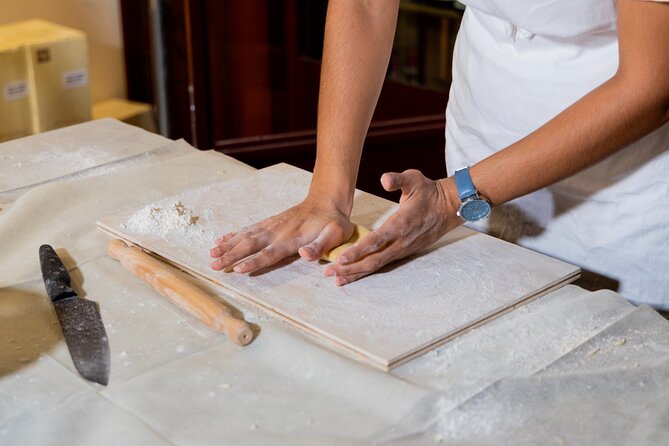
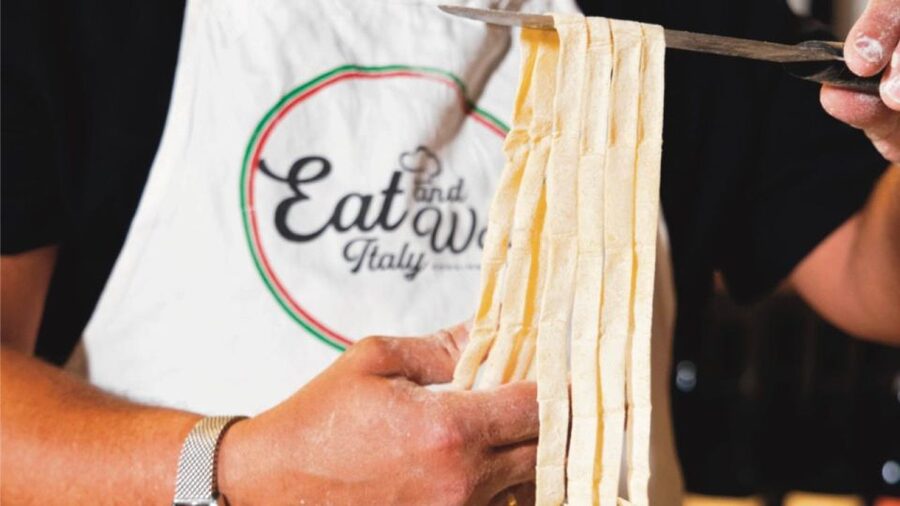
Making fettuccine from scratch teaches you the foundation of Italian cooking: dough control. You start with flour and eggs, then learn how to work the dough into something that can be rolled thin and cut into ribbons.
The biggest value here isn’t just that you end up with fettuccine. It’s that you learn the feel of the dough and how it changes with handling. Once you’ve worked with fresh dough at least once, you’ll understand why restaurant-quality pasta tastes different. It’s not magic. It’s texture, thickness, and timing.
Then comes the payoff. Your class meal includes fettuccine with a sauce of your choice, with three options:
- Cacio e pepe
- Tomato and basil
- Amatriciana
That sauce choice is more than a nice perk. It lets you steer the flavor toward your tastes—cheesy and peppery, bright and herby, or smoky and tomato-forward—without having to order separately or guess what you’ll like.
Ravioli Workshop: Stuffing, Shaping, and Sage-Butter Comfort
After fettuccine, you shift to stuffed ravioli, which adds a different skill set: portioning and shaping. Ravioli aren’t just “another pasta.” The filling and the seal matter. If you’ve ever eaten ravioli that split or tasted uneven, you already know why this step is important.
This class keeps it practical. You learn how to make the ravioli starting from dough (again, flour and eggs) and then how to form them as stuffed pieces. The goal is to walk away understanding the basics of stuffing and closing, not just producing a final plate.
When it’s time to eat, your ravioli come with butter and sage sauce. That’s a classic pairing for a reason: butter adds roundness and gloss, and sage brings a gentle herbal edge that doesn’t fight the filling. For a first-time cook, it’s also forgiving—your ravioli can be homemade and still taste like a real Roman meal.
Worth a look next to this Rome booking:
Tiramisu Workshop: Coffee-Style Dessert Skills You Can Repeat
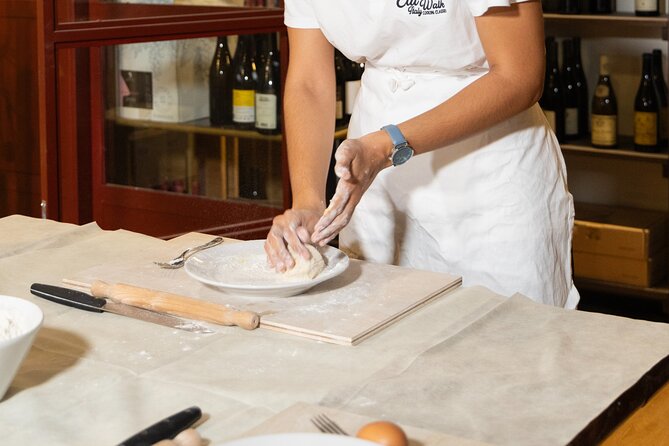
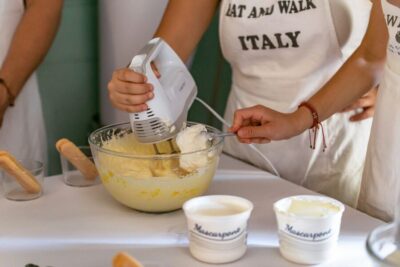
The dessert portion is where this class gets extra fun. You’ll start tiramisu using the required ingredients and tools, guided by your chef. The learning isn’t just assembling a dessert. It’s learning how the components come together to form the right texture and balance.
Tiramisu also makes the class feel like a complete Italian experience. Pasta teaches technique. Tiramisu teaches dessert structure: the assembly, the layering approach, and the finishing steps. You’ll then sample the tiramisù you created together at the end.
Even if you’ve made tiramisù before, I like that this class frames it as a workshop with a real outcome. It’s a dessert you can bring home as a confidence boost, especially if you like hosting or cooking for friends.
And yes, the included finishing drinks help set a relaxed mood—more on that next.
Wine, Limoncello, and the Included Meal Moment
This isn’t just a kitchen task list. You get to eat what you made in a charming restaurant setting in the center of Rome. During the experience, you’ll have:
- A glass of wine or non-alcoholic beverage
- Water
- A glass of limoncello or coffee after your cooking
That’s a surprisingly good inclusion for a short class. In practice, it means your $82 isn’t just paying for instruction—it’s also covering a real meal with drinks that match the Italian vibe.
One small consideration: alcoholic drinks aren’t included for participants under 18. If that applies to you, the class still includes a non-alcoholic beverage, so you won’t miss the pairing moment.
Also, alcohol isn’t included for everyone at the same level, so if you’re planning around specific drinks (wine versus limoncello versus coffee), double-check what’s listed in the inclusions when you book.
Price and Value: Is $82 Reasonable for Rome?
At $82 per person for 3 hours, this class can be strong value because it stacks several things together:
- Three major dishes (fettuccine, ravioli, and tiramisù)
- A meal featuring your own cooking
- Real ingredient-driven instruction starting from flour and eggs
- Included drinks (wine/non-alc, plus limoncello or coffee)
- English-led guidance
In Rome, food experiences range from quick tastings to longer cooking sessions. What makes this one feel fair is that you’re not paying to eat; you’re paying to learn—and then you eat the result. That usually turns into better value than a ticket that ends at sampling.
If your goal is to come away with specific skills you can repeat at home, this price makes more sense. If your goal is mainly “something to do while in Rome,” you might find cheaper entertainment. But if you want the cooking + eating combo, $82 doesn’t feel out of line.
Who This Pasta-Making Experience Fits Best
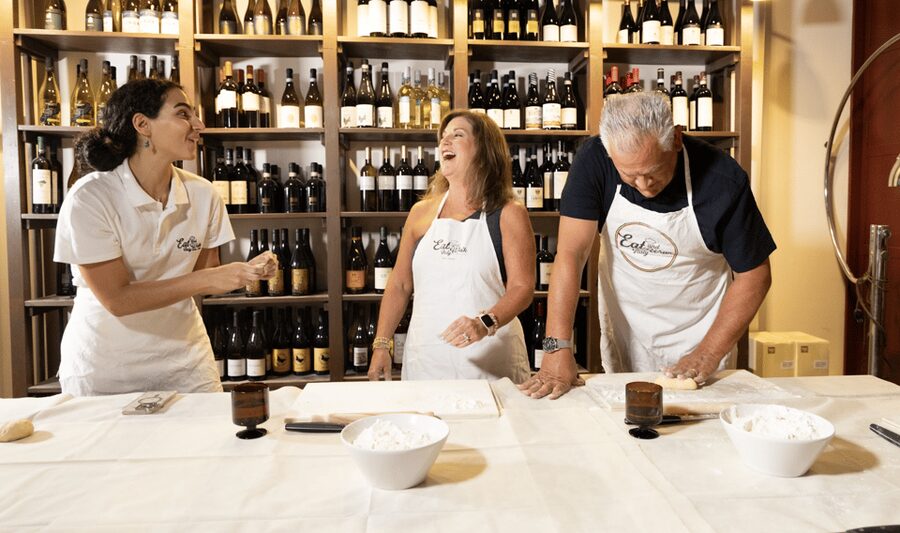
This class is ideal if you:
- Want an authentic, hands-on Italian-food skill in Rome (especially fresh pasta)
- Like comfort classics: fettuccine sauces, sage-butter ravioli, and tiramisù
- Prefer an English-friendly explanation while you work with dough and ingredients
- Enjoy social dining, since you eat together as part of the experience
It’s likely less ideal if:
- You need a stroller-friendly program (it’s not suitable for children under 4)
- You’d rather spend your limited time on major landmarks than in a focused kitchen session
- You’re not interested in cooking steps at all and only want a quick meal
One more small but useful clue: the class is described as cozy and central. That usually means you’ll feel like you’re doing something local, not just visiting a tourist machine.
The Little Details That Matter in a Hands-On Class
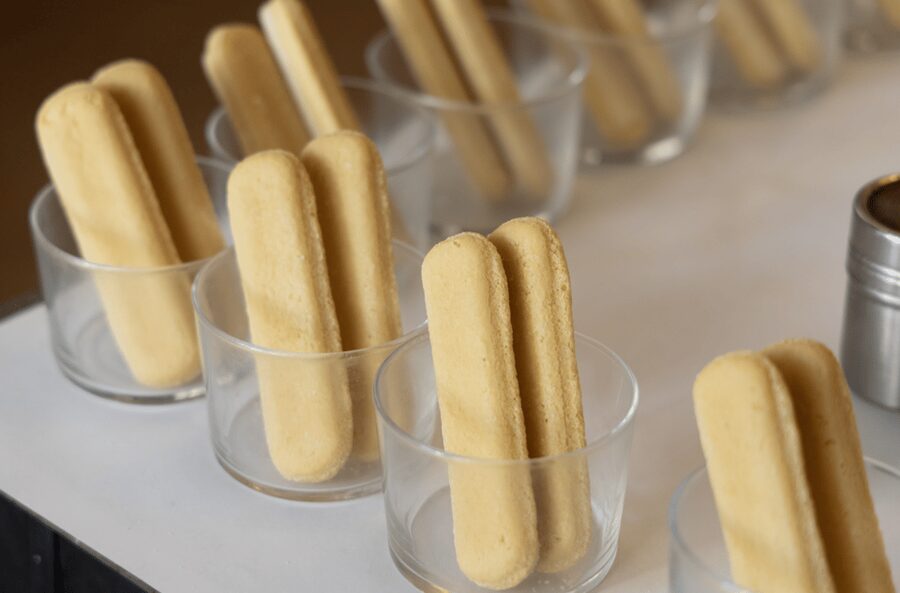
Even when an activity is fun, the details make or break it. Here are the practical ones that stand out here:
- English instruction keeps you from getting stuck mid-step
- Your fettuccine sauce is not one-size-fits-all; you choose among cacio e pepe, tomato basil, or Amatriciana
- Ravioli are paired with butter and sage, a classic that lets you taste the pasta and filling without too many competing flavors
- You finish by eating together, so your work doesn’t feel like homework
- In at least one recent class, the chef was named Andre, and the feedback emphasized the fun, hands-on pace—exactly the energy you want when rolling dough and assembling dessert
Should You Book This Class?
I’d book this if you want a reliable, tasty way to learn Italian cooking in Rome—especially if you care about learning fresh pasta technique and leaving with something you can make again later. The included meal, wine/non-alc drink, and limoncello-or-coffee finish make it feel complete for the time you give up.
Skip it if your trip style is all about sightseeing every hour and you don’t want a cooking-focused block. Also note the age suitability: not for kids under 4, and no pets allowed.
If you’re flexible and hungry for real culinary skill (not just tasting), this is one of the most satisfying ways to spend a few hours in central Rome.
FAQ
Where is the meeting point?
You meet your chef at Gusto Restaurant, Via Giuseppe Zanardelli 14. Arrive 10 minutes before the class.
How long is the pasta making experience?
The experience runs for 3 hours.
What is the price per person?
The price is $82 per person.
What dishes are included?
You’ll make and then eat fettuccine, stuffed ravioli, and tiramisu. Fettuccine comes with your chosen sauce (tomato and basil, cacio e pepe, or Amatriciana), and the ravioli are served with butter and sage.
Is instruction available in English?
Yes. The instructor is English.
Is the experience wheelchair accessible?
Yes, it is listed as wheelchair accessible.
Is the class suitable for young children?
It is not suitable for children under 4 years. Pets are also not allowed.
More Cooking Classes in Rome
- 3 in 1 Cooking Class near Navona: Fettuccine, Ravioli & Tiramisu
★ 5.0 · 7,376 reviews - Rome: Pasta Making Class with Wine, Limoncello, and Dessert
★ 4.9 · 3,177 reviews - Rome Cooking Class: Make Pasta and 3 Spritz Cocktails
★ 5.0 · 2,937 reviews - Rome: 3-in-1 Fettuccine, Ravioli, and Tiramisu Cooking Class
★ 4.9 · 2,704 reviews - Rome: Fettuccine Pasta Cooking Class in Rome’s City Center
★ 4.8 · 2,414 reviews - Fettuccine & Tiramisù: Cooking Class with Wine & Limoncello
★ 4.9 · 2,103 reviews
More Tour Reviews in Rome
- Vatican Museums, Sistine Chapel & St. Peter’s Basilica Tour
★ 4.3 · 73,970 reviews - Vatican Museums, Sistine Chapel & St Peter’s Basilica Guided Tour
★ 4.5 · 39,149 reviews - Rome: Colosseum, Palatine Hill and Roman Forum Guided Tour
★ 4.8 · 32,814 reviews - Rome: Guided Tour of Colosseum, Roman Forum & Palatine Hill
★ 4.7 · 27,897 reviews - Rome: Colosseum & Forum with Audio Guide App -Optional Arena
★ 4.2 · 24,770 reviews - Rome: Colosseum, Roman Forum and Palatine Hill Guided Tour
★ 4.5 · 23,903 reviews
Learn Another Roman Dish
- 3 in 1 Cooking Class near Navona: Fettuccine, Ravioli & Tiramisu
★ 5.0 · 7,376 reviews - Rome: Pasta & Tiramisu Class with Fine Wine by the Vatican
★ 4.9 · 4,852 reviews - Rome: Pasta Making Class with Wine, Limoncello, and Dessert
★ 4.9 · 3,177 reviews - Rome Cooking Class: Make Pasta and 3 Spritz Cocktails
★ 5.0 · 2,937 reviews - Rome: 3-in-1 Fettuccine, Ravioli, and Tiramisu Cooking Class
★ 4.9 · 2,704 reviews - Rome: Fettuccine Pasta Cooking Class in Rome’s City Center
★ 4.8 · 2,414 reviews
Just added to our Rome reviews





Rome Cooking Classes, compared.
 ★ 5.03 in 1 Cooking Class near Navona: Fettuccine, Ravioli & TiramisuFrom $837,376 reviews
 ★ 4.9Pasta & Tiramisu Class with Fine Wine by the VaticanFrom $414,852 reviews
 ★ 4.9Pasta Making Class with Wine, Limoncello, and DessertFrom $483,177 reviews
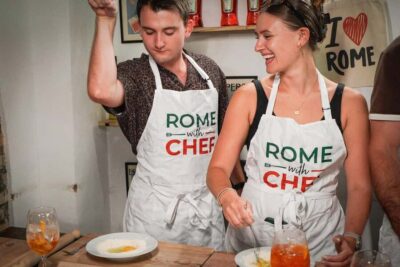 ★ 5.0Rome Cooking Class: Make Pasta and 3 Spritz CocktailsFrom $992,937 reviews
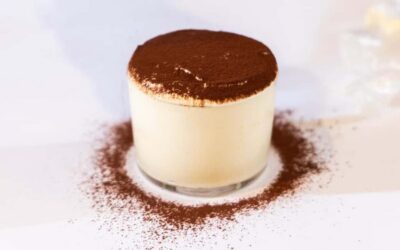 ★ 4.93-in-1 Fettuccine, Ravioli, and Tiramisu Cooking ClassFrom $812,704 reviews
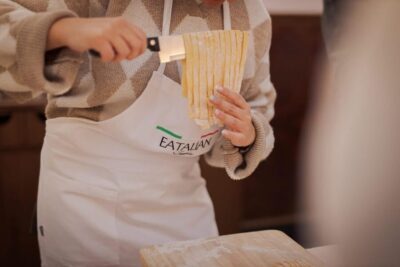 ★ 4.8Fettuccine Pasta Cooking Class in Rome’s City CenterFrom $462,414 reviews
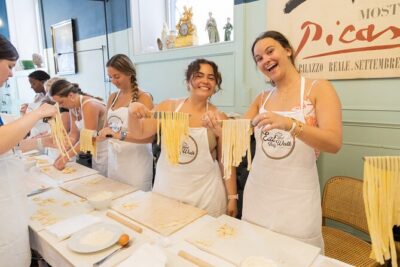 ★ 5.0Learn to Make Pasta & Tiramisu with Wine and Limoncello IncludedFrom $542,345 reviews
 ★ 5.0Become a Masterchef in Rome: Pasta, Ravioli and Tiramisù ClassFrom $472,156 reviews
Browse the lists this tour appears in