

Reviewed · ROME COOKING CLASSES
Fettuccine, Ravioli, and Tiramisu Cooking Class in Rome
Pasta class beats another museum stop. I like that this lesson is hands-on (knead, roll, cut) with a real local chef, and I also like the small group feel where you get help instead of standing on the sidelines. One possible downside: some sauces may be pre-prepared, so you might not make every sauce from scratch, even though you should still get solid recipes to take home.
This runs in a prime Rome pocket just steps from major landmarks. You start at iQ Hotel Roma, Via Firenze 8, and the class takes place near the Pantheon area, a setting that makes it easy to turn this into a great pre- or post-sightseeing stop.
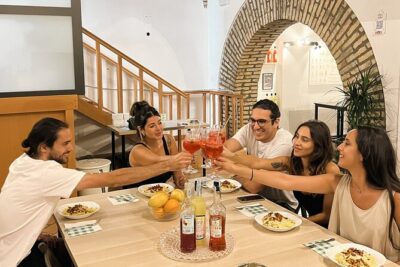
Over about 3 hours, you’ll work through fresh egg fettuccine, shape ricotta-and-spinach ravioli, and finish with tiramisu, plus a glass of wine or a soft drink. The lesson ends with coffee or limoncello, so you leave fed, not just educated.
In This Review
- Key points to know before you go
- The real reason this class is worth 90-ish bucks
- Where you start: iQ Hotel Roma, then into the class space
- The menu: what you’ll actually make and eat
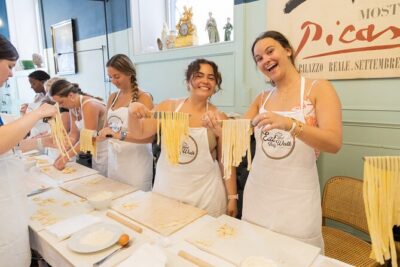
- Hands-on pasta time: knead, roll, cut, then cook
- A small group means you actually get feedback
- Ravioli shaping: the part that feels tricky, then suddenly clicks
- Fettuccine with sauce: your takeaway isn’t just the recipe
- Tiramisu: demonstration, tasting, and the finishing ritual
- The location vibe: why this feels like a break from sightseeing
- Who this class is best for
- Tips to get the most out of your pasta day
- Value check: what’s included, what isn’t, and what it means for you
- Should you book the Fettuccine, Ravioli, and Tiramisu class?
- FAQ
- How long is the cooking class?
- What does the class cost?
- Is the class taught in English?
- How big is the group?
- Where do I meet, and where does it end?
- What dishes are included in the lesson?
- What drinks are included?
- Do I get to eat what I cook?
- Is transportation included?
- Is there free cancellation?
Key points to know before you go

- A chef-led pasta workshop, not a watching-only show (you’ll do the dough work)
- Small group size up to 15 so questions don’t get lost in the flour dust
- Three classic Rome dishes: fettuccine all’Uovo, ravioli, and tiramisu
- Wine or soft drink included, and a final coffee or limoncello
- Recipes shared afterward, including a PDF in reported follow-up
- Sauces may be partly prepared ahead, but you’ll get recipe help afterward too
The real reason this class is worth 90-ish bucks

At $90.02 per person for roughly 3 hours, you’re paying for three things: guided technique, ingredients and tools, and the meal you make. That last part matters. You’re not paying extra to figure out what to do next after the class—dinner is the class.
Also, small-group cooking has a practical advantage. When the dough sticks, your instructor can correct you fast. When your ravioli edges look a bit loose, you get hands-on tips instead of a vague, hopeful smile. That’s the difference between a fun activity and a skill you can repeat at home.
The other value point is pacing. Rome can wear you out with walking and museum time. This gives you a break that still feels cultural—because pasta-making is its own form of local know-how.
More aprons-on time in a Roman kitchen
- 3 in 1 Cooking Class near Navona: Fettuccine, Ravioli & Tiramisu
★ 5.0 · 7,376 reviews - Rome: Pasta & Tiramisu Class with Fine Wine by the Vatican
★ 4.9 · 4,852 reviews - Rome: Pasta Making Class with Wine, Limoncello, and Dessert
★ 4.9 · 3,177 reviews - Rome Cooking Class: Make Pasta and 3 Spritz Cocktails
★ 5.0 · 2,937 reviews
Where you start: iQ Hotel Roma, then into the class space
You meet at iQ Hotel Roma, Via Firenze 8, 00184 Roma RM, and the activity ends back at the meeting point. The location is convenient for two reasons: it’s easy to find using public transit, and it’s in the part of central Rome where you can keep your sightseeing days tight.
From the way the class is described and how it’s situated, you’re likely within easy walking distance of major sights (people specifically call out the Pantheon area). That means you can pair this with a Rome day plan without turning it into a logistics project.
Practical tip: bring a bit of flexibility to your schedule. Cooking classes take time for prep, shaping, and cooking. If you’ve stacked the whole afternoon with timed tickets, this might feel rushed.
The menu: what you’ll actually make and eat
This is a structured, traditional menu:
- Fettuccine all’Uovo: homemade egg fettuccine, served with a choice of sauces
- Ravioli: fresh ravioli stuffed with ricotta cheese and spinach, served with butter and sage
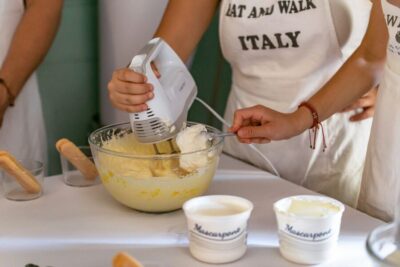
- Tiramisu: espresso-soaked ladyfingers layered with mascarpone cream, finished with cocoa
You should expect the class to split time between active dough work and dessert. In at least one shared experience, the pasta portion was hands-on while tiramisu was more of a demonstration with tasting. That’s normal for many cooking formats because tiramisu’s success depends on timing and assembly.
One more practical detail that comes up: sauces. Some participants wanted to make a red sauce component from scratch, but the instruction approach appears to lean on sauce elements that are already prepared, with recipe support afterward. Translation: you may get the pasta-making and classic flavors without turning your hour into a sauce marathon.
Hands-on pasta time: knead, roll, cut, then cook
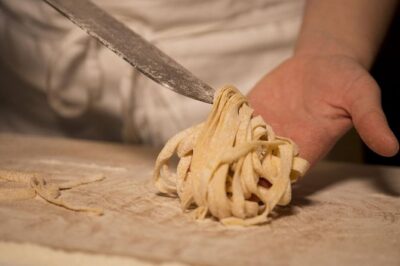
This is where the class earns its reputation. The core skills are in the hands:
- kneading the dough
- rolling it thin enough to work (without tearing)
- cutting into fettuccine
- shaping ravioli and sealing edges
That’s also why this class works even if you’re not a serious cook. You’re learning a process with visible checkpoints. Your instructor can correct thickness, flour amounts, and how you handle the dough so it behaves.
And yes, you’ll go beyond just making raw pasta. One account notes getting into the kitchen to boil noodles and plate your dishes. That matters because it closes the loop: you see how your work changes from dough to food, and you leave with the satisfaction of a finished meal, not just ingredients in a container.
Worth a look next to this Rome booking:
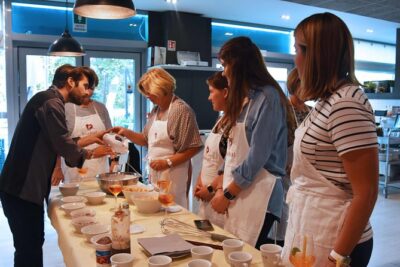
A small group means you actually get feedback
With a max of 15 travelers, you’re not fighting for attention. Multiple guides are mentioned across experiences, including names like Giuseppe, Fabio, and Samuel. The common thread is that the teaching is lively and practical, with enough interaction that you can correct mistakes in real time.
If you’re cooking with kids or teens, this format tends to hold attention better than lectures or long “watch and hope” demos. The motion and texture of pasta work keeps people engaged.
Ravioli shaping: the part that feels tricky, then suddenly clicks
Ravioli is usually the confidence test of a pasta class. The main skills are filling consistently and sealing so the pasta cooks without leaking.
This class’s ravioli filling is described as ricotta and spinach, then served with butter and sage. That combination is classic and forgiving. It’s not a sauce bomb, so your pasta quality matters. When your seal holds and your dough is cooked through, ravioli tastes like real Italian comfort food.
For you, the key takeaway is not memorizing an Italian technique word-for-word. It’s learning the physical “feel” of the dough and the filling-to-dough ratio so you can repeat it later.
Fettuccine with sauce: your takeaway isn’t just the recipe

Fettuccine all’Uovo is egg pasta—silky, tender, and a little more structured than flour-only dough. That’s why it’s such a good learning dish. You get a clear result if you roll evenly and handle it carefully.
Because sauces are included, you don’t have to plan or shop. The class structure also helps you understand pairing: how a butter-based sauce or herb-forward options complement egg pasta. You’ll likely notice that the sauce isn’t doing all the work. Pasta texture still matters.
One caution: if you’re hoping for a deep lesson on making every sauce from scratch, adjust expectations. Some sauce parts may be prepared ahead, but you should still get recipe details afterward.
Tiramisu: demonstration, tasting, and the finishing ritual

Tiramisu is a dessert where timing and assembly technique matter. The format is often lighter on hands-on and heavier on seeing how it comes together. That lines up with what’s described: tiramisu instruction can be more of a demo, followed by tasting.
The tiramisu is described in classic terms: espresso-soaked ladyfingers, mascarpone cream layers, and cocoa dust on top. For most people, the value is twofold:
- You learn how to assemble clean layers.
- You taste the result immediately, so the method makes sense.
After tiramisu, the experience includes caffè or limoncello. That’s a nice end to the meal-cycle logic: you made pasta, you ate it, you built dessert, and you finish with the drink Italians often treat as part of dessert’s rhythm.
The location vibe: why this feels like a break from sightseeing

This class sits in a central Rome area near major sights, which is great for your day plan. But the better reason it works is emotional. Cooking forces you to slow down. You stop doing mental math about bus times, ticket windows, and lines.
Instead, you’re measuring, rolling, and shaping. Your hands get covered in dough, and that’s the point. It’s one of those activities where the fun doesn’t depend on perfect language skills or perfect weather.
If you’re planning a Rome itinerary heavy on historical stops, this gives you variety without feeling like a random tourist detour. It’s also a good last-night activity because it turns the trip into something you can reproduce later.
Who this class is best for
This is a strong pick if you:
- want a break from sightseeing but still want something very “Rome”
- enjoy hands-on activities more than museum-style learning
- want a meal that you helped make (and actually eat in the same session)
- travel with family, including teens, who can handle a couple hours of focused fun
It’s also a decent option for couples. Several experiences point to it being a memorable shared activity, especially when the instructors keep things playful.
If you’re a hardcore foodie who wants to learn every sauce element from scratch, you may feel slightly under-served on that front. The lesson focuses primarily on pasta-making and tiramisu, with sauce approach that may be partially prepared ahead.
Tips to get the most out of your pasta day
- Arrive hungry but not frantic. You’ll work in phases, so patience pays off.
- Don’t over-flour the dough. If it feels sticky, ask. The right fix depends on your dough’s stage.
- Listen for thickness cues. Rolling too thick is the most common pasta-class issue, and instructors can correct it quickly.
- Take the PDF (when shared) seriously. Pasta dough and ravioli ratios are easier to repeat when you have written steps.
- Plan a relaxed walk after. You’ll likely want a calmer stroll afterward rather than hopping immediately into another timed ticket.
Value check: what’s included, what isn’t, and what it means for you
Included:
- hands-on cooking class
- all ingredients and cooking utensils
- use of aprons and cooking materials
- you eat what you prepare
- a glass of Italian wine or a soft drink
- caffè or limoncello at the end
Not included:
- transportation
- other food and beverages outside what’s listed above
For you, the “not included” part is straightforward: you handle getting there, and you don’t count on extra snacks being available beyond the class meal and drinks. If you tend to graze all day while sightseeing, you’ll probably appreciate this class as a built-in meal solution.
Also, you’re in a group capped at 15, which is part of the value logic. You’re buying attention, technique, and a finished edible result.
Should you book the Fettuccine, Ravioli, and Tiramisu class?
Yes, if you want a hands-on Rome experience that ends with a real meal and a dessert ritual. The combination of egg pasta skills plus classic tiramisu, in a small group with instructors named Giuseppe, Fabio, and Samuel, is exactly the kind of activity that turns travel into something you can remember by taste, not just photos.
Book it especially if your trip is packed with major sights and you want one evening that feels different. It’s also great if you’re traveling with teens or you just learn best by doing.
Pass or adjust expectations if you’re specifically chasing a full, from-scratch sauce workshop. Some sauce components may be prepared ahead, though recipe follow-up is part of the approach.
If you’re on the fence, my advice is to treat this as both a class and a dinner plan. If you time it well, it becomes a standout evening without turning your schedule into chaos.
FAQ
How long is the cooking class?
It’s listed at about 3 hours.
What does the class cost?
The price is $90.02 per person.
Is the class taught in English?
Yes, it’s offered in English.
How big is the group?
The maximum group size is 15 travelers.
Where do I meet, and where does it end?
You meet at iQ Hotel Roma, Via Firenze 8, 00184 Roma RM, Italy, and the activity ends back at the same meeting point.
What dishes are included in the lesson?
You’ll make fettuccine all’Uovo, ravioli with ricotta and spinach (served with butter and sage), and tiramisu.
What drinks are included?
You get a glass of Italian wine or a soft drink, and the experience ends with caffè or limoncello.
Do I get to eat what I cook?
Yes. The dishes you prepare during the class are included for you to enjoy.
Is transportation included?
No. Transportation is not included.
Is there free cancellation?
Yes. You can cancel up to 24 hours in advance for a full refund.
More Cooking Classes in Rome
- 3 in 1 Cooking Class near Navona: Fettuccine, Ravioli & Tiramisu
★ 5.0 · 7,376 reviews - Rome: Pasta Making Class with Wine, Limoncello, and Dessert
★ 4.9 · 3,177 reviews - Rome Cooking Class: Make Pasta and 3 Spritz Cocktails
★ 5.0 · 2,937 reviews - Rome: 3-in-1 Fettuccine, Ravioli, and Tiramisu Cooking Class
★ 4.9 · 2,704 reviews - Rome: Fettuccine Pasta Cooking Class in Rome’s City Center
★ 4.8 · 2,414 reviews - Fettuccine & Tiramisù: Cooking Class with Wine & Limoncello
★ 4.9 · 2,103 reviews
More Tour Reviews in Rome
- Vatican Museums, Sistine Chapel & St. Peter’s Basilica Tour
★ 4.3 · 73,970 reviews - Vatican Museums, Sistine Chapel & St Peter’s Basilica Guided Tour
★ 4.5 · 39,149 reviews - Rome: Colosseum, Palatine Hill and Roman Forum Guided Tour
★ 4.8 · 32,814 reviews - Rome: Guided Tour of Colosseum, Roman Forum & Palatine Hill
★ 4.7 · 27,897 reviews - Rome: Colosseum & Forum with Audio Guide App -Optional Arena
★ 4.2 · 24,770 reviews - Rome: Colosseum, Roman Forum and Palatine Hill Guided Tour
★ 4.5 · 23,903 reviews
Learn Another Roman Dish
- 3 in 1 Cooking Class near Navona: Fettuccine, Ravioli & Tiramisu
★ 5.0 · 7,376 reviews - Rome: Pasta & Tiramisu Class with Fine Wine by the Vatican
★ 4.9 · 4,852 reviews - Rome: Pasta Making Class with Wine, Limoncello, and Dessert
★ 4.9 · 3,177 reviews - Rome Cooking Class: Make Pasta and 3 Spritz Cocktails
★ 5.0 · 2,937 reviews - Rome: 3-in-1 Fettuccine, Ravioli, and Tiramisu Cooking Class
★ 4.9 · 2,704 reviews - Rome: Fettuccine Pasta Cooking Class in Rome’s City Center
★ 4.8 · 2,414 reviews
Just added to our Rome reviews





Rome Cooking Classes, compared.
 ★ 5.03 in 1 Cooking Class near Navona: Fettuccine, Ravioli & TiramisuFrom $837,376 reviews
 ★ 4.9Pasta & Tiramisu Class with Fine Wine by the VaticanFrom $414,852 reviews
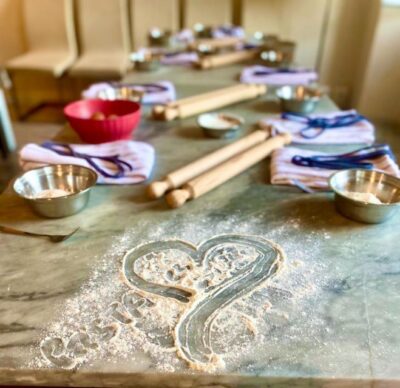 ★ 4.9Pasta Making Class with Wine, Limoncello, and DessertFrom $483,177 reviews
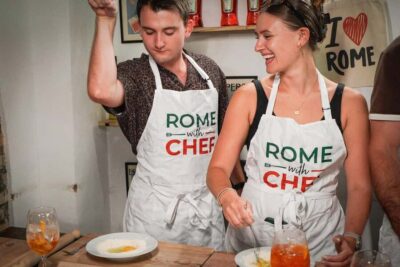 ★ 5.0Rome Cooking Class: Make Pasta and 3 Spritz CocktailsFrom $992,937 reviews
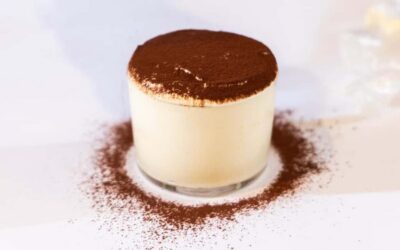 ★ 4.93-in-1 Fettuccine, Ravioli, and Tiramisu Cooking ClassFrom $812,704 reviews
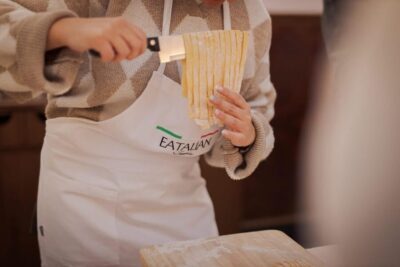 ★ 4.8Fettuccine Pasta Cooking Class in Rome’s City CenterFrom $462,414 reviews
 ★ 5.0Learn to Make Pasta & Tiramisu with Wine and Limoncello IncludedFrom $542,345 reviews
 ★ 5.0Become a Masterchef in Rome: Pasta, Ravioli and Tiramisù ClassFrom $472,156 reviews
Browse the lists this tour appears in