
Reviewed · ROME COOKING CLASSES
Exclusive cooking class in Roman countryside with local chef
A day of pasta is a good day. This small-group cooking class takes you into the Roman countryside near Zagarolo, where Claudia and Bruno teach you a full Italian Sunday lunch from prep to plates, with homemade wine to go with it. I love that the cooking is hands-on and home-kitchen real, and I also love the fact you eat together right after, not later in some rushed restaurant setup. One heads-up: the meeting point can feel a bit confusing at first, especially if you arrive without a clear plan for finding Bruno at the station.
Claudia’s teaching style makes the recipes feel doable, even if you’re not a confident cook at home. You’ll also get a strong sense of Roman seasonal cooking—summer treats like sorbets and ice cream, and in winter, things like sfogliatelle and stuffed pasta—so it’s not just one repeatable menu. The main drawback is time: it’s a focused 3.5-hour experience, so it’s not a long countryside day trip if you’re craving hours of sightseeing.
In This Review
- Key highlights worth planning for
- Roman countryside cooking: what this 3.5 hours is really about
- Getting to Claudia and Bruno: Zagarolo Station and the gray car detail
- Entering a real Roman home kitchen in Lazio
- What you’ll cook: Roman Sunday lunch, seasonal and hands-on
- The flow of the class: learning by doing, not by watching
- Handmade pasta: why it feels different when you do it
- Wine, conversation, and the part people actually remember
- Price and value: what $112.15 buys you (and why it’s fair)
- Dietary needs: what to do before you go
- Who should book this class
- Watch-outs: the one snag that can throw you off
- Should you book? My honest recommendation
- FAQ
- Where does the experience start?
- How long is the cooking class?
- How big is the group?
- What’s included in the price?
- Is alcohol included?
- Can dietary restrictions be accommodated?
- What languages are used?
- What train should I take from Rome Termini?
- Do I need to validate my train ticket at the station?
Key highlights worth planning for
- Zagarolo countryside reset: drive out from Rome’s energy into a calmer Roman setting.
- Full Roman Sunday lunch pacing: prep, cook, then sit down together for a proper meal.
- Handmade pasta with local ingredients: flour from a local mill and eggs from a nearby farmer.
- Seasonal menu variety: summer desserts can shift, and winter specialties show up.
- Homemade wine with your meal: included as part of the experience.
- Recipes you can take home: so you can cook the Roman favorites again later.
Roman countryside cooking: what this 3.5 hours is really about
This isn’t a demo class where you watch and hope for the best. The heart of the experience is learning how a true Roman Sunday lunch comes together—step by step—and then eating it while everything is still warm and relaxed. The setting in and around Zagarolo matters too. When you’re surrounded by countryside views and a home kitchen vibe, the food feels like a living tradition instead of a staged activity.
You’re paying for more than ingredients. At $112.15 per person for a 3.5-hour block, the value comes from the full package: transfer from Zagarolo Station, hands-on cooking, a 3-course meal, bottled water, alcoholic beverages, and recipes you can actually use later. And the group stays small (limited to 8), which makes it easier to ask questions and learn what you’re doing instead of being herded along.
More aprons-on time in a Roman kitchen
- 3 in 1 Cooking Class near Navona: Fettuccine, Ravioli & Tiramisu
★ 5.0 · 7,376 reviews - Rome: Pasta & Tiramisu Class with Fine Wine by the Vatican
★ 4.9 · 4,852 reviews - Rome: Pasta Making Class with Wine, Limoncello, and Dessert
★ 4.9 · 3,177 reviews - Rome Cooking Class: Make Pasta and 3 Spritz Cocktails
★ 5.0 · 2,937 reviews
Getting to Claudia and Bruno: Zagarolo Station and the gray car detail
The whole day hinges on the meeting point, so I’d treat it as your first “task” of the experience. You meet at Zagarolo Station, where Bruno waits for you. The info is simple, but it’s also where confusion can happen if you show up without checking the timing or the exact meeting cue.
If you’re coming from Rome Termini, there’s a stated train option: take train 12703 at 9:14, about 25 minutes to Zagarolo station. You’ll then find Bruno in the square with a gray car. There’s also a “usual train” reference for 14:05 (12610), which suggests there are likely set service times depending on the day—so it’s smart to check availability for the exact start.
Two practical tips that can save stress:
- Go with a plan for arriving a few minutes early, not right on time.
- If you buy your return ticket on trenitalia.it, the note says you don’t need to validate it at the station. That’s one less step.
Entering a real Roman home kitchen in Lazio
This experience is built around the idea that Italian cooking is personal. Claudia’s home kitchen is where you’ll put on the chef’s apron and learn like you’re joining the work, not touring the process. She and Bruno split their time between teaching, guiding, and keeping the atmosphere friendly. In other words, you’re not just learning recipes—you’re learning how people talk about cooking at home.
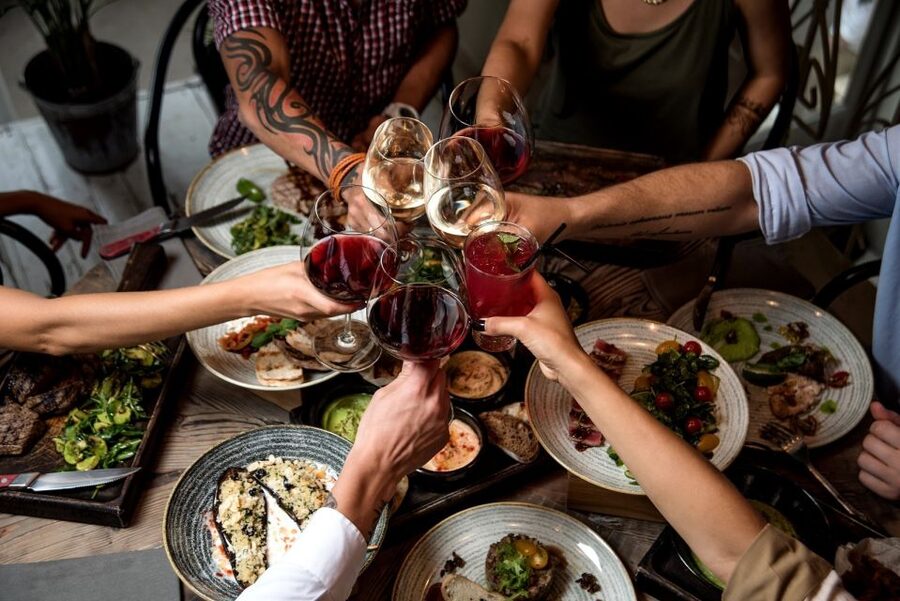
The home setting also changes the feel of the meal. After you cook, you can often eat in pleasant surroundings—either inside a cozy living room or outside in the garden. One review specifically mentioned eating outdoors under a pergola, plus walking through Claudia’s garden. Even if you don’t get the exact same weather, the takeaway is clear: you’re meant to relax after cooking, not immediately jump back into Rome traffic.
What you’ll cook: Roman Sunday lunch, seasonal and hands-on
The menu is designed to feel like a Sunday lunch you’d actually make in Rome—not a single dish class. You’ll start with appetizers and vegetables, move into pasta you help prepare by hand, then finish with a second course and something sweet.
Here are the kinds of dishes you should expect, based on the season:
- Vegetable fritters or savory strudel (a first savory course)
- Bruschette with vegetables and cheese
- Handmade pasta like lasagne, ravioli, or fettuccine, plus the sauce
They use flour from a local mill and eggs from a farmer, so you’re not just mixing mystery ingredients.
- A typical second course such as rolls or saltimbocca
- A vegetarian special dish (so it’s not just a plain swap)
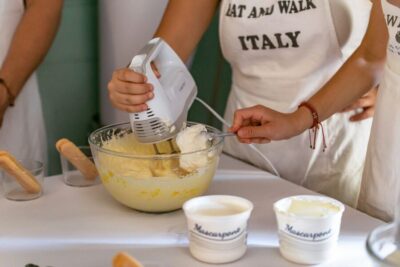
- A cake such as a parfait or tart, made together during the session
Seasonal shifts are part of the point. In summer, the class may lean toward sorbets and ice cream. In winter, you might do sfogliatelle and stuffed pasta. So if you’re visiting Lazio during a specific time of year, you’re also getting the seasonal logic of what Romans cook when the calendar turns.
And yes, you’ll likely work with herbs too. One review noted they picked fresh herbs for the meal, and then used them in the cooking. That’s the kind of small detail that makes a big difference: the herbs aren’t “garnish,” they’re part of the workflow.
Worth a look next to this Rome booking:
The flow of the class: learning by doing, not by watching
The teaching approach here is practical. You’re not just learning a recipe card; you’re building the sequence—what comes first, what needs time, and what to watch for. That matters because Italian cooking often depends on texture and timing more than strict measurements. A hands-on class is the best way to learn what the food should look and feel like as it goes.
You’ll typically move through steps like:
- preparing vegetable-based starters
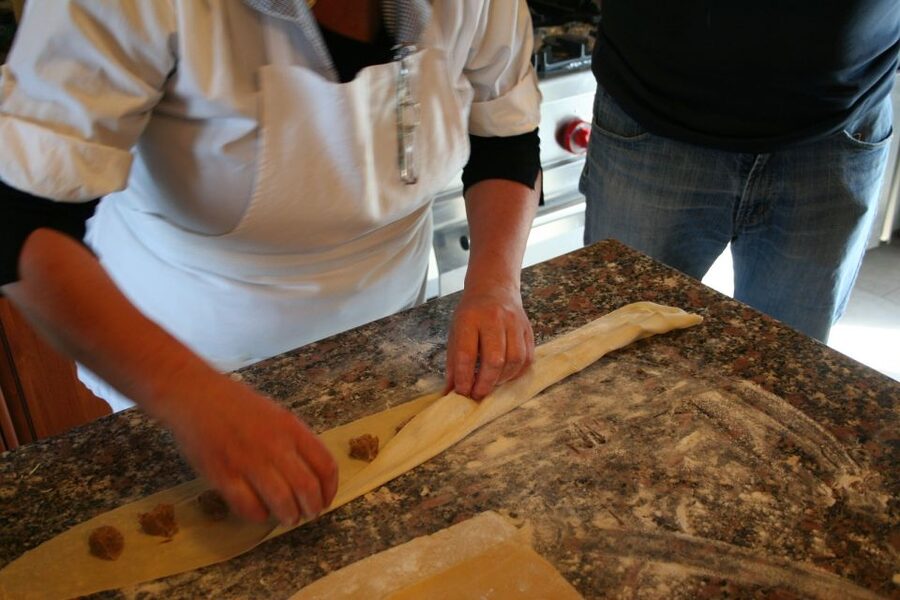
- assembling or shaping pasta (including dough and fillings when the menu includes stuffed pasta)
- cooking sauces to match the pasta format
- finishing with a dessert that you help assemble
You also get guidance on ingredients. Claudia’s kitchen is described as well-known beyond the region, with coverage from major publications including The Guardian and The Wall Street Journal. Even if you don’t care about press, it usually correlates with consistent teaching—because when something is praised publicly, it’s often because the experience works for real people, not just food pros.
Handmade pasta: why it feels different when you do it
The most memorable part for many people is the pasta. There’s something about making dough and shaping it with your own hands that changes how you eat later. When you understand what the dough feels like and how the thickness affects cooking, you stop treating pasta as an automatic side dish and start treating it like the main event.
The class also leans on “local inputs.” The mention of flour from a local mill and eggs from a nearby farmer is more than a cute detail—it’s a reminder that Roman cooking depends on straightforward ingredients, done well. You’ll likely notice the difference when you taste what you made, because the final flavor isn’t just about sauce. It’s also about the base.
If you’re a beginner, this is still a good fit. A small group means there’s more attention from the host, and the focus is on getting you through the steps with confidence. If you’re an experienced cook, you’ll still benefit because it’s a structured lesson in Roman technique, not just a random cooking spree.
Wine, conversation, and the part people actually remember
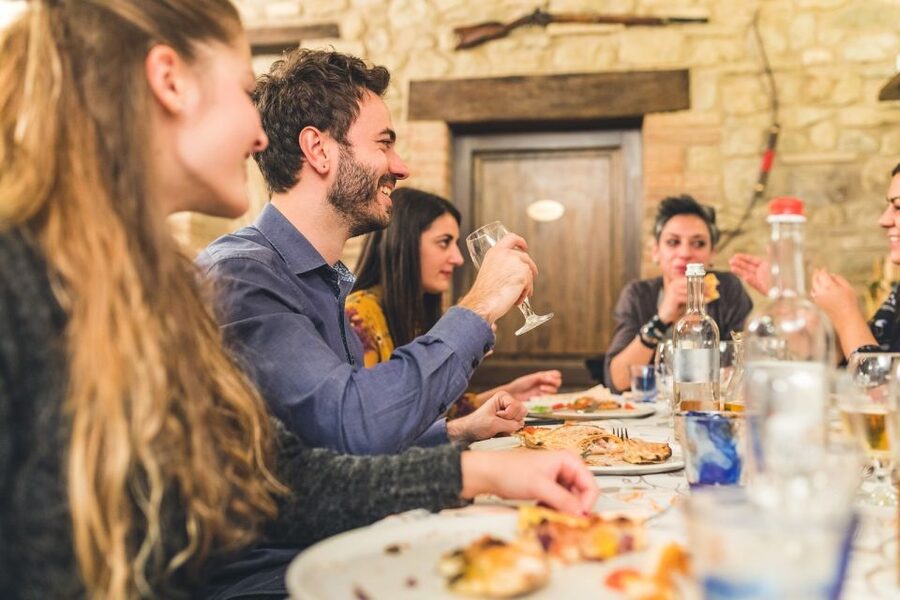
Cooking is only half the story. The other half is the sitting down. You’ll enjoy the meal you made with homemade wine in a convivial setting. The goal is to slow down and taste what you created while it’s at its best.
One review mentioned Bruno entertaining with singing and playing a keyboard while they cooked. That’s not something I’d treat as guaranteed every time, but it tells you the vibe: this is a “family home” experience, not a stiff cooking studio. Even if there’s no performance on your day, you can expect warmth and ease.
Also, the meal setup is part of the value. You’re not transporting your own food and trying to reheat it later. Everything lands on the table in sequence, and you can eat outside when conditions allow. That’s an underrated travel advantage: when you combine good food with a relaxed environment, the experience feels longer than 3.5 hours.
Price and value: what $112.15 buys you (and why it’s fair)
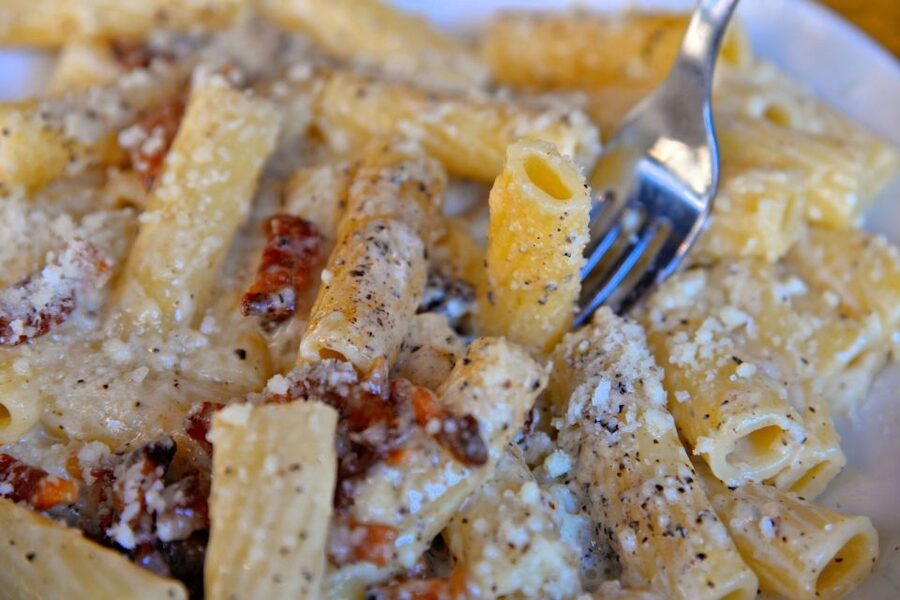
Let’s talk value in plain terms.
You’re paying for:
- a private-to-your-group transfer from Zagarolo Station to the chef’s home
- hands-on instruction through a multi-course menu
- a 3-course meal (lunch or dinner)
- bottled water
- alcoholic beverages paired with the meal
- recipes to take home
For $112.15 per person, it’s not “cheap,” but it’s not overpriced for what you get either. The transfer and the wine alone move it beyond what many cooking classes include. And the recipe take-home matters: if you enjoy Italian food, you’ll use those recipes later, which makes the class a long-term souvenir.
The small-group limit (8 participants) also affects value. If the group were larger, the teaching would feel rushed and you’d get less time at the counter. Here, the structure supports actual learning.
Dietary needs: what to do before you go
The information you’re given is clear: dietary restrictions can be accommodated when notified in advance. So if you’re gluten-free, vegetarian, or have other constraints, send the details before the day of the class. That gives Claudia time to plan the vegetarian special dish and adjust the menu so you aren’t left out of key parts.
Since the menu changes with season anyway, good communication helps the host match what’s available with what you need.
Who should book this class
This is a great fit if:
- you want a more local Roman food experience than a big-city cooking studio
- you like hands-on cooking and want to learn technique, not just eat
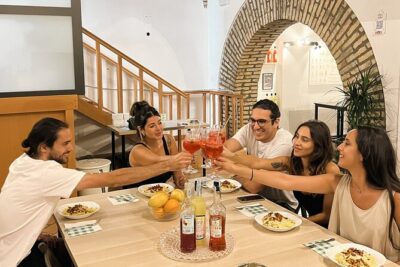
- you enjoy long-table meals with wine and conversation
- you’re visiting Lazio and want a countryside break without spending an entire day traveling
It’s also a smart choice for couples and small friend groups because the home setting feels personal. It can work for solo travelers too, since group size is capped and the atmosphere is welcoming.
If you’re in a hurry to check boxes (big sights, tight itineraries), this may feel too focused. It’s an experience built around food and time together, not a “see Rome from afar” outing.
Watch-outs: the one snag that can throw you off
The biggest potential drawback is logistics at the meeting point. One clear theme is that people can feel a little lost at first with where to meet and what to look for. The fix is easy: plan your arrival at Zagarolo Station, arrive early enough to orient yourself, and look for Bruno in the square near the gray car.
A second practical consideration is that you’ll be in a countryside setting for the lesson and meal, so dress for comfort. This is a cooking class; you’ll be standing and working at a home kitchen pace. Also, since wine is part of the meal, be realistic about how you want to handle alcohol during your day.
Should you book? My honest recommendation
I think this is an excellent booking if you want authentic Roman food taught in a real home. The combination—hands-on Sunday lunch cooking, homemade wine, and the small group size—adds up to more than a meal. It’s a mini education in Roman seasonal cooking, plus recipes you can use later.
If you’re the type who needs super-clear logistics and hates uncertainty, give yourself buffer time for finding Bruno at Zagarolo Station. Once you’re at the house, the experience is the kind that makes you feel like you’re eating dinner with people who genuinely care about food.
FAQ
Where does the experience start?
It starts at Zagarolo Station, where your host/greeter will be waiting.
How long is the cooking class?
The experience runs 3.5 hours.
How big is the group?
The group is limited to 8 participants.
What’s included in the price?
Included are transfer from Zagarolo Station to the chef’s house, hands-on cooking class, lunch or dinner, a 3-course meal, bottled water, alcoholic beverages, and recipes to take home.
Is alcohol included?
Yes. Alcoholic beverages are included, and you’ll enjoy homemade wine with your meal.
Can dietary restrictions be accommodated?
Yes, dietary restrictions can be accommodated if you notify in advance.
What languages are used?
The host or greeter speaks English and Italian.
What train should I take from Rome Termini?
One option provided is train 12703 at 9:14, taking about 25 minutes to Zagarolo station. Another “usual train” reference given is 14:05 (12610). Check availability for your exact timing.
Do I need to validate my train ticket at the station?
The guidance says it’s better to buy return tickets on trenitalia.it, and you don’t have to validate at the station.
More Cooking Classes in Rome
- 3 in 1 Cooking Class near Navona: Fettuccine, Ravioli & Tiramisu
★ 5.0 · 7,376 reviews - Rome: Pasta Making Class with Wine, Limoncello, and Dessert
★ 4.9 · 3,177 reviews - Rome Cooking Class: Make Pasta and 3 Spritz Cocktails
★ 5.0 · 2,937 reviews - Rome: 3-in-1 Fettuccine, Ravioli, and Tiramisu Cooking Class
★ 4.9 · 2,704 reviews - Rome: Fettuccine Pasta Cooking Class in Rome’s City Center
★ 4.8 · 2,414 reviews - Fettuccine & Tiramisù: Cooking Class with Wine & Limoncello
★ 4.9 · 2,103 reviews
More Tour Reviews in Rome
- Vatican Museums, Sistine Chapel & St. Peter’s Basilica Tour
★ 4.3 · 73,970 reviews - Vatican Museums, Sistine Chapel & St Peter’s Basilica Guided Tour
★ 4.5 · 39,149 reviews - Rome: Colosseum, Palatine Hill and Roman Forum Guided Tour
★ 4.8 · 32,814 reviews - Rome: Guided Tour of Colosseum, Roman Forum & Palatine Hill
★ 4.7 · 27,897 reviews - Rome: Colosseum & Forum with Audio Guide App -Optional Arena
★ 4.2 · 24,770 reviews - Rome: Colosseum, Roman Forum and Palatine Hill Guided Tour
★ 4.5 · 23,903 reviews
Learn Another Roman Dish
- 3 in 1 Cooking Class near Navona: Fettuccine, Ravioli & Tiramisu
★ 5.0 · 7,376 reviews - Rome: Pasta & Tiramisu Class with Fine Wine by the Vatican
★ 4.9 · 4,852 reviews - Rome: Pasta Making Class with Wine, Limoncello, and Dessert
★ 4.9 · 3,177 reviews - Rome Cooking Class: Make Pasta and 3 Spritz Cocktails
★ 5.0 · 2,937 reviews - Rome: 3-in-1 Fettuccine, Ravioli, and Tiramisu Cooking Class
★ 4.9 · 2,704 reviews - Rome: Fettuccine Pasta Cooking Class in Rome’s City Center
★ 4.8 · 2,414 reviews
Just added to our Rome reviews





Rome Cooking Classes, compared.
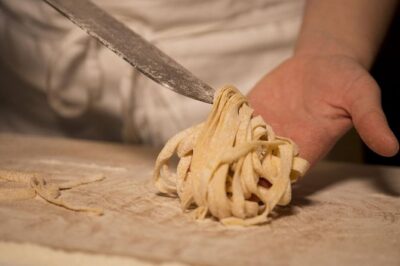 ★ 5.03 in 1 Cooking Class near Navona: Fettuccine, Ravioli & TiramisuFrom $837,376 reviews
 ★ 4.9Pasta & Tiramisu Class with Fine Wine by the VaticanFrom $414,852 reviews
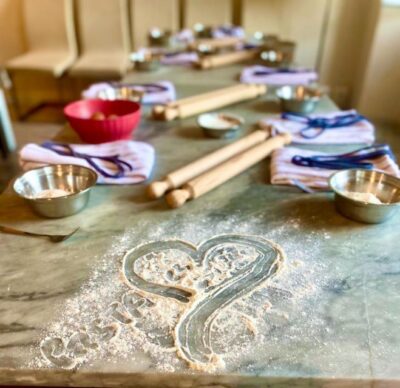 ★ 4.9Pasta Making Class with Wine, Limoncello, and DessertFrom $483,177 reviews
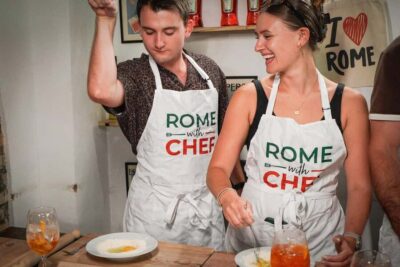 ★ 5.0Rome Cooking Class: Make Pasta and 3 Spritz CocktailsFrom $992,937 reviews
 ★ 4.93-in-1 Fettuccine, Ravioli, and Tiramisu Cooking ClassFrom $812,704 reviews
 ★ 4.8Fettuccine Pasta Cooking Class in Rome’s City CenterFrom $462,414 reviews
 ★ 5.0Learn to Make Pasta & Tiramisu with Wine and Limoncello IncludedFrom $542,345 reviews
 ★ 5.0Become a Masterchef in Rome: Pasta, Ravioli and Tiramisù ClassFrom $472,156 reviews
Browse the lists this tour appears in