
Reviewed · PIAZZA NAVONA & SPANISH STEPS TOURS
Eternal Rome Food Tour: Campo de Fiori, Jewish Ghetto, Trastevere
Rome tastes better on foot with a plan. This small-group Eternal Rome Food Tour connects three neighborhoods—Campo de’ Fiori, the Jewish Ghetto, and Trastevere—through tastings picked by local insiders. I really like that you’re capped at 12 people, so questions actually get answered, and the stops include a 2000+ year-old wine cellar experience that turns a normal sip into something you’ll remember.
The second big plus: the food is Roman in the way that matters. You’ll hit classics and Jewish-Roman specialties like fried cod, supplì, and fried artichokes, then finish with gelato and the wine-pairing angle. The main drawback to plan for is the walking time—this is a 4-hour stroll with multiple stops—and people with severe or life-threatening food allergies should think twice since the tour can’t take responsibility for allergies.
In This Review
- Key Points You’ll Actually Care About
- Campo de’ Fiori Starts Your Rome Food Trip on the Right Foot
- Norcineria Viola dal 1890: Porchetta in Pizza Bianca + Red Wine
- Passetto del Biscione: A Short Walk Through an Unusual Roman Passage
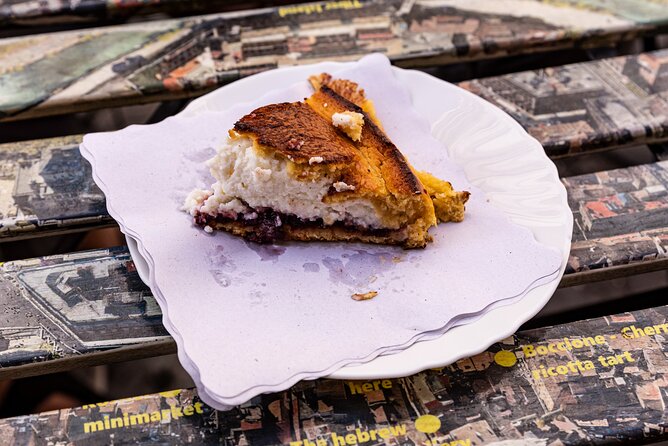
- Pasticceria Boccione in the Jewish Ghetto: Ricotta + Sour Cherry, Paired with Prosecco Later
- Taverna del Ghetto: Fried Cod, Supplì, and White Wine
- The Jewish Ghetto Archaeology Stop: A 1st-Century BC Structure
- Isola Tiberina (The Tiber Island): Rome’s River Myth and a Scenic Pause
- Trastevere at Trattoria Da Enzo: Jewish-Style Fried Artichokes to Go
- Spirito di Vino: A Wine Cellar Older Than the Colosseum + Beef Ragu
- Fatamorgana Gelato: Learning What Real Gelato Tastes Like
- Price and Value: What $143.97 Buys You (and What to Expect)
- Pace, Walking, and Diet Limits You Should Know Up Front
- Who Should Book This Rome Food Tour (and Who Might Prefer Something Else)
- Should You Book the Eternal Rome Food Tour?
- FAQ
- How long is the Eternal Rome Food Tour?
- What’s the price per person?
- Is the tour offered in English, and how big is the group?
- What food and drink is included?
- Can the tour accommodate dietary requirements?
- Can children join for free?
Key Points You’ll Actually Care About
- Max 12 people keeps the group friendly and the pace manageable for a walking tour
- Three neighborhoods in one loop helps you understand Rome’s food culture fast, not later
- Access to a 2000+ year-old wine cellar makes wine more than a random glass
- Jewish Ghetto food focus includes pastry, fried fish, and street-food-style bites
- Gelato stop teaches what to look for so you can buy smarter after the tour
- Digital guide included gives you a Rome food cheat sheet for continuing on your own
Campo de’ Fiori Starts Your Rome Food Trip on the Right Foot
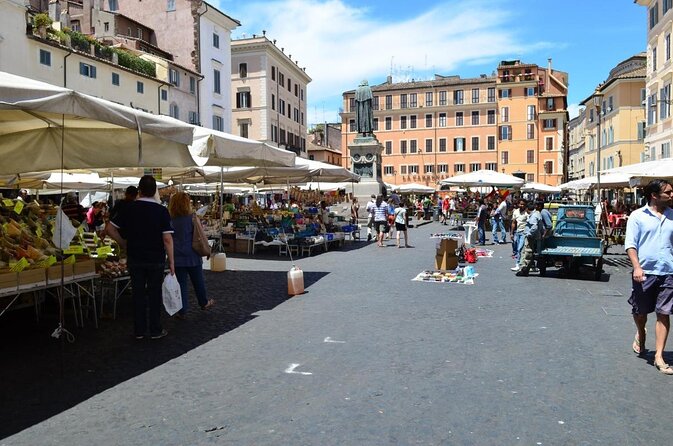
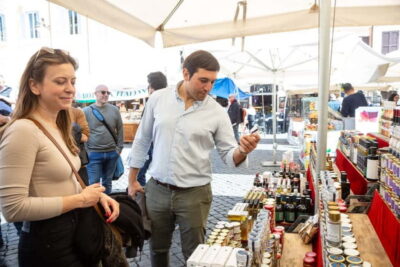
Your day begins at Piazza Campo de’ Fiori, a central square where markets and everyday life overlap. Even if you’ve only got a couple days in Rome, this spot helps you get your bearings quickly—where you are, how the city moves, and why food is such a big deal here.
I like that the tour is built around real neighborhoods, not just a string of restaurant names. Starting in Campo de’ Fiori also means you’re not scrambling to find context for what you’re eating. You’re walking into the story while you’re still hungry, which makes the tastings hit harder.
More lanes worth losing an evening in Trastevere
- Winner 2025 Rome Twilight Trastevere Food Tour by Eating Europe
★ 5.0 · 5,157 reviews - Rome Food Tour: Campo de’ Fiori, Ghetto, Trastevere Winner 2024
★ 5.0 · 3,205 reviews - Rome: Guided Food Walking Tour with Wine in Trastevere
★ 4.9 · 3,105 reviews - Rome: Trastevere Food tour with Free-Flowing Fine Wine
★ 5.0 · 2,853 reviews
Norcineria Viola dal 1890: Porchetta in Pizza Bianca + Red Wine
The first food stop is Norcineria Viola dal 1890, where you try a porchetta sandwich in pizza bianca paired with a glass of red wine. This is a strong opener because it’s simple, salty, and satisfying—exactly the kind of first bite that wakes up your palate.
It’s also efficient. This stop is about 20 minutes, so you get a real taste without getting stuck in a long line or a long wait. And yes, the wine is part of the deal here: you’re learning Rome through how locals drink with food, not only what locals eat.
Passetto del Biscione: A Short Walk Through an Unusual Roman Passage
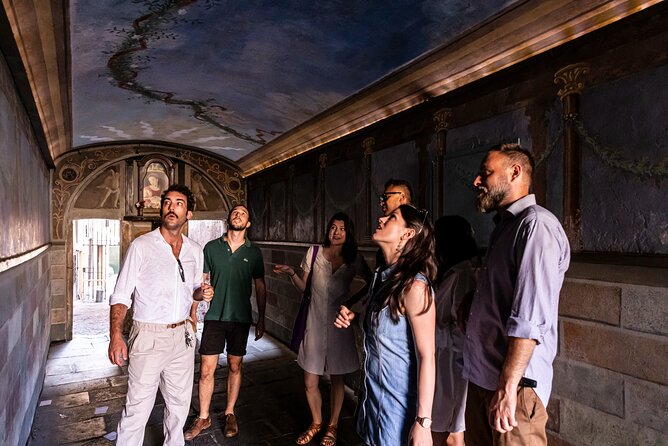
Next comes Passetto del Biscione, described as a passage that rewards you for slowing down and looking at small details. It’s only about 10 minutes, but the value is bigger than the time slot.
Food tours work best when they explain the city. This is one of those stops that gives you a quick history-and-streets feel. It helps connect why these neighborhoods have specific food traditions in the first place—Roma isn’t just ingredients; it’s people, streets, and layers.
Pasticceria Boccione in the Jewish Ghetto: Ricotta + Sour Cherry, Paired with Prosecco Later
Now you’re in Rome’s Jewish Ghetto, and the tour leans into pastries first. At Pasticceria Boccione, you’ll taste a traditional ricotta and sour cherry pie. The timing is interesting: you’ll sample it as part of the experience, then you’ll have it later with a glass of Prosecco.
That sequencing matters. When you finish one savory area, it’s smart to reset with something sweet and structured. Ricotta tends to be creamy and mild, while sour cherry brings the sharpness that keeps dessert from feeling flat. Then the bubbles and acidity of Prosecco help you move on without feeling overstuffed.
More of the Ghetto's quiet corners

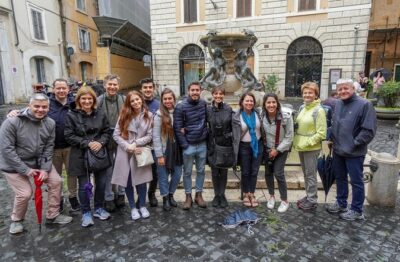
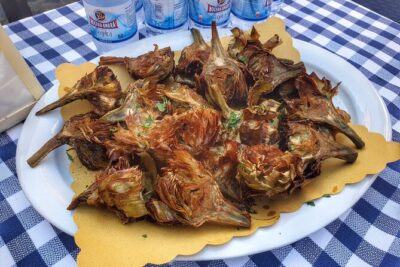
Taverna del Ghetto: Fried Cod, Supplì, and White Wine
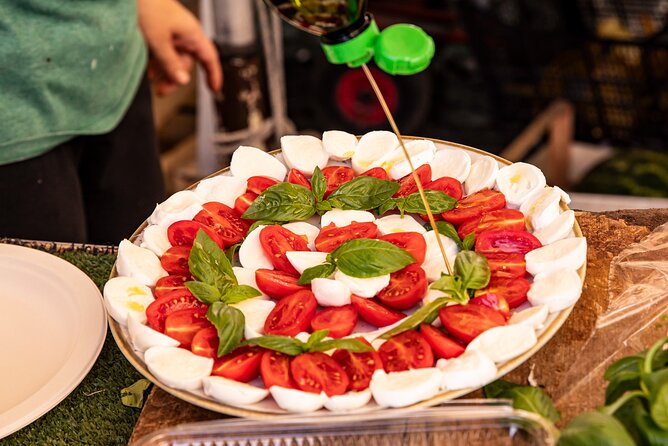
After pastry, you get the classic comfort-food angle at Taverna del Ghetto. Here the tasting includes crispy fried cod fillet, a savory supplì, and a glass of white wine.
This pairing is a great reminder that Roman food isn’t always about heavy red sauces. Fried bites like this work because they’re crunchy, hot, and salty in a way that fits a walking itinerary. The supplì also adds variety because it’s different from bread-and-wine snacks; it’s got that fried texture plus an internal, meaty core.
One practical note: this is not a tour that treats food like tiny samples. The stops are paced so you should still feel hungry in a good way, but you’re not left hunting for dinner afterward.
The Jewish Ghetto Archaeology Stop: A 1st-Century BC Structure
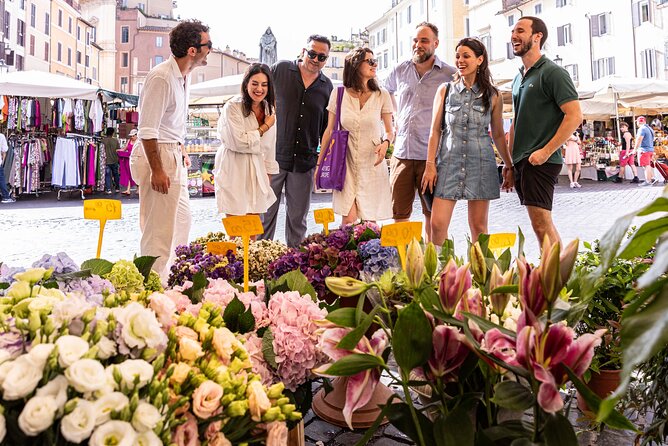
Between tastings, you visit a striking ancient Roman structure in the Ghetto area. The tour highlights that it was built in the 1st century BC and is now an archaeological site you can explore.
This stop adds context in a smart way: you see how old Rome overlaps with later communities. It’s not just trivia; it makes the neighborhood food feel more grounded. When you know the area is layered with centuries of life, the cuisine starts to feel less like a theme and more like a continuation.
Isola Tiberina (The Tiber Island): Rome’s River Myth and a Scenic Pause
Then you move to the Tiber River, where the tour visits Isola Tiberina—the only island in the river within the city limits, and a place with special place in Roman mythology.
I like this stop because it’s a built-in reset. After eating and walking through streets and alleys, being near the river gives you a visual break. It also helps you picture where food routes and everyday life likely connected in earlier centuries, even if you’re only thinking about it for a minute.
Trastevere at Trattoria Da Enzo: Jewish-Style Fried Artichokes to Go
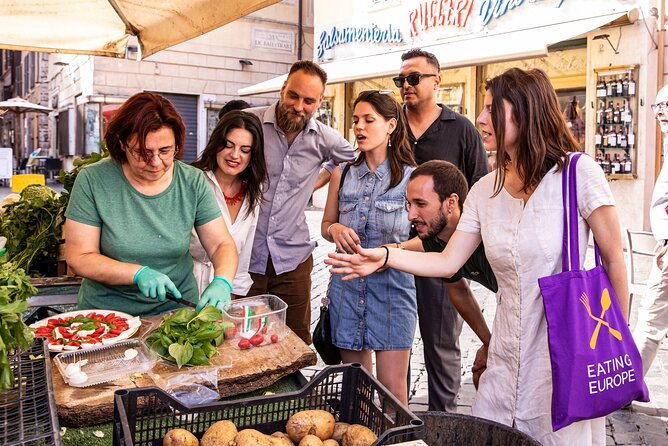
Once you cross into Trastevere, you get the street-food style bite at Trattoria Da Enzo. The highlight here is Jewish-style fried artichokes, meant to be grabbed and eaten on the go.
This is one of my favorite kinds of tour moments: small, fast, local, and intentionally portable. It also keeps the tour’s rhythm—no waiting around for a full sit-down meal. You’re still moving, still taking in the neighborhood, and still getting meaningful food that matches the area’s identity.
Spirito di Vino: A Wine Cellar Older Than the Colosseum + Beef Ragu
Next is Spirito di Vino, where you get access to a wine cellar said to be older than the Colosseum itself. You’ll also get access described as 2000+ year-old—that’s the kind of detail that turns wine tasting from casual into historic.
You’ll try pasta with beef ragu, plus a selection of wines. This is a key stop for value because it’s both sensory and educational. A tasting like this helps you understand why some wines pair naturally with rich meat sauces: acidity, tannins, and weight all matter, and you start to notice them rather than just drink.
Also, it’s not just a cellar visit. The tour makes sure you eat as part of the experience, which is what keeps your palate from getting tired too early.
Fatamorgana Gelato: Learning What Real Gelato Tastes Like
The tour ends with Fatamorgana, an artisan gelato shop where you taste gelato and learn how to spot real, high-quality gelato with authentic Italian flavors.
I like that this stop is about learning, not just eating sugar. If you leave knowing what to look for, you’ll have an easier time picking a better gelato spot later—without falling for the busiest place or the prettiest sign.
Expect this to feel like a finish line. It’s sweet, cold, and clean after the richer savory tastings and the wine. You’re also getting a practical takeaway you can use the next day.
Price and Value: What $143.97 Buys You (and What to Expect)
At $143.97 per person for about 4 hours, this isn’t a budget snack crawl. But it also isn’t trying to be. You’re paying for three things that add up quickly: the small-group setup (max 12), multiple food and drink tastings, and at least one experience that’s hard to replicate on your own—the 2000+ year-old wine cellar access.
You’re also not just paying for quantity. The menu is a mix of Roman staples and Jewish-Roman specialties, with wine pairings at different stops and a gelato lesson at the end. If you’ve ever spent a whole afternoon hopping between places that don’t quite match your taste, this structure can feel like a shortcut to better decisions.
One planning reality: tours like this tend to sell out, and it’s reportedly booked about 64 days in advance on average. If you’re traveling in a busy season or you have a narrow window, booking earlier is smart.
Pace, Walking, and Diet Limits You Should Know Up Front
This tour is designed around walking and frequent stops. So it’s best for people who can comfortably move between neighborhoods for several hours. If you want a totally low-step day, this likely won’t fit your style.
Food-wise, there’s flexibility. If you have dietary requirements, you can email or add a note at booking, and the team will do their best for vegetarians, gluten-free guests, or other dietary needs. But there’s an important boundary: the experience isn’t suitable for those with severe or life-threatening food allergies to ingredients found on the tour.
Also, tastings can vary by day or season. That’s normal for food tours, and it’s actually a plus if you’re flexible. You’re not locked into one exact script; you’re getting a selection of the most local flavors the day offers.
Who Should Book This Rome Food Tour (and Who Might Prefer Something Else)
This is a strong choice if you want your first Rome food moments to feel connected. You’ll cover Campo de’ Fiori, the Jewish Ghetto, and Trastevere in one go, and you’ll understand more than just what you ate. You’ll also learn how food traditions show up in different corners of the city.
I’d especially recommend it if you care about wine and don’t want only a glass at dinner. The cellar stop and the wine pairing angle are a big part of the experience.
It may not be for you if you prefer to roam freely without a set route, or if you have strict allergy needs that can’t be accommodated. For families: children under 4 don’t need a ticket and can join free, but food isn’t included for them (paid tickets with food are available for ages 4 and up).
Should You Book the Eternal Rome Food Tour?
Yes—if you want a high-impact Rome plan that mixes food, wine, and neighborhood context without requiring restaurant research. The small group cap and the mix of savory bites, pastry, gelato, and wine make it feel like a coherent story rather than a checklist.
I’d say wait or choose a different format if walking for about 4 hours doesn’t work for you, or if you have severe allergies. And if you only want one neighborhood, you might prefer a shorter, more focused tasting tour.
If your goal is to eat well in Rome and also understand why these places taste the way they do, this one is a very solid bet.
FAQ
How long is the Eternal Rome Food Tour?
It lasts about 4 hours.
What’s the price per person?
The price is $143.97 per person.
Is the tour offered in English, and how big is the group?
Yes, it’s offered in English. The tour is capped at a maximum of 12 travelers.
What food and drink is included?
You get tastings that include items like porchetta in pizza bianca with red wine, ricotta and sour cherry pie with Prosecco, fried cod and supplì with white wine, Jewish-style fried artichokes, pasta with beef ragu with wine, plus gelato. The tour also includes access to a 2000+ year-old wine cellar and a complimentary digital guide.
Can the tour accommodate dietary requirements?
Yes, you can request accommodations by emailing or adding a note at booking. The team will do its best for vegetarians, gluten-free guests, and other dietary needs, but it isn’t suitable for people with severe or life-threatening food allergies.
Can children join for free?
Children under 4 years old can join for free and do not need a ticket, but food is not included for them. Paid tickets with food included are available for ages 4 and up.
More of Rome's Grand Piazzas
- 3 in 1 Cooking Class near Navona: Fettuccine, Ravioli & Tiramisu
★ 5.0 · 7,376 reviews - Rome Food Tour: Campo de’ Fiori, Ghetto, Trastevere Winner 2024
★ 5.0 · 3,205 reviews - Rome: Trastevere & Campo de Fiori Street Food Walking Tour
★ 4.9 · 2,768 reviews - Enjoy Spritz and Pasta Making in Piazza Navona
★ 5.0 · 1,681 reviews - Rome: Pasta & Tiramisu Cooking Class near the Spanish Steps
★ 4.8 · 1,395 reviews - Rome: Traditional Pizza Cooking Class near Piazza Navona
★ 4.7 · 1,241 reviews
More Around the Jewish Ghetto
- Rome Food Tour: Campo de’ Fiori, Ghetto, Trastevere Winner 2024
★ 5.0 · 3,205 reviews - Jewish Ghetto and Trastevere Tour Rome
★ 4.5 · 1,729 reviews - Rome: Eat Like a Roman Ghetto & Campo de’ Fiori Food Tour
★ 5.0 · 1,037 reviews - Jewish Ghetto and Synagogues with Jewish Roman Guide 3 Hours
★ 5.0 · 907 reviews - Jewish Ghetto & Piazza Navona: Food, Wine & Sightseeing Rome Tour
★ 5.0 · 460 reviews - Rome: Food & Wine Tour of Campo de Fiori, Ghetto, Trastevere
★ 4.8 · 413 reviews
Still in Trastevere? Keep Going
- Winner 2025 Rome Twilight Trastevere Food Tour by Eating Europe
★ 5.0 · 5,157 reviews - Rome Food Tour: Campo de’ Fiori, Ghetto, Trastevere Winner 2024
★ 5.0 · 3,205 reviews - Rome: Guided Food Walking Tour with Wine in Trastevere
★ 4.9 · 3,105 reviews - Rome: Trastevere Food tour with Free-Flowing Fine Wine
★ 5.0 · 2,853 reviews - Rome: Trastevere & Campo de Fiori Street Food Walking Tour
★ 4.9 · 2,768 reviews - Rome: Award Winning Trastevere Group Food Tour with Wine
★ 5.0 · 2,273 reviews
Just added to our Rome reviews

Piazza Navona & Spanish Steps Tours, compared.
 ★ 5.03 in 1 Cooking Class near Navona: Fettuccine, Ravioli & TiramisuFrom $837,376 reviews
 ★ 5.0Rome Food Tour: Campo de’ Fiori, Ghetto, Trastevere Winner 2024From $883,205 reviews
 ★ 4.9Trastevere & Campo de Fiori Street Food Walking TourFrom $512,768 reviews
 ★ 5.0Enjoy Spritz and Pasta Making in Piazza NavonaFrom $901,681 reviews
 ★ 4.8Pasta & Tiramisu Cooking Class near the Spanish StepsFrom $581,395 reviews
 ★ 4.7Traditional Pizza Cooking Class near Piazza NavonaFrom $461,241 reviews
 ★ 5.0Pasta Cooking Class in Rome – Fettuccine Class in Piazza NavonaFrom $671,037 reviews
 ★ 5.0Eat Like a Roman Ghetto & Campo de’ Fiori Food TourFrom $501,037 reviews
Browse the lists this tour appears in