

Reviewed · ROME COOKING CLASSES
Cooking Class in Rome: Make Fettucine & Tiramisù with Chef Paolo
Fresh pasta in Rome beats a museum day. This hands-on fettuccine-and-tiramisù class in central Rome is built around real technique: you turn flour, eggs, and elbow grease into something you can recreate at home. I love the step-by-step feel (no language barrier in English), and I also like that you eat a full meal of what you made—plus a glass of wine and limoncello at the end. One thing to consider: the restaurant is in the middle of Rome and can be a little tricky to spot at first, so give yourself a few extra minutes.
You’ll also get more than a cooking demo. You learn why the classic method works, including the simple ingredient logic behind pasta and the classic structure of tiramisù. The class runs with a small group (up to 20), and it’s designed so you’re actually working with your hands, not just watching.
If you’re sensitive to a fast, no-nonsense teaching style, pick a time when you can focus. And if you’re coming in solo and you tend to get lost easily, plan a meeting-point strategy ahead of time.
In This Review
- Key Highlights You’ll Care About
- Rome Pasta Class: What Makes This One Different
- Meeting Point in the Center of Rome (and How Not to Waste Time)
- What Happens in the Kitchen: From Egg + Flour to Real Pasta
- Sauce Choices for Your Fettuccine: Classic Roman Options
- Tiramisù Builds Together: The Sweet Part That Still Teaches Skills
- The Meal Flow: Wine, Water, Coffee/Tea, and Limoncello
- Who This Class Fits Best (and Who Might Want to Rethink It)
- Instructor Style and Group Energy: Expect Real Teaching, Not Just Vibes
- Price and Value: Is $116.14 Worth It?
- Timing: Booking Ahead Helps
- Tips to Make Your Class Smoother and Better
- Should You Book Chef Paolo’s Pasta and Tiramisù Class?
- FAQ
- How long is the cooking class?
- Where is the meeting point?
- Is the class offered in English?
- What dishes will I make?
- What sauce options are available for the pasta?
- Is wine included?
- Is limoncello included?
- Is there a minimum age for kids?
- What is the cancellation policy?
Key Highlights You’ll Care About
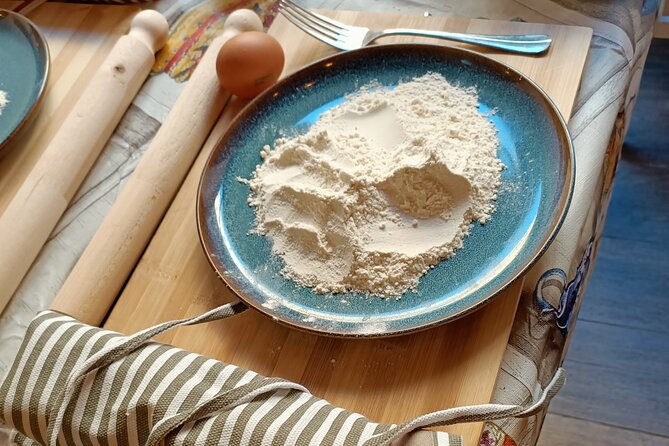
- Hands-on fettuccine dough technique you can repeat at home
- Tiramisù cooked together, so you build it as a team, then eat right away
- Wine/soft drink + limoncello included with your meal
- Sauce choices for your pasta, with guidance on classic Roman flavors
- Max 20 people, so help is realistic when you need it
Rome Pasta Class: What Makes This One Different
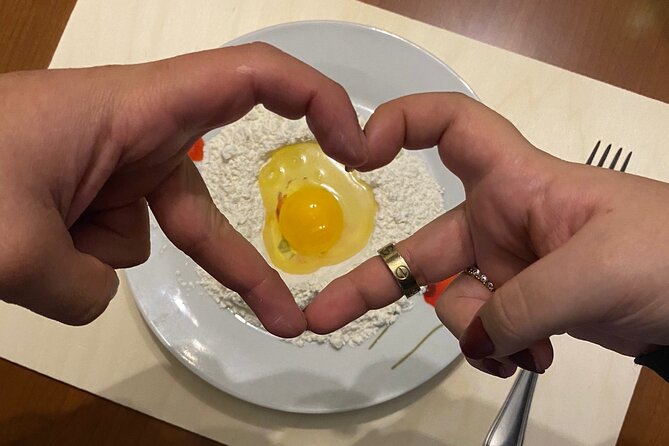
This isn’t the kind of cooking class where you chop vegetables for an hour and then stand by while someone else plates. The goal here is practical: you learn the core moves for fresh pasta and the build steps for tiramisù, then you sit down and eat.
I like that the teaching is aimed at confidence, not perfection. You get a structured path to the basics—how egg and flour become dough, how to work it with your hands, and how to stay on track when timing matters. If you’ve always liked Italian food but felt intimidated by cooking, this class is built to knock that fear down quickly.
The other standout is the meal payoff. You don’t just make food and leave; you make and eat, with a glass of wine and a limoncello closer to the finish. That turns the class into a true Roman night out, not a quick workshop.
More aprons-on time in a Roman kitchen
- 3 in 1 Cooking Class near Navona: Fettuccine, Ravioli & Tiramisu
★ 5.0 · 7,376 reviews - Rome: Pasta & Tiramisu Class with Fine Wine by the Vatican
★ 4.9 · 4,852 reviews - Rome: Pasta Making Class with Wine, Limoncello, and Dessert
★ 4.9 · 3,177 reviews - Rome Cooking Class: Make Pasta and 3 Spritz Cocktails
★ 5.0 · 2,937 reviews
Meeting Point in the Center of Rome (and How Not to Waste Time)
You start at V. della Croce, 34, 00187 Roma RM, Italy. The good news: it’s a central spot and it’s near public transportation, so you’re not stuck coordinating a taxi plan. The not-so-good news: a few people have said the restaurant is a bit hard to find, even after walking by a couple times.
My advice is simple. Before you leave, map the exact address and save it offline. When you arrive, look for the right building immediately, and don’t wait until you’re late to ask.
Also, plan to arrive with a little buffer. The class runs about 2 hours, and cooking doesn’t wait for late arrivals.
What Happens in the Kitchen: From Egg + Flour to Real Pasta
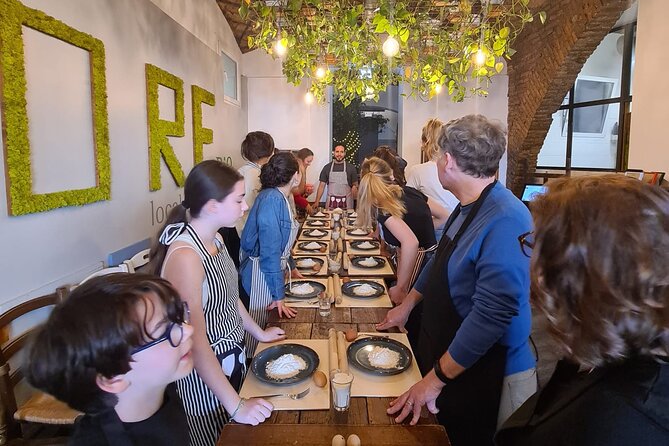
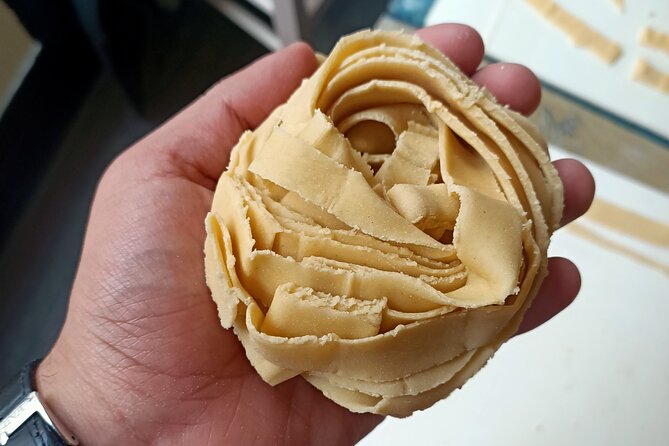
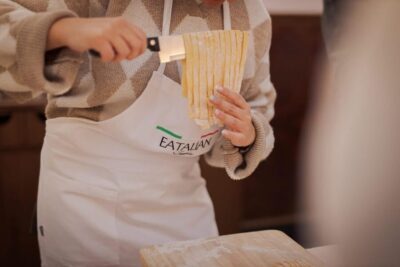
The class starts with the core pasta lesson: turning egg and flour into dough you can work. You’ll learn the simplest, oldest technique of fresh pasta in a way that’s designed for beginners, using step-by-step instruction in English.
This part matters more than people think. Store-bought pasta is fine, but fresh pasta teaches you texture—what dough should feel like, how it behaves when you handle it, and why timing affects the final bite. By the end, you’re not just eating pasta; you understand what makes it different.
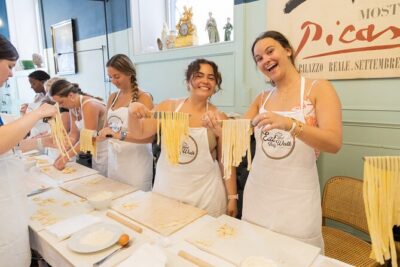
Because you’re in a small group (up to 20), you can actually get help while you’re doing it. If someone in your group learns faster or slower, the class still works, since the workflow is set up for group cooking rather than a one-person show.
Sauce Choices for Your Fettuccine: Classic Roman Options
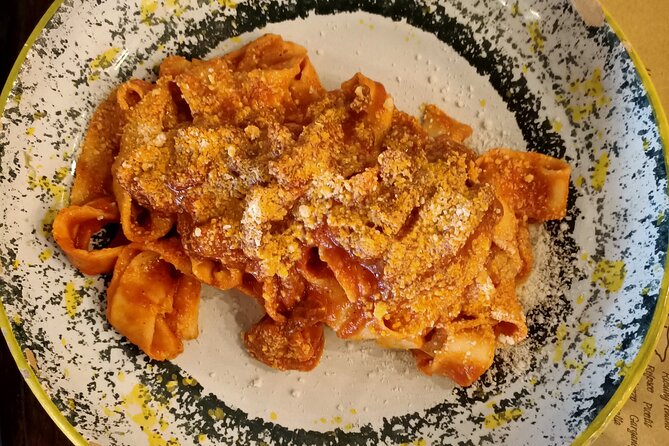
You’ll cook fettuccine with a sauce you choose. The menu gives three options: amatriciana, cacio e pepe, or tomato with basil.
One practical point: the class notes say sauces are not included. At the same time, your pasta selection includes a sauce of your choice. That means you should check what’s covered for your specific booking time and what’s considered an included sauce versus an additional purchase. Don’t assume either way.
Still, even with that caution, the sauce lineup is strong for learning. These are different styles of Italian flavor—pepper-forward cacio e pepe, smoky-savor amatriciana, and tomato-basil comfort. If you’ve only eaten one type of pasta in Italy, this is a quick way to taste how varied Roman cuisine can be.
Also, your pasta isn’t cooked “one person at a time.” The pasta gets cooked together, then divided by sauce. That keeps the kitchen moving and helps everyone eat in a reasonable window.
Worth a look next to this Rome booking:
Tiramisù Builds Together: The Sweet Part That Still Teaches Skills
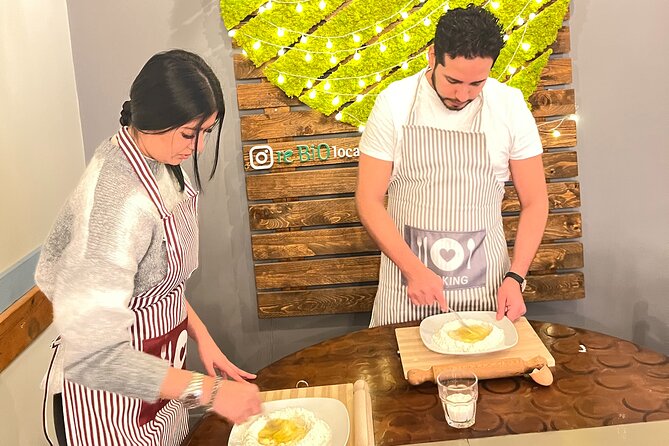
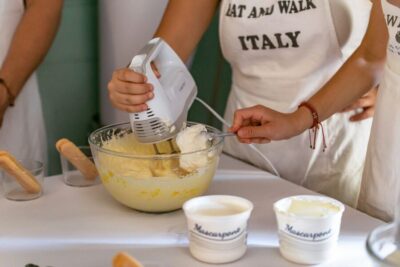
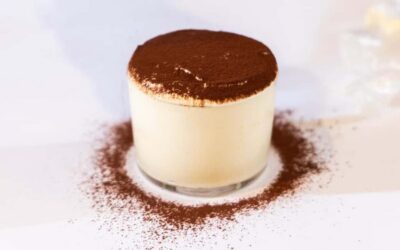
Next comes tiramisù, and it’s prepared all together. This is a smart structure because it takes the pressure off the individual. You still get to participate, but the rhythm of the group keeps the dessert consistent.
Tiramisù is also a great choice for a cooking class because it’s all about technique you can remember. You’re dealing with texture and timing—how elements come together and what you should aim for before serving. When you get the method in a classroom setting, you can repeat it without guessing.
I also like that this is treated as a real skill, not just a sugary ending. A well-run class will explain how the ingredients behave together, so the dessert doesn’t feel like a mystery you need a recipe card for forever.
If you’re cooking with kids, tiramisù is often the moment they get most excited about. The class is family-friendly (details below), and desserts are usually where young cooks feel like they’re truly contributing.
The Meal Flow: Wine, Water, Coffee/Tea, and Limoncello
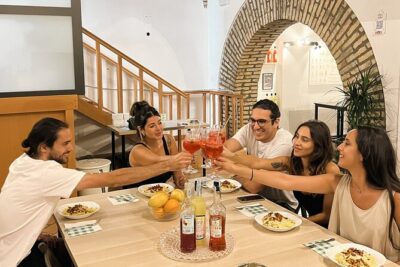
After cooking, you sit down to eat the dishes you made. Your included meal includes:
- Bottled water
- A glass of wine of your choice (white or red) or, alternatively, a soft drink
- Coffee and/or tea at the end
- 1 limoncello at the end of the meal
- The option of an additional preference at the end, either a shot of limoncello or an espresso
That package is part of the value. You’re paying for food instruction, ingredients, and equipment, but you’re also getting a real meal experience with typical Italian-style drinks. It’s not just a tasting; it’s dinner-as-a-class.
For practical reasons, I recommend planning your pace. Pasta and tiramisù take energy. If you have a big day packed with sightseeing, this class can be the perfect reset—work your body a bit, eat a satisfying meal, and slow down for a couple hours.
Who This Class Fits Best (and Who Might Want to Rethink It)
This works well for:
- First-time cooks who want a clean method instead of guesswork
- Couples and small groups who want a shared activity instead of another dinner reservation
- Families, since there’s a clear minimum age rule
- People who want English instruction but still want hands-on Italian technique
It may not feel ideal for:
- Visitors who are easily rattled by a more intense or impatient teaching style
- Solo travelers who struggle with finding exact meeting spots (especially if your phone doesn’t cooperate once you’re inside)
From what’s offered, the class isn’t built like a private lesson. But with the group capped at 20 and a team of instructors and assistants, you should get enough individual help to learn without feeling lost.
I’ve also seen the class described as funny and engaging. That matters because cooking classes can get tense. When the tone stays playful, you learn faster and you enjoy the mess.
Instructor Style and Group Energy: Expect Real Teaching, Not Just Vibes
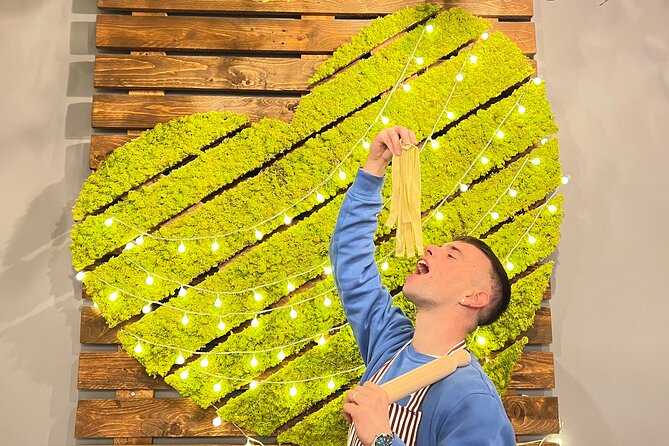
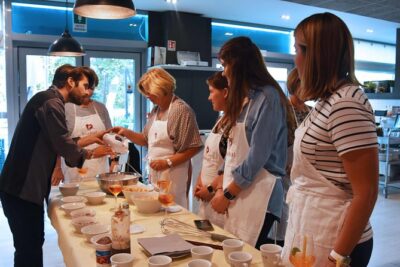
Chef Paolo is the featured chef for this experience. In past versions of this same style of class, instructors and assistants have been credited by name, including Irene, Ricardo, Roberto, and an assistant named Lucas. So you can expect a teaching team rather than one person lecturing from across the room.
The group itself can change the experience. A class where everyone cooperates and tries is a blast. A class where a few people freeze up can slow things down for everyone. The good structure here helps you move through tasks, even if you’re nervous at the beginning.
If you’re the type who likes calm, detailed, repeatable instruction, show up rested and ready to follow steps. That way, you can focus on the tactile part: dough, shaping, and the dessert assembly.
Price and Value: Is $116.14 Worth It?
At $116.14 per person, you’re not paying for a simple appetizer experience. You’re paying for a short, focused 2-hour class that includes cooking equipment, ingredients, instruction, and the meal you make.
To judge the value, look at what’s included:
- Cooking class
- Your pasta portion with your chosen sauce option
- Tiramisù you make together
- Bottled water
- Wine or a soft drink
- Limoncello
- Coffee/tea
- Necessary equipment
- An award certificate
Add in that the class is capped at 20, and you’re not just passing time. You’re learning a repeatable skill set—fresh pasta basics and classic tiramisù method—and you’re leaving with the feeling that you can cook these at home.
Is it expensive compared to buying pasta ingredients at a grocery store? Yes. But you’re also buying something harder to recreate: guided technique, timing help, and a meal that ends the session so you’re not trying to transport dessert home.
If you’re comparing this to a long pasta-making tour with museums and extra stops, this one is lean. You’re spending your time where your money goes: the kitchen.
Timing: Booking Ahead Helps
This experience is booked an average of 24 days in advance. That doesn’t mean it will sell out instantly every time, but it does suggest demand is steady. If you’re traveling during a busy season or want a specific day, booking early is the smart move.
Also, give yourself margin for finding the place in central Rome. The class is short, so being late cuts into hands-on time.
Tips to Make Your Class Smoother and Better
A few practical moves will help you get the best outcome:
- Arrive a little early so you’re not rushing into dough work
- Wear clothes you don’t mind getting flour on (fresh pasta has flour energy)
- If you’re choosing sauce, pick what you actually like to eat—this isn’t just a gimmick flavor test
- If you don’t want wine, choose the soft drink option during the meal
- If you’re with kids, bring patience and plan for hands-on participation, especially during mixing steps
One more tip: ask questions while you’re working, not after the food is already done. The best learning happens when you can adjust your method right then.
Should You Book Chef Paolo’s Pasta and Tiramisù Class?
I think you should book it if you want a hands-on Rome experience that ends with a real meal and a skill you can repeat. It’s especially good if you want Italian cooking done simply and in English, with a small-group setup where help is available.
Skip it if you’re hard to please about teaching tone, or if you know you’ll be stressed by finding a specific restaurant address in the middle of Rome. Also, double-check how the sauce coverage works for your slot, since the materials note says sauces are not included while the menu lists sauce choices.
Overall, this is a fun, practical way to spend two hours in Rome—turning ingredients into dinner, and leaving with the confidence to do it again back home.
FAQ
How long is the cooking class?
The class lasts about 2 hours.
Where is the meeting point?
It starts at V. della Croce, 34, 00187 Roma RM, Italy, and the activity ends back at the meeting point.
Is the class offered in English?
Yes, it is offered in English.
What dishes will I make?
You’ll make fettuccine and tiramisù.
What sauce options are available for the pasta?
You can choose between amatriciana, cacio e pepe, and tomato with basil.
Is wine included?
Yes. You get 1 glass of wine of your choice (white or red), or you can choose a soft drink instead.
Is limoncello included?
Yes. You get 1 limoncello at the end of the meal.
Is there a minimum age for kids?
Yes. Kids who don’t have the minimum age of 7 must follow the class together with one of the parents.
What is the cancellation policy?
You can cancel for free up to 24 hours in advance for a full refund. If you cancel less than 24 hours before the start time, the amount paid won’t be refunded.
More Cooking Classes in Rome
- 3 in 1 Cooking Class near Navona: Fettuccine, Ravioli & Tiramisu
★ 5.0 · 7,376 reviews - Rome: Pasta Making Class with Wine, Limoncello, and Dessert
★ 4.9 · 3,177 reviews - Rome Cooking Class: Make Pasta and 3 Spritz Cocktails
★ 5.0 · 2,937 reviews - Rome: 3-in-1 Fettuccine, Ravioli, and Tiramisu Cooking Class
★ 4.9 · 2,704 reviews - Rome: Fettuccine Pasta Cooking Class in Rome’s City Center
★ 4.8 · 2,414 reviews - Fettuccine & Tiramisù: Cooking Class with Wine & Limoncello
★ 4.9 · 2,103 reviews
More Tour Reviews in Rome
- Vatican Museums, Sistine Chapel & St. Peter’s Basilica Tour
★ 4.3 · 73,970 reviews - Vatican Museums, Sistine Chapel & St Peter’s Basilica Guided Tour
★ 4.5 · 39,149 reviews - Rome: Colosseum, Palatine Hill and Roman Forum Guided Tour
★ 4.8 · 32,814 reviews - Rome: Guided Tour of Colosseum, Roman Forum & Palatine Hill
★ 4.7 · 27,897 reviews - Rome: Colosseum & Forum with Audio Guide App -Optional Arena
★ 4.2 · 24,770 reviews - Rome: Colosseum, Roman Forum and Palatine Hill Guided Tour
★ 4.5 · 23,903 reviews
Learn Another Roman Dish
- 3 in 1 Cooking Class near Navona: Fettuccine, Ravioli & Tiramisu
★ 5.0 · 7,376 reviews - Rome: Pasta & Tiramisu Class with Fine Wine by the Vatican
★ 4.9 · 4,852 reviews - Rome: Pasta Making Class with Wine, Limoncello, and Dessert
★ 4.9 · 3,177 reviews - Rome Cooking Class: Make Pasta and 3 Spritz Cocktails
★ 5.0 · 2,937 reviews - Rome: 3-in-1 Fettuccine, Ravioli, and Tiramisu Cooking Class
★ 4.9 · 2,704 reviews - Rome: Fettuccine Pasta Cooking Class in Rome’s City Center
★ 4.8 · 2,414 reviews
Just added to our Rome reviews





Rome Cooking Classes, compared.
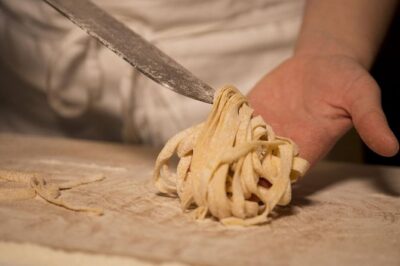 ★ 5.03 in 1 Cooking Class near Navona: Fettuccine, Ravioli & TiramisuFrom $837,376 reviews
 ★ 4.9Pasta & Tiramisu Class with Fine Wine by the VaticanFrom $414,852 reviews
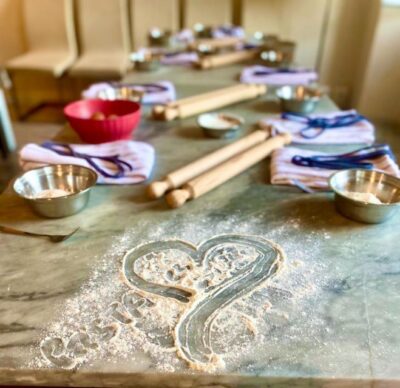 ★ 4.9Pasta Making Class with Wine, Limoncello, and DessertFrom $483,177 reviews
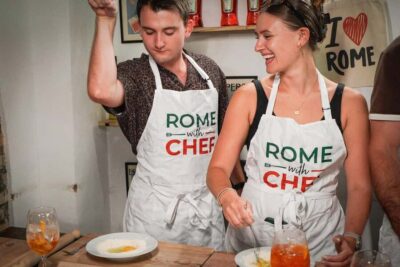 ★ 5.0Rome Cooking Class: Make Pasta and 3 Spritz CocktailsFrom $992,937 reviews
 ★ 4.93-in-1 Fettuccine, Ravioli, and Tiramisu Cooking ClassFrom $812,704 reviews
 ★ 4.8Fettuccine Pasta Cooking Class in Rome’s City CenterFrom $462,414 reviews
 ★ 5.0Learn to Make Pasta & Tiramisu with Wine and Limoncello IncludedFrom $542,345 reviews
 ★ 5.0Become a Masterchef in Rome: Pasta, Ravioli and Tiramisù ClassFrom $472,156 reviews
Browse the lists this tour appears in