
Fresh pasta class in Rome, with real sauce skills.
This is a hands-on Roman pasta making session focused on classics like carbonara, plus the shapes you’ll actually find in Lazio kitchens. I like that the class keeps things practical and personal, with small-group energy that helps you get unstuck fast. One thing to keep in mind: it runs about 3 hours, so plan your day for a proper mid-day meal, not a quick stop.
I also like that you leave with recipes you can repeat back home, not just a full stomach and happy photos. If you’re lucky, your host may be someone like Francesca or Michela, both praised for clear step-by-step teaching (and for adding context about Italian food culture along the way). The only real drawback is the timing: you’ll likely be spending most of your morning/afternoon cooking and eating, so you need to build in time around it.
In This Review
- Key Things That Make This Roman Pasta Class Worth Your Time
- Where You Start in Rome: Piazza Margana and a Real Cooking Room Vibe
- What the 3-Hour Class Really Feels Like (Time Plan You Can Count On)
- Hands-On Roman Pasta Making: Tonnarelli and the Feel of the Dough
- Carbonara Class: The Egg-Sauce Technique That Makes It Work
- Amatriciana and Cacio e Pepe: Two More Roman Sauce Lessons
- Tasting Time: Eating What You Made, With Wine Included
- Recipes to Take Home: Why the Notes Matter for Real Cooking
- Price and Value: What $106.65 Buys You in Rome
- Who This Roman Pasta Class Suits Best (And Who Might Not)
- Practical Tips to Make It Go Smoothly
- Should You Book This Roman Carbonara & Pasta Class?
- FAQ
- What is the location for the start of the class?
- How long is the experience?
- Is the class offered in English?
- What do I learn to cook?
- Do I get to eat what I make?
- What drinks are included?
- Are recipes included?
- Is private transportation included?
- How big is the group?
- What is the cancellation policy?
Key Things That Make This Roman Pasta Class Worth Your Time
- Fresh handmade pasta, not shortcuts: you’ll learn Roman methods and typical shapes like tonnarelli.
- Carbonara, the Roman way: you practice the technique that makes egg-based sauces work.
- Three classic sauces, made by you: carbonara, amatriciana, and cacio e pepe are all part of the lesson.
- Small-group feel: it’s designed to give personal attention (and it can run tiny on some dates).
- Included wine and tastings: you eat what you make, with beverages added to the price.
Where You Start in Rome: Piazza Margana and a Real Cooking Room Vibe
Your class begins at the Italian cooking classes in Rome meeting point at Piazza Margana 21, 00187 Roma RM. This part matters more than it sounds. Rome can be a maze, and having a fixed starting point helps you avoid that last-minute “where are we?” stress.
The experience is listed in English, and you’ll get a licensed or certified guide. That’s a good sign when you’re learning technique. Pasta making isn’t just ingredients—it’s timing, heat control, and knowing what the dough and sauce are supposed to look like.
Also note: this is a mobile ticket setup, and you’ll receive confirmation at booking. If you like knowing you’re set before you arrive, that’s a plus. And if you’re traveling with service animals, that’s allowed.
More aprons-on time in a Roman kitchen
- 3 in 1 Cooking Class near Navona: Fettuccine, Ravioli & Tiramisu
★ 5.0 · 7,376 reviews - Rome: Pasta & Tiramisu Class with Fine Wine by the Vatican
★ 4.9 · 4,852 reviews - Rome: Pasta Making Class with Wine, Limoncello, and Dessert
★ 4.9 · 3,177 reviews - Rome Cooking Class: Make Pasta and 3 Spritz Cocktails
★ 5.0 · 2,937 reviews
What the 3-Hour Class Really Feels Like (Time Plan You Can Count On)
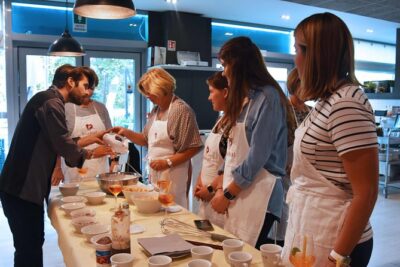
The total duration is about 3 hours. In practice, that usually means a smooth flow: you start with pasta dough and shapes, move into sauce lessons, then sit down to eat what you made.
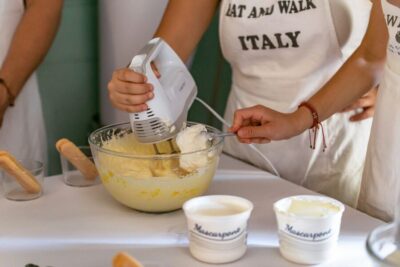
A big clue is the way the class is built: you’re not watching a demo while other people do the work. You’re hands-on with fresh pasta and then you taste your own results, with beverages included. If you come hungry, you’ll appreciate the pacing. If you come stuffed, you might feel rushed later.
And yes, it can be intimate. One experience ran like a private-style day for a couple, while another felt like an intimate group of just a few people. The common thread: you’ll get enough attention that you can actually learn what’s going wrong when your pasta dough or sauce timing needs correction.
Hands-On Roman Pasta Making: Tonnarelli and the Feel of the Dough
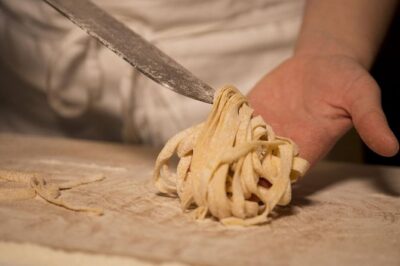
The heart of this class is teaching authentic Roman pasta techniques. The focus includes fresh handmade pasta and typical Roman shapes, including tonnarelli.
Here’s why that’s a big deal for beginners: store-bought pasta is fine, but it teaches you nothing about how dough behaves. When you make it yourself, you learn what “right” feels like. You get a sense of consistency—how elastic it should be, how to handle it without tearing, and how to shape it properly.
You’ll also learn Roman-specific habits. Even within Italy, pasta isn’t one-size-fits-all. Roman pasta tends to be straightforward in ingredients, but very specific in method. That’s the kind of detail that makes homemade pasta taste different, even when you’re using a simple ingredient list.
If you’ve never made pasta before, this is one of those classes where the instruction matters. You need clear steps, practical cues, and patience when your first attempt isn’t perfect. The class is designed for beginners, and that shows in how the experience is described—welcoming atmosphere, friendly teaching, and hands-on prep throughout.
Carbonara Class: The Egg-Sauce Technique That Makes It Work
Carbonara is the star in this lineup, and not just because it’s famous. The class specifically targets authentic Roman carbonara technique—so you’re learning what keeps carbonara creamy instead of turning into scrambled-egg sadness.
Your chef prepares carbonara using high-quality local ingredients, and you’ll cook as well, following guidance that helps you nail the method. The key skill (the one you’ll want to remember at home) is controlling heat and timing so the egg mixture thickens properly. When people say they’ve had the most authentic carbonara in Rome, it’s usually because the sauce is handled with restraint.
One practical benefit: once you learn the logic—when to add the egg mixture and how to keep it from overheating—you can adapt it later. You don’t just memorize a recipe. You learn a technique you can reuse.
And because this is a class, you’re not stuck just eating. You’re building a mental model for the sauce. That’s why carbonara becomes a skill instead of a once-in-a-lifetime meal.
Worth a look next to this Rome booking:
Amatriciana and Cacio e Pepe: Two More Roman Sauce Lessons
After carbonara, the class keeps you in Roman sauce territory with Amatriciana and Cacio e Pepe.
Amatriciana is a pork-and-tomato style sauce that feels bold and comforting. It’s also where technique matters, because you’re balancing richness and acidity while keeping the sauce from becoming flat. Learning it here helps you understand how Italians build flavor without overcomplicating things.
Cacio e Pepe is simpler in ingredients but not simple in execution. It’s mostly cheese and pepper, and the magic is in how the cheese blends into a smooth coating. If you’ve ever tried to re-create it and ended up with a clumpy mess, you’ll appreciate learning the method in person where you can correct mistakes fast.
In a class like this, these two sauces round out your skills. You go from one creamy egg-based system (carbonara) to two other Roman classics—one more tomato-rich, one cheese-and-pepper focused. By the end, you’ve got variety, but it still all stays rooted in Rome.
Tasting Time: Eating What You Made, With Wine Included
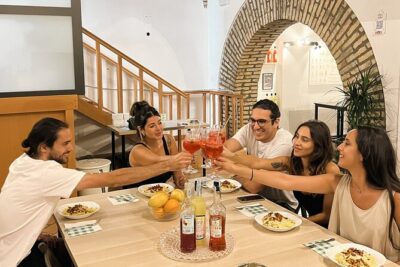
You’ll taste the dishes you prepare, and wine plus soft drinks and water are included. The class says beverages are part of the package, including fine wines (red and white), along with soda/pop, soft drinks, and bottled water.
This matters because it turns the class into a meal experience, not just a cooking workshop. You cook, you learn, then you get to see how it all comes together on the plate—while the flavor memory is fresh.
One nice side effect: wine and a relaxed atmosphere make it easier to stay calm when you’re learning. Pasta is tactile; sauces can move quickly. When you’re not stressed, you absorb more.
And based on feedback from people who’ve taken it, the tasting is genuinely part of the value. You finish satisfied, not just educated.
Recipes to Take Home: Why the Notes Matter for Real Cooking
A big part of the promise is that you take home recipes to recreate your pasta dishes after the class. That’s more than a souvenir. It helps you translate what you did with your hands into a plan you can follow later.
If you care about cooking at home, this is where the class pays off. You can buy ingredients in any city, but technique is harder to get from memory. Recipes that match the steps you practiced—especially for Roman-style sauce methods—make it much more likely you’ll succeed the second time.
This is also why the class tends to earn top marks. It’s not just food for the moment. It’s food plus a skill you can repeat.
Price and Value: What $106.65 Buys You in Rome
At $106.65 per person for about 3 hours, this class isn’t positioned as the cheapest option. But it is priced like an experience that includes real labor, real ingredients, and more than just a small snack.
Here’s what you’re actually paying for:
- Hands-on instruction in Roman pasta making
- Practice with tonnarelli and sauce cooking for carbonara, amatriciana, and cacio e pepe
- A sit-down tasting of what you made
- Beverages included, including wine (red and white) plus water and soft drinks
So the value depends on your style of travel. If you love food, and you want skills you can bring home, this class starts to make sense. If you just want a quick look into Italian cooking without cooking much yourself, you might feel it’s more than you need.
But if you want a straightforward, authentic Rome food experience with enough structure to learn something real, the price aligns with what’s included.
Who This Roman Pasta Class Suits Best (And Who Might Not)
This works especially well if:
- you’re a beginner and want a guided start with patience
- you want authentic Roman classics, not tourist-level pasta stereotypes
- you like hands-on learning and want to taste right after cooking
- you want a memorable food experience that’s more than dinner
It may be less ideal if:
- you’re short on time and want to squeeze in sightseeing right through the class window
- you dislike cooking (you’ll be actively doing the work)
- you want a cooking session without alcohol included in the experience package
Good news: it’s designed to be welcoming, and you can often get that small-group attention that makes learning easier. If you’re traveling with someone you want to share the experience with, this is a very natural date-night or couple activity.
Practical Tips to Make It Go Smoothly
Keep it simple and you’ll enjoy it more:
- Come ready to cook and eat in the same session—this isn’t a quick bite-and-go.
- Wear comfortable clothes. Pasta dough can be messy in the normal, human way.
- If you have dietary needs, check in before booking—your class is built around specific Roman dishes and ingredients.
- If you’re a first-timer, don’t aim for perfection on your first shape. The point is learning.
And if you’re wondering about teaching style, you’ll likely find your host brings the lesson with humor and clear guidance. People specifically highlight instructors like Francesca and Michela for being warm and detailed, and for answering questions beyond just pasta.
Should You Book This Roman Carbonara & Pasta Class?
I’d book it if you want an authentic Rome food experience where you leave with more than a meal—you leave with technique. The class structure is built around real Roman pasta skills: fresh dough and tonnarelli, plus the classics carbonara, amatriciana, and cacio e pepe, followed by tasting with wine included.
Skip it if your ideal activity is mostly watching, not cooking, or if you don’t want a food-forward block of time. Otherwise, this is a very solid choice for anyone who wants to understand what makes Roman pasta taste like Rome.
If you’re doing it while you’re in Rome, treat it like part cooking lesson, part lunch plan. Arrive hungry, ask questions, and plan on enjoying the meal you helped create.
FAQ
What is the location for the start of the class?
The meeting point is at Italian cooking classes in Rome, Piazza Margana 21, 00187 Roma RM, Italy.
How long is the experience?
The class lasts about 3 hours.
Is the class offered in English?
Yes, it is offered in English.
What do I learn to cook?
You’ll learn authentic Roman pasta techniques and make fresh handmade pasta (including tonnarelli), plus classic Roman sauces such as carbonara, Amatriciana, and Cacio e Pepe.
Do I get to eat what I make?
Yes. There is a tasting of the dishes you prepare, and it’s accompanied by included beverages.
What drinks are included?
Bottled water, soda/pop, and alcoholic beverages are included, including fine wines (red and white) and soft drinks.
Are recipes included?
Yes. You can take home recipes to recreate the pasta dishes after the class.
Is private transportation included?
No. Private transportation is not included.
How big is the group?
The activity lists a maximum of 50 travelers, and the class is described as small-group, with personal attention.
What is the cancellation policy?
You can cancel for a full refund if you cancel up to 24 hours in advance of the experience start time. After that point, the amount paid is not refunded.
More Cooking Classes in Rome
- 3 in 1 Cooking Class near Navona: Fettuccine, Ravioli & Tiramisu
★ 5.0 · 7,376 reviews - Rome: Pasta Making Class with Wine, Limoncello, and Dessert
★ 4.9 · 3,177 reviews - Rome Cooking Class: Make Pasta and 3 Spritz Cocktails
★ 5.0 · 2,937 reviews - Rome: 3-in-1 Fettuccine, Ravioli, and Tiramisu Cooking Class
★ 4.9 · 2,704 reviews - Rome: Fettuccine Pasta Cooking Class in Rome’s City Center
★ 4.8 · 2,414 reviews - Fettuccine & Tiramisù: Cooking Class with Wine & Limoncello
★ 4.9 · 2,103 reviews
More Tour Reviews in Rome
- Vatican Museums, Sistine Chapel & St. Peter’s Basilica Tour
★ 4.3 · 73,970 reviews - Vatican Museums, Sistine Chapel & St Peter’s Basilica Guided Tour
★ 4.5 · 39,149 reviews - Rome: Colosseum, Palatine Hill and Roman Forum Guided Tour
★ 4.8 · 32,814 reviews - Rome: Guided Tour of Colosseum, Roman Forum & Palatine Hill
★ 4.7 · 27,897 reviews - Rome: Colosseum & Forum with Audio Guide App -Optional Arena
★ 4.2 · 24,770 reviews - Rome: Colosseum, Roman Forum and Palatine Hill Guided Tour
★ 4.5 · 23,903 reviews
Learn Another Roman Dish
- 3 in 1 Cooking Class near Navona: Fettuccine, Ravioli & Tiramisu
★ 5.0 · 7,376 reviews - Rome: Pasta & Tiramisu Class with Fine Wine by the Vatican
★ 4.9 · 4,852 reviews - Rome: Pasta Making Class with Wine, Limoncello, and Dessert
★ 4.9 · 3,177 reviews - Rome Cooking Class: Make Pasta and 3 Spritz Cocktails
★ 5.0 · 2,937 reviews - Rome: 3-in-1 Fettuccine, Ravioli, and Tiramisu Cooking Class
★ 4.9 · 2,704 reviews - Rome: Fettuccine Pasta Cooking Class in Rome’s City Center
★ 4.8 · 2,414 reviews
Just added to our Rome reviews





Rome Cooking Classes, compared.
 ★ 5.03 in 1 Cooking Class near Navona: Fettuccine, Ravioli & TiramisuFrom $837,376 reviews
 ★ 4.9Pasta & Tiramisu Class with Fine Wine by the VaticanFrom $414,852 reviews
 ★ 4.9Pasta Making Class with Wine, Limoncello, and DessertFrom $483,177 reviews
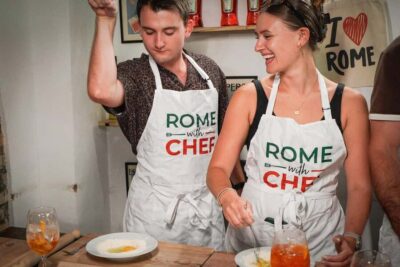 ★ 5.0Rome Cooking Class: Make Pasta and 3 Spritz CocktailsFrom $992,937 reviews
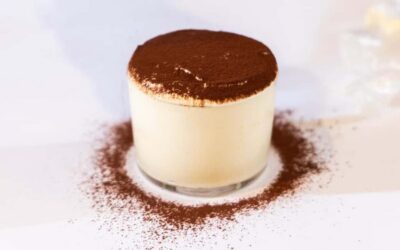 ★ 4.93-in-1 Fettuccine, Ravioli, and Tiramisu Cooking ClassFrom $812,704 reviews
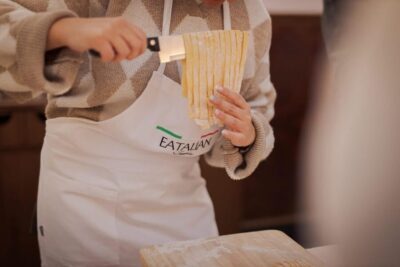 ★ 4.8Fettuccine Pasta Cooking Class in Rome’s City CenterFrom $462,414 reviews
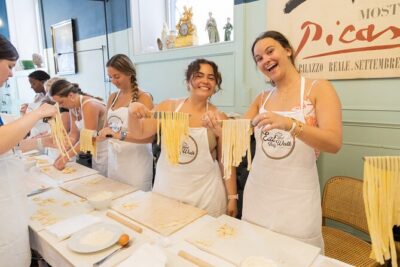 ★ 5.0Learn to Make Pasta & Tiramisu with Wine and Limoncello IncludedFrom $542,345 reviews
 ★ 5.0Become a Masterchef in Rome: Pasta, Ravioli and Tiramisù ClassFrom $472,156 reviews
Browse the lists this tour appears in