
Reviewed · ROME COOKING CLASSES
Cesarine: Home Cooking Class & Meal with a Local in Rome
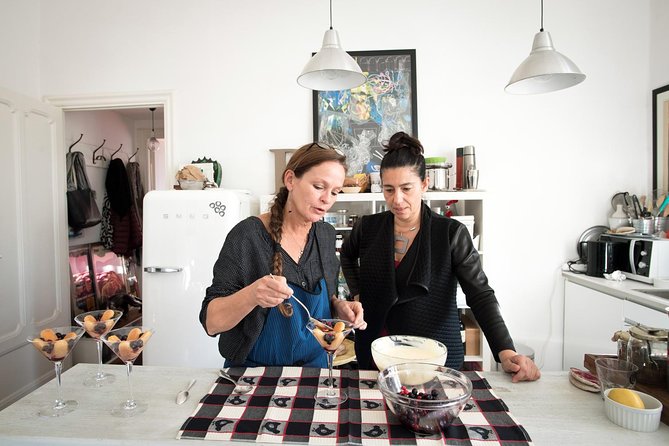
A real Roman home meal beats a restaurant script. I love the private setup in a real kitchen, and I love that you’re not just watching—you’re cooking fresh pasta and a Roman dessert. One thing to consider: you’ll be navigating to a private home address, which means being on time and following the instructions matters.
This is one of those Rome experiences that feels practical, not touristy. You’ll start with coffee, learn the hand skills behind Roman favorites (think rigatoni, bucatini, or gnocchi), and finish with wine, dessert, and espresso as part of the same sitting. The best part is the pace: it feels like you’re joining an Italian evening, not rushing through a checklist.
In This Review
- Key Highlights Worth Your Attention
- A Real Roman Home Kitchen, Not a Demo Stage
- What You’ll Cook: Roman Pasta and a Classic Roman Dessert
- Starter: Seasonal and simple
- Main: Fresh pasta in Roman styles
- Dessert: Roman sweet, not a generic cake
- How the 3-Hour Flow Works (and Why the Timing Feels Right)
- Step 1: Coffee to start, then hands-on cooking
- Step 2: Dough and shape—where the skill lives
- Step 3: Sauce and assembly
- Step 4: Dessert steps and then the meal
- Wine, Espresso, and the Pace of an Italian Meal
- Meeting Your Host in a Real Home: Names, Welcome, and Family Energy
- Price and Value: What $118.94 Really Buys You
- Logistics in Rome: How to Plan Without Losing Time
- Who Should Book This Cesarina Class (and Who Might Skip It)
- Should You Book Cesarina’s Home Cooking Class?
- FAQ
- How long is the cooking class?
- What is the price per person?
- Is it a private experience or a group tour?
- What language is the class offered in?
- What’s included in the experience?
- What kind of dishes will we make?
- Where does the experience start and end?
- Is the meeting place easy to reach?
- Do I get the exact address before booking?
- Is free cancellation available?
Key Highlights Worth Your Attention
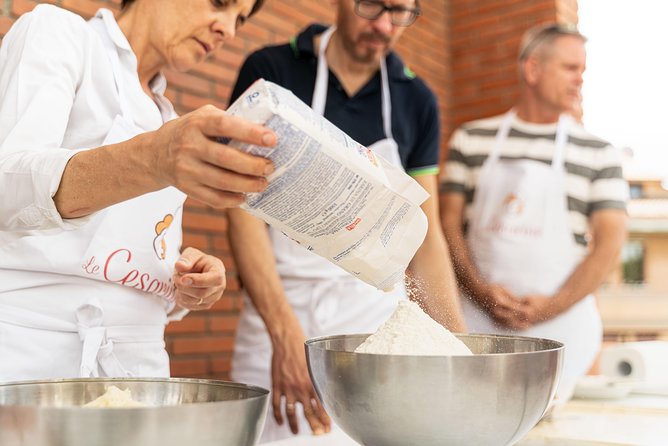
- A real home kitchen where the cooking setup is built for day-to-day life, not a demo stage
- Private class attention so you can ask questions while your pasta dough is actually in your hands
- A meal that’s included, with wine, water, and espresso alongside what you cook
- Roman specialties you’ll recognize, from fresh pasta shapes to typical Roman desserts
- Conversation with the host about Roman food culture, coffee, and wine as you work
A Real Roman Home Kitchen, Not a Demo Stage
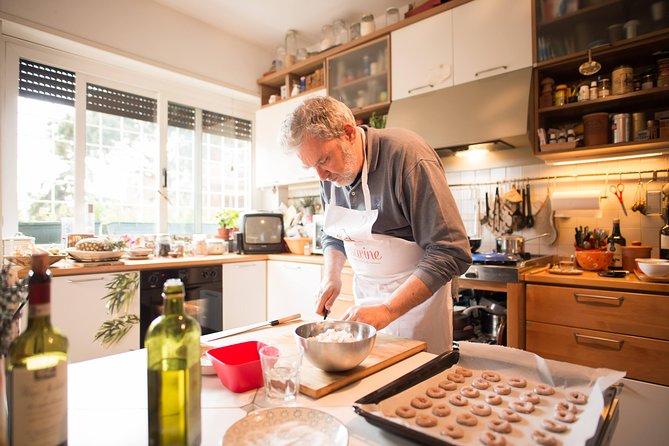
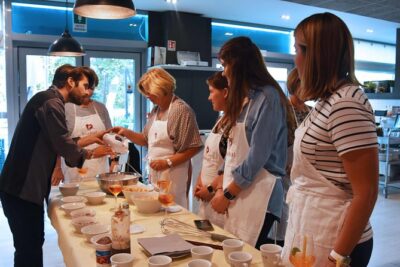
Cesarine’s cooking class is built around one simple idea: you learn by doing, in a kitchen that looks like it belongs to people who live in Rome. That changes everything. In a restaurant class, you can feel like you’re watching performance. Here, you’re in the flow of actual meal prep—counter space, cookware, ingredients in the open, and the kind of rhythm Italians use when they’re feeding family.
I especially like that the class is private. You’re not juggling noise from a bigger group, and you’re not waiting your turn for the one rolling station. If you’re the kind of person who asks why something works, you’ll have room for those questions. And if you’re a careful cook, you’ll be able to take your time without feeling rushed.
One practical drawback to keep in mind: the experience happens in a private home, so you’re not meeting at a famous landmark with obvious signage. The address is handled privately, and you’ll need to follow the location details in your voucher and arrive on time. Once you do that, the experience usually clicks fast.
More aprons-on time in a Roman kitchen
- 3 in 1 Cooking Class near Navona: Fettuccine, Ravioli & Tiramisu
★ 5.0 · 7,376 reviews - Rome: Pasta & Tiramisu Class with Fine Wine by the Vatican
★ 4.9 · 4,852 reviews - Rome: Pasta Making Class with Wine, Limoncello, and Dessert
★ 4.9 · 3,177 reviews - Rome Cooking Class: Make Pasta and 3 Spritz Cocktails
★ 5.0 · 2,937 reviews
What You’ll Cook: Roman Pasta and a Classic Roman Dessert
You’re not doing a random menu. The class centers on well-known Roman comfort foods, with a starter and a dessert that belong in the same Roman rhythm as pasta and wine.
Starter: Seasonal and simple
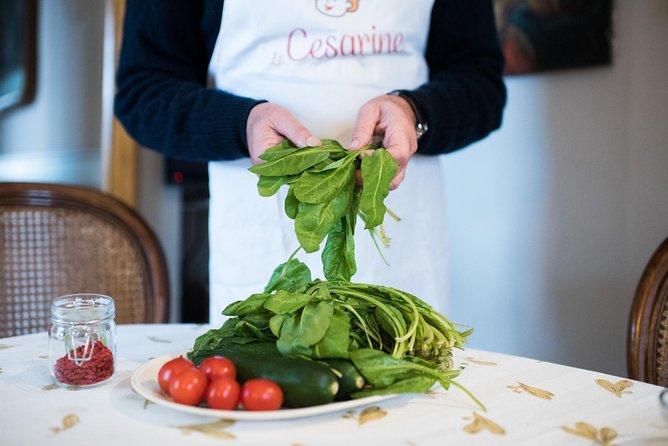
You’ll start with a seasonal starter. The exact dish can vary, but the point is consistent: something lighter to get you going and to set the tone for Roman home cooking—less fuss, more flavor, and a practical approach to ingredients.
Main: Fresh pasta in Roman styles
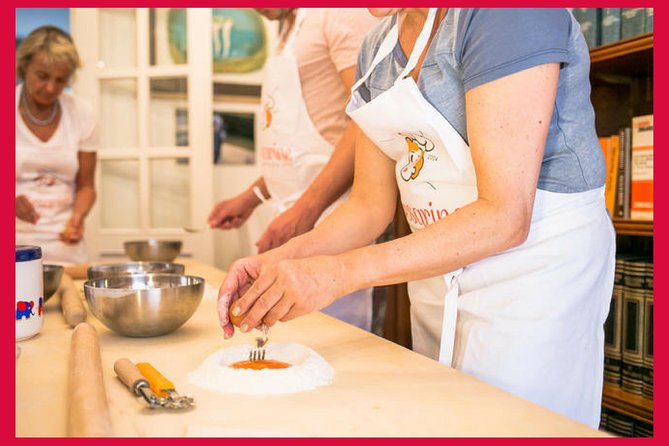
For the main, you’ll learn fresh pasta and one of the Roman-style outcomes. Based on the examples used in these classes, you might make shapes like:
- Rigatoni or bucatini (tube-shaped pasta that loves sauce)
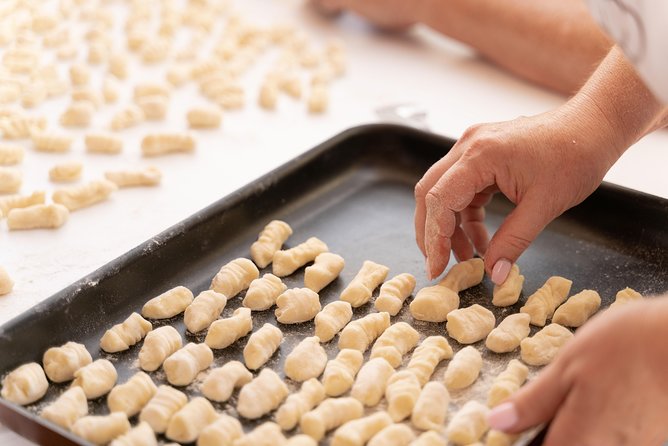
- Gnocchi (so you feel the difference between “dumpling” food and true Italian gnocchi technique)
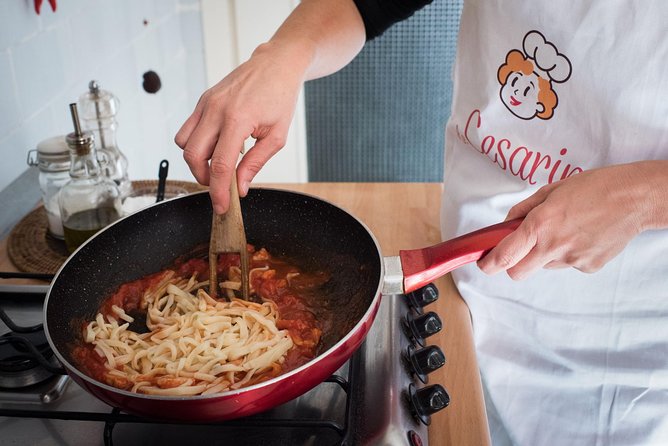
In one memorable class style, the host guided rolling gnocchi and then cooking a straightforward tomato + mozzarella/parmesan sauce. That kind of sauce is a perfect lesson because it teaches a bigger truth: Roman food often leans on a few strong ingredients done correctly, rather than complicated steps.
Worth a look next to this Rome booking:
Dessert: Roman sweet, not a generic cake
Dessert is a Roman specialty, with options that may include:
- Ricotta and cherry tart
- Roman tiramisu
- Chocolate shortbread
One host approach also included tiramisu with the host preparing components ahead of time. That’s not cheating—it’s smart pacing. It keeps the class within the time window while still letting you participate in key steps and understand the logic behind the dessert.
And then you eat what you made, with wine and espresso as part of the same experience. That matters. If you’re going to learn technique, you should also taste results while everything is fresh in your mind.
How the 3-Hour Flow Works (and Why the Timing Feels Right)
This experience runs about 3 hours, and the structure tends to follow a clean arc: arrive, taste and talk, cook in steps, then sit down to eat. You’re not stuck in the kitchen the entire time. You’ll have brief moments to reset between stages—enough time to breathe, and enough time to absorb what the host is showing you.
Step 1: Coffee to start, then hands-on cooking
Many classes begin with coffee. It’s a small detail, but it sets the tone: this is treated like a real Roman morning or evening start, not a “come in, go fast, leave” workshop.
Step 2: Dough and shape—where the skill lives
This is where you’ll get the real value. Rolling, shaping, and forming pasta teaches technique you can reuse later, even if you make different dishes at home. Tube pastas like rigatoni and bucatini are also a good lesson because you can visibly see how shape affects sauce pickup.
Step 3: Sauce and assembly
You’ll learn how Roman cooking builds flavor simply: sauce made to match the pasta, then finishing so everything tastes like it belongs together. In at least one class example, the sauce focused on tomato and cheese (mozzarella/parmesan). That’s a great “home cooking” lesson because it’s familiar, but the execution and timing are where taste comes from.
Step 4: Dessert steps and then the meal
Dessert instruction is paced so you still sit down and enjoy it. Then you eat the starter, the pasta you shaped, and the Roman dessert, all with wine included and espresso as the finish.
Wine, Espresso, and the Pace of an Italian Meal
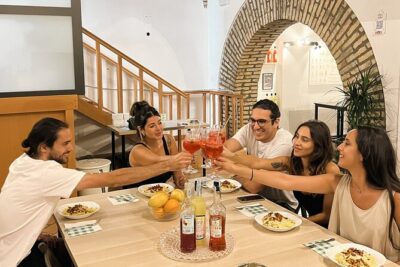
Food classes can sometimes feel like a trade show: everyone’s tasting but nobody’s really talking. Here, the wine and conversation are part of how the host shares the food culture.
A recurring theme in these experiences is that the host mixes instruction with friendly talk about Rome’s food habits, along with coffee culture and wine. One host example mentioned wine being freely part of the experience, which makes sense for a home-style meal setting. It turns the session into something more like being invited into someone’s kitchen.
Espresso at the end is a small but smart touch. When you’re in Italy, coffee isn’t an afterthought—it’s part of the cadence of the day. Ending with espresso helps the meal feel complete, like you’ve actually had a Roman dining moment, not just a class.
Meeting Your Host in a Real Home: Names, Welcome, and Family Energy
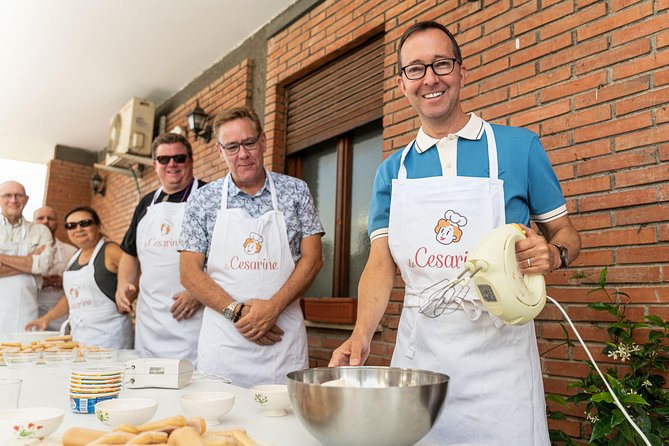
One of the strongest reasons people love this experience is how the host makes it feel personal. In the examples you provided, hosts like Giovanna, Emma, and Maria come up for being warm, welcoming, and genuinely proud of their kitchen.
That kind of welcome matters because it changes your learning style. When you feel comfortable, you ask better questions. When you’re not stressed, your hands learn faster. And when the host explains the “why” behind simple steps, you remember it.
You may also notice how some classes keep a casual, family-like vibe. Even when the technique is serious, the atmosphere often feels easy—like you’re helping someone cook at home. That’s a big part of why the finished meal tends to feel better than the sum of its parts.
Price and Value: What $118.94 Really Buys You
At $118.94 per person, this isn’t a budget experience. But it can be good value when you factor in what’s included. Many cooking classes focus on instruction only, then you pay extra for food and drinks. Here, ingredients plus wine, water, and espresso are included alongside the meal you create.
You’re also paying for two things that are harder to replicate:
- A private class format, where attention is tailored to your group
- A home-kitchen setting, which naturally includes the real “how we do it” details
If you care more about technique and tasting the results right away than collecting photos, this tends to make sense. If you want a large, social party with strangers and a short demo, a private home class may feel slower and more intimate than you’re expecting.
Logistics in Rome: How to Plan Without Losing Time
The class starts in Rome and ends back where you begin. The experience is near public transportation, which helps. You’re not committing to an all-day transit plan.
Timing matters more than you might think because it’s a home address setup. The exact location is handled for privacy, and the general area may be listed first. You’ll get the precise details through your voucher after booking. Do yourself a favor: confirm the meeting instructions, then give yourself extra buffer time so you’re not rushing a tight schedule.
Also plan around the fact that you’re in someone’s home kitchen. Wear comfortable shoes and bring layers if you tend to get cold. Kitchens can run at different temperatures depending on the home. You’ll be standing, leaning, tasting, and cleaning a bit as you go.
Who Should Book This Cesarina Class (and Who Might Skip It)
This is a strong pick if you’re a food-first traveler who likes hands-on learning. It’s also ideal if you want a Roman meal that feels like it belongs to the city—home cooking, familiar flavors, and a real introduction to how local hosts think about pasta and dessert.
It’s especially good for:
- Couples or small groups who want a private setting
- People who want to learn pasta shapes and sauce logic they can repeat later
- Anyone who enjoys wine-and-coffee culture in a way that feels natural, not staged
You might consider skipping if:
- You hate navigating to private addresses in unfamiliar areas
- You want a quick, casual snack and then sightseeing immediately
- You’re looking for a big-group social event rather than personalized instruction
Should You Book Cesarina’s Home Cooking Class?
If you want a Roman experience that’s more than tasting, I think it’s worth booking. The best reason to choose it is simple: you learn the core skills behind fresh pasta and Roman dessert, then eat what you make in the same sitting, with wine, water, and espresso included.
Book it when you can be on time and ready to follow instructions for a private home meeting. If that sounds comfortable, this class can easily become one of your favorite Rome meals.
If you’re on the fence, do this: decide whether you’d rather spend your time cooking with a local in a home kitchen or doing another restaurant meal. If the cooking side appeals to you even a little, Cesarine is a solid bet.
FAQ
How long is the cooking class?
The class is approximately 3 hours.
What is the price per person?
The price listed is $118.94 per person.
Is it a private experience or a group tour?
It’s a private tour/activity. Only your group participates.
What language is the class offered in?
The class is offered in English.
What’s included in the experience?
Ingredients are included, along with wine, water, and espresso. You also eat what you cook as part of the meal.
What kind of dishes will we make?
You’ll cook a Roman-style fresh pasta (examples include rigatoni, bucatini, or gnocchi). You’ll also have a starter and a Roman dessert, with options that can include ricotta and cherry tart or Roman tiramisu or chocolate shortbread.
Where does the experience start and end?
It starts in Rome and ends back at the meeting point.
Is the meeting place easy to reach?
The experience is near public transportation.
Do I get the exact address before booking?
For privacy, the exact address isn’t disclosed prior to booking. A general location is shown, and the voucher includes the detailed meeting information after you reserve.
Is free cancellation available?
Yes. You can cancel up to 24 hours in advance for a full refund. If you cancel less than 24 hours before the start time, the amount paid isn’t refunded.
More Cooking Classes in Rome
- 3 in 1 Cooking Class near Navona: Fettuccine, Ravioli & Tiramisu
★ 5.0 · 7,376 reviews - Rome: Pasta Making Class with Wine, Limoncello, and Dessert
★ 4.9 · 3,177 reviews - Rome Cooking Class: Make Pasta and 3 Spritz Cocktails
★ 5.0 · 2,937 reviews - Rome: 3-in-1 Fettuccine, Ravioli, and Tiramisu Cooking Class
★ 4.9 · 2,704 reviews - Rome: Fettuccine Pasta Cooking Class in Rome’s City Center
★ 4.8 · 2,414 reviews - Fettuccine & Tiramisù: Cooking Class with Wine & Limoncello
★ 4.9 · 2,103 reviews
More Tour Reviews in Rome
- Vatican Museums, Sistine Chapel & St. Peter’s Basilica Tour
★ 4.3 · 73,970 reviews - Vatican Museums, Sistine Chapel & St Peter’s Basilica Guided Tour
★ 4.5 · 39,149 reviews - Rome: Colosseum, Palatine Hill and Roman Forum Guided Tour
★ 4.8 · 32,814 reviews - Rome: Guided Tour of Colosseum, Roman Forum & Palatine Hill
★ 4.7 · 27,897 reviews - Rome: Colosseum & Forum with Audio Guide App -Optional Arena
★ 4.2 · 24,770 reviews - Rome: Colosseum, Roman Forum and Palatine Hill Guided Tour
★ 4.5 · 23,903 reviews
Learn Another Roman Dish
- 3 in 1 Cooking Class near Navona: Fettuccine, Ravioli & Tiramisu
★ 5.0 · 7,376 reviews - Rome: Pasta & Tiramisu Class with Fine Wine by the Vatican
★ 4.9 · 4,852 reviews - Rome: Pasta Making Class with Wine, Limoncello, and Dessert
★ 4.9 · 3,177 reviews - Rome Cooking Class: Make Pasta and 3 Spritz Cocktails
★ 5.0 · 2,937 reviews - Rome: 3-in-1 Fettuccine, Ravioli, and Tiramisu Cooking Class
★ 4.9 · 2,704 reviews - Rome: Fettuccine Pasta Cooking Class in Rome’s City Center
★ 4.8 · 2,414 reviews
Just added to our Rome reviews





Rome Cooking Classes, compared.
 ★ 5.03 in 1 Cooking Class near Navona: Fettuccine, Ravioli & TiramisuFrom $837,376 reviews
 ★ 4.9Pasta & Tiramisu Class with Fine Wine by the VaticanFrom $414,852 reviews
 ★ 4.9Pasta Making Class with Wine, Limoncello, and DessertFrom $483,177 reviews
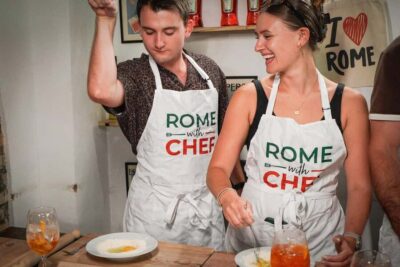 ★ 5.0Rome Cooking Class: Make Pasta and 3 Spritz CocktailsFrom $992,937 reviews
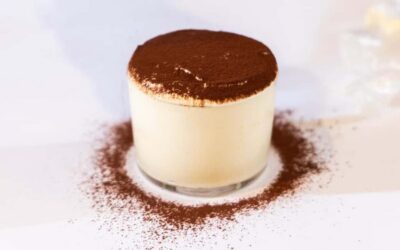 ★ 4.93-in-1 Fettuccine, Ravioli, and Tiramisu Cooking ClassFrom $812,704 reviews
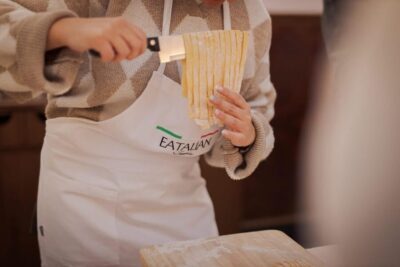 ★ 4.8Fettuccine Pasta Cooking Class in Rome’s City CenterFrom $462,414 reviews
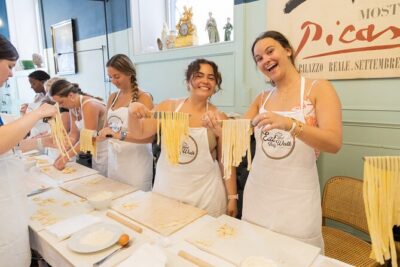 ★ 5.0Learn to Make Pasta & Tiramisu with Wine and Limoncello IncludedFrom $542,345 reviews
 ★ 5.0Become a Masterchef in Rome: Pasta, Ravioli and Tiramisù ClassFrom $472,156 reviews
Browse the lists this tour appears in