
Reviewed · ROME COOKING CLASSES
Bruschetta, Fettuccine, Gnocchi, Tiramisu Cooking Class
Pasta, wine, and a Roman villa setup. This Rome cooking class feels less like a demo and more like a cozy dinner party in Trastevere, where you actually make pasta dough and eat what you produce. I especially love the step-by-step, hands-on rhythm (dough to plate without the hand-waving), and I also love the small-group size, capped at 12, so the chef can actually watch your technique. One thing to consider: the evening runs without hotel pickup, so you’ll want to plan how you’ll get to Via Zanazzo Giggi, 4.
It’s also built around a good dose of mystery. You start with a spritz and local snacks, then you tackle two pasta doughs from scratch, and you end with a Roman dessert that the experience describes as not tiramisù—yet some sessions and menus people describe still include tiramisù-style flavors. Either way, the dinner portion is real food, not a token bite.
If you like Roman classics—especially cheese-and-pepper pasta—you’ll feel right at home. If you’re a stickler for predictability, just know you’re signing up for a surprise menu and a real evening schedule, not a cookbook timeline.
In This Review
- Key points to know before you go
- A Roman cooking dinner party, not a classroom
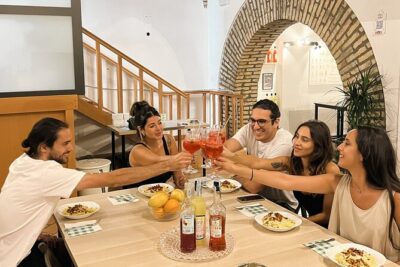
- What the first hour feels like: spritz and local snacks
- Making pasta dough in a villa setting (fettuccine and gnocchi)
- The lunch-and-a-movie moment: cacio e pepe plus a surprise sauce
- The dessert twist: Roman wine-dipped sweet (sometimes tiramisù)
- Who runs the evening: Local Aromas and the family-villa vibe
- Price and value: is $189.87 worth it?
- Logistics that actually matter: meeting point and timing
- Tips for getting the most from the class
- Should you book this Rome pasta party?
- FAQ
- How long is the Bruschetta, Fettuccine, Gnocchi, Tiramisu Cooking Class?
- Where does the class start and end?
- Is hotel pickup or drop-off included?
- What language is the cooking class offered in?
- How big is the group?
- What’s included in the price?
- Are drinks included?
- Is there free cancellation?
Key points to know before you go
- Small-group feel with a maximum of 12 people, which keeps the class interactive.
- Handmade pasta dough work from scratch, including fettuccine and gnocchi-style practice.
- Roman favorites on the table, like cacio e pepe, plus an added surprise sauce.
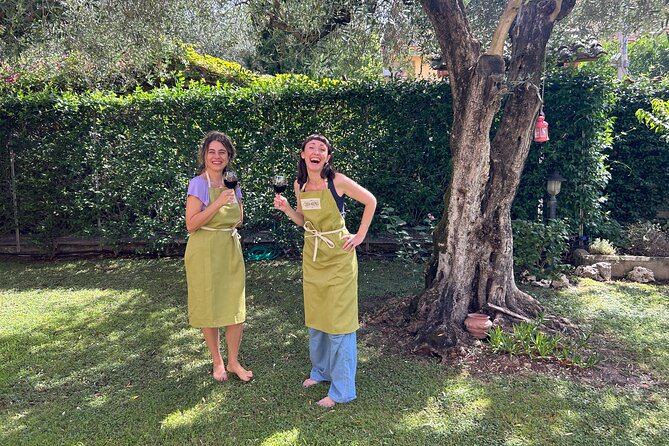
- Wine with dinner, including a spritz to start and two glasses of local wine after cooking.
- A Roman dessert moment that’s described as a classic wine-dipped sweet, with some menus pointing toward tiramisù.
A Roman cooking dinner party, not a classroom
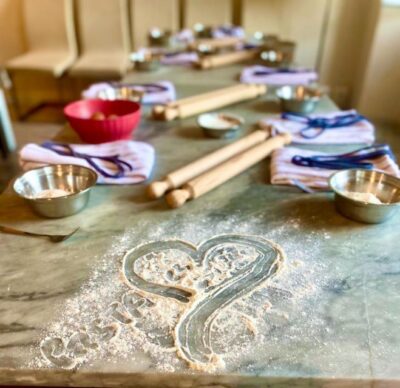
This isn’t the typical cooking class where you watch someone else do the fun part. The tone is more like a relaxed Roman evening at a private villa: you arrive, you snack, you roll up your sleeves, then you sit down together to eat. That structure matters, because it keeps you learning without turning the whole thing into a test.
The setting is part of the appeal. Multiple people highlight the beauty of the villa kitchen and the outdoor feel, including city views that can include a Vatican-area sightline on clear evenings. Even if you’ve seen photos of Rome already, it’s still a different experience to cook with that kind of backdrop behind you.
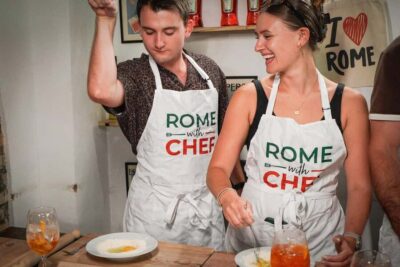
Then there’s the social side. You’re in English, you’re sharing workstations, and you’re eating in the end. Some instructors and host families are described as warm, funny, and very welcoming, which is often what separates a “cooking activity” from an actual memory.
More aprons-on time in a Roman kitchen
- 3 in 1 Cooking Class near Navona: Fettuccine, Ravioli & Tiramisu
★ 5.0 · 7,376 reviews - Rome: Pasta & Tiramisu Class with Fine Wine by the Vatican
★ 4.9 · 4,852 reviews - Rome: Pasta Making Class with Wine, Limoncello, and Dessert
★ 4.9 · 3,177 reviews - Rome Cooking Class: Make Pasta and 3 Spritz Cocktails
★ 5.0 · 2,937 reviews
What the first hour feels like: spritz and local snacks
The evening starts with a spritz and local snacks. Think of this as your Rome warm-up: you settle in, you meet your chef and hosts, and you get a taste of what the table will look like before you even start kneading.
This is also when you’ll get the vibe check on the class. People describe the hosts as gracious and ready to explain techniques in clear steps. It’s not just about mixing ingredients. It’s about learning how Italian cooking stays simple—just with the right technique and timing.
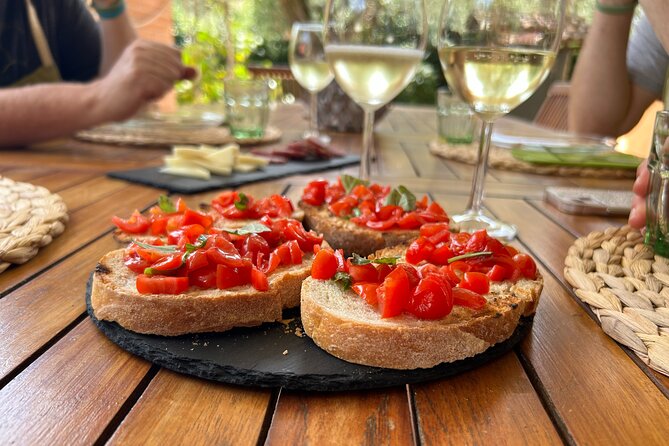
You may also see bruschetta and other snack-y bites in this opening spread. Even when the exact details change day to day, the idea is consistent: you start with familiar Roman flavors so you’re not jumping into pasta like it’s math homework.
Making pasta dough in a villa setting (fettuccine and gnocchi)
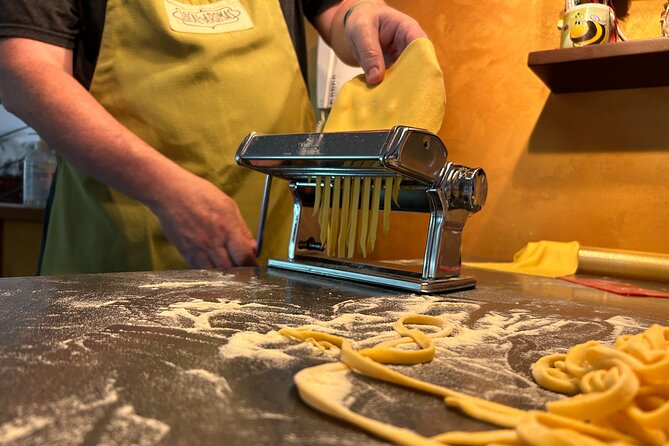
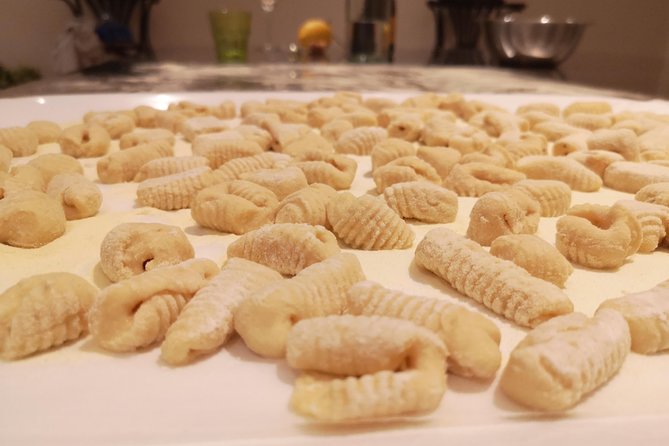
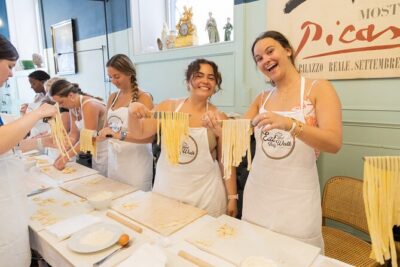
Here’s the core of the experience: you learn how to make two pasta doughs from scratch, guided step by step. In the way people describe the class, those dough sessions commonly include fettuccine technique and gnocchi-making practice.
What I like about this format is that it teaches you process, not just product. You’re not only learning how the pasta should look at the end; you’re also learning how the dough should feel while you’re working it. That’s the part that helps later when you try to recreate the dishes at home.
Gnocchi is especially worth paying attention to in a class like this. It’s one of those dishes that tastes effortless when it’s done right, but the texture comes from technique. A good chef will help you get the right handling and pacing so your gnocchi cooks evenly and doesn’t come out gluey or fragile.
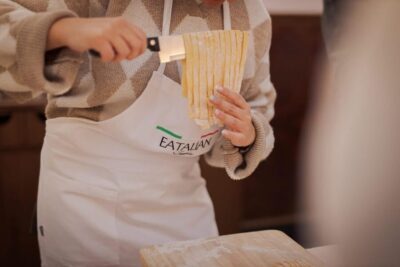
Fettuccine training is valuable too. Even if you don’t plan to make fresh pasta often at home, knowing how to stretch dough, cut it consistently, and understand cooking times gives you a real upgrade for any future Italian cooking.
The lunch-and-a-movie moment: cacio e pepe plus a surprise sauce
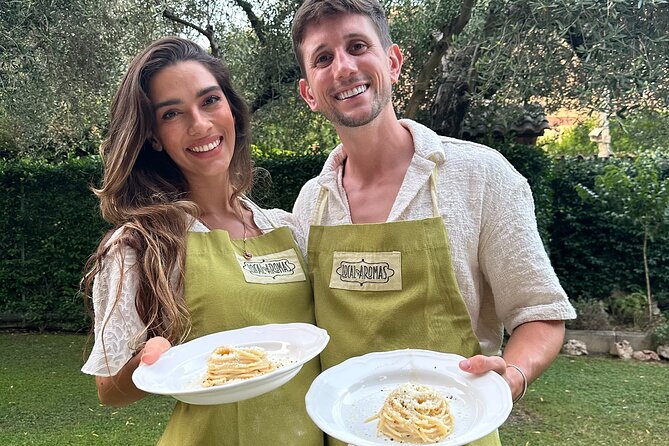
After you cook, you eat what you made. Your handmade pastas are served with cacio e pepe and an added surprise sauce.
This matters because cacio e pepe isn’t just a “dish.” It’s a Roman approach: a small list of ingredients, treated with care, turned into something deeply satisfying. You get to see how the flavors come together around fresh pasta rather than around store-bought shortcuts.
Then comes the surprise sauce. That keeps the dinner from feeling too predictable. More than one description mentions a mystery sauce element, and it’s a fun way to keep you curious even after you’ve done the work. The practical upside: you’ll taste at least one sauce beyond the obvious, which gives you more ideas for your next grocery run back home.
Also, the pairing is part of the meal experience. You get two glasses of local wine with dinner, plus bottled water. In other words, you’re not just learning. You’re living the Roman cadence: taste, chat, cook, sit, repeat.
Worth a look next to this Rome booking:
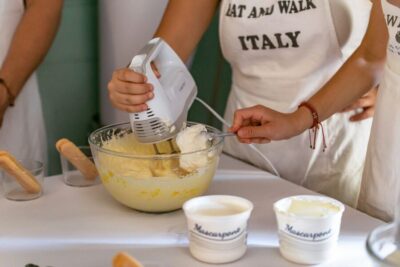
The dessert twist: Roman wine-dipped sweet (sometimes tiramisù)
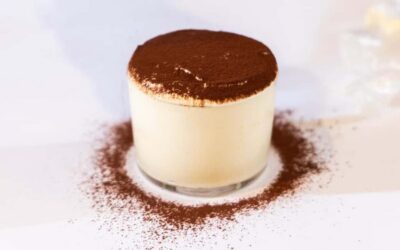
The experience positions the dessert as a traditional Roman treat and notes a spoiler that it’s not tiramisù. But the class title and many people’s personal write-ups point to tiramisù being part of the menu experience.
Here’s how to think about it so you don’t get hung up on the words: what’s consistent in the description is that you’ll end with a classic Roman dessert served in a wine-dipped style. That sounds like the kind of sweet that feels rooted in local tradition, not a Western-style dessert show.
If you’re specifically craving tiramisù, keep in mind the menu is described as a mystery, so the exact dessert can vary. I’d treat this as a flexible situation: you’re going for a Roman dessert experience, not a guarantee of one brand-name dessert.
Either way, it’s a smart way to close the evening. After the pasta work, you get something lighter and more playful, and you’ll remember the wine-and-sweet combination long after you leave the villa.
Who runs the evening: Local Aromas and the family-villa vibe
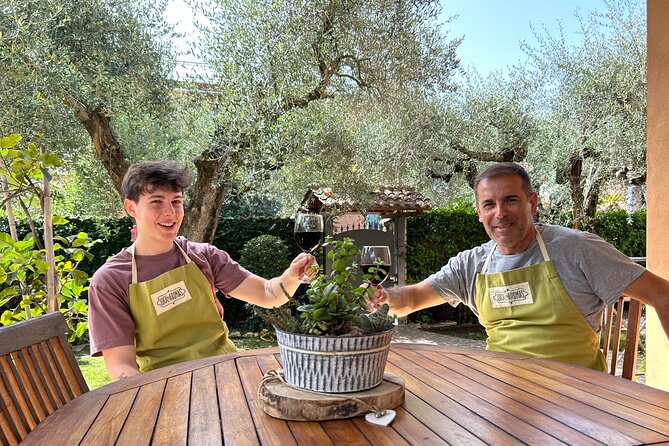
This is provided by Local Aromas – Rome Food Tours, a family-run company that’s been sharing Italian food traditions since 2016. That “family-run” angle matters, because people consistently describe the hosts as warm and personal, like you’ve been invited rather than scheduled.
You might meet different instructors and hosts depending on the day. Names that come up in descriptions include Christina, Valentina, Bruno, Carla, and Gueila, with Benedetta appearing as a key contact from the company side. Across the board, the common thread is the same: clear instruction, a welcoming tone, and a sense that the home kitchen is the point.
If you enjoy conversations while you cook—questions about ingredients, why one sauce works better than another—you’re likely to have a good time. Several write-ups stress fellowship and laughter as part of the value.
Price and value: is $189.87 worth it?
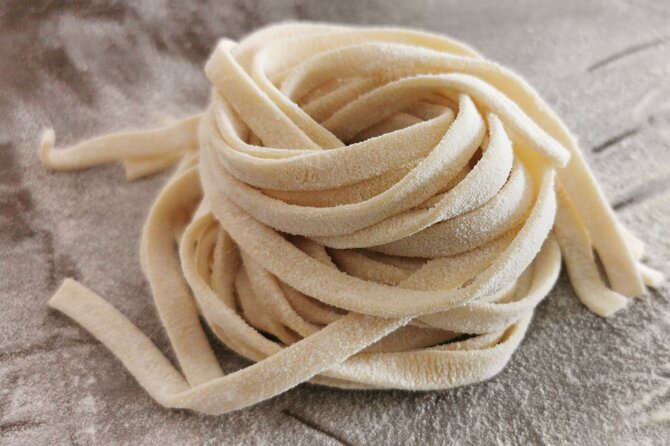
At $189.87 per person for about three hours, you’re paying for more than a lesson. You’re paying for a private villa setting, an included chef-led dinner, wine, and the fact that you’ll make fresh pasta dough yourself.
Let’s break down where the money goes, practically:
- Chef time and instruction: not a casual demo.
- Your meal: dinner plus spritz/snacks, plus cacio e pepe and another sauce.
- Alcohol included: two glasses of local wine with dinner.
- A small group: max 12, which usually means less waiting and more hands-on time.
Could you make pasta cheaper on your own at home? Sure. But that’s not the point. The value is the full Roman dinner experience: technique teaching plus an actual meal in a memorable setting. For many people, this is the kind of activity that replaces one paid restaurant meal with something more interactive.
Logistics that actually matter: meeting point and timing
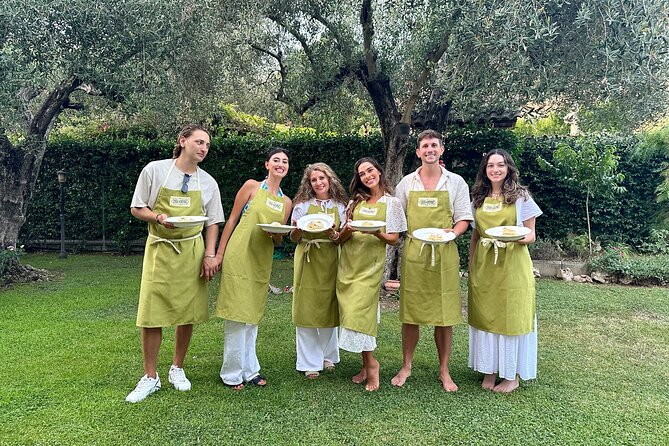
The meeting point is Via Zanazzo Giggi, 4, 00153 Roma RM, Italy, and the activity ends back there. There’s no hotel pickup or drop-off included, so you’ll need to get yourself there using public transportation.
It’s near public transportation, which helps a lot. In Rome, that’s the difference between a smooth start and a stressful scramble. If you’re relying on transit, give yourself a small buffer so you’re not rushing when you arrive.
You’ll also have a mobile ticket, and the class is offered in English. Service animals are allowed.
One more practical point: the class is about three hours. That’s long enough to learn, cook, and eat without feeling like you’re trapped all night. But it’s not a full-day “Rome food tour,” so plan your other sightseeing around it.
Tips for getting the most from the class
This is where you turn a good evening into a great one at home later.
- Ask questions while you’re working dough. The chef’s tips are the part you can’t copy from a recipe alone.
- Pay attention to dough feel and cooking timing. That’s what makes fresh pasta succeed.
- Take mental notes about what sauce tastes like when it’s fresh and warm, especially cacio e pepe and the mystery sauce.
- If you care about tiramisù, be ready for a surprise. Your best move is to treat the dessert as a Roman finale, not a single-item guarantee.
If you’re traveling as a couple or solo, the hands-on format gives you built-in conversation. If you’re traveling with friends, the small group helps you still feel like you’re participating rather than waiting your turn.
Should you book this Rome pasta party?
Book it if you want a real Roman evening: hands-on pasta, a chef guiding you step by step, and a sit-down dinner with wine in a private villa setting. The small group size and the emphasis on technique are exactly what you want if you’ve ever tried cooking Italian food at home and wished someone had corrected your method before you gave up.
Skip it (or at least think twice) if you need a strictly predictable menu or you rely on hotel pickup to make timing easy. The experience does require you to meet at Via Zanazzo Giggi on your own.
If your goal is to leave Rome not only fed, but also confident enough to recreate fresh pasta and Roman flavors at home, this is a strong choice.
FAQ
How long is the Bruschetta, Fettuccine, Gnocchi, Tiramisu Cooking Class?
It runs for about 3 hours.
Where does the class start and end?
It starts at Via Zanazzo Giggi, 4, 00153 Roma RM, Italy and ends back at the same meeting point.
Is hotel pickup or drop-off included?
No, hotel pickup and hotel drop-off are not included.
What language is the cooking class offered in?
The experience is offered in English.
How big is the group?
The maximum group size is 12 travelers.
What’s included in the price?
Included items are a local chef, alcoholic beverages, dinner, and bottled water.
Are drinks included?
Yes. The start includes a spritz, and dinner includes two glasses of local wine, plus bottled water is provided.
Is there free cancellation?
Yes. You can cancel for a full refund up to 24 hours before the experience’s start time.
More Cooking Classes in Rome
- 3 in 1 Cooking Class near Navona: Fettuccine, Ravioli & Tiramisu
★ 5.0 · 7,376 reviews - Rome: Pasta Making Class with Wine, Limoncello, and Dessert
★ 4.9 · 3,177 reviews - Rome Cooking Class: Make Pasta and 3 Spritz Cocktails
★ 5.0 · 2,937 reviews - Rome: 3-in-1 Fettuccine, Ravioli, and Tiramisu Cooking Class
★ 4.9 · 2,704 reviews - Rome: Fettuccine Pasta Cooking Class in Rome’s City Center
★ 4.8 · 2,414 reviews - Fettuccine & Tiramisù: Cooking Class with Wine & Limoncello
★ 4.9 · 2,103 reviews
More Tour Reviews in Rome
- Vatican Museums, Sistine Chapel & St. Peter’s Basilica Tour
★ 4.3 · 73,970 reviews - Vatican Museums, Sistine Chapel & St Peter’s Basilica Guided Tour
★ 4.5 · 39,149 reviews - Rome: Colosseum, Palatine Hill and Roman Forum Guided Tour
★ 4.8 · 32,814 reviews - Rome: Guided Tour of Colosseum, Roman Forum & Palatine Hill
★ 4.7 · 27,897 reviews - Rome: Colosseum & Forum with Audio Guide App -Optional Arena
★ 4.2 · 24,770 reviews - Rome: Colosseum, Roman Forum and Palatine Hill Guided Tour
★ 4.5 · 23,903 reviews
Learn Another Roman Dish
- 3 in 1 Cooking Class near Navona: Fettuccine, Ravioli & Tiramisu
★ 5.0 · 7,376 reviews - Rome: Pasta & Tiramisu Class with Fine Wine by the Vatican
★ 4.9 · 4,852 reviews - Rome: Pasta Making Class with Wine, Limoncello, and Dessert
★ 4.9 · 3,177 reviews - Rome Cooking Class: Make Pasta and 3 Spritz Cocktails
★ 5.0 · 2,937 reviews - Rome: 3-in-1 Fettuccine, Ravioli, and Tiramisu Cooking Class
★ 4.9 · 2,704 reviews - Rome: Fettuccine Pasta Cooking Class in Rome’s City Center
★ 4.8 · 2,414 reviews
Just added to our Rome reviews





Rome Cooking Classes, compared.
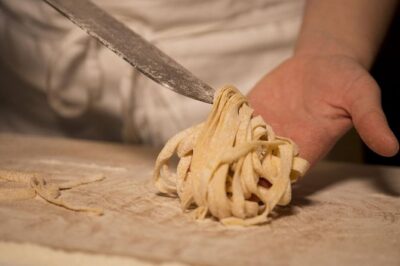 ★ 5.03 in 1 Cooking Class near Navona: Fettuccine, Ravioli & TiramisuFrom $837,376 reviews
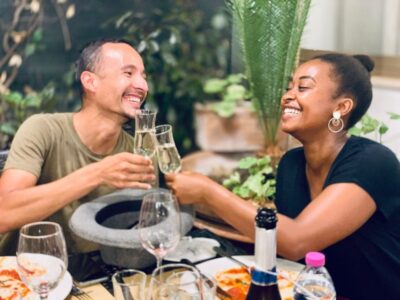 ★ 4.9Pasta & Tiramisu Class with Fine Wine by the VaticanFrom $414,852 reviews
 ★ 4.9Pasta Making Class with Wine, Limoncello, and DessertFrom $483,177 reviews
 ★ 5.0Rome Cooking Class: Make Pasta and 3 Spritz CocktailsFrom $992,937 reviews
 ★ 4.93-in-1 Fettuccine, Ravioli, and Tiramisu Cooking ClassFrom $812,704 reviews
 ★ 4.8Fettuccine Pasta Cooking Class in Rome’s City CenterFrom $462,414 reviews
 ★ 5.0Learn to Make Pasta & Tiramisu with Wine and Limoncello IncludedFrom $542,345 reviews
 ★ 5.0Become a Masterchef in Rome: Pasta, Ravioli and Tiramisù ClassFrom $472,156 reviews
Browse the lists this tour appears in