
Rome smells like fresh pasta.
This small-group Rome cooking class has you working like a Roman chef, rolling dough and shaping dishes with a professional chef in an actual kitchen setting. I love the hands-on pasta focus, and the fact that you finish by sitting down to eat what you made. One thing to keep in mind: depending on the venue and how busy the kitchen is, you might not do every single step yourself.
The menu is built around classic comfort food, so you get real skills, not just a food tour. I like that the class teaches pasta plus a full dinner rhythm: a starter, a main pasta dish, dessert, and wine.
Lastly, the format can vary. The class may be held in a chef’s house or a restaurant kitchen, and a few people reported that timing and hands-on cooking time were tighter than expected.
In This Review
- Key highlights worth showing up for
- A Roman Chef in Rome: Real Kitchens, Real Cooks, Real Technique
- What You’ll Cook: Ravioli, Fettuccine, Gnocchi, and Roman Classics
- The 3-Hour Cooking Flow: From Dough to Dinner Table
- Meeting at Piazza Navona: Finding the Right Door Without Stress
- Small-Group Size That Actually Helps You Cook
- Wine and the Sit-Down Dinner: The Part That Makes It Feel Like Rome
- Recipes to Take Home: Yes, You Should Get Them
- Price and Value in Rome: When $107.23 Feels Fair
- Possible Drawbacks to Plan For (Based on Real-World Experience Patterns)
- Who Should Book This Rome Pasta Class
- Should You Book: My Practical Verdict
- FAQ
- FAQ
- Where do I meet for the Rome cooking class?
- What time does the class start?
- What dishes might I learn and eat?
- Is there wine, and is there an age limit?
- Is the group small?
- Is pickup from your hotel included?
Key highlights worth showing up for
- Fresh pasta skills: fettuccine, ravioli, and/or gnocchi techniques with flour and eggs
- Roman dinner at the table: appetizer, dessert, and wine included
- Small group limit: up to 15 people, often feeling more intimate
- Local teaching style: professional chef instruction with an English-speaking interpreter
- Take-home recipes: designed so you can recreate the dishes later
- Piazza Navona meeting point: easy to spot once you know the exact landmark (number 14)
A Roman Chef in Rome: Real Kitchens, Real Cooks, Real Technique
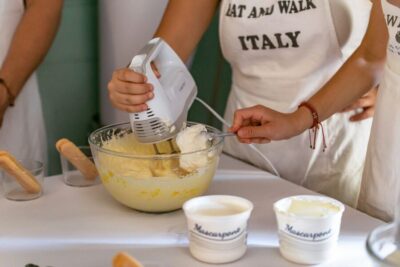
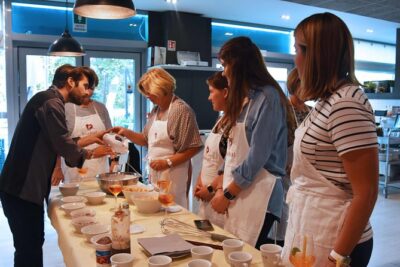
This is the kind of activity that makes Rome feel practical. Not just pretty streets and gelato stops, but flour dust on your hands and technique you can use again at home. You’re not watching a cooking show. You’re learning how to make dough, shape pasta, and understand how Italian comfort food actually gets built.
The class happens either in a restaurant kitchen or the chef’s house. That matters, because the setting affects your pace. A home kitchen often feels more personal, while a restaurant kitchen can be more structured and efficient. Either way, you’re working under a chef who does this professionally, and that shows in how the dough is handled and how pasta should feel.
Most importantly for your experience: you get an interpreter/guide. Several classes run with chefs who don’t speak English, and the interpreter brings the method across clearly while keeping things moving. Names that show up in real-world class experiences include Richie and Holly, who acted as organizers and translators, helping people follow along fast.
More aprons-on time in a Roman kitchen
- 3 in 1 Cooking Class near Navona: Fettuccine, Ravioli & Tiramisu
★ 5.0 · 7,376 reviews - Rome: Pasta & Tiramisu Class with Fine Wine by the Vatican
★ 4.9 · 4,852 reviews - Rome: Pasta Making Class with Wine, Limoncello, and Dessert
★ 4.9 · 3,177 reviews - Rome Cooking Class: Make Pasta and 3 Spritz Cocktails
★ 5.0 · 2,937 reviews
What You’ll Cook: Ravioli, Fettuccine, Gnocchi, and Roman Classics
The core promise is pasta, and the menu is built around Roman favorites. You’ll learn authentic methods using ingredients like flour and eggs, then build dishes that fit the season and what’s freshest that day.
Common example dishes include:
- Bruschetta al pomodoro as the starter (tomato-forward and very Roman in spirit)
- Fettuccine al Ragù Bolognese or Carbonara as a main pasta
- Ravioli di ricotta e spinaci (ricotta and spinach) or Gnocchi al pesto (potato dumplings with pesto)
- Tiramisu as dessert
Two notes you should plan around. First, the class dishes can shift slightly depending on what ingredients are available. Second, different people report slightly different hands-on emphasis. Some sessions focus heavily on pasta dough and shaping, while others also walk through sauces and dessert steps more fully.
If you want the broadest learning outcome, go in expecting to get strong pasta technique first, then enjoy the rest of the meal as part of a Roman-style dinner flow. That dinner includes starters, dessert, and wine, and you’ll eat at the table rather than taking everything away like a picnic.
The 3-Hour Cooking Flow: From Dough to Dinner Table
Even though the exact timing can vary, the class follows a clear rhythm. Expect a mix of teaching, hands-on practice, and then a sit-down meal once the cooking is done.
Here’s the typical arc:
- Intro and ingredient setup
You’ll start by getting oriented and learning what you’re making. Then you move into dough-making basics: how flour and eggs come together and how to know when the dough is ready to roll.
- Pasta shaping work
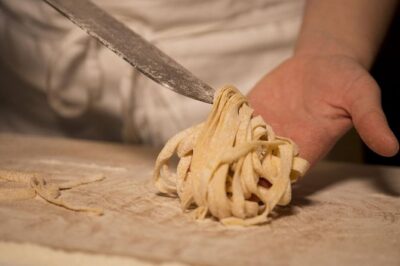
This is the highlight for most people. You’ll learn to shape pasta forms like fettuccine, ravioli, or gnocchi style dumplings. The “feel” matters here, and this class is built around that practical learning.
- Sauce and finishing steps
Depending on the kitchen setup and how busy it is, you may do more or less of the sauce-making yourself. Some experiences run like a full teaching lab; others feel more like you’re joining the process at key moments. If you care a lot about being hands-on for every sauce step, it’s worth asking what will be cooked in front of you versus what may already be prepared for timing.
- Dinner service with what you made
When it’s time to eat, you sit down and enjoy the meal as a group. You’re not leaving hungry. The class is designed so you finish with the full experience: starter, pasta main, dessert, and wine.
Duration is listed as about 2 hours 30 minutes to 3 hours 30 minutes, but real-world sessions can run longer or shorter depending on how the kitchen and menu land that night. The best mindset is to plan for a late-afternoon event and keep your schedule flexible.
Meeting at Piazza Navona: Finding the Right Door Without Stress
This is a great meeting point because Piazza Navona is one of Rome’s easy anchors. Still, Rome can be confusing if you head to the wrong corner.
You meet at Piazza Navona, number 14, with the sign for Savor Italy Tours. You’ll be near Pantheon, and you should plan on a short walk. When you arrive, look for the three fountains and a church in front of the main fountain (the one in the middle). If you’re facing the church, look left for the building with the Brazilian flag—or walk toward the left side of the fountain.
Start time is 4:30 pm, and you’ll want to arrive a little early. If you’re late, it becomes harder to find the group quickly, especially with people arriving in bursts.
Also, pickup isn’t included unless you choose an option separately. The good news: the meeting area is near public transportation, so it’s simple to reach.
Worth a look next to this Rome booking:
Small-Group Size That Actually Helps You Cook
The class is capped at a maximum of 15 travelers, and that size is big enough to feel social, but small enough that you’re not just standing around. In some real sessions, the group has been very small, which can mean more attention from the chef and interpreter as you learn technique.
You’ll likely be working in a shared kitchen space with everyone cooking similar components. That’s a good thing. You can ask quick questions as you go, and you get feedback on shaping and dough handling.
A practical benefit: since the chef teaches in an Italian kitchen environment, you learn the “why” of the method through small corrections. That’s much harder to get in a larger class where the chef has to move fast for everyone.
Wine and the Sit-Down Dinner: The Part That Makes It Feel Like Rome
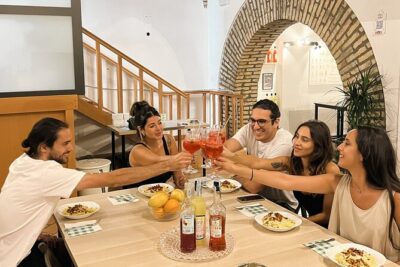
This class finishes like an evening dinner, not like a craft workshop where food is an afterthought. You’ll enjoy your creations along with wine, plus the starter and dessert.
A couple of important realities:
- The minimum drinking age is 18, so you’ll need an adult if you want the wine included.
- Wine is included, but the exact amount can feel different by group and venue. Some people feel it’s more generous; others feel it’s modest. If you’re a big wine fan, don’t plan your night around having a lot of wine here.
The dinner piece is genuinely valuable. Pasta is one thing. Eating it fresh, right after you made it, is what turns the lesson into a memory. And with tiramisu included, the end of the meal lands in a very Roman, comforting place.
Recipes to Take Home: Yes, You Should Get Them
The class promises take-home recipes so you can recreate what you made. That’s one of the biggest reasons this type of cooking class is worth it: you’re buying skills plus a souvenir that isn’t just a photo.
Still, recipe delivery can be uneven. Some people report that the recipes arrive later by email, and a few say they had trouble receiving them because email filters can catch them. If you want these recipes, treat it like part of the experience, not a bonus.
My practical tip: ask how you’ll receive the recipes before you leave, and check any inbox filters afterward. If you don’t see them in a reasonable time, follow up with the organizer.
Price and Value in Rome: When $107.23 Feels Fair
The listed price is $107.23 per person, with all taxes and fees included. That price includes the class, a small-group format, and the full meal elements (starter, dessert, and wine).
So when does it feel like good value?
- When you get meaningful hands-on pasta time (dough + shaping)
- When the sauce and dessert components align with what you expect
- When you receive the recipes so you can actually repeat the dish later
Where does value slip?
- If the kitchen is very busy and the chef’s steps are handled mostly by staff, you might feel like you watched more than you cooked.
- If the timing lands shorter than expected, you may get less practice time than you imagined.
This is the key trade-off with cooking classes that happen in working kitchens. They’re efficient, but efficiency can cost you hands-on time. If you want the “learning lab” version, arrive prepared with beginner-friendly expectations and be ready to ask questions while you cook.
Possible Drawbacks to Plan For (Based on Real-World Experience Patterns)
I’d rather flag the risks up front than sell you on perfection.
1) Venue may not match the romance you expect
Even if the class is marketed as a chef experience, it can happen in a restaurant kitchen or in a chef’s house. That’s not automatically bad, but a restaurant kitchen can be noisier and more crowded. If you want a quiet, at-home feel, choose the class with your expectations adjusted.
2) Hands-on cooking time can vary
Some people ended up focusing mostly on pasta while other dishes were more pre-prepped for speed. If you’re paying for the full menu experience, try to confirm what you actively make versus what may be finished by the chef before you begin.
3) Timing can shift
The class length is listed around 2.5 to 3.5 hours, but real sessions can run shorter or longer. Build your evening schedule with a cushion.
4) Recipes can be delayed
The class promises recipes, but delivery may come by email later. Keep an eye on inbox settings and follow up if you don’t receive them.
Who Should Book This Rome Pasta Class
This class is a strong match if you want:
- A Rome food experience that ends with real dinner, not just snacks
- Hands-on pasta skills like ravioli shaping, gnocchi technique, or fettuccine dough handling
- A guided evening that includes an interpreter when needed
It can work well for first-timers because the focus is on fundamentals: dough, rolling, shaping, and then tasting your work. Some people also shared that gluten-free requests were handled well, but you should still communicate dietary needs clearly at booking.
If you’re traveling as a couple or small group, the small size can feel personal. If you’re part of a family, it can be a fun shared learning moment, especially for kids old enough to enjoy cooking and sitting down together to eat.
Should You Book: My Practical Verdict
Yes, you should book this if you’re after hands-on Roman pasta and a sit-down dinner in a small group, and you’re okay with some real-kitchen variability. It’s often a highlight because it teaches a skill you can repeat, and the meal makes the skill feel worth it.
Before you confirm, do three things:
- Ask what you’ll actively cook, especially for sauces and tiramisu, so you don’t feel surprised later.
- Plan your evening loosely since class length can vary a bit.
- If recipes are important to you, ask when and how they’ll be delivered.
Also, note that the experience is non-refundable, so only lock it in if your Rome dates are firm.
FAQ
FAQ
Where do I meet for the Rome cooking class?
You meet at Piazza Navona 14. Look for the sign for Savor Italy Tours near the main fountain area (with the church in front and three fountains).
What time does the class start?
The start time is 4:30 pm.
What dishes might I learn and eat?
Sample dishes include bruschetta al pomodoro, fettuccine al ragù Bolognese or carbonara, ravioli di ricotta e spinaci or gnocchi al pesto, and tiramisu. The menu can change based on season and fresh ingredients.
Is there wine, and is there an age limit?
Yes, wine is included with the experience. The minimum drinking age is 18.
Is the group small?
Yes. It’s a small-group class with a maximum of 15 travelers.
Is pickup from your hotel included?
Hotel pickup and drop-off are not included unless you selected an option separately.
More Cooking Classes in Rome
- 3 in 1 Cooking Class near Navona: Fettuccine, Ravioli & Tiramisu
★ 5.0 · 7,376 reviews - Rome: Pasta Making Class with Wine, Limoncello, and Dessert
★ 4.9 · 3,177 reviews - Rome Cooking Class: Make Pasta and 3 Spritz Cocktails
★ 5.0 · 2,937 reviews - Rome: 3-in-1 Fettuccine, Ravioli, and Tiramisu Cooking Class
★ 4.9 · 2,704 reviews - Rome: Fettuccine Pasta Cooking Class in Rome’s City Center
★ 4.8 · 2,414 reviews - Fettuccine & Tiramisù: Cooking Class with Wine & Limoncello
★ 4.9 · 2,103 reviews
More Tour Reviews in Rome
- Vatican Museums, Sistine Chapel & St. Peter’s Basilica Tour
★ 4.3 · 73,970 reviews - Vatican Museums, Sistine Chapel & St Peter’s Basilica Guided Tour
★ 4.5 · 39,149 reviews - Rome: Colosseum, Palatine Hill and Roman Forum Guided Tour
★ 4.8 · 32,814 reviews - Rome: Guided Tour of Colosseum, Roman Forum & Palatine Hill
★ 4.7 · 27,897 reviews - Rome: Colosseum & Forum with Audio Guide App -Optional Arena
★ 4.2 · 24,770 reviews - Rome: Colosseum, Roman Forum and Palatine Hill Guided Tour
★ 4.5 · 23,903 reviews
Learn Another Roman Dish
- 3 in 1 Cooking Class near Navona: Fettuccine, Ravioli & Tiramisu
★ 5.0 · 7,376 reviews - Rome: Pasta & Tiramisu Class with Fine Wine by the Vatican
★ 4.9 · 4,852 reviews - Rome: Pasta Making Class with Wine, Limoncello, and Dessert
★ 4.9 · 3,177 reviews - Rome Cooking Class: Make Pasta and 3 Spritz Cocktails
★ 5.0 · 2,937 reviews - Rome: 3-in-1 Fettuccine, Ravioli, and Tiramisu Cooking Class
★ 4.9 · 2,704 reviews - Rome: Fettuccine Pasta Cooking Class in Rome’s City Center
★ 4.8 · 2,414 reviews
Just added to our Rome reviews





Rome Cooking Classes, compared.
 ★ 5.03 in 1 Cooking Class near Navona: Fettuccine, Ravioli & TiramisuFrom $837,376 reviews
 ★ 4.9Pasta & Tiramisu Class with Fine Wine by the VaticanFrom $414,852 reviews
 ★ 4.9Pasta Making Class with Wine, Limoncello, and DessertFrom $483,177 reviews
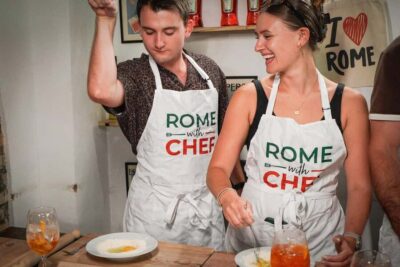 ★ 5.0Rome Cooking Class: Make Pasta and 3 Spritz CocktailsFrom $992,937 reviews
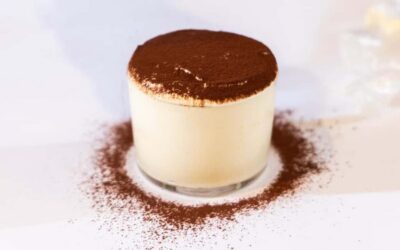 ★ 4.93-in-1 Fettuccine, Ravioli, and Tiramisu Cooking ClassFrom $812,704 reviews
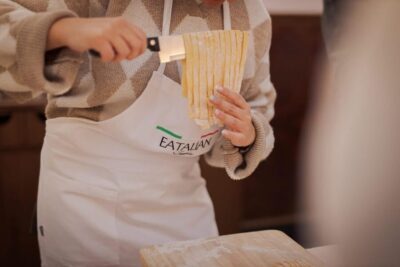 ★ 4.8Fettuccine Pasta Cooking Class in Rome’s City CenterFrom $462,414 reviews
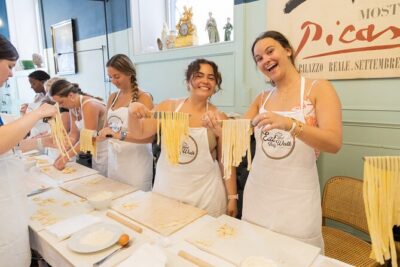 ★ 5.0Learn to Make Pasta & Tiramisu with Wine and Limoncello IncludedFrom $542,345 reviews
 ★ 5.0Become a Masterchef in Rome: Pasta, Ravioli and Tiramisù ClassFrom $472,156 reviews
Browse the lists this tour appears in