
Reviewed · ROMAN CATACOMBS & CRYPTS TOURS
Appian Way Aqueducts Bike Tour with Catacombs & Lunch
Bike Rome’s ancient roads with electric ease.
This 5-hour Appian Way e-bike tour links the city’s famous sights to the quieter countryside, with a guided catacomb visit and plenty of breaks to take photos. I especially love how the electric bike makes inclines and long distances feel manageable, even if you’re not a hardcore cyclist. I also like the small group size and how guides such as Iman (and sometimes Lorenzo) keep things moving with clear instructions. The main drawback to plan for is that you’ll roll over cobbles and bumpy stretches, so you’ll want good bike balance and a willingness to take it slow when the road gets rough.
You’re not just sightseeing by bus. You’re traveling the way Romans built for walking, processions, and water flow—then going underground into St. Callixtus. It’s an excellent value if you want a half-day that combines real local scenery with archaeology, without turning into a marathon of stairs and pavement.
In This Review
- Key takeaways before you book
- Electric E-Bikes on the Appian Way: The Fun Part Starts Right Away
- Porta San Sebastiano: City Gate Energy, Less Crowd Stress
- Down Underground: Guided Catacombs of San Callisto
- Caffarella Park, Egeria, and the Quiet Power of Roman Landscape
- Mausoleo di Cecilia Metella and Castrum Caetani: Big Forms, Layered Stories
- The Aqueduct Parks: Where Roman Water Logic Still Shows Up
- Lunch Between Aqueducts: Simple, Convenient, and Worth It
- Back in the Daylight: Quintili Villas, Caracalla Baths, and Maxentius’ Circus
- Price and Logistics: What $107.41 Buys You (and Why It’s Fair)
- What to Expect From the Ride: Cobblestones, Time, and Comfort
- Who Should Book This Appian Way E-Bike Tour
- Should You Book It?
- FAQ
- What is the duration of the tour?
- Where does the tour start?
- Does the tour end back at the meeting point?
- Is the catacombs visit guided?
- What’s included with the e-bike?
- Is lunch included, or do you get an aperitif?
- What group size is this tour?
- Do you need to know how to ride a bike?
- What is the weight limit?
- Is the tour offered in English?
- Can I get a full refund if I cancel?
Key takeaways before you book
- E-bike support means less fatigue on Rome’s uneven paths and hills
- St. Callixtus catacombs are guided, so you don’t miss the symbolism and details
- Small group feel with attentive pacing and safety-focused guidance
- Appian Way cobblestones can be the most challenging stretch, so keep expectations realistic
- Aqueduct parks + lunch/aperitif give you a classic “Appia” break without hunting for food
Electric E-Bikes on the Appian Way: The Fun Part Starts Right Away
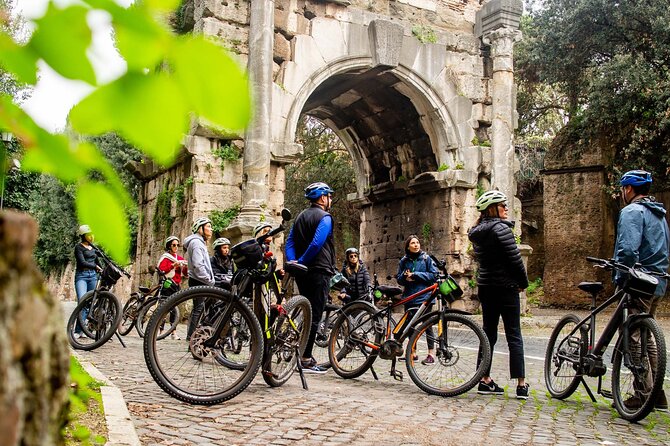
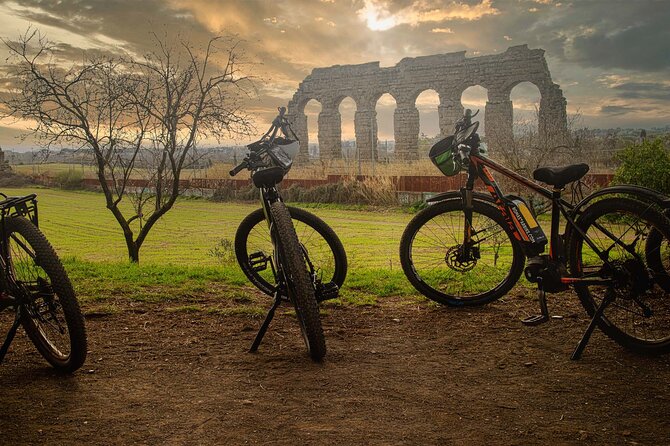
Rome can be intense on foot. Heat, crowds, long transfers, and endless walking add up fast. This tour solves a big chunk of that problem by using a high-quality e-bike with a motor assist. You still pedal, but the bike does the heavy lifting—especially helpful when the route includes climbs or stretches that feel longer than the map shows.
The other win is the pre-ride setup. You get a helmet and practical gear like handlebar/phone holders, and you’ll get clear instructions for how the bike works before you head out. If it’s your first e-bike day, that matters. You don’t want a steep learning curve while you’re navigating ancient roads.
Finally, you’re going with a small group (max 12). That’s not just a comfort detail; it changes the whole vibe. With fewer people, your guide can watch the line of bikes, slow down for questions, and keep you from getting separated when a road gets bumpy or narrow.
Deeper underground: more crypts and catacombs
- Rome: Capuchin Crypts and Catacombs Tour with Transfers
★ 4.6 · 6,456 reviews - The Original Roman Crypts and Catacombs Tour with Transfers
★ 4.5 · 4,896 reviews - Rome: Catacombs of St. Callixtus Entry Ticket & Guided Tour
★ 4.6 · 3,037 reviews - Rome: Guided Roman Catacombs Tour with Transfers
★ 4.6 · 1,830 reviews
Porta San Sebastiano: City Gate Energy, Less Crowd Stress
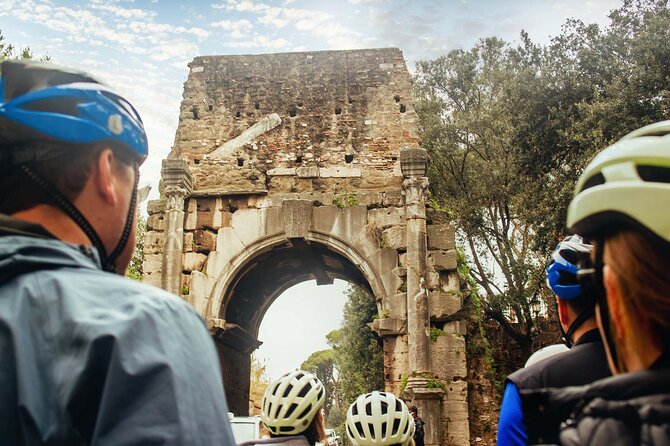
You’ll start at Porta San Sebastiano, a grand southern gateway in the Aurelian Walls (built around 275 AD). Even if you’ve seen Rome’s big gates from the guidebook, this one hits differently because it’s tied directly to the old road system—specifically the start of the Via Appia Antica.
What I like about this first stop is that it sets the tone. This area isn’t about “quick photo, next stop.” It’s about understanding how Rome’s walls and roads worked together, then noticing the quieter layers that accumulate over time—like medieval graffiti left by pilgrims who passed through across centuries. It’s the kind of detail that makes the rest of the ride feel less like a checklist.
Down Underground: Guided Catacombs of San Callisto
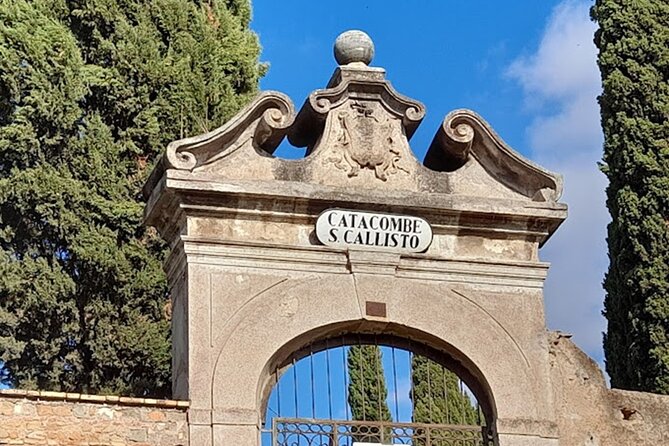
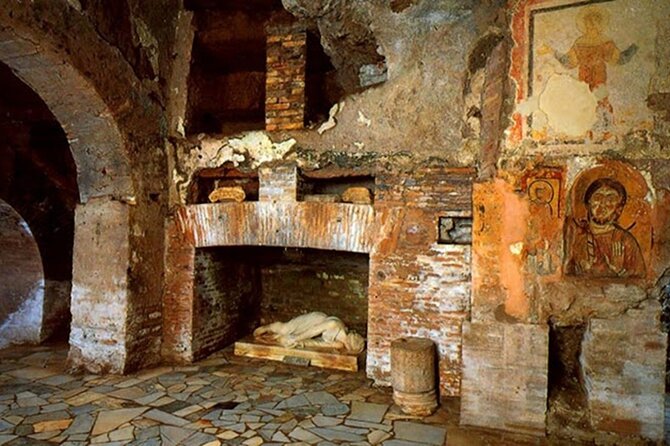
Next comes the highlight for many people: Catacombe di San Callisto (St. Callixtus). This isn’t a quick peek. The catacombs are the official funerary complex tied to the Church of Rome, and they’re massive—corridors stretch about 20 km underground.
The big reason this part is worth your time is the context. You don’t just walk in the dark and hope you’re reading the signs correctly. You get a guided visit where the story hangs together: St. Callixtus takes his name from deacon Callixtus I, and this space connects to early Christian burial traditions, including references to martyrs, popes, and hundreds of thousands of Christians.
Practically, the guided format saves you stress. Your tickets are handled, and you’re guided into the catacombs by the official expert leading the experience. Plan for darker, cooler conditions and expect that you’ll want a little extra time for photos and absorbing what you’re seeing—without racing.
Caffarella Park, Egeria, and the Quiet Power of Roman Landscape
After the underground visit, the ride opens up into green space. In Parco della Caffarella, you get one of the most calming contrasts in the whole day: a huge park that’s part of the Appia Antica Regional Park. This is where you trade traffic noise for paths, groves, and wide views.
What makes this stop special is the way history stays visible even when you’re surrounded by plants. You can see remnants of ancient buildings tucked into the park’s layout. It feels like a Roman ruin that didn’t get plastered into a single “tourist attraction zone.” Instead, it’s spread out—so your eyes get time to adjust.
Then you’ll stop at Ninfeo di Egeria, a sacred site connected to a love story. Egeria is the nymph, and the story links her to Numa Pompilius, Rome’s second king. The legend describes Egeria’s grief—her tears supposedly giving life to a spring. Even if you’re not big on myths, this kind of stop adds texture: Rome didn’t build only for emperors and armies. It also built meaning into water and place.
Keep going down the Appian Way
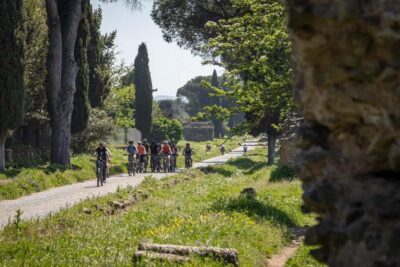
Mausoleo di Cecilia Metella and Castrum Caetani: Big Forms, Layered Stories
From park paths you head to a monument that feels built to last: the Mausoleo di Cecilia Metella. It’s a pagan tomb dating to the 1st century BC, dedicated to Cecilia Metella. It’s especially noted as one of the best preserved mausoleums on the Via Appia Antica, and it looks powerful even from a short viewpoint.
You also get the nearby Castra Caetani area. Here, the site shows how later eras reused Roman scale. The mausoleum became part of the medieval Caetani family holdings, including the remains of their wealthy house. There’s also a church tied in—only the perimeter walls remain standing. That mixture of eras is one of the reasons I like this stop: the stone doesn’t just “represent the past.” It shows how people kept returning to these places and shaping them.
The Aqueduct Parks: Where Roman Water Logic Still Shows Up
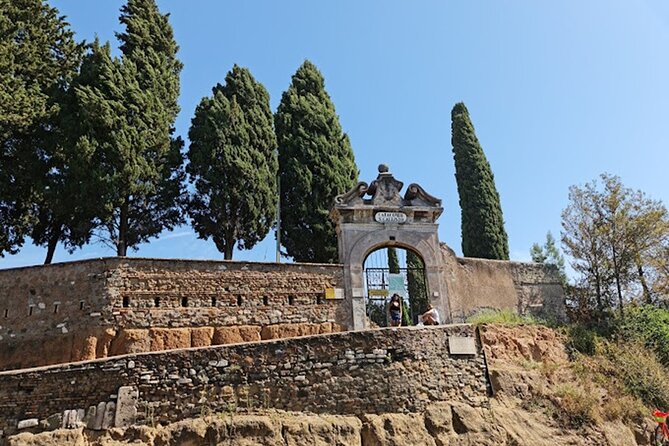
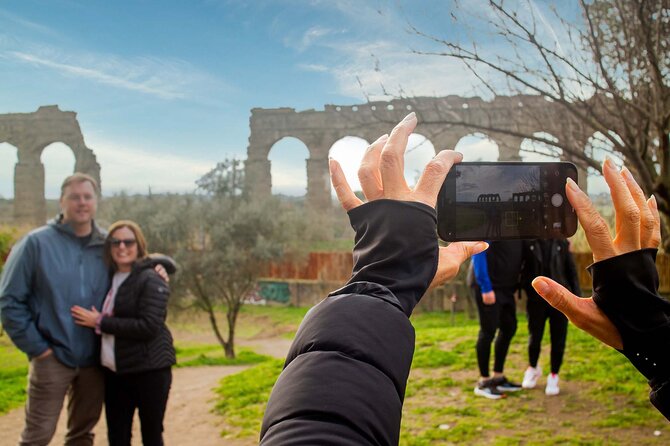
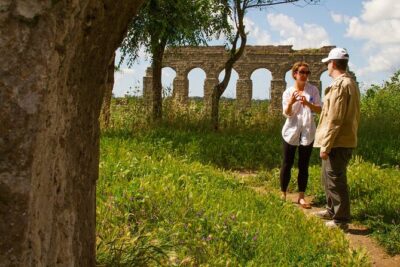
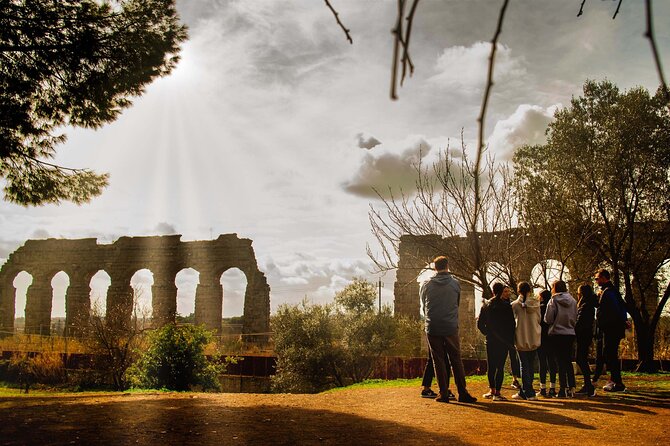
At some point you’ll hit the heart of the day’s theme: the Park of the Aqueducts and Parco degli Acquedotti. These areas let you see Roman engineering at work in the open air.
This is the part I’d call practical archaeology. You can look at the remains and understand that Rome’s water system wasn’t a single canal or fountain. It was a network. The route crosses areas tied to the ancient water network, and you can see remains of aqueduct structures in places that are still well preserved. Even more interesting, some sections are still in operation, which makes the story feel less frozen in time.
As you ride through the greenery and between stops, your guide helps connect the dots—so you’re not just snapping pictures of stone arches. You’re learning what role the water network played in daily Roman life and how it shaped where people lived and built.
Lunch Between Aqueducts: Simple, Convenient, and Worth It
Here’s the deal with food: you’ll have lunch or aperitif depending on the timing of your departure. The tour notes that in the morning the 5-hour format includes lunch and water, while in the afternoon the lunch is replaced by a tasty aperitif.
In practice, this meal is meant to keep you energized, not to replace a five-course Roman dining experience. You’ll eat at a restaurant stop planned near the Appian Way. Based on what people report from both ends of the spectrum, expect a café-style setup—sandwiches and pastries in some cases. Some visitors were happy with what they got; others felt the lunch was less exciting than they hoped. So if you care deeply about food variety, keep expectations realistic and treat it as a functional break.
Pro tip: Rome can get hot, and the route includes some exposed stretches. Bring sunscreen and plan water use accordingly, even though the tour includes water with your meal.
Back in the Daylight: Quintili Villas, Caracalla Baths, and Maxentius’ Circus
After you come up from the aqueduct parks, you continue riding through a string of major Roman sites.
Villa dei Quintili and Santa Maria Nova (near the fifth mile of the Appian Way) bring you back to large-scale country life. The villa is linked to brothers Sesto Quintilio Condiano and Massimo Valerio, consuls in the 2nd century AD. The story here involves power shifts: they were killed by Commodus I, and the villa was confiscated and turned into imperial property. You don’t need a degree in Roman politics to get the point—this is where you see how private estates and emperors collided.
Then you reach Terme di Caracalla (Baths of Caracalla). These were for about a century the largest public baths ever built, and today a lot of their structure remains. Water details matter here: the Aqua Marcia branch supplied the baths through the Antoninian aqueduct. You’ll also see small remains connected to aqueduct access near Porta di San Sebastiano, tying back to the opening gate.
Finally, the tour ends with Circus of Maxentius. This is described as the best example of a Roman circus that still survives. The spina (the central barrier) is still visible, and it housed the Agonale obelisk, later moved during the Renaissance to the Fountain of the Four Rivers in Piazza Navona. It’s a fun moment because it gives you a “see it later” payoff: you may spot echoes of this obelisk story elsewhere in the city.
Price and Logistics: What $107.41 Buys You (and Why It’s Fair)
At about $107.41 per person for roughly 5 hours, this isn’t a bargain in the “cheap tour” sense. But it does feel fair once you break down what you’re getting:
- an e-bike plus safety gear and bike accessories
- guided catacombs visit with tickets handled
- entry inclusion for key stops where noted
- a meal (lunch or aperitif, depending on your time slot) and water
- a guide who coordinates the pacing so you aren’t stuck figuring out the route yourself
In other words, you’re paying for more than scenery. You’re paying for time management and access—plus the fact that you cover ground in a way most walking tours can’t.
Also, this is explicitly designed for groups up to 12, which helps justify the guide attention and the smoother flow of the day.
What to Expect From the Ride: Cobblestones, Time, and Comfort
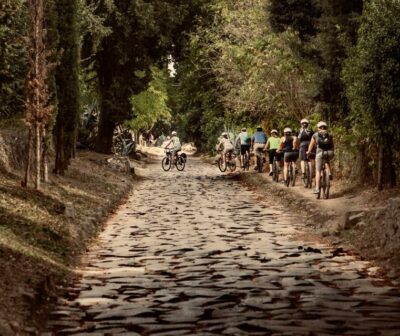
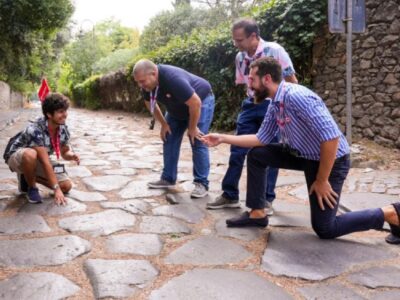
Let’s talk about the part that can make or break the experience: the ride surface. The route includes cobblestones, and at least one stretch of the Appian Way can be especially uneven. Expect a “bumpy” feel in places. You can still handle it if you’re steady on a bike, but it won’t be the same as riding a smooth bike path.
You also need to know how to ride a bike well. The tour notes moderate physical fitness and a requirement that you can ride comfortably. The e-bike makes it easier, but it doesn’t replace basic bike control.
Comfort-wise, saddle soreness is a real possibility on any long ride—especially with cobbled sections. If you’re prone to getting sore after cycling, consider bringing a cushioned saddle cover or using one of your own if you have it.
Heat is another factor. Even with stops and shade, Rome in summer can be brutal. If you’re visiting in peak warm weather, start early when possible, use sunscreen, and take the water breaks seriously.
Who Should Book This Appian Way E-Bike Tour
This is a great fit if you want:
- a half-day in Rome that goes outside the main center
- a mix of catacombs + outdoor ruins + aqueduct engineering
- an active day that doesn’t punish you with hills
- a guide who talks through what you’re seeing in a clear, friendly way (people highlight guides like Iman and Lorenzo for being patient and engaging)
It’s less ideal if:
- you hate uneven surfaces or you’re not comfortable with cycling for about 5 hours
- you want a mostly flat, stroller-style experience
- you’re expecting a totally gentle ride with no cobbles
Should You Book It?
If you’re the type of traveler who likes Rome’s “other side”—the roads, water systems, and ruins that feel spread out rather than crammed—you’ll probably love this. The combination of catacombs, Appian Way, and aqueduct parks is genuinely hard to replicate in one simple day without a vehicle.
Just go in with the right mindset: you’re riding for hours, and parts are bumpy. If that sounds like a trade-off you enjoy, book it. If you want maximum comfort and minimal friction, you may prefer a bus-based tour or a shorter cycling option.
FAQ
What is the duration of the tour?
The tour runs about 5 hours.
Where does the tour start?
It starts at Roma STARBIKE – Rome eBike Tours & Experiences, Via dei SS. Quattro, 58, 00184 Roma RM, Italy.
Does the tour end back at the meeting point?
Yes, it ends back at the meeting point.
Is the catacombs visit guided?
Yes. You get a guided visit of the catacombs, and catacombs admission is included.
What’s included with the e-bike?
You get an e-bike plus a helmet and accessories like a mobile phone holder and handlebar holder. Lunch or aperitif and all necessary bike equipment are included.
Is lunch included, or do you get an aperitif?
It depends on the time slot. The 5-hour format includes lunch and water in the morning, while in the afternoon lunch is replaced by a tasty aperitif.
What group size is this tour?
The tour has a maximum of 12 travelers.
Do you need to know how to ride a bike?
Yes. You MUST know how to ride a bike well.
What is the weight limit?
The max weight is 120 KG (265 pounds).
Is the tour offered in English?
Yes, it’s offered in English.
Can I get a full refund if I cancel?
You can cancel for a full refund if you cancel at least 24 hours before the experience’s start time.
Pedal Through More of Rome
- Rome EBike Tour: Appian Way, Catacombs & Roman Aqueducts
★ 5.0 · 1,766 reviews - Rome: Top Highlights & Hidden Gems Tour by Cannondale E-Bike
★ 4.9 · 1,760 reviews - Rome: Appian Way & Aqueducts E-Bike Tour (Catacombs & Food)
★ 4.9 · 1,498 reviews - Rome: Appian Way, Catacombs, & Roman Aqueducts E-bike Tour
★ 4.9 · 1,421 reviews - Rome City Small Group Bike Tour with quality Cannondale EBike
★ 5.0 · 1,380 reviews - Rome by Night – Ebike Small Group Tour – Food and Wine (Option)
★ 5.0 · 1,275 reviews
The Appian Way, Continued
- Rome EBike Tour: Appian Way, Catacombs & Roman Aqueducts
★ 5.0 · 1,766 reviews - Rome: Appian Way & Aqueducts E-Bike Tour (Catacombs & Food)
★ 4.9 · 1,498 reviews - Rome: Appian Way, Catacombs, & Roman Aqueducts E-bike Tour
★ 4.9 · 1,421 reviews - Rome Underground: Catacombs Tour, Aqueducts and Appian Way
★ 5.0 · 1,007 reviews - Appian Way Aqueducts Bike Tour (Catacombs & Lunch Option)
★ 5.0 · 975 reviews - Rome: Appian Way, Aqueducts, and Catacombs Tour
★ 4.7 · 942 reviews
Further Below Rome
- Rome: Capuchin Crypts and Catacombs Tour with Transfers
★ 4.6 · 6,456 reviews - The Original Roman Crypts and Catacombs Tour with Transfers
★ 4.5 · 4,896 reviews - Rome: Catacombs of St. Callixtus Entry Ticket & Guided Tour
★ 4.6 · 3,037 reviews - Rome: Guided Roman Catacombs Tour with Transfers
★ 4.6 · 1,830 reviews - Rome: Catacombs Guided Tour with Transfer
★ 4.2 · 1,808 reviews - Rome EBike Tour: Appian Way, Catacombs & Roman Aqueducts
★ 5.0 · 1,766 reviews
Just added to our Rome reviews





Roman Catacombs & Crypts Tours, compared.
 ★ 4.6Capuchin Crypts and Catacombs Tour with TransfersFrom $606,456 reviews
 ★ 4.5The Original Roman Crypts and Catacombs Tour with TransfersFrom $664,896 reviews
 ★ 4.6Catacombs of St. Callixtus Entry Ticket & Guided TourFrom $163,037 reviews
 ★ 4.6Guided Roman Catacombs Tour with TransfersFrom $651,830 reviews
 ★ 4.2Catacombs Guided Tour with TransferFrom $541,808 reviews
 ★ 5.0Rome EBike Tour: Appian Way, Catacombs & Roman AqueductsFrom $1021,766 reviews
 ★ 4.6Catacombs and Capuchin Crypt Guided Tour with TransferFrom $411,606 reviews
 ★ 4.7St. Peter’s Basilica Priority Access Tour with Dome & CryptFrom $701,504 reviews
Browse the lists this tour appears in