
Reviewed · 2-HOUR EXPERIENCES
2 Hour Tasting of Overlooked Wines of Rome and Lazio
Six Lazio wines beat another Rome museum visit.
I love how this tasting is built around hands-on guidance from a certified sommelier and wine educator (hosts like Frank or Fernanda have run sessions before), not just a scripted pour. You get a quick refresher on how to taste, then you move into six low-intervention wines from boutique producers across Lazio—perfect if you want real learning without turning it into a classroom.
Second thing I like: the setting makes it easy to stay comfortable and present. You’re in a dedicated air-conditioned room with Wi‑Fi and a bathroom, plus fresh bread and water to keep the pace enjoyable. A possible drawback: this is strictly about tasting (not a multi-stop winery day), so if you’re chasing big sights and outdoor walking, plan something else alongside it.
In This Review
- Key takeaways before you book
- A smart 2-hour break from Rome’s sightseeing rhythm
- Timing: why the 4:00 pm start is a gift
- Where it happens: Via in Selci 84/G (and what to look for)
- The classroom part: your tasting “refresher” so you taste with confidence
- What you actually drink: six overlooked natural wines of Lazio
- Terroir in real terms: soil, climate, and farming choices you can name
- Pairing guidance that helps tonight (not theory from a book)
- Bread, water, and pacing: the small details that make the tasting enjoyable
- The vibe: off-the-beaten-path without being confusing
- Price and value: what $96.02 buys you in Rome
- Who should book this Lazio wine tasting?
- Should you book this 2-hour Rome tasting?
- FAQ
- How long is the wine tasting?
- What time does it start?
- How much does it cost?
- How many wines will I taste?
- What’s included in the price?
- Is there food, or is it just wine?
- Where do I meet the group?
- Is it in English and how big is the group?
- What’s the cancellation policy?
Key takeaways before you book
- Six natural wines from Lazio: a guided flight designed to teach your palate, not just fill your glass.
- Small group size: up to 12 people, which keeps the Q&A from feeling rushed.
- Terroir explained in plain language: grape variety, soil, climate, and winemaking all connect to what you taste.
- Comfort matters in Rome: AC, Wi‑Fi, and restrooms in a focused tasting room.
- Bread + water for pacing: snacks are part of the plan, so you don’t feel steamrolled by alcohol.
- You’ll go at your level: the conversation adjusts if you’re brand-new or already serious about wine.
A smart 2-hour break from Rome’s sightseeing rhythm
Rome can be nonstop: cobblestones, crowds, and your camera battery dying at the worst moment. This tasting is a clean reset. Instead of trying to squeeze in one more stop, you get two hours that actually changes how you understand what you’re eating and drinking in Italy.
What makes the format feel worth your time is the balance: you learn the method first, then apply it right away to wine you won’t see on every supermarket shelf. You’re not just told that something is good; you’re taught what to notice—aroma, texture, balance, and how winemaking choices show up in the glass.
And since it runs in the afternoon, you get a useful payoff before dinner. You walk into your next meal with better instincts, not just a buzz.
Worth a look next to this Rome booking:
- Rome: Tuscany & Montepulciano Day Trip with Lunch & Wine Tasting
★ 4.5 · 5,232 reviews - Winner 2025 Rome Twilight Trastevere Food Tour by Eating Europe
★ 5.0 · 5,157 reviews - Rome: Street Food Tour with Local Guide
★ 4.8 · 4,077 reviews - Rome Food Tour: Unlimited Tastings with Fine Wine & Barolo
★ 5.0 · 3,365 reviews
Timing: why the 4:00 pm start is a gift
The start time is 4:00 pm, and the tasting lasts about 2 hours. That slot is ideal for a few reasons:
- You’re out before the late-night crowd crush, but after morning heat and early fatigue.
- You can still do dinner plans the same evening.
- The flight isn’t so late that it turns your night into a wine haze.
I also like that the tour ends back at the meeting point. No extra logistics to worry about, no confusing end location that leaves you figuring out transport while your brain is already halfway to dessert.
Where it happens: Via in Selci 84/G (and what to look for)
You meet at Via in Selci, 84/G, 00184 Roma RM, Italy. This is a central area, and the activity is near public transportation, so it’s realistic even if you’re not using private transport.
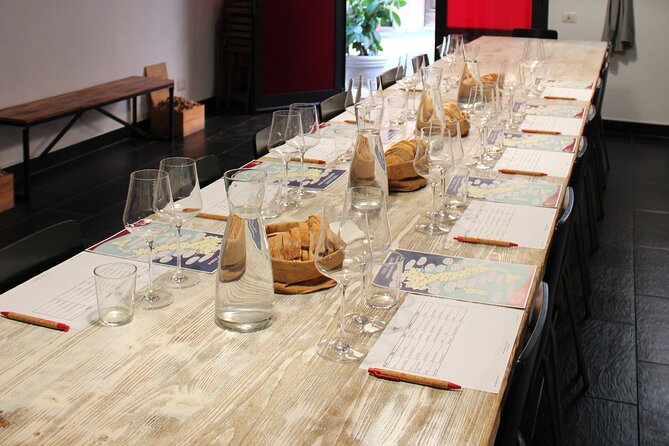
What you’re really buying here is the studio setup: a dedicated tasting room with AC, Wi‑Fi, and a restroom, plus staff who guide you through the tastings in English. In a city where indoor breaks are often either expensive or hard to find, this kind of straightforward comfort is genuinely practical.
The classroom part: your tasting “refresher” so you taste with confidence
Before the flight begins, you get a quick refresher on the steps of wine tasting. That matters more than it sounds, because most people don’t need more wine—they need a repeatable way to notice what they’re tasting.
Typically, the refresher covers the basics like:
- how to look at the wine (color and clarity as clues)
- how to smell it (where the aromas show up first)
- how to taste it (texture, acidity, and structure)
- how to connect those sensations to why the wine tastes the way it does
Then you go straight into the flight. That sequencing is the best part of the learning style. You’re not stuck taking notes while your palate stays blank; you learn, taste, and recalibrate in real time.
Also, I like the way the discussion is responsive. If you’re new, you get it explained. If you’re already into wine, you can push for more detail—soil, farming decisions, and techniques behind low-intervention production. The goal is to meet you at your level and then nudge you forward.
Worth a look next to this Rome booking:

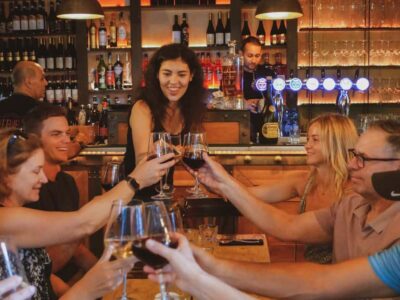
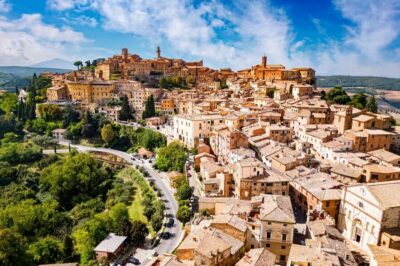
What you actually drink: six overlooked natural wines of Lazio
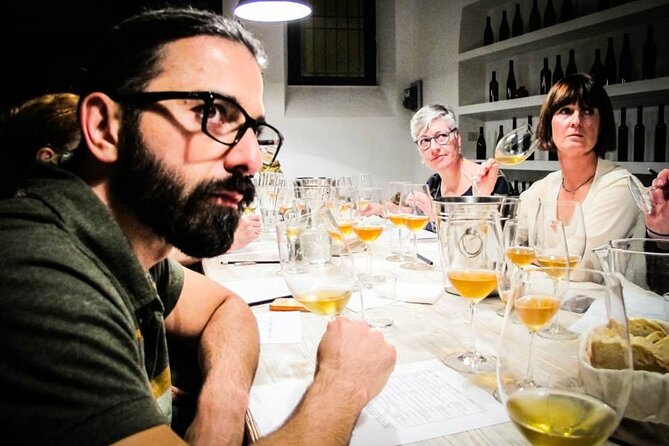
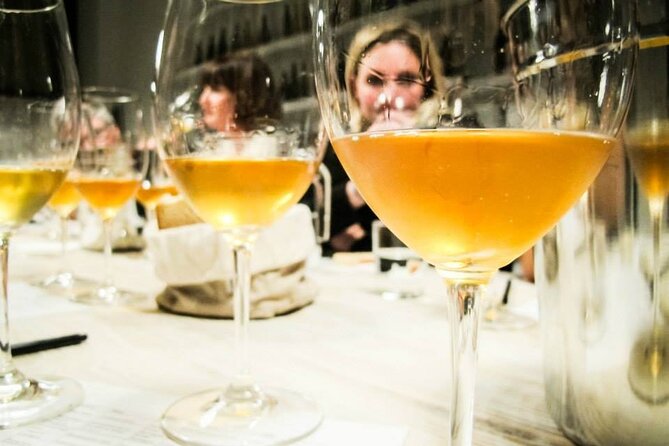
You’ll taste six locally produced, low-intervention wines made by boutique wineries in Lazio. That’s the core of the experience, and it’s also why it works even if you’ve never done a tasting before.
Here’s the practical value of that lineup: Lazio sits close enough to Rome that it’s part of your “Italy story,” but it’s not as over-branded as regions people expect. So you get variety without feeling like you’re repeating the same three label styles.
Even better, the tasting is framed as cause-and-effect. As each wine arrives, you’re shown what to look for and why it’s showing up. You’ll hear how factors like:
- different grape varieties
- soil types and growing conditions
- climate influences
- winemaking choices (including low-intervention approaches)
all translate into what’s in your glass—aroma, flavor range, acidity, and mouthfeel.
And since these are natural-style wines, you may find the profiles feel more expressive and less “manufactured.” The tasting host helps you connect that to agricultural practices and fermentation choices, instead of treating it like a mystery you either like or don’t.
Terroir in real terms: soil, climate, and farming choices you can name
One reason I recommend this to people who want better than label-reading is that it gives you vocabulary that actually maps to taste.
Instead of vague comments, you get explanations tied to terroir: soil and climate, plus how the vines are grown. The session also covers agricultural practices like organic, biodynamic, and sustainable farming—and how those choices can affect the final result.
This is where the tasting becomes more than a fun hour. Once you understand the chain from vineyard to bottle, your next meals make sense too. You’ll start noticing which wines handle food best, which ones feel lighter or more structured, and how acidity or tannin changes your bite-to-sip rhythm.
It’s also the kind of learning that sticks. After a tasting like this, you can walk through a wine shop or a restaurant list and decode what you’re being offered instead of just guessing.
Pairing guidance that helps tonight (not theory from a book)
The tour includes general guidelines for pairing wines with food. That sounds generic, but in practice it’s useful because your new knowledge comes from the exact flight you just tasted.
The host talks about how to think about pairing—how acidity can refresh, how texture can match food weight, and how certain styles do better with certain flavors. You’re also likely to hear practical tips about what works in Italian settings, where wine is often part of the everyday meal, not a separate event.
And because you have bread and water during the flight, you get a built-in testing ground. You learn how the palate reacts as the tasting progresses, which makes it easier to choose a wine for dinner that won’t fight your food.
Bread, water, and pacing: the small details that make the tasting enjoyable
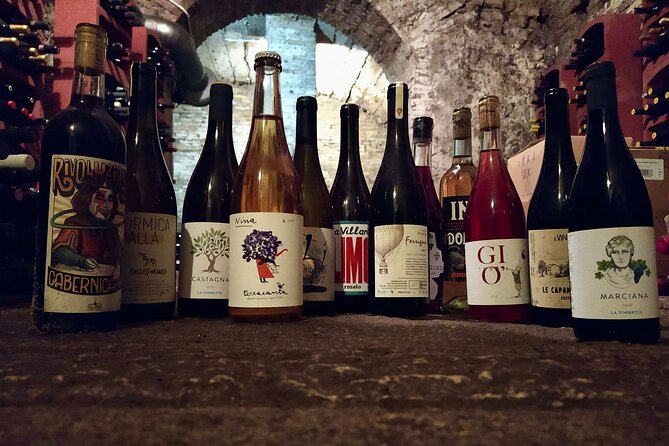
Included snacks are bread to cleanse your palate and absorb some alcohol, and you also get bottled water. You can request a gluten-free option for the bread.
This is more important than it seems. In Rome, you’ll often do wine and food close together, but a tasting without palate reset can leave you feeling sluggish or overly intense in your mouth by the third or fourth pour. Here, the setup is designed to keep the tasting comfortable and let you notice differences between the wines.
Also, the room has Wi‑Fi and is air-conditioned. That’s not just a convenience—it helps you stay present. You’re not sweating through a tasting or scrambling for a bathroom break while your focus slips.
The vibe: off-the-beaten-path without being confusing
You’ll find this is an easy “Roman pause.” It’s tucked away enough to feel like a studio stop rather than a tourist bus event, but it’s still in a central Rome area with access to public transportation.
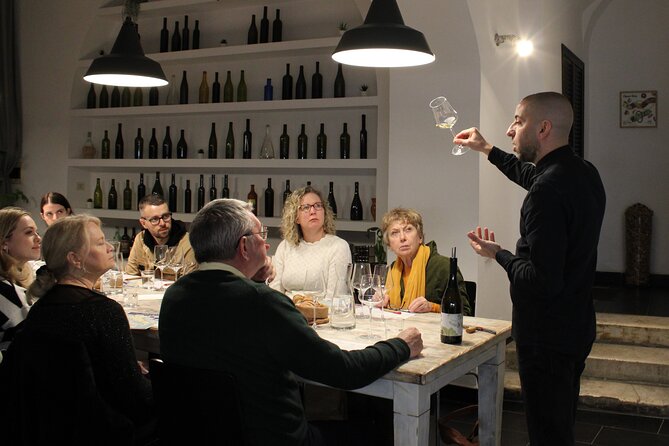
The maximum group size is 12, which helps keep the tone conversational. You’re not just sitting in rows getting facts dumped on you. You can ask questions, and the host can steer discussion toward what you care about—whether that’s learning your first wine vocabulary or getting more specific about how natural practices change the final bottle.
In the reviews people liked the intimacy and the fun, and that matches what this format is set up to deliver: structured, but not stiff.
Price and value: what $96.02 buys you in Rome
The price is $96.02 per person for about 2 hours. That might sound high at first glance—until you break it down.
What’s included:
- 6 glasses of wine (tasting amounts)
- bottled water
- bread snacks
- printed info and learning materials
- a room with AC, Wi‑Fi, and a bathroom
- all fees and taxes
- instruction in English
You’re paying for more than wine. You’re paying for guided learning from a certified sommelier/wine educator, plus an environment built for comfort and focus. In Rome, that can be better value than spending money on a long activity that gives you photos but not much understanding.
It’s also a smart use of time. Two hours is often the hardest part of a city schedule to protect. This gives you a clear block, a defined start, and a satisfying payoff before dinner.
Who should book this Lazio wine tasting?
This tour is a strong fit if you:
- want an indoor, relaxed activity that still teaches you something real
- like natural or low-intervention wines and want context for what you’re tasting
- prefer small-group settings where you can ask questions
- want a pre-dinner plan that doesn’t require transportation to a far-out location
- are curious about how wine connects to Italian culture and day-to-day life
It may not be the best fit if you:
- only want big-ticket sights and don’t want a wine-centered evening plan
- don’t drink alcohol and can’t swap to a non-alcohol option (the tour data only states wine tasting)
Should you book this 2-hour Rome tasting?
Yes, if you want a practical, high-learning stop that pairs well with the rest of your Rome day. The combination of six Lazio wines, a serious educator-led format, and a comfortable AC studio makes it feel efficient and worth the cost.
Book it especially if you’re tired of generic “taste a few things” events. This one aims to make you understand why the wines taste the way they do—so the next restaurant wine list feels less like guessing and more like choosing.
FAQ
How long is the wine tasting?
It runs for about 2 hours.
What time does it start?
It starts at 4:00 pm.
How much does it cost?
The price is $96.02 per person.
How many wines will I taste?
You’ll taste 6 glasses of wine (tasting amounts).
What’s included in the price?
Wine tastings, bottled water, bread snacks, Wi‑Fi and air-conditioning in the tasting room, access to a restroom, printed info/learning materials, and all fees and taxes.
Is there food, or is it just wine?
Bread snacks are provided during the tasting to cleanse your palate and help absorb some alcohol. A gluten-free option is possible upon request.
Where do I meet the group?
You meet at Via in Selci, 84/G, 00184 Roma RM, Italy, and the tour ends back at the meeting point.
Is it in English and how big is the group?
It’s offered in English, and the maximum group size is 12 people.
What’s the cancellation policy?
Free cancellation is available. You can cancel up to 24 hours in advance for a full refund.
More Wine Tours in Rome
- Rome: Tuscany & Montepulciano Day Trip with Lunch & Wine Tasting
★ 4.5 · 5,232 reviews - Rome: Pasta & Tiramisu Class with Fine Wine by the Vatican
★ 4.9 · 4,852 reviews - Rome Food Tour: Unlimited Tastings with Fine Wine & Barolo
★ 5.0 · 3,365 reviews - Rome: Pasta Making Class with Wine, Limoncello, and Dessert
★ 4.9 · 3,177 reviews - Rome: Guided Food Walking Tour with Wine in Trastevere
★ 4.9 · 3,105 reviews - Rome: Tuscany & Montepulciano Day Trip with Lunch & Wines
★ 4.7 · 3,004 reviews
More Food & Drink in Rome
- Rome: Tuscany & Montepulciano Day Trip with Lunch & Wine Tasting
★ 4.5 · 5,232 reviews - Winner 2025 Rome Twilight Trastevere Food Tour by Eating Europe
★ 5.0 · 5,157 reviews - Rome: Street Food Tour with Local Guide
★ 4.8 · 4,077 reviews - Rome Food Tour: Unlimited Tastings with Fine Wine & Barolo
★ 5.0 · 3,365 reviews - Rome Food Tour: Campo de’ Fiori, Ghetto, Trastevere Winner 2024
★ 5.0 · 3,205 reviews - Rome: Guided Food Walking Tour with Wine in Trastevere
★ 4.9 · 3,105 reviews
More Tour Reviews in Rome
- Vatican Museums, Sistine Chapel & St. Peter’s Basilica Tour
★ 4.3 · 73,970 reviews - Vatican Museums, Sistine Chapel & St Peter’s Basilica Guided Tour
★ 4.5 · 39,149 reviews - Rome: Colosseum, Palatine Hill and Roman Forum Guided Tour
★ 4.8 · 32,814 reviews - Rome: Guided Tour of Colosseum, Roman Forum & Palatine Hill
★ 4.7 · 27,897 reviews - Rome: Colosseum & Forum with Audio Guide App -Optional Arena
★ 4.2 · 24,770 reviews - Rome: Colosseum, Roman Forum and Palatine Hill Guided Tour
★ 4.5 · 23,903 reviews
Just added to our Rome reviews





2-Hour Experiences, compared.
 ★ 4.5Vatican Museums & Sistine Chapel Express 2-Hour Guided TourFrom $711,037 reviews
 ★ 4.72-Hour Gladiator SchoolFrom $135630 reviews
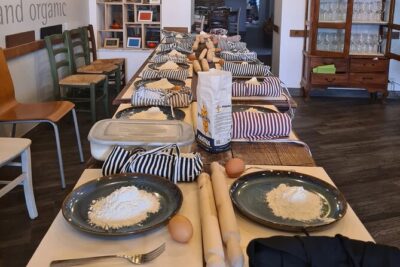 ★ 5.0Cooking Class 2 Hour Spanish Steps – Fettucine and TiramisùFrom $113298 reviews
 ★ 5.0Rome 2 hour Golf Cart night tour with Hotel PickupFrom $313215 reviews
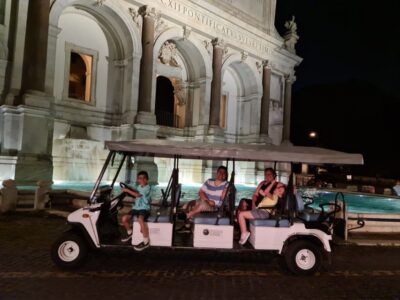 ★ 5.02-Hour Golf Cart Sightseeing Tour at NightFrom $202124 reviews
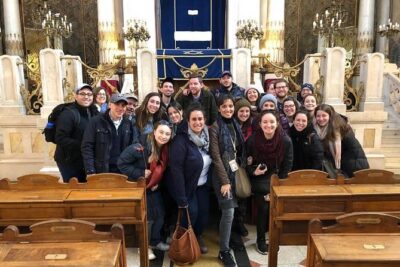 ★ 5.0Jewish Ghetto, Synagogues & Museum Tour with Jewish Guide 2 hoursFrom $161111 reviews
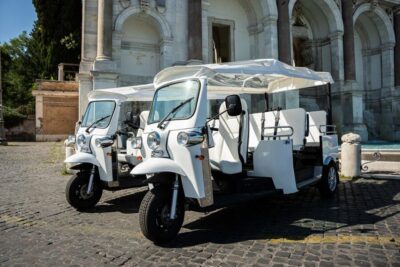 ★ 5.02-Hour Vip Tuk-tuk tour with Hotel Pickup and ProseccoFrom $15792 reviews
 ★ 5.0Rome Private 2-Hour Tour with Hotel PickupFrom $22864 reviews
Browse the lists this tour appears in