
Reviewed · COLOSSEUM & ANCIENT ROME TOURS
Rome: 2-Hour Gladiator School
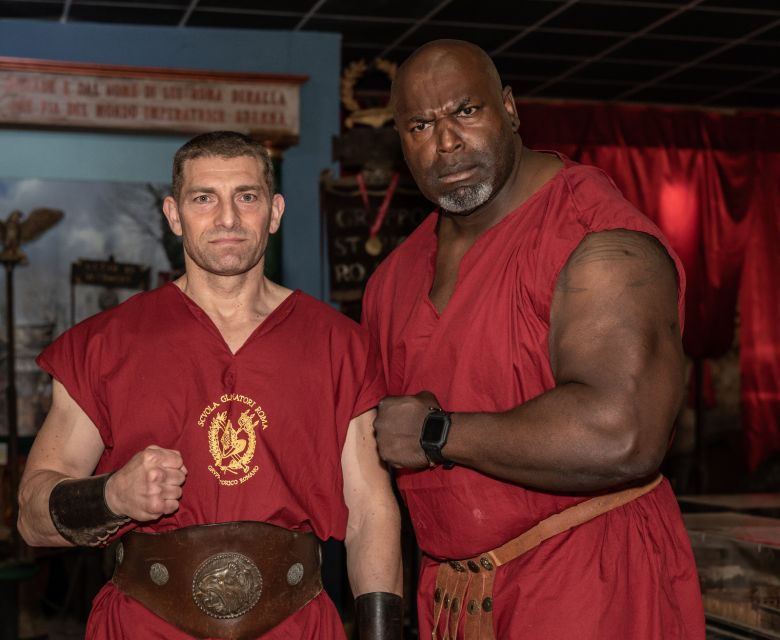
This is Rome with foam swords. On the Via Appia Antica, you do a 2-hour gladiator course that mixes a museum stop with real, safe sword training and a big finale.
I like that it’s built for both kids and adults, so you’re not stuck watching while others play-act. You’ll also get a guided talk about what gladiators faced in the imperial city, not just “cool sword moves.”
I love the nonstop, hands-on pace—constant action from the moment you arrive. I also really like the foam-sword finale, because you get to put what you learned into a dramatic, arena-style moment.
The only drawback to plan for: mosquitoes and hot, sun-baked conditions can pop up out on the Appian Way, so bring bug spray and expect to sweat a bit.
In This Review
- Key Points to Know Before You Go
- Gladiator School of Rome on the Appian Way: Your Starting Point
- What the 2 Hours Actually Include: Museum, Tunic, Training, Certificate
- Sword Fighting 101: Safe Basics That Don’t Feel Fake
- Gladiator Life in Plain Talk: What the Instructor Connects for You
- The Finale in the Arena: Your Foam-Sword Battle Moment
- Instructors Matter: Mirko, Olympus, Cena, Marko, Patriccio, Sina
- What to Bring on the Appian Way: Heat, Bugs, and Comfort
- Price and Value at $135.94: What You’re Really Paying For
- Who Should Book Gladiator School, and Who Might Skip It
- Should You Book This Gladiator School Lesson in Rome?
- FAQ
- FAQ
- How long is the Rome Gladiator School course?
- Where do I meet the instructor?
- Is the class good for children?
- Do adults have to participate, or can they watch?
- What’s included in the price?
- What languages are the instructors?
- How do I get there using public transport?
- Is it wheelchair accessible?
- Can parents skip paying if they don’t attend?
- Is there free cancellation?
Key Points to Know Before You Go
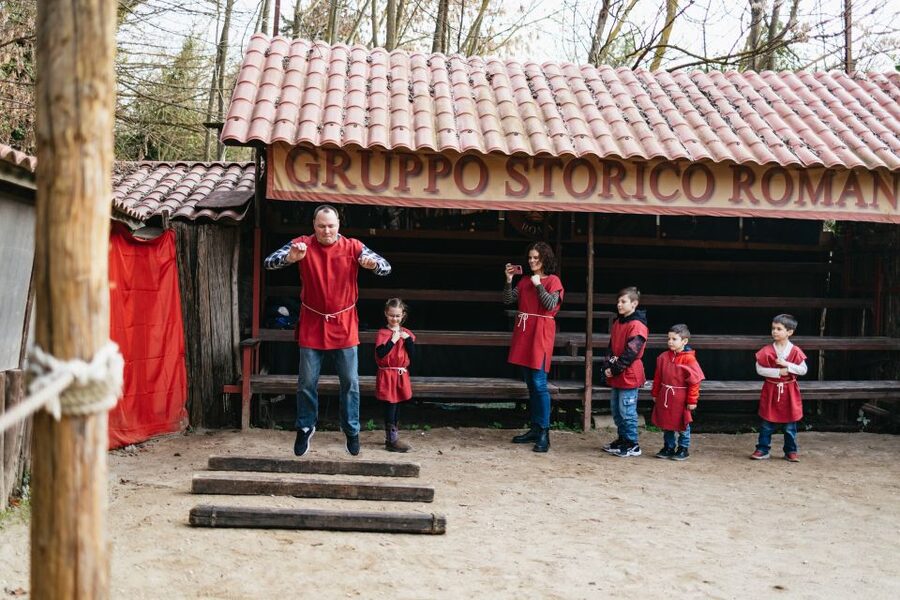
- Via Appia Antica training setting: the course takes place on Rome’s famous Appian Way.
- Hands-on swordplay: you practice basic gladiator-style techniques safely, not just stand and listen.
- Museum stop included: you also see Roman-era items connected to gladiators and weapons.
- A real “final battle” moment: the class ends with arena-style combat using foam swords.
- Family-proof energy: kids stay engaged, and adults watching often find it genuinely fun.
- Bring insect repellent: mosquitoes can be an issue, especially on warm days.
Gladiator School of Rome on the Appian Way: Your Starting Point
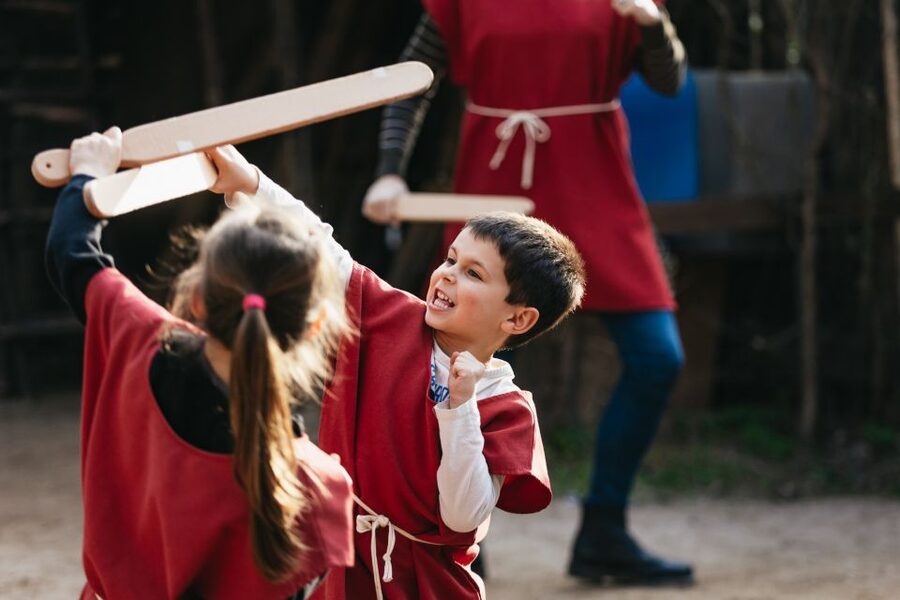
The course meets at the Gladiator School of Rome on the Appian Way—specifically described as the Appian Way setting near the old road network that still feels like Rome’s “outskirts in style.” It’s not the kind of activity you want to do when you’re already exhausted from museum hopping. This one is all about movement and focus.
For getting there, use the nearby bus stop Appia Antica–Travicella (lines 118 or 218). That matters because you’ll avoid the “we’re almost there” stress that can wreck the first few minutes of a short, structured class.
What you’ll feel when you arrive: this is a school experience, not a passive show. You’re handed a role, you learn terms and techniques, and you’re coached step-by-step. That’s why it works so well for families—kids don’t just watch. Adults aren’t relegated to the sidelines either; spectators often end up participating in the cheering and learning.
Practical note: the Appian Way area can be hot and exposed. One smart way to plan your day is to schedule this earlier, or at least pick a time when you can handle sun and walking without rushing.
Still on ancient Rome? A few more we rated
- Rome: Colosseum, Palatine Hill and Roman Forum Guided Tour
★ 4.8 · 32,814 reviews - Rome: Guided Tour of Colosseum, Roman Forum & Palatine Hill
★ 4.7 · 27,897 reviews - Rome: Colosseum & Forum with Audio Guide App -Optional Arena
★ 4.2 · 24,770 reviews - Rome: Colosseum, Roman Forum and Palatine Hill Guided Tour
★ 4.5 · 23,903 reviews
What the 2 Hours Actually Include: Museum, Tunic, Training, Certificate
This is a compact class by design: 2 hours, then you’re done and back at the meeting point. The best part is that the time doesn’t feel padded. You get multiple “modes” so your brain doesn’t go numb.
Here’s the flow you should expect:
1) Museum visit
You start with a museum component included in the price. Several people note it’s not huge, but it’s packed with items that feel connected to real gladiators rather than Hollywood-style costumes. This is where you get the baseline: what the gear is, how it relates to training and combat, and what Roman fighters were up against.
2) Roman history intro
After you settle in, the instructor brings in Roman context—life in the imperial city and what gladiators meant in that world. This isn’t meant to replace the Colosseum. It adds a layer of understanding so the swordwork later feels purposeful, not random.
3) Tunic-up and safe technique training
Then you shift to the active part: wearing the gladiator tunic and practicing basic sword fighting skills. The class is built to be safe, with clear instruction and training format. The point is to teach enough technique that you can actually use it in the finale.
4) Gladiator life talk between drills
Along the way, you’ll hear what life as a gladiator looked like—discipline, training expectations, and what the role meant. Even when you’re moving, it’s not just choreography. The instructor explains the “why” behind the movements and habits.
5) Drinks and a certificate
You also get drinks included, and at the end you receive a certificate. That sounds small, but it’s a real motivator for kids and a nice souvenir for adults.
Because the program includes both the museum and the training, it doesn’t feel like a one-note stunt. You leave with a story you can tell, plus the physical memory of practicing the moves.
Sword Fighting 101: Safe Basics That Don’t Feel Fake
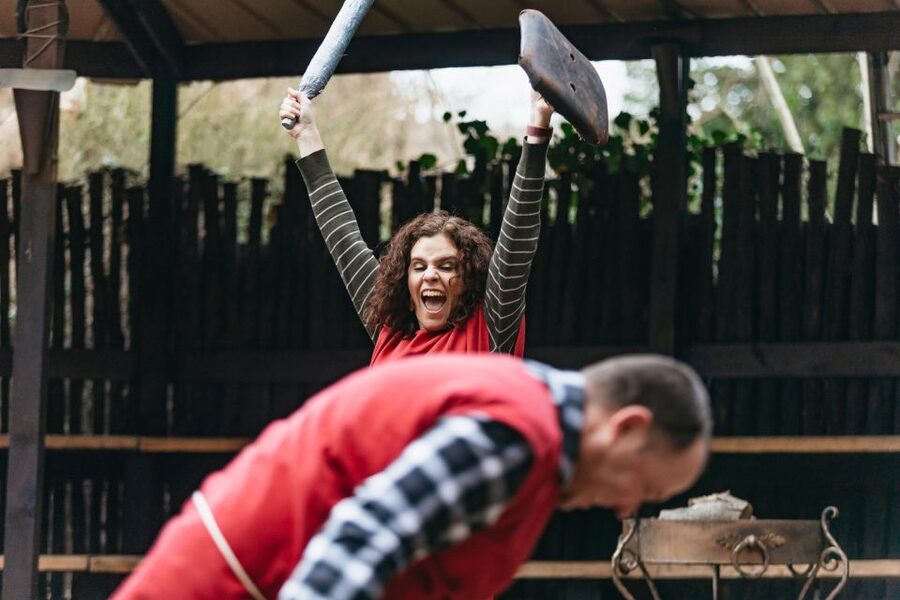
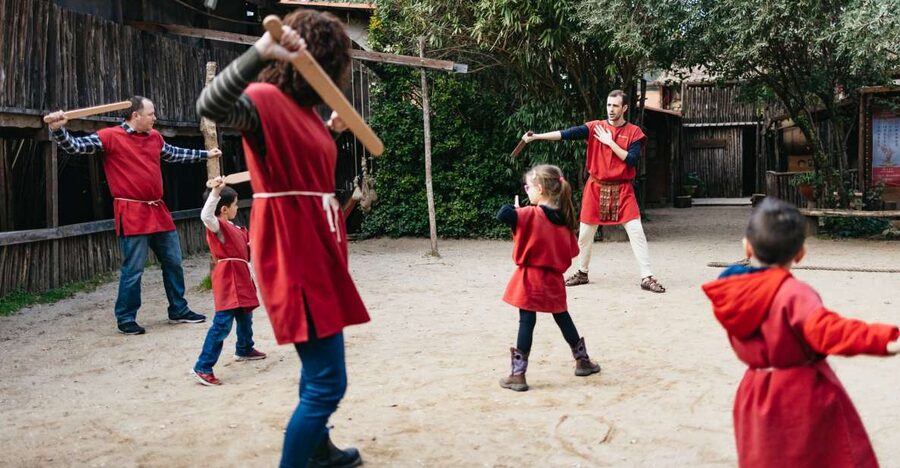
Let’s talk about the biggest reason this course gets such strong reactions: the training is interactive and structured. You’re not thrown into chaos. You learn basic technique, then you build on it.
From the way the course is described, you’ll focus on:
- Roman weapons and swordplay techniques presented step-by-step
- Practice designed for safety (using foam swords in the combat portion)
- Coaching that keeps the group moving and engaged, not stuck waiting for turns forever
And yes, it’s fun. But it’s also “legit enough” that adults who feared it would be too cheesy often end up pleasantly surprised. The key is that the instruction is about fundamentals—stance, timing, and controlled movements—so everyone can follow along.
If you’re bringing kids, this matters. A good class feels like exercise first, drama second. That’s the balance people rave about: the fighting is entertaining, but it’s also clearly taught in a controlled way.
If you’re an adult and you’re thinking you’ll just watch: I wouldn’t count yourself out. Many people choose to do the course only as spectators and still find the pace and teaching style highly engaging. This is the kind of activity where watching doesn’t mean boredom.
Gladiator Life in Plain Talk: What the Instructor Connects for You

The history part isn’t a long lecture. It’s woven into the experience so it connects to what you’re doing.
You’ll get explanations about:
- Life for gladiators in Ancient Rome
- How the imperial city shaped entertainment and public identity
- The role of discipline and technique (not just brute force)
- Context for why weapons and training mattered in that culture
One pattern shows up again and again: the instructors bring personality and humor into the material. That makes the history feel like information you can carry, not facts you forget after the museum gift shop.
If you’ve already visited the Colosseum and you want something that turns the giant venue into a story you can understand, this fills the gap. The sword training plus the “life” talk helps you picture what the gladiator role demanded—mentally and physically—before you ever see a reenactment in real life.
Worth a look next to this Rome booking:



The Finale in the Arena: Your Foam-Sword Battle Moment
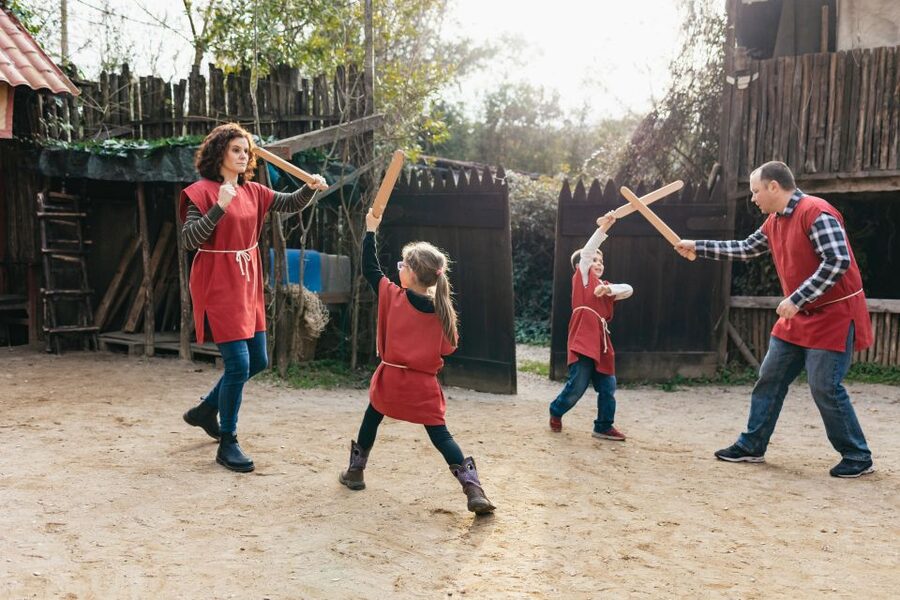
The big finish is what many people remember most: a final battle in an amphitheatre setting. It’s framed as a dramatic moment, and the combat is done with foam swords, which keeps it fun while still feeling like an arena showdown.
What makes the finale work:
- You’ve already practiced basics, so it doesn’t feel like random play
- You’re part of a group moment, which makes kids especially proud
- The action is the reward for paying attention during the earlier training and history talk
- The setting adds theater without turning the whole class into a script
People also mention the certificate handout after the action. That matters because kids leave with proof they did something real, not just something they watched.
If you’re the type who likes photos: this is the portion where you’ll want your camera ready. It’s not just about posing. It’s the culmination of what the instructor taught, so it’s actually worth documenting.
Instructors Matter: Mirko, Olympus, Cena, Marko, Patriccio, Sina
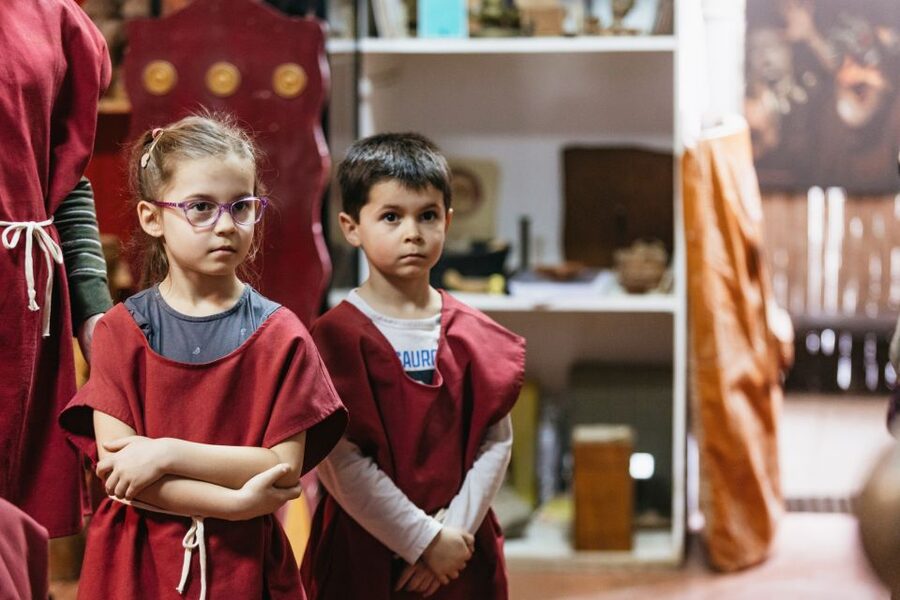
A gladiator school class rises or falls on the instructor. And in this program, you can see a pattern in the instructor styles people mention by name.
You may get instructors such as:
- Mirko, praised for keeping the activity fun and engaging for kids and families
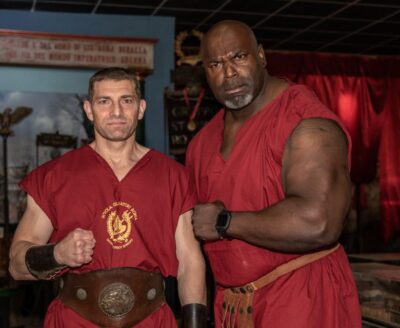
- Olympus, described as a real gladiator with a focus on authentic details and teaching how it works
- Cena, highlighted for loving Rome’s history and sharing it in an entertaining way
- Marko, mentioned for keeping kids interested while also managing adult participation
- Patriccio, noted for interacting well with kids and helping them feel accomplished
- Sina, described as fluent in English and energetic, making the class feel high-quality
Even without meeting any specific named instructor, the takeaway for you is clear: expect an instructor who stays active, moves around the group, and keeps energy high. That’s a big part of why the class feels like it lasts exactly as long as it should, with no dead time.
If you’re sensitive to classes that run dry or overly scripted, this is worth booking because the teaching style is built for participation.
What to Bring on the Appian Way: Heat, Bugs, and Comfort

This training takes place outdoors in the Appian Way area, so you’re dealing with real-world conditions. The practical advice is simple.
Bring:
- Insect repellent (mosquitoes can be an issue)
- Sunscreen and something to drink if you’re prone to overheating (even though drinks are included)
- Comfortable shoes with grip for training and walking around the site
What to expect on hot days:
- People note there are shaded spots and cold water available. That helps, but it doesn’t erase summer conditions. Dress for heat, not for fashion.
Also, wear clothing you don’t mind getting a bit sweaty. This is a “move around” activity.
Price and Value at $135.94: What You’re Really Paying For
At $135.94 per person for a 2-hour experience, you’re not just paying for a story. You’re paying for:
- A guided museum visit
- Structured, hands-on training with coaching
- The use of equipment and safety setup (including foam swords for the finale)
- Included drinks
- A certificate to close the loop
So the value math looks like this: you’re effectively buying an hour-by-hour program that combines education, participation, and a coached performance moment. Many “Rome kids activities” are either purely entertainment or purely museum time. This one blends both, and the class stays active so it doesn’t feel like babysitting.
Is it expensive? Compared to walking into a museum and doing self-guided wandering, yes. Compared to a guided activity where everyone gets to do something, it tends to feel more reasonable.
Where the price makes the most sense:
- Families with kids who will actually participate
- Adults traveling with kids who want something more than a slow sightseeing day
- Couples who want a shared experience with a clear endpoint and souvenir moment
Who Should Book Gladiator School, and Who Might Skip It
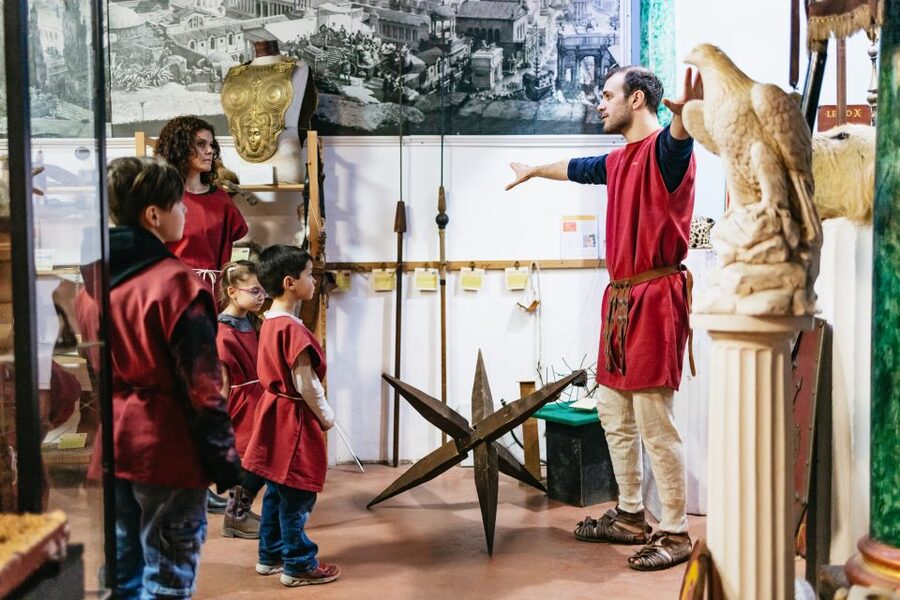
This course fits best when you want an active break from standard sightseeing.
It’s a great match if you:
- Want a kid-friendly, not-kiddie experience (the pacing is designed to keep attention)
- Like hands-on learning, even if you’re not a “history person”
- Want an add-on after seeing the Colosseum so you understand the “human” side of it
You might reconsider if you:
- Expect a mostly seated, quiet tour
- Hate physical activities, even light training
- Are traveling during peak heat with no tolerance for sun and outdoor conditions (not because it’s unsafe, but because you’ll feel it)
The best part is that it’s flexible in spirit. Adults can take part, or watch and still enjoy the show-and-learn structure.
Should You Book This Gladiator School Lesson in Rome?
My practical take: if you’re in Rome for more than a day and you want one activity that’s interactive, memorable, and timed perfectly, yes, book it.
Do it especially if:
- You want a family-friendly experience with real coaching and a fun finale
- You’ve already visited the Colosseum and want the gladiator story to make more sense
- You want a Roman-themed day that doesn’t require planning a whole itinerary around it
Skip it if you’re looking for a calm, quiet museum-style outing. This is an active class with sun, bugs, and movement.
If you book, I’d also plan to arrive ready to participate. When you do that, the value and the fun line up exactly the way the best classes do.
FAQ
FAQ
How long is the Rome Gladiator School course?
The course lasts 2 hours.
Where do I meet the instructor?
Meet your instructor at the Gladiator School of Rome on the Appian Way.
Is the class good for children?
Yes. It’s described as suitable for children and adults, with training designed so kids can participate.
Do adults have to participate, or can they watch?
The program is set up so adults can take part. It also works for spectators, though the details of participation depend on the group instructions.
What’s included in the price?
Included are a museum visit, gladiator training, a certificate, and drinks.
What languages are the instructors?
Instruction is available in English and Italian.
How do I get there using public transport?
The nearest bus station is Appia Antica–Travicella (lines 118 or 218).
Is it wheelchair accessible?
Yes, it is wheelchair accessible.
Can parents skip paying if they don’t attend?
Parents and/or companions do not have to pay if they do not attend the course.
Is there free cancellation?
Yes. You can cancel up to 24 hours in advance for a full refund.
More 2-Hour Experiences in Rome
- Vatican Museums & Sistine Chapel Express 2-Hour Guided Tour
★ 4.5 · 1,037 reviews - Cooking Class 2 Hour Spanish Steps – Fettucine and Tiramisù
★ 5.0 · 298 reviews - Rome 2 hour Golf Cart night tour with Hotel Pickup
★ 5.0 · 215 reviews - Rome: 2-Hour Golf Cart Sightseeing Tour at Night
★ 5.0 · 124 reviews - Jewish Ghetto, Synagogues & Museum Tour with Jewish Guide 2 hours
★ 5.0 · 111 reviews - Rome: 2-Hour Vip Tuk-tuk tour with Hotel Pickup and Prosecco
★ 5.0 · 92 reviews
More Tour Reviews in Rome
- Vatican Museums, Sistine Chapel & St. Peter’s Basilica Tour
★ 4.3 · 73,970 reviews - Vatican Museums, Sistine Chapel & St Peter’s Basilica Guided Tour
★ 4.5 · 39,149 reviews - Rome: Colosseum, Palatine Hill and Roman Forum Guided Tour
★ 4.8 · 32,814 reviews - Rome: Guided Tour of Colosseum, Roman Forum & Palatine Hill
★ 4.7 · 27,897 reviews - Rome: Colosseum & Forum with Audio Guide App -Optional Arena
★ 4.2 · 24,770 reviews - Rome: Colosseum, Roman Forum and Palatine Hill Guided Tour
★ 4.5 · 23,903 reviews
Ancient Rome, Kept Going
- Rome: Colosseum, Palatine Hill and Roman Forum Guided Tour
★ 4.8 · 32,814 reviews - Rome: Guided Tour of Colosseum, Roman Forum & Palatine Hill
★ 4.7 · 27,897 reviews - Rome: Colosseum & Forum with Audio Guide App -Optional Arena
★ 4.2 · 24,770 reviews - Rome: Colosseum, Roman Forum and Palatine Hill Guided Tour
★ 4.5 · 23,903 reviews - Rome: Colosseum Arena Floor, Palatine & Forum Guided Tour
★ 4.5 · 20,180 reviews - Rome: Colosseum Arena, Palatine Hill & Forum Guided Tour
★ 4.7 · 14,510 reviews
Just added to our Rome reviews




Colosseum & Ancient Rome Tours, compared.
 ★ 4.8Colosseum, Palatine Hill and Roman Forum Guided TourFrom $5232,814 reviews
 ★ 4.7Guided Tour of Colosseum, Roman Forum & Palatine HillFrom $5527,897 reviews
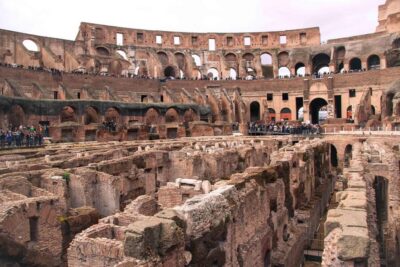 ★ 4.2Colosseum & Forum with Audio Guide App -Optional ArenaFrom $4124,770 reviews
 ★ 4.5Colosseum, Roman Forum and Palatine Hill Guided TourFrom $5923,903 reviews
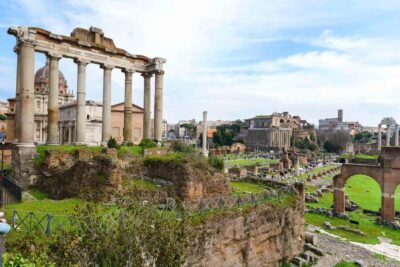 ★ 4.5Colosseum Arena Floor, Palatine & Forum Guided TourFrom $4120,180 reviews
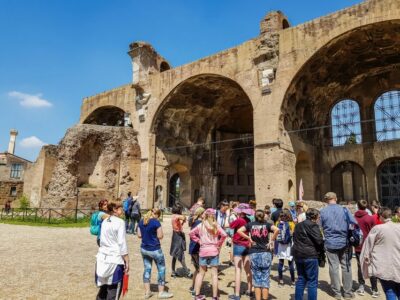 ★ 4.7Colosseum Arena, Palatine Hill & Forum Guided TourFrom $8414,510 reviews
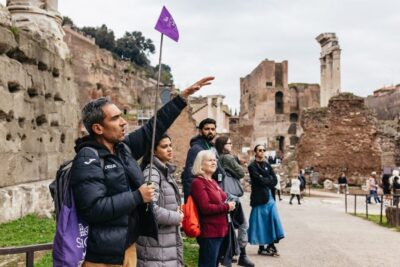 ★ 4.6Colosseum,Forum & Palatine Tour + Optional Arena FloorFrom $4513,169 reviews
 ★ 4.7Colosseum: Underground and Ancient Rome TourFrom $16012,691 reviews
Browse the lists this tour appears in