
Reviewed · VATICAN MUSEUMS TOURS
Vatican Museums and the Sistine Chapel Skip-the-Line Tour
Skip the line, see the Vatican smarter. This tour is interesting because it pairs priority entrance with a guide who focuses on the big moments across the Vatican Museums and the Sistine Chapel. I like that you don’t have to “figure it out” while surrounded by chaos. One possible drawback: the pace can feel tight if you want tons of free time in each room.
You’ll usually be with a small group (up to 20), and that matters in a place this crowded. I also like that they use headsets, which helps when the rooms get noisy and your group keeps moving. If you’re hoping for a slow, meander-everywhere style day, this may not be your best match.
Plan for basic rules and real walking. You’ll need knees and shoulders covered, carry a valid ID, and expect crowds plus stairs even when shortcuts are used. Also, access to St. Peter’s Basilica at the end depends on what’s open that day.
In This Review
- Key things that make this tour worth your time
- Why the Vatican feels easier with priority entrance
- Meeting at Via Sebastiano Veniero: the 15-minute rule that helps
- Vatican Museums: how you actually get value from 20,000 works
- Gallery of Maps: a surprising stop that’s genuinely fun
- Museo Pio-Clementino: Roman and Greek sculpture, guided
- Sistine Chapel: timing, rules, and what to focus on
- St. Peter’s Basilica at the end: what’s included and what can change
- Group size, headsets, and the difference a great guide makes
- Duration vs reality: plan for 4 hours if you hate rushing
- Price and value: what you’re paying for
- Tips that make the tour smoother from the start
- Who should book this Vatican Museums and Sistine Chapel tour
- Should you book it?
- FAQ
- How long is the Vatican Museums and Sistine Chapel tour?
- What’s included in the skip-the-line experience?
- Where do we meet, and when should we arrive?
- What should I wear and what documents should I bring?
- Is St. Peter’s Basilica access guaranteed at the end?
- What happens if the Vatican closes parts of the tour or it’s canceled?
Key things that make this tour worth your time
- Skip-the-line entry that saves you from the worst outdoor queues
- Headsets so you can actually follow the guide in loud galleries
- Sistine Chapel + Museums coverage in one connected route
- Practical highlight focus (think Maps Room and major sculpture galleries)
- St. Peter’s Basilica access may be possible depending on availability
Why the Vatican feels easier with priority entrance
The Vatican Museums are not a place you “casually stroll” if you only have a morning or afternoon. Without a timed entry plan, you lose precious minutes to lines and bottlenecks that can make even famous art feel like a blur.
This tour’s biggest value is the fast-track entry to the Vatican Museums and Sistine Chapel. It gets you inside and moving, so your time goes to the art, not the queue. When you’re paying around $84.47 per person, you’re buying back time and energy—especially on busy days.
That time-saving also helps you do something most first-timers struggle with: seeing the right highlights. The Vatican has so much material that “just wander” can become “what did I miss?” With a guide, you get a clearer route and better context for what you’re looking at.
Other ways through the Vatican Museums
- Skip the Line: Vatican & Sistine Chapel Ticket with Audio Guide
★ 4.0 · 3,271 reviews - Skip-the-Line Ticket with Host – Vatican Museums & Sistine Chapel
★ 5.0 · 1,267 reviews - Rome: Vatican Pass plus Top Attractions and Transport
★ 3.5 · 1,242 reviews - Skip The Line ticket to the Vatican Museums & the Sistine Chapel
★ 3.0 · 1,160 reviews
Meeting at Via Sebastiano Veniero: the 15-minute rule that helps
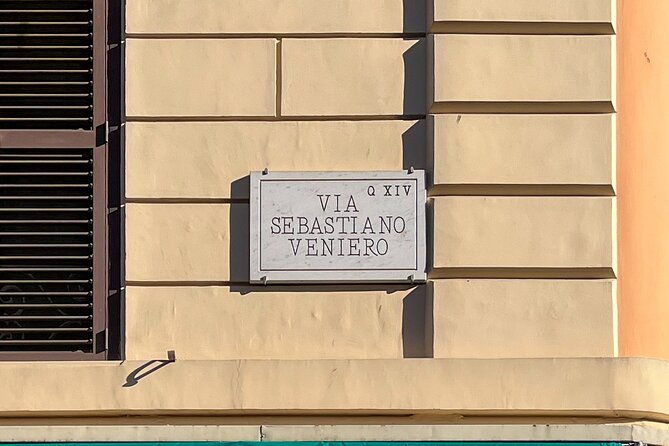
Your starting point is Via Sebastiano Veniero, 15, and you’ll check in at the meeting desk. They ask you to arrive 15 minutes before your start time. In Rome, that early buffer is huge. It prevents the stress spiral of finding the place and then being rushed at the entrance.
Once you arrive, go inside and complete check-in with the front desk. If you’re late, you risk losing the smooth start they’re trying to deliver—plus the group’s entry time is time-specific.
Also note: this is a near public-transport meeting point, which is handy if you’re timing your day with other sights. Still, I’d treat the meeting location like an appointment. Give yourself margin so you can show up calm.
Vatican Museums: how you actually get value from 20,000 works
The Vatican Museums can display about 20,000 works, and that number is basically a warning label. This tour handles that scale by targeting key galleries and major artistic areas so you’re not stuck bouncing randomly between rooms.
You’ll spend around an hour in the Museums area with guided coverage of the collection’s most important hits—works by artists like Raphael and Michelangelo, plus major sculpture and Renaissance art. The guide’s job is to point out the details that turn “I recognize this” into “I understand why this matters.”
Here’s the practical side: the Vatican is packed, and people wander at different speeds. You’ll be steered through the flow of the building, and you can still pause for photos or questions. That balance—moving enough to stay on track, but not so fast that you miss everything—is the key difference between a guided highlight tour and a full DIY day.
One more thing: pace can be polarizing. Some people love the efficiency, and others feel rushed. If you’re the type who wants to stand and stare for 10 minutes at every ceiling or statue, you’ll want to mentally prepare that this is built as a highlights-and-route experience.
Gallery of Maps: a surprising stop that’s genuinely fun
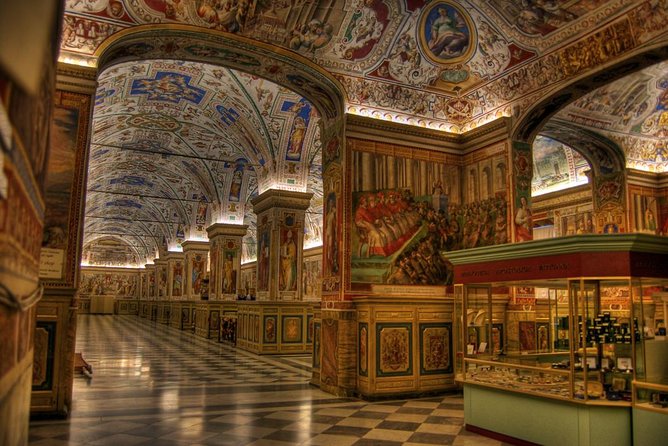
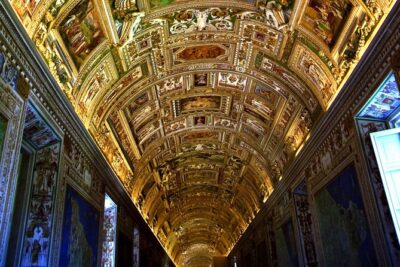
After the main museum portion, you’ll hit the Gallery of Maps, commissioned in 1580 by Pope Gregory XIII. The room is less about religious themes and more about place-making—painted topographical maps of Italy tied to geographic drawings by Ignazio Danti.
This is one of those stops that often surprises people. In a day full of famous paintings and sculptures, the Maps Room gives you a fresh angle on the Vatican’s power and worldview. You’re looking at how leaders and scholars thought about territory, travel, and knowledge long before modern maps were common.
It’s also a nice reset. The pace typically steadies here, since the room has a clear, contained focus. If you’ve ever felt overwhelmed inside the Vatican, the Maps Room can be a relief: one coherent “thing” you can visually track.
Worth a look next to this Vatican City booking:
Museo Pio-Clementino: Roman and Greek sculpture, guided
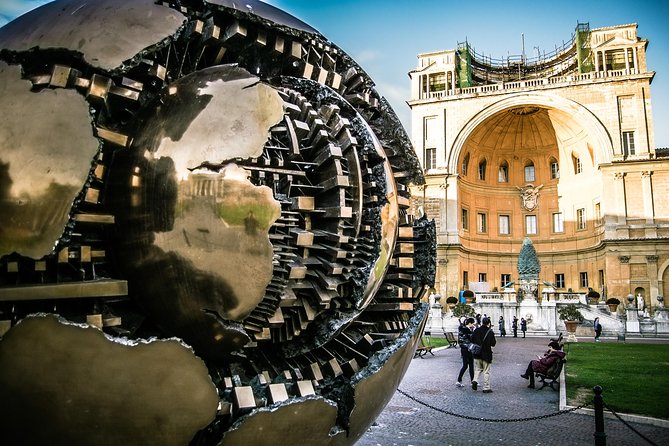
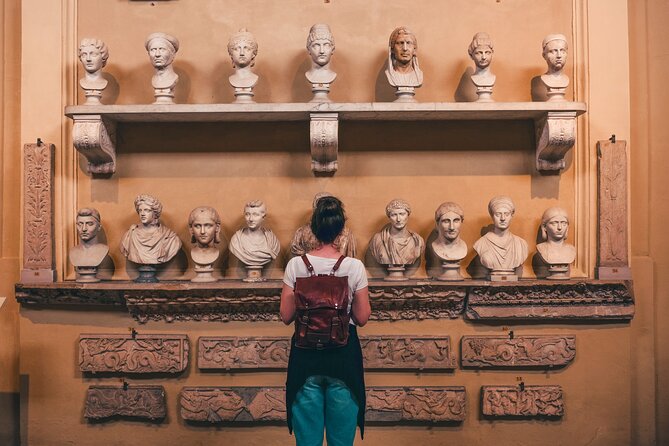
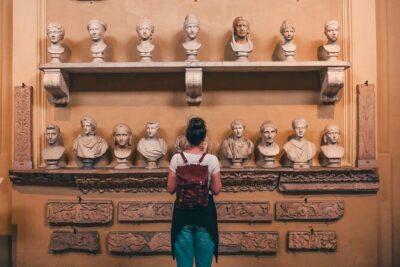
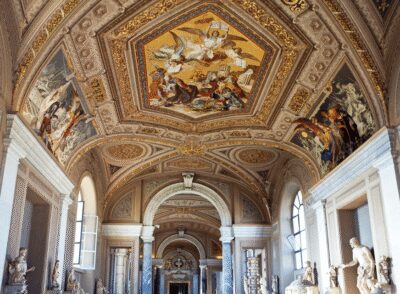
Next comes the Museo Pio-Clementino, founded in 1771 and expanded under successors. The focus is classic-era sculpture—Greek and Roman works—the backbone of why the Vatican became a magnet for art lovers and scholars.
Sculpture in big museum halls can be hard to appreciate without guidance because you don’t always know what to look for: the pose, the carving choices, the historical significance, or the why behind a specific piece.
A good guide makes this kind of stop easier. You’re not just walking past stone figures—you’re learning how to read them. And since sculpture is three-dimensional, it rewards your attention. If you’ve only seen photos online, seeing the scale in person is often the “oh, that’s what it looks like” moment.
Sistine Chapel: timing, rules, and what to focus on
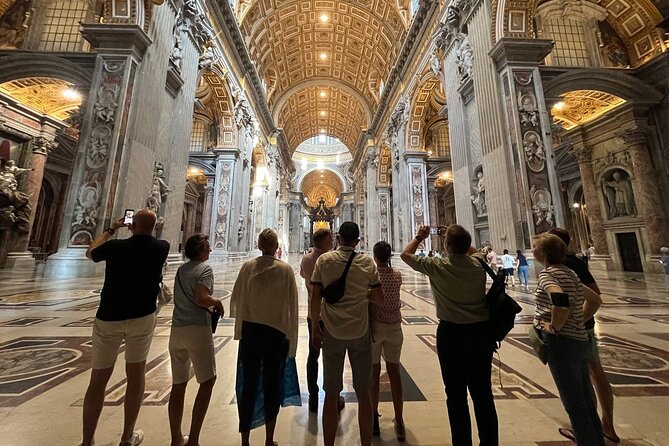
The grand finale is the Sistine Chapel, built between 1473 and 1481. This is where the papal conclave tradition happens, and where the ceiling frescoes and The Last Judgment by Michelangelo do the heavy lifting.
Even with skip-the-line access, the Sistine Chapel is still a high-pressure space: people move in a swarm, phones are controlled, and the room has strict quiet rules. So it helps to go in knowing what to look for. A guide can point out key sections of the ceiling and help you understand why the scenes are arranged the way they are.
One practical note: the tour’s time in the chapel can feel limited for some people, especially if you expect to linger. If the Sistine Chapel is your top priority, you’ll get the best experience by entering the room ready to focus on the big visual beats, rather than trying to see every small detail perfectly.
Also, the tour may lead you to St. Peter’s Basilica afterward if the passage is open, so your Sistine Chapel moment is part of a connected route. That’s efficient, but it means you’re not fully in “slow chapel meditation mode.”
St. Peter’s Basilica at the end: what’s included and what can change
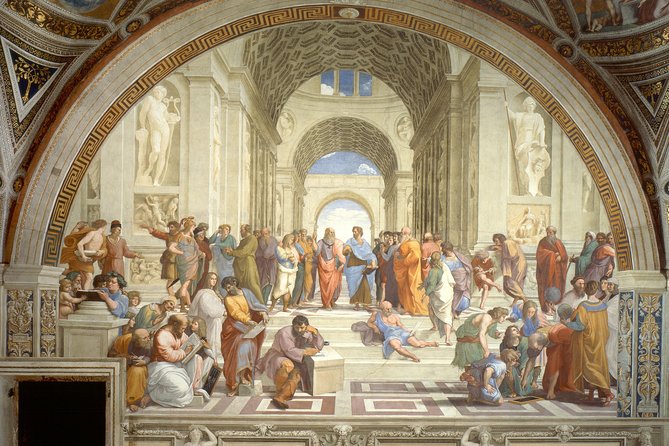
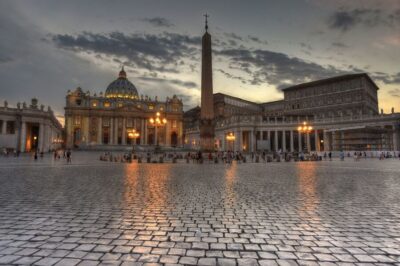
At the end, if the route from the Museums to St. Peter’s Basilica is open (via Scala Reggia), your guide will lead the group into the Basilica. In other words: priority access is possible, but it’s not a guarantee.
The tour info also flags a few schedule realities. Due to the Pope’s audience, Wednesday morning tours exclude access to St. Peter’s Square. And during the Jubilee, the Basilica and other areas may face last-minute closure or restoration changes, with access not guaranteed.
If you’re choosing an English Evening Group Tour option, St. Peter’s Basilica access is excluded from that specific option. So check your exact tour type before you plan your day around an end-of-tour Basilica visit.
If you do get inside, it’s a powerful closer. Even if you’re not religious, the Basilica’s scale and craftsmanship hit hard. It tends to feel like the Vatican Museums’ “set-up” paying off in a single dramatic room.
Group size, headsets, and the difference a great guide makes
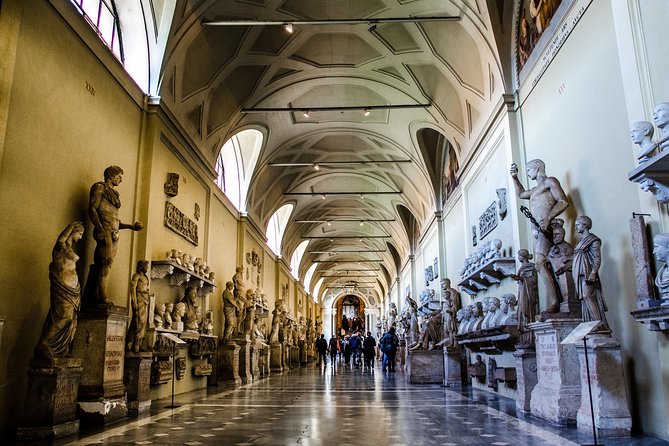
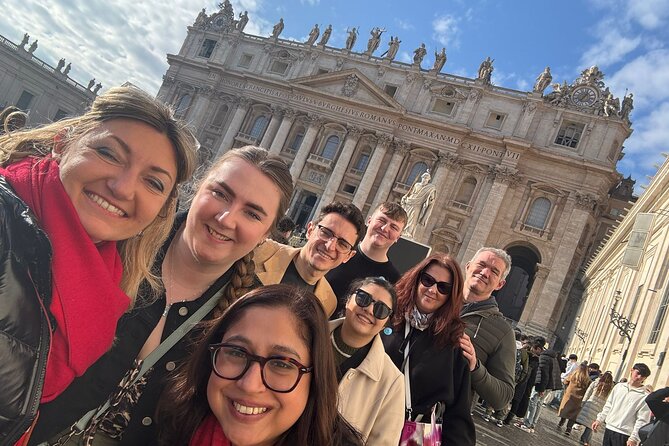
This tour caps at 20 travelers, and that size usually makes it easier to keep the group together in cramped corridors. You’ll also be given headsets so you can hear the guide over the crowd. Some people noted that the sound setup can include an over-the-ear option for hearing aids, which is a thoughtful detail.
The biggest praise in the feedback is about the guide. Names that came up include Rita, Berna, Berta, Francesca, Roberto, and Marcelo. The themes behind the compliments are consistent: clear explanations, keeping the group moving without losing everyone, and stopping at the right moments for photos or questions.
One guide detail I’d highlight from the way different experiences described it: pacing seems to depend on the day and the specific guide. Some tours feel balanced—history and meaning without drowning you in every single fact. Other tours can feel more rushed, with less time in the Sistine Chapel. That’s not unusual in the Vatican. It’s also why choosing a tour format with a guide and headsets is still the safer bet than trying to self-navigate.
If you can request a specific guide, Berna is one name worth trying for based on the strongest feedback. Even without a request, the headset + structured route combination tends to make a huge difference.
Duration vs reality: plan for 4 hours if you hate rushing
The official duration is listed as 2 to 3 hours, but real enjoyment depends on what pace you want. Some people felt the tour time was perfect, while others wished they had more time to absorb the murals and sculptures—especially inside the Sistine Chapel.
If you’re the type who needs breathing space, my practical advice is simple: treat this as a half-day commitment. Plan for up to 4 hours on-site. That way, even if the tour runs on the faster side, you’re not left trying to cram the Vatican into a tiny schedule box.
If you schedule later plans tightly—dinner reservations, another tour, timed entry somewhere else—you may feel stress. The Vatican’s crowds and occasional area closures make “minute-perfect” planning hard.
Price and value: what you’re paying for
At $84.47 per person, this isn’t the cheapest way to see the Vatican. But it often is the most cost-effective way to reduce waste.
Your ticket value includes:
- Skip-the-line entrance to the Vatican Museums and Sistine Chapel
- A guided English tour of highlights
- Headsets
- Included admission fees and taxes
- Priority access toward St. Peter’s Basilica, subject to availability
When I look at value like this, I think about effort. DIY can be cheaper, but you pay with time, confusion, and a higher chance of missing the right rooms. Here, you’re buying a planned route plus interpretation.
And that interpretation matters. In a place where major masterpieces can look similar if you’re tired or rushed, a guide gives your eyes a map. The result is usually not just “we saw it,” but “we got something from it.”
Tips that make the tour smoother from the start
A few constraints will shape your experience more than you might expect.
First: dress code. Knees and shoulders must be covered. If you forget, you can waste time at the start getting things sorted or you may be turned away.
Second: bring valid ID. They explicitly require a valid identity document. That’s easy to overlook when you’re traveling light.
Third: walking and stairs. The Vatican is not flat, and some experiences noted shortcuts or help, but stairs are still part of the deal. They also note a moderate physical fitness level is required. If mobility is limited, you may find it challenging.
Finally: be ready for crowds. Even with priority entry, you’ll be surrounded by people. Using the headsets properly helps you stay connected to the guide’s route and timing, so you spend less energy guessing where to go next.
Who should book this Vatican Museums and Sistine Chapel tour
This is a great fit if:
- You want Vatican Museums + Sistine Chapel coverage without spending hours building your own route.
- You’re doing Rome with limited time and want the smartest use of it.
- You like learning context, not just collecting selfies.
- You’d rather be guided in a crowd than stuck deciding where to go.
This may be a weaker fit if:
- You need a wheelchair-accessible route, since persons with disabilities can’t be accommodated under the Vatican Museums regulations.
- You want long, unstructured time in the Sistine Chapel or a slow museum day.
- You’re sensitive to rushed pacing and want lots of quiet time with minimal movement.
Should you book it?
I think you should book this tour if you want the Vatican’s highlights done right, with skip-the-line access and a guide who helps you see the meaning behind what you’re looking at. The headset setup, small group size (up to 20), and built-in route are the practical reasons it feels less chaotic than DIY.
I’d skip it or choose a different format if you’re expecting a slow, leisurely museum crawl or if mobility needs are a big factor. Also, if St. Peter’s Basilica is essential for you, remember access depends on what’s open and whether your day is affected by special circumstances.
If your goal is to walk out understanding what you saw—especially in the Sistine Chapel—this tour is a strong way to get there without wasting your Rome day.
FAQ
How long is the Vatican Museums and Sistine Chapel tour?
The tour is listed at about 2 to 3 hours.
What’s included in the skip-the-line experience?
Skip-the-line entrance is included for the Vatican Museums and the Sistine Chapel, plus an English guided tour of highlights, headsets, and admission ticket coverage. St. Peter’s Basilica priority access is included only if the passage is open at the end.
Where do we meet, and when should we arrive?
You meet at Via Sebastiano Veniero, 15, 00192 Roma RM, Italy. Arrive 15 minutes early to check in at the front desk inside the meeting point.
What should I wear and what documents should I bring?
You must have knees and shoulders covered. You also need to carry a valid identity document.
Is St. Peter’s Basilica access guaranteed at the end?
No. Access depends on whether the passage (Scala Reggia) from the Museums to the Basilica is open. Some days and tour options exclude Basilica access, and Jubilee-related closures can affect entry.
What happens if the Vatican closes parts of the tour or it’s canceled?
The Vatican Museums may close sections, including the Sistine Chapel, due to unforeseen circumstances, and no refund is guaranteed in those situations. The tour also requires a minimum number of participants, and if it’s canceled due to not meeting that minimum, you’ll be offered a different date/experience or a full refund.
More Tours in Vatican City
- Vatican, Sistine Chapel & St. Peter’s Skip-the-Line Tour
★ 4.0 · 1,140 reviews - Vatican Museums & Sistine Chapel Guided Tour
★ 4.5 · 763 reviews - Rome: Guided Tour of St. Peter’s Basilica, Grottoes & Square
★ 4.4 · 750 reviews - Rome: Skip-the-Line Vatican Museums and Sistine Chapel Tour
★ 4.3 · 719 reviews - Vatican: Sistine Chapel and Vatican Museums Guided Tour
★ 4.3 · 536 reviews - Rome Small-Group Shared Tour from Civitavecchia: 8 People Max
★ 5.0 · 420 reviews
More Tour Reviews in Vatican City
- Skip the Line: Vatican & Sistine Chapel Ticket with Audio Guide
★ 4.0 · 3,271 reviews - Skip-the-Line Ticket with Host – Vatican Museums & Sistine Chapel
★ 5.0 · 1,267 reviews - Rome: Vatican Pass plus Top Attractions and Transport
★ 3.5 · 1,242 reviews - Skip The Line ticket to the Vatican Museums & the Sistine Chapel
★ 3.0 · 1,160 reviews - Vatican, Sistine Chapel & St. Peter’s Skip-the-Line Tour
★ 4.0 · 1,140 reviews - Vatican Museums & Sistine Chapel Guided Tour
★ 4.5 · 763 reviews
The Vatican, A Few More Ways In
- Skip the Line: Vatican & Sistine Chapel Ticket with Audio Guide
★ 4.0 · 3,271 reviews - Skip-the-Line Ticket with Host – Vatican Museums & Sistine Chapel
★ 5.0 · 1,267 reviews - Rome: Vatican Pass plus Top Attractions and Transport
★ 3.5 · 1,242 reviews - Skip The Line ticket to the Vatican Museums & the Sistine Chapel
★ 3.0 · 1,160 reviews - Vatican, Sistine Chapel & St. Peter’s Skip-the-Line Tour
★ 4.0 · 1,140 reviews - Vatican Museums & Sistine Chapel Guided Tour
★ 4.5 · 763 reviews
Just added to our Vatican City reviews
Vatican Museums Tours, compared.
 ★ 4.5Vatican: Museums & Sistine Chapel Entrance TicketFrom $38144,003 reviews
 ★ 4.3Vatican Museums, Sistine Chapel & St. Peter’s Basilica TourFrom $7273,970 reviews
 ★ 4.5Vatican Museums, Sistine Chapel & St Peter’s Basilica Guided TourFrom $2239,149 reviews
 ★ 4.3Vatican Museums, Sistine Chapel and Basilica TourFrom $7316,039 reviews
 ★ 4.4Vatican Museums & Sistine Chapel Skip-the-Line Entry TicketFrom $4313,838 reviews
 ★ 4.7Vatican Museums, Sistine Chapel & Basilica TourFrom $7213,217 reviews
 ★ 4.5Skip-the-Line Group Tour of the Vatican, Sistine Chapel & St. Peter’s BasilicaFrom $3012,779 reviews
 ★ 4.3Vatican Museums & Sistine Chapel Guided TourFrom $11812,117 reviews