
Reviewed · ROME FOOD TOURS
Tasty Trionfale Farmers Market Food Tour and Local Wines Tasting
Food and wine, with less planning work. This Rome food tour links a walk through Mercato Trionfale with guided stops near the Vatican Walls and Passetto di Borgo, so you get both tastings and story without hopping between restaurants all day. I love the chance to sample lots of regional bites in one go, and I also like how the guide helps you spot what to try as you move through the neighborhoods. One thing to watch: the tour is not built for vegans or gluten/dairy-free diets, and wine tasting has an 18+ minimum.
What makes this tour especially practical is the flow. You start at a real working market, then you keep moving through Rome’s quarters—Prati, Borgo, and the Vatican wall route—so the food experience turns into a mini orientation for the area around St. Peter’s. It’s also a good fit if you want local flavors but don’t want to spend your limited vacation time Googling menus. Still, the tastings and timing are set, so you’ll want to come hungry and ready to follow the group pace.
The tour runs about 2 hours and takes place rain or shine, with a start time of 11:00 am and an ending point in St. Peter’s Square. Most people can join, and they’ll allow service animals. If you’re vegetarian, you’ll need to let the operator know ahead of time; if you have nut/dry-fruit allergies, ask about cross-contamination risk before you commit.
In This Review
- Key highlights worth your attention
- Why this Rome food tour feels efficient (and still fun)
- Mercato Trionfale: Rome’s oldest market as your tasting starter
- Prati and Borgo: two neighborhood flavors before you hit the Vatican sights
- Prati (about 15 minutes)
- Borgo (about 15 minutes)
- Walking the Vatican Walls: what Porta Sant’Anna and Porta Angelica teach you
- Passetto di Borgo: the escape passage that changes how you read the area
- What’s included (and what you’ll pay for on your own)
- Price and value: is $82.90 worth it?
- How to make the most of it (without overthinking)
- Who should book this Rome food tour—and who might want something else
- Should you book Tasty Trionfale and the local wine tasting?
Key highlights worth your attention
- Mercato Trionfale tastings without restaurant juggling: One guided route, multiple bites, less decision fatigue.
- Vatican-wall walk with real architectural context: You’ll learn what you’re looking at—Porta Sant’Anna and Porta Angelica included.
- Passetto di Borgo history: That elevated escape passage tied to Pope Nicholas III becomes way more meaningful on foot.
- Short stops that keep momentum: About 15 minutes at each neighborhood checkpoint keeps you moving, not waiting.
- Food + wine, with a clear 18+ rule: You can enjoy the tasting portion if you’re old enough for wine.
Why this Rome food tour feels efficient (and still fun)
This kind of tour works because it solves a common Rome problem: you want great food, but picking restaurants, making reservations, and figuring out where everything is can chew up your day. Here, the structure does the heavy lifting. You’re basically using the guide’s local planning skills as your shortcut.
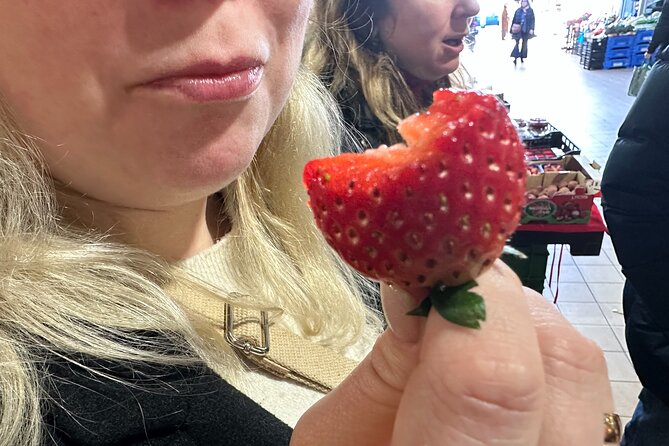
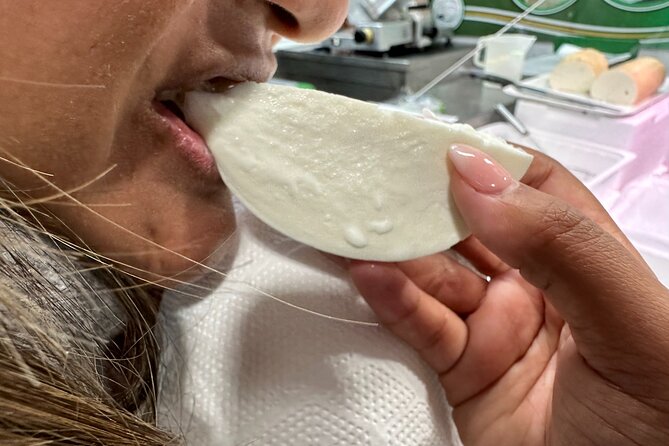
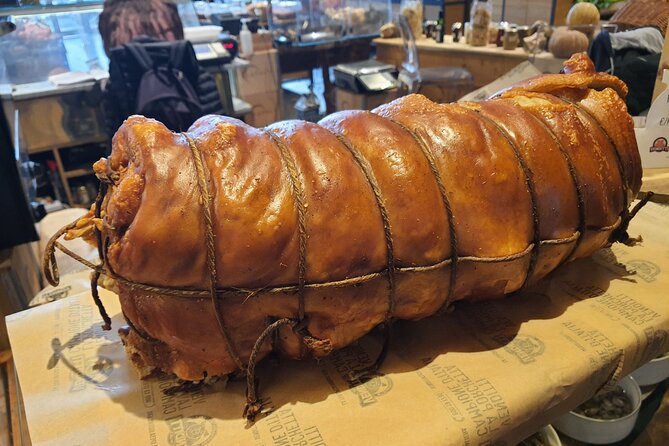
The centerpiece is Mercato Trionfale, an old-school market with more than 200 stalls. Instead of eating one big meal, you sample across a range of typical Italian products and recipes. That matters because Rome food is often about variety—cheese, cured meats, seasonal produce, olive-oil things, and sweets—so sampling gives you a truer snapshot than one plate.
You also get a guided walk through districts that many people mostly treat as a postcard backdrop. Prati and Borgo are close to the Vatican, but they have their own residential feel and historic texture. The walk along the Vatican walls and the Passetto di Borgo ties the area to stories you’ll otherwise miss. In other words: the tour isn’t only about eating. It’s about understanding where you are and why the buildings matter.
Still hungry? More Rome food walks
- Winner 2025 Rome Twilight Trastevere Food Tour by Eating Europe
★ 5.0 · 5,157 reviews - Rome: Street Food Tour with Local Guide
★ 4.8 · 4,077 reviews - Rome Food Tour: Unlimited Tastings with Fine Wine & Barolo
★ 5.0 · 3,365 reviews - Rome Food Tour: Campo de’ Fiori, Ghetto, Trastevere Winner 2024
★ 5.0 · 3,205 reviews
Mercato Trionfale: Rome’s oldest market as your tasting starter
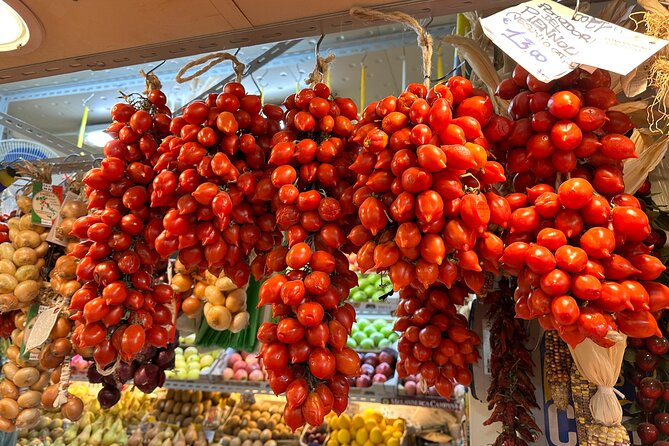
You begin at Parrocchia Santuario di Santa Maria delle Grazie al Trionfale, in the Piazza Santa Maria delle Grazie area, with a market visit that lasts about an hour. Then you dive into Mercato Trionfale, described as the oldest market in Rome.
This is the part I’d call “come hungry” territory. Markets are sensory and fast. You’ll see over 200 stalls, and the tastings are the way you break that complexity into something manageable. Instead of standing there wondering what’s worth trying, you follow the guide’s lead and get to sample plenty of regional specialties without booking a bunch of separate places.
A detail I really like from the experience feedback: people picked up practical cooking insight, not just a list of what to order. One highlight mentioned learning the secret to preparing artichokes. Even if you don’t remember every tip later, it’s a good sign when a food tour helps you understand how locals think about ingredients, not just how they taste when served.
Possible drawback to keep in mind: markets can be intense if you don’t enjoy crowds or if you’re sensitive to smells and noise. Plan to go with a relaxed attitude. The hour moves at a tasting pace, but it’s still a working market environment.
Prati and Borgo: two neighborhood flavors before you hit the Vatican sights
After the market, the tour keeps things light with two short neighborhood checkpoints.
Prati (about 15 minutes)
Prati is an elegant residential district—more lived-in than tourist-ed. You’ll spend roughly 15 minutes here, enough to get context for the area and orient yourself for what comes next. You’ll also get a sense that this part of Rome isn’t only monuments; it’s where people live, eat, and stroll.
This short stop is useful because it helps you stop thinking of the Vatican area as one big sightseeing blob. You start noticing street character and the way the district sits around major landmarks.
Worth a look next to this Rome booking:
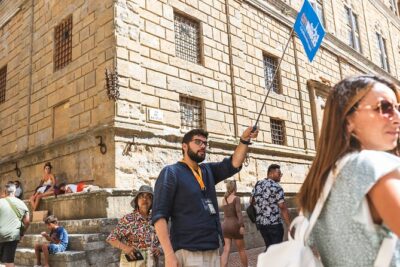
Borgo (about 15 minutes)
Then you move into Borgo, the historic area between the banks of the Tiber and Vatican City. This is where the Vatican tourism orbit meets older Rome. You’ll see references to world-famous sights such as Castel Sant’Angelo.
This matters for your visit planning later. If you’re heading to Castel Sant’Angelo or want to understand the river-to-Vatican geography, this kind of walking orientation pays off. You won’t just arrive at the landmark; you’ll understand how it fits into the city layout.
Practical note: those 15-minute segments are brief. If your goal is deep neighborhood wandering, you’ll want extra time before or after the tour on your own.
Walking the Vatican Walls: what Porta Sant’Anna and Porta Angelica teach you
Next comes a more focused historic stretch: walking along the Vatican walls for about 15 minutes. This is one of the tour parts that can transform simple sightseeing into something you actually remember.
You’ll learn about the history and architecture of the walls, and you’ll also stop to see specific landmarks along the route, including Porta Sant’Anna and Porta Angelica. The guide shares why these access points mattered—especially Porta Angelica, described as the main access route for pilgrims arriving to Rome.
That “why it matters” piece is key. Walls aren’t only stone. They’re systems—routes, defenses, and daily movement. When you understand that, the area feels less random and more purposeful.
One consideration: this section is outdoors. Even though the tour runs rain or shine, weather can change comfort quickly. If you’re visiting in a season with hot sun or sudden showers, wear what you’d wear for a sidewalk walk, not a museum visit.
Passetto di Borgo: the escape passage that changes how you read the area
After the wall walk, you get one more short but memorable stop: the Passetto di Borgo for about 15 minutes.
This elevated passage links Vatican City with Castel Sant’Angelo. The story you’ll hear here is dramatic by design: it was built by Pope Nicholas III and used as an escape route for popes in danger. Seeing it as you walk around gives you a clearer sense of how power, geography, and security worked in this corner of Rome.
This is also where the tour earns its “local insider” feel. Many people see Castel Sant’Angelo and the Vatican and never connect the dots. Here, the connection is literally a passage in the air—so it sticks.
Small-time advantage: the time here is short, which keeps the tour from dragging. But it’s long enough for you to understand the role of the passage and spot it as part of the landscape rather than a distant detail.
What’s included (and what you’ll pay for on your own)
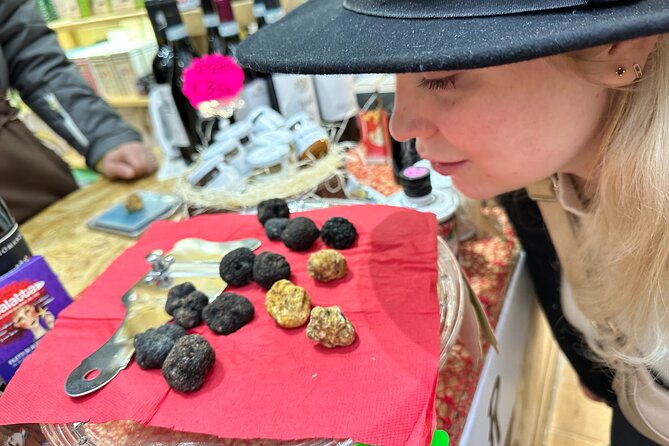
The tour includes food and wine tasting. Soda/pop is not included, so if you want something non-alcoholic beyond water, plan for an extra purchase.
Wine tasting has a clear constraint: the minimum drinking age is 18. If you’re under 18, you’ll need to stick to non-wine portions of the tasting experience.
Also pay attention to dietary limits:
- Vegetarian options can be accommodated only if advised in advance.
- The tour does not accommodate vegans or gluten or dairy-free diets.
And if you have nut/dry-fruit allergies, the note you should take seriously is possible risk of cross contamination. In a market environment, that risk is harder to control than in a single prepared kitchen. If this matters for you, ask before you book.
Price and value: is $82.90 worth it?
At $82.90 per person for about 2 hours, this is not the cheapest way to do Rome food. But it’s also not trying to be.
Here’s the value equation I’d use:
- You’re paying for guided direction plus tastings at a major market, not just “walk around and hope for the best.”
- You’re also getting a planned route that covers multiple sight areas close to St. Peter’s, saving you from stitching together separate neighborhood walks and food stops.
- The tour ends in St. Peter’s Square, which is convenient if you’re continuing your Vatican-area day afterward.
If you were doing this on your own, you’d still spend time figuring out where to eat, how to navigate the market, and what to try. This tour trades some independence for speed and local guidance, and for a lot of people, that’s a good trade.
How to make the most of it (without overthinking)
Come with a “snack mindset,” not a “full meal” mindset. You’ll taste multiple things, and you’ll move between areas quickly. If you arrive stuffed, you’ll miss the point.
I also recommend mentally packing three goals:
- Pick one or two things you want to remember from the market (like the artichokes tip mentioned in feedback).
- Ask the guide what’s seasonal or why a certain ingredient matters.
- Use the wall-and-passage stops to connect the landmarks. Learn the role, not just the name.
Language is English, so you can ask questions. If you’re vegetarian, tell them ahead of time so your tastings make sense. If you have allergies, don’t wait until the day-of to raise concerns—market conditions can’t always be adjusted.
One more practical angle: the tour uses a mobile ticket and starts at 11:00 am. That makes it easy to fit into an afternoon plan near Vatican City. Just be ready for your route to finish at St. Peter’s Square rather than back where you started.
Who should book this Rome food tour—and who might want something else
This tour is a smart pick if you want:
- a market food experience without restaurant bookings
- a short, guided walk that includes food plus Vatican-area history
- tastings that help you understand the regional food culture quickly
It’s especially good for people who have limited time around the Vatican and want to maximize that window.
You may want to consider another option if you need:
- vegan meals
- gluten-free or dairy-free arrangements
- a longer, slower neighborhood exploration (this one keeps a brisk pace)
If you’re traveling with food allergies, ask detailed questions first due to possible cross contamination involving nuts or dry fruits.
Should you book Tasty Trionfale and the local wine tasting?
Book it if your ideal Rome day looks like this: one solid market, guided tastings, and a walk that turns Vatican landmarks into connected stories. At $82.90, the best-case value is that you get both food direction and a meaningful sightseeing orientation around St. Peter’s.
Skip (or research alternatives) if your diet doesn’t fit the tour’s limits—no vegan, and no gluten or dairy-free options. Also skip if you’re very sensitive to wine tasting rules and want absolute non-alcohol certainty; the tour is built around wine as part of the experience.
If you’re flexible, curious, and hungry for both local bites and real context along the walls, this is a strong choice for a time-efficient Rome food day.
More Tours in Rome
- Vatican Museums, Sistine Chapel & St. Peter’s Basilica Tour
★ 4.3 · 73,970 reviews - Vatican Museums, Sistine Chapel & St Peter’s Basilica Guided Tour
★ 4.5 · 39,149 reviews - Rome: Colosseum, Palatine Hill and Roman Forum Guided Tour
★ 4.8 · 32,814 reviews - Rome: Guided Tour of Colosseum, Roman Forum & Palatine Hill
★ 4.7 · 27,897 reviews - Rome: Colosseum, Roman Forum and Palatine Hill Guided Tour
★ 4.5 · 23,903 reviews - Rome: Colosseum Arena Floor, Palatine & Forum Guided Tour
★ 4.5 · 20,180 reviews
More Tour Reviews in Rome
- Vatican Museums, Sistine Chapel & St. Peter’s Basilica Tour
★ 4.3 · 73,970 reviews - Vatican Museums, Sistine Chapel & St Peter’s Basilica Guided Tour
★ 4.5 · 39,149 reviews - Rome: Colosseum, Palatine Hill and Roman Forum Guided Tour
★ 4.8 · 32,814 reviews - Rome: Guided Tour of Colosseum, Roman Forum & Palatine Hill
★ 4.7 · 27,897 reviews - Rome: Colosseum & Forum with Audio Guide App -Optional Arena
★ 4.2 · 24,770 reviews - Rome: Colosseum, Roman Forum and Palatine Hill Guided Tour
★ 4.5 · 23,903 reviews
More Roman Tables Worth Booking
- Winner 2025 Rome Twilight Trastevere Food Tour by Eating Europe
★ 5.0 · 5,157 reviews - Rome: Street Food Tour with Local Guide
★ 4.8 · 4,077 reviews - Rome Food Tour: Unlimited Tastings with Fine Wine & Barolo
★ 5.0 · 3,365 reviews - Rome Food Tour: Campo de’ Fiori, Ghetto, Trastevere Winner 2024
★ 5.0 · 3,205 reviews - Rome: Guided Food Walking Tour with Wine in Trastevere
★ 4.9 · 3,105 reviews - Rome: Trastevere Food tour with Free-Flowing Fine Wine
★ 5.0 · 2,853 reviews
Just added to our Rome reviews





Rome Food Tours, compared.
 ★ 5.0Winner 2025 Rome Twilight Trastevere Food Tour by Eating EuropeFrom $1255,157 reviews
 ★ 4.8Street Food Tour with Local GuideFrom $534,077 reviews
 ★ 5.0Rome Food Tour: Unlimited Tastings with Fine Wine & BaroloFrom $833,365 reviews
 ★ 5.0Rome Food Tour: Campo de’ Fiori, Ghetto, Trastevere Winner 2024From $883,205 reviews
 ★ 4.9Guided Food Walking Tour with Wine in TrastevereFrom $1003,105 reviews
 ★ 5.0Trastevere Food tour with Free-Flowing Fine WineFrom $1022,853 reviews
 ★ 4.9Trastevere & Campo de Fiori Street Food Walking TourFrom $512,768 reviews
★ 5.0Rome Street Food Tour with Local GuideFrom $542,361 reviews
Browse the lists this tour appears in