
Reviewed · WINE TOURS
Shades of Italian Terroir – a tasting of minimal intervention wines
Six low-intervention wines, taught like a story. This Rome tasting at VinoRoma focuses on terroir and minimal intervention, so you leave with tools for tasting, not just a full glass. I love the small, focused setup and the way the guide ties each wine to real-world farming and production choices. I also like that the lineup is intentionally varied, so your palate gets challenged in a good way. One consideration: at $96.12 for about two hours, it is a mid-range price for Rome, so it pays to be ready to learn.
The session is led in English and capped at a small group, which keeps the conversation real instead of rushed. My favorite detail is the chance to work with sommelier Frank—an educator approach that helps you follow what is happening in your glass and why. You also get printed information to take home, which makes the experience easier to remember later.
In This Review
- Key highlights to look for
- Why a low-intervention wine tasting in Rome is more than a sip-and-go
- VinoRoma Wine Studio: where the experience stays intimate
- The 5:00 pm flow: how two hours works in your favor
- Start with a tasting refresher so you can trust your own palate
- Six Italian terroir stories: what minimal intervention teaches you in the glass
- Food pairings with finger foods: keep the flight from getting tiring
- Organic terroir, farming choices, and how technique shows up on your tongue
- Working with sommelier Frank: why the guide style is part of the value
- What you get to keep: printed info you can actually use later
- Price and value: is $96.12 worth it?
- Who should book this Rome wine tasting—and who might skip it
- Quick practical notes before you go
- Should you book Shades of Italian Terroir in Rome?
- FAQ
- What time does the Shades of Italian Terroir tasting start?
- How long does the tasting last?
- How many wines do you taste during the experience?
- What is the language of the tour?
- Where is the meeting point in Rome?
- What is the maximum group size?
- Are children allowed to attend?
- Is there food included?
- What is the cancellation policy?
- How much does it cost per person?
Key highlights to look for
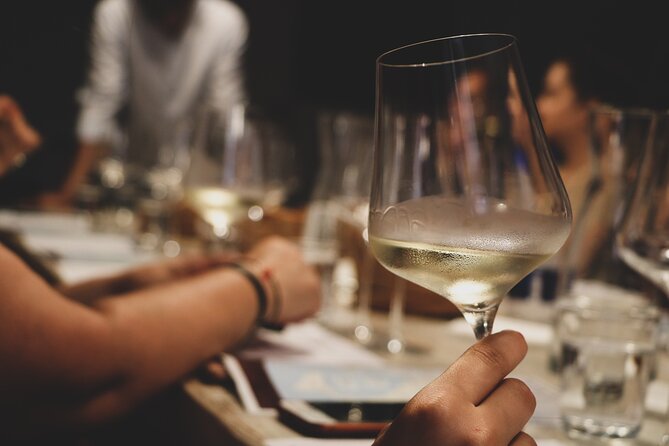
- A hands-on tasting format that includes a quick refresher on how to taste wine like a pro
- Six low-intervention Italian wines chosen to show clear differences in style and origin
- A sommelier-led learning experience with Frank that adapts to your level
- Terroir explained through grapes, soils, climate, and winemaking choices
- Food pairings with finger foods to keep your palate awake through the full flight
- Printed materials provided so you can study what you liked after the tour
Why a low-intervention wine tasting in Rome is more than a sip-and-go
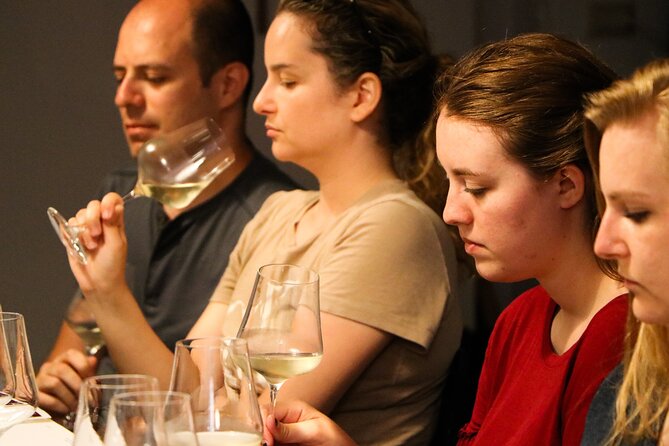
Rome has plenty of wine stops. This one works differently. Instead of treating wine like background entertainment, it turns it into a guided tasting experience focused on what you are tasting and how to name it.
The core theme is Italian low-intervention wine—meaning the winemaking process aims to interfere as little as possible. That matters because it often makes differences in grape, soil, and weather feel louder and easier to notice. You’re not just sampling; you’re building a map of flavor and learning why the map changes from region to region.
And you’ll feel that structure in the flow of the event. It starts with tasting fundamentals, then moves through six distinct wines, each with a new explanation tied to character and technique. That is the value: the guide helps you connect the glass to the countryside, so you can make smarter choices later, even if you do not remember every label.
Worth a look next to this Rome booking:
- Rome: Tuscany & Montepulciano Day Trip with Lunch & Wine Tasting
★ 4.5 · 5,232 reviews - Winner 2025 Rome Twilight Trastevere Food Tour by Eating Europe
★ 5.0 · 5,157 reviews - Rome: Street Food Tour with Local Guide
★ 4.8 · 4,077 reviews - Rome Food Tour: Unlimited Tastings with Fine Wine & Barolo
★ 5.0 · 3,365 reviews
VinoRoma Wine Studio: where the experience stays intimate
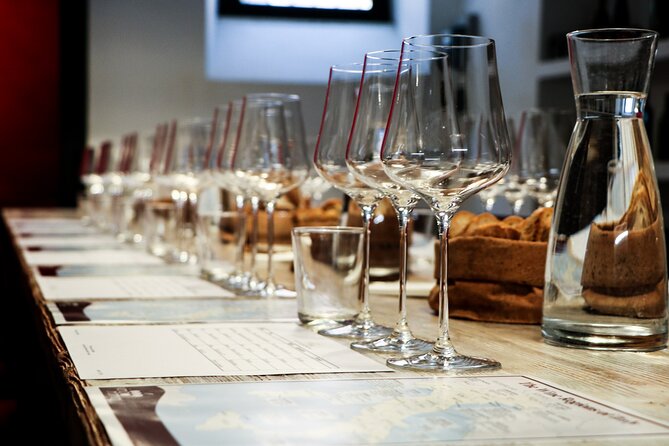
The tasting takes place at VinoRoma Wine Studio & Social Club in Rome, at Via in Selci 84/G, near public transportation. The venue matters here because the group size is limited to a maximum of 12 travelers. With a room that small, you get the chance to ask questions and actually hear the answers, not just listen while standing in a crowd.
You also get a mobile ticket, which is simple for arriving without paperwork stress. The atmosphere is set up for learning and conversation, not a loud drink line. That makes the two-hour window feel comfortable rather than rushed.
One more practical plus: it starts at 5:00 pm, which is a nice timing sweet spot. You can do it early enough to stay fresh, and you still have evening time afterward for dinner and more wandering through Rome.
The 5:00 pm flow: how two hours works in your favor
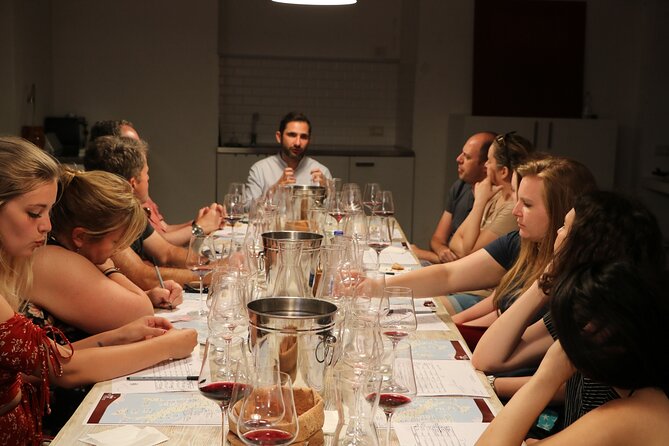
This experience runs for about 2 hours. For a tasting, that is the right length to stay engaged without turning into a marathon.
The event pacing is built around a sequence:
1) a quick refresher on the steps of wine tasting,
2) a guided flight of six Italian low-intervention wines,
3) pairing support with finger foods,
4) discussion as you taste, including how your own perception fits in.
If you tend to feel lost at wine tastings, this structure helps. The refresher gives you a common baseline, then the guide uses each wine as a new lesson. If you already know wine basics, the smaller setting and interactive tone mean you can go deeper without feeling like you are holding everyone back.
Start with a tasting refresher so you can trust your own palate
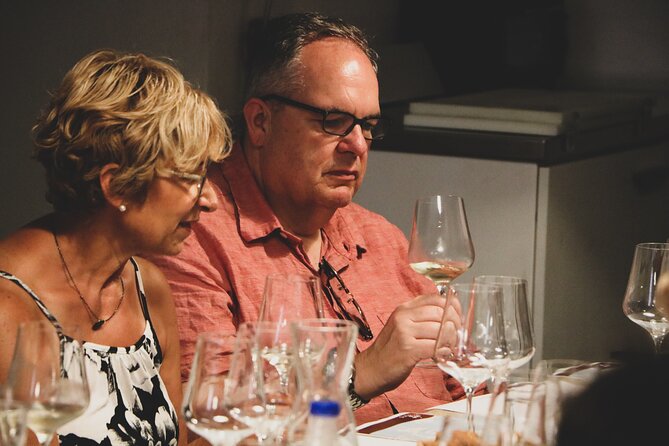
The session begins with a refresher of the steps of wine tasting. That sounds basic, but it is the real power of this format. Many wine tastings jump straight to pouring. Here, you get a framework for what to do and what to notice, so you can follow along even if your wine vocabulary is still forming.
You’ll learn how to pay attention in a way that improves your future choices. Instead of memorizing flavors like trivia, you learn how to recognize patterns—what you tend to like, what tastes different when something changes in origin or production, and how your impressions connect to winemaking decisions.
There is also an emphasis on your own perception. The guide actively responds to interest and questions, and the discussion can move in different directions depending on whether you are a complete beginner, an enthusiast, or someone with more wine knowledge.
That adaptability is a big deal. Wine education often falls into two traps: talking too far over your head, or being too generic. This format aims to meet you where you are and then nudge you forward.
Worth a look next to this Rome booking:
Six Italian terroir stories: what minimal intervention teaches you in the glass
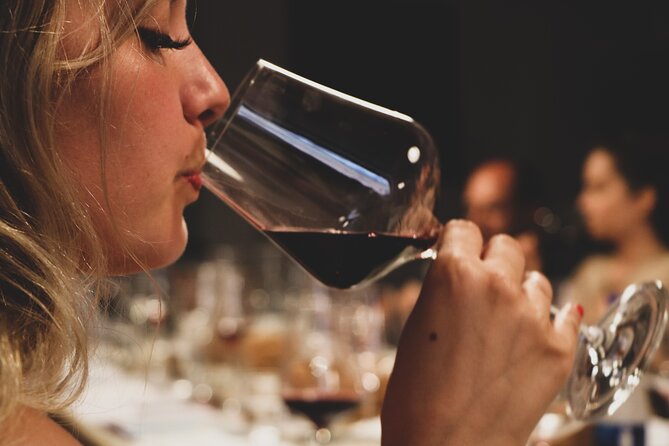
After the refresher, you taste six low-intervention Italian wines from across the country. The guide treats each one as a new teaching moment, focusing on a specific characteristic and the reasons behind it.
Even without the need to memorize exact labels, you can expect the explanations to connect:
- region and climate effects,
- grape traits and expression,
- soil and farming realities,
- winemaking choices and technique.
This is where the term terroir becomes practical. In plain terms, terroir is the combined effect of place—weather, soil, and how grapes are grown and handled—on the wine you pour into your glass. When the winemaking is low-intervention, those place signals are often easier to notice.
The tasting also helps you “read” your own reactions. You’ll get guidance on what might be happening with aroma, texture, and flavor intensity, and why the same style can taste different depending on origin and production choices. That is especially useful if you have ever felt that natural or minimal-intervention wines are either mysterious or inconsistent. Here, the learning turns those impressions into something you can reason about.
Food pairings with finger foods: keep the flight from getting tiring
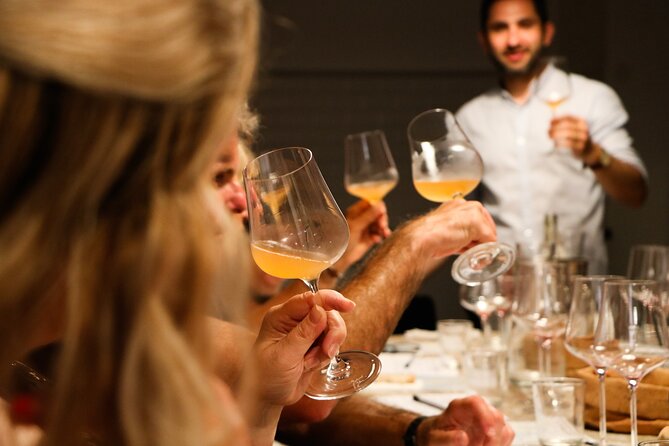
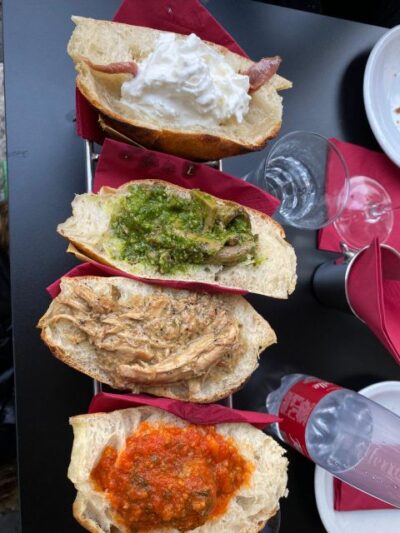
Each wine is paired with finger foods. That matters more than people expect. A tasting flight is basically a sequence of palate resets and palate challenges. Food helps you keep your senses alert and prevents the tasting from turning into one long blur.
Finger foods are also the right choice for a guided experience. They are quick to grab, easy to share, and they do not slow down conversation. That keeps the focus on the wines and the explanations, while still giving you something to chew between sips.
In practice, pairings here are a teaching tool. The guide can show you how acidity, sweetness, tannin feel, and aromatic intensity can work with different types of bites. You get a clearer sense of what to order later at dinner, especially if you want Italian food to match your wine style.
Organic terroir, farming choices, and how technique shows up on your tongue
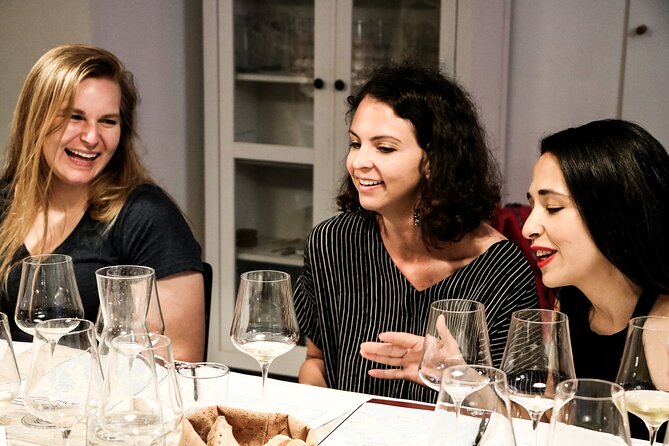
The tasting includes talk about organic terroir and the techniques behind these wines. It also mentions agricultural practices like organic and sustainable farming, plus other science-adjacent ideas such as neuro-enology.
You do not need to be an agriculture expert to benefit. The point is that farming and handling choices influence how grapes ripen, how flavors develop, and how the finished wine behaves in the glass. When you learn that connection, it changes how you look at a bottle.
Here is what this means for you as a diner in Rome:
- If you like brighter, lighter styles, you’ll know what to look for in origin and technique.
- If you prefer wines with more texture or deeper structure, you’ll understand why certain choices in the vineyard and cellar can steer that direction.
- If you like learning through your senses, the tasting format encourages you to connect your palate to the story, not just to the label.
As for neuro-enology: even if the discussion is broad, the takeaway is useful. The brain plays a role in flavor perception—expectations, aroma cues, and how you interpret sensory signals. That helps explain why two people can describe the same wine differently and still both be right.
Working with sommelier Frank: why the guide style is part of the value
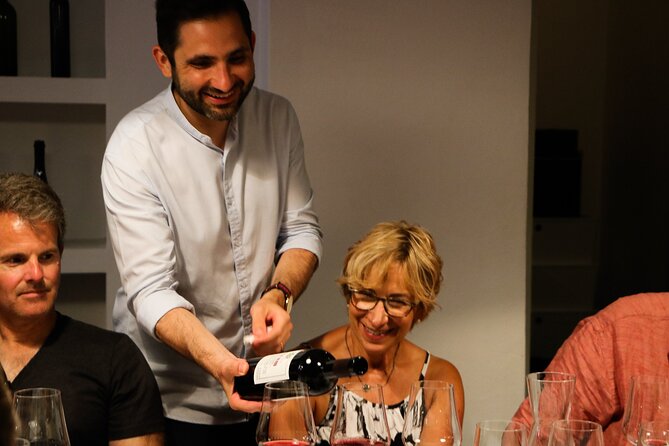
A standout in the experience is the sommelier leadership. Frank is specifically mentioned as the guide, and the tone comes through: thoughtful selection of wines, and clear instruction that challenges your taste in a positive way.
What I like about this setup is that it aims to be fair to your preferences. The guide does not just recite facts. The tasting is framed as a conversation where your questions shape depth and direction. If you are new, you get clarity. If you are more experienced, you can push into the why behind aroma, structure, and origin differences.
This is also where the small group size pays off. With up to 12 people, you are less likely to feel like a passive participant. You can ask follow-up questions when something surprises you, and the guide can steer the explanation to match what you are noticing.
It’s one thing to taste six wines. It’s another thing to have a guide help you understand why each one is the way it is—and what you can take forward into future wine choices.
What you get to keep: printed info you can actually use later
Printed information and learning materials are provided. That is a small detail, but it makes a big difference.
Wine tasting memories fade fast, especially in a city with museums, churches, and long walks. Having something in your bag gives you a reference point. You can revisit the basics of tasting steps, review the themes discussed, and translate what you learned into how you order the next day.
It also helps if you want to keep your curiosity going after the tasting ends. You are not stuck trying to reconstruct what was said from memory.
Price and value: is $96.12 worth it?
At $96.12 per person, this is not a budget drinking deal. But it can be good value if you care about wine education and variety.
Here’s what you actually get for the price:
- a structured tasting of six Italian low-intervention wines,
- professional guidance from a certified sommelier and wine educator,
- pairing with finger foods,
- explanation of how terroir and minimal intervention affect the end result,
- printed learning materials.
Compared with a casual wine bar pour where you might choose randomly and leave guessing, the guided format reduces the guesswork. You spend your money on learning and on a tasting lineup intentionally selected to show different styles across Italy.
It also helps that the experience is relatively short—about two hours—so you are paying for a concentrated education session, not a long, slow event.
If your main goal is to sample wine with zero instruction, you might find the price harder to justify. If your goal is to learn while you enjoy, it is easier to see the value.
Who should book this Rome wine tasting—and who might skip it
This experience is ideal if you:
- want a guided natural or low-intervention wine tasting,
- like learning how wine connects to place—region, soil, climate, farming,
- enjoy small-group conversation and question time,
- want practical tips you can use when ordering wine later in Italy.
You might skip it if:
- you do not drink wine or have little interest in learning tasting structure,
- you’re looking for a big social party rather than an education-first event,
- you travel with children under 12, because children under 12 are not admitted to the premises.
Also note the timing: it starts at 5:00 pm. If your day is packed and you prefer late-night plans, you’ll need to structure your schedule accordingly.
Quick practical notes before you go
The experience is near public transportation, so getting there is usually straightforward. You’ll need to show up at the meeting point at VinoRoma Wine Studio & Social Club at Via in Selci 84/G.
The session ends back at the meeting point. The group is small, and the format is designed to keep the learning focused and interactive.
If you are coming with questions, bring them. This tour is built around discussion, and your interest helps decide how deep the conversation goes.
Should you book Shades of Italian Terroir in Rome?
If you like wine education that respects your palate, I think this is a strong booking. The six-wine structure, the low-intervention theme, and the terroir explanations are a smart way to experience Italian wine beyond generic tasting-room clichés.
I’d especially recommend it if you want your next bottle choices to get easier. Learning how your senses connect to farming and winemaking can turn wine into something you can navigate, not something you have to guess at.
If you’re only after a casual drink, this may feel more “class” than “bar.” But if you want an evening with real instruction, good pacing, food pairings, and an attentive sommelier like Frank, this tasting is a solid fit.
FAQ
What time does the Shades of Italian Terroir tasting start?
It starts at 5:00 pm.
How long does the tasting last?
It lasts about 2 hours.
How many wines do you taste during the experience?
You taste six Italian wines.
What is the language of the tour?
The experience is offered in English.
Where is the meeting point in Rome?
The meeting point is VinoRoma Wine Studio & Social Club, Via in Selci 84/G, 00184 Roma RM, Italy.
What is the maximum group size?
The tasting has a maximum of 12 travelers.
Are children allowed to attend?
Children under 12 are not admitted on the premises. Children 12–16 may be present but cannot take part in the tasting and have to pass the time quietly.
Is there food included?
Yes. The six wines are paired with finger foods.
What is the cancellation policy?
Free cancellation is available up to 24 hours in advance for a full refund.
How much does it cost per person?
The price is $96.12 per person.
More Wine Tours in Rome
- Rome: Tuscany & Montepulciano Day Trip with Lunch & Wine Tasting
★ 4.5 · 5,232 reviews - Rome: Pasta & Tiramisu Class with Fine Wine by the Vatican
★ 4.9 · 4,852 reviews - Rome Food Tour: Unlimited Tastings with Fine Wine & Barolo
★ 5.0 · 3,365 reviews - Rome: Pasta Making Class with Wine, Limoncello, and Dessert
★ 4.9 · 3,177 reviews - Rome: Guided Food Walking Tour with Wine in Trastevere
★ 4.9 · 3,105 reviews - Rome: Tuscany & Montepulciano Day Trip with Lunch & Wines
★ 4.7 · 3,004 reviews
More Food & Drink in Rome
- Rome: Tuscany & Montepulciano Day Trip with Lunch & Wine Tasting
★ 4.5 · 5,232 reviews - Winner 2025 Rome Twilight Trastevere Food Tour by Eating Europe
★ 5.0 · 5,157 reviews - Rome: Street Food Tour with Local Guide
★ 4.8 · 4,077 reviews - Rome Food Tour: Unlimited Tastings with Fine Wine & Barolo
★ 5.0 · 3,365 reviews - Rome Food Tour: Campo de’ Fiori, Ghetto, Trastevere Winner 2024
★ 5.0 · 3,205 reviews - Rome: Guided Food Walking Tour with Wine in Trastevere
★ 4.9 · 3,105 reviews
More Tour Reviews in Rome
- Vatican Museums, Sistine Chapel & St. Peter’s Basilica Tour
★ 4.3 · 73,970 reviews - Vatican Museums, Sistine Chapel & St Peter’s Basilica Guided Tour
★ 4.5 · 39,149 reviews - Rome: Colosseum, Palatine Hill and Roman Forum Guided Tour
★ 4.8 · 32,814 reviews - Rome: Guided Tour of Colosseum, Roman Forum & Palatine Hill
★ 4.7 · 27,897 reviews - Rome: Colosseum & Forum with Audio Guide App -Optional Arena
★ 4.2 · 24,770 reviews - Rome: Colosseum, Roman Forum and Palatine Hill Guided Tour
★ 4.5 · 23,903 reviews
Just added to our Rome reviews





Wine Tours, compared.
 ★ 4.5Tuscany & Montepulciano Day Trip with Lunch & Wine TastingFrom $835,232 reviews
 ★ 4.9Pasta & Tiramisu Class with Fine Wine by the VaticanFrom $414,852 reviews
 ★ 5.0Rome Food Tour: Unlimited Tastings with Fine Wine & BaroloFrom $833,365 reviews
 ★ 4.9Pasta Making Class with Wine, Limoncello, and DessertFrom $483,177 reviews
 ★ 4.9Guided Food Walking Tour with Wine in TrastevereFrom $1003,105 reviews
 ★ 4.7Tuscany & Montepulciano Day Trip with Lunch & WinesFrom $813,004 reviews
 ★ 5.0Trastevere Food tour with Free-Flowing Fine WineFrom $1022,853 reviews
 ★ 4.9Gourmet Food Tour with Dinner & Barolo WineFrom $772,347 reviews
Browse the lists this tour appears in