
Reviewed · ROME E-BIKE TOURS
Rome’s Ultimate Bike Tour
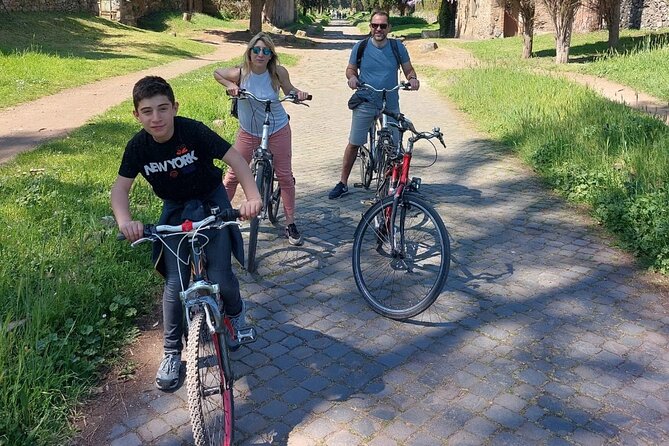
Rome’s best views come from pedaling. This bike tour threads together ancient landmarks and green stretches outside the center, so you get that fast, real sense of how Rome connects big-time history with everyday life. I like the small group size (max 10), which keeps things personal, and I also like the way the guide turns roadside stops into stories you can actually picture. If you’re riding with a guide like Dimitri—who’s known for encouraging questions and sharing serious context—you’ll leave with Rome feeling much less like random ruins.
One thing to plan around: this experience requires good weather. If conditions aren’t right, you’ll be offered a different date or a refund, so keep an eye on forecasts and don’t schedule it as your only outdoor activity.
In This Review
- Key Highlights Worth Getting Excited About
- Why This Small-Group Bike Tour Feels Better Than Big-Sightseeing
- Circo Massimo and Terme di Caracalla: Seeing Two Roman “Worlds” Fast
- Circo Massimo
- Terme di Caracalla
- Aurelian Walls and the Museum of the Walls: Rome’s Hard Boundaries
- Museo delle Mura (Aurelian Walls)
- Appian Way (Via Appia Antica): The Ride That Makes Rome Feel Real
- Catacombs and the Road Into the Outskirts: San Callisto Up Close
- Parco degli Acquedotti and Parco Archeologico dell’Appia Antica: Ancient Engineering With Fresh Air
- Aqueduct park views
- Parco Della Caffarella
- Torre Fiscale and Via Cristoforo Colombo: The Route Points Toward the Sea
- Parco di Torre Fiscale
- Via Cristoforo Colombo
- Price and Time: Does $96.12 Feel Fair for 4.5 Hours?
- Pacing and Expectations: What You’ll Actually Get Out of the Short Stops
- Who This Bike Tour Is Best For
- Practical Tips to Make the Day Easier
- Should You Book Rome’s Ultimate Bike Tour?
- FAQ
- How long is Rome’s Ultimate Bike Tour?
- How much does the tour cost?
- What group size should I expect?
- Where do I meet, and what time does it start?
- Is the tour offered in English, and do I get a ticket on my phone?
- What if the weather is bad or I need to cancel?
Key Highlights Worth Getting Excited About
- No more than 10 people keeps the pace human and the Q&A natural
- A mix of city icons and open-air scenery in a single ride
- Appian Way time on Via Appia Antica, often called the Queen of Roman roads
- Ancient engineering in the aqueduct parks with views beyond the usual center sights
- Multiple free admission stops, so you’re paying for the guide and the ride, not a ticket stack
Why This Small-Group Bike Tour Feels Better Than Big-Sightseeing
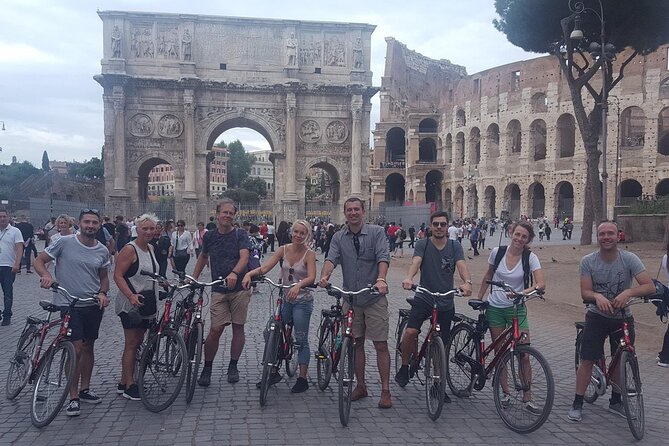
Rome can be intense. Crowds, lines, and the feeling you’re just being routed from one photo spot to another. This tour’s format cuts through that. With a maximum of 10 guests, you don’t get that “herd” vibe. You can ask a question, get an answer, and move on without feeling rushed or ignored.
I also like that the tour isn’t only about monuments. You’re doing a city-to-nature storyline: stadium scale, bathhouse scale, then road scale, then catacomb scale, and finally aqueduct park scale. The sights vary so much that your brain doesn’t get numb. You’re constantly adjusting, noticing, and learning.
The other practical win: it runs about 4 hours 30 minutes and uses short, targeted stops (many are around 10 minutes). That makes it ideal when you don’t want a whole day locked into one neighborhood.
More of Rome under pedal power
- Rome EBike Tour: Appian Way, Catacombs & Roman Aqueducts
★ 5.0 · 1,766 reviews - Rome: Top Highlights & Hidden Gems Tour by Cannondale E-Bike
★ 4.9 · 1,760 reviews - Rome: Appian Way & Aqueducts E-Bike Tour (Catacombs & Food)
★ 4.9 · 1,498 reviews - Rome: Appian Way, Catacombs, & Roman Aqueducts E-bike Tour
★ 4.9 · 1,421 reviews
Circo Massimo and Terme di Caracalla: Seeing Two Roman “Worlds” Fast
You start with two heavy hitters that instantly set the Roman mood.
Circo Massimo
This is the Circus Maximus, described as the biggest stadium ever built in the history of the world. Even if you’ve seen pictures, it helps to be on a bike near the scale of it. The point here isn’t a long show or a deep museum hour. It’s the gut check: Rome really knew how to build for spectacle.
What you’ll like: you get a dramatic framing start—entertainment and public life, right away.
What to consider: the stop is about 10 minutes, so think of it as orientation, not a full exploration.
Terme di Caracalla
Next comes the Baths of Caracalla, noted as the second largest public bath complex built in Ancient Rome. Bathhouses were more than a place to wash; they were social and political spaces rolled into one.
On a bike, the best part is you can keep momentum and still feel the atmosphere of the area. You also get a quick sense of why bath complexes became major “Roman lifestyle” hubs.
What you’ll like: the contrast between entertainment (Circus Maximus) and daily public ritual (the baths).
What to consider: again, it’s a brief stop—you’ll leave knowing what the site represents more than you’ll leave with every architectural detail.
Worth a look next to this Rome booking:
Aurelian Walls and the Museum of the Walls: Rome’s Hard Boundaries
After that big open-space feeling, you shift into Rome’s defensive brain.
Museo delle Mura (Aurelian Walls)
The museum here focuses on the Aurelian Walls, which marked the contemporary historical center of Rome. Walls are one of those topics that can sound dry until you see what they were supposed to do: define who’s inside, what gets protected, and what the city refuses to ignore.
Because this is part of a bike route, you’re also getting that “Rome as a system” perspective. A wall isn’t just a relic. It’s a map you can almost feel—how Rome controlled movement and shaped identity.
What you’ll like: the tour gives you a sense of city planning, not just sightseeing.
What to consider: it’s another 10-minute stop, so you’ll get the highlight version.
Appian Way (Via Appia Antica): The Ride That Makes Rome Feel Real
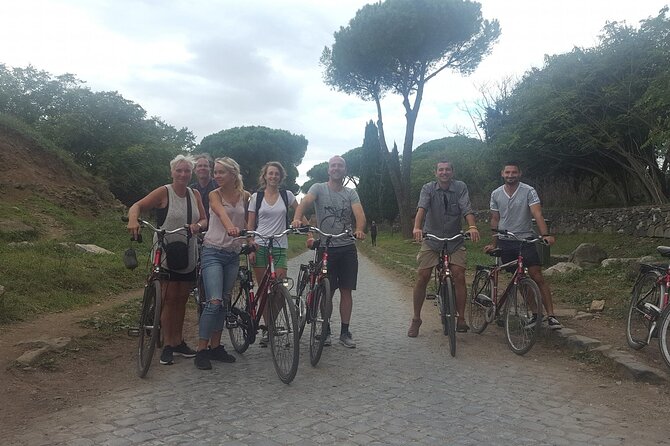
If you want one moment that changes your whole trip, it’s the stretch on Via Appia Antica, often called the Queen of all Roman roads. This is the kind of place where you can imagine logistics—how people, goods, and power moved—without needing a lecture.
The ride is about 40 minutes, which is the longest single block of time on the tour. That matters. It gives you enough time to slow down mentally and start picking up details as the road stretches and the landscape opens.
Why this portion is valuable: Roman roads are where history turns into geography. You’re not just looking at ruins; you’re traveling through the same kind of thinking that built an empire’s connections.
What to consider: because this is a moving ride segment, the experience works best if you’re comfortable on a bike and okay with a moderate pace. If you’re looking for a museum-style sit-down, this part will feel more like travel than like class.
Catacombs and the Road Into the Outskirts: San Callisto Up Close
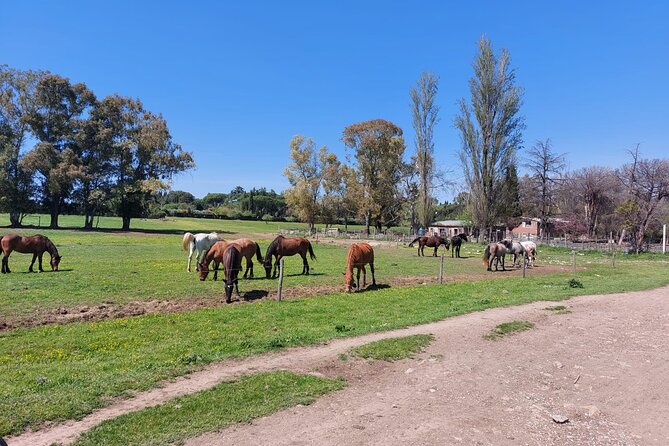
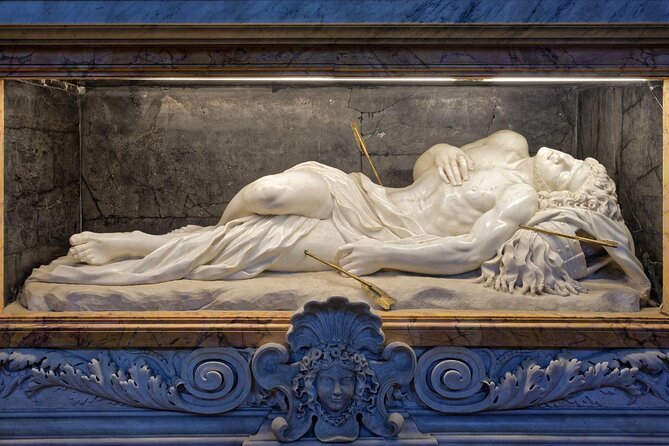
Next you go to the Catacombe di San Callisto. The tour frames it as a panoramic ride through the largest catacomb complex of Rome.
This stop gives you a different kind of scale than the roads and baths. Catacombs connect to memory and movement—how space gets used over time, and how a city carries layers of life even when the surface changes.
What you’ll like: the ride approach. You’re not just dealing with a single point of interest; you’re feeling how the landscape and route shape what you see.
What to consider: the allocated time is about 15 minutes, so it’s a first look, not a long, slow underground experience.
Parco degli Acquedotti and Parco Archeologico dell’Appia Antica: Ancient Engineering With Fresh Air
Now you get the “Rome outside Rome” feeling.
Aqueduct park views
You’ll spend around 30 minutes at Parco degli Acquedotti – Parco Archeologico dell’Appia Antica, where ancient Roman architectural and engineering wonders meet open views.
Aqueducts are one of those topics where Rome’s genius can feel surprising because the result is practical. Water infrastructure isn’t glamorous on a postcard, but on the ground it becomes obvious why it mattered. It’s not just about building; it’s about sustaining a city.
What you’ll like: you get a change in air and space right in the middle of the tour. It stops the day from becoming only “stone and crowd.”
What to consider: it’s still a half-hour block, so plan for “overview plus a few key moments,” not a full archaeological wandering session.
Parco Della Caffarella
Right after, you hit Parco Della Caffarella, also about 30 minutes. This is where the city and nature meet.
That’s a great pairing after aqueduct country. You’ll be comparing Rome’s big engineering lines with softer, lived-in landscape. It’s a satisfying rhythm: hard structure, then open greenery.
What you’ll like: the tour gives you a balanced mix of monument drama and outdoor breathing room.
What to consider: parks can mean uneven, changeable light, and you’ll want to dress for sun and shade.
Torre Fiscale and Via Cristoforo Colombo: The Route Points Toward the Sea
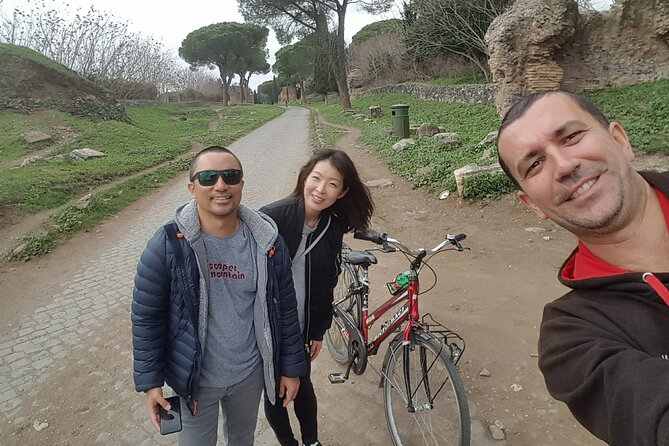
Two final segments add a sense of direction and purpose.
Parco di Torre Fiscale
You spend about 10 minutes learning the history of the Fiscal Tour and its purposes. This kind of stop is useful because it connects a location to function, not just form. You’re getting a “why this place matters” moment.
What you’ll like: the tour doesn’t only focus on famous ruins. It also explains how routes and systems worked.
What to consider: with short timing, expect a highlight explanation, not a full deep lecture.
Via Cristoforo Colombo
Finally, there’s Via Cristoforo Colombo, described as the street linking Rome’s historic center to Ostia—the gateway of the Eternal City to the Tyrrhenian Sea.
This is a smart closing idea. It ties the whole ride together: roads as lifelines. Rome’s center didn’t exist in isolation. It connected outward, toward ports, trade, and the larger world.
What you’ll like: the tour ends with a sense of continuation—Rome as a network, not a closed museum.
What to consider: it’s another 10-minute stop, so keep your expectations realistic: this is a finish, not a grand finale festival.
Price and Time: Does $96.12 Feel Fair for 4.5 Hours?
At $96.12 per person for about 4 hours 30 minutes, the price isn’t cheap in the abstract. But it can feel fair when you compare what you’re buying: a coordinated bike route, multiple stops, and a guide who can explain what you’re seeing (especially if you’re hearing a guide like Dimitri, known for being personable and question-friendly).
A big part of the value is that admission tickets for the listed stops are marked free. That matters because it keeps the day from turning into surprise costs. You’re paying for the experience design—route, timing, and interpretation—not a chain of entrance fees.
Also, the tour is offered in English and uses a mobile ticket. For planning, that’s a practical win.
Pacing and Expectations: What You’ll Actually Get Out of the Short Stops
This tour is built on lots of brief stops—many are around 10 minutes. That can be a feature or a bug, depending on your travel style.
If you like fast structure, it’s great. You’ll cover a lot of ground and come away with a clearer map of Rome’s highlights and outskirts. If you love lingering—hours in one site, slow walking, long reading—this may feel like a highlight reel.
For me, the best way to think about it is this: it’s ideal for getting your bearings and linking the dots. It doesn’t try to replace a dedicated museum visit. It prepares you so your other Rome days make more sense.
Who This Bike Tour Is Best For
This one fits well if you:
- want a small-group experience with room for questions
- like seeing how Rome works across different zones—city monuments plus outskirts parks
- prefer an active sightseeing plan instead of only long walking days
- appreciate a guide who can explain what you’re looking at as you move
The tour says most people can participate, which is reassuring. Still, the experience clearly depends on being able to spend time cycling and keeping pace for a few hours, including longer ride time on the Appian Way segment.
Practical Tips to Make the Day Easier
A couple of simple things help you get more out of this kind of route:
- Wear comfortable shoes and dress for sun and shade changes, since you’ll be in parks and outdoor spaces.
- Bring a good attitude for “quick stops.” You’ll cover more by letting each stop be a short orientation moment.
- If your schedule is tight, note that it starts at 10:00 am and loops back to the same meeting point.
Should You Book Rome’s Ultimate Bike Tour?
I’d book it if you want Rome to feel connected—roads leading to parks, monuments leading to landscapes, and explanations that make the route click. The small group size and the emphasis on scenic views plus local context make it a strong value, especially with the listed stops showing free admission.
I would hesitate if you’re the type who needs long, slow time at one site, or if outdoor weather could be a gamble for your trip. Since it needs good weather, it’s best as a “high probability” day, not your last hope.
If you want a Rome day that’s active, varied, and explained in a way that sticks, this is a smart pick.
FAQ
How long is Rome’s Ultimate Bike Tour?
It lasts about 4 hours 30 minutes.
How much does the tour cost?
The price is $96.12 per person.
What group size should I expect?
The tour has a maximum of 10 travelers.
Where do I meet, and what time does it start?
You meet at Via dei Serpenti, 89, 00184 Roma RM, Italy and the start time is 10:00 am. The activity ends back at the meeting point.
Is the tour offered in English, and do I get a ticket on my phone?
Yes, it’s offered in English and you’ll receive a mobile ticket.
What if the weather is bad or I need to cancel?
This experience requires good weather. If it’s canceled due to poor weather, you’ll be offered a different date or a full refund. You can also cancel for a full refund up to 24 hours before the experience starts.
More Tours in Rome
- Vatican Museums, Sistine Chapel & St. Peter’s Basilica Tour
★ 4.3 · 73,970 reviews - Vatican Museums, Sistine Chapel & St Peter’s Basilica Guided Tour
★ 4.5 · 39,149 reviews - Rome: Colosseum, Palatine Hill and Roman Forum Guided Tour
★ 4.8 · 32,814 reviews - Rome: Guided Tour of Colosseum, Roman Forum & Palatine Hill
★ 4.7 · 27,897 reviews - Rome: Colosseum, Roman Forum and Palatine Hill Guided Tour
★ 4.5 · 23,903 reviews - Rome: Colosseum Arena Floor, Palatine & Forum Guided Tour
★ 4.5 · 20,180 reviews
More Tour Reviews in Rome
- Vatican Museums, Sistine Chapel & St. Peter’s Basilica Tour
★ 4.3 · 73,970 reviews - Vatican Museums, Sistine Chapel & St Peter’s Basilica Guided Tour
★ 4.5 · 39,149 reviews - Rome: Colosseum, Palatine Hill and Roman Forum Guided Tour
★ 4.8 · 32,814 reviews - Rome: Guided Tour of Colosseum, Roman Forum & Palatine Hill
★ 4.7 · 27,897 reviews - Rome: Colosseum & Forum with Audio Guide App -Optional Arena
★ 4.2 · 24,770 reviews - Rome: Colosseum, Roman Forum and Palatine Hill Guided Tour
★ 4.5 · 23,903 reviews
Pedal Through More of Rome
- Rome EBike Tour: Appian Way, Catacombs & Roman Aqueducts
★ 5.0 · 1,766 reviews - Rome: Top Highlights & Hidden Gems Tour by Cannondale E-Bike
★ 4.9 · 1,760 reviews - Rome: Appian Way & Aqueducts E-Bike Tour (Catacombs & Food)
★ 4.9 · 1,498 reviews - Rome: Appian Way, Catacombs, & Roman Aqueducts E-bike Tour
★ 4.9 · 1,421 reviews - Rome City Small Group Bike Tour with quality Cannondale EBike
★ 5.0 · 1,380 reviews - Rome by Night – Ebike Small Group Tour – Food and Wine (Option)
★ 5.0 · 1,275 reviews
Just added to our Rome reviews





Rome E-Bike Tours, compared.
 ★ 5.0Rome EBike Tour: Appian Way, Catacombs & Roman AqueductsFrom $1021,766 reviews
 ★ 4.9Top Highlights & Hidden Gems Tour by Cannondale E-BikeFrom $851,760 reviews
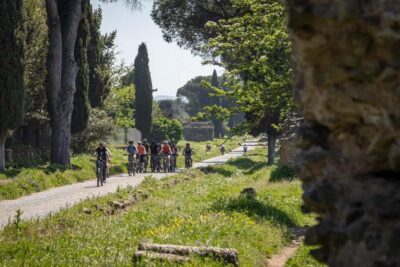 ★ 4.9Appian Way & Aqueducts E-Bike Tour (Catacombs & Food)From $881,498 reviews
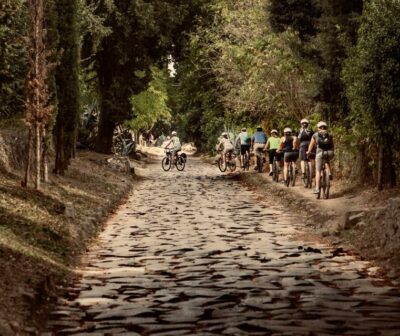 ★ 4.9Appian Way, Catacombs, & Roman Aqueducts E-bike TourFrom $851,421 reviews
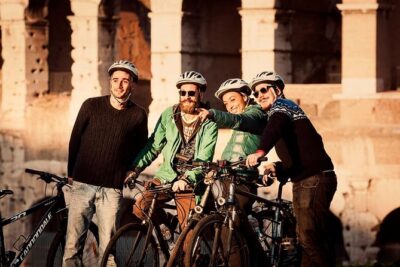 ★ 5.0Rome City Small Group Bike Tour with quality Cannondale EBikeFrom $1021,380 reviews
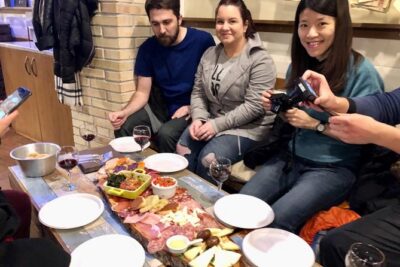 ★ 5.0Rome by Night – Ebike Small Group Tour – Food and Wine (Option)From $711,275 reviews
 ★ 4.9Rome by Night: E-bike Small Group Tour -Food & Wine (Option)From $691,233 reviews
 ★ 5.0Appian Way Aqueducts Bike Tour (Catacombs & Lunch Option)From $78975 reviews
Browse the lists this tour appears in