
Reviewed · PANTHEON TOURS
Rome underground: Piazza Navona, the Illusion Church and Pantheon
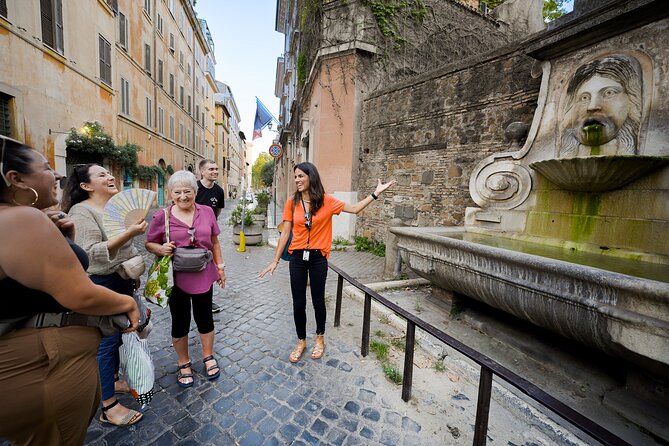
Rome has a talent for hiding its best stuff in plain sight. This tour threads together quiet corners of the historic center with a surprise trip beneath Piazza Navona. You’ll get a practical, manageable walking route and a tight focus on details most people miss.
I especially like the way it keeps the day human-sized: an intimate group of up to 12, plus short stops that don’t feel rushed. I also love the mix of sights, from big-name Rome icons like the Pantheon to smaller churches where optical tricks and dramatic art steal the show.
One thing to consider: the route is concentrated, and you’ll spend most of the 2 hours 30 minutes outside, moving between points. If you’re craving a slow, long sit-down tour, this one may feel a bit brisk.
In This Review
- Key highlights at a glance
- Rome Underground: Piazza Navona Above and Below
- Piazza di Pietra and Hadrian’s columns (with ancient gossip)
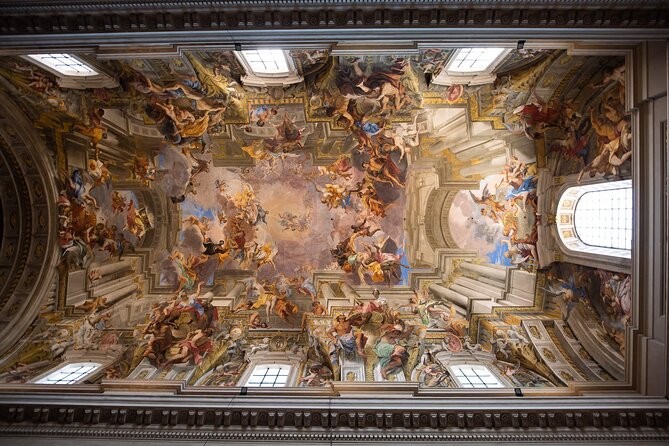
- Chiesa di Sant’Ignazio di Loyola and its optical illusion game
- Pantheon outside details and that light effect
- Piazza della Minerva: rival artists and sculptures with a grudge
- St. Louis of the French and Caravaggio’s realism
- Piazza Navona moment: what changes when you’re not just sightseeing
- The guides: small-group storytelling that actually answers questions
- Price and value: $78.44 for a tight route with one real entry included
- Who should book this Rome underground walk?
- Should you book it?
- FAQ
- How long is the Rome Underground: Piazza Navona, the Illusion Church and Pantheon tour?
- How much does the tour cost?
- Is the tour in English?
- What size is the group?
- Where does the tour start and end?
- Do I need to pay for tickets at each stop?
- What if the tour has to be canceled because of minimum travelers?
- What is the cancellation policy?
Key highlights at a glance
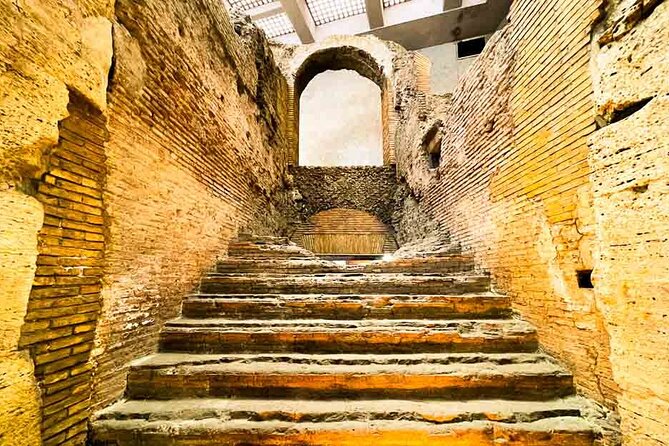
- Piazza Navona underground access to Domitian’s ancient stadium—what you see is the story, not just a viewpoint
- Chiesa di Sant’Ignazio di Loyola optical illusions you’re meant to notice in sequence, not all at once
- Pantheon timing talk about a light effect that happens only a few days per year
- Small-group energy (max 12) with room for questions and back-and-forth
- Caravaggio at Church of St. Louis of the French with his realism and drama in focus
- Surprising storytelling tied to statues and architecture, not just dates and names
Rome Underground: Piazza Navona Above and Below
There are plenty of Rome tours that stay on street level. This one uses a smart idea: show you the square you already know, then flip the perspective by taking you underground beneath Piazza Navona.
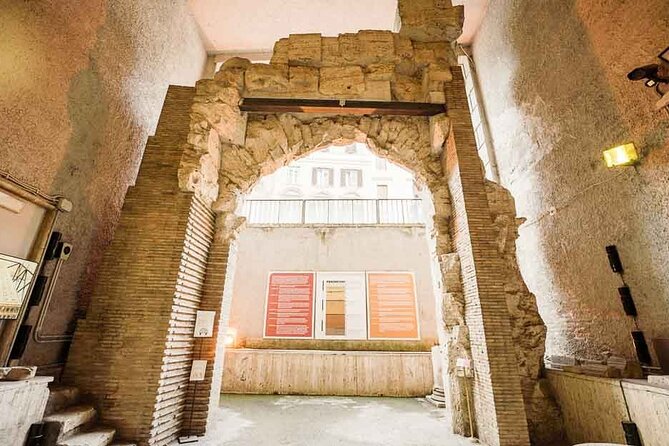
The underground stop centers on the Stadio di Domiziano, the Roman stadium connected to athletic games around 2000 years ago. It’s a rare chance to see how the city layers over itself—Rome built on Rome, with the modern street acting like a roof over older life. Even if you’ve seen photos of the stadium, being there changes the scale. You stop thinking of ruins as a distant past and start sensing the city as a continuous place.
On the surface, Piazza Navona is exactly what most people expect: lively, beautiful, and very photogenic. The twist here is that the story doesn’t end at the fountain and façades. You’re taught to look for meaning first, then beauty second. That order makes the whole experience stick.
The Pantheon, a couple more takes
- Rome: Pantheon Priority Entry Ticket & Interactive App
★ 4.1 · 5,114 reviews - Rome: Pantheon Priority Entry Tickets with Interactive App
★ 4.6 · 4,108 reviews - Rome: Pantheon Timeless Marvel Guided Tour with Entry Ticket
★ 4.9 · 4,002 reviews - Castel Sant’Angelo: Ticket with optional Vatican or Pantheon
★ 4.4 · 3,088 reviews
Piazza di Pietra and Hadrian’s columns (with ancient gossip)
The tour kicks off near Piazza di Pietra with a stop that’s easy to miss if you’re only rushing from postcard to postcard. You’ll spend time at the area dominated by the gigantic columns of the Temple of Hadrian.
What makes this more than a photo stop is the storytelling angle. You’ll hear the ancient love-triangle angle connected to Hadrian—how his life, his relationships, and the tragic end of the person he loved get braided into the narrative around the monument. It’s the kind of history that gives you people to remember, not just structures to pass by.
This opening also sets the tone for the whole walk: you’re not wandering aimlessly. Each place is chosen because it carries a specific “why should I care” hook. And because the route stays in the historic center, you’re not spending your time crossing Rome like a transit problem.
Chiesa di Sant’Ignazio di Loyola and its optical illusion game
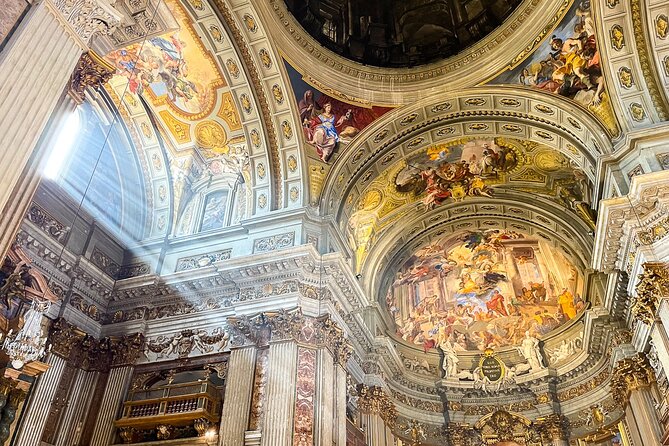
Next is Chiesa di Sant’Ignazio di Loyola, a church with visual tricks that can feel like magic if you know what to look for. The key idea here is pacing—most people catch the first illusion and stop paying attention.
You’ll be guided to notice more. The emphasis is on how the illusion works and why it’s placed where it is, so your eyes learn the rules as you go. That makes it less like a one-time wow moment and more like a little lesson in how Baroque art played with perception.
A practical way to think about this stop: go in ready to look up and stay patient. The illusions aren’t always obvious on the first glance, so your best move is to slow down your brain for a few minutes. If you enjoy churches for the art choices—not just the famous paintings—this one is a standout.
Pantheon outside details and that light effect
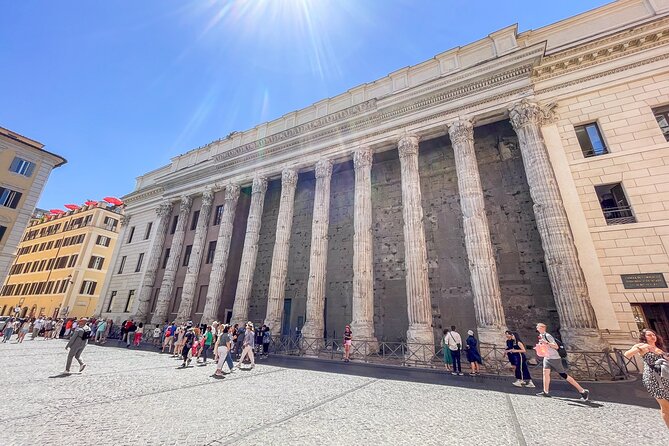
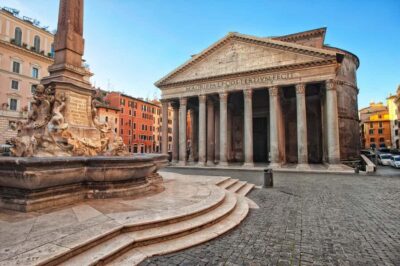
You’ll get a focused look at the Pantheon from the outside. That’s a deliberate choice, and it works. From street level, it’s easy to treat the Pantheon like a single iconic dome. The tour instead points you toward the lesser-known facts people often skip.
One especially cool tidbit is the talk about an incredible light effect that happens only a few days per year, and that was only discovered in recent years. Even without going inside as part of your time here, hearing the idea changes what you notice. Suddenly the building becomes a device, not just a landmark.
A minor consideration: the stop is short—about 10 minutes. So if you want time to browse more independently, this is the part where you might feel a little urge to extend your visit after the tour. Still, the payoff is that you leave knowing what to look for if you do go in later on your own.
More hours among the great piazzas



Piazza della Minerva: rival artists and sculptures with a grudge
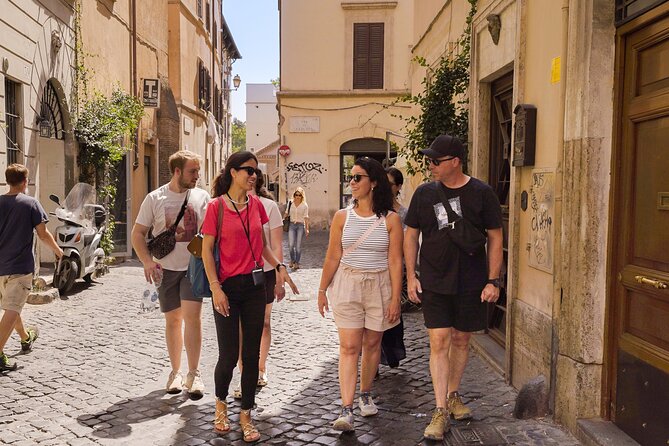
Then you shift to Piazza della Minerva, a smaller square that feels more like a neighborhood pause than a major museum stop. It’s also the kind of place where kids can be playing soccer after school, which makes the whole area feel more like real Rome than a staged show.
Here, the focus is on art stories tied to conflict. You’ll learn about two artists who didn’t like each other, and how that tension shows up through the sculptures. The point isn’t just drama. It’s a reminder that art in Rome wasn’t always created in calm harmony. People argued, influenced each other, and left traces—sometimes literally in the work you can still see.
If you like history that explains why something looks the way it does, this is a strong stop. And because it’s shorter, it doesn’t overwhelm the rest of the afternoon.
St. Louis of the French and Caravaggio’s realism
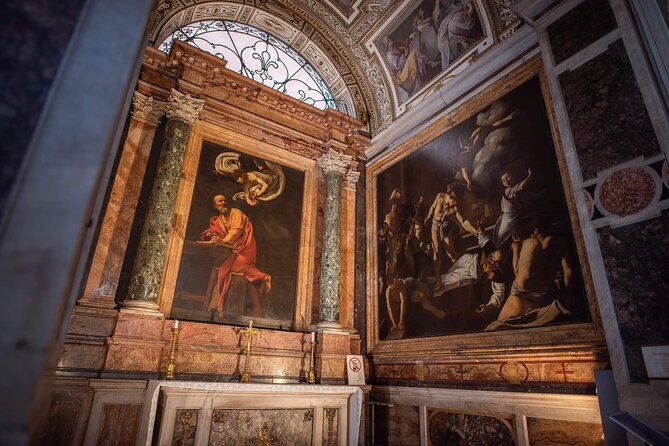
At the Church of St. Louis of the French, the tour turns to one of Rome’s most unforgettable artistic voices: Caravaggio. If you haven’t spent time with his work before, this is a great on-ramp. You’ll leave with a clearer sense of what makes him so famous—his realistic style and the dramatic emotional punch in his paintings, the kind that almost feels like you could step into the scene.
You get time here that’s long enough to make it meaningful (about 30 minutes). This matters. Caravaggio isn’t a “blink and move on” artist. His strength is how he uses light and contrast to control your attention. With the tour’s framing, you’re not just looking at religious images—you’re reading a kind of theater.
If you’re the kind of traveler who likes your art with a pulse, this stop is likely to be one of your favorites.
Piazza Navona moment: what changes when you’re not just sightseeing
When you arrive at Piazza Navona, you’ll get the famous square version first—but with an important twist. The tour doesn’t let you treat it as background. You’re guided to understand what you’re seeing and why it matters, even if your time in the square itself is brief.
Then comes the big payoff: the underground session beneath it. So the square works in two layers. First layer: the beauty and the layout. Second layer: the buried stadium and the scale of what once lived here.
This is also where the small group size starts paying off. In a group capped around 12, it’s easier to keep an eye on the guide and follow the story without losing the thread. The best part is that you’re not repeating what you already know. You’re learning how to re-see it.
The guides: small-group storytelling that actually answers questions
The most consistent praise across the experience is the human factor: guides who are fun, engaging, and able to answer almost anything you throw at them. Named guides include Sabrina and Federica, and both come up as big reasons people rate the tour so highly.
That matches what the tour is built to do. When a route is designed around surprises—optical illusion sequencing, art interpretation, and underground archaeology—the guide can make or break it. The reviews lean hard toward guides who bring the material alive and keep the pace relaxed and easy, with people describing the experience as their favorite in Rome.
Also, one of the more helpful bits of context from the feedback is that there are multiple surprises included. The instructions don’t require you to be an expert. You just need a curious eye and a willingness to pay attention for small details as you walk.
Price and value: $78.44 for a tight route with one real entry included
At $78.44 per person for about 2 hours 30 minutes, the value depends on what you care about.
Here’s the practical breakdown:
- It’s built around a manageable walk in Rome’s historic center, which saves you time and mental energy.
- The group size stays small (up to 12), which usually means better attention and more interaction.
- Most stops list free admission tickets, with one stop—the Domitian stadium underground—included.
So you’re paying mainly for curated guidance and a special underground access moment, not for a bundle of expensive attractions. If your idea of value is learning to see what’s in front of you, not just checking major landmarks, this price starts to make sense.
It also helps that reviews are strongly positive on engagement and pacing. When a tour feels smooth and not like a rushed checklist, you get more out of every minute you spend.
Who should book this Rome underground walk?
This tour is a good match if you want:
- A route that stays in the historic center, without long transit gaps
- Church art and storytelling that trains your eyes (illusions, Caravaggio, sculpture meaning)
- A focused history style that explains people and motives, not just dates
- The chance to see Piazza Navona’s underground without feeling like you’re going in blind
It may feel less ideal if you only want massive, famous sights with lots of inside time. This experience leans into outside looks plus one underground reveal.
One more tip: with average booking occurring well ahead of time (you can often see this type of tour sell out), it’s smart to plan rather than hope.
Should you book it?
I think you should book this if you like Rome when it’s quiet, specific, and a little bit playful. The underground element under Piazza Navona is the kind of experience that’s hard to replicate on your own, and the rest of the route is shaped to teach you how to notice things most people gloss over.
If you want a tour that’s mostly about major monuments and long interior time, you might feel shortchanged. But if you enjoy stories tied to art, architecture, and clever visual moments, this one lands well.
FAQ
How long is the Rome Underground: Piazza Navona, the Illusion Church and Pantheon tour?
It runs for about 2 hours 30 minutes.
How much does the tour cost?
The price is $78.44 per person.
Is the tour in English?
Yes, it’s offered in English.
What size is the group?
The tour has a maximum group size of 12 travelers.
Where does the tour start and end?
It starts at P.za di Pietra, 40, 00186 Roma RM, Italy and ends at Piazza Navona, 00186 Roma RM, Italy.
Do I need to pay for tickets at each stop?
Most stops have free admission tickets as part of the experience, and the Stadio di Domiziano under Piazza Navona has admission included.
What if the tour has to be canceled because of minimum travelers?
If it’s canceled due to not meeting a minimum number of travelers, you’ll be offered a different date/experience or a full refund.
What is the cancellation policy?
You can cancel for a full refund up to 24 hours in advance of the experience start time.
More Tour Reviews in Rome
- Vatican Museums, Sistine Chapel & St. Peter’s Basilica Tour
★ 4.3 · 73,970 reviews - Vatican Museums, Sistine Chapel & St Peter’s Basilica Guided Tour
★ 4.5 · 39,149 reviews - Rome: Colosseum, Palatine Hill and Roman Forum Guided Tour
★ 4.8 · 32,814 reviews - Rome: Guided Tour of Colosseum, Roman Forum & Palatine Hill
★ 4.7 · 27,897 reviews - Rome: Colosseum & Forum with Audio Guide App -Optional Arena
★ 4.2 · 24,770 reviews - Rome: Colosseum, Roman Forum and Palatine Hill Guided Tour
★ 4.5 · 23,903 reviews
More of Rome's Grand Piazzas
- 3 in 1 Cooking Class near Navona: Fettuccine, Ravioli & Tiramisu
★ 5.0 · 7,376 reviews - Rome Food Tour: Campo de’ Fiori, Ghetto, Trastevere Winner 2024
★ 5.0 · 3,205 reviews - Rome: Trastevere & Campo de Fiori Street Food Walking Tour
★ 4.9 · 2,768 reviews - Enjoy Spritz and Pasta Making in Piazza Navona
★ 5.0 · 1,681 reviews - Rome: Pasta & Tiramisu Cooking Class near the Spanish Steps
★ 4.8 · 1,395 reviews - Rome: Traditional Pizza Cooking Class near Piazza Navona
★ 4.7 · 1,241 reviews
Back to the Pantheon
- Rome: Pantheon Priority Entry Ticket & Interactive App
★ 4.1 · 5,114 reviews - Rome: Pantheon Priority Entry Tickets with Interactive App
★ 4.6 · 4,108 reviews - Rome: Pantheon Timeless Marvel Guided Tour with Entry Ticket
★ 4.9 · 4,002 reviews - Castel Sant’Angelo: Ticket with optional Vatican or Pantheon
★ 4.4 · 3,088 reviews - Pantheon Elite Guided Tour – Rome’s Iconic Ancient Temple
★ 5.0 · 1,447 reviews - Rome: Pantheon Small-Group Guided Tour with Entry Ticket
★ 4.9 · 1,226 reviews
Just added to our Rome reviews





Pantheon Tours, compared.
 ★ 4.1Pantheon Priority Entry Ticket & Interactive AppFrom $145,114 reviews
 ★ 4.6Pantheon Priority Entry Tickets with Interactive AppFrom $54,108 reviews
 ★ 4.9Pantheon Timeless Marvel Guided Tour with Entry TicketFrom $214,002 reviews
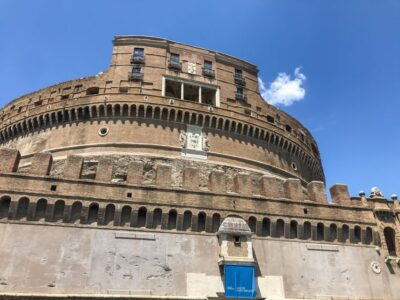 ★ 4.4Castel Sant’Angelo: Ticket with optional Vatican or PantheonFrom $183,088 reviews
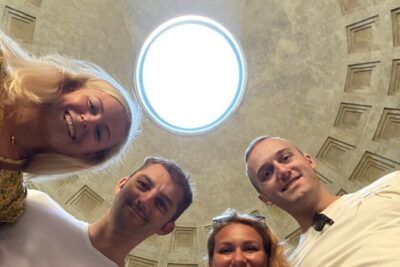 ★ 5.0Pantheon Elite Guided Tour – Rome’s Iconic Ancient TempleFrom $411,447 reviews
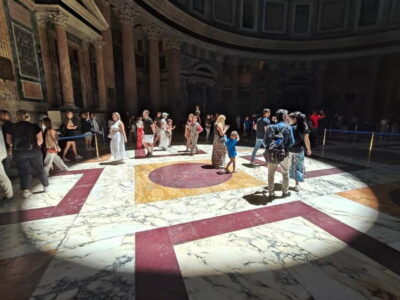 ★ 4.9Pantheon Small-Group Guided Tour with Entry TicketFrom $511,226 reviews
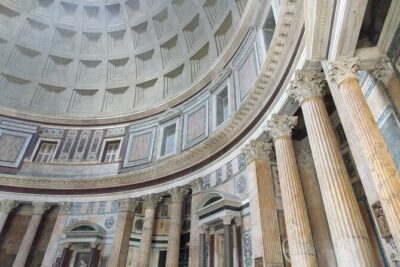 ★ 4.0Rome’s Iconic Temple: Pantheon Audio Guided Tour with Fast AccessFrom $211,188 reviews
 ★ 4.7Pantheon Small Group Tour and Skip-the-Line TicketFrom $531,008 reviews
Browse the lists this tour appears in