
Reviewed · PANTHEON TOURS
Rome Must See Golf Cart Tour: Pantheon Navona & Trevi Fountain
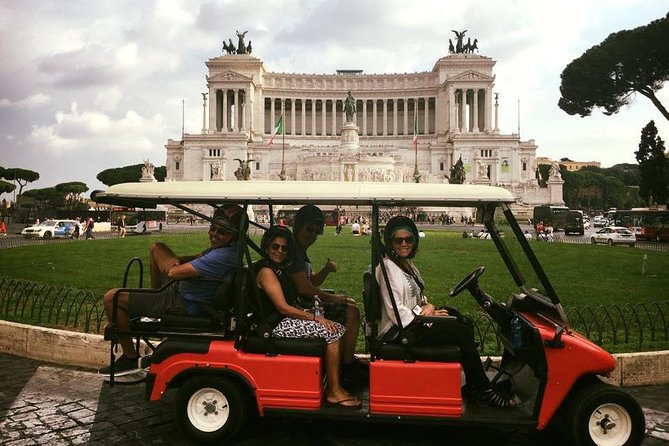
Rome in a golf cart sounds silly. It works. This half-day tour is built for seeing a lot of Rome in a relaxed way, using back streets to cut through traffic chaos and giving you easy photo stops at the big landmarks. You also get a mix of major hits and lesser-stomped streets, from Pantheon-area viewpoints to Campo di Fiori energy.
I also like that it’s small group (up to 15) and runs at a pace where you can choose how much time to spend walking around each stop. One possible drawback: like any short overview tour, the experience can feel rushed if your guide can’t hear everyone clearly or if the group dynamics slow down (I’d set your must-sees clearly at the start, especially Trevi Fountain and the Spanish Steps).
In This Review
- Key highlights to know before you go
- Why a Rome golf cart tour beats the usual bus-and-walk plan
- Where you meet, and how the timing really affects the day
- Pantheon and Navona Square: the “first wow” stretch
- Trevi Fountain and the Spanish Steps without the worst energy drain
- Mouth of Truth and Campo di Fiori: where Rome feels more like life
- Ancient Rome viewpoints: Palatine Hill, Colosseum area, and Circus Maximus
- Via Veneto, Villa Borghese, and Aventine Hill’s Keyhole view
- Coffee and gelato breaks that make the tour feel like Rome
- Small-group pacing, route tweaks, and the guide factor
- Price and value: is $229.29 per person worth it?
- Who should book this Rome golf cart tour
- Should you book it
- FAQ
- How long is the Rome Must See Golf Cart Tour?
- What sites are included in the tour?
- Is the tour private?
- Is entry into attractions included?
- What language is the tour in?
- What is the cancellation policy?
Key highlights to know before you go
- Back-street route to reduce time in traffic, noise, and fumes
- Must-see stops such as Pantheon, Navona Square, Trevi Fountain, and Spanish Steps
- Flexible get-off-and-look moments for photos and quick wandering
- Ancient Rome photo viewpoints like Palatine Hill, Colosseum area, Circus Maximus, and Aventine Hill
- Planned breaks for coffee and gelato during the tour
- Max 15 people for a more personal, slower feel than a big bus
Why a Rome golf cart tour beats the usual bus-and-walk plan
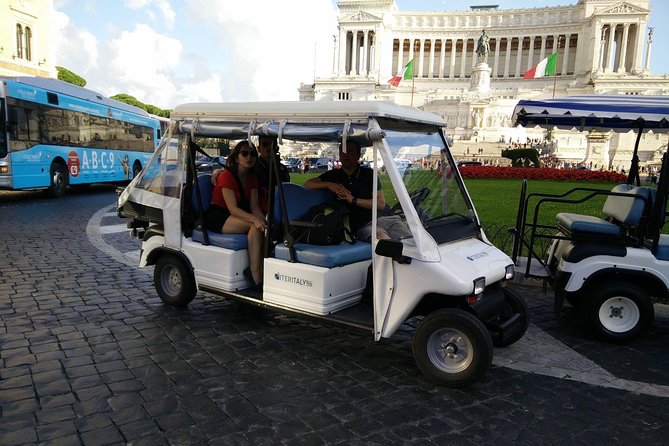
Rome is famous for walking. It’s also famous for lines, steps, traffic fumes, and the kind of crowd density that makes you wonder if your sightseeing plan needs a redesign. A golf cart tour is a practical compromise: you cover ground fast, then you choose where to slow down.
This tour focuses on getting you from highlight to highlight without bouncing you through the worst streets. You’ll get the sense of where places are in relation to each other, so later you’ll know what’s worth a second visit on foot. If you’re tight on time, it helps you get your bearings fast.
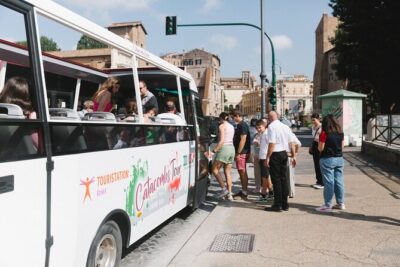
You also get the fun part: small, mobile sightseeing. The cart lets you take videos and pictures as you travel, then stop when something catches your eye. In Rome, that’s a big deal because the city changes every few blocks.
The Pantheon, a couple more takes
- Rome: Pantheon Priority Entry Ticket & Interactive App
★ 4.1 · 5,114 reviews - Rome: Pantheon Priority Entry Tickets with Interactive App
★ 4.6 · 4,108 reviews - Rome: Pantheon Timeless Marvel Guided Tour with Entry Ticket
★ 4.9 · 4,002 reviews - Castel Sant’Angelo: Ticket with optional Vatican or Pantheon
★ 4.4 · 3,088 reviews
Where you meet, and how the timing really affects the day
The tour starts at Piazzale delle Canestre (00197 Roma), and it ends back at the same point. Expect about 3 hours on the ground, and yes—you can usually choose between morning and afternoon departures.
I suggest picking the time that matches how you handle crowds. Morning often means easier moving and fewer bottlenecks around popular areas. Afternoon can be great too, especially if you like late-day light for photos—but you should expect the city to be busier in general.
When you book, you’ll get confirmation at the time of booking, and the ticket is mobile. Also, the tour is offered in English with an English-speaking driver. If you want clear explanations, arrive a little early so everyone is settled before you roll.
Finally, one value tip: if you can, book ahead. The tour is commonly reserved about a couple months in advance on average, which tells you demand is real.
Pantheon and Navona Square: the “first wow” stretch
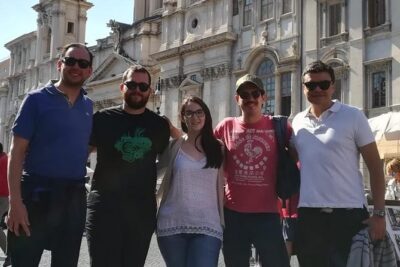
The Pantheon area and the walkways around Navona Square are usually your first major impressions. Even if you’ve seen photos, the scale in person hits differently. The Pantheon’s front and surrounding streets give you that instant “Rome is older than modern time” feeling.
This tour is designed to let you slow down where it matters. You don’t just roll past landmarks—you stop so you can look around, take pictures, and decide whether you want to walk a bit in the area. If you’re hoping to go inside specific sites, remember that entry tickets aren’t included, so you’ll want to plan separately.
Navona Square is another strong stop because it has constant motion—street life, fountains, artists, and people watching. With a cart, you reach it without spending your energy stuck at curbside traffic. Then you can do your “quick but real” stop: photos, a short wander, and back on the cart before you’re exhausted.
One practical idea: if your phone camera runs out of power, this is the part of the day when you’ll want battery most. Use it for wide shots first, then zoom only when the framing is good.
Trevi Fountain and the Spanish Steps without the worst energy drain
Trevi Fountain and the Spanish Steps are the two stops people most often want to hit quickly—and in Rome, “quickly” can still mean waiting. A golf cart tour helps because you spend less time crawling through surrounding streets and more time repositioning.
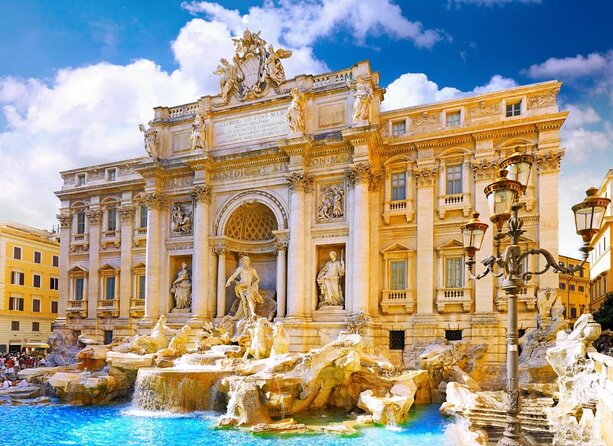
You’ll get a stop at Trevi Fountain and time to see it from key viewing angles. Then the Spanish Steps are next: that long staircase layout makes for dramatic photos, but it also attracts crowds in a hurry. The cart gets you there with less hassle than fighting pedestrian traffic for your spot.
Here’s the one caution I’d take seriously: this is still a short, half-day overview. I recommend you start the tour by clearly stating your top must-sees in order, especially if Trevi Fountain and the Spanish Steps are non-negotiable. In an ideal world, your guide keeps those on the route as planned. In the real world, group pace and audio clarity can influence how smoothly the stops happen.
If you care about squeezing in extra time around Trevi or the steps, you may need to show priority early. The tour is flexible, and you can ask for time adjustments—but the tour can’t magically create more hours.
Toss a coin, then look at these

Mouth of Truth and Campo di Fiori: where Rome feels more like life
One of the smartest parts of the route is the inclusion of quieter, more local-feeling stops. The Mouth of Truth is famous, yes—but it also marks the switch from “major postcard landmarks” into “Rome-with-stories” territory. You’ll be in the right area to notice how neighborhoods and old landmarks sit close together.
Campo di Fiori is different. It’s lively, open, and very Roman in its daily rhythm. Even if you only have a short stop, it’s one of the places where you can feel the city beyond the museum-brochure version of Rome.
The best part of these stops on a golf cart is that you’re not stuck crossing long distances on foot. You can get close, walk a few steps, take a few photos, and still have time later for other major stops. This matters because Rome adds up: stairs, pavement heat, and the mental load of crowd navigation.
If you want souvenirs or a snack break, this is the kind of area where you can browse quickly without committing to a long plan. And if you spot a small church or an interesting workshop window, you can ask to pause—this tour is built for those spontaneous moments.
Ancient Rome viewpoints: Palatine Hill, Colosseum area, and Circus Maximus
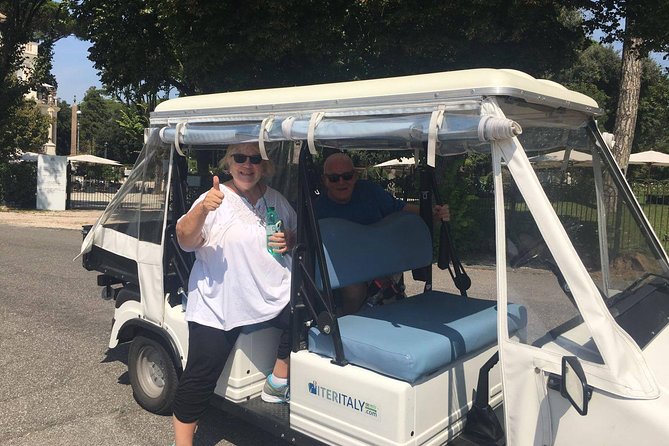
This is where Rome stops being just pretty and starts getting jaw-dropping. You’ll encounter viewpoints and stops tied to Palatine Hill, the Colosseum area, Circus Maximus, and the overall ancient layout that makes Rome unique.
A big reason a cart helps here is timing. Ancient sites are spread out, and Rome’s road system can be slow. By driving efficiently and stopping at key look points, you get the “where everything sits” overview without spending your energy on transfers.
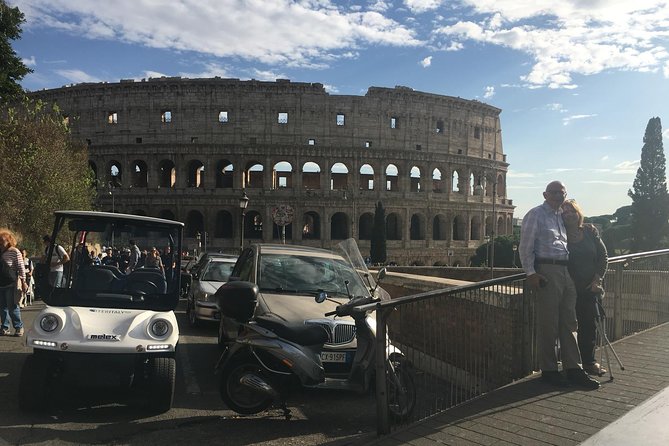
When you reach Palatine Hill and related viewpoints, you’re in the right zone to understand why emperors and elites wanted to be close to power and view. The Colosseum area gives you that iconic shape even when you’re not doing a full ticketed visit. Circus Maximus adds a different flavor because it connects to Roman entertainment and civic spectacle.
Two practical notes:
First, entry tickets aren’t included, so if you want to go inside major historic sites, plan on buying those separately.
Second, wear shoes you don’t hate. Even with a cart, you’ll likely do short walks at stops, and Rome sidewalks can be uneven.
If you’ve never visited ancient Rome before, this stretch is one of the best uses of your three hours. You’ll walk away with a map in your head, not just photos.
Via Veneto, Villa Borghese, and Aventine Hill’s Keyhole view
Not all Roman sightseeing needs to be all ancient all the time. The route also moves into areas tied to Rome’s more modern glam image and its scenic garden spaces.
Via Veneto is one of those streets that’s more about atmosphere than monuments. Even if you don’t spend long here, seeing it from the right angles helps connect what you’ve heard about Rome’s classic social life to what’s actually in front of you.
Villa Borghese gardens are another strong contrast. Gardens give your legs a break from hard pavement and give you a more relaxed visual rhythm. You get that “look around and breathe for a second” effect without losing momentum.
Then there’s Aventine Hill and the Keyhole view. That’s a small-but-memorable stop. It’s the kind of place where the cart does its job: you arrive with less fuss, then you can take your time at a specific viewing point.
If you’re the type who loves a mix of romance, views, and small photo moments, this part is likely to feel like the tour remembered to include the fun stuff, not just the checklist.
Coffee and gelato breaks that make the tour feel like Rome
This tour plans a stop for coffee and gelato. That matters more than you might think. Rome days can turn into a series of short, exhausting sprints where you forget to eat until you’re cranky.
A coffee stop keeps the guide’s pace from feeling purely “grab-and-go.” Gelato gives you a proper Roman reward, and you’ll be able to share it with the group without losing the flow of the tour.
You don’t need to turn this into a long dining plan. The point is to keep energy steady so you enjoy the next stop instead of rushing through it.
If you’re lactose-sensitive or have a dietary issue, you might find it helpful to ask for recommendations at the stop. The tour is customized to interests, so your guide can help steer you.
Small-group pacing, route tweaks, and the guide factor
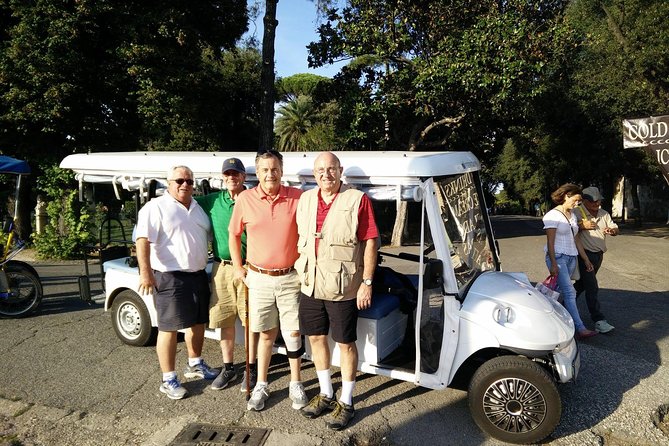
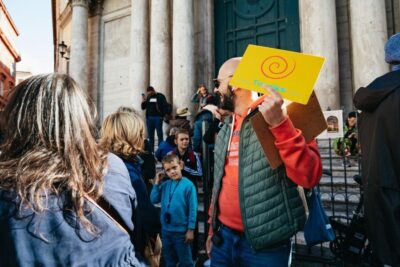
This tour runs with a maximum of 15 travelers, which is exactly the sweet spot for a half-day overview. Big buses can feel like cattle pens. With a smaller group, the driver can actually manage attention—where people are, who needs a quick pause, and how to keep time without losing everyone’s interest.
What really makes the experience work is the guide. Names that came up strongly include Marco, Francesco, Ivanna, Nadia, Sabrina, Pietro, Luca, and Tommy. People praised them for being friendly, helpful, and good at matching explanations to the group’s interests.
Also, you can ask for changes. The plan is customized so it fits what you care about. If you see something that sparks curiosity, the cart can stop and you can take a closer look. That flexibility is hard to replicate when you’re walking alone and trying to interpret Rome at speed.
One more reality check from the tour experience: audio can matter. If you’re in the back rows, you might struggle to hear the guide if the cart is loud or the environment is noisy. If this is a concern for you, sit closer to the front when possible, and don’t be shy about asking a question so you get your answer clearly.
Price and value: is $229.29 per person worth it?
At $229.29 per person for about 3 hours, this isn’t the cheapest way to see Rome. The value comes from what you’re buying: reduced friction.
You’re paying for:
- less time spent wrestling with traffic and pedestrian crowds
- a guided route that mixes iconic landmarks with off-road-in-spirit stops
- photo-friendly pacing with frequent stop-and-look moments
- an English-speaking driver plus narration while you travel
If you were to do this on your own, you’d still need a plan to move efficiently between Pantheon, Navona, Trevi, the Spanish Steps, and the ancient areas. You’d also spend a lot more mental energy figuring out where to go next and how to avoid the worst crowd pressure.
This tour is best when you want a fast, guided overview on Day 1 or Day 2. It’s less ideal if your goal is deep, ticketed exploration of one site for hours. Since entry tickets aren’t included, you’ll still need to budget for those separately if you want the full inside experience.
Who should book this Rome golf cart tour
I think this tour is a great fit if you:
- are seeing Rome for the first time and want a high-impact overview
- have limited time and want your must-sees covered without nonstop walking
- want a smaller group feel with an English-speaking guide
- like photos and short stops, not long museum marathons
It can also work well if you’re traveling with people who don’t want to walk constantly. The cart reduces the distance between major points, and the guide can help you manage how much you get out and walk. That said, you’ll still do some walking at stops, so plan for short distances.
Should you book it
Book this tour if you want to get oriented quickly and see the headline sights—Pantheon, Trevi Fountain, Spanish Steps—plus the in-between Rome that makes the city feel real. It’s especially smart as an early trip purchase because it tells you what you’ll want to return to later.
Skip it, or consider another option, if you only care about one or two sites and want long, ticket-based time inside them. Also, if audio clarity or strict stop timing matters a lot for your group, go in with a clear priority list and set expectations at the start.
If you’re trying to balance time, energy, and stress, this is one of the more practical ways to do Rome’s highlights in half a day.
FAQ
How long is the Rome Must See Golf Cart Tour?
It runs for approximately 3 hours.
What sites are included in the tour?
The tour route includes major landmarks such as the Pantheon, Navona Square, Trevi Fountain, Spanish Steps, Mouth of Truth, Campo di Fiori, Villa Borghese gardens, Via Veneto, Palatine Hill, Colosseum, Circus Maximus, and Aventine Hill with the Keyhole.
Is the tour private?
No. It’s a small-group experience with a maximum of 15 travelers.
Is entry into attractions included?
Entry tickets are not included.
What language is the tour in?
The driver provides an English-speaking tour.
What is the cancellation policy?
You can cancel for a full refund if you cancel at least 24 hours before the experience starts (local time).
More of Rome's Grand Piazzas
- 3 in 1 Cooking Class near Navona: Fettuccine, Ravioli & Tiramisu
★ 5.0 · 7,376 reviews - Rome Food Tour: Campo de’ Fiori, Ghetto, Trastevere Winner 2024
★ 5.0 · 3,205 reviews - Rome: Trastevere & Campo de Fiori Street Food Walking Tour
★ 4.9 · 2,768 reviews - Enjoy Spritz and Pasta Making in Piazza Navona
★ 5.0 · 1,681 reviews - Rome: Pasta & Tiramisu Cooking Class near the Spanish Steps
★ 4.8 · 1,395 reviews - Rome: Traditional Pizza Cooking Class near Piazza Navona
★ 4.7 · 1,241 reviews
Near the Trevi: More to See
- Rome: Trevi Fountain and Underground Guided Tour
★ 4.3 · 1,664 reviews - Rome: Opera Concert at Palazzo Poli – Fontana di Trevi
★ 4.7 · 1,026 reviews - Best of Rome Walking Tour including Trevi Fountain
★ 4.5 · 923 reviews - Catacombs Tour with Transfer – Optional Capuchin Crypt or Trevi
★ 4.5 · 694 reviews - Rome Walking Tour with Piazza Navona, Trevi Fountain and Pantheon
★ 4.5 · 676 reviews - The Great Opera Arias Concert at Palazzo Poli – Trevi Fountain
★ 5.0 · 533 reviews
Back to the Pantheon
- Rome: Pantheon Priority Entry Ticket & Interactive App
★ 4.1 · 5,114 reviews - Rome: Pantheon Priority Entry Tickets with Interactive App
★ 4.6 · 4,108 reviews - Rome: Pantheon Timeless Marvel Guided Tour with Entry Ticket
★ 4.9 · 4,002 reviews - Castel Sant’Angelo: Ticket with optional Vatican or Pantheon
★ 4.4 · 3,088 reviews - Pantheon Elite Guided Tour – Rome’s Iconic Ancient Temple
★ 5.0 · 1,447 reviews - Rome: Pantheon Small-Group Guided Tour with Entry Ticket
★ 4.9 · 1,226 reviews
Just added to our Rome reviews





Pantheon Tours, compared.
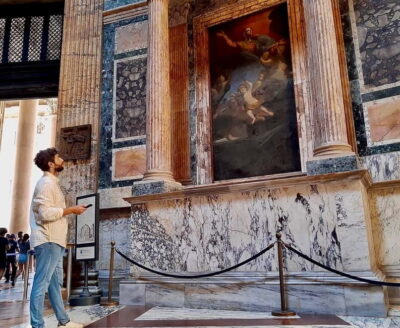 ★ 4.1Pantheon Priority Entry Ticket & Interactive AppFrom $145,114 reviews
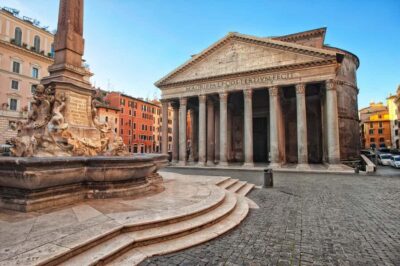 ★ 4.6Pantheon Priority Entry Tickets with Interactive AppFrom $54,108 reviews
 ★ 4.9Pantheon Timeless Marvel Guided Tour with Entry TicketFrom $214,002 reviews
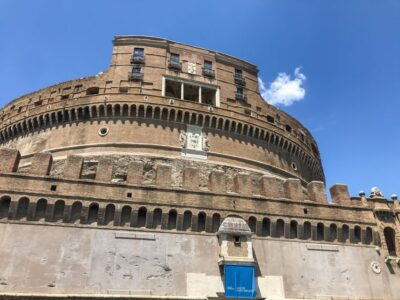 ★ 4.4Castel Sant’Angelo: Ticket with optional Vatican or PantheonFrom $183,088 reviews
 ★ 5.0Pantheon Elite Guided Tour – Rome’s Iconic Ancient TempleFrom $411,447 reviews
 ★ 4.9Pantheon Small-Group Guided Tour with Entry TicketFrom $511,226 reviews
 ★ 4.0Rome’s Iconic Temple: Pantheon Audio Guided Tour with Fast AccessFrom $211,188 reviews
 ★ 4.7Pantheon Small Group Tour and Skip-the-Line TicketFrom $531,008 reviews
Browse the lists this tour appears in