
Reviewed · COLOSSEUM & ANCIENT ROME TOURS
Rome: Introduction to the Colosseum and Ancient City Tour
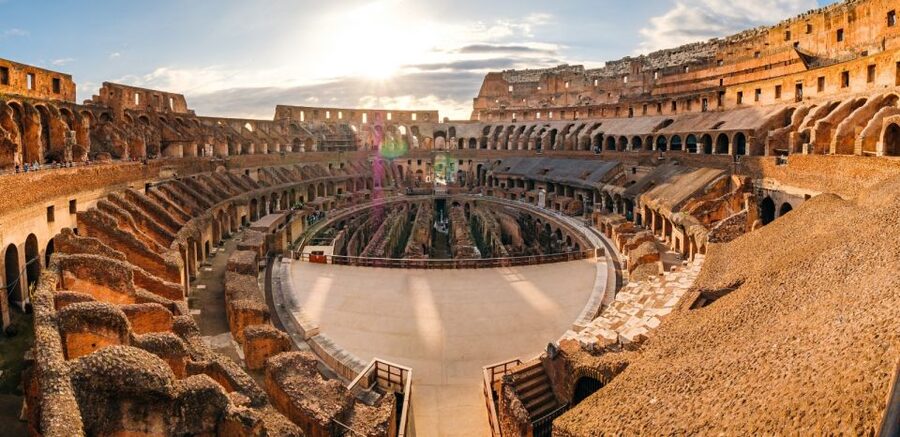
Few places in Rome feel this instantly monumental, especially when you get guided entry into the Colosseum. What makes this tour work is the mix of big-picture context and hands-on site time: you’ll learn why the Colosseum was built, then you’ll walk through Palatine Hill and the Roman Forum with clear explanations you can actually follow while you look at what remains.
I love two things most. First, the tour uses radios/headsets, so you hear the guide even when the crowd noise spikes. Second, you end up with real browsing time after the guided portion, so you can stop where your curiosity leads—views of the Colosseum from the hills, plus all those Forum ruins you’ll want to linger on.
One drawback to plan around: you must bring a valid ID. No ID at the entrance can mean no access, and there’s no suitcase compartment if you’re traveling light.
In This Review
- Key Points at a Glance
- Entering The Colosseum Like You Mean It
- What the Guide Helps You Spot (And Why Radios Matter)
- Colosseum Highlights Without the Ticket-Line Stress
- Palatine Hill: Where Rome Layers Itself Over Time
- Roman Forum: Power, Money, Religion, and Daily Life
- Time After the Guided Portion: Use It Strategically
- Trajan’s Column: The Finish With a Clear Visual Punch
- Price and Value: Why $58 Can Make Sense
- Practical Tips That Prevent Friction
- Who This Tour Fits Best
- Should You Book This Colosseum and Ancient City Tour?
- FAQ
- How long is the tour?
- Does the tour include entrance to the Colosseum?
- Is there an option to skip the ticket line?
- Do I need ID to enter?
- What languages are available?
- Where does the tour start?
- Is food or drink allowed during the tour?
- What items are not allowed?
- Is the booking refundable?
Key Points at a Glance
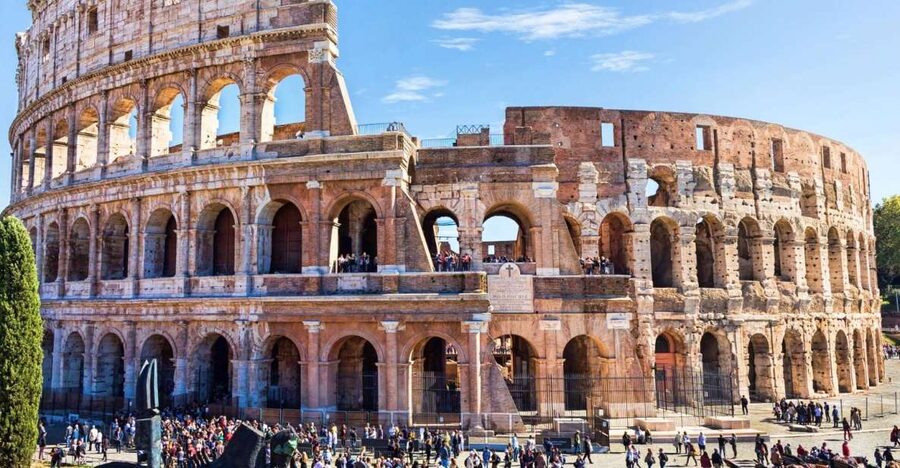
- Skip the ticket line with guided access to the Colosseum
- Palatine Hill + Roman Forum explained on-site with headsets for clarity
- Learn why the Colosseum held massive events, including games lasting up to 100 days
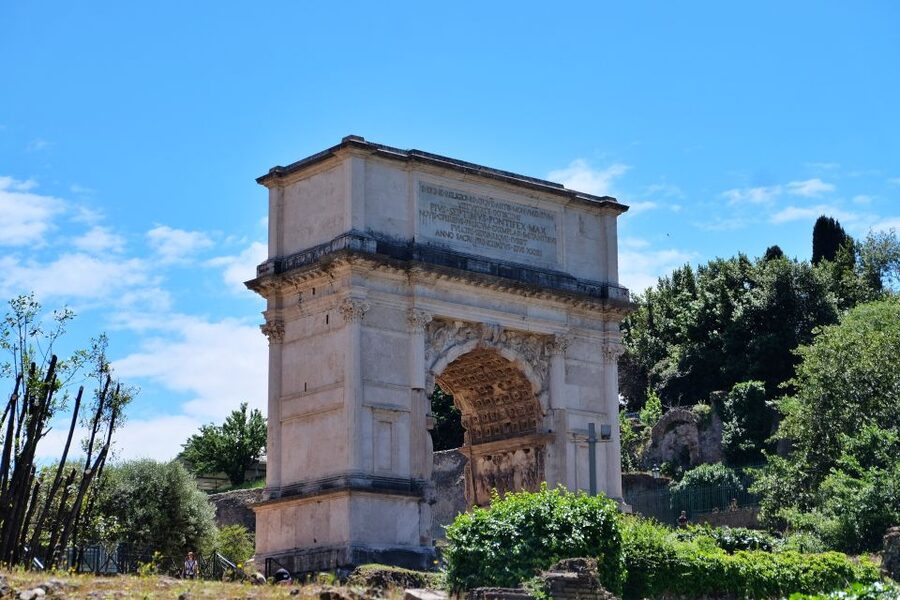
- See the Trajan’s Column finish point, a sharp symbol of Roman victory and power
- ID required for entry; your booking must include full participant names
Entering The Colosseum Like You Mean It
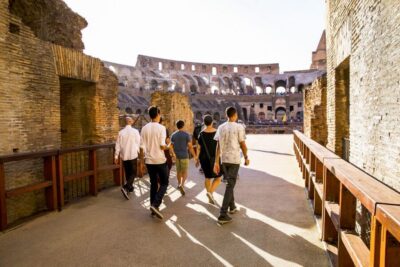
The Colosseum is one of those sights that can either feel rushed and confusing or feel like you’ve cracked the code. This tour is built to do the second. Your guide starts you off with the big stats and the human reasons behind what you’re seeing, so the stones stop being just impressive and start meaning something.
Here’s the kind of context you’ll get: the Colosseum had over 80 entrances and could accommodate about 50,000 spectators. That scale matters because it explains why the structure looks like a machine. It wasn’t only a venue; it was a carefully designed crowd system.
You’ll also hear the three main motivations for the build from the Flavian Dynasty: pleasing Roman citizens as a political gift, staging public entertainment, and showcasing Roman engineering. Hearing that right as you’re standing there helps you connect the architecture to the purpose. You start noticing the logic in how it was built, not just the drama of gladiator-era images people expect.
And yes, there are gladiator stories. They’ll be woven into the walk rather than thrown at you as facts to memorize. On at least one French-language run, the guide Catherine led a small group (8), which tends to make questions easier and the explanations feel more personal.
Still on ancient Rome? A few more we rated
- Rome: Colosseum, Palatine Hill and Roman Forum Guided Tour
★ 4.8 · 32,814 reviews - Rome: Guided Tour of Colosseum, Roman Forum & Palatine Hill
★ 4.7 · 27,897 reviews - Rome: Colosseum & Forum with Audio Guide App -Optional Arena
★ 4.2 · 24,770 reviews - Rome: Colosseum, Roman Forum and Palatine Hill Guided Tour
★ 4.5 · 23,903 reviews
What the Guide Helps You Spot (And Why Radios Matter)
At the Colosseum, crowds can turn any sightseeing plan into a shouting match. This tour solves part of that with radios and headsets, so you can keep your attention on the guide’s explanation instead of constantly straining to hear.
This matters because the Colosseum has a lot of visual cues that are easy to misread if you’re on your own. The guide points out the engineering brilliance behind the structure and connects the layout to how events worked. Even if you’ve seen photos before, standing there changes the experience fast. You’ll catch details you’d likely miss, like how different sections were meant to function for large gatherings.
Also, the tour runs in multiple languages—French, German, English, Italian, Spanish—so you’re not stuck with a one-size-fits-all explanation style. In one Italian-language experience, the guide Alessandro Palma was highlighted for explanations packed with curious, interesting details and clear attention to the group.
Colosseum Highlights Without the Ticket-Line Stress
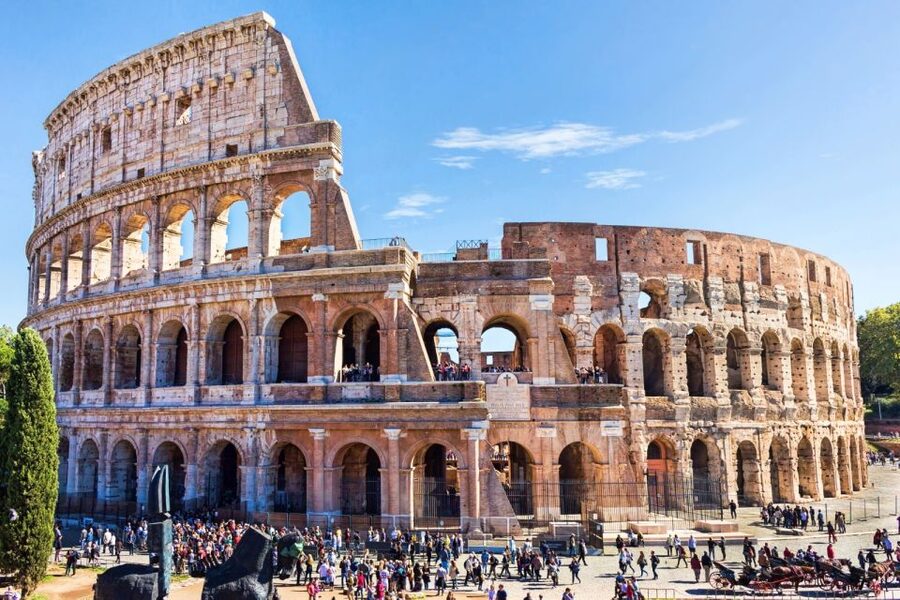
Getting in is a big deal here. The tour includes entrance to the Colosseum and is designed to skip the ticket line, which helps you spend your limited time walking and learning instead of waiting in the queue.
Timing is short enough that you want the day to feel smooth: the tour is listed at 2.5 hours (but in July and August, it drops to 2 hours). If you’re visiting in peak season, that shorter slot makes the skip-line benefit even more valuable. You’ll feel the difference right away when you’re not burning an hour before you even step into the site.
Palatine Hill: Where Rome Layers Itself Over Time
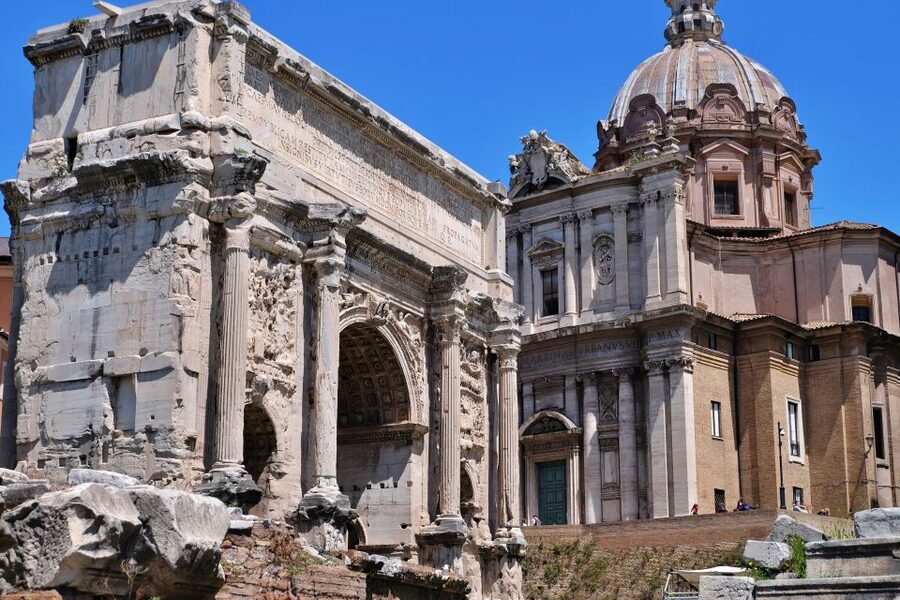
After the Colosseum, you head toward Palatine Hill, and this is where the tour becomes more than just another stop. Palatine Hill is the foundation point of Rome and today you can still see how many eras stacked on top of each other.
The guide’s storytelling helps you move through those layers without getting lost in dates. You’ll hear about ruins reaching back to the early kingdom of Rome in the 7th century BCE, then the Roman Republic in later centuries BCE. The tour also covers the jaw-dropping jump forward to the Imperial Age with the palace of Emperor Domitian.
Then it keeps going into later chapters: you can see traces of the Farnese family during the Renaissance and also the presence of Mussolini in the 20th century. That mix is a big reason Palatine Hill feels so compelling. You’re not only walking through ancient Rome—you’re watching how Rome keeps being reused, rebuilt, and interpreted by later generations.
And you’ll get panoramic views of the Colosseum from the hill area. These are the stops where I think self-paced time is most worth using your eyes. Even a quick look turns into a longer moment because you’re suddenly seeing how the Colosseum sits in the broader urban scene.
Worth a look next to this Rome booking:



Roman Forum: Power, Money, Religion, and Daily Life
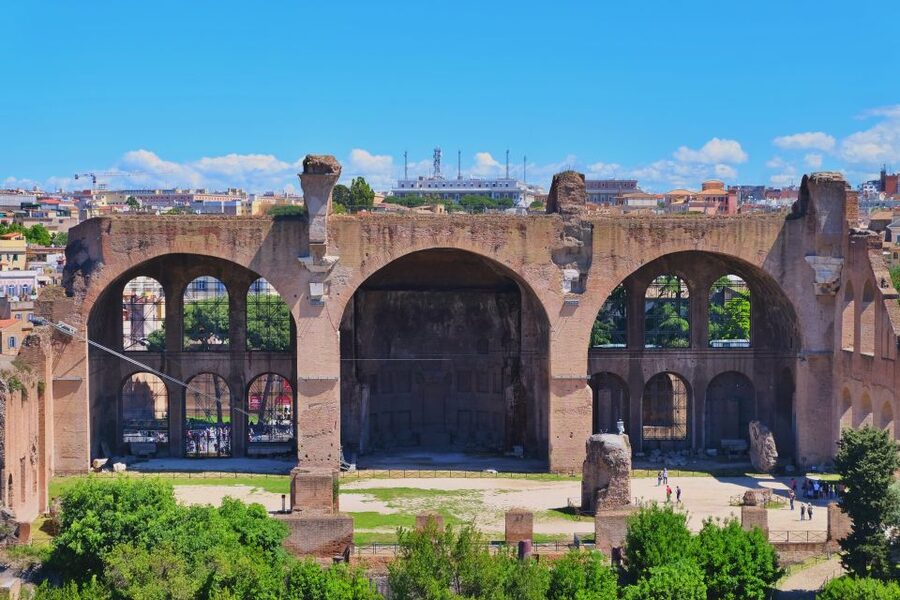
The Roman Forum is often described in broad strokes, but this tour gives you the practical framing so the ruins make sense. You’ll learn it was the social, political, religious, and financial center of the Roman Empire—basically the place where public life happened.
What I like about the way the tour sets this up is that it makes the Forum feel like more than monuments. The guide explains that different layers of Roman society used the Forum daily—anyone from homeless beggars to rich senators. That detail helps you interpret what you’re looking at. Instead of thinking, this is where important people stood once, you start thinking: this is where the city ran.
You’ll also see structures still standing in parts, which means you’re not only imagining what once existed. You can compare the scale of what remains to what you learn about the Forum’s role in daily life. The headsets help here, too, because you’ll likely be surrounded by people taking photos, and you still want the explanations flowing while you look.
Time After the Guided Portion: Use It Strategically
One of the most underrated features is the promise of time afterward to explore at your own pace. After the guided explanation, you’ll have the chance to revisit the spots that grabbed you. That’s a smart setup because different people get curious about different things—some focus on engineering, others on politics, others on how the landscape and views work.
If you’re the type who always wants one more look, this is where you win. Stand again where you got the best Forum context, then let your eyes connect the story to the stones. On your own time, you can also slow down at the view points on Palatine Hill and take a few extra minutes without worrying you’ll miss a guided stop.
Trajan’s Column: The Finish With a Clear Visual Punch
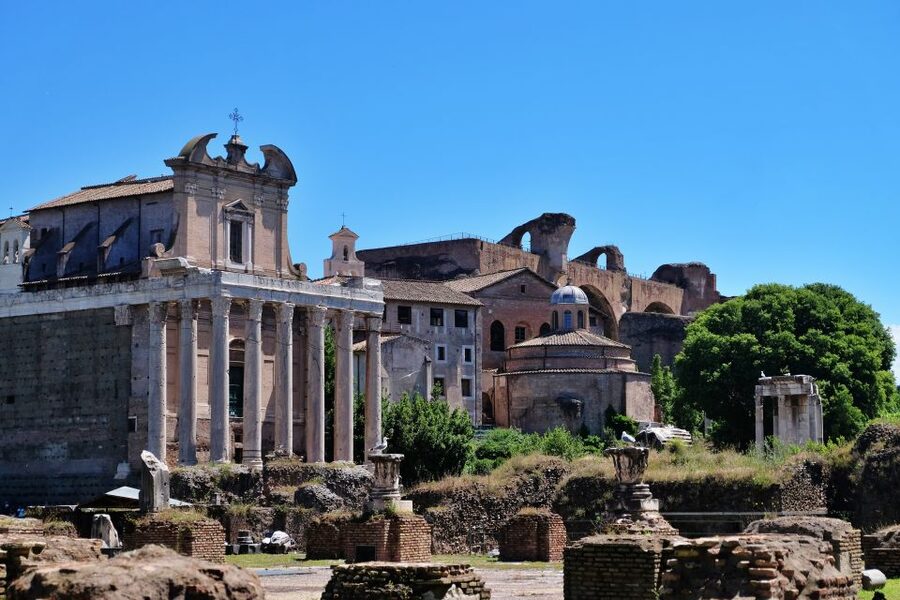
The tour ends at Trajan’s Column, and that’s a nice way to close the loop. If the Colosseum feels like entertainment and engineering, Trajan’s Column shifts the mood to politics and power—an icon of Roman victory and dominance.
Even though this portion is short, the ending place helps your brain summarize what you learned: Rome built monuments for spectacle, for authority, and for public messaging. Trajan’s Column is a familiar symbol because it’s easy to recognize and easy to tie back to what the guide says about Roman civic identity.
Price and Value: Why $58 Can Make Sense
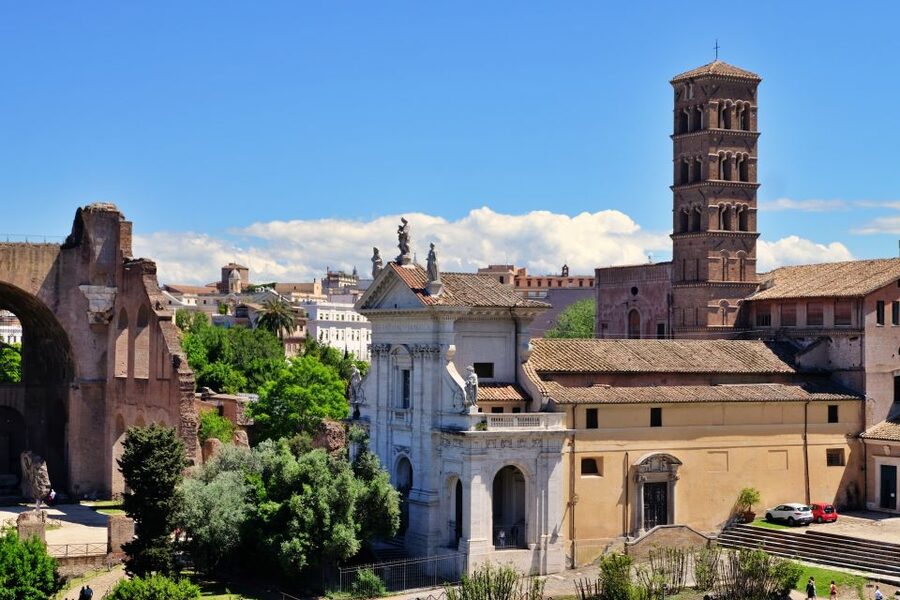
This tour is priced at $58 per person for about 2.5 hours of guided time plus Colosseum entry and visits to Palatine Hill and the Roman Forum.
Here’s the part that helps you feel confident about value: there’s an explicit structure to what you’re paying for. The entrance fee to the archaeological sites is €16 for adults, with a €2 reservation fee. Children under 18 have free entry. The additional amount covers licensed guide services, audio devices, reservation fees, and other tour amenities.
So you’re not paying only for walking past buildings. You’re paying for someone licensed to interpret what you see, plus the practical help of headsets, plus a reserved entry arrangement that helps you avoid line-wasting. For a site as busy as the Colosseum area, that practical time saving can be worth as much as the history explanation—especially in the middle of a tight Rome schedule.
If you’re traveling solo or you want your day to feel organized without joining a huge bus crowd, this format tends to fit well. The use of radios suggests they expect you to actually keep listening while moving, which makes the paid guide part feel less like dead weight.
Practical Tips That Prevent Friction
Before you go, there are a few rules that can derail your day fast if you’re not ready.
- Bring passport or ID card. ID is mandatory, and if you show up without it, access can’t be guaranteed.
- Make sure the full names of all participants are correct in your booking. Incomplete info can cause entry issues.
- Plan your bags. No suitcase compartment exists, and oversize luggage isn’t allowed.
- Don’t plan for food stop time. Food and drinks aren’t allowed, and smoking is prohibited.
- Travel light and keep it safe: pets, weapons/sharp objects, alcohol/drugs, and sprays/aerosols aren’t allowed. Glass objects also aren’t allowed.
- Note the rule on accessibility: electric wheelchairs aren’t allowed.
One small reality check from experience-style feedback: the tour office can feel crowded and a bit hard to find, at least for some meeting points. I’d treat it like a scavenger hunt—arrive early, keep your phone ready with your booking details, and don’t assume you’ll spot your exact counter instantly.
Finally, dress for standing and walking. You’ll be moving between the Colosseum, Palatine Hill viewpoints, and Forum ruins, and you’ll want your feet to stay happy.
Who This Tour Fits Best
This works especially well if you:
- Want a guided start to the Colosseum so you understand the engineering and crowd design instead of only taking photos
- Care about context for the Forum and Palatine Hill, where it’s easy to feel like you’re wandering among stones
- Like the idea of guided explanations followed by your own time to linger
- Prefer hearing the guide through radios/headsets rather than relying on luck in a noisy crowd
If you hate tours and want total freedom from minute one, you might feel the structure is slightly limiting. But the core promise here is that you’re not stuck in a constant lecture—your pacing gets better after the guided portion.
Should You Book This Colosseum and Ancient City Tour?
If you’re visiting for the first time, I think booking makes sense. The Colosseum can be overwhelming without context, and the guide-driven approach helps you see the why behind the what. Add skip-line entry, headsets, and the fact that you also cover Palatine Hill and the Roman Forum in a single 2.5-hour visit, and the value becomes pretty clear.
I’d only hesitate if you strongly dislike rules or you might arrive without ID or with luggage that doesn’t comply. Those entry requirements matter here. But if you’re prepared—ID ready, name details correct, and bags under control—this is a solid, efficient way to experience Rome’s ancient core without wasting time.
FAQ
How long is the tour?
The tour duration is listed at 2.5 hours. In July and August, the visit duration is 2 hours.
Does the tour include entrance to the Colosseum?
Yes. Entrance to the Colosseum is included, along with visits to Palatine Hill and the Roman Forum.
Is there an option to skip the ticket line?
Yes. The tour includes skip-the-ticket-line access.
Do I need ID to enter?
Yes. ID is mandatory at the entrance. If you show up without ID, entrance cannot be guaranteed.
What languages are available?
The live tour guide is available in French, German, English, Italian, and Spanish.
Where does the tour start?
The meeting point may vary depending on the option booked.
Is food or drink allowed during the tour?
No. Food and drinks are not allowed.
What items are not allowed?
Pets, weapons or sharp objects, oversize luggage, smoking, alcohol and drugs, sprays or aerosols, and glass objects are not allowed.
Is the booking refundable?
No. This activity is non-refundable.
More Tours in Rome
- Vatican Museums, Sistine Chapel & St. Peter’s Basilica Tour
★ 4.3 · 73,970 reviews - Vatican Museums, Sistine Chapel & St Peter’s Basilica Guided Tour
★ 4.5 · 39,149 reviews - Rome: Colosseum, Palatine Hill and Roman Forum Guided Tour
★ 4.8 · 32,814 reviews - Rome: Guided Tour of Colosseum, Roman Forum & Palatine Hill
★ 4.7 · 27,897 reviews - Rome: Colosseum, Roman Forum and Palatine Hill Guided Tour
★ 4.5 · 23,903 reviews - Rome: Colosseum Arena Floor, Palatine & Forum Guided Tour
★ 4.5 · 20,180 reviews
More Tour Reviews in Rome
- Vatican Museums, Sistine Chapel & St. Peter’s Basilica Tour
★ 4.3 · 73,970 reviews - Vatican Museums, Sistine Chapel & St Peter’s Basilica Guided Tour
★ 4.5 · 39,149 reviews - Rome: Colosseum, Palatine Hill and Roman Forum Guided Tour
★ 4.8 · 32,814 reviews - Rome: Guided Tour of Colosseum, Roman Forum & Palatine Hill
★ 4.7 · 27,897 reviews - Rome: Colosseum & Forum with Audio Guide App -Optional Arena
★ 4.2 · 24,770 reviews - Rome: Colosseum, Roman Forum and Palatine Hill Guided Tour
★ 4.5 · 23,903 reviews
Ancient Rome, Kept Going
- Rome: Colosseum, Palatine Hill and Roman Forum Guided Tour
★ 4.8 · 32,814 reviews - Rome: Guided Tour of Colosseum, Roman Forum & Palatine Hill
★ 4.7 · 27,897 reviews - Rome: Colosseum & Forum with Audio Guide App -Optional Arena
★ 4.2 · 24,770 reviews - Rome: Colosseum, Roman Forum and Palatine Hill Guided Tour
★ 4.5 · 23,903 reviews - Rome: Colosseum Arena Floor, Palatine & Forum Guided Tour
★ 4.5 · 20,180 reviews - Rome: Colosseum Arena, Palatine Hill & Forum Guided Tour
★ 4.7 · 14,510 reviews
Just added to our Rome reviews





Colosseum & Ancient Rome Tours, compared.
 ★ 4.8Colosseum, Palatine Hill and Roman Forum Guided TourFrom $5232,814 reviews
 ★ 4.7Guided Tour of Colosseum, Roman Forum & Palatine HillFrom $5527,897 reviews
 ★ 4.2Colosseum & Forum with Audio Guide App -Optional ArenaFrom $4124,770 reviews
 ★ 4.5Colosseum, Roman Forum and Palatine Hill Guided TourFrom $5923,903 reviews
 ★ 4.5Colosseum Arena Floor, Palatine & Forum Guided TourFrom $4120,180 reviews
 ★ 4.7Colosseum Arena, Palatine Hill & Forum Guided TourFrom $8414,510 reviews
 ★ 4.6Colosseum,Forum & Palatine Tour + Optional Arena FloorFrom $4513,169 reviews
 ★ 4.7Colosseum: Underground and Ancient Rome TourFrom $16012,691 reviews
Browse the lists this tour appears in