
Reviewed · COLOSSEUM & ANCIENT ROME TOURS
Rome: Gladiator Show and Museum Tickets
A real gladiator show beats another museum hour. This one mixes a historical reenactor performance with a short visit to the Museo storico – didattico del legionario romano, plus a cocktail in the Armory of the Legion. Two things I really like: the energy feels live and physical, and the night includes more than just the fight. One caution: the venue is a bit out of the way, so you’ll want a clear plan for getting dinner and transportation afterward.
You’re dropped into Roman pageantry right away, with music, lights, and show effects setting the mood before the combat begins. The schedule is tight but relaxed enough to browse the mini museum space and grab complimentary Roman nibbles before the main event. The event runs about 1.5 hours with entrance around 20:45, and it’s staged only during summer months (May to September for 2026).
The show team is set up to make you part of the night—there’s audience participation and plenty of friendly interaction with the cast. If you’re expecting something like the Colosseum itself, don’t. This is a purpose-built arena experience (about 3.5 km from the Colosseum) that focuses on fun and atmosphere, not heavyweight history lectures.
In This Review
- Key takeaways before you go
- A Gladiator Night About 3.5 Km from the Colosseum
- Tickets, Timing, and What the 20:45 Entrance Really Means
- The Museo storico – didattico del legionario romano: Short, Useful, and Practical
- Armory of the Legion Cocktail: Small Touch, Big Mood
- The Main Event: Gladiator Fight, Ancient Dances, Vestals Rites, Pantomime
- Photos, Cast Interaction, and How the Night Stays Friendly
- Getting There and Getting Home: Buses, Taxis, and a Food Plan
- Price and Value: Is $29 a Good Deal?
- Who This Fits Best in Your Rome Trip
- Should You Book the Rome Gladiator Show and Museum Tickets?
Key takeaways before you go
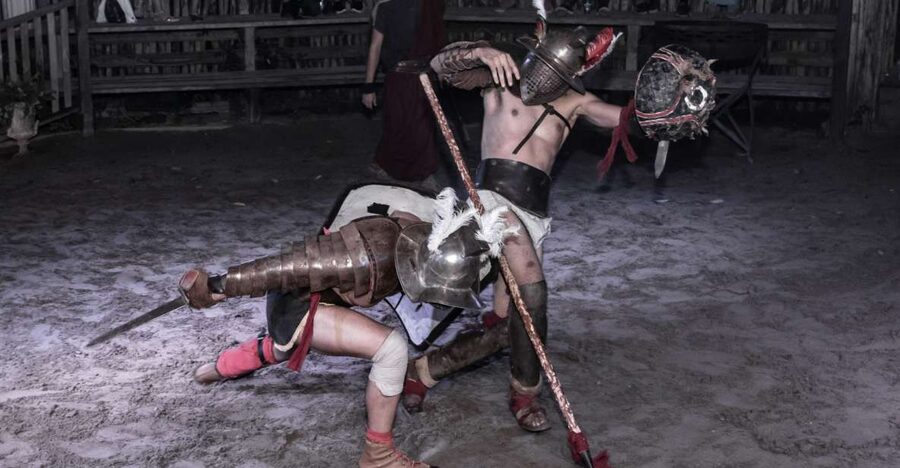
- Real weapons and armor on stage used by historical reenactors
- Museum + show in one ticket, with a cocktail in the Armory of the Legion
- Audience participation keeps kids and adults from sitting back the whole time
- Photos are allowed and part of the fun, so charge your phone
- Location is isolated enough that taxis matter for the end of the night
A Gladiator Night About 3.5 Km from the Colosseum
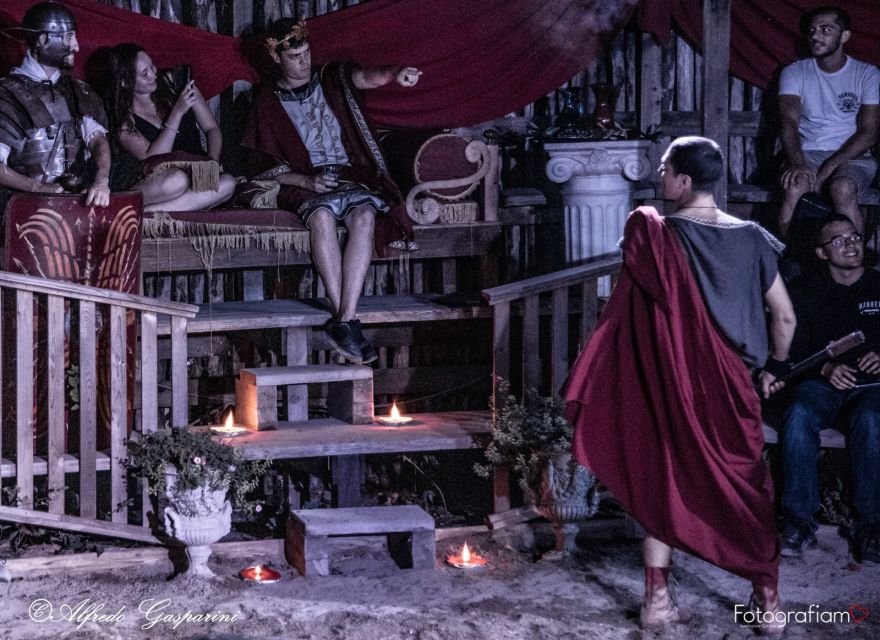
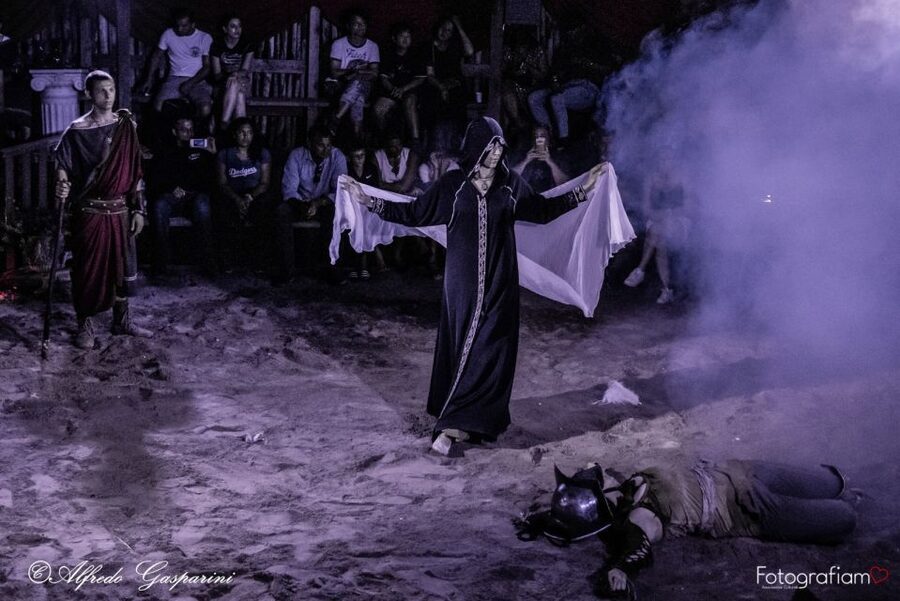
This experience is built for one thing: a Roman-style night you can feel in your chest. It takes place at the headquarters of Gruppo Storico Romano, in an equipped arena environment roughly 3.5 km from the Colosseum. That distance is close enough that you’re still in the big Rome orbit, but far enough that the venue doesn’t feel like a quick stop between sights.
When you arrive, you’re not just entering a theater—you’re stepping into a small world of Roman roles and routines. Several details help it click fast: music, lights, and sound effects that make the evening move like a story. Reviews also point out the sensory setup, including Roman music and incense on arrival. If you like “show atmosphere” as much as the show itself, this is your kind of activity.
The vibe is also family-friendly in tone. That doesn’t mean it’s a watered-down performance. It means the pacing, audience moments, and humor land for a broad age range. A lot of people come for the fighting, then end up staying for the whole rhythm: warm-up, dancing, rituals-style segments, and a final push into the main combat.
Still on ancient Rome? A few more we rated
- Rome: Colosseum, Palatine Hill and Roman Forum Guided Tour
★ 4.8 · 32,814 reviews - Rome: Guided Tour of Colosseum, Roman Forum & Palatine Hill
★ 4.7 · 27,897 reviews - Rome: Colosseum & Forum with Audio Guide App -Optional Arena
★ 4.2 · 24,770 reviews - Rome: Colosseum, Roman Forum and Palatine Hill Guided Tour
★ 4.5 · 23,903 reviews
Tickets, Timing, and What the 20:45 Entrance Really Means
Your ticket covers the museum visit and the show, and the evening is designed like a mini program rather than a one-shot performance. Entrance is at 20:45, and the full event runs about 1.5 hours, typically wrapping around 22:00.
Here’s why timing matters. You don’t want to show up exactly at start time, because the experience is built on building momentum: a small museum walk, light food/drink, then the show. Reviews describe a window where you can look around a mini museum and eat complimentary Roman nibbles before the performance begins.
If you like to move at a comfortable pace, you’ll be happier arriving a few minutes early. If you’re the kind of traveler who hates waiting, don’t worry—there are enough staff-led moments and setup activities to keep time from dragging.
Also note the seasonality. The shows run from May to September (dates for 2026). If you’re traveling outside that window, you’ll need a different plan.
The Museo storico – didattico del legionario romano: Short, Useful, and Practical
One of the biggest reasons this ticket feels like value is that it’s not just a fight ticket. You also get a visit to Museo storico – didattico del legionario romano. Think of it as a compact, hands-on-style stop that gives you context fast.
What I like about the museum portion is its job: it gets you ready for what you’re about to see. Instead of making you read a wall of text, it sets the stage with Roman-legion themes. One review notes it’s a “mini museum” vibe with the chance to look around before the show. Another mentions that the museum part includes important knowledge about gladiators, which can make the fighting segment feel less random.
There is a practical trade-off. The museum is not huge, and group size can affect how much you personally absorb. If your group is larger, you might feel like you’re moving through more quickly than you’d like. Still, for most people, the payoff is getting Roman context without eating up another half-day in sightseeing.
During this time, you may also meet a presenter or host who sets expectations for the night. Reviews mention a slave-owner character speaking as part of the pre-show atmosphere, which can help you understand the ritual and role-play logic behind what’s coming next.
Armory of the Legion Cocktail: Small Touch, Big Mood
After the museum time, the evening includes a cocktail in the Armory of the Legion. This isn’t positioned as a full meal. It’s more like a Roman flavor moment to keep the energy going while you wait for the main performance.
Why it works: it bridges “learning” and “action.” You get a little drink and snack context so the show doesn’t feel like you’re arriving hungry and jumping straight into spectacle. Several reviews mention complimentary food and wine, and one specifically calls out wine with honey—a detail that adds a fun Roman-food twist to the night.
If you’re someone who plans food around experiences, here’s the key. Build your dinner plan outside the venue area. Reviews explicitly warn not to expect a full dinner on-site. That matters because the location can feel isolated, so you don’t want to discover at the end of the show that there’s nowhere easy to eat.
Worth a look next to this Rome booking:



The Main Event: Gladiator Fight, Ancient Dances, Vestals Rites, Pantomime
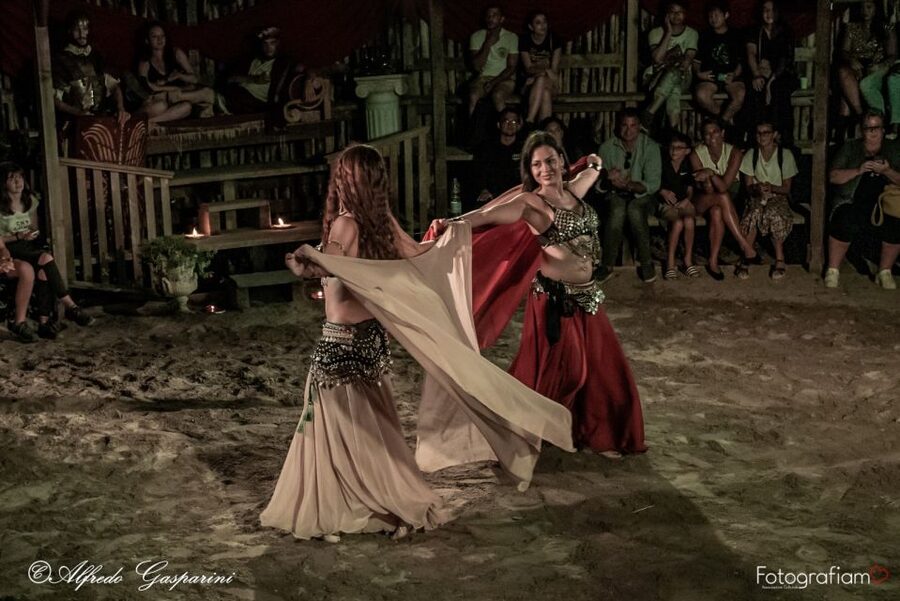
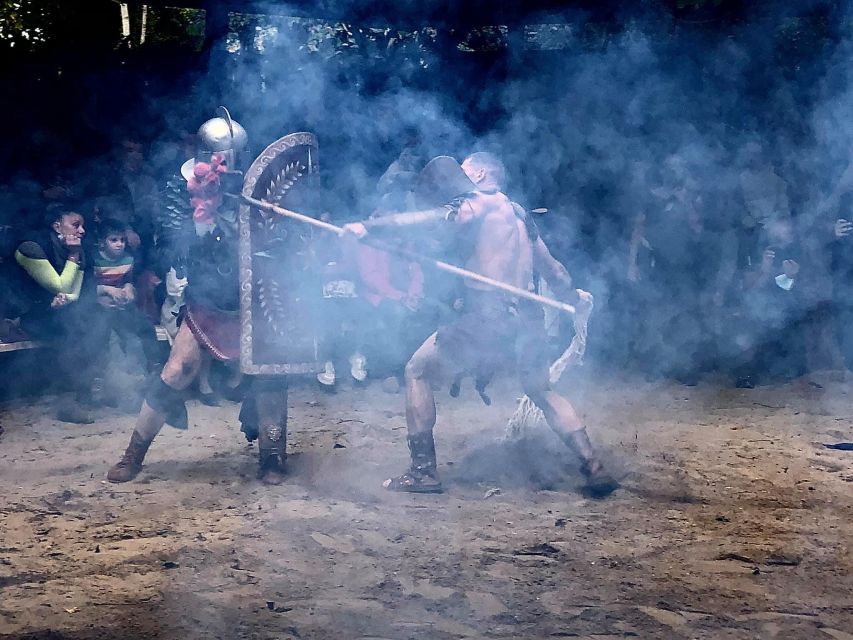
Now for the reason you bought the ticket: the show. The program includes a Gladiators Fight plus segments like Ancient Dances, Vestals Rites, and Pantomime. The evening is structured with a warm-up/comedy element too, so it starts with a bit of theater energy before the fighting.
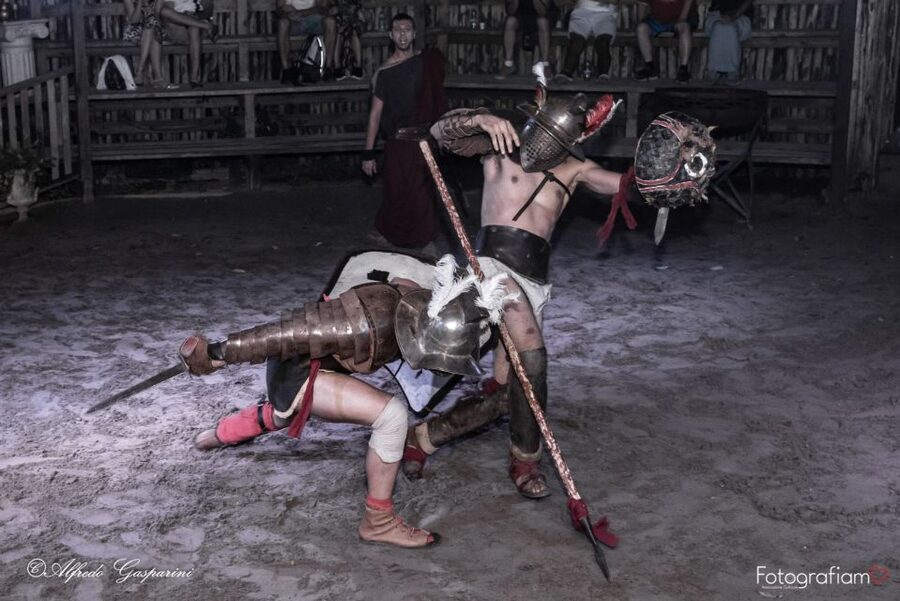
What sets this apart from a generic “tourist gladiator show” is the emphasis on theatrical realism. The reenactors use real weapons and armor, not just costume props. Reviews describe swordplay that feels intense, with moments where people thought actors might be getting hurt. That’s a sign the choreography is convincing—but it’s also a sign the show is meant to be felt, not just watched like a museum video.
Audience participation is another major piece. The cast encourages crowd involvement at different points, and you’re likely to be pulled into the energy even if you’re standing in the back. This is especially strong for families, because it gives kids something active to do besides hold a phone and wait.
Also, don’t expect a lecture-based explanation of Roman history. You’ll get stories and role-based guidance during the night, but the emphasis stays on performance: music, lights, effects, dance, and combat choreography. If you’re coming for pure accuracy, you might find it more “Roman-inspired history theater” than a formal academic presentation. If you’re coming for an evening that feels like Roman spectacle, it delivers.
Photos, Cast Interaction, and How the Night Stays Friendly
This experience is unusually social for a performance. Reviews repeatedly mention that the cast welcomes you warmly, chats with guests, and makes time for photos. The show notes emphasize that you can take pictures they want—meaning you’re not fighting with rules about filming. Charge your devices, because you’ll likely want visuals of costumes, armor details, and the dramatic moments.
The cast also seems to handle interaction well. People describe the presenter as enthusiastic, and several reviews mention direct conversation with the performers. One review even thanks a guide named Dafydd, pointing to the kind of human, story-telling vibe that can make the evening feel guided rather than purely scripted.
There’s also a practical kindness angle. More than once, reviews mention assistance after the show—like helping with taxis or making sure you can get home safely. That matters because the venue area isn’t packed with obvious late-night restaurant options.
Getting There and Getting Home: Buses, Taxis, and a Food Plan
Let’s talk logistics, because they can make or break a fun night out in Rome.
The venue is about 3.5 km from the Colosseum, but it’s not described as a walk-everywhere sightseeing hotspot. One common theme: it’s a bit isolated, so there may be no nearby services once the show ends. That’s why I’d plan dinner either before you go or with transportation already in mind.
Public transit can work for arrival. One set of details points to buses 118 and 218, with a short walk after you get off. Another review suggests you can reach it by bus/metro and walk, but also warns that Rome can have limited sidewalks and traffic around some routes.
The bigger issue is post-show. Because the performance ends around 22:00, you might find that buses aren’t as convenient afterward. If you’re staying central, this is where having a taxi plan helps. Reviews mention that the team can help you book a return taxi, and in at least one case they even coordinated with taxi arrival so guests weren’t stuck.
My advice: decide your food and transport plan before you start the evening. If you want dinner after, pick a place you can reach quickly by taxi.
Price and Value: Is $29 a Good Deal?
At $29 per person, this sits in the category of paid experiences that must justify themselves fast. It’s not a museum-only ticket. You’re paying for a full evening program: museum visit + show + complimentary food/drink time.
Here’s the value logic that convinced me this is reasonable for many people:
- You get more than one component (museum context, then performance).
- The show includes interaction and multiple segments, not just a short fight clip.
- The cast uses real weapons and armor, which increases the show’s physical credibility.
- The time block is efficient: around 1.5 hours, starting 20:45, which is easy to slot into a Rome day already packed with sights.
The only real “value risk” is if you strongly dislike interactive theater. If you want quiet, passive viewing only, you may prefer a more traditional attraction. Also, if your group ends up large, you may not absorb as much from the museum portion as you hoped.
But for most visitors, the mix of action, performance variety (dances, rituals-style segments, pantomime), and Roman atmosphere makes the price feel fair—especially for families who want one ticket that keeps everyone engaged.
Who This Fits Best in Your Rome Trip
I’d steer you toward this show if you want a break from stone-and-scroll sightseeing. It’s a smart “night activity” because it gives you something different: costumes, movement, and a story-like flow that’s easy to follow even if your Italian is limited.
It’s also a great pick for:
- Families with kids who need active moments
- Travelers who want a fun evening that still connects to Roman life
- People who like historical reenactment as entertainment, not academic study
If you’re the kind of traveler who only wants the biggest famous sites, you might feel a mismatch. This is not the Colosseum. It’s closer to a Roman-themed performance built on reenactment style, with real props and a strong crowd-friendly presentation.
Should You Book the Rome Gladiator Show and Museum Tickets?
Book it if you want a fun, structured night that combines context (the legionario museum) with spectacle (fight, dance, and ritual-style segments). The $29 price makes sense because you’re not paying for a single moment—you’re buying an evening program that includes photos, audience energy, and a drink/snack break.
Skip it (or at least rethink it) if you need a nearby dinner plan on foot. The venue can be isolated, and the end time around 22:00 means you’ll want transportation sorted. Also, if you prefer quiet viewing with zero audience participation, this format may feel too interactive for your taste.
If you’re deciding between another museum night and this, I’d choose this. It’s one of those Rome activities that turns history into a story you can feel in the room.
More Tickets in Rome
- Rome: Hop-On Hop-Off Panoramic Bus Ticket – Access 3 Routes
★ 4.0 · 18,145 reviews - Vatican Museums & Sistine Chapel Skip-the-Line Entry Ticket
★ 4.4 · 13,838 reviews - Vatican Museums & Sistine Chapel Skip-the-Ticket-Line Tour
★ 4.3 · 10,486 reviews - Rome: Vatican Museums & Sistine Chapel Skip-the-Line Ticket
★ 4.3 · 8,103 reviews - Rome: St. Peter’s Basilica & Dome Entry Ticket & Audio Tour
★ 4.2 · 7,537 reviews - Vatican & Sistine Chapel Ticket with Optional Audio Guide
★ 4.1 · 5,405 reviews
More Tour Reviews in Rome
- Vatican Museums, Sistine Chapel & St. Peter’s Basilica Tour
★ 4.3 · 73,970 reviews - Vatican Museums, Sistine Chapel & St Peter’s Basilica Guided Tour
★ 4.5 · 39,149 reviews - Rome: Colosseum, Palatine Hill and Roman Forum Guided Tour
★ 4.8 · 32,814 reviews - Rome: Guided Tour of Colosseum, Roman Forum & Palatine Hill
★ 4.7 · 27,897 reviews - Rome: Colosseum & Forum with Audio Guide App -Optional Arena
★ 4.2 · 24,770 reviews - Rome: Colosseum, Roman Forum and Palatine Hill Guided Tour
★ 4.5 · 23,903 reviews
Ancient Rome, Kept Going
- Rome: Colosseum, Palatine Hill and Roman Forum Guided Tour
★ 4.8 · 32,814 reviews - Rome: Guided Tour of Colosseum, Roman Forum & Palatine Hill
★ 4.7 · 27,897 reviews - Rome: Colosseum & Forum with Audio Guide App -Optional Arena
★ 4.2 · 24,770 reviews - Rome: Colosseum, Roman Forum and Palatine Hill Guided Tour
★ 4.5 · 23,903 reviews - Rome: Colosseum Arena Floor, Palatine & Forum Guided Tour
★ 4.5 · 20,180 reviews - Rome: Colosseum Arena, Palatine Hill & Forum Guided Tour
★ 4.7 · 14,510 reviews
Just added to our Rome reviews



Colosseum & Ancient Rome Tours, compared.
 ★ 4.8Colosseum, Palatine Hill and Roman Forum Guided TourFrom $5232,814 reviews
 ★ 4.7Guided Tour of Colosseum, Roman Forum & Palatine HillFrom $5527,897 reviews
 ★ 4.2Colosseum & Forum with Audio Guide App -Optional ArenaFrom $4124,770 reviews
 ★ 4.5Colosseum, Roman Forum and Palatine Hill Guided TourFrom $5923,903 reviews
 ★ 4.5Colosseum Arena Floor, Palatine & Forum Guided TourFrom $4120,180 reviews
 ★ 4.7Colosseum Arena, Palatine Hill & Forum Guided TourFrom $8414,510 reviews
 ★ 4.6Colosseum,Forum & Palatine Tour + Optional Arena FloorFrom $4513,169 reviews
 ★ 4.7Colosseum: Underground and Ancient Rome TourFrom $16012,691 reviews