

Reviewed · TICKETS
Rome: Bioparco di Roma Zoological Garden Entry Ticket
A zoo that feels like a Roman park: Bioparco di Roma lets you roam a 42-acre villa estate while spotting 1,200 animals from about 200 species. I love the big variety packed into one walkable site, and I also love the park’s conservation-and-education focus around endangered species. One possible drawback: like any zoo, some enclosures can feel a bit tight, and a few may be under construction, so you might not see every animal in full action mode.
This is one of the easier “do something different” days in Rome because you’re not fighting city crowds for every stop. Your skip-the-line ticket buys time at the gate, and then you’re free to set your own pace.
In This Review
- Key things to know before you go
- Bioparco di Roma: why this zoo is worth a full-day slot
- Skip-the-line entry and how to avoid time-wasting at the gate
- What you’ll actually see: mammals, birds, reptiles, and amphibians
- Reptile House: the stop that usually wins hearts
- How long Bioparco takes: big park math, not quick errands
- Food and breaks: cafes are there, but a picnic plan is smarter
- Getting there from central Rome: cabs, buses, and walking options
- Price and value: is $25 worth it?
- Who this fits best (and who might want another option)
- Should you book the Bioparco di Roma entry ticket?
- FAQ
- How long is the Bioparco di Roma entry ticket valid?
- Does the ticket include skip-the-line entry?
- Where can I pick up the Tramezzino during the meeting window?
- Is food and drink included with the ticket?
- Are there free tickets available for disabled visitors?
- How do child ticket prices work?
- Is the park wheelchair accessible?
Key things to know before you go
- Skip-the-line entry through a separate ticket line so you lose less time at the gate
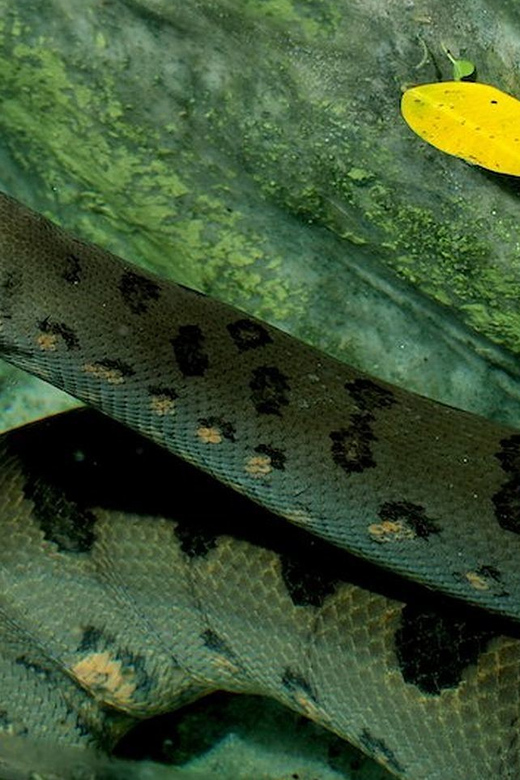
- Reptile House is a standout with a lot of iguanas, snakes, and lizards
- Signage is in Italian and English, which makes the visit more than just looking
- The park covers 5 continents with mammals, birds, reptiles, and amphibians
- It’s a big walk—comfort shoes matter more than you think
- Food is limited inside, so a picnic strategy helps
Bioparco di Roma: why this zoo is worth a full-day slot

If your Rome days feel locked into stone, Bioparco di Roma gives you a green reset. The park sits on part of the original Villa Borghese estate, and that matters: it feels like you’re wandering grounds, not marching through a grid of cages. It’s big, too. At 42 acres, you’ll want time to slow down, find shade, and actually watch animals instead of rushing between enclosures.
The animal lineup is the headline. You’re looking at over 1,200 animals representing around 200 species, spread across 5 continents. That means you can go from primates to birds to reptiles without leaving the property. And the park isn’t framed as pure entertainment. Bioparco ties its work to conservation of endangered species, environmental education, and scientific research—so there’s a reason you’ll see educational displays throughout your route.
My favorite part of the value here is the balance. For $25, you’re not just buying admission to “some animals.” You’re buying access to a large, well-planned park where the information boards and the animal diversity do most of the work for you.
Worth a look next to this Rome booking:
- Rome: Hop-On Hop-Off Panoramic Bus Ticket – Access 3 Routes
★ 4.0 · 18,145 reviews - Vatican Museums & Sistine Chapel Skip-the-Line Entry Ticket
★ 4.4 · 13,838 reviews - Vatican Museums & Sistine Chapel Skip-the-Ticket-Line Tour
★ 4.3 · 10,486 reviews - Rome: Vatican Museums & Sistine Chapel Skip-the-Line Ticket
★ 4.3 · 8,103 reviews
Skip-the-line entry and how to avoid time-wasting at the gate
This ticket includes skip-the-line entry through a separate entrance/ticket line at the gate. That sounds small until you arrive after a long walk or a busy transport moment. Rome has a way of stacking delays. A shortcut at the gate is the difference between arriving stressed and actually enjoying your first enclosures.
There’s also a practical meeting-point detail: the Tramezzino pickup is available from 11:00 AM to 5:00 PM, and pickup can be done at locations inside the park, including Bar Ninfeo, Ristorante Mascagni, Chiosco Oasi del Lago, and Bar Voliera. So if you plan to grab food on-site (or any included pickup item tied to that time window), you’ll want to time it so you don’t end up wandering for the right spot near closing.
Once you’re inside, this is self-guided. That’s good news if you travel with kids, teens, or anyone who hates being “kept together.” It also means you can shift your plan on the fly. If an enclosure has animals out, linger. If you’re walking through a quieter stretch, keep moving to where the reptile-and-bird areas will likely hold more attention.
What you’ll actually see: mammals, birds, reptiles, and amphibians

Bioparco is set up for variety, not one-note sightseeing. The collection covers mammals, birds, reptiles, and amphibians, and you’ll recognize the major groups fast—lemurs and chimpanzees on one stretch, tigers and bears in others, plus birds from around the world.
Two things help make the experience feel worthwhile:
- The continents are varied, so you’re not just seeing a pile of one region’s wildlife.
- The info boards are designed to be readable. The park posts animal information in both Italian and English, which is huge for learning without slowing your pace.
That said, a reality check: no matter how good the enclosures are, animals may be sleeping, hiding, or less active depending on heat and time of day. One reason going early matters is simple—more movement means better viewing. If you arrive later in the day, you might still enjoy the park, but you may see more “still” animals.
Reptile House: the stop that usually wins hearts

If you’re trying to pick one highlight, the Reptile House is the one that earns consistent attention. It’s where you’ll find a strong mix of iguanas, snakes, and lizards, and it tends to be the area people remember after they’ve left the park.
Why it works so well for value: reptiles are often harder to see well at home or even on casual zoo trips. When you find a dedicated exhibit with clear viewing and a focused lineup, it feels like more than a side attraction—it becomes a main event.
This is also a good mental trick for planning your day. Instead of thinking you need to see every single enclosure equally, decide that your schedule has a “must-do” center (the Reptile House) and build around it. If you’re traveling with kids, the reptile stop gives them something different from the usual Rome rhythm. If you’re traveling solo or as a couple, it adds a curiosity factor that keeps the walk from feeling repetitive.
One more practical note: reptiles are popular photo subjects, so you might want to go a bit earlier in your visit to avoid getting stuck behind a cluster of people.




How long Bioparco takes: big park math, not quick errands

This isn’t a 45-minute zoo. It’s the kind of place where you start saying things like just a few more enclosures… and then realize you’ve walked quite a bit.
A realistic range is 3 hours for a solid loop if you move steadily, and closer to 4+ hours if you slow down to read boards, take breaks, and linger for animal activity. Some people walk far enough that it can add up to multiple miles—so plan like you’re doing a mini hike, not a casual stroll.
Crowd levels can change your timeline. Weekdays often feel quieter, which makes it easier to watch animals without constant jostling. If you go on a weekend, you may still enjoy it, just with more people competing for the best viewing angles.
A smart approach is to split your time:
- Do your “heavy-hitters” early while animals are more likely to be out.
- Save your “nice-to-see” enclosures for later, when you’re okay with lower activity and more casual browsing.
Also, don’t underestimate rest stops. Even if you don’t need them right away, taking breaks helps you keep your energy for the later part of the park.
Food and breaks: cafes are there, but a picnic plan is smarter
Bioparco has cafés and snack options, but the setup isn’t built for a long, sit-down meal feast. Several visitors note that food options inside are limited, so if you’re hoping for variety or full meals, you’ll likely feel constrained.
That’s why bringing a picnic is such a strong strategy. You’ll have plenty of spots to pause, sit in the sunshine, and recharge. You can also buy food inside the park (burgers, hot dogs, chicken nuggets, soft drinks, ice cream, and similar snacks show up at the snack stations), but it’s more of a “grab and go” style.
A balanced plan looks like this:
- Bring a picnic if you want control over cost and choices.
- Use on-site cafés for convenience when you’re hungry sooner than planned.
- Keep water handy. If you’re visiting in warmer months, you’ll feel it faster than you think.
The good news is you won’t be guessing about where to rest. There are multiple places around the park to stop for breaks, and you’ll find that the grounds are designed for wandering, not just passing through.
Getting there from central Rome: cabs, buses, and walking options

Transportation is the one part that can make or break the day. Bioparco is not in the center of the main historic core, so you’ll need a plan.
One practical taxi tip: some visitors advise avoiding certain white taxi services linked with scams/overcharging, and instead using an app-based ride like Uber to request a black cab. That’s not guaranteed, but it’s useful if you’ve ever had a rough cab experience in Rome.
You might also choose a taxi depending on your starting neighborhood. One example shared is that a cab from Best Western Universo ran about €10–€14 one way (so it can be a manageable cost, depending on traffic and distance).
If you prefer public transit, there are bus connections right outside that can link you back toward central Rome—one route mentioned connects to the Trevi Fountain area.
Finally, walking from central Rome is possible but only for the very committed. Some people start and finish around Trevi and end up walking around 6 miles. That can be a lot with zoo steps layered on top, so consider it a full-day adventure, not a casual add-on.
Price and value: is $25 worth it?

At $25 per person, you’re paying for three things: access to a large park, a major animal lineup, and time saved at the gate.
First, the park’s size and diversity are real. 1,200+ animals and around 200 species is a big collection for one admission. If you’ve been to smaller zoos, the scale here is the difference you notice within the first hour.
Second, the “skip-the-line” part isn’t just marketing. A separate ticket line at the gate can help you avoid the most annoying kind of travel delay: standing still while everyone else moves.
Third, the conservation-and-education framing adds meaning. It’s not just a walk-through. You’ll see efforts related to endangered species and environmental education, plus references to scientific research. Even if you don’t read every board, the overall feel is less like a disposable attraction.
Now the honest balance: the park quality is mostly praised, but not every enclosure gets perfect reviews. Some people point out that a few habitats could have more space and better enrichment for animals’ routines. Others note construction around parts of the park or that some animals look less active. If you’re coming with high expectations that every exhibit will be roomy and every animal will be out, you might be slightly disappointed—but if you want a solid, educational day with a lot of variety, this price tends to land well.
Who this fits best (and who might want another option)
This is a strong pick for families. The park has plenty to keep kids interested, and there are parks and stalls scattered around for break moments. It also works for teens and adults because the variety is wide enough that you don’t feel bored halfway through.
It’s also a good choice for animal lovers who like learning. Because the signage is available in Italian and English, you can slow down for a minute and actually understand what you’re seeing. And reptiles make it especially appealing if you want something you might not catch often elsewhere.
One more factor: animal viewing is dependent on behavior. If you hate surprises and want guarantees that every enclosure will have active animals, zoos in general aren’t your thing. But for most people, the trade-off is worth it—the park is spacious enough that even quieter moments don’t feel like a letdown.
Should you book the Bioparco di Roma entry ticket?
Book it if you want a big animal day without spending the whole time inside another museum. The mix of species, the Reptile House, the bilingual signage, and the time saved by skip-the-line entry make it an easy win. If you’re visiting with kids, it’s also a nice change of pace from historic sites.
Think twice if your top priority is roomy, state-of-the-art enclosures with constant animal activity. There can be construction and not every habitat will have the same comfort level, and animals won’t always be out.
If you do book, I’d plan around two things: go earlier in the day when animals may be more active, and bring a picnic (or at least water and backup snacks) since food inside can be limited.
FAQ
How long is the Bioparco di Roma entry ticket valid?
It is valid for 1 day. You should check available starting times.
Does the ticket include skip-the-line entry?
Yes. The ticket includes skip-the-line entry through a separate ticket line at the gate.
Where can I pick up the Tramezzino during the meeting window?
Pickup is available from 11:00 AM to 5:00 PM, and you can pick it up at Bar Ninfeo, Ristorante Mascagni, Chiosco Oasi del Lago, or Bar Voliera inside the Bioparco.
Is food and drink included with the ticket?
No. Food and drinks are not included.
Are there free tickets available for disabled visitors?
Yes. Free entrance is available if disability is 100% and certified, and a companion can also receive a free ticket.
How do child ticket prices work?
Child tickets are based on height. Children under 1 meter enter for free. Children over 1 meter up to 10 years old should select the child rate, and their height is measured on entry.
Is the park wheelchair accessible?
Yes. The experience is wheelchair accessible.
More Tickets in Rome
- Rome: Hop-On Hop-Off Panoramic Bus Ticket – Access 3 Routes
★ 4.0 · 18,145 reviews - Vatican Museums & Sistine Chapel Skip-the-Line Entry Ticket
★ 4.4 · 13,838 reviews - Vatican Museums & Sistine Chapel Skip-the-Ticket-Line Tour
★ 4.3 · 10,486 reviews - Rome: Vatican Museums & Sistine Chapel Skip-the-Line Ticket
★ 4.3 · 8,103 reviews - Rome: St. Peter’s Basilica & Dome Entry Ticket & Audio Tour
★ 4.2 · 7,537 reviews - Vatican & Sistine Chapel Ticket with Optional Audio Guide
★ 4.1 · 5,405 reviews
More Tour Reviews in Rome
- Vatican Museums, Sistine Chapel & St. Peter’s Basilica Tour
★ 4.3 · 73,970 reviews - Vatican Museums, Sistine Chapel & St Peter’s Basilica Guided Tour
★ 4.5 · 39,149 reviews - Rome: Colosseum, Palatine Hill and Roman Forum Guided Tour
★ 4.8 · 32,814 reviews - Rome: Guided Tour of Colosseum, Roman Forum & Palatine Hill
★ 4.7 · 27,897 reviews - Rome: Colosseum & Forum with Audio Guide App -Optional Arena
★ 4.2 · 24,770 reviews - Rome: Colosseum, Roman Forum and Palatine Hill Guided Tour
★ 4.5 · 23,903 reviews
Just added to our Rome reviews




Tickets, compared.
 ★ 4.5Vatican: Museums & Sistine Chapel Entrance TicketFrom $38144,003 reviews
 ★ 4.0Hop-On Hop-Off Panoramic Bus Ticket – Access 3 RoutesFrom $1918,145 reviews
 ★ 4.4Vatican Museums & Sistine Chapel Skip-the-Line Entry TicketFrom $4313,838 reviews
 ★ 4.2Vatican Museums & Sistine Chapel Skip-The-Line TicketFrom $4111,708 reviews
 ★ 4.3Vatican Museums & Sistine Chapel Skip-the-Ticket-Line TourFrom $13010,486 reviews
★ 4.3Vatican Museums & Sistine Chapel Skip-the-Line TicketFrom $578,103 reviews
★ 4.3Vatican Museums & Sistine Chapel Skip-the-Ticket-Line TourFrom $13010,486 reviews
★ 4.3Vatican Museums & Sistine Chapel Skip-the-Line TicketFrom $578,103 reviews
 ★ 4.2St. Peter’s Basilica & Dome Entry Ticket & Audio TourFrom $177,537 reviews
 ★ 4.1Vatican & Sistine Chapel Ticket with Optional Audio GuideFrom $465,405 reviews