
Reviewed · PRIVATE CAR WITH DRIVER
Private city tour in Rome with driver-guide
Rome looks different from a car.
This private Rome city tour with a driver-guide is built for short, high-impact stops, with commentary that’s meant to match what you care about. I like the car for the full tour (with efficient A/C) because it cuts down the Rome friction—getting from sight to sight, then standing in the wrong place at the wrong time.
You also get true flexibility: the schedule can bend to your pace, and you can usually get quick exterior looks with the option for brief walk-ins at key churches. One possible drawback: because it’s a 4-hour highlights format, you should plan to see the major icons up close rather than spend long, slow hours inside every site.
In This Review
- Key highlights you’ll feel right away
- Private Rome in a car: what you gain in 4 hours
- Getting picked up and moving without Rome stress
- Piazza Venezia and the Vittoriano: a loud introduction to unified Italy
- Circus Maximus: where chariot racing once owned the day
- Trajan’s Forum (Foro di Traiano): war spoils turned into urban design
- Trevi Fountain: the iconic photo moment, plus real-world help
- Pantheon: brief stop, big impact if you manage your time
- Piazza di Spagna: Spanish Steps vibes, handled with real pacing
- St. Peter’s Square: the Vatican viewpoint without the full marathon
- Basilica di Santa Sabina: the quieter Aventine stop that slows you down
- Capitoline Hill and Piazza del Campidoglio: Michelangelo’s geometry in motion
- What the driver-guide actually does for you (beyond facts)
- Price and value: is $407.41 per person worth it?
- Who this tour suits best
- Should you book this private Rome highlights tour?
- FAQ
- Is this tour private or shared?
- How long is the private Rome city tour?
- Do you offer hotel pickup and drop-off?
- Is the tour available in English?
- Are drinks included?
- Do I need tickets for the stops?
- Can I cancel for a full refund?
Key highlights you’ll feel right away
- Private-by-design: just your party, so the driver can shift the pace and focus.
- Car + local driver-guide for the whole 4 hours, so you’re not constantly re-planning routes.
- Big sights in smart order: Piazza Venezia, Trevi Fountain, the Pantheon, St. Peter’s Square, and more.
- Tailored commentary based on your interests, not a one-size script.
- Extra help when you need it: guides have helped with small on-the-spot needs like coins for Trevi and gelato stops.
- Short stop times that still feel substantial (mostly 15–30 minutes each), ideal for a first Rome orientation.
Private Rome in a car: what you gain in 4 hours
If your Rome days are limited, this is the most practical way to get your bearings fast. In a city built for walking, a car-and-driver plan is still worth it because it compresses the messy parts: traffic navigation, knowing where to park for the best views, and keeping you from losing time to repeated ticket lines or meandering.
The tour’s format is also psychologically useful. You’re not stuck on a rigid route where everyone has to keep the same footsteps. With a driver-guide, you can slow down at a view that grabs you, or move on when you’ve had enough. That matters most at places like the Pantheon area and around the Spanish Steps, where crowds can shape your experience.
And because it’s private, you get what a shared tour can’t really deliver: a conversation. Drivers in this setup (people like Fabrizio, Ernesto, Stefano, Mauricio, Leonardo, and Nicola) tend to bring the monuments to life with stories and context, then steer you back to what you’d like to learn next.
Worth a look next to this Rome booking:
- Vatican Museums, Sistine Chapel & St Peter’s Basilica Guided Tour
★ 4.5 · 39,149 reviews - Rome: Colosseum, Palatine Hill and Roman Forum Guided Tour
★ 4.8 · 32,814 reviews - Rome: Guided Tour of Colosseum, Roman Forum & Palatine Hill
★ 4.7 · 27,897 reviews - Rome: Colosseum & Forum with Audio Guide App -Optional Arena
★ 4.2 · 24,770 reviews
Getting picked up and moving without Rome stress
The tour includes hotel pickup and drop-off, with pickup offered from vacation rentals and points of interest. The one caveat I’d keep in mind is that it doesn’t pick up from ports, so if you’re arriving by cruise, you’ll want a hotel or meeting-point plan.
You’ll ride in a comfortable vehicle with efficient air conditioning, which is a real lifesaver in warm months or if you’re just tired of waiting outside. Also, the tour runs with mobile tickets, which helps on the day since you’re not digging through paper confirmations.
If you’re doing airport pickup, the tour start time is tied to your flight arrival, and the company notes that your flight number is very important. In practice, that’s your reminder to send the exact flight info so the timing doesn’t get thrown off.
Piazza Venezia and the Vittoriano: a loud introduction to unified Italy
Your first stop puts you in Piazza Venezia at the Vittoriano (also known as Monumento a Vittorio Emanuele II, or the Altare della Patria). This is a monument built between 1895 and 1927, honoring Victor Emmanuel II, the first king of unified Italy.
Why it’s a smart opener: it sets a theme for the rest of the day. Rome isn’t only the ancient empire—it’s also the modern country projecting power, identity, and symbolism onto a grand stage. From here, you’re already thinking in layers: ancient ruins, Renaissance planning, and later national storytelling.
The stop is short (listed around 15 minutes), so don’t expect a deep museum-style walkthrough. Instead, treat it as a visual compass point: stand, look around, orient yourself, and let your driver-guide connect what you’re seeing to the broader Rome timeline.
Circus Maximus: where chariot racing once owned the day
Next comes Circo Massimo, the Circus Maximus, a chariot racetrack first constructed in the 6th century BCE. It also hosted other public events, including Roman Games and gladiator fights, and it was last used for chariot races in the 6th century CE.
The practical value here is simple: the spot helps you understand how scale worked in ancient Rome. Even if much of the structure isn’t preserved the way you’d expect, you can still feel the “arena logic.” It’s a reminder that Rome was built for mass gatherings long before modern stadiums.
Again, the time is brief (about 15 minutes). You’ll get a focused orientation and a few key facts, not a long linger. If you’re a photo person, this is one of the stops where quick viewpoints can be enough.
Worth a look next to this Rome booking:


Trajan’s Forum (Foro di Traiano): war spoils turned into urban design
At Foro di Traiano, you’re looking at a forum built on the order of Emperor Trajan, with spoils from the conquest of Dacia. Sources within the tour information point to a forum inauguration in the early 110s and the broader complex coming together around that period.
Why I think this stop works in a car-based highlights tour: forums aren’t just “pretty ruins.” They’re where politics, religion, and civic branding mixed with everyday movement. A driver-guide can help you visualize how people would have navigated the space and why Trajan’s reign left such a physical footprint.
The stop time is around 20 minutes. That’s enough to grasp the big idea and notice key layout cues—then you’re off before the heat and crowd pressure build.
Trevi Fountain: the iconic photo moment, plus real-world help
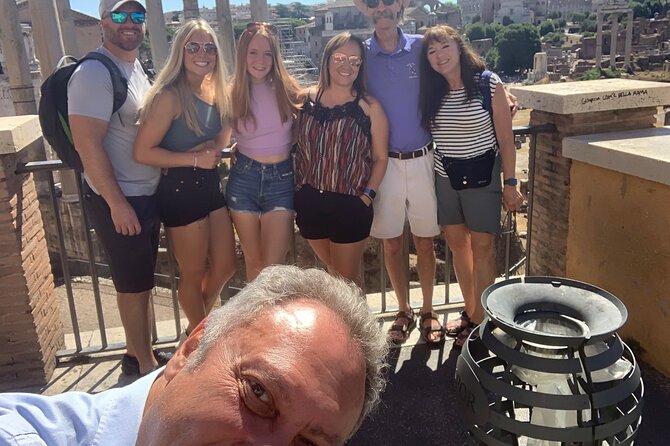
Then you’re at Fontana di Trevi, the Trevi Fountain—one of the world’s most famous fountains. It’s large (26.3 meters high, 49.15 meters wide) and completed in stages by multiple artists, with the design tied to Nicola Salvi and later contributions by others.
This stop is allocated about 30 minutes, which is the right amount of time for Trevi because crowds can slow you down. What makes this tour feel like more than just a stop-and-snap is how the driver handles the moment. One guide named Nicola even reached into his pocket with coins so a guest could enjoy the experience at the fountain. That’s the kind of thoughtful, human detail that makes the whole day feel cared for.
Even if you only spend a short time here, you’ll likely come away with a few things you can use later in your trip: where to stand for a better view, how quickly lines and foot traffic change, and how this area fits into the larger walk between central Rome attractions.
Pantheon: brief stop, big impact if you manage your time
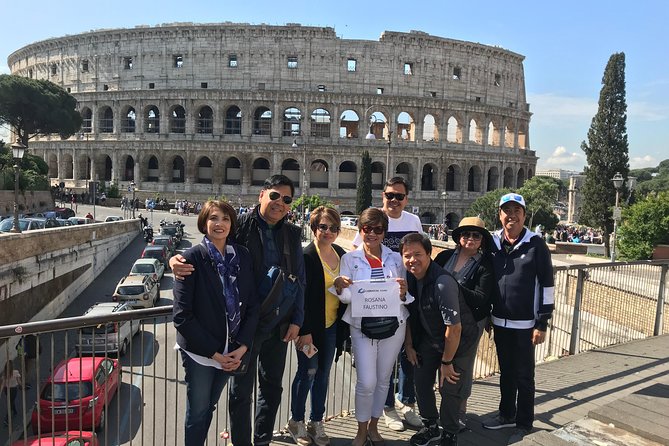
The Pantheon—meaning Temple of all the gods—is described in your tour info as the best-preserved of ancient Rome’s buildings. It was originally built as a temple and rebuilt around 126 AD during Hadrian’s reign.
In a highlights schedule, the Pantheon is where you should be most intentional. You don’t need a long visit to recognize its power, but you do need to give it your eyes for a few focused minutes: look up, take in the dome scale, and let your driver-guide explain what you’re seeing in plain terms.
The time allotted is around 20 minutes. That’s enough for an orientation, but not enough for a deep, slow read of everything inside. If the Pantheon is a must-go for you, consider pairing this tour with a longer standalone visit later—this stop is best as your fast, high-impact introduction.
Piazza di Spagna: Spanish Steps vibes, handled with real pacing

Next is Piazza di Spagna, right by the Spanish Steps. The square is famous, with the Palazzo di Spagna nearby and other notable landmarks in the area.
This is a great “between major monuments” stop because it changes the pace. You’re shifting from monumental Rome (empire and nation) to Rome as a social stage—people watching, architecture spotting, and that classic center-city flow.
The stop is about 20 minutes. It can feel short if you want to linger, but that’s also why it fits this itinerary. It gives you a taste of the area without letting the day drift into endless detours.
St. Peter’s Square: the Vatican viewpoint without the full marathon
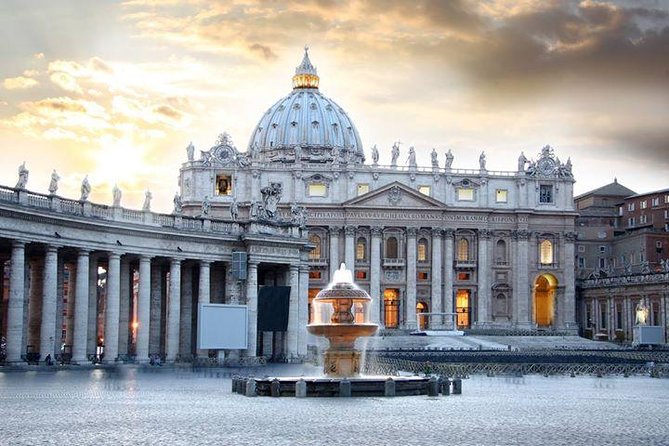
The tour continues to St. Peter’s Square in Vatican City, with Saint Peter’s Basilica as the center of attention. Your tour information frames the basilica as the world’s largest church and notes that it took more than a century and involved major Italian architects.
You’ll likely get quick time to take in the space from where your driver positions you and listen to a focused explanation. The listed stop time is around 30 minutes, which helps here because the square can be affected by crowds and security flow.
The practical upside of arriving by car in this context is that you can aim for the right vantage points quickly. The drawback is that this is still a highlights experience. If you want a long internal basilica visit, save that for another day with time to queue and settle in.
Basilica di Santa Sabina: the quieter Aventine stop that slows you down
Then you head to Basilica di Santa Sabina on the Aventine Hill. The tour info identifies it as a historic church and connects it to the Dominican order (Order of Preachers).
This is a smart inclusion because it gives your Rome day a curveball. After the big spectacle of Vatican areas, Santa Sabina offers a more grounded, church-focused stop without the same level of tourist overload. Even with a short visit (about 15 minutes), it helps you feel Rome’s lived-in religious side instead of only its postcard side.
As a note: some guides have adjusted stop styles to include quick walk-ins at basilicas when possible. So if you’re hoping to step inside at least once, this stop is one of the most likely candidates on a schedule like this.
Capitoline Hill and Piazza del Campidoglio: Michelangelo’s geometry in motion
Your final city highlight stop is Piazza del Campidoglio on Capitoline Hill. Your tour info explains the roots of the word Capitolium and notes the square was built on Michelangelo’s criteria of uniform design in modern Rome.
This is the kind of stop that feels more rewarding when your brain is warmed up by the earlier monuments. By now you’ve seen the forums, the fountains, and the Vatican. So the Campidoglio square can read like a master class in urban planning rather than just another viewpoint.
The stop is around 15 minutes. That’s enough to spot the design idea and enjoy the perspective. If you have extra energy, you might find it’s a great place to take your time after the official stop—just don’t count on your driver to wait indefinitely.
What the driver-guide actually does for you (beyond facts)
The biggest praised aspect of this tour style is the human handling: timing, flexibility, and making the day feel personal. You’ll see that in the patterns mentioned across guides—people like Mauricio, Roberto, Pino, Alan, and Stefano tailoring the morning based on interests, physical comfort, and what you want to prioritize.
Here’s what that looks like as a practical benefit:
- You can ask for a different angle at a sight, instead of being dragged along on autopilot.
- You can fit in small breaks that keep kids or adults from getting cranky (a gelato stop has come up more than once).
- If someone has limited mobility, the driver can sometimes customize how close you get and how the schedule flows—Leonardo is specifically mentioned for adapting for a guest with limited mobility.
You’ll still be on a schedule, but it’s not the kind where you feel like a passenger in someone else’s plan.
Price and value: is $407.41 per person worth it?
At $407.41 per person for about 4 hours, this is not a bargain tour. It’s more like paying for convenience, comfort, and private guidance.
Here’s the value logic I’d use:
- If you’re traveling as a small group, you’re essentially paying for your own transportation + your own guide instead of splitting time across taxis, buses, and multiple conversations with different people.
- The car time matters because you’re covering widely spaced highlights quickly, and your driver handles the local navigation.
- You’re getting stops designed to build momentum: you see the major anchors (Vittoriano, Trevi, Pantheon, St. Peter’s Square) and still get room for a quieter church and an urban planning viewpoint.
If you’re the kind of traveler who wants to spend half a day inside one place (like a full museum day), this might feel too fast. But if you need a strong “Rome orientation” day—especially for first-timers, cruise stop travelers, families, or anyone who doesn’t want to crisscross the city on foot—this cost can make sense.
Who this tour suits best
This private driver-guide format is a good fit if:
- You’re on a tight schedule and want the major monuments without exhausting walking.
- You want a first-day overview that helps you decide what to explore in depth later.
- You’re traveling with kids and prefer less hopping between transit and crowded queues.
- You need pacing adjustments for limited mobility, with the driver helping tailor how the day runs.
It’s also ideal if you dislike the stress of figuring out where to stand, where to pause, and how to move through areas that can be jammed.
Should you book this private Rome highlights tour?
Book it if you want a stress-light way to see Rome’s biggest names in a short window, with a driver-guide who can adapt the pace to your interests. I’d especially recommend it as your first Rome day, so the rest of your trip has context.
Skip it (or add more independent time) if your goal is slow, museum-style immersion. This tour is designed for quick, well-placed looks and smart transitions, not long sittings inside every site.
If you do book: come with a short list of what you care about most—ancient Rome, Renaissance planning, major churches, fountains, or just classic views. That’s how you get the most out of the driver’s tailored commentary.
FAQ
Is this tour private or shared?
It’s a private tour, meaning only your group participates.
How long is the private Rome city tour?
The duration is about 4 hours.
Do you offer hotel pickup and drop-off?
Yes. Pickup is offered from vacation rentals and points of interest, and drop-off is included. It does not pick up at ports.
Is the tour available in English?
The tour is offered in English.
Are drinks included?
No. Drinks and alcoholic drinks are not included, though you can purchase them.
Do I need tickets for the stops?
The tour information lists each stop as admission ticket free. That said, specific interior access can depend on what’s possible in the moment, so plan for an exterior-first style of visiting.
Can I cancel for a full refund?
Yes. You can cancel up to 24 hours in advance for a full refund. If you cancel less than 24 hours before the start time, the amount paid will not be refunded.
More Guided in Rome
- Vatican Museums, Sistine Chapel & St Peter’s Basilica Guided Tour
★ 4.5 · 39,149 reviews - Rome: Colosseum, Palatine Hill and Roman Forum Guided Tour
★ 4.8 · 32,814 reviews - Rome: Guided Tour of Colosseum, Roman Forum & Palatine Hill
★ 4.7 · 27,897 reviews - Rome: Colosseum & Forum with Audio Guide App -Optional Arena
★ 4.2 · 24,770 reviews - Rome: Colosseum, Roman Forum and Palatine Hill Guided Tour
★ 4.5 · 23,903 reviews - Rome: Colosseum Arena Floor, Palatine & Forum Guided Tour
★ 4.5 · 20,180 reviews
More Tours in Rome
- Vatican Museums, Sistine Chapel & St. Peter’s Basilica Tour
★ 4.3 · 73,970 reviews - Vatican Museums, Sistine Chapel & St Peter’s Basilica Guided Tour
★ 4.5 · 39,149 reviews - Rome: Colosseum, Palatine Hill and Roman Forum Guided Tour
★ 4.8 · 32,814 reviews - Rome: Guided Tour of Colosseum, Roman Forum & Palatine Hill
★ 4.7 · 27,897 reviews - Rome: Colosseum, Roman Forum and Palatine Hill Guided Tour
★ 4.5 · 23,903 reviews - Rome: Colosseum Arena Floor, Palatine & Forum Guided Tour
★ 4.5 · 20,180 reviews
More Tour Reviews in Rome
- Vatican Museums, Sistine Chapel & St. Peter’s Basilica Tour
★ 4.3 · 73,970 reviews - Vatican Museums, Sistine Chapel & St Peter’s Basilica Guided Tour
★ 4.5 · 39,149 reviews - Rome: Colosseum, Palatine Hill and Roman Forum Guided Tour
★ 4.8 · 32,814 reviews - Rome: Guided Tour of Colosseum, Roman Forum & Palatine Hill
★ 4.7 · 27,897 reviews - Rome: Colosseum & Forum with Audio Guide App -Optional Arena
★ 4.2 · 24,770 reviews - Rome: Colosseum, Roman Forum and Palatine Hill Guided Tour
★ 4.5 · 23,903 reviews
Just added to our Rome reviews





Private Car with Driver, compared.
 ★ 4.5Rome Airport Transfer – Private Luxury Service with DriverFrom $108231 reviews
 ★ 5.0Rome Private Tour with Driver: Colosseum and Vatican in a DayFrom $785220 reviews
 ★ 4.9Half-Day Tour by Vespa with DriverFrom $181116 reviews
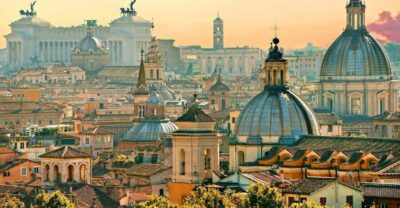 ★ 4.84-Hour Private Tour with DriverFrom $105108 reviews
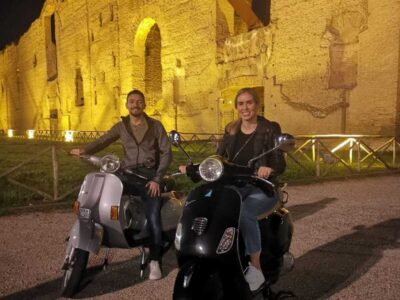 ★ 4.9Rome by Night Vespa Tour With Driver/Private GuideFrom $20372 reviews
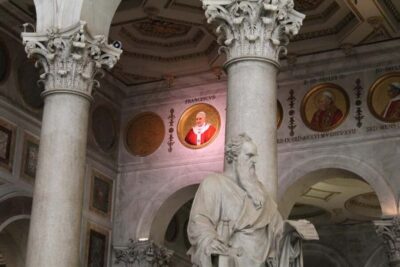 ★ 4.9Private 3-Hour Tour by Chauffeur-Driven VehicleFrom $8063 reviews
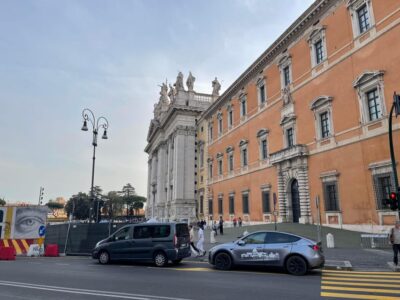 ★ 4.8Jubilee Year Papal Basilicas Tour by Private CarFrom $13457 reviews
 ★ 5.0Hidden Rome – Private Tour with DriverFrom $33041 reviews
Browse the lists this tour appears in