
Reviewed · PANTHEON TOURS
From Bones to Gods: Capuchin Crypt to Pantheon walking tour
Bones in Rome are hard to forget. This From Bones to Gods walking tour strings together the Capuchin Crypt, Trevi Fountain, and the Pantheon, using stories to show how Rome’s beliefs changed over time. I especially like the contrast between the Capuchin Crypt and the Pantheon in the same outing, and I like that you get entry tickets to both key sites without extra ticket hunting.
One thing to think about: this is a walking tour with specific site rules—bring comfortable shoes, and keep luggage/large bags out. Also, the crypt museum experience has strict photo rules, so you’ll need to enjoy it with your eyes, not your camera.
In This Review
- Key things to know before you go
- From Capuchin Bones to the Pantheon: how this Rome walk really works
- Capuchin Crypt: bones, monks, and the photo rules you’ll want to know
- Trevi Fountain legends on the walk: coin toss time and what the guide adds
- Pantheon entry included: why it still feels huge after centuries
- The guides: storytelling quality is the real product
- Price and value: is $76 worth it for a 2-hour walk?
- Practical details that affect your comfort
- Who should book this Bones to Gods tour?
- Should you book From Bones to Gods to Capuchin Crypt and Pantheon?
- FAQ
- How long is the tour?
- What’s included in the price?
- Does the tour include Trevi Fountain?
- Where do I meet for the tour?
- Where does the tour end?
- What should I bring?
- Are there any dress or bag restrictions?
- What languages are available for the live guide?
- Can I cancel and pay later?
Key things to know before you go
- Tickets included for both the Pantheon and the Capuchin Museum, so you don’t need to manage extra entry steps.
- A two-hour “bones to gods” storyline that connects the Capuchin monks to Rome’s shift from pagan worship to a church.
- Trevi Fountain stop with guided time for seeing it properly and doing the coin moment.
- Multiple starting point options (Barberini and Piazza della Minerva area), with the meeting point varying by booking.
- Small-group or private options available, which can make the pacing feel more human.
- A guide-driven experience where the storytelling is the main ingredient, and names like Gabriela, Clara, Joseph, and Alma come up often.
From Capuchin Bones to the Pantheon: how this Rome walk really works
This is a tight, two-hour Rome walk that moves on purpose: start in a place where bones are turned into art, then cross town to see one of the city’s most famous fountains, and end at the Pantheon. It’s not meant to be a slow “see everything” stroll. It’s meant to give you a focused, guided spine to hang Rome on.
You’ll begin at one of several starting spots near the center—Barberini or the Piazza della Minerva area—depending on what you booked. From there, the tour spends guided time at each stop: about 45 minutes at the Capuchin Crypt, about 30 minutes at Trevi Fountain, and about 30 minutes inside the Pantheon. It ends back in the central zone at Piazza Barberini, which is convenient if you want to grab food afterward without a long commute.
The pacing matters here. In Rome, the distance between major sights can feel short on a map and long in real life. This tour stays efficient, but it does ask you to keep moving. If your ideal day is long museum hours and endless sitting, this may feel quick.
The Pantheon, a couple more takes
- Rome: Pantheon Priority Entry Ticket & Interactive App
★ 4.1 · 5,114 reviews - Rome: Pantheon Priority Entry Tickets with Interactive App
★ 4.6 · 4,108 reviews - Rome: Pantheon Timeless Marvel Guided Tour with Entry Ticket
★ 4.9 · 4,002 reviews - Castel Sant’Angelo: Ticket with optional Vatican or Pantheon
★ 4.4 · 3,088 reviews
Capuchin Crypt: bones, monks, and the photo rules you’ll want to know
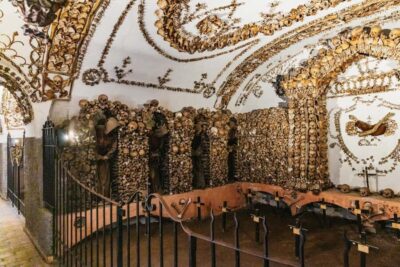
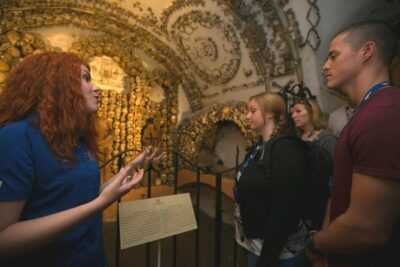
The Capuchin Crypt is exactly what it sounds like—macabre, artistic, and hard to look away from once you’re standing there. You’re going into the Capuchin Crypt area with a guided visit that lasts about 45 minutes. The story your guide tells is part of the reason this stop lands. You’re not just seeing bones; you’re seeing how the Capuchin tradition used human remains in a highly controlled, symbolic way.
Two practical notes make your visit smoother.
First, the crypt is described as not underground. So if you’re imagining a deep, subterranean tunnel experience, you may be surprised. Second, photos aren’t allowed in the crypt area. One review specifically flagged that you should expect no pictures, so plan to store the experience in your brain instead of on your phone.
Because this is a guided visit, you’ll likely get context fast—why the display is arranged the way it is, and what it means inside the Capuchin world. If you’re traveling with teens or adults who like a clear explanation rather than wandering, this is one of those stops where the guide quality makes a big difference.
Trevi Fountain legends on the walk: coin toss time and what the guide adds
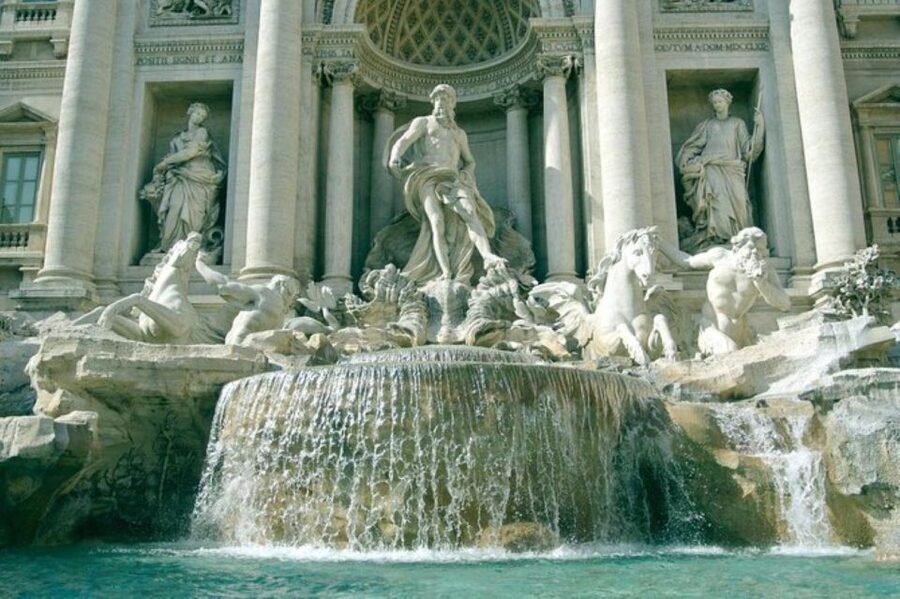
Between the crypt and the Pantheon, you hit Trevi Fountain with guided time (about 30 minutes). Trevi can be chaotic on your own: crowds, camera angles, and people hunting for the perfect moment to throw a coin. With a guide, the stop feels less like a battle and more like an organized sightseeing break.
Yes, there’s the classic coin toss. The tour even builds in the moment so you can do it without trying to coordinate your own timing. But the bigger value is the stories. Your guide weaves legends and interesting context into what you’re seeing, so Trevi becomes more than a postcard backdrop.
Also, this middle section helps you transition. The emotional shift from bones to a glittering fountain might feel jarring unless someone connects the dots. A good guide turns that distance into a lesson: Rome isn’t one thing. It’s layers. Trevi Fountain, in that sense, is the social and mythic counterpoint to the crypt.
Drawback to consider: you’ll want to be ready for crowds and close quarters around the fountain. The tour format helps, but it doesn’t remove the reality that Trevi is one of the most visited spots in the city.
Pantheon entry included: why it still feels huge after centuries
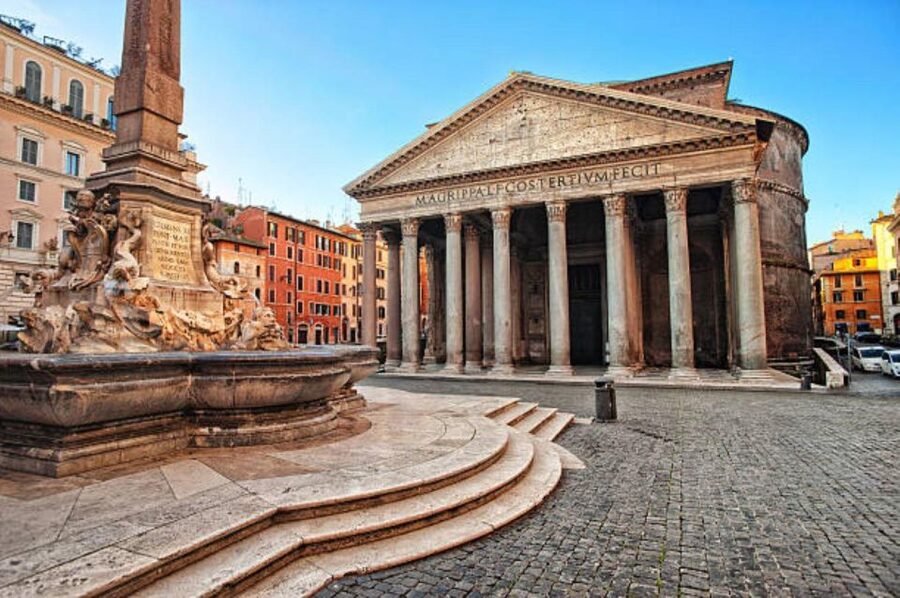
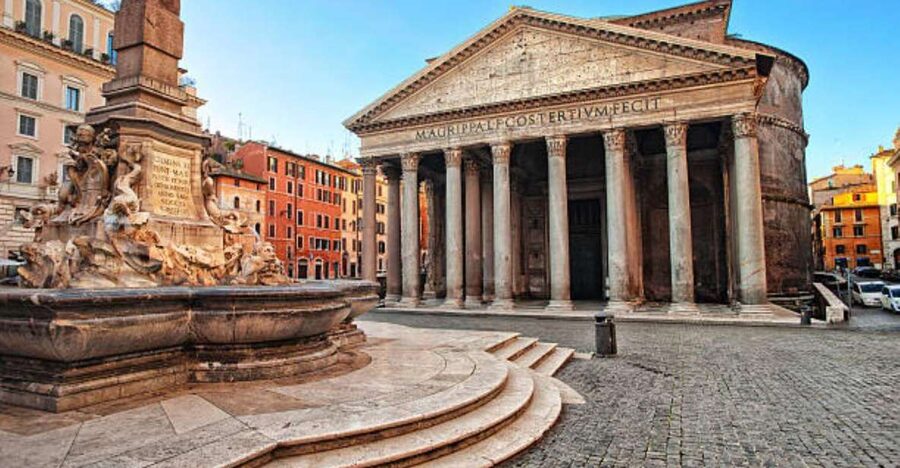
The tour’s final anchor is the Pantheon, with guided time of about 30 minutes. This is where the “from bones to gods” theme clicks into place.
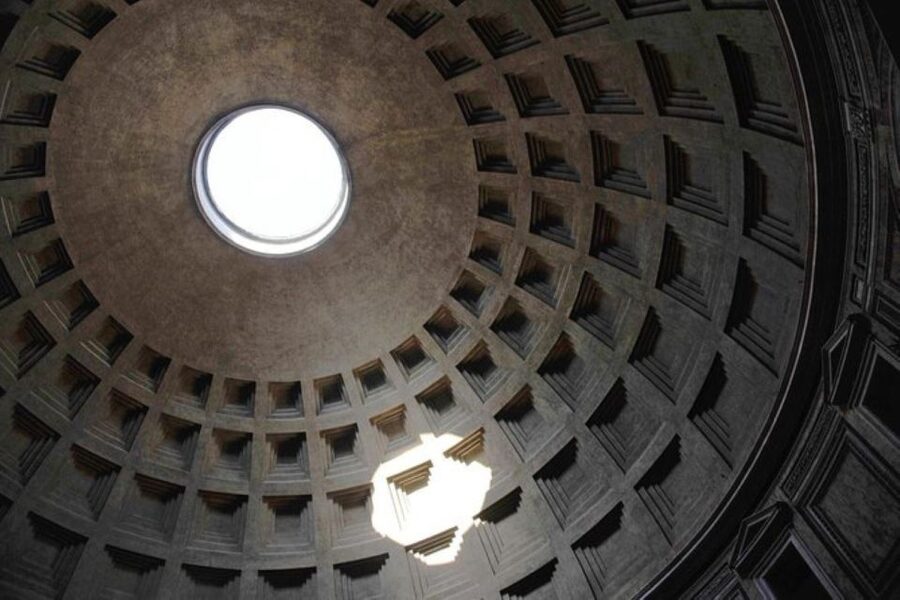
The Pantheon is ancient—dating to 25–27 B.C.—and it started as a temple for the gods of pagan Rome. Later, it became a church and a mausoleum. That transformation is the heart of the experience. You’re not just touring a building; you’re watching Rome repurpose power, belief, and space over time.
You also get Pantheon entry ticket included in the tour price. That matters. Even if you’re comfortable buying tickets on the ground, included entry reduces friction and keeps the pacing tight for a two-hour outing.
Inside, the guide’s job is to help you see what you might miss on your own: the way Roman design communicates authority, and how the building’s identity shifts across centuries. Reviews repeatedly point to guides who talk clearly about the monument’s past and explain the religious shift without turning it into a lecture. Names like Joseph show up in comments tied to Pantheon storytelling, and that’s a good sign. It’s a stop where narration helps you look longer and understand what you’re seeing.
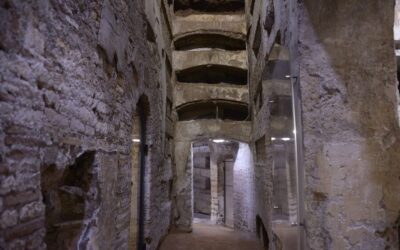
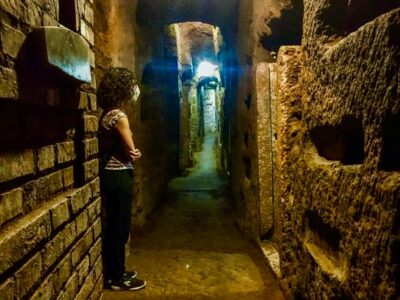
Deeper underground: more crypts and catacombs
The guides: storytelling quality is the real product
The tour’s highlights list a knowledgeable local guide, but what matters more is how that knowledge gets delivered. In real-life terms, you want someone who can hold your attention while staying grounded in facts—especially for a stop like the crypt, where the symbolism can feel confusing if you don’t get an explanation.
Across the feedback, several guide names stand out: Gabriela (often written as Gabi or Gabriella), Clara, Joseph, and Alma. Different people, same theme: strong storytelling, time for questions, and a pace that works even when the group size is small.
One review also mentioned a personal tour when the group situation changed due to weather, and the guide didn’t rush. Another flagged that the guide waited when they arrived late due to bus chaos, so you’re not left stranded trying to catch up with a rigid schedule.
If you’re hoping for a tour where the person talking adds meaning instead of just reciting dates, this is the kind of outing that can deliver that. I’d still suggest you go in with curiosity. This tour works best when you’re open to stories and symbolism, not only when you’re hunting for the cleanest “photo spot.”
Price and value: is $76 worth it for a 2-hour walk?
At $76 per person for a 2-hour tour, you’re paying for three things: guided narration, timed-site value, and included entry tickets.
Here’s the math you can feel:
- Pantheon entry is included
- Capuchin Museum/Crypt entry is included
- You also get guided time at Trevi Fountain
Even if you’d normally buy tickets individually, bundling them with a guide usually saves you steps and keeps the day moving. And in this particular tour, the guide is not optional extra. The itinerary’s whole point is turning sights into meaning—bones, fountain legends, and the gods-to-church shift.
So is $76 cheap? No. Is it good value if you want a guided “Rome meaning map” in a short time window? Yes, especially if you’re traveling with someone who likes explanations and you’re short on daylight.
For value seekers: this can be a great choice on a day when you don’t want to spread your time thin across Rome’s biggest names.
Practical details that affect your comfort
This tour runs for about 2 hours, and there’s no hotel pickup or drop-off. You’ll meet at a central location that depends on your booking, with options including Barberini and Piazza della Minerva 72 / Piazza Barberini 21. The good part: you’ll start and finish in the same general city core, so you can pair this with a meal or a relaxed walk afterward.
Bring:
- Comfortable shoes
Not allowed:
- Luggage or large bags
- Short skirts
- Sleeveless shirts
That dress note matters in Rome, and it matters here because the tour includes a church space (the Pantheon’s current identity). If you’re traveling light, you’ll be fine. If you like to carry a backpack full of day-trip gear, plan to keep it minimal.
Also keep in mind that this is a walking tour. You’ll want to pace yourself so the crypt doesn’t steamroll your energy and the Pantheon doesn’t feel like a sprint at the end.
Who should book this Bones to Gods tour?
This fits best if you:
- Want a short Rome experience that covers three major sites in a logical chain
- Like guided storytelling that connects places to belief and culture
- Travel with teens or adults who enjoy explanations (the Pantheon and crypt are not just “pretty stops”)
It may not be ideal if you:
- Prefer long, self-paced museum time
- Hate walking tight itineraries
- Need lots of freedom to take photos (the crypt area has strict photo rules)
If you want one ticketed guided format that makes Rome feel less overwhelming, this is a strong candidate.
Should you book From Bones to Gods to Capuchin Crypt and Pantheon?
If your goal is to see the Capuchin Crypt, Trevi Fountain, and the Pantheon in a compact two-hour plan—with entry tickets included and guide-led stories tying the whole theme together—then yes, I’d book it.
The best part is the structure: bones to gods is not just a catchy title. It’s a way to look at Rome as a city that constantly repurposed what people believed. If you’re okay with strict rules at the crypt and a brisk walking pace, you’ll likely walk away with a clearer sense of how Rome’s religious world shifted—stone, symbolism, and all.
If you tell me your travel dates and your starting location (Barberini vs Piazza della Minerva area), I can help you decide which meeting point option is easiest for your day plan.
FAQ
How long is the tour?
The tour lasts 2 hours.
What’s included in the price?
You get entry tickets to the Pantheon and the Capuchin Museum/Crypt, plus an expert local guide.
Does the tour include Trevi Fountain?
Yes. Trevi Fountain is included with a guided visit of about 30 minutes.
Where do I meet for the tour?
The meeting point can vary based on the option you book. Starting options include areas around Barberini and the Piazza della Minerva zone (for example Piazza della Minerva 72, and Piazza Barberini 21).
Where does the tour end?
The tour finishes at Piazza Barberini.
What should I bring?
Wear comfortable shoes.
Are there any dress or bag restrictions?
Yes. Luggage or large bags are not allowed. Short skirts and sleeveless shirts are not allowed.
What languages are available for the live guide?
The live guide is available in French, English, Spanish, Arabic, Italian, Persian, Portuguese, Russian, and German.
Can I cancel and pay later?
You can cancel up to 24 hours in advance for a full refund. You can also reserve now and pay later.
More Tour Reviews in Rome
- Vatican Museums, Sistine Chapel & St. Peter’s Basilica Tour
★ 4.3 · 73,970 reviews - Vatican Museums, Sistine Chapel & St Peter’s Basilica Guided Tour
★ 4.5 · 39,149 reviews - Rome: Colosseum, Palatine Hill and Roman Forum Guided Tour
★ 4.8 · 32,814 reviews - Rome: Guided Tour of Colosseum, Roman Forum & Palatine Hill
★ 4.7 · 27,897 reviews - Rome: Colosseum & Forum with Audio Guide App -Optional Arena
★ 4.2 · 24,770 reviews - Rome: Colosseum, Roman Forum and Palatine Hill Guided Tour
★ 4.5 · 23,903 reviews
Further Below Rome
- Rome: Capuchin Crypts and Catacombs Tour with Transfers
★ 4.6 · 6,456 reviews - The Original Roman Crypts and Catacombs Tour with Transfers
★ 4.5 · 4,896 reviews - Rome: Catacombs of St. Callixtus Entry Ticket & Guided Tour
★ 4.6 · 3,037 reviews - Rome: Guided Roman Catacombs Tour with Transfers
★ 4.6 · 1,830 reviews - Rome: Catacombs Guided Tour with Transfer
★ 4.2 · 1,808 reviews - Rome EBike Tour: Appian Way, Catacombs & Roman Aqueducts
★ 5.0 · 1,766 reviews
Back to the Pantheon
- Rome: Pantheon Priority Entry Ticket & Interactive App
★ 4.1 · 5,114 reviews - Rome: Pantheon Priority Entry Tickets with Interactive App
★ 4.6 · 4,108 reviews - Rome: Pantheon Timeless Marvel Guided Tour with Entry Ticket
★ 4.9 · 4,002 reviews - Castel Sant’Angelo: Ticket with optional Vatican or Pantheon
★ 4.4 · 3,088 reviews - Pantheon Elite Guided Tour – Rome’s Iconic Ancient Temple
★ 5.0 · 1,447 reviews - Rome: Pantheon Small-Group Guided Tour with Entry Ticket
★ 4.9 · 1,226 reviews
Just added to our Rome reviews





Pantheon Tours, compared.
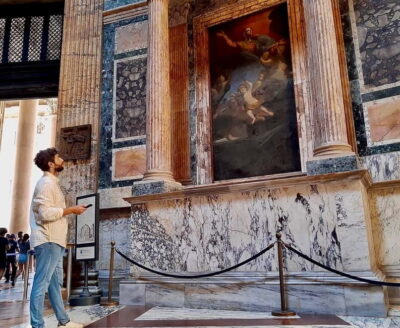 ★ 4.1Pantheon Priority Entry Ticket & Interactive AppFrom $145,114 reviews
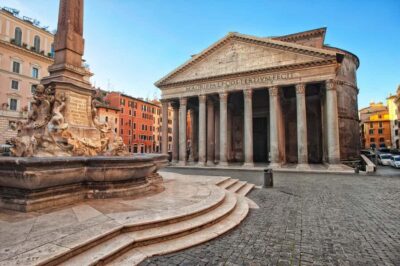 ★ 4.6Pantheon Priority Entry Tickets with Interactive AppFrom $54,108 reviews
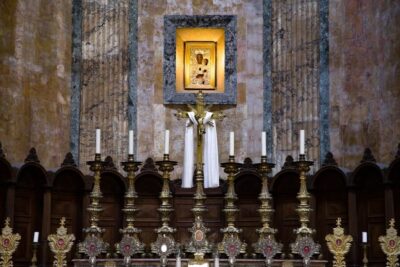 ★ 4.9Pantheon Timeless Marvel Guided Tour with Entry TicketFrom $214,002 reviews
 ★ 4.4Castel Sant’Angelo: Ticket with optional Vatican or PantheonFrom $183,088 reviews
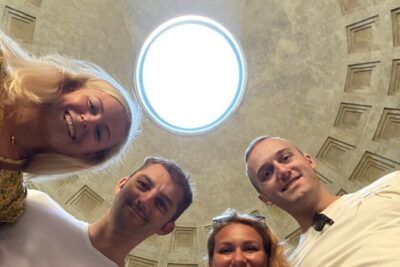 ★ 5.0Pantheon Elite Guided Tour – Rome’s Iconic Ancient TempleFrom $411,447 reviews
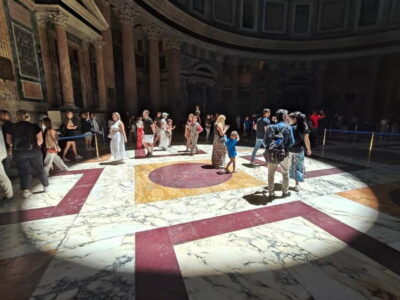 ★ 4.9Pantheon Small-Group Guided Tour with Entry TicketFrom $511,226 reviews
 ★ 4.0Rome’s Iconic Temple: Pantheon Audio Guided Tour with Fast AccessFrom $211,188 reviews
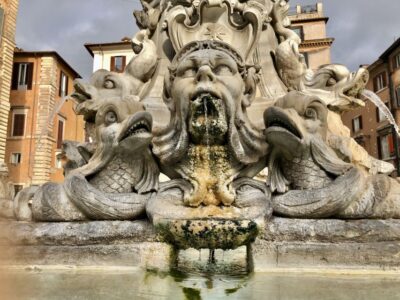 ★ 4.7Pantheon Small Group Tour and Skip-the-Line TicketFrom $531,008 reviews
Browse the lists this tour appears in