
Reviewed · PANTHEON TOURS
City walk through Spanish steps, Trevi fountain, Pantheon, Navona, Angel Castle
A smart three-hour Rome walk beats the guessing. You’ll glide past five top sights with a guide’s explanations and a relaxed private pace that keeps the route doable. I like that it’s built as a quick “main highlights” circuit without feeling rushed.
Two things I really appreciated are the Caravaggio paintings stop inside the Church of St. Louis of the French, and the way the guide ties what you see to the people and ideas behind it. In the standout feedback, guides like Chris and Gigi are praised for clear, engaging storytelling that makes the city feel easier to understand.
One consideration: this is still a walking tour on Rome streets, and the schedule is tight enough that you’ll want comfortable shoes and a ready-to-go attitude.
In This Review
- Key highlights worth your attention
- Start at Babington’s Tea Room and set your Rome rhythm
- Spanish Steps: more than a photo spot
- Trevi Fountain plus Piazza Colonna: myth and modern power in one stretch
- The Pantheon inside and out: how to read the building
- Church of St. Louis of the French: Caravaggio makes the art stop real
- Piazza Navona: learn the layers before you admire the fountains
- The Tiber moment: quick river life and bridges
- Castel Sant’Angelo (outside): a fortress overview that fits your schedule
- Price and what $524.97 per group buys you
- Timing, pacing, and how to get the most from the route
- Who should book this Rome walking tour?
- Should you book it?
- FAQ
- What landmarks are included on this Rome walking tour?
- How long is the tour?
- Is this tour private?
- What language is the tour offered in?
- Where does the tour start and end?
- Are admission tickets included?
- What’s included in the price?
- Are tips included?
- Are service animals allowed?
- When will I receive confirmation after booking?
- Is cancellation free?
Key highlights worth your attention
- Spanish Steps with context, so the landmark makes sense beyond photos
- Trevi Fountain explained, including the history and architecture behind it
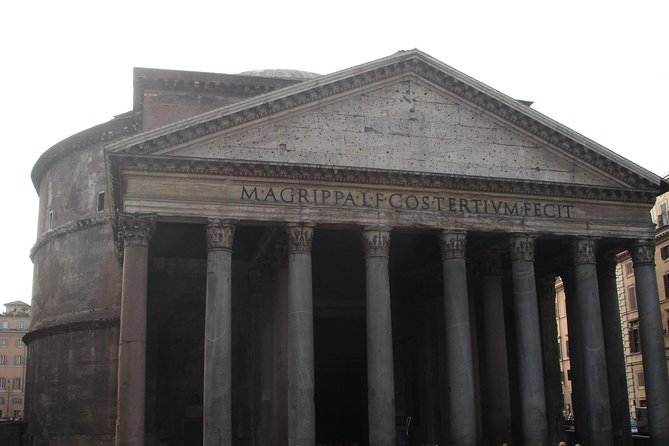
- Pantheon inside/out, with a guide’s help to read the space
- Church of St. Louis of the French, including the Chapel of Saint Matthew and its Caravaggio paintings
- Piazza Navona’s layers, from ancient stadium to Baroque square
- Castel Sant’Angelo from the outside, giving you a fortress overview without slowing down
Start at Babington’s Tea Room and set your Rome rhythm
You’ll meet at Babington’s tea room on Piazza di Spagna, right by the Spanish Steps area. That’s a smart starting point because you’re already near one of Rome’s most photographed squares, and the tour starts by building momentum fast.
This is a private tour, so it’s just your group. That matters here, because your guide can adjust the pace if you want a breather, want to linger for photos, or need a quick reset after one of the busier sights.
Also, you’ll have a mobile ticket, which keeps your day simple. Less fumbling, more walking. You’ll finish near Castel Sant’Angelo in front of Saint Angel Castle, so you end in an area that’s easy to keep exploring after the tour.
The Pantheon, a couple more takes
- Rome: Pantheon Priority Entry Ticket & Interactive App
★ 4.1 · 5,114 reviews - Rome: Pantheon Priority Entry Tickets with Interactive App
★ 4.6 · 4,108 reviews - Rome: Pantheon Timeless Marvel Guided Tour with Entry Ticket
★ 4.9 · 4,002 reviews - Castel Sant’Angelo: Ticket with optional Vatican or Pantheon
★ 4.4 · 3,088 reviews
Spanish Steps: more than a photo spot
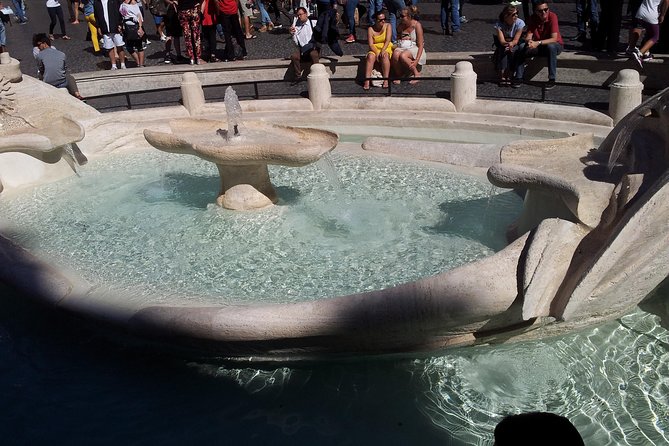
You’ll spend about 30 minutes at the Spanish Steps, guided through the square’s history and the architecture of the nearby area. This is one of those places where it’s easy to see the steps, snap the picture, and move on—unless someone helps you understand why it became such a famous view in the first place.
What I like about this stop is that it’s early in the route. You start with a major landmark, then you build a framework you’ll use for the rest of the walk.
Practical tip: keep an eye on where you’re standing. Spanish Steps works best if you pay attention to the viewpoints the square creates, not just the steps themselves. With a guide talking, it’s easier to spot the details you’d otherwise miss.
Trevi Fountain plus Piazza Colonna: myth and modern power in one stretch
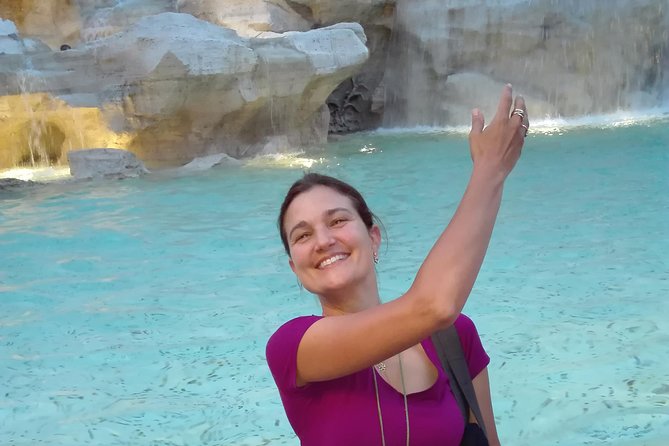
Next up is Fontana di Trevi for about 25 minutes. The focus is history and architecture, and that’s exactly what helps here. Trevi is one of the world’s most recognizable fountains, but it can also feel like sensory overload if you don’t have context. With the guide’s explanation, you’re not just looking at the water and sculptures—you’re understanding what you’re seeing and why it became iconic.
Then you’ll head to Piazza Colonna for about 20 minutes. This stop shifts the mood. Piazza Colonna isn’t just scenery; it’s described as a historical place with a modern political center feel. That pairing is useful. Rome isn’t only ancient monuments—it’s also an active city layered with government and daily life. Seeing Trevi, then moving to a square tied to modern power, gives you a stronger sense of how the city functions now.
Small consideration: both of these stops are close enough to feel connected, but they still require patience and good timing for photos. If you’re the type who needs everything perfectly staged, you might find it a bit annoying. If you’re happy to let the guide lead and you focus on learning, it’s a win.
The Pantheon inside and out: how to read the building
You’ll spend about 30 minutes at the Pantheon, with time for architecture and stories from both outside and inside. This is one of the biggest “value” moments in the route because the Pantheon can overwhelm you if you walk in with only the obvious photo goal.
With a guide, you get a guided way to look. You’re not just inside a famous monument; you’re getting a guided understanding of why the architecture matters and what the stories attached to it have meant over time.
Another smart part of the pacing: you don’t linger so long that the tour drags. You get enough time to feel oriented, ask questions if the guide invites them, and move on while the tour still feels fresh.
If you’re sensitive to crowds, go into this stop with a calm mindset. The Pantheon’s popularity is real, so your best strategy is to trust the guide’s timing and focus on the explanations rather than trying to control everything.
Toss a coin, then look at these


Church of St. Louis of the French: Caravaggio makes the art stop real
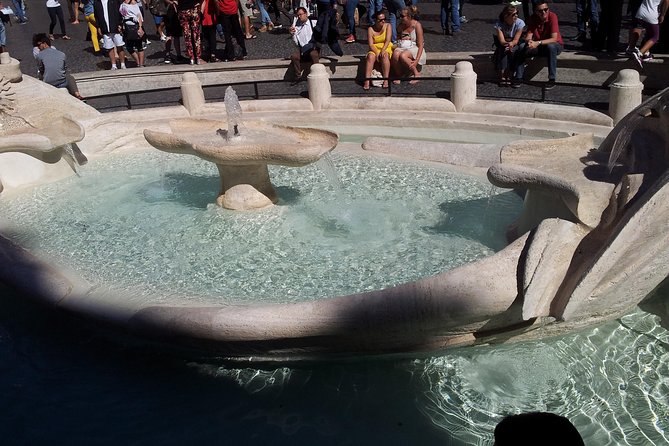
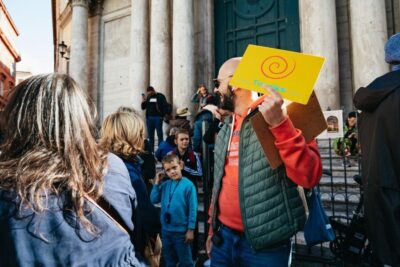
About 20 minutes here, and this is where the tour differentiates itself from a basic highlight walk. You’ll visit the Church of St. Louis of the French, including the Chapel of Saint Matthew and Caravaggio paintings.
This is the kind of stop that turns Rome from a monuments checklist into something more human. Caravaggio’s presence changes the feel of the church. It’s no longer only about architecture or big plazas—you’re looking at specific artworks, with a guide putting them in context so they don’t feel like random masterpieces you’re supposed to already know.
What I like: it gives you variety. After the broad outdoor squares, you get a compact interior moment where your attention narrows. That contrast helps the whole tour feel balanced.
Note: you’ll want to respect the pace and rules of a working church. Keep your phone away unless you’re sure it’s allowed where you are, and follow the guide’s lead.
Piazza Navona: learn the layers before you admire the fountains
You’ll spend about 25 minutes at Piazza Navona. Here, the guide focuses on the central fountain and the key idea of layers—moving from ancient stadium references to its Baroque square identity.
This is a great stop for people who like their sights with context. Rome’s charm is that you’re often standing on one era while looking at another. Navona is one of the places where that layering is easier to grasp when someone explains it clearly.
If you’re planning to come back later on your own, this stop also helps you understand what you should pay attention to. Without that, Navona can just look like a beautiful square. With the explanation, it becomes a story you can read in real time.
Practical tip: take a moment to pick a viewpoint that gives you both the fountain area and the feel of the square. With a guide’s commentary, you’ll be able to connect the layout to the history you just heard.
The Tiber moment: quick river life and bridges
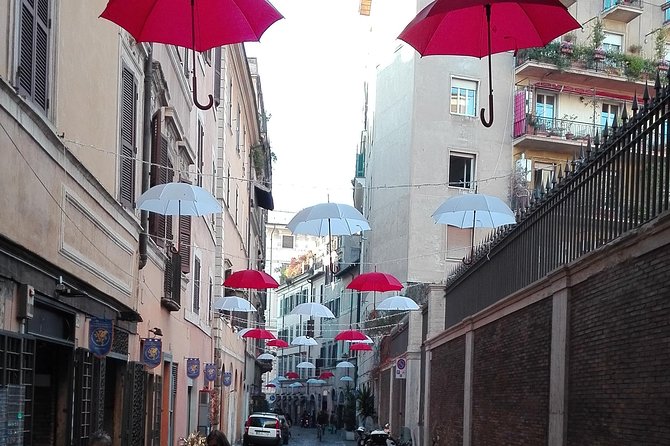
After Navona, you’ll get about 10 minutes at the Fiume Tevere, focused on river life in the city and its bridges. Even though it’s short, this stop can change how you picture the city. The Tiber is the spine that shaped Rome’s growth, so even a brief look helps your brain map where everything sits.
Think of it as the tour’s palate cleanser. You’re moving from plazas and monuments to the way the city breathes. It’s also a useful way to remember that Rome’s history isn’t only in stone buildings—it’s in the movement of people and goods along a river.
This is also a moment where your timing matters. Ten minutes goes fast, so be ready when the guide starts pointing things out.
Castel Sant’Angelo (outside): a fortress overview that fits your schedule
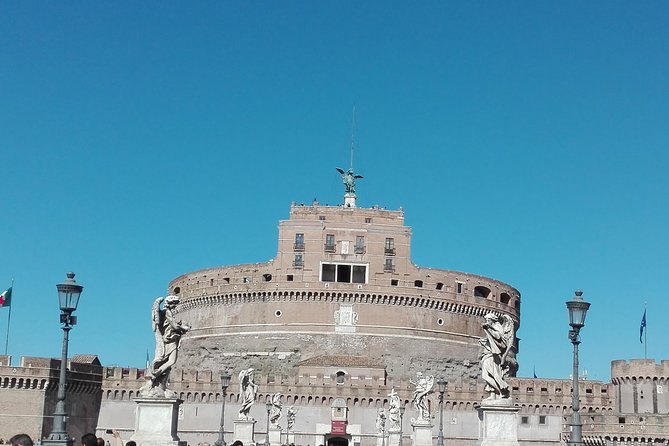
The tour wraps with about 20 minutes at Museo Nazionale di Castel Sant’Angelo, described here as history through the century, starting from the outside. Even if you’re not going inside, that exterior framing is helpful. Castel Sant’Angelo is one of those places where the shape and position feel like a clue to the stories attached to it.
You’ll end in front of Saint Angel Castle / near P.Za Pia/Castel S. Angelo, which makes the finish location practical. You’re right where you’d likely want to be if you want to keep walking after the tour—still close to the river area and the sights in that part of central Rome.
One consideration: because this is outside-focused, if you’re hoping for a museum-style deep dive, this may feel like an overview. But for a three-hour highlights walk, it’s a smart choice.
Price and what $524.97 per group buys you
This tour costs $524.97 per group (up to 3) for about 3 hours. That pricing is private-tour pricing, meaning you’re paying for guide time and the convenience of a small group of your choosing—not paying per person like a big group bus tour.
Here’s the way to think about value:
- If you’re a group of 3, it can work out to a more reasonable per-person cost.
- If you’re 2, you’ll feel the premium more, but you still get the benefit of a guide-led route with flexible pacing.
- If you’re traveling solo, you may want to consider whether you can find a lower-cost option unless you especially value private attention and a tightly planned route.
What you’re buying with this price is time saved and confidence gained. You’re not spending half a day figuring out the best order of sights, then hoping you get meaningful explanations. Instead, you get a focused circuit with a guide, ending near another major landmark so your day doesn’t end at an inconvenient spot.
Timing, pacing, and how to get the most from the route
The tour offers a morning or afternoon time, and the overall duration is about 3 hours. That flexibility is practical in Rome. You can match your walking time to your energy levels and to the rest of your plans.
The itinerary has clear stop blocks—Spanish Steps, Trevi, Piazza Colonna, Pantheon, Church of St. Louis of the French, Piazza Navona, a quick Tiber moment, then Castel Sant’Angelo. That structure is helpful. It reduces the mental load of deciding what to see next, and it keeps the day moving without turning into a sprint.
If you want to maximize enjoyment:
- Bring comfortable shoes and expect uneven surfaces.
- Keep your expectations realistic: this is a highlights-and-context walk, not a museum marathon.
- Ask questions when the guide offers space. This kind of tour works best when you treat the guide like a live guidebook.
Who should book this Rome walking tour?
This is a strong fit if you:
- Want a guided overview of major Rome landmarks in a short window
- Prefer a private group experience over crowded tours
- Care about stories and context, especially for art like the Caravaggio paintings
- Like your history connected to what you’re actually looking at, not just listed on paper
It may feel less ideal if you want long time in one place. The Pantheon and Castel Sant’Angelo are given solid attention, but the tour is designed to cover a lot of ground in three hours.
Should you book it?
If your goal is a smart, guide-led “Rome essentials” walk that teaches you how to read what you’re seeing, I’d book this. The combination of Spanish Steps, Trevi, Pantheon, Piazza Navona, and then the art-focused stop at Church of St. Louis of the French with Caravaggio paintings makes the tour feel more varied than a basic monuments circuit.
I’d hesitate only if you’re chasing maximum time inside major sites or you don’t like walking. Otherwise, the relaxed private pacing, the mobile ticket simplicity, and the clear landmark-to-landmark flow make this a practical way to spend a few hours in Rome.
FAQ
What landmarks are included on this Rome walking tour?
You’ll visit the Spanish Steps, Fontana di Trevi, Piazza Colonna, the Pantheon, the Church of St. Louis of the French (including the Chapel of Saint Matthew and Caravaggio paintings), Piazza Navona, the Fiume Tevere area, and Castel Sant’Angelo.
How long is the tour?
It’s approximately 3 hours.
Is this tour private?
Yes. It’s a private tour/activity, and only your group participates.
What language is the tour offered in?
The tour is offered in English.
Where does the tour start and end?
It starts at Babington’s tea room, Piazza di Spagna, 23, Rome. It ends near P.Za Pia/Castel S. Angelo, in front of Saint Angel Castle.
Are admission tickets included?
The tour information lists admission ticket free for the stops included.
What’s included in the price?
A guide is included.
Are tips included?
No. Tips are not included.
Are service animals allowed?
Yes, service animals are allowed.
When will I receive confirmation after booking?
You’ll receive confirmation at the time of booking unless you book within 9 days of travel. If booked within 9 days, confirmation is received within 48 hours, subject to availability.
Is cancellation free?
Yes, free cancellation is available up to 24 hours before the experience’s start time for a full refund.
More of Rome's Grand Piazzas
- 3 in 1 Cooking Class near Navona: Fettuccine, Ravioli & Tiramisu
★ 5.0 · 7,376 reviews - Rome Food Tour: Campo de’ Fiori, Ghetto, Trastevere Winner 2024
★ 5.0 · 3,205 reviews - Rome: Trastevere & Campo de Fiori Street Food Walking Tour
★ 4.9 · 2,768 reviews - Enjoy Spritz and Pasta Making in Piazza Navona
★ 5.0 · 1,681 reviews - Rome: Pasta & Tiramisu Cooking Class near the Spanish Steps
★ 4.8 · 1,395 reviews - Rome: Traditional Pizza Cooking Class near Piazza Navona
★ 4.7 · 1,241 reviews
Near the Trevi: More to See
- Rome: Trevi Fountain and Underground Guided Tour
★ 4.3 · 1,664 reviews - Rome: Opera Concert at Palazzo Poli – Fontana di Trevi
★ 4.7 · 1,026 reviews - Best of Rome Walking Tour including Trevi Fountain
★ 4.5 · 923 reviews - Catacombs Tour with Transfer – Optional Capuchin Crypt or Trevi
★ 4.5 · 694 reviews - Rome Walking Tour with Piazza Navona, Trevi Fountain and Pantheon
★ 4.5 · 676 reviews - The Great Opera Arias Concert at Palazzo Poli – Trevi Fountain
★ 5.0 · 533 reviews
Back to the Pantheon
- Rome: Pantheon Priority Entry Ticket & Interactive App
★ 4.1 · 5,114 reviews - Rome: Pantheon Priority Entry Tickets with Interactive App
★ 4.6 · 4,108 reviews - Rome: Pantheon Timeless Marvel Guided Tour with Entry Ticket
★ 4.9 · 4,002 reviews - Castel Sant’Angelo: Ticket with optional Vatican or Pantheon
★ 4.4 · 3,088 reviews - Pantheon Elite Guided Tour – Rome’s Iconic Ancient Temple
★ 5.0 · 1,447 reviews - Rome: Pantheon Small-Group Guided Tour with Entry Ticket
★ 4.9 · 1,226 reviews
Just added to our Rome reviews





Pantheon Tours, compared.
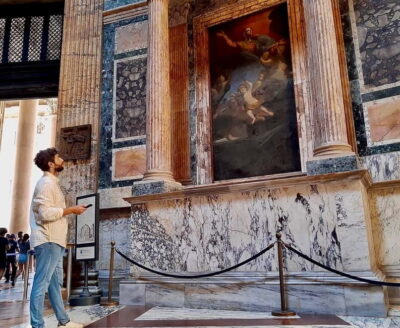 ★ 4.1Pantheon Priority Entry Ticket & Interactive AppFrom $145,114 reviews
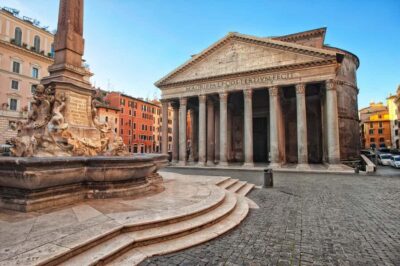 ★ 4.6Pantheon Priority Entry Tickets with Interactive AppFrom $54,108 reviews
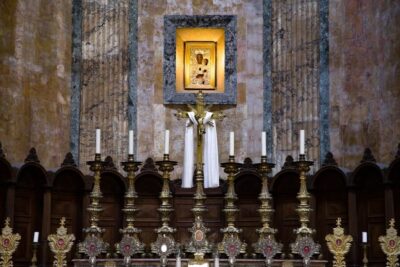 ★ 4.9Pantheon Timeless Marvel Guided Tour with Entry TicketFrom $214,002 reviews
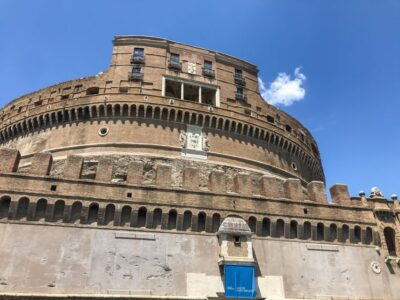 ★ 4.4Castel Sant’Angelo: Ticket with optional Vatican or PantheonFrom $183,088 reviews
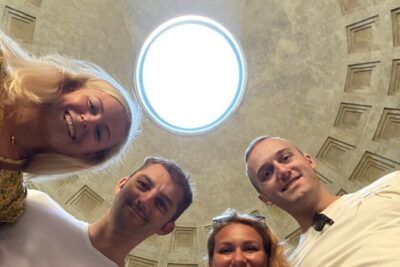 ★ 5.0Pantheon Elite Guided Tour – Rome’s Iconic Ancient TempleFrom $411,447 reviews
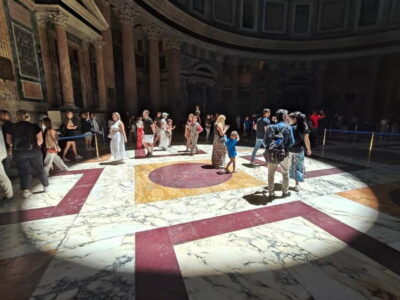 ★ 4.9Pantheon Small-Group Guided Tour with Entry TicketFrom $511,226 reviews
 ★ 4.0Rome’s Iconic Temple: Pantheon Audio Guided Tour with Fast AccessFrom $211,188 reviews
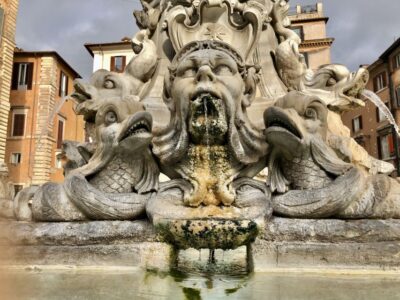 ★ 4.7Pantheon Small Group Tour and Skip-the-Line TicketFrom $531,008 reviews
Browse the lists this tour appears in