
Reviewed · ROMAN CATACOMBS & CRYPTS TOURS
Catacombs and Hidden Underground Rome: Small Group Max 6 People
Rome has layers you can walk into. This semi-private tour pairs a San Clemente descent through multiple historical levels with a guided trip to Catacombe di Domitilla, where you’ll learn how underground burial life worked in ancient Rome. I especially like that the storytelling can be led by guides such as Massimo, Kira, and Andy, who bring clarity and good energy to sites that can feel confusing on your own.
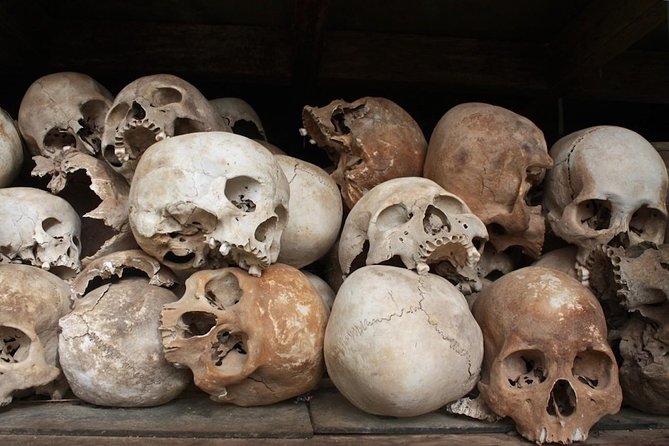
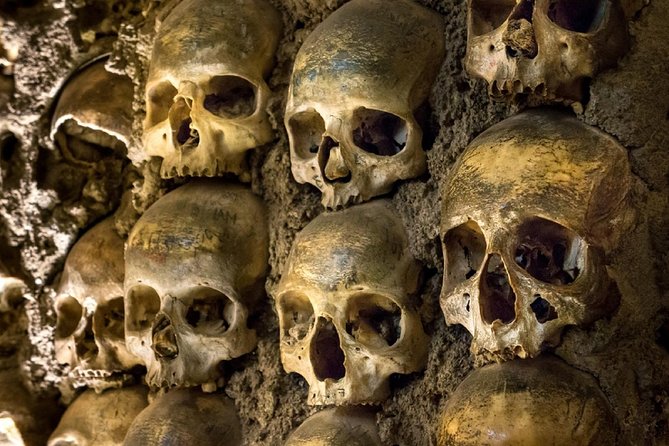
My other big plus is the focus of a max-6 group for the main start, so you’re not just shuffling with a crowd—you get time for questions and explanations while you’re underground. The one drawback to weigh: the Domitilla catacombs portion is handled in a larger group, and the experience may feel faster than you expect. Also, there’s no photography inside either site, and you should go with the expectation of what the catacombs actually show rather than the skull-heavy ad images.
In This Review
- Key things to know before you go
- San Clemente’s five levels: the “architectural lasagna” effect
- Why a max-6 group makes a difference underground
- The taxi transfers: saving time in a city that loves detours
- Domitilla catacombs: narrow tunnels, empty graves, real atmosphere
- Respect rules you’ll notice right away: dress code and no photos
- Is it cool down there? Yes—until you add Rome’s summer on top
- Price and value: what $240.76 buys you in real terms
- Who should book this underground Rome tour?
- Should you book? My bottom line
- FAQ
- How long is the Catacombs and Hidden Underground Rome tour?
- What group size should I expect?
- What’s included in the price?
- What is not included?
- Is photography allowed in the catacombs?
- What dress code do I need?
- Where do I meet for the tour?
- Is free cancellation available?
Key things to know before you go
- San Clemente is a true multi-layer site, with finds and stories spanning ancient to medieval Rome
- Max 6 people helps keep the start of the tour personal and question-friendly
- Domitilla catacombs are narrow tunnels and best done with a guide’s pacing and context
- No photography is enforced in both places
- You get taxi transfers between sites, so you spend less time figuring out logistics
- Dress code matters: shoulders and knees covered to enter worship spaces
San Clemente’s five levels: the “architectural lasagna” effect
Start at Basilica of San Clemente and you’ll see why underground Rome can feel like time travel with stairs. Your first stop isn’t just one building—it’s a site built over earlier eras, and you’ll descend through five stories underground. That vertical sweep is the point: Rome kept building, rebuilding, and reusing space, and the ground itself becomes the archive.
At San Clemente, you’ll connect the dots between different worlds that all happened in the same tight neighborhood. You’ll hear how medieval popes and later Christian interpretations sit above older layers, including references to 2nd-century AD through 15th-century AD artistic and cultural traces. One of the best parts here is that the guide links what you’re seeing to why it’s there—how one era repurposed what came before.
The tour also highlights the unusual mix of underground life: you’ll hear about mysterious underground rituals that connect to pagan cults, alongside the later Christian use of the underground. That changeover is more than a timeline; it helps you understand how beliefs and power in Rome shifted, sometimes literally under your feet.
And yes, there’s a practical-survival angle too. The stop includes the surprise fact that fresh water sources exist deep in the earth—an important reminder that underground Rome wasn’t only for ceremonies and burials. It also worked because people needed infrastructure.
Deeper underground: more crypts and catacombs
- Rome: Capuchin Crypts and Catacombs Tour with Transfers
★ 4.6 · 6,456 reviews - The Original Roman Crypts and Catacombs Tour with Transfers
★ 4.5 · 4,896 reviews - Rome: Catacombs of St. Callixtus Entry Ticket & Guided Tour
★ 4.6 · 3,037 reviews - Rome: Guided Roman Catacombs Tour with Transfers
★ 4.6 · 1,830 reviews
Why a max-6 group makes a difference underground
Underground sites can be tricky. The spaces are crowded with information—dates, roles, symbols, and what each layer means. A smaller group matters because your guide can adjust. With a semi-private group size of up to 6, you’re more likely to get time to ask a question when something clicks (or doesn’t).
In the reviews, names like Massimo, Marco, Cristiano, Sabrina, and Pamen pop up again and again, and the pattern is consistent: these guides tend to explain connections, not just recite facts. That helps you avoid the most common underground-tunnel problem: wandering from point to point while your brain keeps asking, Wait, what am I looking at?
Here’s what you can expect from that smaller-group start at San Clemente:
- Clear signposts about what each level represents
- Explanations that tie art and architecture to real belief systems
- A pace that leaves room for questions before you move on
You’ll still need to be ready for a second part of the tour that isn’t small-group anymore. But the first stop is the foundation. If you leave San Clemente “getting it,” Domitilla makes far more sense.
The taxi transfers: saving time in a city that loves detours
This tour uses pre-booked taxi transfers between sites, which is a big deal in Rome. Underground tours often break down when people waste time finding meeting points, navigating busy streets, and trying to stay together. Here, the transfer plan keeps you moving with less stress.
You’re looking at:
- 30 minutes tied to the ride/transfer segments
- another transfer block later that returns you back toward the city center
- all with admission tickets handled at the two main sites
The practical benefit: you can stay focused on the experience instead of turning the day into a logistics puzzle. And if you’ve spent even one afternoon in Rome, you already know that saves energy for better things—like noticing fresco details and tiny symbolic features.
Domitilla catacombs: narrow tunnels, empty graves, real atmosphere
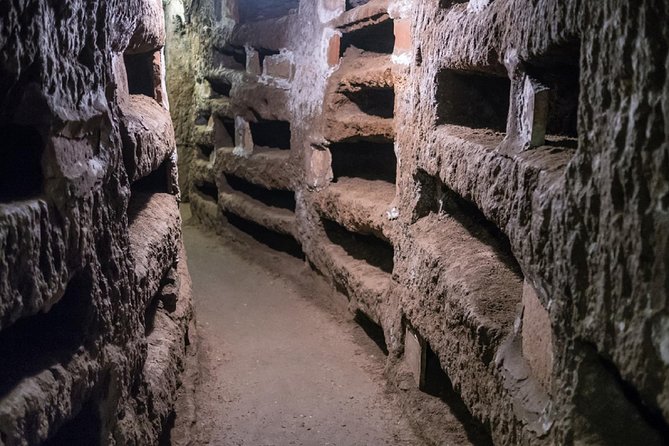
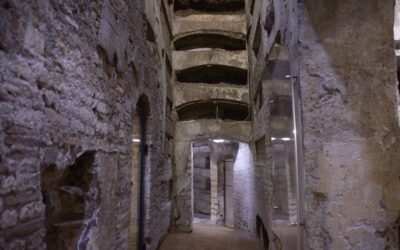
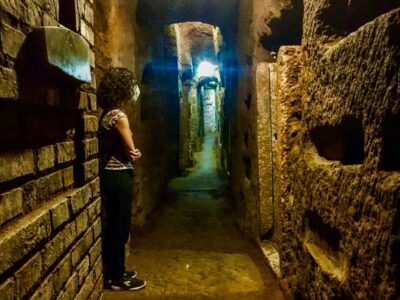
Catacombe di Domitilla is one of Italy’s best-known underground burial areas, and it’s structured in a way that feels like a maze. After the taxi ride, you descend into an ancient Christian burial ground—specifically described as narrow tunnels filled with empty graves.
That wording is important. Some advertising leans hard into dramatic skull imagery. In real life, what you’re likely to focus on in the tunnels is the burial layout and the idea of individual and family commemoration, not a “walk past bones everywhere” experience. I’d treat this as a tour about the space, the practice, and the system—how people organized remembrance underground.
During this portion, the tour shifts to a larger group. You’ll be led by an official catacombs guide, which usually means you’ll get the site-specific rhythm they’re required to follow. The upside is that you’re not learning Domitilla from scratch—you’re getting the “on-site” context. The downside is the pacing can feel quicker, and the larger group may mean less individualized Q&A.
Still, the Domitilla stop is the payoff for people who want the underground experience to feel physical. Here are the kinds of details that stand out when the guide is good:
- How different families or status groups were buried and arranged
- How you move through tunnels and what those narrow passages meant
- The meaning of objects like oil lamps used to travel the underground
- Areas that reflect family burial patterns and decorative elements such as frescoes
One thing I like about catacombs tours done well is that they force you to picture daily reality. Not spooky-only. Human-only. The underground becomes a place where grief, routine, and memory all lived side by side.
Respect rules you’ll notice right away: dress code and no photos
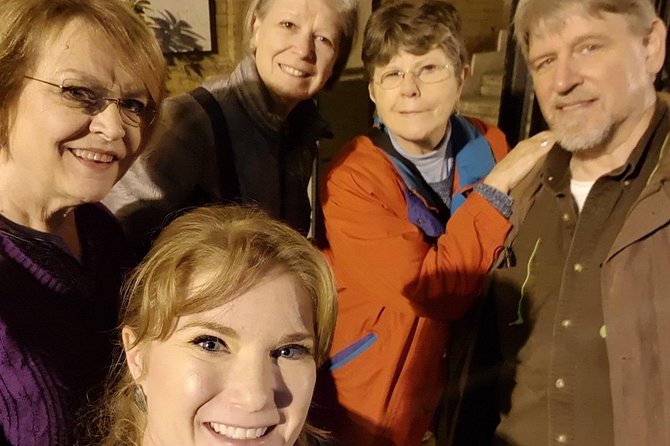
Before you even reach the tunnels, this tour sets expectations that help protect the sites.
Dress code: places of worship have strict rules—shoulders and knees covered (so no tank tops or short dresses). It’s the kind of rule that can wreck your plan if you show up wrong. If you forget, the site may sell a small piece of fabric for covering exposed areas, and that’s worth knowing if you’re packing light.
Photography: there is no photography allowed in both sites visited on this tour. This is non-negotiable. So instead of trying to get “souvenir shots,” plan to remember through your guide’s explanations and your own visual attention. The spaces are dark and rules are strict; you’ll get more out of being present than trying to capture proof for social media.
Also, since you’re going underground and into enclosed spaces, dress and shoes matter more than usual. Wear something comfortable for descending and walking in close quarters.
Is it cool down there? Yes—until you add Rome’s summer on top
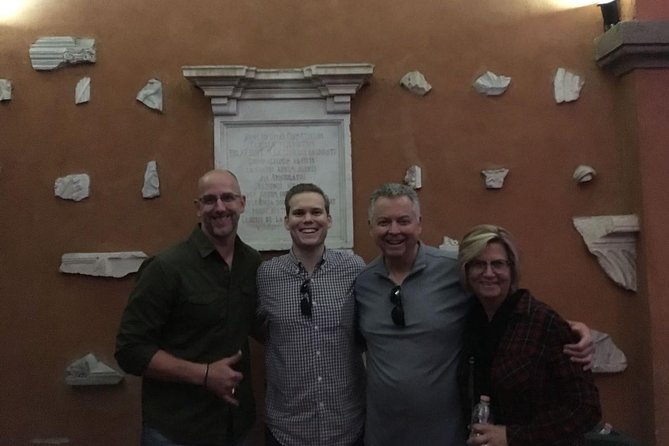
One thing that keeps coming up is that catacombs provide a climate break. Even in hot summer Rome, underground spaces can feel noticeably cooler, which turns the tour into a practical midday move, not just a historical one.
That practical “temperature advantage” helps you enjoy both stops:
- San Clemente’s multi-level descent
- Domitilla’s narrow tunnels
Pair that with short overall duration—about 2 hours 30 minutes—and this tour becomes a smart option when you want a highlight without committing to a whole day.
Price and value: what $240.76 buys you in real terms
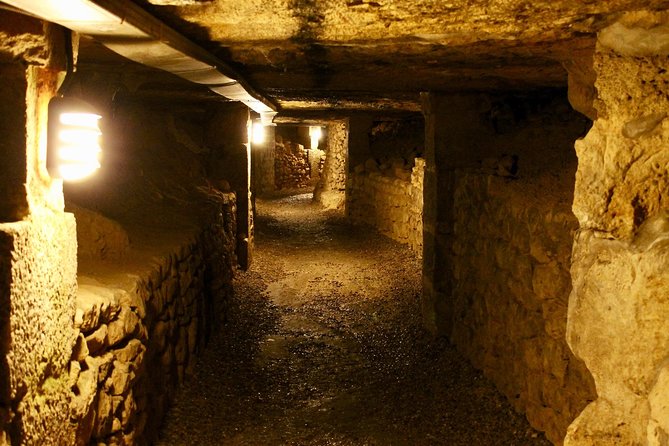
At $240.76 per person, this isn’t a budget “quick peek” tour. So you should ask: what are you actually paying for?
Here’s where the value comes from, based on what’s included:
- A semi-private group of up to 6, which can mean better attention and better pacing at the start
- An expert English-speaking guide for the main portion
- Tickets included for St Clement and the catacombs
- Taxi transfers between the sites, so your time isn’t burned on transit hunting
In other words, you’re paying for reduced friction. Underground history tours can go sideways when you’re stuck outside, late, or split from your group. This format protects you from that.
That said, the tour’s design also explains a potential “not for everyone” reaction. If you expect the tour to feel like a bone-display experience from the ads, you may feel misled. If you come for the underground space and the way burial practice shaped Rome, it can feel like money well spent.
Who should book this underground Rome tour?
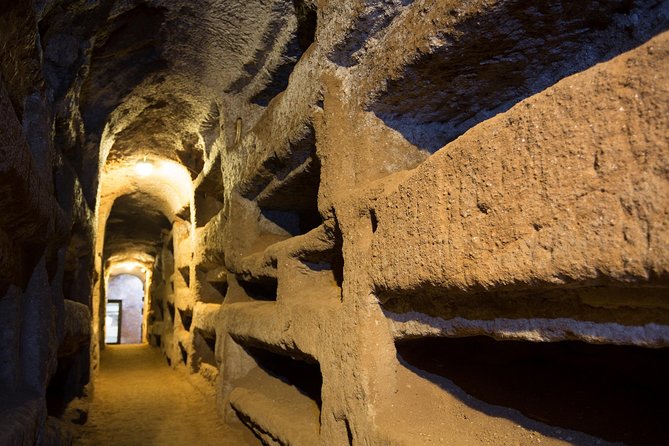
This is a great match if you:
- want to understand Rome’s layers with a guide who keeps it coherent
- like early Christian and late antique themes, plus the way pagan and Christian worlds overlap in the archaeological record
- value a small-group start and then a guided on-site catacombs experience
- want a practical break from heat and crowds
It may not be the best fit if you:
- are expecting lots of visible bones or skulls in the tunnels
- have strong discomfort with how religious history is presented in art and display
- hate a section where the guide format shifts to a larger group and the pacing can feel fast
Should you book? My bottom line
If you’re the type who likes Rome’s less-obvious side—the layers, the rituals, the underground “how did they live?” details—this tour is worth serious consideration. The San Clemente start is the anchor, and the Domitilla catacombs add the physical wow factor of narrow tunnels and burial practice. Add in taxi transfers and a small group for the main part, and you get a day that stays focused.
Just go in with the right expectations: this is about understanding the underground world, not collecting dramatic skeleton photos. If that matches your taste, you’ll likely find it a standout Rome experience.
FAQ
How long is the Catacombs and Hidden Underground Rome tour?
It’s approximately 2 hours 30 minutes.
What group size should I expect?
The tour is described as semi-private with a maximum of 6 people, and the catacombs portion will be in a larger group led by official guides.
What’s included in the price?
You get an expert English-speaking guide, St Clement (church visit and tickets), the catacombs visit (tickets), and comfortable taxi transfers between sites.
What is not included?
Food and drinks are not included, and there is no hotel pick-up/drop-off.
Is photography allowed in the catacombs?
No. Photography is not allowed in both sites visited on this tour.
What dress code do I need?
You must have shoulders and knees covered (no tank tops or short dresses) to enter the places of worship.
Where do I meet for the tour?
Meet at Via di S. Giovanni in Laterano, 112, 00184 Roma RM, Italy.
Is free cancellation available?
Yes. You can cancel up to 24 hours in advance for a full refund.
More Tour Reviews in Rome
- Vatican Museums, Sistine Chapel & St. Peter’s Basilica Tour
★ 4.3 · 73,970 reviews - Vatican Museums, Sistine Chapel & St Peter’s Basilica Guided Tour
★ 4.5 · 39,149 reviews - Rome: Colosseum, Palatine Hill and Roman Forum Guided Tour
★ 4.8 · 32,814 reviews - Rome: Guided Tour of Colosseum, Roman Forum & Palatine Hill
★ 4.7 · 27,897 reviews - Rome: Colosseum & Forum with Audio Guide App -Optional Arena
★ 4.2 · 24,770 reviews - Rome: Colosseum, Roman Forum and Palatine Hill Guided Tour
★ 4.5 · 23,903 reviews
Further Below Rome
- Rome: Capuchin Crypts and Catacombs Tour with Transfers
★ 4.6 · 6,456 reviews - The Original Roman Crypts and Catacombs Tour with Transfers
★ 4.5 · 4,896 reviews - Rome: Catacombs of St. Callixtus Entry Ticket & Guided Tour
★ 4.6 · 3,037 reviews - Rome: Guided Roman Catacombs Tour with Transfers
★ 4.6 · 1,830 reviews - Rome: Catacombs Guided Tour with Transfer
★ 4.2 · 1,808 reviews - Rome EBike Tour: Appian Way, Catacombs & Roman Aqueducts
★ 5.0 · 1,766 reviews
Just added to our Rome reviews



Roman Catacombs & Crypts Tours, compared.
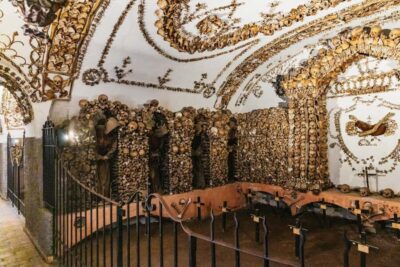 ★ 4.6Capuchin Crypts and Catacombs Tour with TransfersFrom $606,456 reviews
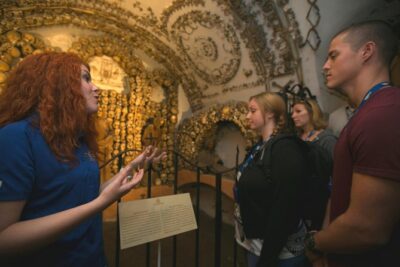 ★ 4.5The Original Roman Crypts and Catacombs Tour with TransfersFrom $664,896 reviews
 ★ 4.6Catacombs of St. Callixtus Entry Ticket & Guided TourFrom $163,037 reviews
 ★ 4.6Guided Roman Catacombs Tour with TransfersFrom $651,830 reviews
 ★ 4.2Catacombs Guided Tour with TransferFrom $541,808 reviews
 ★ 5.0Rome EBike Tour: Appian Way, Catacombs & Roman AqueductsFrom $1021,766 reviews
 ★ 4.6Catacombs and Capuchin Crypt Guided Tour with TransferFrom $411,606 reviews
 ★ 4.7St. Peter’s Basilica Priority Access Tour with Dome & CryptFrom $701,504 reviews
Browse the lists this tour appears in