
Reviewed · 3-HOUR EXPERIENCES
10 Wonders of Rome in 3 hours
Rome in 3 hours, minus the guesswork. This walking tour strings together the Colosseum, Pantheon, Trevi Fountain, Spanish Steps, and more into one smooth route with an official local guide and built-in photo moments. I especially like the Colosseum-front start, because you’re not just looking at photos later—you’re getting the big picture right away.
My second favorite part is how the guide keeps you moving and thinking, using stories and prompt questions so the history sticks instead of sliding off. The one thing to plan around is physical effort: it’s about 5.46 km of walking and roughly 136 steps, and monuments are seen from the outside (no entry tickets are included).
In This Review
- Key moments that make this 3-hour Rome hit
- How This 3-Hour Walk Fits Rome’s Real Rhythm
- Meeting on Via del Monte Oppio and Getting Your Bearings
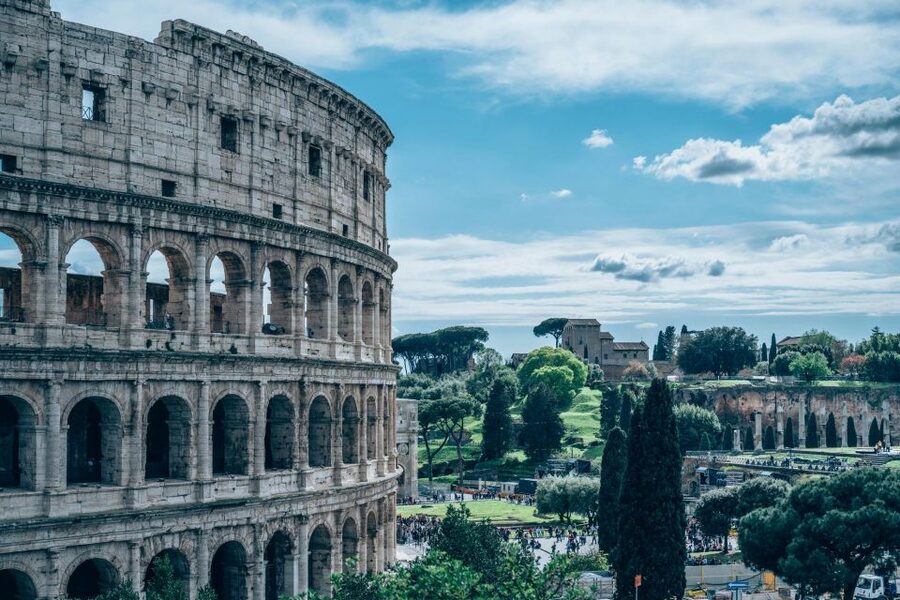
- Colosseum Front View: More Than an Exterior Photo
- Via dei Fori Imperiali and Piazza Venezia: Rome’s Big Power Axis
- Trevi Fountain: The Showpiece and the Details Around It
- Pantheon Without Tickets: Still Worth Every Step
- Piazza di Pietra and Hadrian’s Temple: The Charming Detour
- Spanish Steps: The Climb, the Design, and the Espresso Reward
- Villa Borghese Park Viewpoint: The Wide-Angle Finish
- Price and What $47 Buys You (and What It Doesn’t)
- Who This Tour Suits Best (and When to Skip It)
- Should You Book This 10 Wonders of Rome Walk?
- FAQ
- How long is the tour?
- How much walking and how many steps should I expect?
- Are entrance tickets to the monuments included?
- Is there any food or drink included?
- Is this tour suitable for kids or people with mobility/health limits?
- What language is the guide?
- Can I cancel if my plans change?
Key moments that make this 3-hour Rome hit
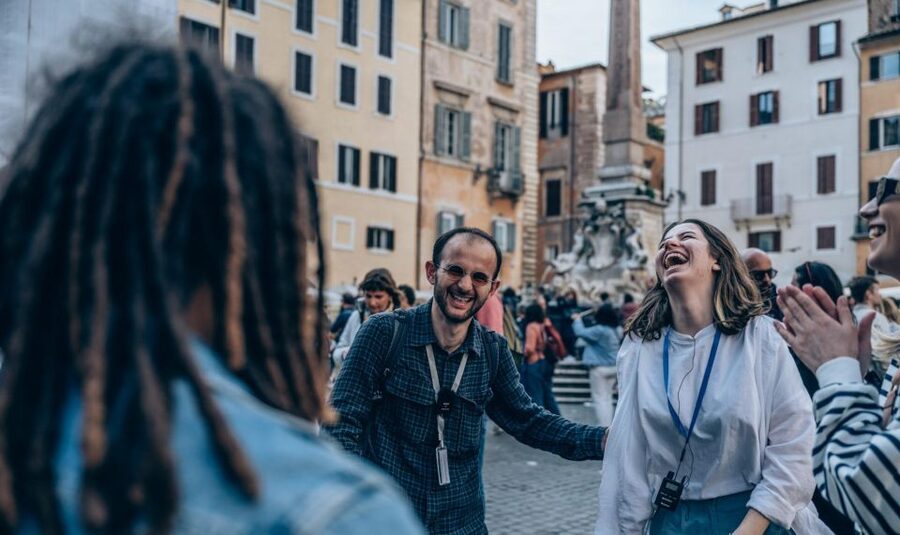
- Colosseum to Pantheon in one guided flow: you get context while you walk, not after you leave.
- Vittoriano and Piazza Venezia photo time: a classic skyline moment with a strong sense of what the site represents.
- Trevi Fountain plus quiet stops nearby: you’re not only doing the obvious shot, you’re learning why the area matters.
- Spanish Steps with a planned break for espresso: climb first, then reset with a real Roman coffee bar stop.
- A panoramic viewpoint near Villa Borghese Park: you end with a wide-angle look that helps everything connect.
How This 3-Hour Walk Fits Rome’s Real Rhythm

Rome can feel like a never-ending list of must-sees. What I like about this tour is that it keeps the tempo tight: 3 hours is long enough to get meaning from each site, but short enough that you don’t end up exhausted and craving your hotel bed before you’ve even seen the main icons.
You’ll cover a lot of ground on foot—about 5.46 km (3.4 miles)—and you’ll climb around 136 steps. That makes it a good “day one” choice if you want your bearings fast and you plan to come back later for deeper visits with tickets and slower wandering.
Also, it’s built around watching, listening, and taking photos rather than museum time. If you come to Rome wanting iconic stops and smart explanations, this is a very efficient way to get them.
Worth a look next to this Rome booking:
- Jewish Ghetto and Synagogues with Jewish Roman Guide 3 Hours
★ 5.0 · 907 reviews - Rome: Private Customizable 3-Hour Golf Cart City Tour
★ 5.0 · 229 reviews - Private: 3 hours ETuk Tour in Rome
★ 5.0 · 190 reviews - Rome Vespa Small Group Sightseeing Tour, 3 Hour Experience
★ 5.0 · 189 reviews
Meeting on Via del Monte Oppio and Getting Your Bearings
The tour starts at Via del Monte Oppio 3 (00184 Roma RM). The guide shows up about 10 minutes early and you’ll look for them in front of the red house with a Lock Your Tour flag or umbrella.
Why this start matters: it puts you on a clear track toward the Colosseum without the “where do we even begin?” stress that happens when you’re figuring it out alone. You’re also walking right into the rhythm of Rome: quick transitions, crowds at the big intersections, and the guide directing you on the easiest, most logical lines through busy areas.
Practical tip: wear comfortable shoes. This isn’t a sit-down, viewpoint-only tour. You’ll be on your feet for most of the 3 hours.
Colosseum Front View: More Than an Exterior Photo

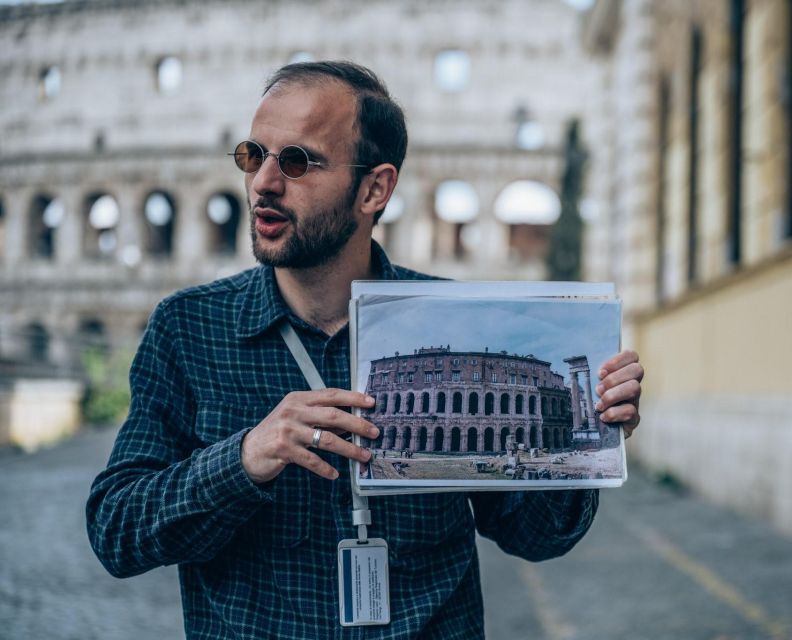
The first major stop is the Colosseum area, with a photo stop and guided viewing. Since entry to the monument isn’t included, you’re seeing the Colosseum from the outside while the guide frames what you’re looking at—how the structure worked, what it represented, and why it remains a symbol of ancient Roman power.
Even if you’ve seen the Colosseum from afar before, getting your first encounter with the guide’s explanation makes a huge difference. You start to recognize the site as something engineered, political, and cultural—not just a famous wall of stone.
A small consideration: crowds. The Colosseum area is busy, so your best strategy is to lean into what the guide is doing—stay close, listen for the key points, and use the photo moment the way it’s planned.
Via dei Fori Imperiali and Piazza Venezia: Rome’s Big Power Axis
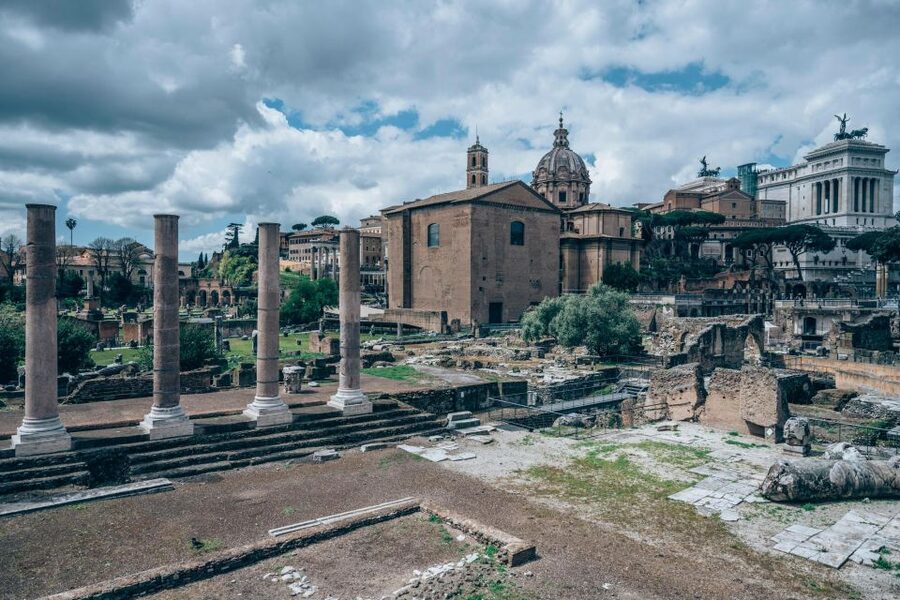
After the Colosseum, you walk along Via dei Fori Imperiali. This is a “pass by” stretch with guided commentary and scenic views along the way. It matters because it connects the Colosseum area to the governmental and ceremonial zones of Rome, giving you a sense of how the city’s core functioned.
Then you reach Piazza Venezia, where the tour gives you time for photos in front of the Altar of the Fatherland, also known as the Vittoriano. This stop isn’t just about getting the postcard angle. The guide points out the monument’s symbolic value, which helps it make sense in the wider story of Italy and Rome.
If you like landmarks that have meaning beyond the visual, this is one of the better moments on the route. You’re standing in the center of a major political and historical statement, with the city opening around you in multiple directions.




Trevi Fountain: The Showpiece and the Details Around It
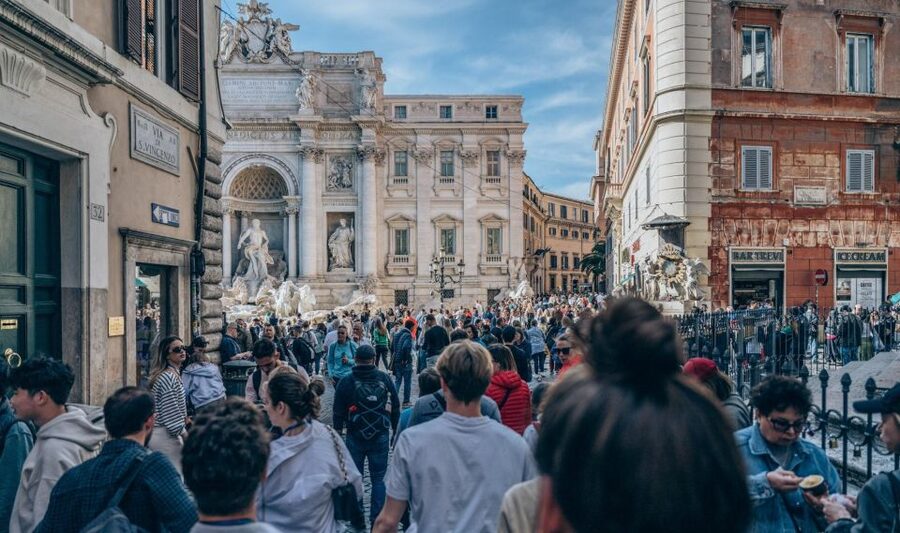
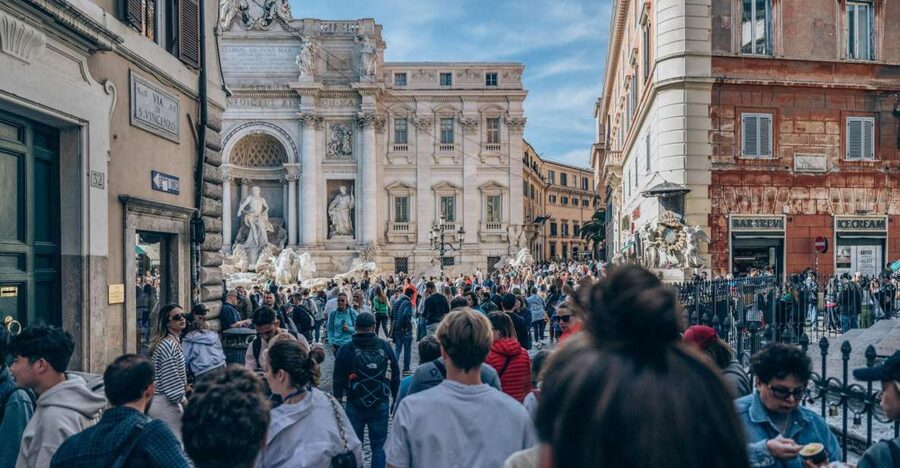
Next comes the Trevi Fountain. You’ll get a guided photo stop and sightseeing time here, which is exactly what you want at Trevi. The fountain is famous for a reason, but it can also feel chaotic if you show up with no context and just wait for a clear shot.
This tour helps you slow down enough to notice what’s happening: the fountain as a jewel of water and stone in Rome, and how it fits into the city’s long storytelling tradition. Plus, you’re not spending your whole time just fighting for space—you move on after the key moments.
From there, you pass by the Pontifical Gregorian University, which is known as the first university founded by Jesuits. You’re not stopping for a tour of the building, but you are seeing how education and religion tie into the same streets as the city’s famous water-and-marble spectacle.
Then there’s also a pass by of Marcus Aurelius’ Column, which adds another layer of Rome’s “power by art” theme. Even a quick exterior view can help your brain connect the dots between monuments.
Pantheon Without Tickets: Still Worth Every Step

The Pantheon stop is one of the highlights because it’s active history. The tour includes a guided visit from the outside, plus time to walk and look around.
You should come into this part expecting two things:
- You’ll get the key facts and design context while you’re standing where the action is.
- You’re not buying tickets here, so your focus is on sightlines, exterior details, and understanding how the Pantheon still functions as a church.
Seeing the Pantheon with an explanation changes how you interpret it. You stop treating it as just a photo target and start recognizing what makes it historically important—how Roman building ambition shows up in something that can still be used today.
Piazza di Pietra and Hadrian’s Temple: The Charming Detour
After the Pantheon, the route moves toward Piazza di Pietra, where you’ll notice the charm around Hadrian’s Temple. This is described as a spot that surprises everyone, and I get why: it’s not the kind of stop people obsess over before they arrive, but it rewards you with a calmer feel right after the larger crowd magnets.
The tour includes guided sightseeing and a walk around this area, which makes it a great palate cleanser. You get to shift from “big Roman icons” into a more intimate scale of ancient architecture.
If you like your Rome route to include at least one moment that feels slightly more local and less like a theme park, this stop is your chance.
Spanish Steps: The Climb, the Design, and the Espresso Reward
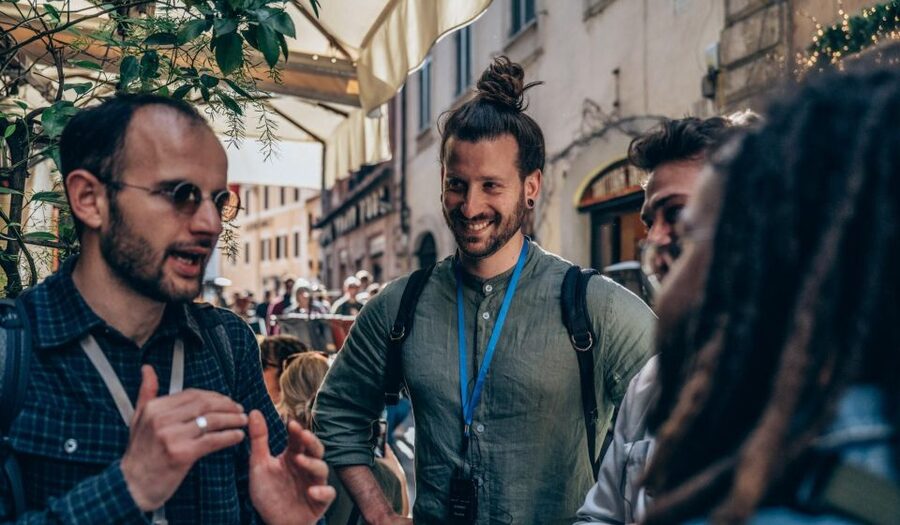
Then you climb the Spanish Steps. This is where the steps effort becomes real. You’ll climb roughly 136 steps across the full tour, and Spanish Steps are the star for that part of the route.
You’ll learn what makes the Spanish Steps famous for its unique and elegant design and romantic atmosphere. Even without entry tickets or anything formal, this is a “feel it with your feet” stop. Rome looks different when you’re climbing toward it.
Here’s a practical advantage of including a café moment in the schedule: you’ll have a local espresso stop during the tour. It’s not meant to be a full meal (meals aren’t included), but it’s enough to steady you and help the rest of the walking feel easier.
Also, if you care about doing coffee the Roman way, this is a nice nudge. Espresso here is about speed, ritual, and people-watching more than about sitting for an hour.
Villa Borghese Park Viewpoint: The Wide-Angle Finish
The last destination is a secret panoramic viewpoint near Villa Borghese Park. You’ll arrive after passing the park area, then you’ll enjoy scenic views with the chance to catch a sunset-style moment depending on timing.
This ending matters because it gives your brain a “connect everything” view. After lots of stone façades and landmark-by-landmark explanations, stepping into a wide skyline view helps you remember the geometry of the city: where the big sights sit relative to each other.
If you like tours that end with a payoff rather than just another curbside photo, this is a strong finish.
Price and What $47 Buys You (and What It Doesn’t)
At $47 per person for a 3-hour guided walking tour, you’re paying for three main things:
- An official English-speaking guide
- A structured route with planned photo stops and commentary
- A panoramic viewpoint experience
What you’re not paying for is monument or museum entry. The tour explicitly keeps the experience exterior-based, and that’s not a problem if your goal is to see Rome’s greatest hits quickly. It is a drawback if your idea of “worth it” is going inside major sites or spending time in galleries—because this tour is designed for looking and learning from the outside.
The added value that I think you’ll feel right away is the guide style. Many people praise guides like Joseph, Drita, Dreeta, and Isuf for being fun, punctual, and interactive. Multiple guides are described as using questions to help you remember, and one style includes a game-like approach to make the facts stick. That matters, because in 3 hours, you want information that stays with you after your feet are tired.
Wi-Fi is included, which is a small bonus if your phone battery is dropping or you want quick messaging between stops.
Who This Tour Suits Best (and When to Skip It)
This tour is a good match if you want:
- A high-impact day-one route with major icons
- An English guide who actively guides you through crowds
- Photo opportunities plus a planned coffee stop
- Outside sightseeing with clear context
You should skip it if any of the following apply:
- Children under 11
- Wheelchair users
- Heart problems or respiratory issues
- Anyone who’s likely to struggle with walking 5.46 km and climbing around 136 steps
Even if you’re generally fit, be honest about your current stamina. Rome is full of stairs, uneven paving, and sudden crowd delays. The tour is built for movement, not for a casual stroll.
Should You Book This 10 Wonders of Rome Walk?
If you want the fastest path to understanding Rome’s biggest landmarks—Colosseum, Pantheon, Trevi Fountain, Spanish Steps, and the Vittoriano—this is a smart way to spend 3 hours. The best part is the guide energy: people highlight Joseph and Isuf as engaging story-tellers who keep you active with questions, plus Drita and Dreeta for humor and keeping a steady pace.
Book it if your priorities are exterior icons, good explanations, and a clear route that ends with a panoramic view.
Pass on it if you’re chasing paid-entry experiences or you need a low-walking, low-step plan.
FAQ
How long is the tour?
The tour lasts 3 hours.
How much walking and how many steps should I expect?
Expect about 5.46 km (3.4 miles) of walking and you will climb 136 steps.
Are entrance tickets to the monuments included?
No. Monuments will be admired from the outside, and entry to monuments and museums is not included.
Is there any food or drink included?
Yes, there is a coffee stop where you can try authentic Italian espresso. Meals are not included.
Is this tour suitable for kids or people with mobility/health limits?
It is not suitable for children under 11, wheelchair users, people with heart problems, or people with respiratory issues.
What language is the guide?
The live tour guide speaks English.
Can I cancel if my plans change?
Yes. Free cancellation is available up to 24 hours in advance for a full refund.
More 3-Hour Experiences in Rome
- Jewish Ghetto and Synagogues with Jewish Roman Guide 3 Hours
★ 5.0 · 907 reviews - Rome: Private Customizable 3-Hour Golf Cart City Tour
★ 5.0 · 229 reviews - Private: 3 hours ETuk Tour in Rome
★ 5.0 · 190 reviews - Rome Vespa Small Group Sightseeing Tour, 3 Hour Experience
★ 5.0 · 189 reviews - 3 hours Private Golf Cart Tour – The major highlights in 3 hours.
★ 5.0 · 156 reviews - Rome: 3-Hour Private Golf Cart Tour with Culinary Tasting Included
★ 4.7 · 151 reviews
More Tour Reviews in Rome
- Vatican Museums, Sistine Chapel & St. Peter’s Basilica Tour
★ 4.3 · 73,970 reviews - Vatican Museums, Sistine Chapel & St Peter’s Basilica Guided Tour
★ 4.5 · 39,149 reviews - Rome: Colosseum, Palatine Hill and Roman Forum Guided Tour
★ 4.8 · 32,814 reviews - Rome: Guided Tour of Colosseum, Roman Forum & Palatine Hill
★ 4.7 · 27,897 reviews - Rome: Colosseum & Forum with Audio Guide App -Optional Arena
★ 4.2 · 24,770 reviews - Rome: Colosseum, Roman Forum and Palatine Hill Guided Tour
★ 4.5 · 23,903 reviews
Just added to our Rome reviews





3-Hour Experiences, compared.
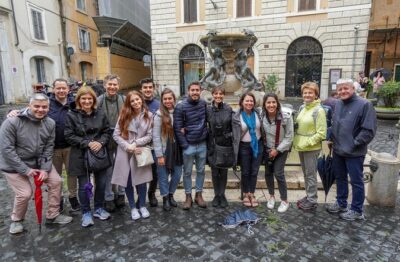 ★ 5.0Jewish Ghetto and Synagogues with Jewish Roman Guide 3 HoursFrom $193907 reviews
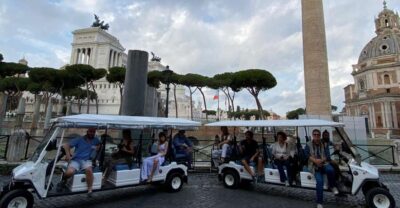 ★ 5.0Private Customizable 3-Hour Golf Cart City TourFrom $203229 reviews
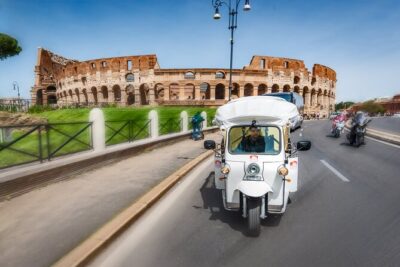 ★ 5.0Private: 3 hours ETuk Tour in RomeFrom $119190 reviews
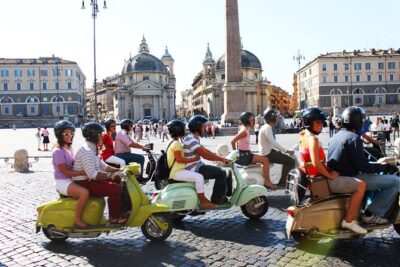 ★ 5.0Rome Vespa Small Group Sightseeing Tour, 3 Hour ExperienceFrom $235189 reviews
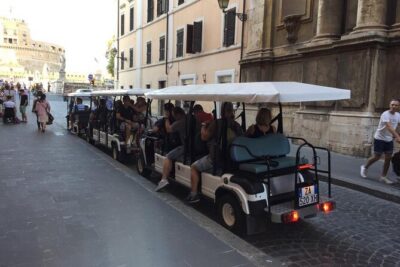 ★ 5.03 hours Private Golf Cart Tour – The major highlights in 3 hours.From $235156 reviews
 ★ 4.73-Hour Private Golf Cart Tour with Culinary Tasting IncludedFrom $47151 reviews
Rome 3-Hour Evening Vespa Sidecar Tour with Gourmet Pizza TastingFrom $181106 reviews
 ★ 5.03 Hours Private/Group Tour Golf cart with GelatoFrom $25497 reviews
Browse the lists this tour appears in