
Reviewed · AMALFI COAST DAY TRIPS
10-Night Italy Tour: Rome, Florence, Venice and Sorrento
Italy moves fast, and this tour helps you keep up. You’ll hit Rome, Florence, Venice, and Sorrento with air-conditioned rides (plus onboard Wi‑Fi) and hotel stays already sorted, so the day-to-day worry level stays low. I also like the built-in time-savers like the skip-the-line support for the Vatican Museums and the Rome Hop On Hop Off bus ticket that helps you get your bearings quickly.
The best part is the human factor: when guides like Sabrina P and Miriam are on their game, the whole trip feels organized and calm. Still, there’s one watch-out: the itinerary is tight, and some sections can feel more switchy than you’d expect—especially during the move toward Sorrento, where you may not have one constant guide in the way you hoped.
In This Review
- Key things I found especially useful
- Rome Hop On Hop Off and Piazza Venezia for instant orientation
- Assisi and Siena via quick UNESCO moments, plus Ponte Vecchio at night
- Florence’s Duomo and Palazzo Vecchio: the core Renaissance hit
- Bologna’s food focus and Venice at night, when it feels softer
- St. Mark’s Square and Doge’s Palace: the Venice power combo
- Montepulciano: a Tuscany hill town day that slows your pace
- Vatican day: Sistine Chapel and St. Peter’s Basilica, with skip-the-line support
- Pompeii to Sorrento: trading ancient ruins for coastal drama
- Capri and the Blue Grotto: plan for lines, and enjoy the backup
- Sorrento’s sea views, Piazza Tasso, and the lemon-limoncello loop
- Back to Rome: one last Piazza Venezia check
- Price and what you’re actually paying for
- Guides, pace, and where the tour can feel tight
- Practical tips to make this feel easy
- Should you book this Rome–Florence–Venice–Sorrento tour?
- FAQ
- How long is the tour?
- What cities does the tour include?
- Are meals included?
- What does the price include besides hotels?
- Is the Vatican entrance fully handled?
- What if Blue Grotto access is limited in Capri?
Key things I found especially useful
- Rome Hop On Hop Off, daily: a simple way to revisit neighborhoods without waiting for another group schedule.
- Top sights grouped by geography: Vatican, Florence, Venice, Pompeii, then Sorrento/Capri so you’re not zig-zagging constantly.
- Venice evening timing: Grand Canal and Venice’s atmosphere after day-tour crowds fade is a real perk.
- Capri has a Plan B: if Blue Grotto access is limited, guides will suggest alternatives like Faraglioni rocks.
- Guide quality varies by leg: strong leadership (like Carlos, Miriam, Mario) can make the pace feel manageable.
- Meals are included, but quality isn’t uniform: one hotel meal experience has been flagged as weak, so don’t assume every included dinner is a win.
Rome Hop On Hop Off and Piazza Venezia for instant orientation
Your trip starts in Rome, and the first smart move is that you land with a ready-to-use sightseeing tool: a daily Hop On Hop Off bus pass. It’s not just a toy. In a city like Rome, the easiest way to feel less lost is to see where everything sits relative to each other. You get a different angle on landmarks without committing to a long, scheduled walk right away.
Piazza Venezia is also a good starting point because it’s central to Rome’s core routes. Even if you only do a loop on Day 1, you’ll start to recognize the city’s “shape”—and that makes the later big days with set visits much less stressful.
One practical note: the tour handles the planning, but you still need to be ready to self-navigate the evenings. This is a good fit for you if you like a light plan when you’re tired—less good if you want a fully guided evening routine every night.
Chasing the coast: more Amalfi days
- From Rome: Pompeii, Amalfi Coast, and Sorrento Day Trip
★ 4.6 · 7,031 reviews - From Rome: Pompeii, Amalfi Coast and Positano Day Trip
★ 4.6 · 6,620 reviews - Pompeii, Amalfi Coast and Positano Day Trip from Rome
★ 4.5 · 6,250 reviews - Rome: Amalfi Coast & Positano Day Trip with Coastal Cruise
★ 4.5 · 3,214 reviews
Assisi and Siena via quick UNESCO moments, plus Ponte Vecchio at night
The day that strings together Assisi and Siena is built for big impressions without dragging on forever. Assisi matters for a very specific reason: it’s tied to St. Francis, and it became a UNESCO World Heritage Site in 2000 for its spiritual and historical significance. The visit is brief, so you’ll want to treat it like a highlight stop—enough time to take in the setting and make it feel real, not enough time to do it like a deep pilgrimage weekend.
Then comes Siena’s Piazza del Campo, the heart of Siena. This is one of those places where the square itself is the story, because it shaped the classic medieval piazza idea—open, flexible, and designed around civic life. You’ll also get a hint of why Siena is famous for the Palio, the historic horse competition between the Contrade.
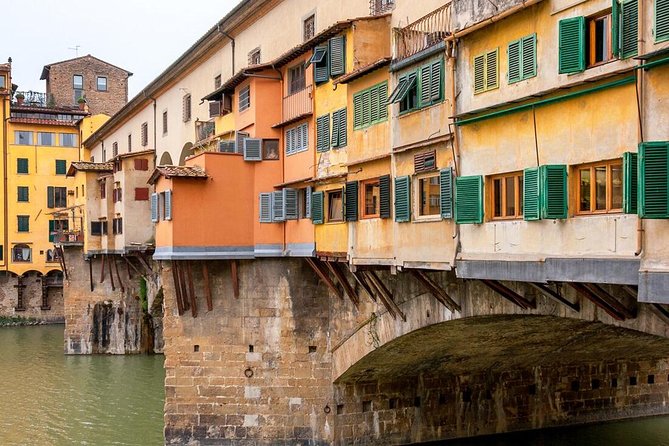
By the time the route reaches Florence, you get a different vibe: Ponte Vecchio at night is the kind of stop that feels like a reward. Walk into Oltrarno and you get space to breathe. I like that this portion is free time: you can eat at your pace, not the group’s.
There’s also a quick Pisa stop in the mix. Even when it’s not a full guided immersion, it’s the kind of photo stop that makes you feel like you’ve collected an iconic Italy moment. Just don’t expect to “solve” Pisa in one stop—use it to tick the box and keep moving.
Florence’s Duomo and Palazzo Vecchio: the core Renaissance hit
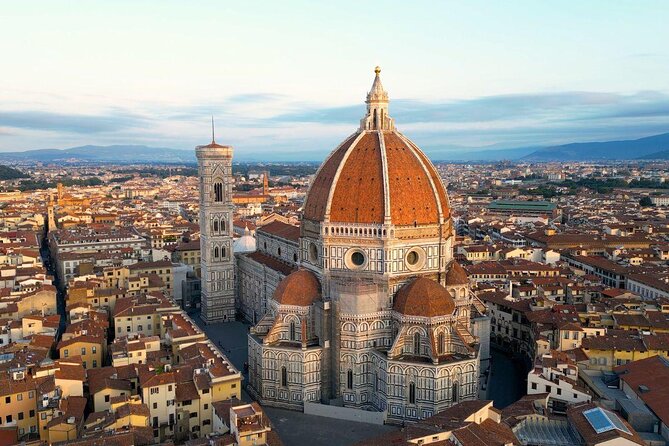
Florence is the city where everything starts to feel like art direction. The Duomo (Santa Maria del Fiore) visit puts you in front of the tiled dome that Brunelleschi designed, with Giotto’s bell tower nearby. Even if you’ve seen pictures, seeing it in person is different because the scale hits you fast. This is a day where the architecture does most of the talking.
Next is Palazzo Vecchio, anchored by Piazza della Signoria. This part works well because you’re seeing Florence from two angles at once: the civic square energy and the building that once functioned as the seat of power. It’s not just pretty; it’s a map of how the city ran.
One heads-up: Florence can be crowded, and the tour schedule is strict. If you’re the type who loves to linger in museums, you’ll probably wish you had more time. If you prefer a strong “see the main things” plan and then you’ll explore later on your own, this leg fits.
Bologna’s food focus and Venice at night, when it feels softer
Bologna is an important palate cleanser on this route. Piazza Maggiore is big, framed by arcades and layered with medieval and Renaissance buildings—plus the vibe is naturally social. Bologna is also famous for food culture, and the tour plugs into that with a street food experience. If you like eating as a cultural activity (not just a break), this is a great use of your time.
Then you roll into Venice, and the timing is the secret sauce. Instead of treating Venice like a daytime checklist, you get to experience parts of it after the crowds thin out. The Grand Canal walk or area viewing at night is a real benefit: the city feels calmer, and you’ll notice the details—the texture of buildings, the light, the slow rhythm of canal life.
This is the kind of pacing that makes a multi-city tour feel worth it. You’re not spending all your time fighting for space. You’re also getting at least one Venice moment that doesn’t feel like you’re trapped in a crowd.
The fast train to Florence, other ways
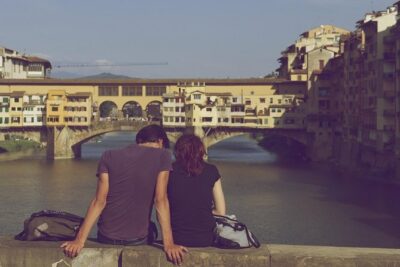



St. Mark’s Square and Doge’s Palace: the Venice power combo
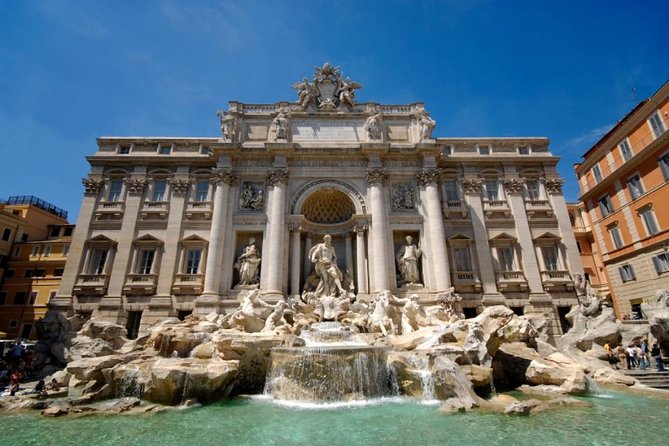
Venice’s Piazza San Marco is famous for a reason, and this stop covers the centerpiece: Basilica di San Marco with Byzantine mosaics and the bell tower viewpoint. St. Mark’s Square is also the place where Venice’s identity shows up in full—religion, power, and wealth, all mixed into stone and gold.
Then comes Doge’s Palace, a major power site tied to the Doge and Venetian Gothic architecture. The Bridge of Sighs story often feels heavy for tourists, but it works because it frames what the building did: it wasn’t just scenic; it was administrative and judicial. Even if your time inside is limited, the setting helps it land.
Here’s the practical tip: Venice is full of small walking decisions. If you’re unsure where to go next, don’t wander randomly. Use the guided anchor points like this day’s stops, then step out and explore only after you’ve built your mental map.
Montepulciano: a Tuscany hill town day that slows your pace
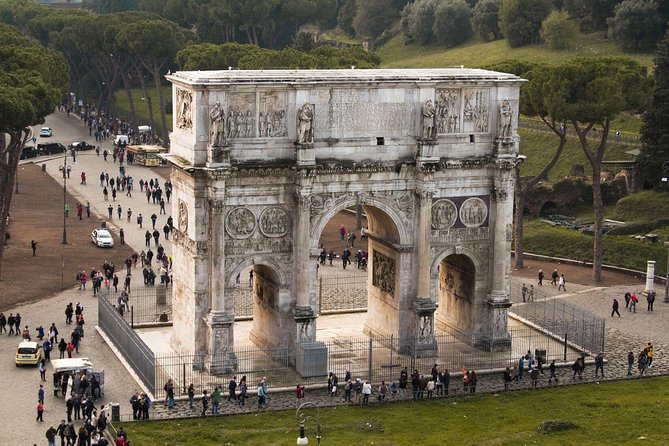
Between the big-ticket cities, Montepulciano gives your trip a breather. It’s a medieval town in Tuscany’s hills, surrounded by vineyards and known for Nobile wine. The tour stop centers on the Piazza Grande area and the town’s older civic structure, including a tower (Pulcinella) that sits above the square.
Why this day works: it’s a chance to see Tuscany as lifestyle, not just as a background between cities. You’re also traveling with a group, but the scenery and hill views encourage a more relaxed pace—less queue, more taking it in.
If you love wine culture, you’ll feel a bit more at home here. If you don’t, you can still enjoy the town’s charm and the panoramic feeling of being on a hill.
Vatican day: Sistine Chapel and St. Peter’s Basilica, with skip-the-line support
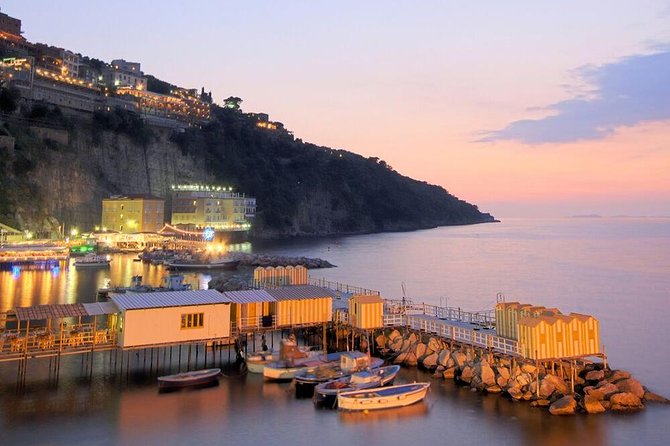
The Vatican is two different experiences: one is art and one is scale. The tour focuses on the Sistine Chapel and St. Peter’s Basilica—and that pairing makes sense. The Sistine Chapel ceiling and frescos (including Michelangelo’s The Last Judgment) are the type of images you can’t fully capture in photos. Then you step into St. Peter’s, and the architecture does the same job in a different way: it’s about size, rhythm, and awe.
The price includes skip-the-line assistance for the Vatican Museums, and while your itinerary highlights Sistine Chapel and St. Peter’s, this support helps your day move with less wasted time. That matters because Vatican lines can swallow hours.
One more real-world consideration: during Jubilee Year, parts of the Vatican Museums may be inaccessible due to religious ceremonies. If you’re traveling in that period, understand that some access may change.
If you’re a first-timer, this is the place to show up ready—comfortable shoes, water plan, and an attitude of standing still for a while. If you can do that, you’ll get the payoff.
Pompeii to Sorrento: trading ancient ruins for coastal drama
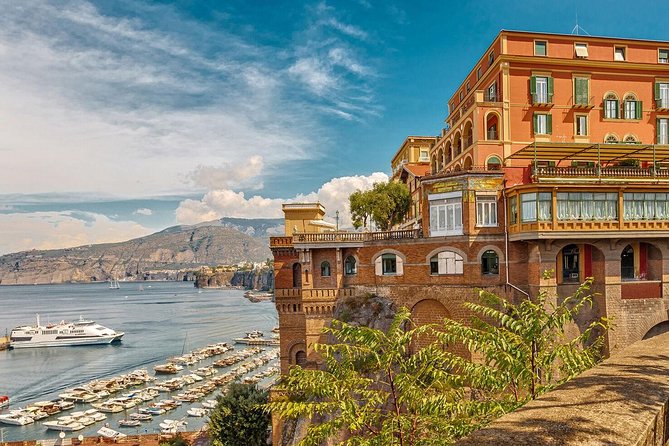
The transition from Pompeii to the Amalfi Peninsula is one of the strongest rhythm changes on the whole tour.
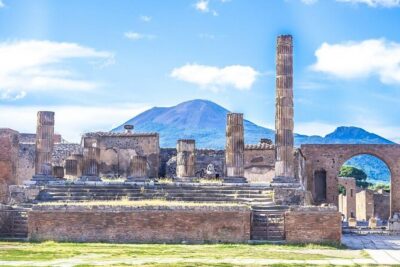
Pompeii is one of those places where the impact comes from details you don’t expect to find. The eruption of Vesuvius in AD 79 destroyed Pompeii and surrounding areas, and the excavations have revealed a huge range of finds. Even in limited time, you’ll get the sense that you’re walking through a preserved moment, not just seeing ruins.
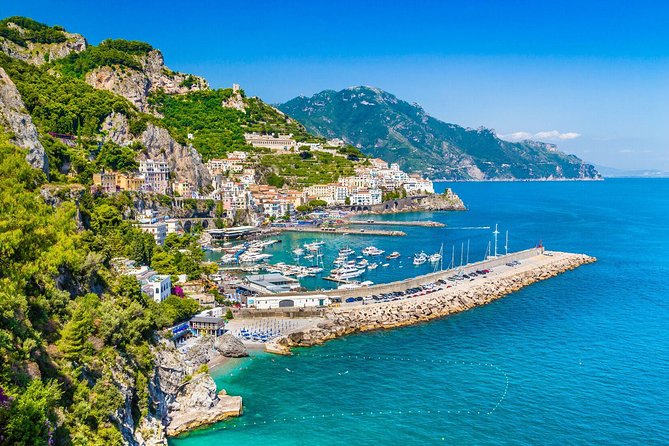
Then you shift to Sorrento, a town known for cliffside views and a maze of narrow streets. The tour includes time in the Sorrento area, and it’s a good move because after days of major city centers, Sorrento offers a different kind of scenery—sea air, lemon scents, and that slow coastal rhythm.
One thing to watch: Pompeii can involve switching segments to get you to the next leg. People have flagged that the connection from Pompeii toward the Sorrento/Capri side can feel a bit less guided than you’d like. If you’re the type who likes a single constant lead from start to finish, plan to stay flexible at handoffs.
Capri and the Blue Grotto: plan for lines, and enjoy the backup
Capri is where the trip takes a turn into postcard territory, and the tour tackles it with a Blue Grotto focus. The Blue Grotto is a dark sea cave where the water turns electric blue due to filtered sunlight. It can be spectacular, but your expectations should match reality: during peak times, access can mean long lines and limited capacity.
This is why I appreciate the stated Plan B: if you can’t access the Blue Grotto due to capacity or weather, guides will suggest alternatives such as Faraglioni rocks. That’s a smarter approach than pretending everything will always run exactly as planned.
If you’re easily annoyed by waiting, consider that the Blue Grotto experience has been called out as a letdown by some people when the wait gets heavy. You can still choose to make it work—just don’t treat it like a guaranteed effortless hour.
Capri also tends to encourage expensive impulse spending (shopping, drinks, tours). If your budget is tight, set a spending limit before you arrive and keep it.
Sorrento’s sea views, Piazza Tasso, and the lemon-limoncello loop
Sorrento is where the tour finally slows down. You get another day here, centered around the town’s identity: panoramic views, Piazza Tasso with coffee, and narrow streets that connect you to small historic corners like the church of San Francesco.
The tour stop also highlights the lemon culture—Sorrento’s reputation for lemons and limoncello. That matters because it’s not just a souvenir theme. It’s part of the way people here talk about food and drink, and it shows up everywhere once you start paying attention.
If you want to savor something practical, spend time here without rushing. Eat well, take a longer walk, and choose one viewpoint to return to at a different hour. You’ll feel like you got a real “finish” to the trip instead of another nonstop sprint.
Back to Rome: one last Piazza Venezia check
Your final day brings you back toward Rome and ends around the meeting point. The highlight is simple: Piazza Venezia again, giving you one last look at Rome’s core. This is a good final checkpoint because the city feels familiar by then—and you can compare what you noticed earlier with what you understand now.
If you have extra time after the tour ends, use that cushion for a neighborhood you didn’t manage earlier. Rome rewards curiosity more than it rewards rigid plans.
Price and what you’re actually paying for
At $3,158.95 per person for roughly 10 nights, you’re buying several kinds of value at once:
- Hotels for the whole stretch (3- or 4-star, with winter adjustments in Sorrento when 4-star hotels close)
- Air-conditioned transport with onboard Wi‑Fi, which is a real quality-of-life upgrade on long legs
- Professional guides coordinating the big sightseeing blocks
- Meals included across the trip (breakfast, lunch, dinner as listed), plus special food moments like Venice’s spritz and cicchetti and Bologna’s street food experience
- Time-saving access, including skip-the-line to the Vatican Museums
The key is to be honest about what’s not included: entrance fees to monuments or museums and city tax are not listed as included. Also, optional extras can add up if you say yes to everything.
So is it a deal? It tends to be, especially if you would otherwise spend time booking trains, hunting down tickets, and stitching together guides city by city. If you’re comfortable planning, you might replicate some of the route cheaper—but you would also lose the “it’s handled” factor, and that’s the whole point here.
Guides, pace, and where the tour can feel tight
This tour’s success rides on the guide. When you get top-level leadership, it feels smooth even with a packed schedule.
Positive examples from the experience include:
- Dimitri and Patricia providing exceptional care
- Sabrina P managing details and offering strong on-the-ground suggestions
- Miriam being super caring in the first part of the trip, with great English and knowledge
- Carlos acting as a great source of information across multiple cities
- Mario supporting the Assisi/Florence/Venice stretch
The less perfect moments tend to be about transitions. Some people noted disorganization in the southern portion toward Sorrento, with extra bus switching around the Pompeii-to-Capri connection, and limited waiting time when returning from Capri. Another complaint was not having one continuous guide on the Rome-to-Sorrento side, which can make you feel less anchored when plans shift.
Also, a small but real irritation showed up: at the end of the trip, some guides ask about tips and send guests an evaluation envelope to fill out. That’s not a dealbreaker, but if you hate that kind of paperwork, mentally prepare for it.
The pace itself is strict, so this tour is best when you’re ready to treat each day as a “move-and-see” plan rather than a slow travel vacation.
Practical tips to make this feel easy
A tour can reduce stress, but you still want to show up prepared.
- Pack light and within limits: one suitcase and one carry-on is allowed, and oversized items may face restrictions.
- Bring sturdy shoes: Rome, Florence, Venice, and Pompeii all involve a lot of walking over uneven surfaces.
- Expect schedule pressure: the itinerary isn’t built for wandering off-script for long.
- Plan for hotel season changes: in January and February, Sorrento 4-star hotels close, so you may be placed in selected 3-star options. In August and September, hotels may be in the surroundings of Sorrento.
- For Blue Grotto day, accept that access depends on weather and capacity. Keep a flexible mindset so Plan B like Faraglioni feels like a win instead of a disappointment.
- Food expectations: meals are included, but included dinners can vary by property. If you care deeply about dinner quality, keep one or two meals budgeted for a personal choice.
Should you book this Rome–Florence–Venice–Sorrento tour?
I’d book it if you want an Italy highlight route with minimal planning: hotels handled, major sights covered, and food experiences built in. It’s also a strong pick if you like having a guide show you what matters and then getting some free time to wander where you want.
I wouldn’t book it if you need lots of unstructured time, hate fast transitions, or dislike waiting for high-demand attractions like the Blue Grotto when lines can get long. If you’re the type who wants one guide’s consistent presence from start to finish, this itinerary can sometimes feel a bit segmented.
FAQ
How long is the tour?
It runs for about 11 days, including 10 nights of hotel accommodation.
What cities does the tour include?
It includes Rome, Florence, Venice, and Sorrento, with additional stops such as Assisi, Siena, Pisa, Bologna, Pompeii, Capri, and Montepulciano.
Are meals included?
Yes. Meals are included as per the itinerary (breakfast, lunch, dinner). There are also specific included food experiences like Venice spritz and cicchetti, and street food in Bologna.
What does the price include besides hotels?
The price includes air-conditioned transport with onboard Wi‑Fi, a professional guide, skip-the-line support for the Vatican Museums, and the Rome Hop On Hop Off panoramic bus daily ticket, plus the included meals and experiences described above.
Is the Vatican entrance fully handled?
The tour includes skip-the-line support for the Vatican Museums. Entrance fees to monuments or museums are listed as not included in general, so it’s smart to confirm which specific sites are covered for your travel dates.
What if Blue Grotto access is limited in Capri?
During peak times, access can involve long lines and limited capacity. If access isn’t possible or weather doesn’t allow it, guides will suggest alternative attractions, such as Faraglioni rocks. In low season (November to March), the Capri Island visit doesn’t take place and you’ll have a full day in Sorrento.
More Tour Reviews in Rome
- Vatican Museums, Sistine Chapel & St. Peter’s Basilica Tour
★ 4.3 · 73,970 reviews - Vatican Museums, Sistine Chapel & St Peter’s Basilica Guided Tour
★ 4.5 · 39,149 reviews - Rome: Colosseum, Palatine Hill and Roman Forum Guided Tour
★ 4.8 · 32,814 reviews - Rome: Guided Tour of Colosseum, Roman Forum & Palatine Hill
★ 4.7 · 27,897 reviews - Rome: Colosseum & Forum with Audio Guide App -Optional Arena
★ 4.2 · 24,770 reviews - Rome: Colosseum, Roman Forum and Palatine Hill Guided Tour
★ 4.5 · 23,903 reviews
More Day Trips to Florence
- From Rome to Tuscany: Discover Florence and Pisa in One Day
★ 4.5 · 804 reviews - Florence and Pisa from Rome: Enjoy a Full Day Small Group Tour
★ 4.5 · 687 reviews - 5-Day Best of Italy: Assisi, Siena, Florence, Venice and more
★ 4.5 · 285 reviews - Rome to Florence: High-Speed Train Day Trip with Guided City Tour
★ 4.0 · 235 reviews - From Rome: Florence & Tuscany Day Tour by High-Speed Train
★ 4.6 · 126 reviews - From Rome: Florence and Pisa Full-Day Small Group Tour
★ 3.9 · 101 reviews
The Amalfi Coast, More Ways
- From Rome: Pompeii, Amalfi Coast, and Sorrento Day Trip
★ 4.6 · 7,031 reviews - From Rome: Pompeii, Amalfi Coast and Positano Day Trip
★ 4.6 · 6,620 reviews - Pompeii, Amalfi Coast and Positano Day Trip from Rome
★ 4.5 · 6,250 reviews - Rome: Amalfi Coast & Positano Day Trip with Coastal Cruise
★ 4.5 · 3,214 reviews - Pompeii Tour & Amalfi Coast Day Trip from Rome
★ 4.5 · 1,932 reviews - Private Pompeii, Positano & Amalfi coast Tour from Rome
★ 4.5 · 1,888 reviews
Just added to our Rome reviews





Amalfi Coast Day Trips, compared.
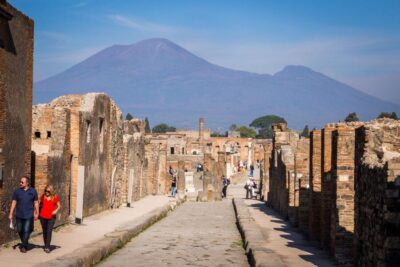 ★ 4.6From Rome: Pompeii, Amalfi Coast, and Sorrento Day TripFrom $797,031 reviews
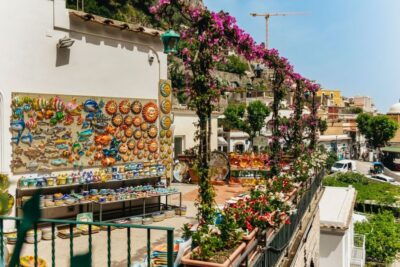 ★ 4.6From Rome: Pompeii, Amalfi Coast and Positano Day TripFrom $996,620 reviews
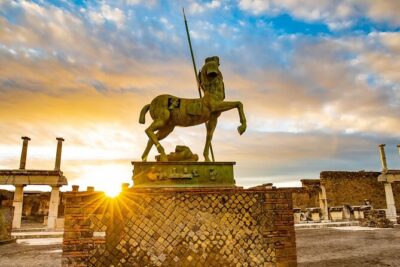 ★ 4.5Pompeii, Amalfi Coast and Positano Day Trip from RomeFrom $1016,250 reviews
 ★ 4.5Amalfi Coast & Positano Day Trip with Coastal CruiseFrom $713,214 reviews
 ★ 4.5Pompeii Tour & Amalfi Coast Day Trip from RomeFrom $2401,932 reviews
 ★ 4.5Private Pompeii, Positano & Amalfi coast Tour from RomeFrom $1,0711,888 reviews
 ★ 4.4From Rome: Sorrento & Pompeii Day Trip with Guide or TicketFrom $1071,131 reviews
 ★ 4.5Pompeii, Sorrento & Amalfi Coast Day Trip from RomeFrom $651,070 reviews
Browse the lists this tour appears in