
Reviewed · TIVOLI DAY TRIPS
Tivoli: Villa Gregoriana Entrance Ticket
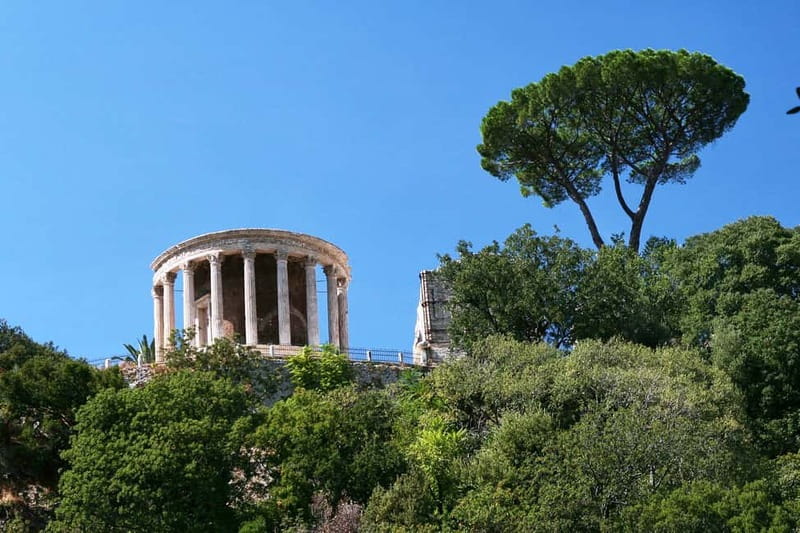
Tivoli’s best walk involves stairs. Villa Gregoriana Park is a self-guided 19th-century nature and archaeology loop, built around forest paths, waterfalls, and grottoes commissioned by Pope Gregory XVI.
It’s a ticket you can use at your own pace, with a typical visit of about 2 hours in Lazio, Italy.
I especially love the Great Waterfall views, fed by the River Aniene and shaped by serious 19th-century hydraulic engineering. I also like the Grottoes of Neptune, which you can reach as you work through the park’s ruins and viewpoints.
One heads-up: the walking is hilly, and there are plenty of steps. If your knees are sensitive, plan your pace carefully, because completing the whole route might be tough.
In This Review
- Key things I’d mark in your mental map
- Villa Gregoriana in Tivoli: what you’re really paying for
- Entering the park: tickets, orientation, and your “route reality check”
- The Forest Walk: where the trails feel like the main attraction
- What to wear
- The Great Waterfall and the River Aniene diversion you’ll remember
- Grottoes of Neptune: a cool (literally) stop under the temple area
- Temple of Vesta and Roman remains: why the archaeology feels real
- A small “history boost” at the end: the film moment
- How long it really takes: pacing a self-guided 2-hour visit
- Facilities and practical comfort: what’s available inside
- Value check: is $11 worth it?
- Who this fits best
- Should you book the Villa Gregoriana entrance ticket?
- FAQ
- How long does the Villa Gregoriana entrance ticket experience last?
- What is included with the ticket?
- How much does the ticket cost?
- Are food or drinks included?
- Is the park visit self-paced?
- What is the Great Waterfall’s height?
- Are there stairs and difficult walking areas?
- Are there facilities for babies?
- Can I cancel for a full refund?
- Are there different start times?
Key things I’d mark in your mental map
- Great Waterfall (120 meters): the dramatic water diversion scene you came for
- Pope Gregory XVI’s 19th-century engineering: nature made intentional
- Neptune Grottoes under the Temple area: a fun ruin-and-sound experience
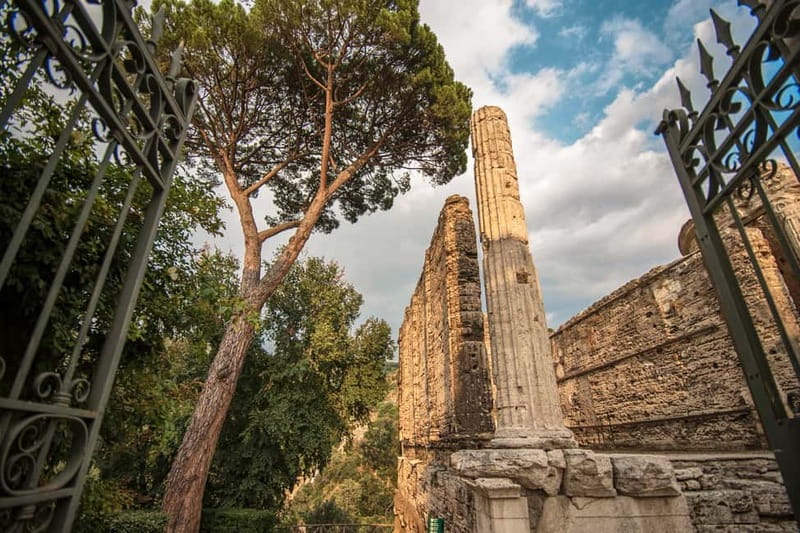
- Temple of Vesta remains: Roman structure vibes inside the park
- 74 tree species: a real botany bonus if you enjoy plant variety
- Stairs and uneven paths: bring shoes that don’t punish you
Villa Gregoriana in Tivoli: what you’re really paying for
For $11 per person, you’re buying entry into a park that mixes three things tourists often have to choose between: a good walk, a water spectacle, and historic ruins. That’s the value here. You’re not stuck in a bus-to-the-viewpoint-to-the-gift-shop rhythm. You can wander, pause for views, and shape your own route.
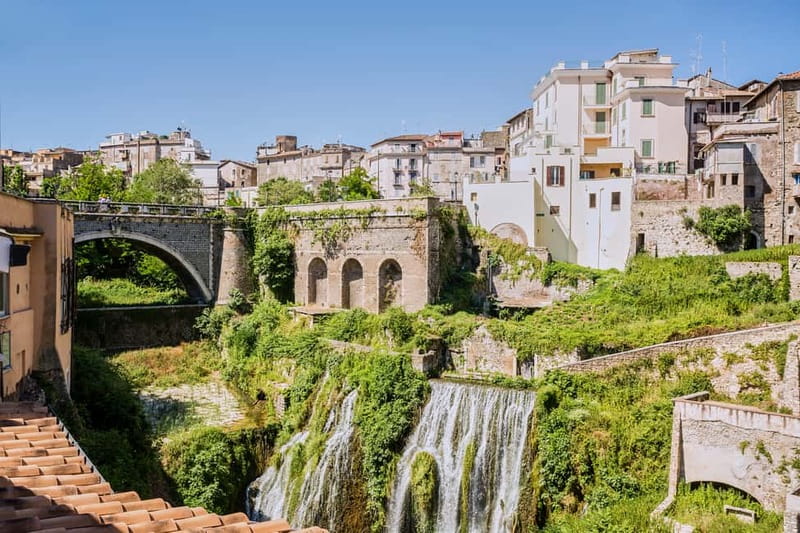
The park’s story matters too. Villa Gregoriana was commissioned in the 19th century by Pope Gregory XVI, with the River Aniene diverted and contained to create dramatic features—especially the 120-meter Great Waterfall. In other words, the scenery isn’t accidental. It’s engineered, then returned to the forest’s control.
And since the visit is self-paced with a typical duration of 2 hours, you can make it work even if your Tivoli day is packed. It’s also a nice contrast to the town’s busier sights.
FAI – Fondo Ambiente Italiano is the experience provider, and that often lines up with careful site maintenance and clear preservation priorities—exactly what you want when you’re walking through ruins and water features.
More villas and gardens at Tivoli
- From Rome: Villa D’Este and Hadrian’s Villa Tivoli Day Tour
★ 4.5 · 2,060 reviews
Entering the park: tickets, orientation, and your “route reality check”
This is an entry ticket experience, not a timed guided walkthrough. The highlight is the park itself—trees, waterfalls, trails, grottoes, and relics—so your success depends on how you move through it.
Plan to spend your time where the park’s big markers are:
- the Great Waterfall
- the Grottoes of Neptune
- the Temple of Vesta area and its nearby remnants
You’ll likely use a map at the entrance. Here’s the practical trick I’d follow: treat the map as a suggestion, not a command. One review noted the entrance map wasn’t very precise and required extra decision-making along the way. So don’t schedule your day like a train connection. Leave a little breathing room for turns, viewpoints, and retracing if you overshoot a path.
Also, closing times can vary based on sunset. That matters in summer, but it also matters in winter and shoulder season. If you arrive late in the day, you might find the park shuts earlier than you expect.
The Forest Walk: where the trails feel like the main attraction
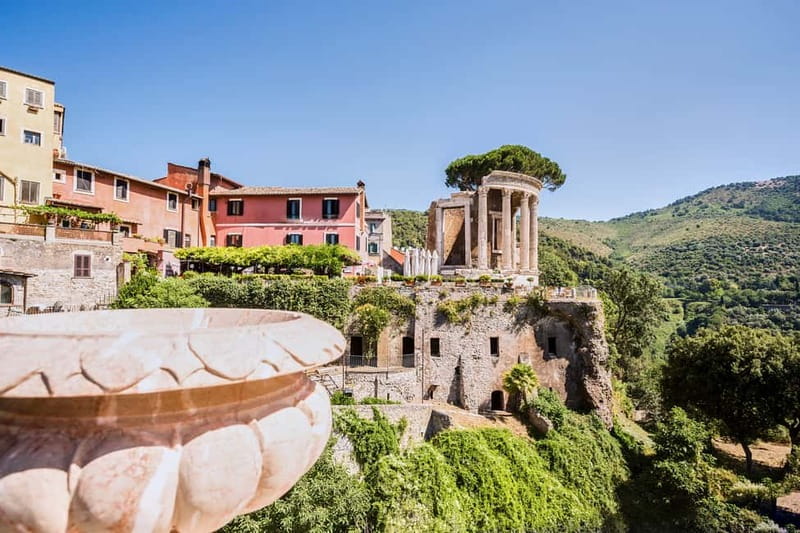
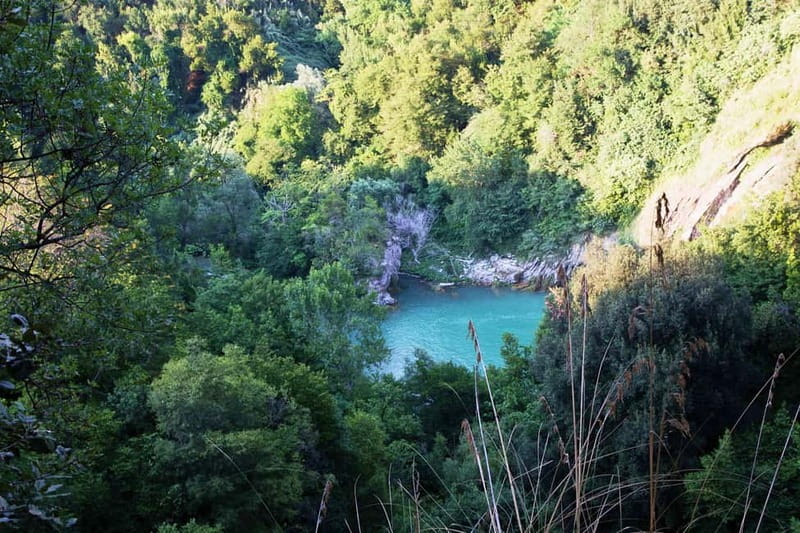
The park is built around winding trails. You’re surrounded by greenery, and the route is designed for changing perspectives—so you don’t just see the waterfall once and move on. You’ll keep encountering new angles, plus flowers and plant growth along the path.
One strong detail is that the park includes 74 tree species. You don’t need to be a botanist to enjoy that. If you like walking where nature has texture, variety in leaves and growth is part of the experience. You’ll also notice how the park’s design channels you from shady spots to brighter viewpoints near water.
If you love hiking, this visit is satisfying even when the weather is chilly. One review specifically mentioned enjoying the trails in mid-December, including the uphills and downhills. So it’s not just a warm-weather stroll.
What to wear
You’re on trails with steps. That’s the theme. I’d prioritize:
- supportive shoes (for traction)
- layers (because shaded sections stay cooler)
- a water bottle, since food or drinks are not included
If you’re traveling with someone who needs a flatter route, you may want to adjust expectations before you start.

The Great Waterfall and the River Aniene diversion you’ll remember
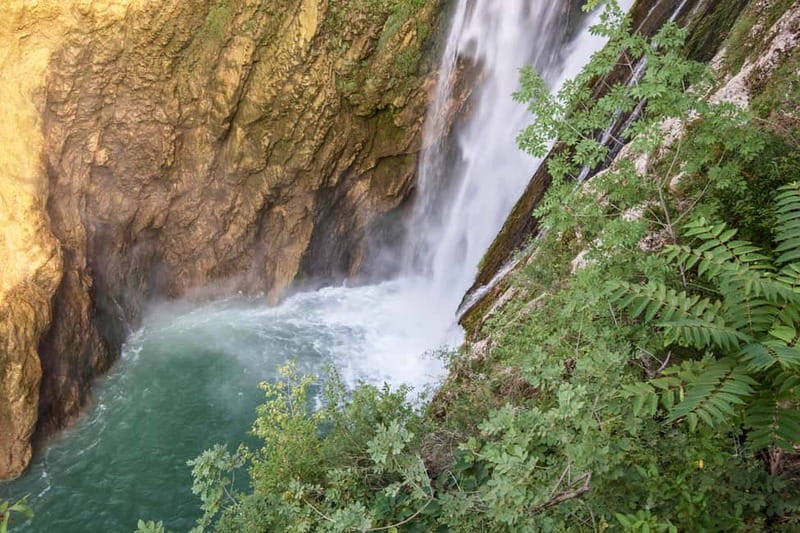
The Great Waterfall is the star. The key fact is impressive: it’s a 120-meter deviation created from the River Aniene. Instead of a gentle flow, the park amplifies the water into a long drop—then gives you trails and viewpoints to watch it from different angles.
What makes this more than just a pretty waterfall is the engineering. The park was built to contain the river and then divert it masterfully. The result is a scene where “nature” and “human planning” meet in the most literal way possible: the water’s path is the design.
As you walk, look for places where the terrain gives you a view into the water’s movement. This is where the park earns its reputation. If you’re expecting only a single scenic stop, you might miss how the trails work with the waterfall’s sound and sightlines.
Grottoes of Neptune: a cool (literally) stop under the temple area
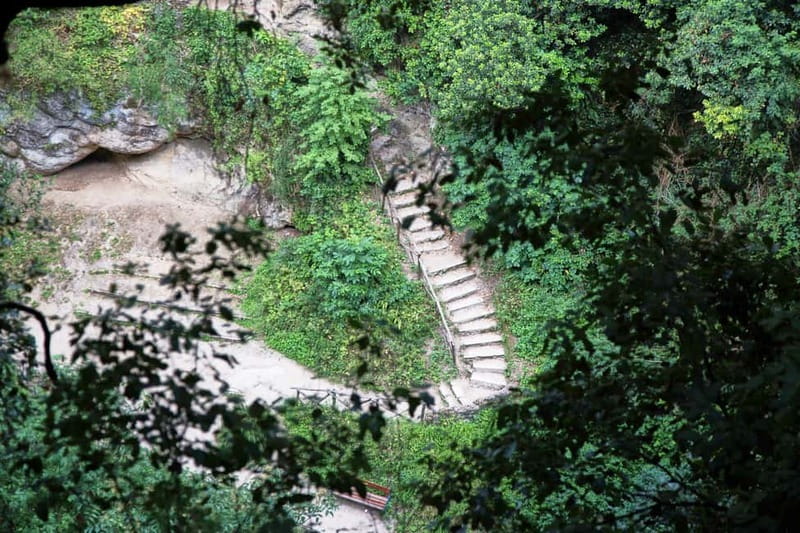
One highlight is the Grottoes of Neptune, and the info you should keep in mind is that they’re reachable under the temple area. In practice, this kind of stop changes the vibe: you shift from open views to a more sheltered setting, where the air and echo can feel different.
This is also a good “pause” moment. Even if you’re a fast walker, give yourself enough time to slow down here. The grottoes are one of those spots where taking your time helps you notice details—textures, light changes, and the way the space frames the park.
If you’re the kind of person who likes mixing scenery with mythic names and classical references, you’ll enjoy this pairing: Neptune + Roman ruins + a park that’s been engineered around the river. It’s playful, but it also fits the site’s identity.
Temple of Vesta and Roman remains: why the archaeology feels real
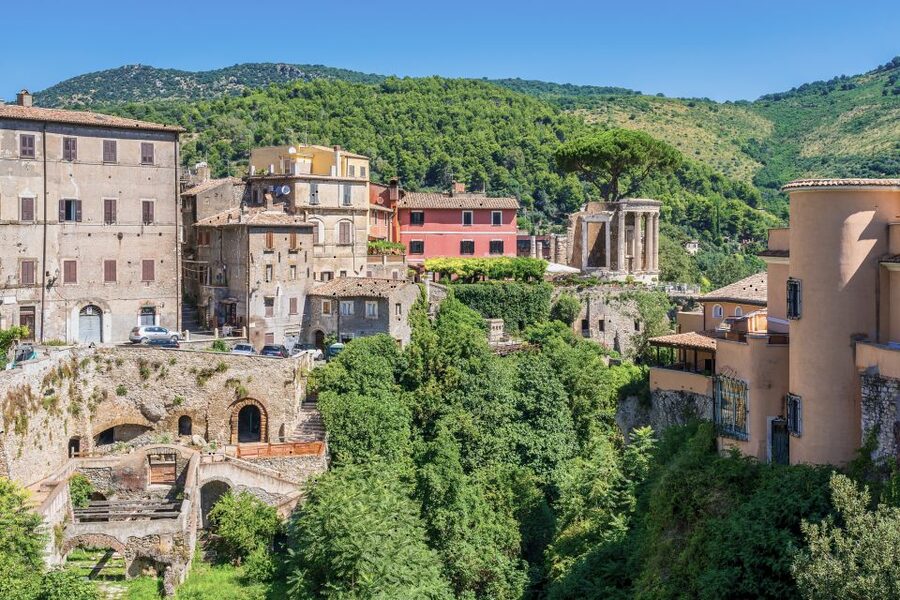
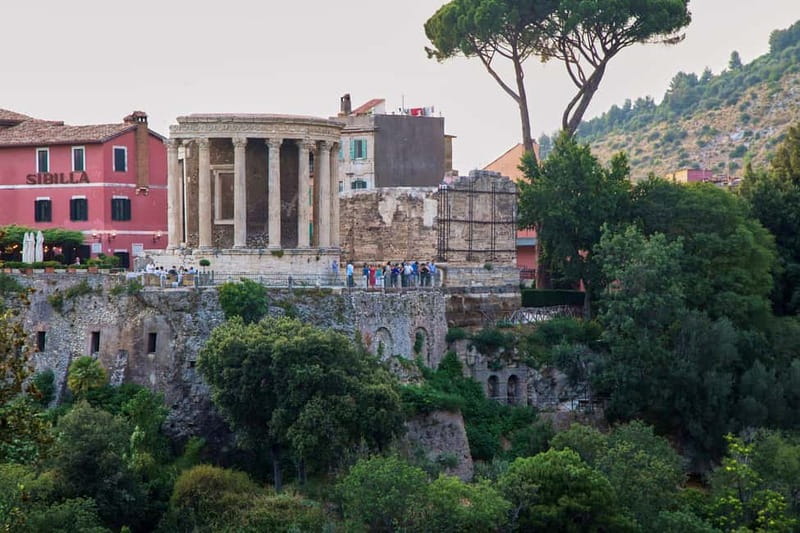
Villa Gregoriana doesn’t treat ruins like background decoration. The park includes remains such as the Temple of Vesta and other relics tied to earlier periods of the area.
The Temple of Vesta is one of the big Roman reference points in the park. When you’re standing near it, the atmosphere changes again—suddenly you’re not just in a garden and waterfall system. You’re in a place where earlier architecture is part of the walking experience.
You’ll also come across the remains connected to the Villa of the Roman Consul Manlius Vopiscus. Even without a lecture-style guide, the fact that the park holds multiple layers of use helps you understand why it’s worth protecting and interpreting.
One more practical note: ruins mean uneven ground. So keep your footing in mind and don’t rush past the archaeology zones. They’re part of why a two-hour ticket can feel like more.
A small “history boost” at the end: the film moment
If you like learning while you travel, you may have a film shown at the end of the visit. One review called it priceless for people who enjoy facts, and it helped them connect what they’d just seen to the wider story.
I’d treat that as a bonus, not as the main event. The main event is still the walking, the waterfall, the grottoes, and the ruins. But if you’re curious, do whatever you need to stay for the film rather than sprinting out the gate.
How long it really takes: pacing a self-guided 2-hour visit
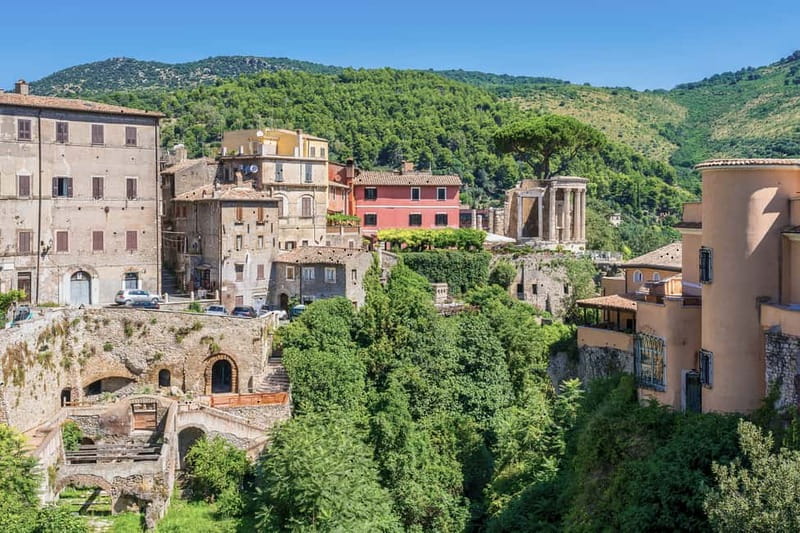
The ticket duration is 2 hours, but self-guided time can stretch depending on how long you stop for photos and how often you pause for viewpoints.
Here’s a realistic way to think about it:
- If you move steadily and focus on the biggest sights, two hours can work well.
- If you linger at the waterfall, detour for viewpoints, and take time with the temple and grottoes, you’ll want the full window.
Also, there are uphills, downhills, and stairs. One review mentioned they didn’t complete the full route due to knee problems and the number of steps. That’s a strong hint: if you’re not confident with stair-heavy walks, start slower and be ready to turn back without guilt.
Facilities and practical comfort: what’s available inside
Good to know if you’re traveling with kids: the park offers baby changing tables and bottle warmers.
What’s not included is also important. There’s no on-site food or drinks included with the ticket. So if you’re visiting when it’s warm—or if you’ll be walking longer than you planned—pack water and a simple snack.
Value check: is $11 worth it?
For $11, you’re getting entry to a carefully preserved park where the highlights are structural, not just decorative: a 120-meter waterfall shaped by river diversion, grottoes tied to the Neptune theme, and visible Roman-era remains like the Temple of Vesta and other relics.
Compare that to typical paid attractions in Italy where you pay for a short stop inside a building. Here, most of your money goes to a walking experience, with multiple “wow” moments rather than one. If you enjoy the outdoors and you’re even slightly interested in how engineering and history shape the scenery, the value is strong.
Who this fits best
You’ll enjoy Villa Gregoriana most if you:
- like walking trails with viewpoints
- want a mix of nature and archaeology in one ticket
- enjoy learning through site context (and possibly a short film at the end)
- want a Tivoli activity that’s not all crowds and queues
You might choose differently if:
- you need step-free routes
- you have very limited mobility and stairs are a hard stop
- you’re only looking for one quick photo spot
Should you book the Villa Gregoriana entrance ticket?
Yes, I’d book it if you want an outdoors-and-history break that costs about the price of a couple of coffees and gives you a full two-hour focus. The Great Waterfall and the Neptune Grottoes are the headline moments, and the Temple of Vesta ruins add real depth to the walk.
Just go in with honest expectations: it’s a park with stairs and hills. Wear good shoes, plan a flexible pace, and give yourself time to wander rather than treating it like a checklist.
If that sounds like your kind of day in Tivoli, the ticket is an easy yes.
FAQ
How long does the Villa Gregoriana entrance ticket experience last?
The duration is listed as 2 hours.
What is included with the ticket?
The ticket includes Villa Gregoriana entry.
How much does the ticket cost?
The price is $11 per person.
Are food or drinks included?
No. Food or drinks are not included.
Is the park visit self-paced?
Yes. You can explore at your own pace through the park’s trails.
What is the Great Waterfall’s height?
The Great Waterfall is described as a 120-meter diversion of the River Aniene.
Are there stairs and difficult walking areas?
You should expect a route with uphills, downhills, and many stairs, based on the experience details and feedback.
Are there facilities for babies?
Yes. The park has baby changing tables and bottle warmers.
Can I cancel for a full refund?
Yes. You can cancel up to 24 hours in advance for a full refund.
Are there different start times?
Yes. You should check availability to see starting times.
More Tour Reviews in Tivoli Lazio
- From Rome: Villa D’Este and Hadrian’s Villa Tivoli Day Tour
★ 4.5 · 2,060 reviews - From Rome: Villa D’Este & Villa Adriana Day Trip with Lunch
★ 4.4 · 289 reviews
More of Tivoli's Villas
- From Rome: Villa D’Este and Hadrian’s Villa Tivoli Day Tour
★ 4.5 · 2,060 reviews
Just added to our Tivoli Lazio reviews

Tivoli Day Trips, compared.
 ★ 4.5From Rome: Villa D’Este and Hadrian’s Villa Tivoli Day TourFrom $772,060 reviews
 ★ 4.5Tivoli Full Day Trip from Rome: Hadrian’s Villa and Villa D’EsteFrom $901,730 reviews
 ★ 3.5Hadrian’s Villa and Villa d’Este Half-Day Trip from RomeFrom $118808 reviews
 ★ 4.0Tivoli Villas Full Day Trip From Rome with LunchFrom $90443 reviews
 ★ 4.4From Rome: Villa d’Este and Hadrian’s Villa Tour with LunchFrom $135397 reviews
 ★ 4.4Tivoli: Villa D’Este & Villa Adriana Pass & App AudioguideFrom $39364 reviews
 ★ 4.5Tivoli Day Trip with Villa d’Este and Villa AdrianaFrom $141251 reviews
 ★ 4.5Tivoli Day Tour from Rome : Hadrian’s Villa and Villa D’EsteFrom $179207 reviews
Browse the lists this tour appears in