
Reviewed · ROME
The Marvels of Rome: A Journey through Time and Landmarks
Rome’s best squares, in two hours. This walk strings together Piazza del Popolo, Spanish Steps, Trevi, the Pantheon, and Piazza Navona with square-to-square storytelling that helps you read the city fast.
I love the way the guide work turns famous views into something you actually understand—guides like Celia and Estefani are praised for being patient, warm, and clear, even when you need extra time. I also like the pacing: you get short, focused stops at each place without spending your whole day stuck in lines or wandering with no plan.
One consideration: it’s not designed for limited mobility, and the walking won’t work if you need step-free access throughout. Also, if you’re hunting for very deep, scholarly detail, you might want to pair this with a longer, more focused history tour.
In This Review
- Key highlights worth planning for
- Starting at Piazza del Popolo: where your Rome day gets organized
- Piazza del Popolo: more than a pretty starting photo
- Piazza di Spagna: Spanish Steps area with context, not chaos
- Trevi Fountain: coin toss plus the Baroque story you’ll actually remember
- The Pantheon: ancient engineering, explained in plain sight
- Piazza Navona: Bernini fountains and the street-life scene
- Price and value: what $35 buys you in Rome time
- Guide quality: the difference between seeing Rome and understanding it
- What to bring (and what to avoid) so the tour stays smooth
- Is this your kind of Rome walk?
- Should you book The Marvels of Rome tour?
- FAQ
- How long is the tour?
- Where does the tour start?
- Is hotel pickup included?
- What languages are available for the live guide?
- What is included in the price?
- What should I bring?
- Are there any dress or bag restrictions?
- Is the tour suitable for people with limited mobility?
- What are the cancellation and payment options?
Key highlights worth planning for
- Licensed live guide in English, plus Spanish or French options
- A tight 2-hour loop across major squares (each stop is short and purposeful)
- Trevi Fountain coin-toss tradition with on-the-spot context
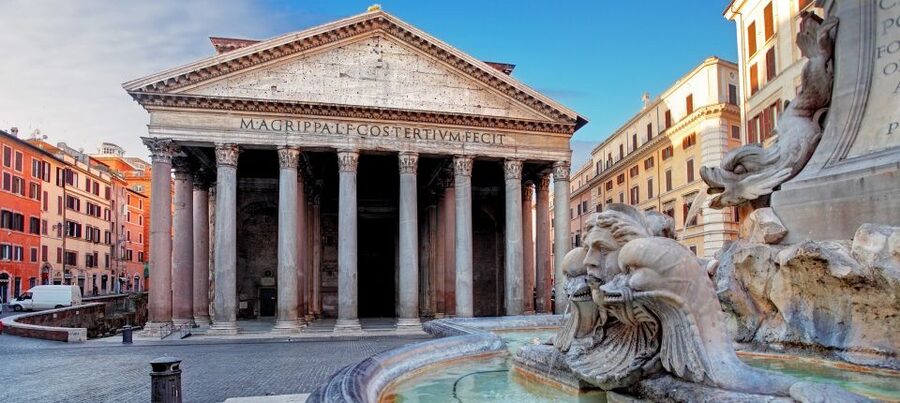
- Pantheon stop focused on ancient Roman engineering and architectural style
- Piazza Navona timing so you can enjoy the fountains and the street life nearby
- Real-guide attention to comfort, including patience noted in reviews
Starting at Piazza del Popolo: where your Rome day gets organized
The whole experience starts at the Basilica Parrocchiale Santa Maria del Popolo, in Piazza del Popolo. You’ll meet your guide right in front of the church Santa Maria del Popolo, holding a sign with the company name. If you’re arriving a bit early, I recommend you slow down for a minute and get oriented before the group gathers—this route works best when you know which direction you’ll walk next.
This “start-by-structure” approach is one of the reasons the tour works for real schedules. Instead of trying to connect landmarks yourself, you get a human path that moves you from square to square. And because there’s a licensed guide, you’re not just collecting photos; you’re collecting meaning—how each stop fits into how Rome developed and how people use these spaces today.
Practical note: the tour doesn’t include hotel pickup or drop-off. So plan to arrive near the meeting point on your own, then you can relax once you’re with the guide.
Weighing this one up? Here is how a few Rome favourites compare:
- Vatican Museums, Sistine Chapel & St. Peter’s Basilica Tour
★ 4.3 · 73,970 reviews - Vatican Museums, Sistine Chapel & St Peter’s Basilica Guided Tour
★ 4.5 · 39,149 reviews - Rome: Colosseum, Palatine Hill and Roman Forum Guided Tour
★ 4.8 · 32,814 reviews - Rome: Guided Tour of Colosseum, Roman Forum & Palatine Hill
★ 4.7 · 27,897 reviews
Piazza del Popolo: more than a pretty starting photo
Piazza del Popolo is where you get the “map in your head” feeling. The walk begins with a guided visit there (about 20 minutes), and the guide’s job is to show you why this square matters—not just that it looks good.
What I like about using Piazza del Popolo as the opener is that it sets up the rest of the day. You learn what to notice in Roman squares: the way buildings frame open space, how foot traffic flows, and how the big sights sit inside everyday life. You’ll also get a quick sense of where you are in Rome before you start hopping between headline locations.
If you’re someone who tends to feel overwhelmed in Rome, this first stop helps you get bearings fast. You’re not trying to “figure it out” while you’re surrounded by crowds and camera phones.
Piazza di Spagna: Spanish Steps area with context, not chaos
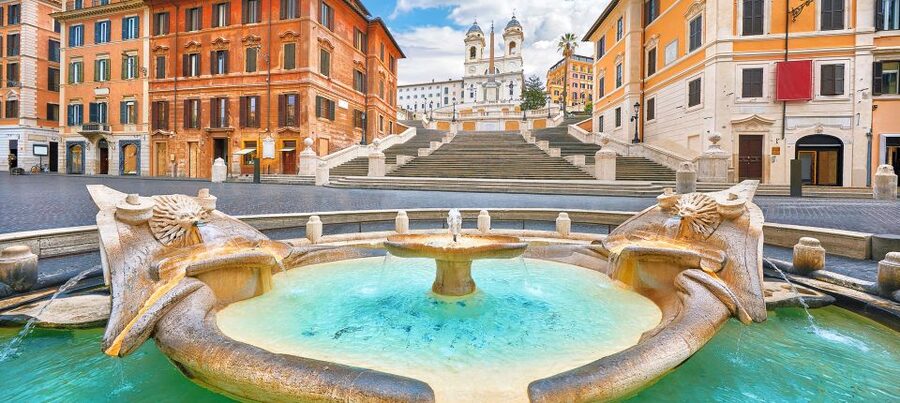
Next comes Piazza di Spagna, also around 20 minutes with a guided walk and sightseeing. This is the stretch where the Spanish Steps pull in crowds, and the square can feel like it’s all motion and noise.
A guide helps here because you’re not just staring at the most photographed angles. You’re learning how the area’s layout leads to the way people move—where you can pause for good views, and how the square’s charm works even when it’s busy.
The other value: you don’t burn time hunting for the best viewpoint. You get a focused window to see the Spanish Steps area, then the tour moves on. That’s a big deal in Rome, where “just one more photo” can turn into an hour.
One small drawback to keep in mind: since each stop is short, you won’t linger as long as you might on your own. If you want long, slow wandering, think of this tour as your guided ignition, not your whole day.
Trevi Fountain: coin toss plus the Baroque story you’ll actually remember
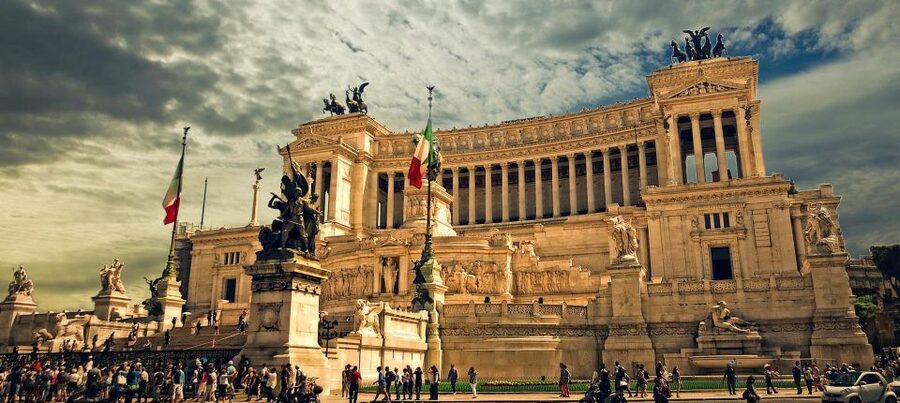
Then it’s Trevi Fountain, with about 30 minutes set aside. This is the stop most people come for, and it’s also the stop where a little guidance makes your photos better and your understanding sharper.
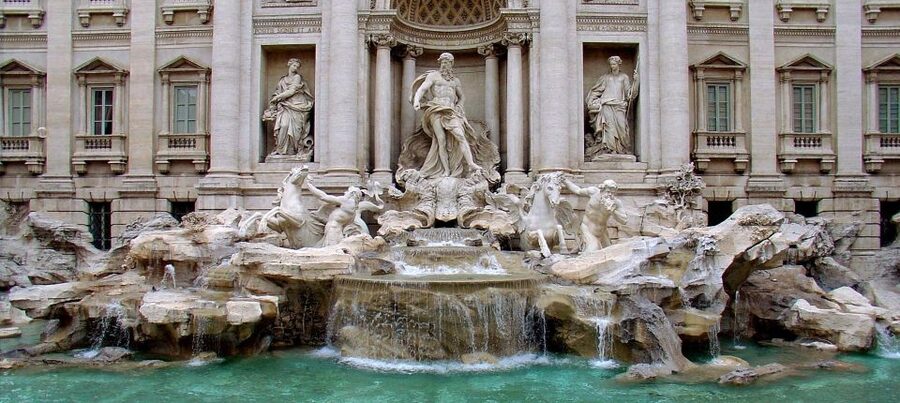
Trevi is described as a Baroque masterpiece, and that’s exactly the point: the fountain is dramatic, designed to pull your eye, and it works like a stage in the city. With the guide, you don’t just see the water and the stone—you hear what makes it theatrical and how it became a ritual place. The classic tradition is included: you’ll toss a coin into the fountain, as people have done for generations.
Here’s my practical advice: go in expecting it to be crowded. That’s normal. Don’t treat the moment like a private viewing. Instead, treat it like a living landmark—stand where you can, watch the fountain’s details while you wait for your turn to get the best angle, and then move on with the group.
I’ve found that Trevi is often less about spending time thinking and more about letting your senses absorb the design. The guide gives you a reason to look beyond the surface, which makes the whole thing feel more rewarding than just checking off a famous spot.




The Pantheon: ancient engineering, explained in plain sight
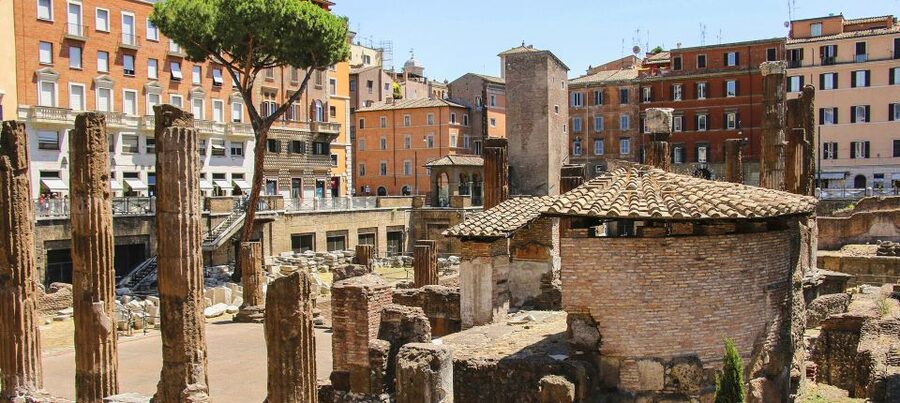
After Trevi, the route heads to the Pantheon for about 20 minutes. This stop is framed as a testament to ancient Roman engineering and architectural genius. And honestly, that’s the sweet spot for a short tour: you get enough explanation to understand what you’re looking at, without turning it into a full lecture.
The big benefit here is timing and attention. The Pantheon can be overwhelming if you walk in cold, because your eyes bounce around: scale, materials, the sense of order, and how the building holds its space. With a guide, you learn how to read the building quickly—what features to notice and why they mattered to Roman builders.
I also appreciate that the stop is long enough to look, not just to stop for a picture. Even in 20 minutes, you can absorb the overall structure if you’re guided in what to prioritize.
If you’re the type who wants to go super-technical, this may feel brief. But if you want a strong anchor for your Rome day—something you can understand and talk about later—this is a good use of your time.
Piazza Navona: Bernini fountains and the street-life scene
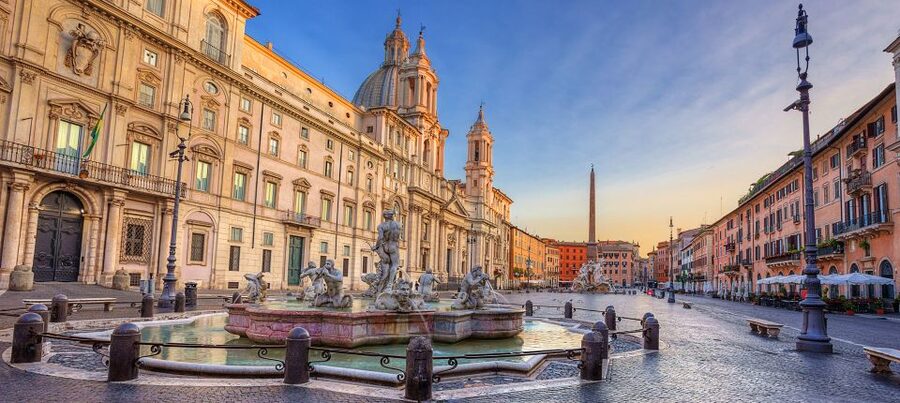
The final stop is Piazza Navona, about 20 minutes with guided sightseeing. This is where the day shifts from landmark gravity to street-level energy. The fountains by Bernini take center stage, surrounded by busy cafes and lively street performers.
What you’ll enjoy most here is the contrast. Earlier stops feel like iconic scenes you approach. Piazza Navona feels like a place you arrive into—something active, social, and very Rome. You’re not only looking at architecture; you’re watching daily life happen around it.
A guided visit also helps you avoid the common trap: standing in one place, missing the fountain angles that make the square work. In a short time window, your guide steers you toward the viewpoints that make sense.
And because the tour ends here, you can easily keep going on your own afterward, whether that means wandering for gelato or walking toward your next plan.
Price and value: what $35 buys you in Rome time
The price is $35 per person for a 2-hour tour. That’s not “cheap,” but it’s also not trying to be. You’re paying for three things that matter in Rome: a licensed live guide, a structured route across multiple famous squares, and a short walking plan that saves you the stress of figuring out connections.
If you’ve ever tried to self-guide a highlight loop in Rome, you know how it goes: you spend energy deciding where to go next, and you lose time to confusion. This tour trades that decision fatigue for a simple path, and that’s where the value really shows.
Also, the tour includes a licensed English-speaking guide, and it lists live guide options in Spanish, French, and English. Reviews highlight language skill and clarity, including a guide named Sarah with very good service.
What you should know: hotel pickup and drop-off aren’t included. So you’re really paying for the guided sightseeing time—not transportation. If you live near the center or you’re comfortable reaching Piazza del Popolo on your own, the value feels stronger.
Guide quality: the difference between seeing Rome and understanding it
This is where the reviews do the heavy lifting, and it’s consistent: the experience stands or falls on the guide. Several people specifically praised guides for being kind, patient, and tuned in to the group. Celia is mentioned as being considerate and patient, and Estefani is praised for excellent direction and for using a book that shows before-and-after comparisons.
That before-and-now idea is especially useful on a short tour. Rome doesn’t feel like one place; it feels like layers stacked on layers. When a guide can show you what changed and what stayed, you start connecting dots instead of just collecting landmarks.
One note: there’s at least one mixed review describing not enough historical detail and a concern that the guide didn’t master the subject enough. So if you’re the kind of person who wants heavy academic depth, this might feel light. For most visitors, the balance—enough context to enjoy and remember—is exactly what you need in a short window.
What to bring (and what to avoid) so the tour stays smooth
To keep the tour comfortable, bring comfortable shoes and water. The route is walking-based, and you’ll do multiple stops close together, so your feet will thank you for breaking in your shoes first.
There are also clear restrictions: no luggage or large bags, and you shouldn’t wear sleeveless shirts. Those rules are practical. Big bags make walking and standing awkward, and the sleeveless shirt note usually reflects church-area expectations as you move through central Rome.
If you’re traveling light, you’ll have a much easier time blending into the flow of the group at each square.
Is this your kind of Rome walk?
This tour is best if you want:
- A 2-hour highlight route through major squares (not a day-long project)
- A licensed guide to help you notice what matters at each stop
- A plan that’s easy to follow without logistics stress
- A mix of major monuments and “real Rome” public spaces
It may not be the best fit if:
- You need step-free or low-mobility-friendly touring (it’s not recommended for limited mobility)
- You want deep, specialized history at every stop—this format aims for clarity, not textbooks
If you’re short on time but want your photos to come with understanding, this tour is a strong choice.
Should you book The Marvels of Rome tour?
I’d book it if you want a focused, guided walk that links Piazza del Popolo → Spanish Steps → Trevi → Pantheon → Piazza Navona without you doing the mental work of planning the route on the fly. The price is reasonable for what you get: a licensed guide and a structured visit through five of Rome’s most memorable areas in just two hours.
I’d skip it or rethink it if mobility is an issue, since it’s explicitly not suitable for people with mobility impairments. And if your top goal is extremely detailed historical scholarship, you may want something longer or more specialized.
FAQ
How long is the tour?
The tour lasts 2 hours.
Where does the tour start?
Meet in Piazza del Popolo, in front of the church Santa Maria del Popolo, where your guide will be holding a sign with the company name.
Is hotel pickup included?
No. Hotel pickup and drop-off are not included.
What languages are available for the live guide?
The tour lists live guide options in Spanish, French, and English.
What is included in the price?
A licensed English-speaking guide is included.
What should I bring?
Bring comfortable shoes and water.
Are there any dress or bag restrictions?
Yes. Luggage or large bags aren’t allowed, and sleeveless shirts aren’t allowed.
Is the tour suitable for people with limited mobility?
No. It’s not recommended for people with limited mobility, and it’s not suitable for people with mobility impairments.
What are the cancellation and payment options?
You can cancel up to 24 hours in advance for a full refund, and you can reserve now and pay later.
More Tour Reviews in Rome
- Vatican Museums, Sistine Chapel & St. Peter’s Basilica Tour
★ 4.3 · 73,970 reviews - Vatican Museums, Sistine Chapel & St Peter’s Basilica Guided Tour
★ 4.5 · 39,149 reviews - Rome: Colosseum, Palatine Hill and Roman Forum Guided Tour
★ 4.8 · 32,814 reviews - Rome: Guided Tour of Colosseum, Roman Forum & Palatine Hill
★ 4.7 · 27,897 reviews - Rome: Colosseum & Forum with Audio Guide App -Optional Arena
★ 4.2 · 24,770 reviews - Rome: Colosseum, Roman Forum and Palatine Hill Guided Tour
★ 4.5 · 23,903 reviews




