
Reviewed · ROME
The Four Seasons by Antonio Vivaldi – Sala Dante Roma
Vivaldi’s Four Seasons becomes a lot more personal in a small Roman room. You’re hearing the music from a string quintet plus harpsichord, and you’re doing it from Sala Dante at Palazzo Poli—with a view of the Trevi Fountain through the windows.
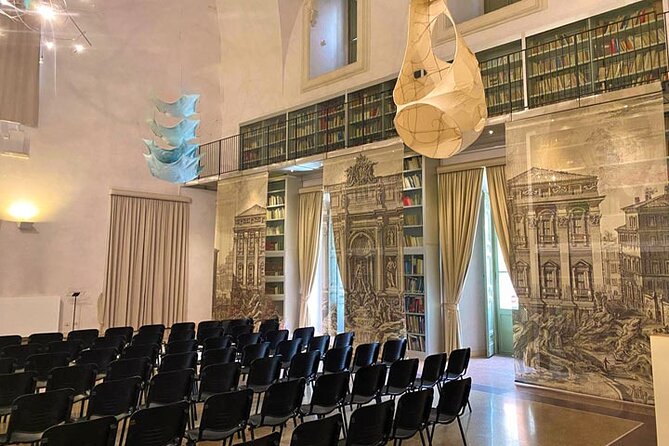
I especially like two things. First, the setting: it’s intimate, and the hall is designed for you to actually catch the sound (not rely on speakers). Second, I love the instant sense of place. One moment you’re listening to Vivaldi, the next you’re looking out and remembering you’re in Rome.
One possible drawback to know up front: the concert happens in a historic interior, so conditions like warmth or chill can vary, and you may also run into audience distractions like late arrivals or phones during quieter moments.
In This Review
- Key highlights to know before you go
- A 90-Minute Vivaldi Night at Palazzo Poli’s Sala Dante
- Why The Four Seasons Sounds So Good in a Small Room
- Meeting at Via Poli: Timing and How to Arrive Smart
- The Musicians You’ll Hear: Elvin Dhimitri and an Italian-Style Ensemble
- The Trevi Fountain Window Moment You Can’t Replicate Elsewhere
- What the Concert Feels Like (From a Listener’s Perspective)
- Price and Value: Is $54.07 a Good Deal?
- Dress Code and Audience Etiquette (So You Don’t Miss a Note)
- Who This Concert Is Best For
- Should You Book This Vivaldi Four Seasons in Rome?
- FAQ
- Where is the concert venue?
- What time does the performance start?
- Is the performance offered in English?
- What music and instruments will I hear?
- What should I wear?
- Will I know my seat in advance?
Key highlights to know before you go
- Trevi Fountain views from Sala Dante windows, so the city is part of the show
- A small ensemble with strings and harpsichord that keeps the sound natural
- Elvin Dhimitri performs as first violin, bringing a high-level, energetic edge
- Intimate sightlines, with many seats working well even when the room is full
- Smart casual dress code (and yes, people sometimes ignore it—plan to fit in)
- Assigned seating at the door, so you choose the best strategy for arriving on time
A 90-Minute Vivaldi Night at Palazzo Poli’s Sala Dante
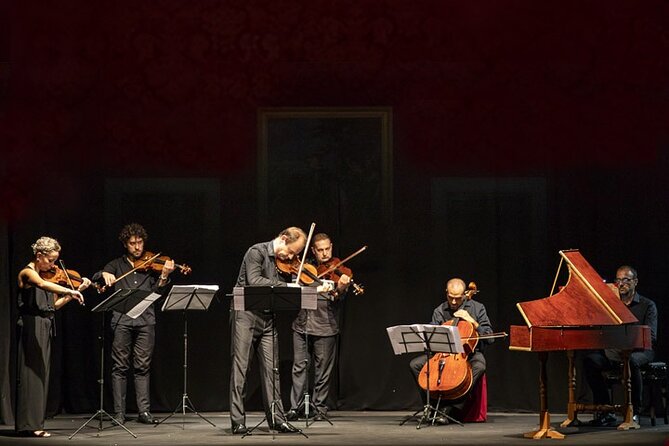
If you want one of the most Roman ways to experience classical music, this is it. You’re not wandering into a giant venue with a maze of hallways and distant sound. Instead, you’re heading to Palazzo Poli and its Sala Dante for an evening performance of Antonio Vivaldi’s The Four Seasons.
The overall package is simple: about 1 hour 30 minutes, in English, starting at 8:30 pm. Tickets are tied to admission for the performance, and the atmosphere is built for listening—no big theatrical production, just musicians, instruments, and the kind of acoustics that make the final notes feel like they’re really hanging in the air.
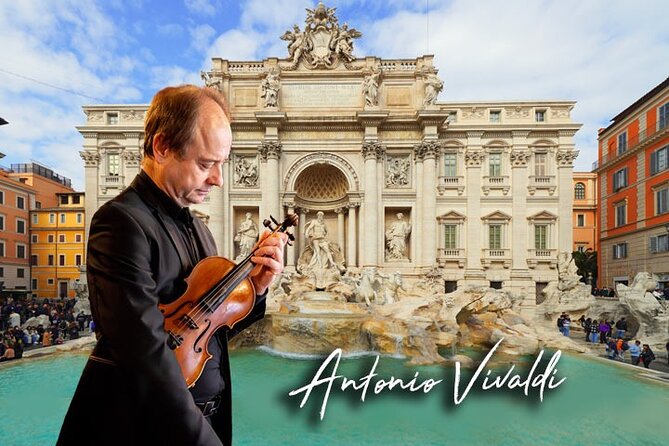
And because this is Rome, it’s not only about what happens inside. The location comes with a very specific perk: you can overlook Trevi Fountain from the windows. That view is not a nice bonus you’ll forget. It changes how the night feels. Even if you already know The Four Seasons by heart, you’ll still get that moment of, Wait—I’m listening to this with Trevi right there.
Weighing this one up? Here is how a few Rome favourites compare:
- Vatican Museums, Sistine Chapel & St. Peter’s Basilica Tour
★ 4.3 · 73,970 reviews - Vatican Museums, Sistine Chapel & St Peter’s Basilica Guided Tour
★ 4.5 · 39,149 reviews - Rome: Colosseum, Palatine Hill and Roman Forum Guided Tour
★ 4.8 · 32,814 reviews - Rome: Guided Tour of Colosseum, Roman Forum & Palatine Hill
★ 4.7 · 27,897 reviews
Why The Four Seasons Sounds So Good in a Small Room
Vivaldi’s Four Seasons is popular for a reason: it’s vivid. The music paints weather, seasons, and motion in a way you don’t need a program essay to understand. In a small, acoustically tuned room, that vividness gets more obvious.
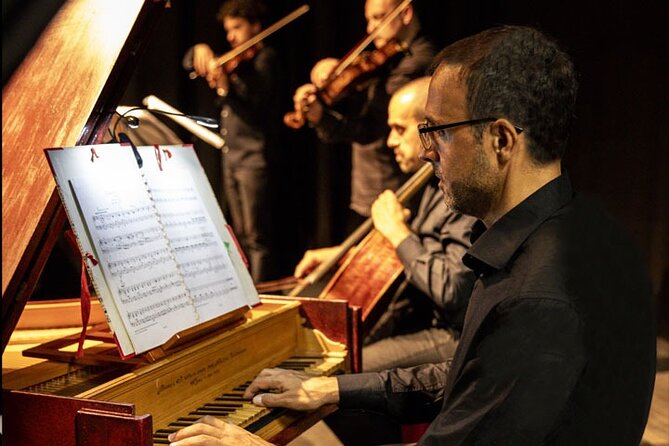
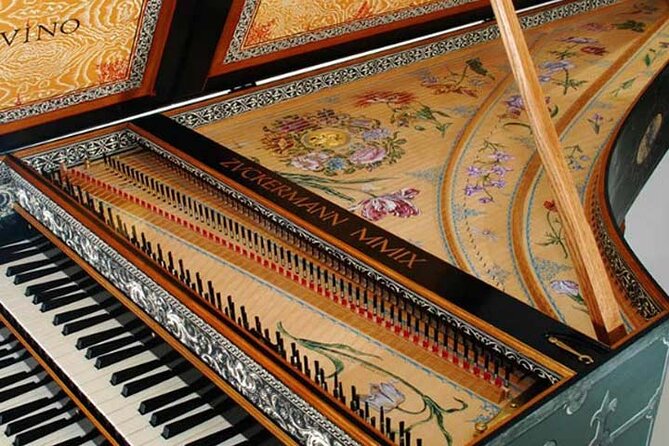
This performance is staged with a string quintet and harpsichord, which matters. Strings carry the musical energy—fast passages feel quick and responsive, and slow passages feel warm. The harpsichord adds that crisp, rhythmic sparkle that keeps the dance-like pulse clear. In other words, the sound has texture, not just volume.
From what you can expect on the ground, this kind of venue setup tends to work well for sight and sound. The room is usually intimate and fully booked, yet many seats still deliver a clear view of the players and good audio balance. If you’ve ever sat in the back of a huge concert hall and wondered why the sound is blurry, this is the opposite experience.
Do note one listening reality: because this is chamber-style music, minor disruptions can be noticeable. A couple of practical things to keep in mind—arrive on time, and be ready for the occasional phone glow or late arrival if the audience is not fully disciplined.
Meeting at Via Poli: Timing and How to Arrive Smart
The performance starts at 8:30 pm at Sala Dante, Palazzo Poli, Via Poli 54. That timing is excellent for Rome planning. You can do a normal dinner nearby, then head over without rushing through your day’s last hours like you’re trying to catch a train.
Because seats are assigned by the theater box office and you won’t know yours in advance, your arrival timing matters. You can’t pre-select the perfect spot, so you get one advantage instead: be early enough to avoid a last-minute scramble. For a concert where your comfort affects your ability to focus, arriving calmly is worth it.
Also, transportation is close by public transit, which is handy in Rome—especially in the evening when driving and parking can be a headache. The tour doesn’t include transportation to and from the venue, so plan to handle that part yourself.
The Musicians You’ll Hear: Elvin Dhimitri and an Italian-Style Ensemble
One of the reasons this concert stands out is the caliber of the performers. The violinist Elvin Dhimitri is not just a name on a schedule. He’s described as someone who combines impassioned energy with strong musical communication, and his career background is unusually solid for a one-night chamber program.
He has been associated with multiple orchestras and roles over the years, including appointments that place him at the center of serious classical performance work. That kind of experience matters in music like Four Seasons, where the difference between good and great often comes down to control: bowing clarity, articulation, pacing, and the way phrasing lands at exactly the right moment.
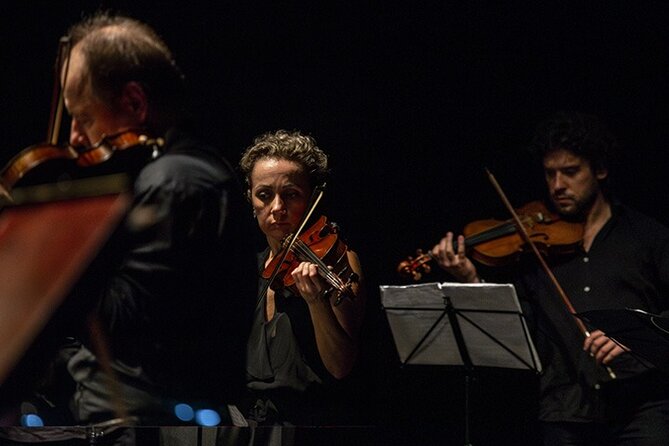
The ensemble itself—strings plus harpsichord—also supports the way Vivaldi writes. You don’t just hear a melody. You hear the rhythmic structure, the momentum, and the interplay between instruments. In the best moments, it feels like the group is breathing together, not simply playing notes.
And yes, the vibe is professional. The overall impression from the evening tends to be that the musicians know what they’re doing, and they do it with focus.




The Trevi Fountain Window Moment You Can’t Replicate Elsewhere
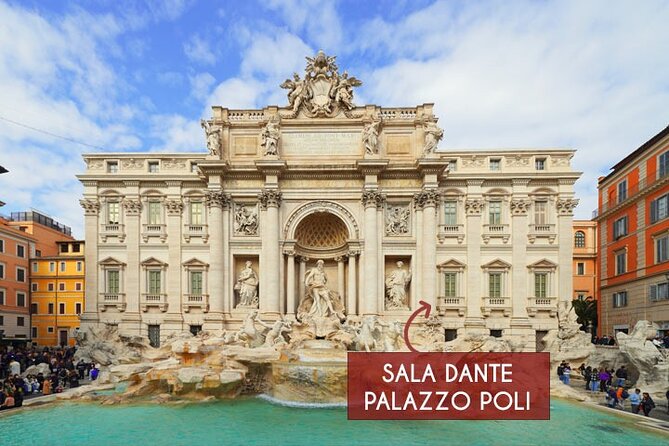
You can hear Vivaldi almost anywhere in the world. The unique part here is the Trevi Fountain connection.
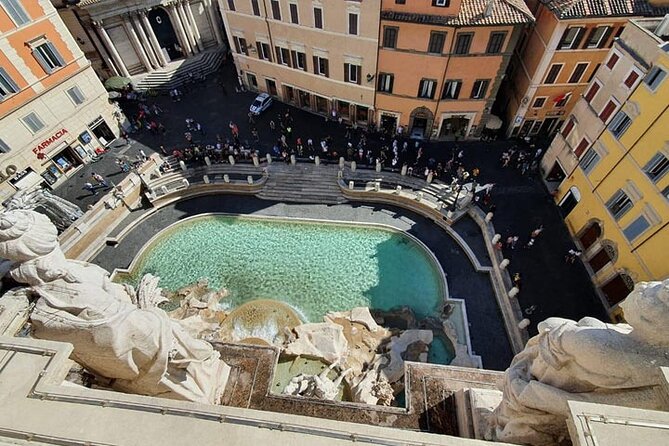
The windows at Sala Dante let you overlook Trevi Fountain, which turns a concert intermission (or even just a quiet pause before the music starts) into a Rome snapshot. Even if you’ve seen Trevi from the street, this is different. From inside, it feels framed—like Rome is watching the performance.
That matters for two reasons:
- It keeps the experience grounded in the city you came to visit.
- It gives you a mental reset. After a day of walking and taking in sights, music becomes a kind of “pause with meaning.”
If you’re the type who likes experiences that feel tied to one place—not a generic activity—this is one of those nights.
What the Concert Feels Like (From a Listener’s Perspective)
Here’s the practical reality of what you’ll encounter during the performance.
First, the concert is not amplified in the way huge venues are. That’s part of why the acoustics matter. When the room is right, you don’t need speakers to hear detail. Fast passages can stay crisp, and soft moments can remain musical instead of disappearing.
Second, the duration is short enough that you stay mentally fresh. About an hour and a half is perfect for Four Seasons, since it keeps the evening from dragging. You’ll also likely appreciate that it starts promptly; waiting around is the enemy of a good listening mood.
Third, comfort can be uneven. Several people note chairs that aren’t the most comfortable after a while, and wood seating can make noise if you shift. The room can run warm, and historic venues sometimes also feel cold, depending on the day. If you’re sensitive to temperature, bring a light layer.
Also, don’t count on a long talk or deep explanation. Some audience notes suggest the experience is mainly music-first. If you want context about what you’re hearing, you’ll probably enjoy reviewing a short guide about Four Seasons before you go, so you’re not relying on the concert to explain everything.
Price and Value: Is $54.07 a Good Deal?
At $54.07 per person, this can feel like an easy yes or a questionable maybe, depending on what you’re comparing it to.
If you’re comparing it to a standard museum ticket, it’s obviously pricier. But if you’re comparing it to a typical evening activity in central Rome—where you pay for location, access, and a guaranteed experience—this starts looking reasonable.
Here’s the value math that matters:
- You get admission to a live performance of a major work (Four Seasons).
- The ensemble is small and designed for acoustic clarity.
- You get a highly specific setting tied to Trevi Fountain views.
- Group size is limited to a maximum of 20 travelers, which often helps preserve the intimate feel.
The only money-related caution: some people say the price at the venue may be lower than what they paid through the booking path. Since prices can vary by date and availability, I’d treat the listed price as fair for convenience and confirmed access—but if you love squeezing out the last bit of value, compare options when you’re nearby.
Dress Code and Audience Etiquette (So You Don’t Miss a Note)
The dress code is listed as smart casual. You don’t need a tuxedo, but you should avoid truly sloppy outfits. It’s Rome, so people tend to look put-together for evenings like this.
That said, you might notice a mix of dress standards in practice. Some audience feedback notes people arriving in jeans and sneakers. I’d aim for smart casual anyway, not because a rule police is coming, but because it makes the evening feel right.
The bigger etiquette issue isn’t clothing. It’s behavior during the performance. A recurring concern is latecomers being ushered in during the music, and audience phones sometimes staying active. This doesn’t ruin every performance, but it can pull you out of the listening bubble.
Your best defense is simple:
- Arrive early enough to avoid rushing in.
- Keep your phone away unless you’re sure the venue allows it.
- If you’re going with someone who tends to check their device, agree in advance that this is a phones-down night.
Who This Concert Is Best For
This is a great fit if you want:
- A short, high-impact evening activity in Rome
- Real chamber music sound, not a background music show
- A classic work performed with energy and attention
- A venue with an actual sense of place (Trevi Fountain visible from inside)
It’s also a decent choice if you’re traveling with teens or adults who might not want a full opera night. Four Seasons is approachable, and the instrumental format helps keep the experience moving.
If you hate being uncomfortable for long stretches, or if you need big, cushy seating, you might want to think twice. And if you’re a very strict classical-music listener who needs absolute silence, you should expect that the human factor in any live public event can sometimes be messy.
Should You Book This Vivaldi Four Seasons in Rome?
I’d book it if you want a genuine Roman evening that’s more than just another ticket to a landmark. The combination of Four Seasons, a small ensemble, and Trevi Fountain views from Sala Dante makes this a night that feels tied to Rome in a way most concerts don’t.
Skip it only if you know you’re sensitive to discomfort from wooden seating, or if you’re extremely bothered by audience distractions like late entrances or phones. Otherwise, this is the kind of experience that becomes one of those Rome memories you can describe to friends without even trying.
If you’re on the fence, here’s the tiebreaker: choose the option that gets you there early enough to settle in calmly. In music like this, your focus is part of the product.
FAQ
Where is the concert venue?
The concert takes place at Sala Dante of Palazzo Poli, Via Poli 54, Rome.
What time does the performance start?
The start time is 8:30 pm.
Is the performance offered in English?
Yes. The experience is offered in English.
What music and instruments will I hear?
You’ll hear Antonio Vivaldi’s The Four Seasons, performed by a string quintet and harpsichord.
What should I wear?
The dress code is smart casual.
Will I know my seat in advance?
No. Seats are assigned by the theater box office and you won’t know your seat before the performance date.
More Tour Reviews in Rome
- Vatican Museums, Sistine Chapel & St. Peter’s Basilica Tour
★ 4.3 · 73,970 reviews - Vatican Museums, Sistine Chapel & St Peter’s Basilica Guided Tour
★ 4.5 · 39,149 reviews - Rome: Colosseum, Palatine Hill and Roman Forum Guided Tour
★ 4.8 · 32,814 reviews - Rome: Guided Tour of Colosseum, Roman Forum & Palatine Hill
★ 4.7 · 27,897 reviews - Rome: Colosseum & Forum with Audio Guide App -Optional Arena
★ 4.2 · 24,770 reviews - Rome: Colosseum, Roman Forum and Palatine Hill Guided Tour
★ 4.5 · 23,903 reviews




