
Reviewed · TRASTEVERE TOURS
Taste Rome: Exploring Trastevere’s Culinary Secrets with a Local
Food in Trastevere is a shortcut to Rome. This 3-hour, small-group tour is built around the way Roman food and neighborhood life are tangled together, from medieval lanes to old-school storefronts where locals actually buy. You get that rare mix of sightseeing and eating without the usual tourist-food shuffle.
I love the lineup of what you taste. It moves from a 1920 cookie factory and a century-old cheese shop to Roman street-food classics like Roman pizza and supplì. I also like how guides—people like Martina, Jennifer, Andrea, Stefani, and Daniele—focus on practical food culture, not just reciting menus.
One thing to plan for: expect a fair bit of standing and walking. A few stops involve eating outside near the street, which may be less comfy if you’re slower on your feet or not keen on crowd-adjacent moments.
In This Review
- Key things I’d plan around before you go
- Trastevere food tastes like real Rome
- Meeting up on a local lane, ending where you started
- A 1920 cookie factory stop that starts you crunchy
- Cheese and cured meats in a century-old shop
- Roman pizza romana (scrocchiarella style) on the street
- Supplì: the rice ball that tells you Rome’s comfort style
- Pasta alla carbonara and the historic inn expectation
- Gelato artigianale: the best kind of finish
- Vegetarian options are planned, not an afterthought
- What $102.58 really buys you in Trastevere
- How much walking is too much?
- Who this tour is best for
- My bottom line: should you book Taste Rome?
- FAQ
- How long is the Trastevere food tour?
- What does the tour cost?
- What’s included in the tasting?
- Is there a vegetarian option?
- How many people are in the group?
- Where does the tour start and end?
- Is there free cancellation?
Key things I’d plan around before you go
- Five tasting stops, full meal feel: plan to go hungry, because you’ll likely leave full.
- Old-school producers, not fancy theater: cookie factory history and a long-running cheese shop show how Romans shop.
- Roman classics you can order later: scrocchiarella-style pizza romana, supplì, and pasta alla carbonara are teachable favorites.
- Gelato artigianale as the finish line: the last stop is intentionally sweet and focused on natural ingredients.
- Small group (max 12): you’ll get more attention when questions come up—diet needs included.
- A little standing in public spaces: shoes and patience matter for the smoothest experience.
Trastevere food tastes like real Rome
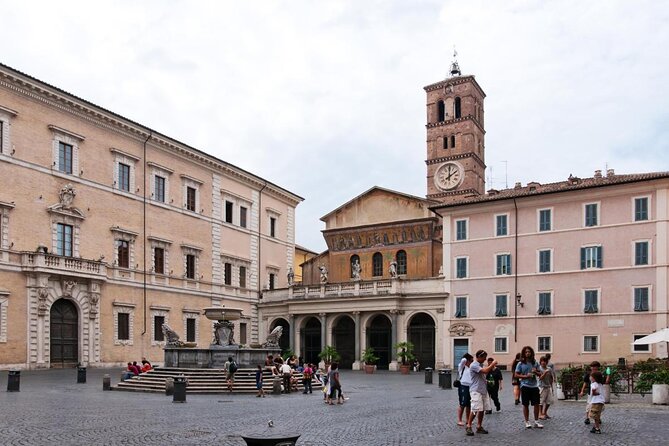
Trastevere is popular for a reason. It’s compact, historic, and packed with street-level habits—little shops, quick bites, and people who know exactly where to go for what they want. This tour leans into that. You’re not bouncing between generic spots; you’re guided to places where the food is the point and the street scene is part of the flavor.
I like that the experience is designed to be a “see and eat” loop. As you walk, you catch medieval architecture and the neighborhood’s everyday rhythm. Then you stop often enough that the whole thing feels like a guided dinner that also teaches you the area.
It’s also a smart way to get your bearings fast. If you’re staying in Rome for a few days, this is the kind of experience that helps you pick restaurants afterward without falling into the obvious traps.
More lanes worth losing an evening in Trastevere
- Winner 2025 Rome Twilight Trastevere Food Tour by Eating Europe
★ 5.0 · 5,157 reviews - Rome Food Tour: Campo de’ Fiori, Ghetto, Trastevere Winner 2024
★ 5.0 · 3,205 reviews - Rome: Guided Food Walking Tour with Wine in Trastevere
★ 4.9 · 3,105 reviews - Rome: Trastevere Food tour with Free-Flowing Fine Wine
★ 5.0 · 2,853 reviews
Meeting up on a local lane, ending where you started
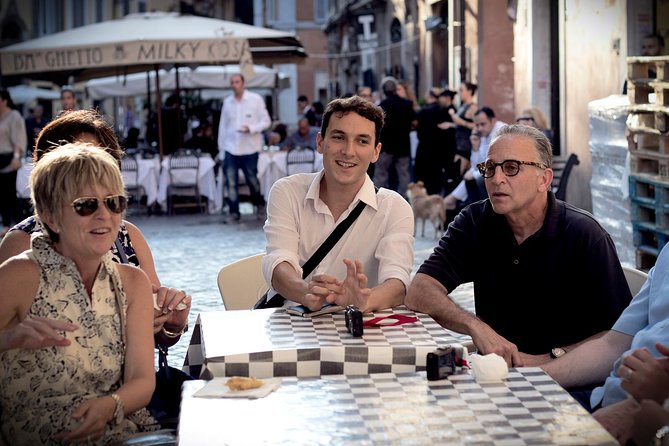
The tour meets at V. di Ponte Quattro Capi, 16, 00186 Roma RM and ends back there. That loop matters because you don’t have to worry about getting separated from your base point once the walking starts to add up.
You’ll also use a mobile ticket, and the tour is offered in English. It runs as a maximum group size of 12 travelers, which is a big deal in Rome. Smaller groups mean less time hovering while you wait to be served and more time actually talking with your guide and the shop owners.
Duration is about 3 hours. It’s long enough to feel like a proper neighborhood experience, but short enough that you won’t lose the whole day.
A 1920 cookie factory stop that starts you crunchy
The first taste is built for momentum: handmade cookies from a cookie factory dating back to 1920. The idea here is simple. Romans have always loved snacks that travel well and taste great with a drink. These are described as crunchy and made with simple ingredients, so you’re not just eating sugar—you’re learning what Italian sweets can be when they keep it basic.
What makes this stop special is the setting. Eating in a historic production space gives you context for why these neighborhoods work. Trastevere isn’t only about famous dishes; it’s about how food is made and where it’s part of daily life.
Practical note: cookies are a warm-up. They’re not the main event, so don’t panic if they feel small. The pacing stays steady and the tour keeps building.
Cheese and cured meats in a century-old shop
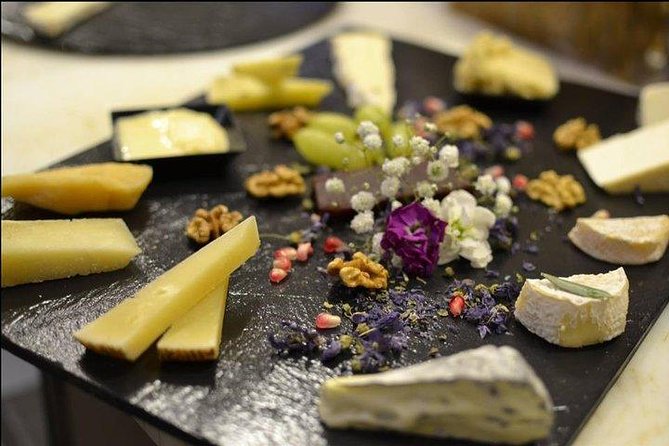
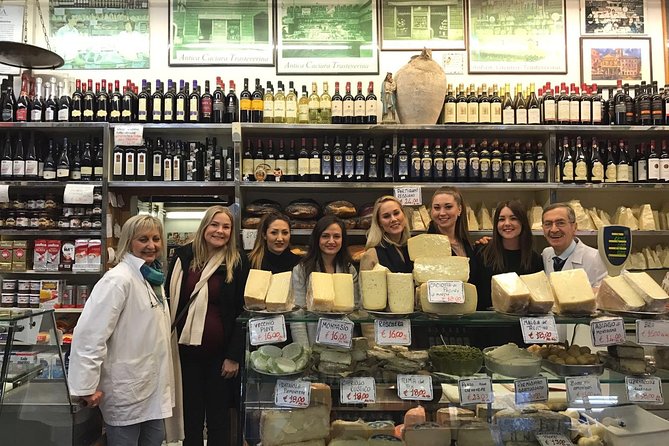
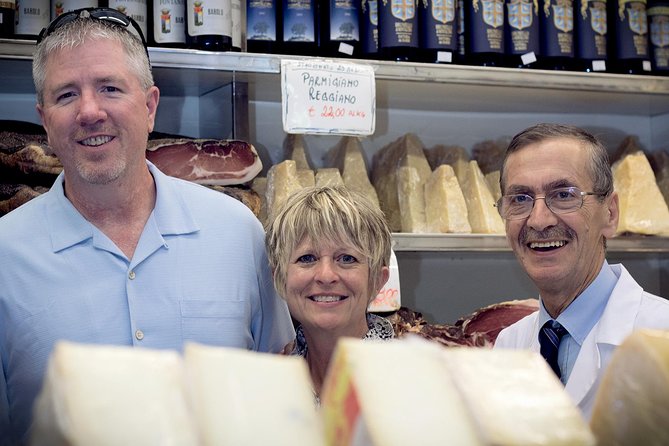
Next comes a classic Roman pairing: a board of cheeses and cured meats. You’ll visit a century-old cheese shop and taste local cheeses in a venue known for both cheeses and meats, located in the center of Rome.
This is the stop where the tour becomes a shortcut to understanding Italian taste. Your guide will help you notice differences in style—how salty, creamy, and aged flavors fit together. It’s also the kind of tasting that makes you better at ordering later, because you start learning what terms and textures actually mean in real life.
One bonus: people seem to love the off-the-beaten-path feel of this portion. It’s not just a tasting; it’s an education in how Romans think about quality and sourcing.



Roman pizza romana (scrocchiarella style) on the street
Then you hit Roman pizza romana, specifically the scrocchiarella style: thin and crunchy, a local favorite. This is a smart move in the itinerary because it gives you a dish that’s easy to understand quickly.
Pizza in Rome isn’t always presented like the same type of pie you might expect from other places. Scrocchiarella is all about crunch and thinness, and it changes your expectations of what a pizza can be in the city.
Alongside the historic vibe, you’ll also get that street-food energy. You’re in motion, the neighborhood is around you, and the food matches the place.
Supplì: the rice ball that tells you Rome’s comfort style
Supplì is next. It’s a rice ball with meat sauce, or sometimes other typical garnishments like cheese and black pepper. If you’ve never had it, think of it as one of those foods that sounds humble but delivers big flavor and satisfying texture.
Why this stop works: it’s a perfect example of Roman street food that’s meant to be handheld. You learn how Romans snack between meals, and you also learn what to look for if you want a quick bite later without booking a sit-down restaurant.
Pasta alla carbonara and the historic inn expectation
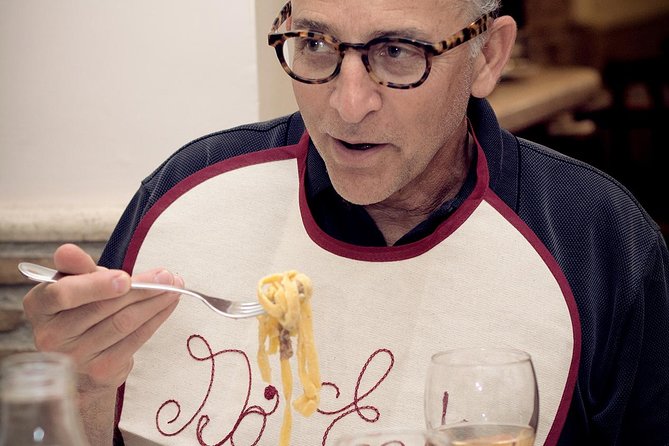
The tour includes pasta alla carbonara as the main dish. It’s described as intensely flavored thanks to Italian bacon, pecorino cheese, and black pepper. This is a key Roman order, and having it on your walk helps you connect the dots between street snacks and proper Roman favorites.
The experience description also sets the expectation of a historic inn for pasta and wine. I’d still go in with flexibility. Food tours often adjust based on what’s available and what’s running smoothly that day. In one case, the expected pasta-and-wine stop didn’t happen as described, and the group ended up with snacks instead. That doesn’t mean it’s the norm, but it’s a reminder: don’t treat any single course as guaranteed beyond what the tour is set up to deliver.
If you care a lot about wine with your pasta, ask your guide on the spot what’s planned for that portion of the route. Your guide is your best source of what’s actually happening that day.
Gelato artigianale: the best kind of finish
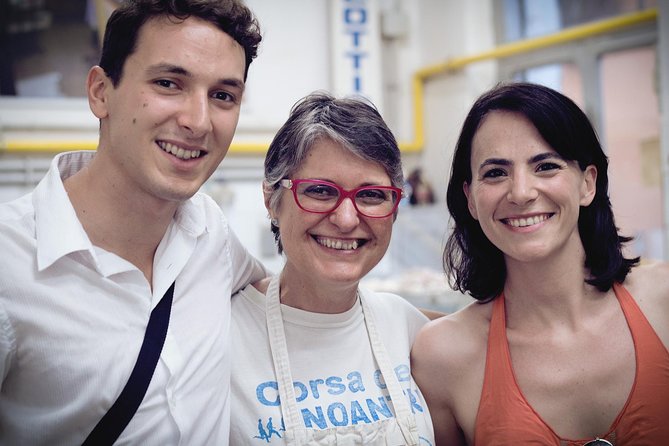
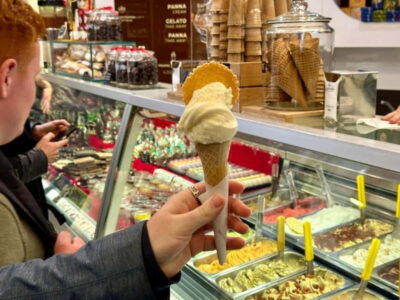
Dessert is artisanal gelato. The tour positions this as one of the best in town, made with natural ingredients. This is a nice design choice because gelato is a logical landing point after savory tastes. You end on something clean, cold, and memorable.
Also, gelato is easy to judge. If the final stop is strong, it usually means the whole tour cared about quality, not just quantity.
If you’re the type who wants to compare gelato later, this stop gives you a reference point. You’ll know what natural ingredients taste like when they’re handled well.
Vegetarian options are planned, not an afterthought
A vegetarian option is possible. That matters because it keeps the experience from turning into a compromise where you’re stuck with side items. You can also request dietary needs like vegetarian/vegan/gluten-free when booking.
One practical tip: when you book, be direct about what you can and can’t eat. Don’t just say vegetarian—also mention if you avoid cheese, eggs, or anything else. Guides handle it best when they have clear instructions early.
What $102.58 really buys you in Trastevere
At about $102.58 per person for roughly 3 hours, you’re not paying just for food. You’re paying for access: the five tasting locations, the guide’s local guidance, and the fact that the stops are arranged so you can eat well without spending hours researching.
Included with your tour:
- 5 different tasting locations
- Water and wine offered at the restaurant (extra drinks aren’t included)
- An English-speaking guide
- A Rome for Foodies’ Guide
- A century-old cheese shop visit with cheeses and cured meat
- Sweets at a cookie factory dating back to 1920
- Roman street-food tasting guidance
- Artisanal gelato as the finish
Value-wise, the “full meal” feel is key. Several experiences in Rome are only a sampler. This one is designed to fill you up enough that you might not need a separate dinner right after—especially if you’re doing the tour earlier in the day or evening.
How much walking is too much?
Expect a fair amount of walking. The tour covers a slice of Trastevere and includes multiple stops, so it’s not a “sit and eat” situation.
One review note that’s worth taking seriously: for some stops, you might eat standing outside by the street. If you’re traveling with older people or someone who doesn’t love standing, plan accordingly. I’d wear shoes you can stand in for a while, and bring a little patience for crowd moments.
The good news: because the group max is 12, it’s usually not chaos. It feels more like a guided neighborhood stroll with food breaks, not a race through checkpoints.
Who this tour is best for
This is a strong fit if:
- You want authentic Roman flavors without building a restaurant plan from scratch.
- You like eating as you walk and learning what to order later.
- You’re visiting for a short stay and want Trastevere context fast.
- You want a smaller-group feel rather than a long bus-tour vibe.
It might be less ideal if:
- You hate standing near street traffic during tastings.
- You want a fully seated meal experience with fixed courses and zero variability.
My bottom line: should you book Taste Rome?
If you’re heading to Rome and you want Trastevere to feel like a neighborhood, not a postcard, I think this tour is worth booking. The best parts are the mix of historic food stops and Roman staples like scrocchiarella-style pizza, supplì, and carbonara—plus a gelato finale that actually feels like dessert, not an afterthought.
Just go in with realistic expectations about movement and possible menu adjustments. If you’re flexible and you like eating in local spots, you’ll get a lot for your time and money.
FAQ
How long is the Trastevere food tour?
The tour lasts about 3 hours (approx.).
What does the tour cost?
The price is listed as $102.58 per person.
What’s included in the tasting?
You’ll have 5 different tasting locations. Water and wine are offered at the restaurant, and your tour includes an English-speaking guide and a Rome for Foodies’ Guide.
Is there a vegetarian option?
Yes. Vegetarian (and also vegan/gluten-free options) are available. You should advise at booking if you need them.
How many people are in the group?
The tour has a maximum of 12 travelers.
Where does the tour start and end?
It starts at V. di Ponte Quattro Capi, 16, 00186 Roma RM, Italy and ends back at the meeting point.
Is there free cancellation?
Yes. You can cancel for a full refund up to 24 hours in advance of the experience start time. After that cutoff, the amount paid is not refunded.
More Tour Reviews in Rome
- Vatican Museums, Sistine Chapel & St. Peter’s Basilica Tour
★ 4.3 · 73,970 reviews - Vatican Museums, Sistine Chapel & St Peter’s Basilica Guided Tour
★ 4.5 · 39,149 reviews - Rome: Colosseum, Palatine Hill and Roman Forum Guided Tour
★ 4.8 · 32,814 reviews - Rome: Guided Tour of Colosseum, Roman Forum & Palatine Hill
★ 4.7 · 27,897 reviews - Rome: Colosseum & Forum with Audio Guide App -Optional Arena
★ 4.2 · 24,770 reviews - Rome: Colosseum, Roman Forum and Palatine Hill Guided Tour
★ 4.5 · 23,903 reviews
Still in Trastevere? Keep Going
- Winner 2025 Rome Twilight Trastevere Food Tour by Eating Europe
★ 5.0 · 5,157 reviews - Rome Food Tour: Campo de’ Fiori, Ghetto, Trastevere Winner 2024
★ 5.0 · 3,205 reviews - Rome: Guided Food Walking Tour with Wine in Trastevere
★ 4.9 · 3,105 reviews - Rome: Trastevere Food tour with Free-Flowing Fine Wine
★ 5.0 · 2,853 reviews - Rome: Trastevere & Campo de Fiori Street Food Walking Tour
★ 4.9 · 2,768 reviews - Rome: Award Winning Trastevere Group Food Tour with Wine
★ 5.0 · 2,273 reviews
Just added to our Rome reviews





Trastevere Tours, compared.
 ★ 5.0Winner 2025 Rome Twilight Trastevere Food Tour by Eating EuropeFrom $1255,157 reviews
 ★ 5.0Rome Food Tour: Campo de’ Fiori, Ghetto, Trastevere Winner 2024From $883,205 reviews
 ★ 4.9Guided Food Walking Tour with Wine in TrastevereFrom $1003,105 reviews
 ★ 5.0Trastevere Food tour with Free-Flowing Fine WineFrom $1022,853 reviews
 ★ 4.9Trastevere & Campo de Fiori Street Food Walking TourFrom $512,768 reviews
 ★ 5.0Award Winning Trastevere Group Food Tour with WineFrom $812,273 reviews
 ★ 4.8Trastevere Street Food Walking Tour with Local ExpertFrom $571,784 reviews
 ★ 4.5Jewish Ghetto and Trastevere Tour RomeFrom $41,729 reviews
Browse the lists this tour appears in