
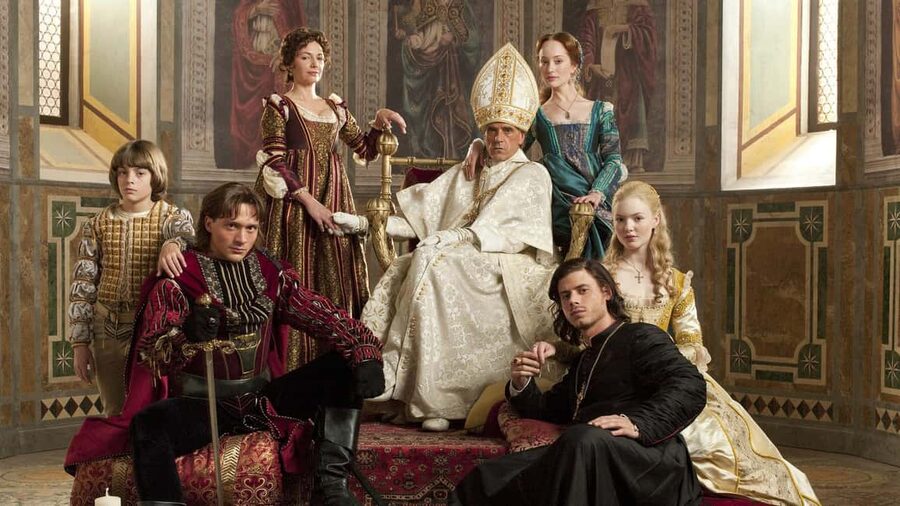
Reviewed · WALKING TOURS
Rome:”The Scandalous Life of The Borgia Family” Walking Tour
Borgia secrets feel close in central Rome. This Scandalous Life of the Borgia Family walk turns Renaissance Rome into a story you can follow with your feet, not just a lecture. I love how the tour links Borgia intrigue to real landmarks you can stand inside and look at, and I also like that Luisa’s style makes the whole period feel human, from politics to rumors to artwork.
The one drawback to keep in mind: this is a dramatic, narrative walk. If you’re the type who wants every date, artist detail, and identification nailed with zero wiggle room, you may want to take a careful, cross-checking approach for a few art-and-identity specifics (especially around famous names and timelines). Also, since the route includes churches, you’ll want church-appropriate dress.
In This Review
- Key things you’ll notice on this Borgia walking tour
- Entering the Borgia story on the Borgia Stairs
- Luisa’s storytelling: how the rumors become a route
- Trajan’s Market and Column: Rome’s empire floor plan
- Piazza Venezia and Palazzo Venezia: the political city center
- Largo di Torre Argentina: the haunting kind of “in the middle”
- Santa Maria Sopra Minerva: church stop, meaning stop
- Cesare’s secret passage idea and the “escape” walk feeling
- Finishing at Piazza Farnese: the last plot twist
- Price and time: does $77 feel fair?
- Logistics that matter: walking pace and what to wear
- Who should book this Borgia walking tour?
- Should you book it or skip it?
- FAQ
- How long is the tour?
- How much does it cost?
- Where is the meeting point?
- Is the tour in English?
- How big is the group?
- Is the tour private?
- Does the tour include church visits?
- What’s included with the price?
- Can I cancel for a refund?
- What sights are part of the walk?
Key things you’ll notice on this Borgia walking tour
- Small group size (max 10): better pace for questions and photos.
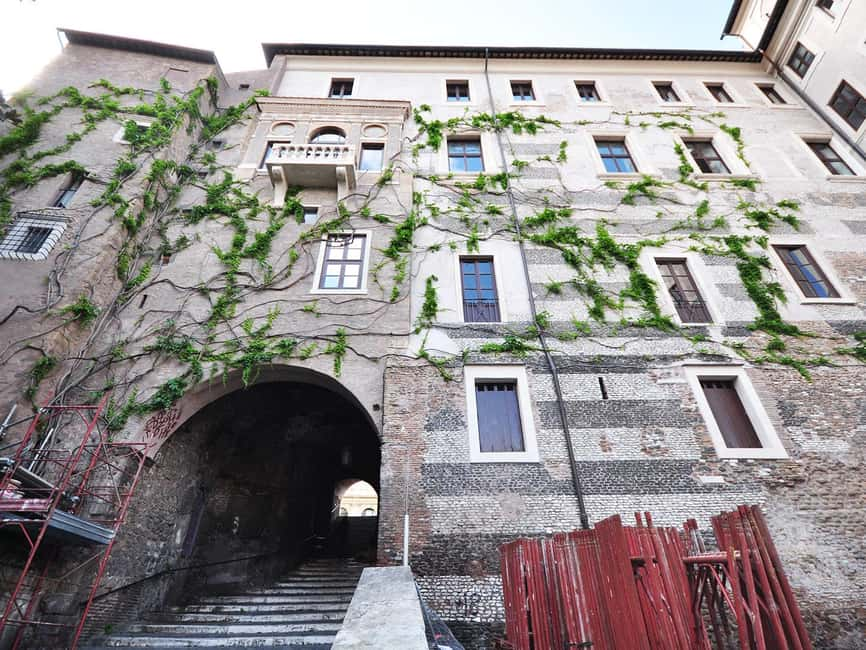
- Start point is easy to find: Via Cavour 256a, right by the big Borgia Stairs.
- It mixes scandal with art: you get both the dark stories and the Renaissance sights.
- You walk through Rome’s layers: ancient ruins, medieval towers, and Renaissance-era power.
- Cesare’s escapes come alive in the streets: you’ll track the idea of secret passages around the ruins.
Entering the Borgia story on the Borgia Stairs
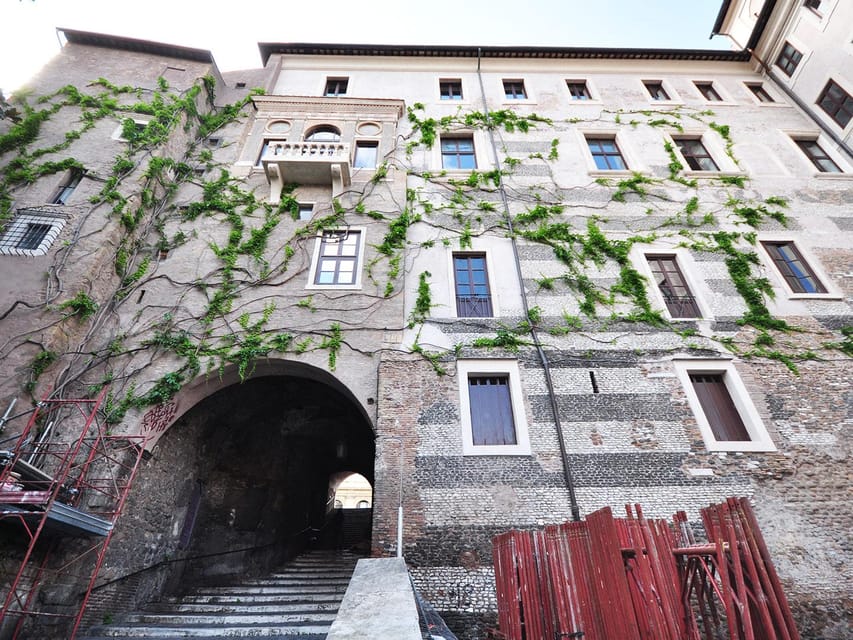
The tour begins at Via Cavour 256a, in front of the famous Borgia Stairs. That first step matters. In Rome, a lot of “history” is just plaques. Here, you start in a place that immediately puts you in the mood of the narrative—stairs, courtyards, and the kind of central-area streets where powerful people could move quietly when they needed to.
From there, you head toward the area connected with the balcony of Raphael. Even if you already know Rome’s big art names, you’re not just ticking boxes. The idea is to connect artistic brilliance to the world that surrounded it—the Renaissance city that produced paintings while the Borgia court carried on with betrayals, ambition, and political risk.
What I like most in the early portion is the balance. You get dark themes—poisoned wine, corrupted priests, revenge—but the route doesn’t forget the visual payoff. You’re still walking through places where art and architecture are front and center, not locked away in a museum room.
Worth a look next to this Rome booking:
- Rome: Guided Food Walking Tour with Wine in Trastevere
★ 4.9 · 3,105 reviews - Rome: Trastevere & Campo de Fiori Street Food Walking Tour
★ 4.9 · 2,768 reviews - Rome: Paranormal Night Walking Tour & Secret Backstreets
★ 4.9 · 1,921 reviews - Rome: Trastevere Street Food Walking Tour with Local Expert
★ 4.8 · 1,784 reviews
Luisa’s storytelling: how the rumors become a route
A huge part of the value here is the guide. Luisa leads the walk in English or Italian, and her delivery tends to make the period feel “pictured.” That’s a real skill. Most walking tours can list facts. This one aims to make you understand how people in 15th-century Rome might think, fear, scheme, and justify what they did.
You’ll hear the scandal framing the whole time: Cesare and Lucrezia Borgia are presented as rulers and players in a city where power was personal. The tour also keeps returning to the same practical question: how did influence work in real streets? Who had access? Who controlled movement? Where could someone hide, escape, or get close enough to cause harm?
If you’re coming from the Borgia TV world, you’ll likely appreciate how the walk turns screen drama into geography. If you’re coming for Renaissance art and want a stronger social context, you’ll like that too. In my view, it’s the “why” behind the art that makes this tour more than a sightseeing stroll.
Trajan’s Market and Column: Rome’s empire floor plan
After the morning mood is set, the walking shifts you into ancient Rome mode. You pass through the area around Trajan’s Market, then stop near Trajan’s Column.
This is not random ancient stop-and-stare. The purpose is contrast. Before the Borgias, before the papal power games you’ll hear about, Rome had already built a habit of projecting authority with stone: markets, monuments, columns that do the work of propaganda.
You get guided time to look and understand what you’re seeing—short, focused moments rather than long museum-style explanations. For me, this works well on a 3-hour schedule. It keeps you moving, and it stops you from getting tired before the good parts of the Borgia story arrive.
Piazza Venezia and Palazzo Venezia: the political city center
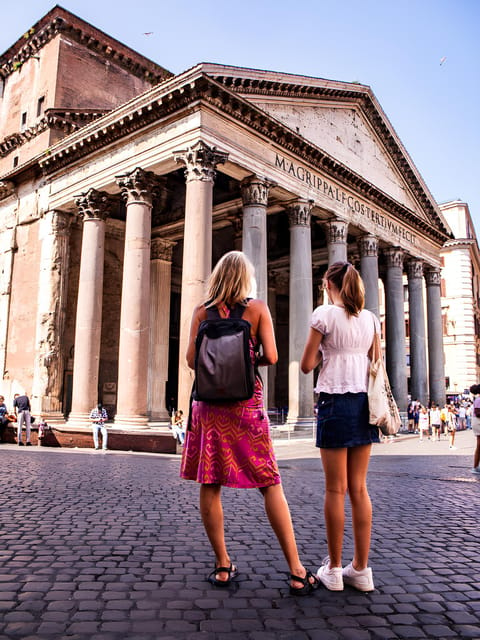
Next you head toward Piazza Venezia and then Palazzo Venezia. This area is a strong anchor point because it sits at the center of Rome’s layers. You can feel the way the city reorganizes itself across time: ancient power, medieval survival, and Renaissance-scale ambition.
On this walk, the art-and-politics link keeps tightening here. You’re learning how Rome’s central spaces functioned as stages, where the people who mattered had proximity to the networks they needed—church power, court access, and the ability to appear close to decisions.
Even if you don’t catch every fine detail, you’ll still feel the logic: the Borgias weren’t operating in a vacuum. They were embedded in a city already built for influence.




Largo di Torre Argentina: the haunting kind of “in the middle”
The route then brings you to Largo di Torre Argentina, with a guided stop. This location hits a sweet spot for the tour’s tone. It’s not just “another old place.” It’s an area that creates a sense of historical interruption—Rome shows you that the past doesn’t politely stay in the background.
In a scandal-focused tour, that atmosphere helps. Stories about mysterious deaths and political betrayal land differently when you’re standing somewhere that feels like the city has layers you can’t fully see at street level.
This is also where I’d recommend you take a slow look around while the guide is talking. It’s easy to walk too fast in Rome. Here, the pace is worth slowing down a bit because the setting does a lot of the storytelling for you.
Santa Maria Sopra Minerva: church stop, meaning stop
One of the practical realities: the tour includes church visits. That means you’ll want to dress appropriately. No one will make it complicated, but it does matter—especially if you’re visiting Rome in warmer months and you’re tempted to wear something too casual for indoor places.
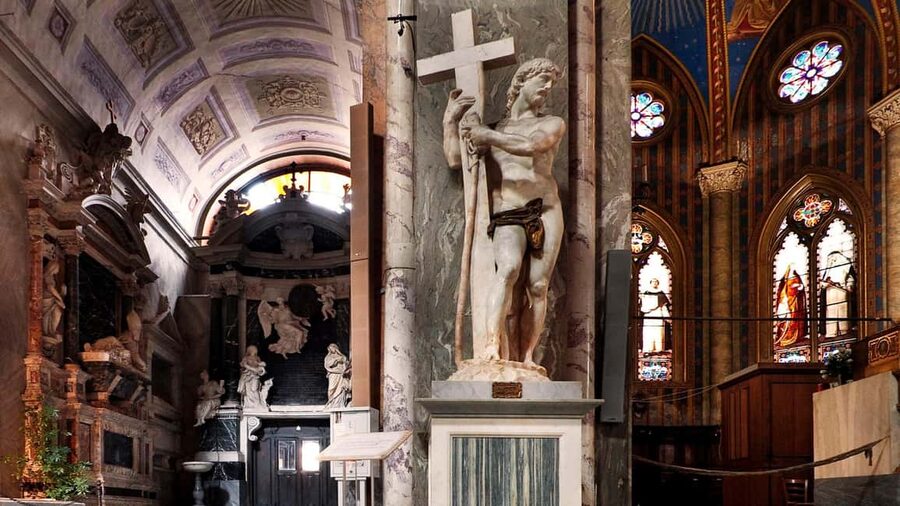
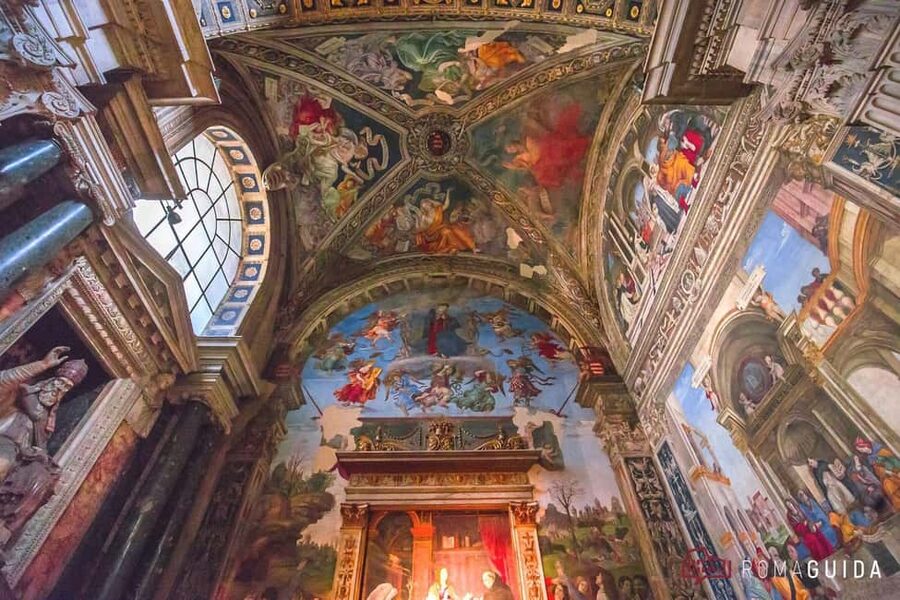
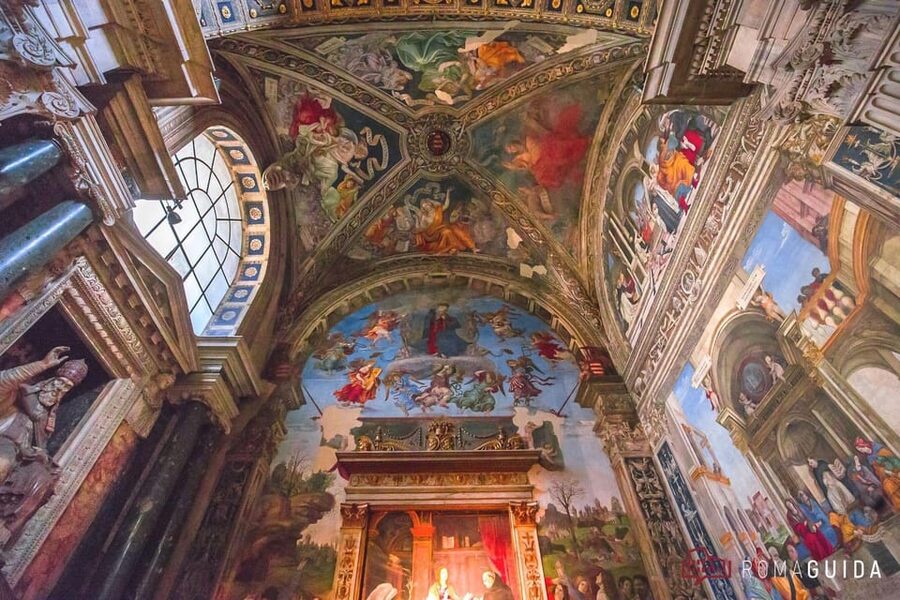
Santa Maria Sopra Minerva is a memorable stop. Churches like this help explain why Renaissance Rome couldn’t separate spirituality from power. The same city that produced extraordinary artwork also produced political theater in religious spaces. Hearing scandal in these surroundings makes the stories feel less like gossip and more like the lived structure of society.
You’ll spend guided time here (about 15 minutes), and it’s long enough to look, ask questions, and understand why the church is part of the larger picture.
Cesare’s secret passage idea and the “escape” walk feeling
One of the more distinctive claims built into the route is Cesare Borgia’s use of secret passages and his escape routes connected to Pope’s soldiers. The walk uses the ruins and surrounding street layout to make that idea feel real—where movement could be hidden, how people could slip away, and why certain areas mattered for escape.
Whether you treat the details as literal “here is the corridor” geography or as a historical concept tied to how power operated, the effect is the same: you start noticing Rome’s structure differently.
You’re walking among the ruins of ancient Rome while the guide points out how the layout could support secrecy. Then you keep moving toward more Renaissance and medieval cues. You end up with a route that feels like a mystery plot, but with real stones under your shoes.
Finishing at Piazza Farnese: the last plot twist
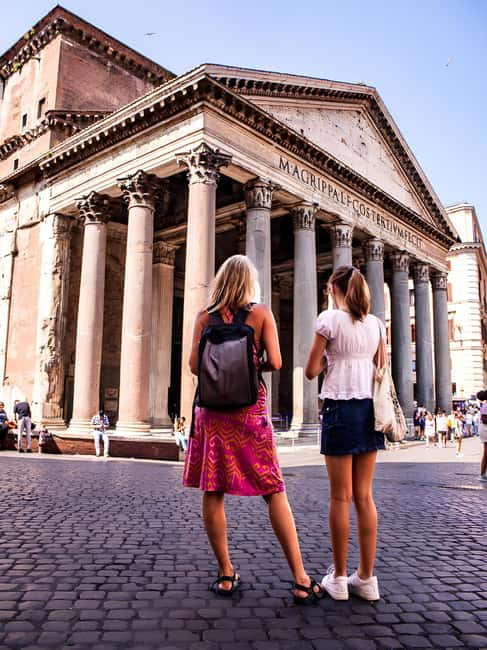
The tour ends at Piazza Farnese. This is a strong way to close because the area has a dignified, Renaissance-feeling backdrop. You’ve spent the morning moving through ancient and medieval Rome with stories about power and danger. Ending in a place like Piazza Farnese gives the mind somewhere to land.
The tour also frames this ending as a last twist. Even if you don’t remember every rumor thread, you’ll remember the overall shape: art, ambition, and scandal moving through the same city spaces.
If you’re planning what comes next, this finish spot is convenient for an easy post-walk coffee or gelato break nearby, depending on your exact schedule.
Price and time: does $77 feel fair?
For $77 per person with a 3-hour duration, the key value is the combination of (1) small group size (limited to 10), (2) a live guide in English or Italian, and (3) a route that keeps you actively looking and listening instead of just wandering.
A shorter, larger-group tour can be cheaper, sure. But if you want the guide to respond to questions—about art, about the Borgias, about how this era worked—small-group pacing helps a lot. You’re also spending time at multiple major Roman layers: ancient ruins, Renaissance-era civic spaces, and a church stop.
So yes, it’s not a budget tour. But it’s also not trying to be a day-long, museum-heavy itinerary. In my view, it fits best if you want a tight hit of Renaissance Rome with the social drama turned up.
Logistics that matter: walking pace and what to wear
This is a walking tour through the historical center of Rome. That means your comfort matters more than people expect.
Wear shoes you already trust. Even if the tour is only 3 hours, Rome’s streets are uneven in places and you’ll want your feet to stay fresh. Also plan for a church visit. Bring something that covers appropriately and lets you sit/stand comfortably for a short guided time.
On a practical level, the meeting point is very clear: Via Cavour 256a, right in front of the big Borgia Stairs. You won’t need a treasure-hunt level scavenger mission to start the day.
Who should book this Borgia walking tour?
This works especially well if:
- You’re fascinated by Renaissance politics and want the human side—ambition, fear, betrayal, and power games.
- You like your history with narrative momentum, not just bullet points.
- You’re a fan of the Borgias and want to connect the story to actual Rome locations.
- You care about art and want it explained with the surrounding context, not treated like an isolated achievement.
You might think twice if:
- You need strict academic precision on every artwork detail and timeline.
- You prefer tours that avoid controversial claims and focus only on widely unchallenged facts.
Either way, the route is designed to keep you moving through the city’s visual layers. You won’t feel trapped in one era.
Should you book it or skip it?
I’d book this tour if you want a story-driven, small-group walk that ties Renaissance art and architecture to the Borgia world—Cesar and Lucrezia included—using Rome’s real geography. The experience is strongest when you’re curious about how power worked in that era and you enjoy learning through atmosphere, not just timelines.
I’d use caution if you’re the kind of traveler who reads art history like a fact-check contest. In that case, still consider it—but go in with the mindset that the tour is part historical interpretation, part dramatic storytelling, and part city stroll.
If you want one simple test: if the idea of walking from Trajan-era monuments to papal-era scandal makes you grin, this tour is for you.
FAQ
How long is the tour?
The tour lasts about 3 hours.
How much does it cost?
The price is $77 per person.
Where is the meeting point?
Meet at Via Cavour 256a, just in front of the big Borgia Stairs.
Is the tour in English?
Yes. The live guide offers English and Italian.
How big is the group?
It’s a small group limited to 10 participants.
Is the tour private?
The experience includes a private and semi-private tour guide. The group is still limited to 10 people.
Does the tour include church visits?
Yes. Since it includes church visits, you should dress appropriately.
What’s included with the price?
A private and semi-private tour guide is included.
Can I cancel for a refund?
You can cancel up to 24 hours in advance for a full refund.
What sights are part of the walk?
You’ll cover places including Trajan’s Market, Trajan’s Column, Piazza Venezia, Palazzo Venezia, Largo di Torre Argentina, Santa Maria Sopra Minerva, and you finish at Piazza Farnese.
More Walking Tours in Rome
- Rome: Guided Food Walking Tour with Wine in Trastevere
★ 4.9 · 3,105 reviews - Rome: Trastevere & Campo de Fiori Street Food Walking Tour
★ 4.9 · 2,768 reviews - Rome: Paranormal Night Walking Tour & Secret Backstreets
★ 4.9 · 1,921 reviews - Rome: Trastevere Street Food Walking Tour with Local Expert
★ 4.8 · 1,784 reviews - Rome: Small-Group Guided Day or Night Walking Tour
★ 4.8 · 1,009 reviews - Rome by Night Walking Tour – Legends & Criminal Stories
★ 4.5 · 1,003 reviews
More Tours in Rome
- Vatican Museums, Sistine Chapel & St. Peter’s Basilica Tour
★ 4.3 · 73,970 reviews - Vatican Museums, Sistine Chapel & St Peter’s Basilica Guided Tour
★ 4.5 · 39,149 reviews - Rome: Colosseum, Palatine Hill and Roman Forum Guided Tour
★ 4.8 · 32,814 reviews - Rome: Guided Tour of Colosseum, Roman Forum & Palatine Hill
★ 4.7 · 27,897 reviews - Rome: Colosseum, Roman Forum and Palatine Hill Guided Tour
★ 4.5 · 23,903 reviews - Rome: Colosseum Arena Floor, Palatine & Forum Guided Tour
★ 4.5 · 20,180 reviews
More Tour Reviews in Rome
- Vatican Museums, Sistine Chapel & St. Peter’s Basilica Tour
★ 4.3 · 73,970 reviews - Vatican Museums, Sistine Chapel & St Peter’s Basilica Guided Tour
★ 4.5 · 39,149 reviews - Rome: Colosseum, Palatine Hill and Roman Forum Guided Tour
★ 4.8 · 32,814 reviews - Rome: Guided Tour of Colosseum, Roman Forum & Palatine Hill
★ 4.7 · 27,897 reviews - Rome: Colosseum & Forum with Audio Guide App -Optional Arena
★ 4.2 · 24,770 reviews - Rome: Colosseum, Roman Forum and Palatine Hill Guided Tour
★ 4.5 · 23,903 reviews
Just added to our Rome reviews





Walking Tours, compared.
 ★ 4.9Guided Food Walking Tour with Wine in TrastevereFrom $1003,105 reviews
 ★ 4.9Trastevere & Campo de Fiori Street Food Walking TourFrom $512,768 reviews
 ★ 4.9Paranormal Night Walking Tour & Secret BackstreetsFrom $341,921 reviews
 ★ 4.8Trastevere Street Food Walking Tour with Local ExpertFrom $571,784 reviews
 ★ 4.8Small-Group Guided Day or Night Walking TourFrom $231,009 reviews
 ★ 4.5Rome by Night Walking Tour – Legends & Criminal StoriesFrom $141,003 reviews
 ★ 4.4Guided City Center Evening Sightseeing Walking TourFrom $46953 reviews
 ★ 4.9Small-Group City Highlights Moonlight Walking TourFrom $29949 reviews
Browse the lists this tour appears in