
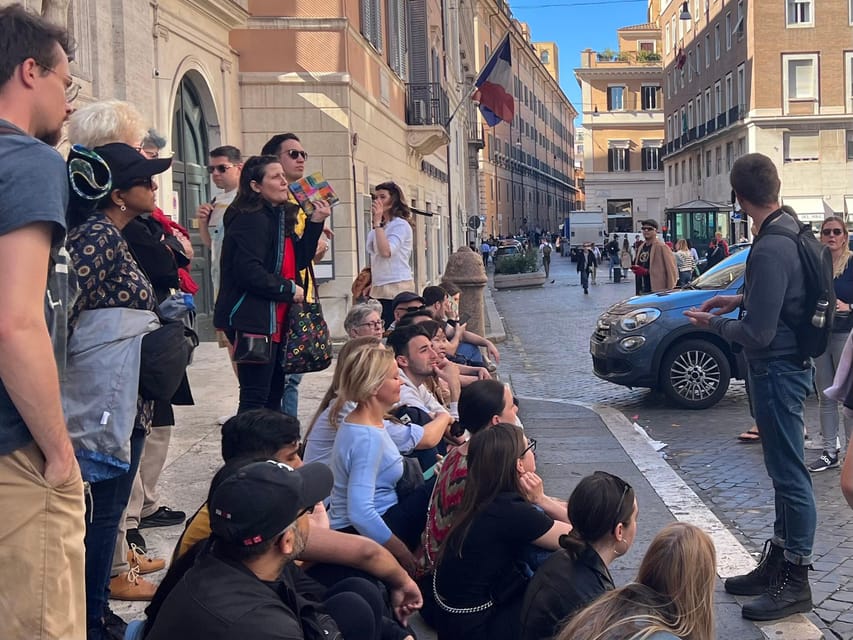
Reviewed · WALKING TOURS
Rome’s Baroque Art Walking Tour: Who Killed Caravaggio?
Caravaggio’s death turns Rome into a case. This 2-hour baroque art walking tour tells the story of who killed Michelangelo Merisi da Caravaggio as you move between open piazzas and cooler churches packed with rare paintings. I love how the guide makes the art feel like evidence, not decoration.
I also like the tone: sharp, theatrical storytelling with dark humor and politically incorrect jokes that keep you paying attention. Plus, you’re not stuck only with the usual postcard stops—you see well-known Rome landmarks alongside lesser-known places tied to the artists and patrons of the era.
One possible drawback: because part of the experience happens in churches, you’ll want to show up ready for the church entry dress expectations, and the humor may not match everyone’s comfort level.
In This Review
- Key highlights to know before you go
- Caravaggio’s Case File: Baroque Art Meets a True-Crime Mystery
- Pay-What-You-Want Tips and the Real Cost of Booking
- Getting Started at Piazza della Minerva (Elephant and Obelisk)
- From the Pantheon Area to Church Stops: Heat, Rain, and Timing
- Short Detours That Keep the Story Moving
- Palazzo Borghese Finish: Where the Mystery Lands
- What You’ll Learn About Caravaggio’s Final Days
- Art Beyond Names: Caravaggio, Rafael, and Plautilla Bricci
- Guides Matter: Iván and Jacobo’s Storytelling Style
- Who This Tour Fits Best (and Who Might Skip It)
- Practical Tips for a Smooth 2-Hour Walk
- Should You Book This Rome Baroque Mystery Walk?
- FAQ
- Where does the tour start?
- Where does the tour end?
- How long is the walk?
- What’s the price?
- Is it in English?
- Is it suitable in bad weather?
- Do I need to dress for church entry?
- How does tipping work?
- Are there options to change plans?
- Can I reserve and pay later?
Key highlights to know before you go
- Pay-what-you-want tips: booking price is low, but your guide earns primarily through tips (usually 10€ to 50$)
- 2 hours, Rome on foot: short walks between piazzas and church interiors, designed for practical sightseeing
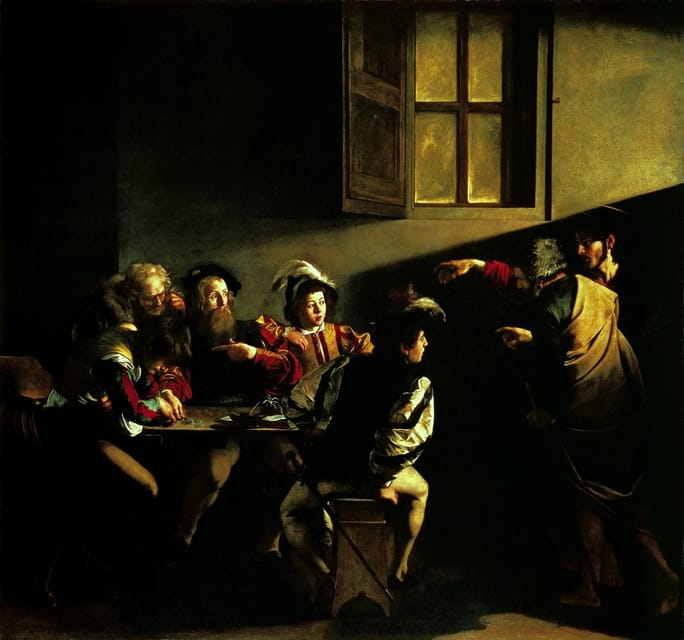
- Caravaggio’s final days: the tour focuses on the mystery of his death using historical evidence and eyewitness accounts, plus modern theories
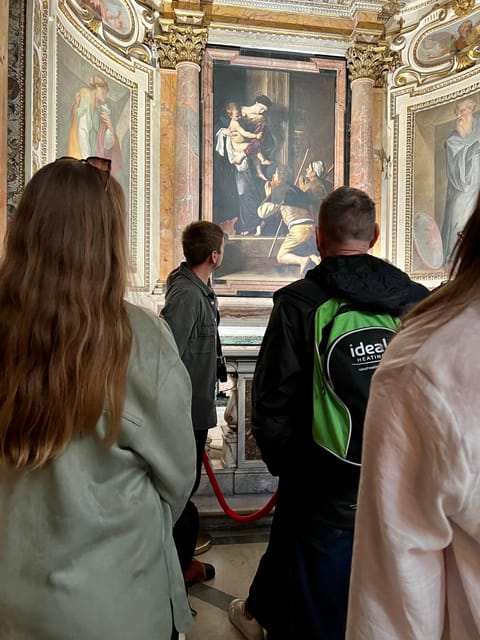
- Major names in real churches: works connected to Caravaggio, Rafael, and Plautilla Bricci
- Lesser-known stops: you’ll catch more off-the-radar corners, not just the biggest monuments
- Storytelling that lands: guides such as Iván and Jacobo are praised for making art history feel like a live investigation
Caravaggio’s Case File: Baroque Art Meets a True-Crime Mystery
This is Rome, but with the volume turned up. Instead of treating baroque art like a quiet lecture, the tour frames it like a case file—especially the unresolved question around Caravaggio’s death. You’re guided through monumental piazzas and atmospheric church interiors, where the guide connects images, patrons, and personalities to a bigger story.
What makes it work is the mix of art and cause-and-effect. You hear how street fights, powerful patrons, rival artists, and criminal enemies shaped both his career and his fate. Then the mystery lands where it should: on the final days, with the guide weighing historical evidence, eyewitness accounts, and modern theories that try to explain what happened.
It’s also the rare kind of tour that aims for an emotional response. You don’t just learn what the paintings are. You learn how people in Rome used art, reputation, and influence—and why Caravaggio’s life and the intensity of his work are tied together.
Worth a look next to this Rome booking:
- Rome: Guided Food Walking Tour with Wine in Trastevere
★ 4.9 · 3,105 reviews - Rome: Trastevere & Campo de Fiori Street Food Walking Tour
★ 4.9 · 2,768 reviews - Rome: Paranormal Night Walking Tour & Secret Backstreets
★ 4.9 · 1,921 reviews - Rome: Trastevere Street Food Walking Tour with Local Expert
★ 4.8 · 1,784 reviews
Pay-What-You-Want Tips and the Real Cost of Booking
The listed price is $3.77 per person, but this is a tip-based format. The guide works on a pay-what-you-want model, meaning your tip is the main part of their pay. The tour info says the usual tip falls between 10€ and 50$.
So the value equation is simple: you’re paying a small amount to reserve your spot, then you decide what the experience was worth after you’ve seen the story in action. If you’re the type who enjoys great guides and wants to support them directly, you’ll likely feel good about this structure. If you prefer a fixed-price model where you don’t think about tipping, this tour might feel a little awkward.
A practical move: set aside your tip budget before you leave your hotel. Even if you pay attention to art, the guide’s job here is storytelling—so if that’s your thing, you’ll likely want to tip closer to the higher end.
Getting Started at Piazza della Minerva (Elephant and Obelisk)
You meet in Piazza della Minerva, by the elephant statue with the obelisk. It’s a great starting point because you immediately get that classic Rome feeling—open space, big architecture nearby, and enough room to orient yourself before you step into churches.
The early stage also acts like a briefing. There’s a photo stop right at the beginning, then a guided introduction as you settle into the tour’s theme: baroque art as message, not just decoration. This is where you learn what to watch for as the story progresses—how the guide expects you to connect paintings to the people and power around Caravaggio.
It matters because a walking tour like this can be intense. Starting with a clear frame helps the rest of the route click fast.
From the Pantheon Area to Church Stops: Heat, Rain, and Timing
This tour is designed to work in any weather. You’ll move between open piazzas and church interiors that offer cooler air, shelter if it rains, and places to sit along the way. That sounds like marketing until you realize the route is built around a common Rome challenge: sunlight and sudden weather swings.
After the Minerva start, you get a quick walk-by of the Pantheon area. The pacing here is deliberate—just enough of a landmark moment to keep the rhythm, without turning the tour into a sprint.
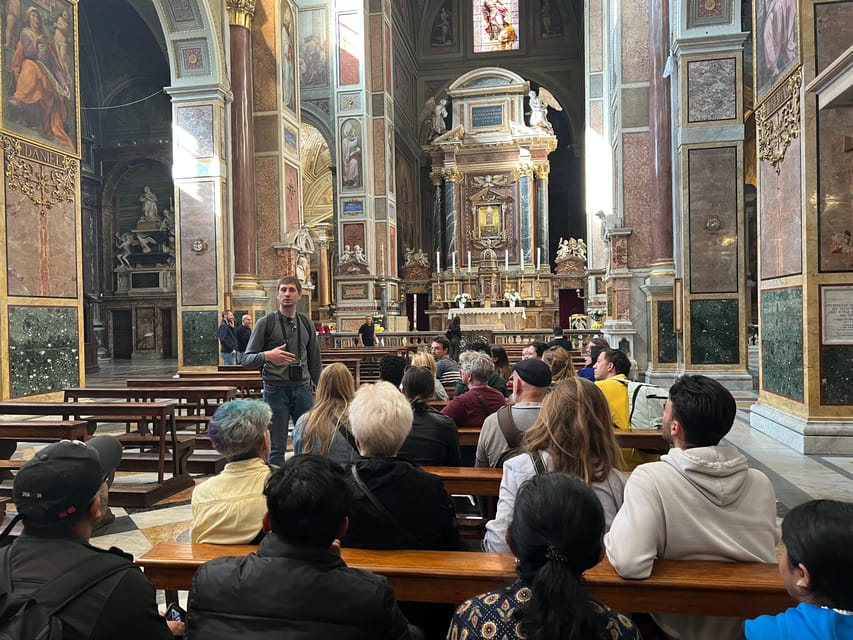
Then the route leans into churches, where the art-hunting payoff is highest. You’ll visit and tour:
- Church of St. Louis of the French (with a photo stop and guided tour)
- Basilica of St. Augustine (guided tour and sightseeing)
These church stops are where you’ll encounter the paintings and the interpretive approach that defines the tour. The experience isn’t only about seeing famous art—it’s about learning to read its meaning through the story lens the guide provides.
Two practical notes for your comfort:
- Dress appropriately for church entry. If you’re not sure what that means, choose something that covers shoulders and knees.
- Expect to spend real time inside. If you’re sensitive to indoor quiet, remember that the guide is talking through the story as you look.




Short Detours That Keep the Story Moving
Between the major church visits and the final destination, you’ll hit additional segments that are short but important for pacing. The schedule includes one extra visit (around 10 minutes) and another photo stop (around 5 minutes), plus short guided stretches where you’re walking and sightseeing as the narrative connects dots.
Think of these moments as “glue.” In a story-driven tour, you can’t linger too long in one place without losing momentum. These quick stops help you keep the mystery front-of-mind, rather than turning everything into a list of buildings.
If you’re the kind of traveler who gets impatient with strict timekeeping, you’ll still probably like this format. The whole thing stays tight at 2 hours, and the stops feel planned around attention spans and weather.
Palazzo Borghese Finish: Where the Mystery Lands
The tour ends at Palazzo Borghese, with both a photo stop and a guided visit earlier on the way there. Ending at a major palace setting gives you a satisfying “close the case” feeling. You’ve spent the walk seeing how art ties to people with power—and you finish at a place that signals status and influence.
It’s also a nice payoff because Palazzo Borghese is a strong contrast to the church interiors. The story of Caravaggio’s life and death isn’t only spiritual or artistic. It’s political and social. Finishing in a palace setting reinforces that.
When the tour wraps, you should feel like you’ve been given a new way to interpret what you’re seeing. That’s the point: you leave with the sense that in Rome, the message behind the art often matters as much as the technique.
What You’ll Learn About Caravaggio’s Final Days
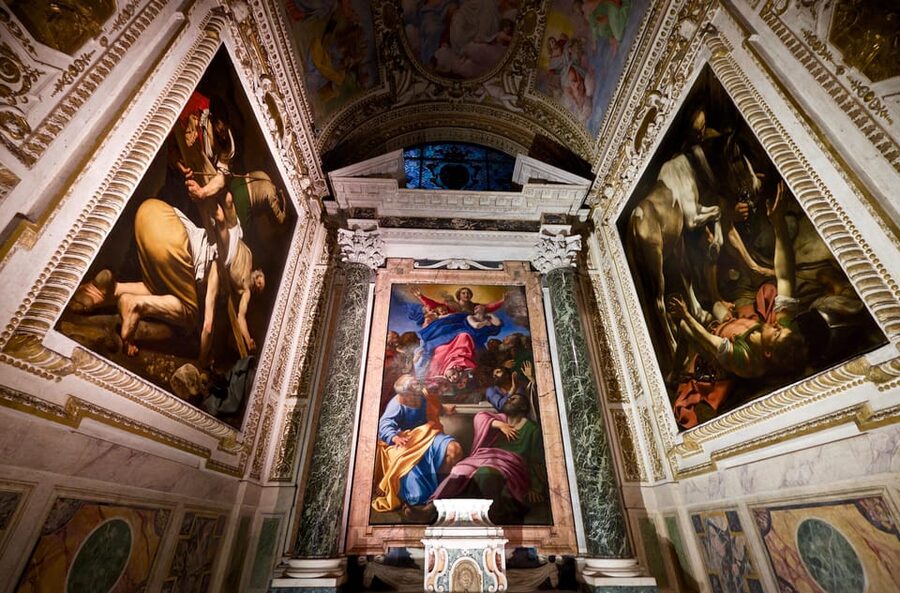
The core of this experience is Caravaggio’s death—and the fact that it remains unclear. You’ll examine circumstances around his final days using:
- historical evidence
- eyewitness accounts
- modern theories
The guide connects those sources to the recurring themes from the earlier parts of his life: trouble, ambition, conflict, and the network of patrons and rivals around him. You also hear how his turbulent life shaped his career and his fate.
And importantly, you don’t get just one theory and call it a day. The tour’s format encourages you to hold multiple ideas in your head, then weigh them as the story unfolds. That’s how it becomes more than standard art history: it becomes a way of thinking.
Art Beyond Names: Caravaggio, Rafael, and Plautilla Bricci
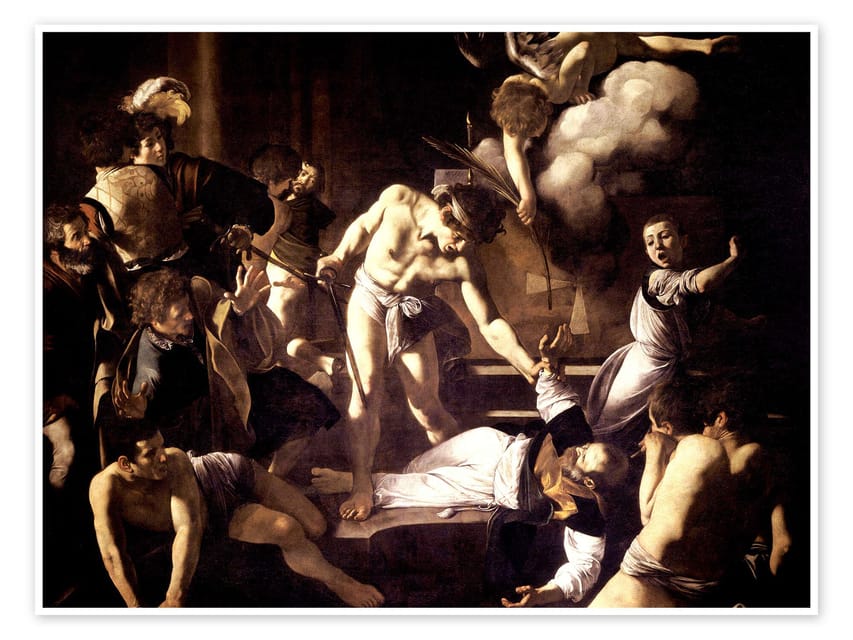
One reason this tour gets such strong reactions is the lineup. You’re not stuck only with Caravaggio. The experience includes paintings connected to Caravaggio, Rafael, and Plautilla Bricci, which broadens the conversation without pulling you away from the main mystery.
That mix helps you see the bigger ecosystem of Roman art. Caravaggio isn’t presented as an isolated genius. He’s shown as part of a world where artists competed, patrons wielded power, and reputations could swing fast. By the time you reach the later stops, you’ll likely notice the guide’s pattern: art history tied to human behavior.
Guides Matter: Iván and Jacobo’s Storytelling Style
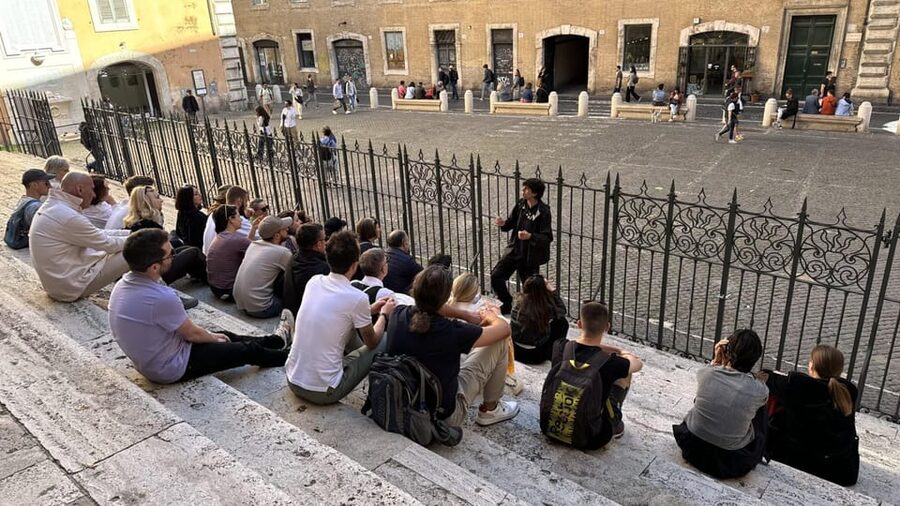
The tour’s success depends heavily on the guide. In the real world, church art can turn into a slow slideshow if the storyteller is passive. Here, the guides are described as passionate and sharp with explanation—people who can make art history feel like a live investigation.
Two guide names come up often: Iván and Jacobo. The praise is consistent: their storytelling makes Caravaggio’s life and works feel understandable and immediate, not distant. One guide’s approach is even described as detective-like, pulling out specific details from archives and books to create momentum.
If you want an art tour where you’re actively thinking—watching, connecting, questioning—this is the type of guide-led performance that works.
Who This Tour Fits Best (and Who Might Skip It)
This tour suits you if:
- you like art history when it has personality and conflict
- you’re interested in Caravaggio’s life and the mystery around his death
- you enjoy tours that mix big landmarks with quieter, lesser-known corners
- you’re okay with dark humor and jokes that can be politically incorrect
You might skip it if:
- you’re only interested in a calm, strictly academic art lecture
- you don’t want humor mixed into the experience
- you’re not prepared to follow church entry dress expectations
That last point matters more than people think. Even if you’re not religious, you still want to respect how churches work for visitors.
Practical Tips for a Smooth 2-Hour Walk
Here are a few things that will make the experience easier from start to finish:
- Arrive early at Piazza della Minerva, by the elephant with the obelisk, so you don’t waste time finding the group.
- Dress so you can comfortably enter churches. If you need a quick fix, plan ahead rather than hoping.
- Use the breaks. The route includes moments to sit and shelter, especially helpful if the weather shifts.
- Think about your tip budget before the tour ends. If the guide delivers the story you came for, tip according to what you feel it was worth.
Also, the tour is in English, runs about 2 hours, and is offered in a way designed for flexible planning (you can reserve first and pay later).
Should You Book This Rome Baroque Mystery Walk?
I’d book it if you want Rome art that feels like a story with stakes. The combination of baroque sites, rare paintings tied to major names, and a true-crime framing around Caravaggio’s unclear death is exactly the kind of contrast that makes a short walking tour memorable.
It’s also a strong value play. The booking price is low, but you’re not getting a low-effort experience—you’re paying for access and then supporting the guide through tips at the end. If you care about great storytelling and you’re comfortable in churches, this one fits.
Skip it only if humor plus church rules is a mismatch for you. Otherwise, it’s a smart way to see Rome and rethink what art can be doing besides looking pretty.
FAQ
Where does the tour start?
The meeting point is in Piazza della Minerva, by the elephant statue with the obelisk. You’ll have a sign with the name of the tour.
Where does the tour end?
The tour finishes at Palazzo Borghese.
How long is the walk?
The experience lasts about 2 hours.
What’s the price?
The listed price is $3.77 per person, and it’s a tip-based tour where your guide mainly earns through tips.
Is it in English?
Yes, the live tour guide provides the tour in English.
Is it suitable in bad weather?
It’s designed to be enjoyed in any weather, moving between open piazzas and cool, atmospheric churches that provide shade and shelter, with some places to sit.
Do I need to dress for church entry?
Yes. The tour advises you to dress appropriately for church entry.
How does tipping work?
It’s tip-based on a pay-what-you-want model. At the end, you give what you think it was worth. The usual tip is between 10€ and 50$.
Are there options to change plans?
Free cancellation is available up to 24 hours in advance for a full refund.
Can I reserve and pay later?
Yes. The tour offers reserve now & pay later, so you can book your spot and pay nothing today.
More Walking Tours in Rome
- Rome: Guided Food Walking Tour with Wine in Trastevere
★ 4.9 · 3,105 reviews - Rome: Trastevere & Campo de Fiori Street Food Walking Tour
★ 4.9 · 2,768 reviews - Rome: Paranormal Night Walking Tour & Secret Backstreets
★ 4.9 · 1,921 reviews - Rome: Trastevere Street Food Walking Tour with Local Expert
★ 4.8 · 1,784 reviews - Rome: Small-Group Guided Day or Night Walking Tour
★ 4.8 · 1,009 reviews - Rome by Night Walking Tour – Legends & Criminal Stories
★ 4.5 · 1,003 reviews
More Tours in Rome
- Vatican Museums, Sistine Chapel & St. Peter’s Basilica Tour
★ 4.3 · 73,970 reviews - Vatican Museums, Sistine Chapel & St Peter’s Basilica Guided Tour
★ 4.5 · 39,149 reviews - Rome: Colosseum, Palatine Hill and Roman Forum Guided Tour
★ 4.8 · 32,814 reviews - Rome: Guided Tour of Colosseum, Roman Forum & Palatine Hill
★ 4.7 · 27,897 reviews - Rome: Colosseum, Roman Forum and Palatine Hill Guided Tour
★ 4.5 · 23,903 reviews - Rome: Colosseum Arena Floor, Palatine & Forum Guided Tour
★ 4.5 · 20,180 reviews
More Tour Reviews in Rome
- Vatican Museums, Sistine Chapel & St. Peter’s Basilica Tour
★ 4.3 · 73,970 reviews - Vatican Museums, Sistine Chapel & St Peter’s Basilica Guided Tour
★ 4.5 · 39,149 reviews - Rome: Colosseum, Palatine Hill and Roman Forum Guided Tour
★ 4.8 · 32,814 reviews - Rome: Guided Tour of Colosseum, Roman Forum & Palatine Hill
★ 4.7 · 27,897 reviews - Rome: Colosseum & Forum with Audio Guide App -Optional Arena
★ 4.2 · 24,770 reviews - Rome: Colosseum, Roman Forum and Palatine Hill Guided Tour
★ 4.5 · 23,903 reviews
Just added to our Rome reviews





Walking Tours, compared.
 ★ 4.9Guided Food Walking Tour with Wine in TrastevereFrom $1003,105 reviews
 ★ 4.9Trastevere & Campo de Fiori Street Food Walking TourFrom $512,768 reviews
 ★ 4.9Paranormal Night Walking Tour & Secret BackstreetsFrom $341,921 reviews
 ★ 4.8Trastevere Street Food Walking Tour with Local ExpertFrom $571,784 reviews
 ★ 4.8Small-Group Guided Day or Night Walking TourFrom $231,009 reviews
 ★ 4.5Rome by Night Walking Tour – Legends & Criminal StoriesFrom $141,003 reviews
 ★ 4.4Guided City Center Evening Sightseeing Walking TourFrom $46953 reviews
 ★ 4.9Small-Group City Highlights Moonlight Walking TourFrom $29949 reviews
Browse the lists this tour appears in