
Reviewed · WALKING TOURS
Rome: Walking Tour of World War 2 in Rome
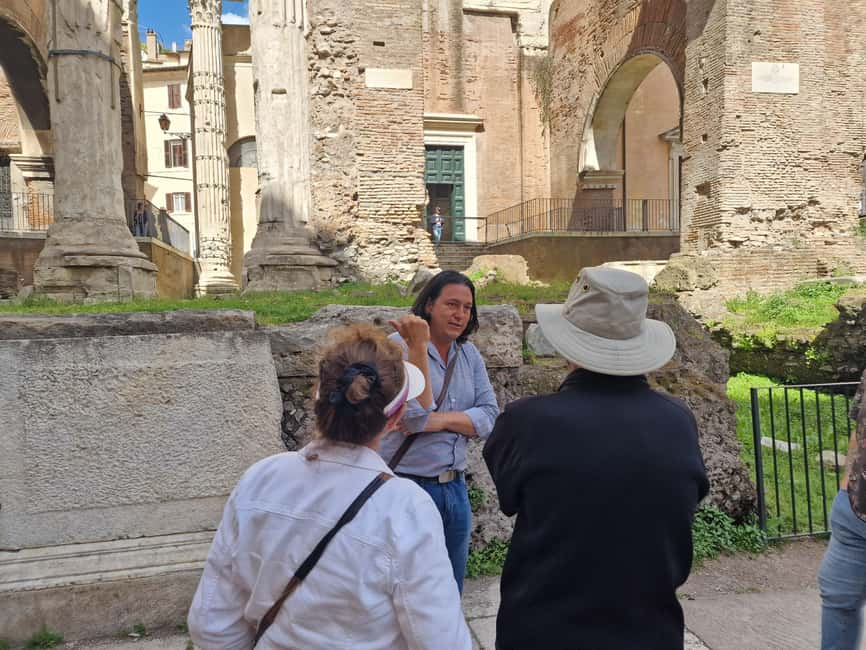
Rome’s WWII past hides in plain sight. This walking tour turns the city’s big-name sights—Trajan’s Column, Piazza Venezia, the Forum, Piazza Navona—into a readable map of Fascism, Nazi occupation, and liberation in June 1944. I love how it spots the small clues most people miss, then links them to what was really happening on the ground. I also like that it makes major monuments feel less like postcards and more like evidence.
What really made the experience work for me was the small group size (up to 10) and the way the guide keeps the story tight without turning it into a lecture. I also appreciated the expert guidance—one guide named James clearly knew his WWII Italy details and handled questions with real confidence. One possible drawback: this is heavy material, and it’s mostly outdoors on foot, so you’ll want comfortable shoes and a good headspace before you start.
In This Review
- Key things that make this Rome WWII tour different
- Why a WWII walking tour makes Rome click
- Meeting near Trajan’s Column: easy to find, no rushing myths
- Piazza Venezia and Mussolini’s balcony: power you can see
- The Roman Forum and Capitoline Hill: when ancient stones get reused
- Jewish Ghetto history: learning the WWII-era story in the city’s actual streets
- Piazza Navona and the Tiber: the Church’s position during Fascism and war
- June 1944 liberation: connecting the last act to what you see now
- Price and pacing: is $88 worth it?
- What to bring so the walk feels good
- Who this WWII Rome walk is best for
- Should you book this Rome: Walking Tour of World War 2?
- FAQ
- How long is the Rome WWII walking tour?
- Where do I meet the guide?
- What time should I arrive for check-in?
- Is the tour in English?
- How big is the group?
- Is the tour wheelchair accessible?
- What should I bring for the walk?
- Can I get a refund if I cancel?
Key things that make this Rome WWII tour different
- Trajan’s Column as the starting point: you begin where Roman history is already visible, then track how later regimes also tried to shape what people saw.
- Piazza Venezia as Mussolini’s stage: the square becomes a real “how power worked” moment, not just a scenic stop.
- The Forum and Capitoline area through a political lens: the route explains how Fascist choices affected what you can still notice today.
- A focused pass through the Jewish Ghetto: you get context for the Jewish community in Rome during the WWII era, tied to the city’s layout.
- Piazza Navona to the Tiber River and the Church: you connect public space and institutions to the Fascist period and the war.
- June 1944 liberation framing: the tour ends by revisiting the moment Nazis fled and the U.S. Fifth Army entered, with jubilation described in plain terms.
Why a WWII walking tour makes Rome click
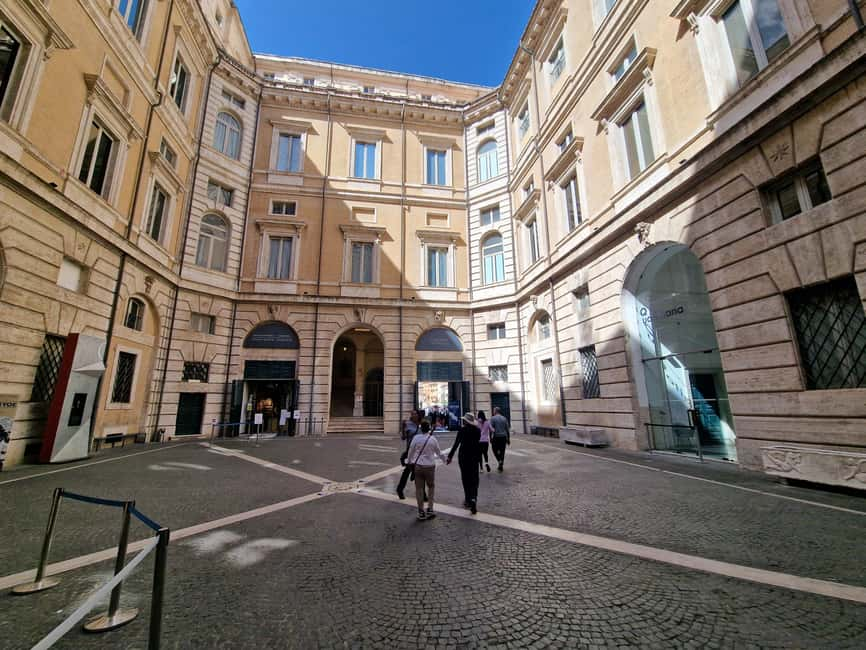
Rome is famous for layers. You’re always brushing up against earlier eras: emperors, popes, Renaissance artists, and more. This tour adds a modern layer that many first-time visitors skip because it’s not as instantly romantic as marble ruins. But once you understand the WWII arc—Fascist rule for twenty years, Nazi occupation for nine months, then liberation in June 1944—the city stops being just “old.” It becomes a place where politics left marks.
The big value here is context. You’ll walk past landmarks you may already recognize, then suddenly they stop being static. They become part of a story about propaganda, public rituals, persecution, and how institutions tried to survive (or take advantage) of the moment. If you like history that explains why buildings and streets look the way they do, you’ll probably feel that Rome becomes easier to read fast.
Worth a look next to this Rome booking:
- Rome: Guided Food Walking Tour with Wine in Trastevere
★ 4.9 · 3,105 reviews - Rome: Trastevere & Campo de Fiori Street Food Walking Tour
★ 4.9 · 2,768 reviews - Rome: Paranormal Night Walking Tour & Secret Backstreets
★ 4.9 · 1,921 reviews - Rome: Trastevere Street Food Walking Tour with Local Expert
★ 4.8 · 1,784 reviews
Meeting near Trajan’s Column: easy to find, no rushing myths
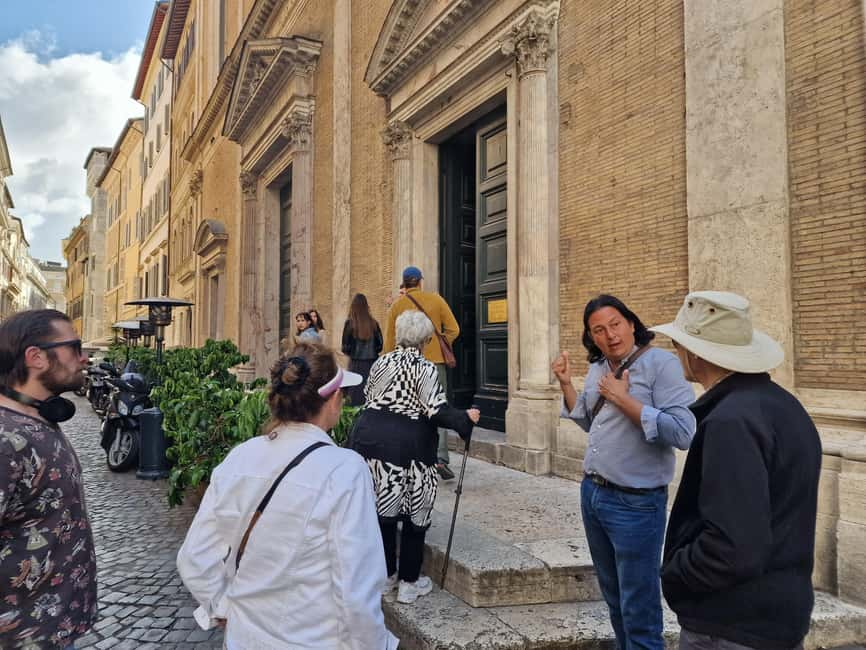
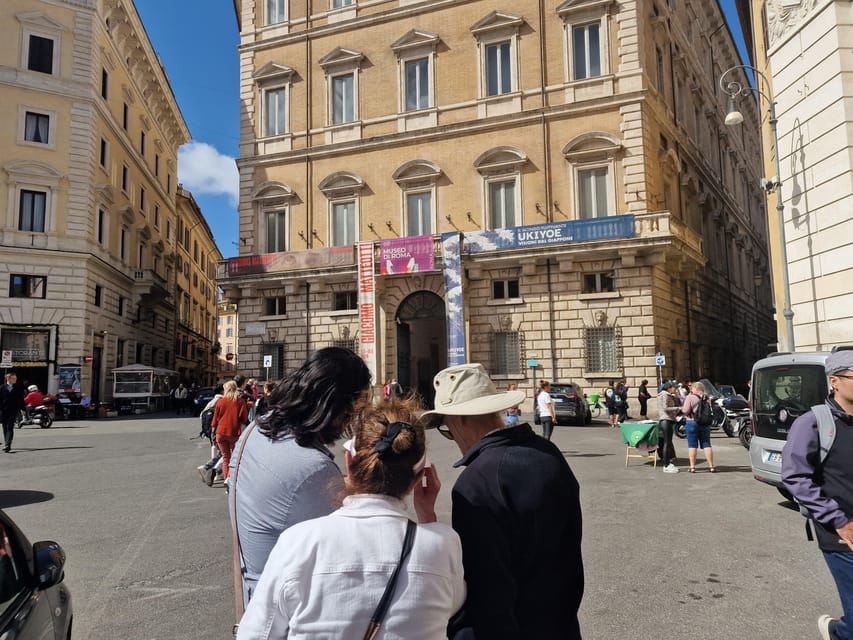
You meet your guide near Piazza Venezia, with the tour starting at Trajan’s Column. The guide stands in front of the cafe at Trajan’s Column along the fencing, holding an orange sign with a lion head. That detail matters because this tour departs promptly, and the guide won’t slow down for latecomers.
Plan to check in 15 minutes early. This isn’t a “wander in whenever” kind of activity. It also helps you settle in before the story begins, which is useful because the first minutes set the tone for the rest of the walk.
Practical note: you’re in central Rome, so you’ll be surrounded by crowds and motion. Still, with a small group you get a better chance to hear explanations clearly and look closely at what the guide points out.
Piazza Venezia and Mussolini’s balcony: power you can see
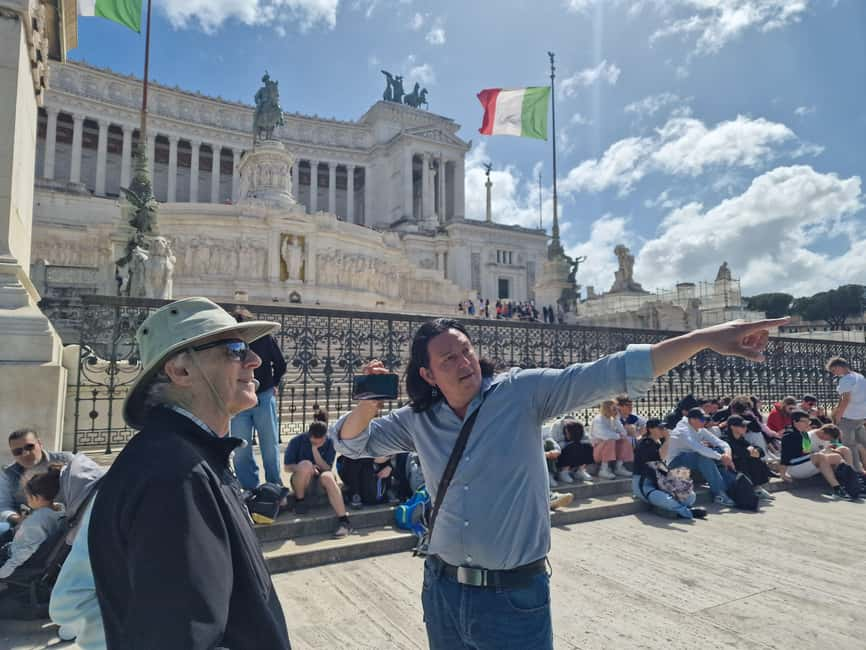
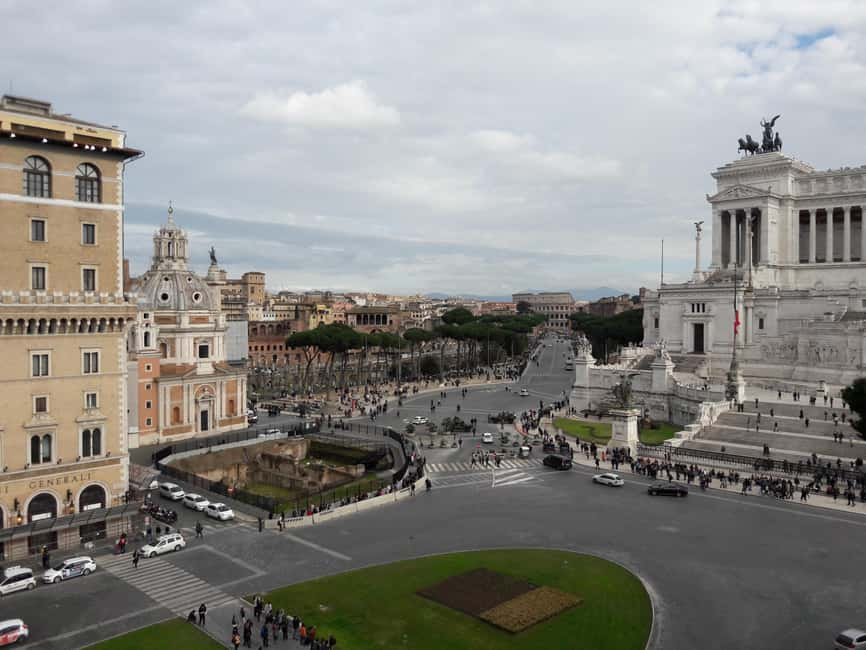
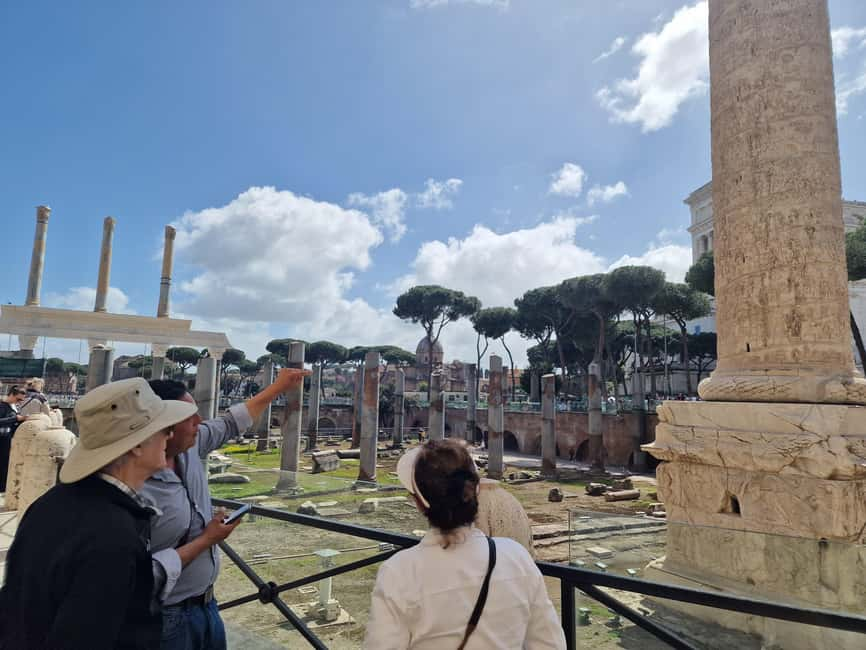
A quick jump from Trajan’s Column brings you to Piazza Venezia. This is where the tour really teaches you how to read a space. The square isn’t just famous because it’s photogenic. It’s famous because it was used as a stage—especially in Fascist Italy.
You’ll connect what you see now to what people experienced then, including the fact that Mussolini addressed thousands from the famous balcony overlooking the square. That one detail helps everything else click. When you later spot other Fascist-era touches around central Rome, you’ll remember this: propaganda wasn’t only written on posters. It was performed in public, in massive outdoor rooms where the city itself acted like the backdrop.
If you’ve spent time in Rome only chasing famous facades, this stop can change your whole approach. You start noticing sightlines, “why here,” and how crowds were meant to gather. That’s a skill you’ll carry through the rest of your trip.
The Roman Forum and Capitoline Hill: when ancient stones get reused
Next comes the Ancient Roman Forum area, plus the Capitoline Hill zone as the route develops. This section matters because it shows how Fascists used Rome’s antique identity as a tool. The guide explains how Mussolini’s obsession with ancient Rome shaped the modern city—meaning the regime wasn’t only interested in ruling people. It wanted to control the story of Rome itself.
You can still see the aftereffects in the way certain areas were treated and what was emphasized. Even if you don’t know a lot of Roman archaeology, you’ll understand the logic: if you want legitimacy, you point to “the empire.” And then you reorganize the present so it looks like it’s continuing the past.
I also appreciated that the tour doesn’t treat the Forum like a textbook. It frames it as a place where later power tried to claim symbolism. When the guide connects that to what you see around you, the Forum stops being only beautiful ruins. It becomes a political stage that just happens to be older than WWII.




Jewish Ghetto history: learning the WWII-era story in the city’s actual streets
From the Forum area, you move through the Jewish Ghetto. This part is valuable because the Jewish community isn’t just mentioned as a footnote. You get the history of that community in Rome and how the WWII era reshaped life and safety.
A walking route through the neighborhood is important here. Many WWII histories get told far from the geography. This tour gives you the geography back. You can understand how neighborhoods, boundaries, and public visibility influence what people can hide, flee, or survive. And since you’re in central Rome, the “then vs now” contrast is immediate: you see a historic area that still exists as a living part of the city.
If you want your WWII knowledge to feel grounded and not just abstract, this is the stop that helps the most.
Piazza Navona and the Tiber: the Church’s position during Fascism and war
Then you head through Piazza Navona and onward toward the Tiber River. Here the focus shifts from Mussolini’s public spectacle to the wider institutions and moral politics around the war years. The guide discusses the Church’s position during the Fascist period and the war, connecting ideology, authority, and how power navigated a changing Europe.
Piazza Navona works as a bridge. It’s visually recognizable, so it keeps you oriented while the discussion moves into harder territory. And the Tiber River area brings a different kind of atmosphere—less “ceremony” and more about how Rome’s lifelines and landmarks fit into the story.
You don’t need to be religious to appreciate this segment. You just need to be curious about how institutions respond when politics tightens. Watching the tour connect that to the places you’re walking through is where you’ll feel the value most.
June 1944 liberation: connecting the last act to what you see now
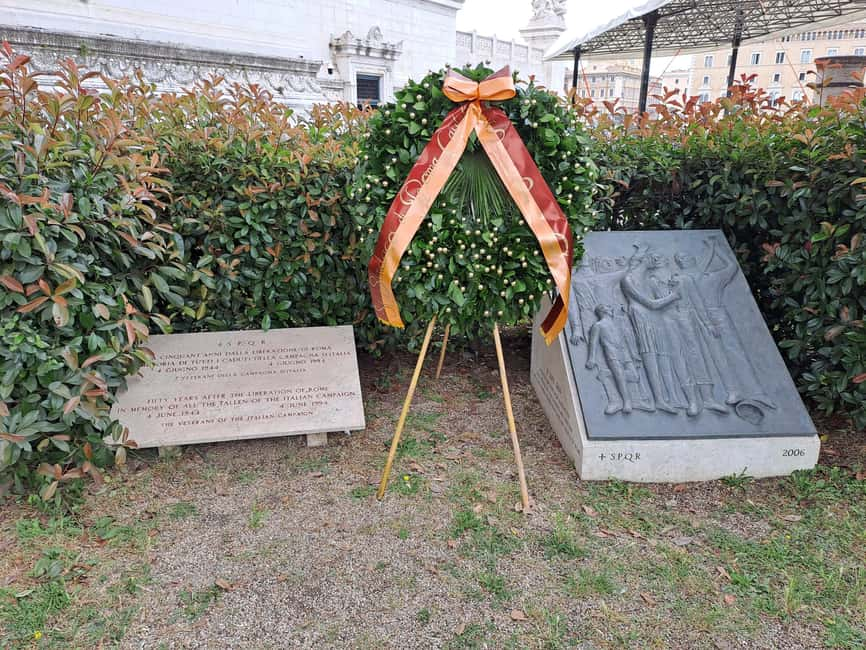
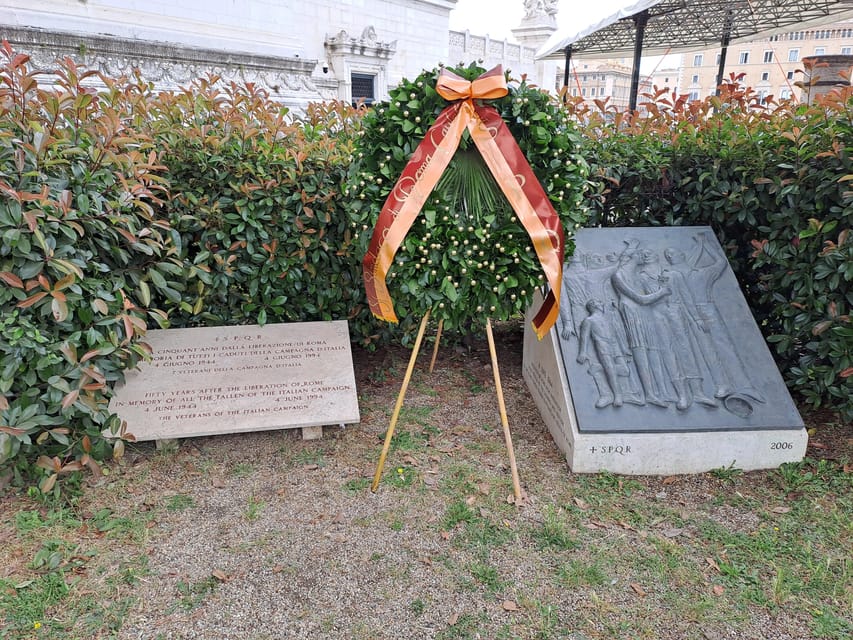
One of the strongest reasons to book this tour is the way it closes the WWII arc. By the time you reach the June 1944 discussion, the guide brings you back to the day Nazis fled Rome and the U.S. Fifth Army entered, described with scenes of mass jubilation.
That framing matters. It gives the story an ending that’s more than dates on a timeline. It also helps you notice that Rome’s WWII history isn’t only about destruction and oppression. It’s also about relief, uncertainty, and the messy shift from occupation to liberation.
If you’ve been sightseeing for days, this closing segment can feel like someone finally explained what all the “mysterious context” really meant. Suddenly, what you saw earlier on the walk feels less random and more like a sequence.
Price and pacing: is $88 worth it?
At $88 per person for a 2.5-hour walk, the price isn’t bargain-basement, but it also isn’t out of line for an expert-led, small-group experience centered on a specialized theme. The value comes from three things: the focused route, the guide’s WWII Italy expertise, and the fact that you’re learning at a walking pace through central Rome’s most interpretable landmarks.
You’re paying for more than movement. You’re paying for a guided “translation” of the city’s layers—especially the parts that don’t scream WWII. If you like history, you’ll probably find this price fair because you’re not spending it on yet another generic tour where the guide points at obvious sights and keeps moving.
Pacing-wise, 2.5 hours is long enough to build a real story but short enough to keep energy up. You’ll still cover a good amount of ground, so it’s not the best choice if you’re already tired or have very limited mobility.
What to bring so the walk feels good
This is an outdoor Rome walk, and the guidance is simple: pack for comfort. I’d treat it like a typical summer city stroll, even if you’re planning to dress historically neat.
Bring:
- Bottled water
- Sunscreen, hat
- Umbrella (weather can change)
- Comfortable walking shoes
- A shoulder cover if you enter churches
Tours proceed in all weather conditions unless authorities close a site for safety reasons. That means you’ll want a plan for rain. If you forget the basics—water or shade, for example—you’ll feel it by the later stops.
Also dress warmly in colder months. Rome can shift quickly with temperature, and the tour still runs.
Who this WWII Rome walk is best for
This tour fits you well if you want more than skyline pictures. I’d recommend it if you’re the type who likes to understand why people gathered where they did, how public spaces were used, and how governments used art, monuments, and “heritage” to legitimize themselves.
It’s also a good match for anyone who wants to see both the famous and the overlooked. You’ll start with major landmarks, but the real payoff comes when the guide points out the signs that don’t register instantly as WWII references.
If WWII history is not your thing, you may find the subject matter intense. The story is about Fascism, Nazi occupation, and liberation—so keep expectations realistic. If you’re comfortable with serious historical topics and want context that stays tied to place, you’ll likely enjoy it.
Should you book this Rome: Walking Tour of World War 2?
My call: yes—if you want Rome to feel understandable, not just impressive. The combination of central sights plus WWII framing is exactly what makes this tour useful. You’ll get a clearer sense of how Fascist and Nazi-era politics can be traced through streets, monuments, and symbolism—and then you’ll close with the emotional final act of June 1944.
Skip it only if you’re looking for a light, purely scenic afternoon. This is a thinking walk. It’s also a good use of time because the route ties together multiple themes—politics, public power, Jewish community history, and the Church’s position—without leaving you lost in dates.
If your goal is to leave Rome feeling like you truly understand what you saw, this is the kind of tour that helps that happen.
FAQ
How long is the Rome WWII walking tour?
The tour lasts 2.5 hours.
Where do I meet the guide?
Meet near Trajan’s Column at the cafe, along the fencing. The guide holds an orange sign with a lion head.
What time should I arrive for check-in?
Check in 15 minutes before the scheduled tour time, since tours depart promptly.
Is the tour in English?
Yes, the live guide speaks English.
How big is the group?
It’s a small group limited to 10 participants.
Is the tour wheelchair accessible?
Yes, the tour is wheelchair accessible.
What should I bring for the walk?
Wear comfortable walking shoes and consider a shoulder cover if you plan to go inside churches. It’s also recommended to bring bottled water, sunscreen, a hat, and an umbrella.
Can I get a refund if I cancel?
You can cancel up to 24 hours in advance for a full refund.
More Walking Tours in Rome
- Rome: Guided Food Walking Tour with Wine in Trastevere
★ 4.9 · 3,105 reviews - Rome: Trastevere & Campo de Fiori Street Food Walking Tour
★ 4.9 · 2,768 reviews - Rome: Paranormal Night Walking Tour & Secret Backstreets
★ 4.9 · 1,921 reviews - Rome: Trastevere Street Food Walking Tour with Local Expert
★ 4.8 · 1,784 reviews - Rome: Small-Group Guided Day or Night Walking Tour
★ 4.8 · 1,009 reviews - Rome by Night Walking Tour – Legends & Criminal Stories
★ 4.5 · 1,003 reviews
More Tours in Rome
- Vatican Museums, Sistine Chapel & St. Peter’s Basilica Tour
★ 4.3 · 73,970 reviews - Vatican Museums, Sistine Chapel & St Peter’s Basilica Guided Tour
★ 4.5 · 39,149 reviews - Rome: Colosseum, Palatine Hill and Roman Forum Guided Tour
★ 4.8 · 32,814 reviews - Rome: Guided Tour of Colosseum, Roman Forum & Palatine Hill
★ 4.7 · 27,897 reviews - Rome: Colosseum, Roman Forum and Palatine Hill Guided Tour
★ 4.5 · 23,903 reviews - Rome: Colosseum Arena Floor, Palatine & Forum Guided Tour
★ 4.5 · 20,180 reviews
More Tour Reviews in Rome
- Vatican Museums, Sistine Chapel & St. Peter’s Basilica Tour
★ 4.3 · 73,970 reviews - Vatican Museums, Sistine Chapel & St Peter’s Basilica Guided Tour
★ 4.5 · 39,149 reviews - Rome: Colosseum, Palatine Hill and Roman Forum Guided Tour
★ 4.8 · 32,814 reviews - Rome: Guided Tour of Colosseum, Roman Forum & Palatine Hill
★ 4.7 · 27,897 reviews - Rome: Colosseum & Forum with Audio Guide App -Optional Arena
★ 4.2 · 24,770 reviews - Rome: Colosseum, Roman Forum and Palatine Hill Guided Tour
★ 4.5 · 23,903 reviews
Just added to our Rome reviews





Walking Tours, compared.
 ★ 4.9Guided Food Walking Tour with Wine in TrastevereFrom $1003,105 reviews
 ★ 4.9Trastevere & Campo de Fiori Street Food Walking TourFrom $512,768 reviews
 ★ 4.9Paranormal Night Walking Tour & Secret BackstreetsFrom $341,921 reviews
 ★ 4.8Trastevere Street Food Walking Tour with Local ExpertFrom $571,784 reviews
 ★ 4.8Small-Group Guided Day or Night Walking TourFrom $231,009 reviews
 ★ 4.5Rome by Night Walking Tour – Legends & Criminal StoriesFrom $141,003 reviews
 ★ 4.4Guided City Center Evening Sightseeing Walking TourFrom $46953 reviews
 ★ 4.9Small-Group City Highlights Moonlight Walking TourFrom $29949 reviews
Browse the lists this tour appears in