
Reviewed · VATICAN MUSEUMS TOURS
Rome: Vatican Museums, Sistine Chapel & St. Peter’s Tour
The Vatican moves fast, and this tour helps you keep up. With fast-track entry into the Vatican Museums and a licensed guide, you get a smart route through the big-ticket sights without spending your morning stuck in lines.
I also like the practical add-ons. Headsets help you hear the guide clearly in packed rooms, and the stops are timed so you see the places that matter most, like the Gallery of Maps and the Sistine Chapel ceiling.
One drawback to plan for: St. Peter’s Basilica is self-guided, so you won’t get a full guided lecture inside, and crowd flow can make the pace feel a bit rushed (especially if you’re sensitive to heat).
In This Review
- Key highlights and what they mean for you
- Skip-the-Line Value and what 2.5 hours buys you
- Before you go: security, dress code, and the rules that can slow you down
- Meeting point and getting oriented near the Vatican Museums
- Vatican Museums route: what each stop is really for
- Gallery of the Candelabra and the mood-setter effect
- Cortile del Belvedere: where size becomes the lesson
- Museo Pio Clementino: ancient sculpture with a reason to exist
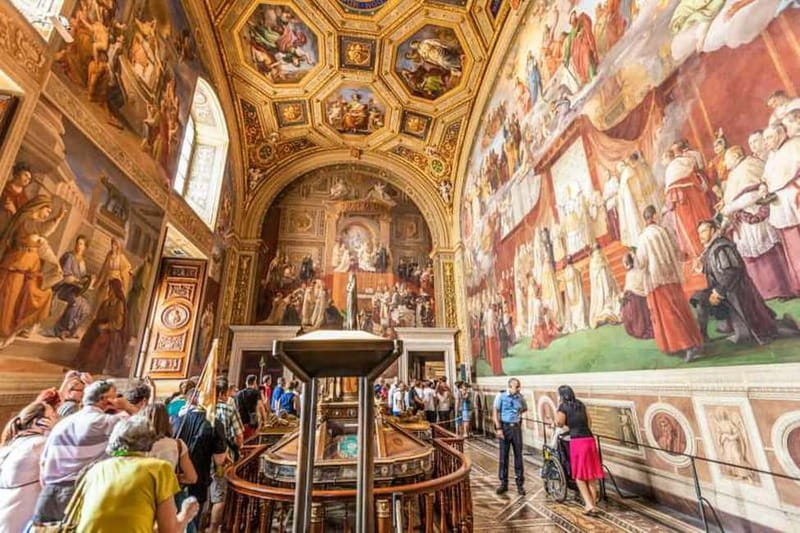
- Gallery of Maps and the “world in miniature” idea
- Raphael Rooms: the narrative engine of the museums
- Sistine Chapel with priority access: how to see more than the obvious
- St. Peter’s Basilica: priority entry, but self-guided time
- Price and what you’re actually paying for at $88
- Who this tour suits best, and who should reconsider
- Should you book this Vatican Museums, Sistine Chapel & St. Peter’s Tour?
- FAQ
- How long is the Vatican Museums, Sistine Chapel and St. Peter’s tour?
- Where do I meet for the tour?
- Does the tour really skip the line?
- What is included in the price?
- Is St. Peter’s Basilica guided or self-guided?
- What should I wear?
- What should I bring?
- Can I bring a backpack or use flash photography?
- Is the tour suitable for children or wheelchair users?
- What happens if St. Peter’s Basilica is closed during the tour?
Key highlights and what they mean for you
- Fast-track entry + priority access gets you inside quicker, then lets you spend more time actually looking
- Headsets make a big difference when hallways get crowded
- Gallery of Maps and big sculpture rooms help you understand how the Vatican “tells stories” with art and objects
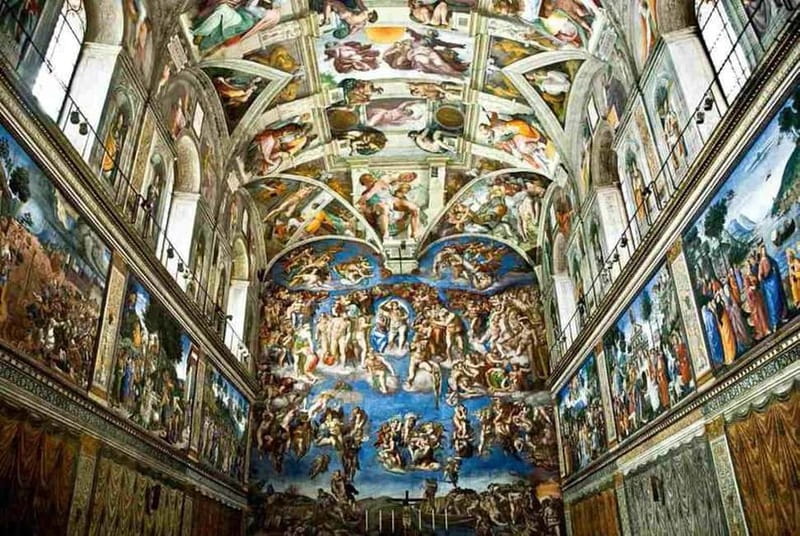
- Sistine Chapel ceiling and The Last Judgment are handled with clear, symbolism-focused explanations
- St. Peter’s Basilica is self-guided after the guide drops you, so you control your pace
- You still pass through express security and must follow the dress rules and no-backpack rules
Skip-the-Line Value and what 2.5 hours buys you
Paying for a Vatican tour is mostly about time. The Vatican Museums can chew up your day with slow-moving lines and confusion. This experience is built for efficiency: express security, fast-track entry, and a guided route that takes you to the big rooms without wandering.
At 2.5 hours, you’re not getting every hallway and corridor. You’re getting the high-impact highlights, plus enough context to make them stick. That matters, because the Vatican isn’t just a collection of famous images. It’s an organized message—art, symbolism, and power arranged so you feel the themes, not just the scenes.
You’ll also feel the value if you’re the type who wants to learn while you walk. Guides like Hannah and Jada come up again and again in the feedback for clear delivery, while Shak is noted for being loud enough to hear even early in the day’s chaos. If you’ve ever been in a museum where you keep nodding but forget everything five minutes later, this setup helps you avoid that.
Still, manage expectations. The schedule is tight, and a few reviews note that things can run shorter than advertised or feel rushed in busy stretches. That’s the tradeoff for skipping time spent waiting outside.
Other ways through the Vatican Museums
- Vatican Museums, Sistine Chapel & St. Peter’s Basilica Tour
★ 4.3 · 73,970 reviews - Vatican Museums, Sistine Chapel & St Peter’s Basilica Guided Tour
★ 4.5 · 39,149 reviews - Rome: Vatican Museums, Sistine Chapel and Basilica Tour
★ 4.3 · 16,039 reviews - Vatican Museums & Sistine Chapel Skip-the-Line Entry Ticket
★ 4.4 · 13,838 reviews
Before you go: security, dress code, and the rules that can slow you down
Even with fast-track entry, you are not skipping security. Expect airport-style screening. This is where tours either feel smooth or feel stressful, depending on how prepared you are.
Here’s what to get right:
- Bring passport or ID card (including for children, since it’s listed as required)
- Follow the smart casual dress code
- No shorts, no short skirts, and no sleeveless shirts
- No flash photography
- No backpacks
The Vatican is a holy place too, and the tour reflects that. There’s a note that if St. Peter’s Basilica is closed for an event, the tour ends at the Sistine Chapel and there are no refunds. That’s not something you can control, so plan your expectations around it.
Practical tip: arrive at least 15 minutes early. Several reviews describe check-in feeling chaotic at the office, especially if other people try to sort out last-minute changes. If you show up early and ready, you’ll spend less time watching the line snake around and more time watching the art.
Also, the tour is English-only, so it works best if you’re comfortable following the guide at normal speed.
Meeting point and getting oriented near the Vatican Museums
You meet at Via Sebastiano Veniero, 15, and the meeting location is described as about 150 meters from the Vatican Museum entrance. That’s close enough to be convenient, but not so close that you can wander in late and still feel calm.
One thing that helps: study the area before you leave your hotel. A couple of people said they missed the office because they were looking for the wrong name nearby, which can happen in Rome. Once you know the office is called Fantasy Tours SRLS in the area, it becomes easier.
When you arrive, expect a quick setup moment—grouping, ticket handling, and then the move toward express security. After that, the day usually feels more organized. Reviews mention special routes and exits that help group flow inside, which is the secret sauce for making a huge site feel manageable.
If you’re prone to stress, this part matters. The Vatican can feel like a maze, but a tour like this exists to reduce decision fatigue. You just follow the guide, listen through the headsets, and let the route do the work.
Vatican Museums route: what each stop is really for
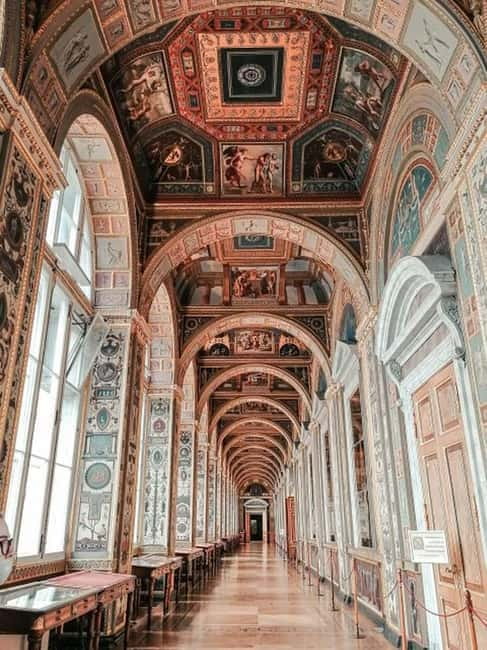
The Vatican Museums are big enough that even motivated visitors start making tradeoffs: do I rush now and regret later, or slow down and miss key works? This tour’s route tries to solve that by hitting rooms that do two jobs at once—art history plus visual impact.
More time under Michelangelo's dome
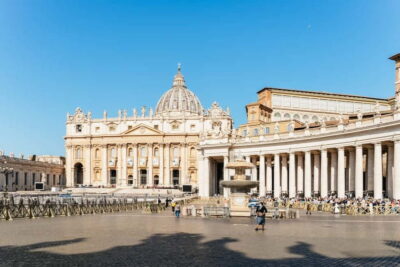
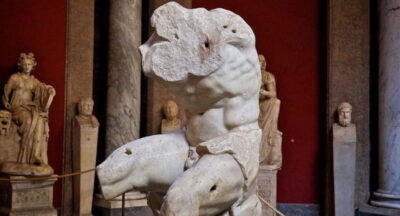
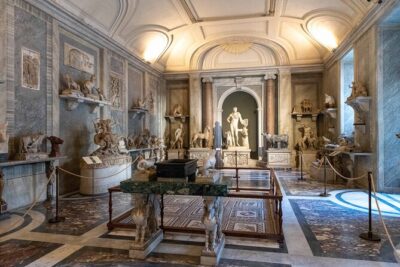
Gallery of the Candelabra and the mood-setter effect
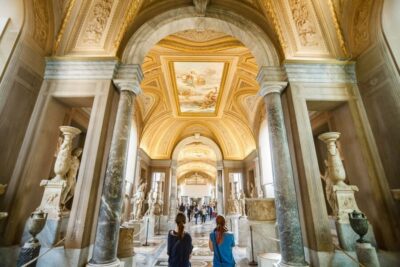
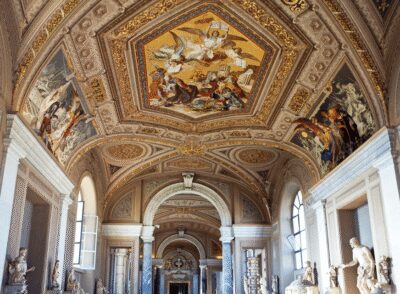
You’ll start with guided museum time that includes major sculpture galleries. The Gallery of the Candelabra is one of those rooms where the point isn’t only the famous objects. It’s scale. You get a sense of how the Vatican builds atmosphere using dramatic pieces and strong staging.
A lot of people find this kind of room easier to appreciate after a guide explains what you’re seeing. Without that context, you might look at a statue and think, Interesting, but what does it mean? With narration, you start connecting the work to religious themes, imperial influence, and Renaissance collecting habits.
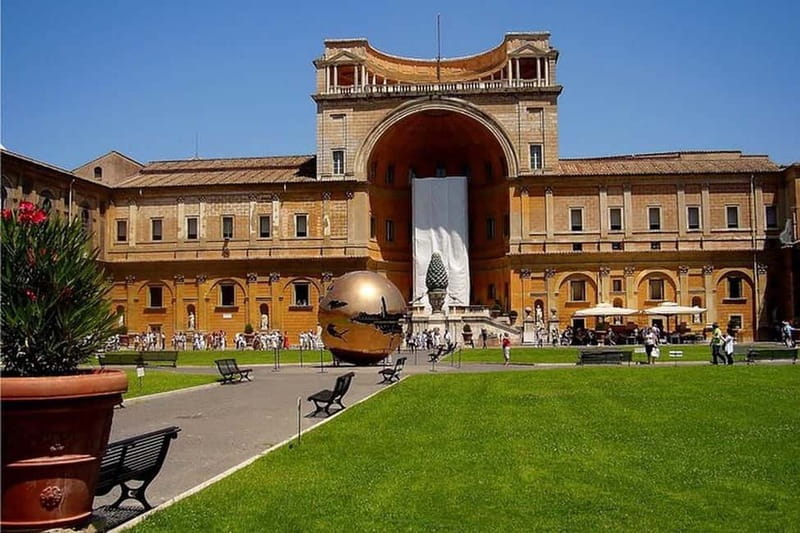
Cortile del Belvedere: where size becomes the lesson
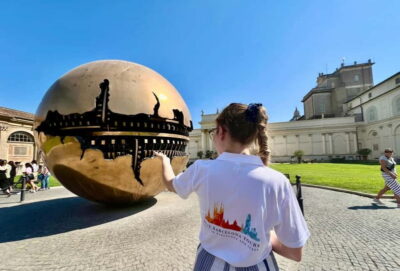
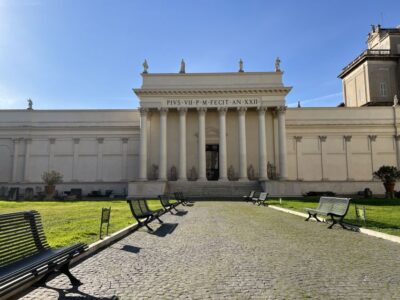
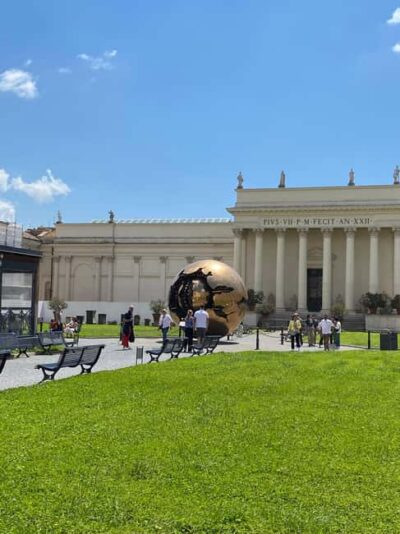
The Cortile del Belvedere is a courtyard-style reset. It’s a good place for a guide to orient you to the complex layout and remind you that the museum isn’t just indoor halls. It’s a planned environment.
This is also where you benefit from the group movement. Courtyards and major passageways often become pinch points. Tour routing helps you avoid waiting in the wrong spots.
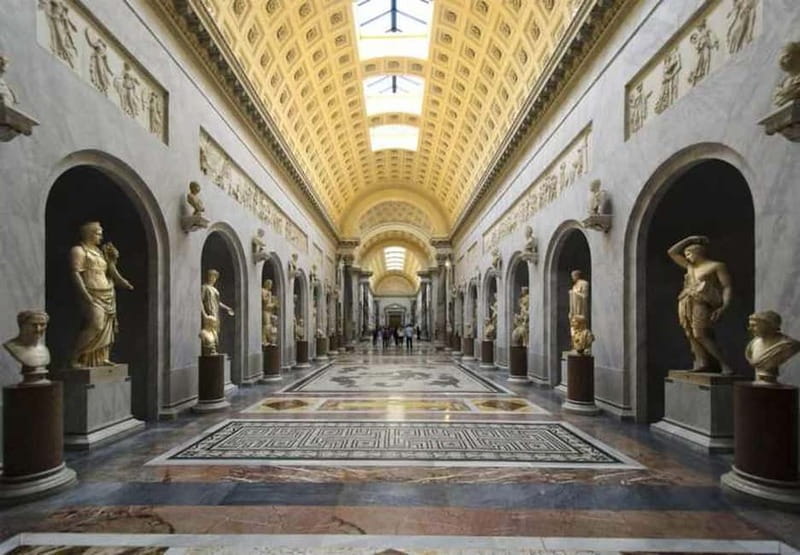
Museo Pio Clementino: ancient sculpture with a reason to exist
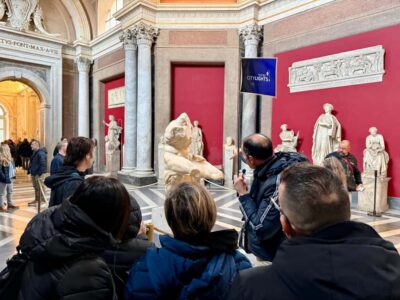
The Museo Pio Clementino is where the museum’s ancient Roman collections hit harder. Expect to see sculpture that’s famous in reproductions, but the real value is in seeing how pieces relate to each other—scale, posture, grouping, and placement.
If you like art that looks good on a postcard, you’ll still enjoy this. But if you care about how the Renaissance and Baroque periods borrowed from earlier forms, this is the part that makes those later styles feel less random.
Gallery of Maps and the “world in miniature” idea
The Gallery of Maps is a standout because it’s not only art. It’s information in visual form. You’re walking through a worldview—geography, ambition, and how mapmaking became part of cultural power.
This is a great stop for people who feel overwhelmed in the Vatican Museums. It gives you a clear theme to hold onto while you move onward.
Raphael Rooms: the narrative engine of the museums
You’ll also encounter the Raphael Rooms during the guided museum portion (it’s listed as a highlight). This is where frescoes feel like stories you can follow rather than images you just stare at.
A guided explanation helps you notice symbolism, not only composition. That’s what turns a gallery into something you remember.
Sistine Chapel with priority access: how to see more than the obvious
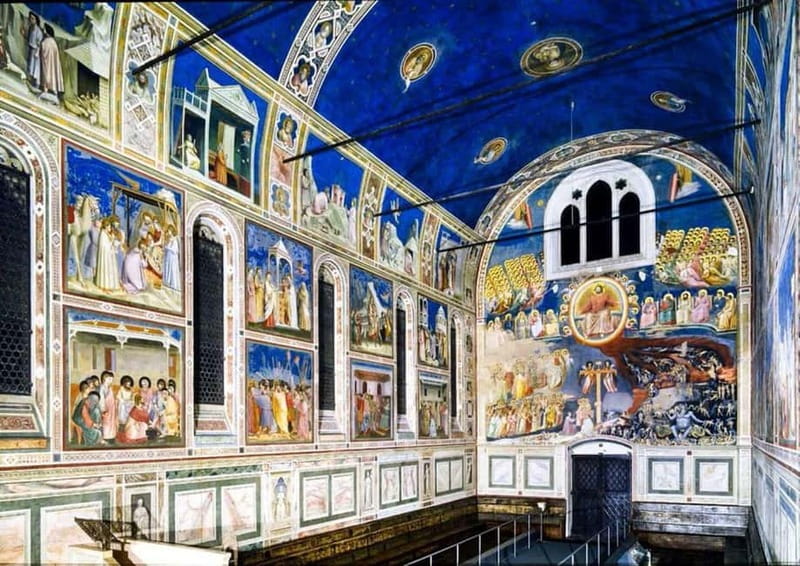
The Sistine Chapel is the moment most people came for, and the priority entry helps you get there without losing time to long waits. Once inside, you’ll see what makes the place famous: Michelangelo’s ceiling and The Last Judgment.
Here’s the difference a guide makes: you don’t only look up. You start looking for meaning. That’s how the chapel becomes more than a photo stop. You begin to understand why figures are arranged the way they are and why certain scenes matter in Catholic teaching and church symbolism.
The tour includes priority entrance to the Sistine Chapel, and headsets help you hear the guide’s story even as the room fills. Several feedback comments mention how helpful it is that the route and timing keep you moving through the most important areas without getting swallowed by the worst bottlenecks.
Potential drawback: the Sistine Chapel gets intense. It’s crowded, and you may need to accept that you will not have endless standing time at every ceiling corner. Still, even a shorter, more focused viewing can feel satisfying if you understand what you’re looking at.
Also note a tone choice. One review mentioned a guide who repeated faith-focused reflections more often than expected. If you want a strictly art-and-history delivery, that’s something to keep in mind when you hear how your guide talks during the chapel.
St. Peter’s Basilica: priority entry, but self-guided time
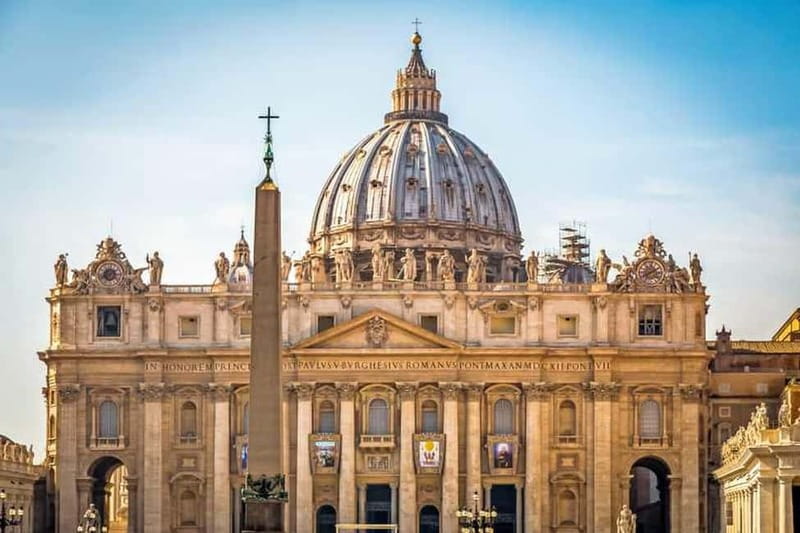
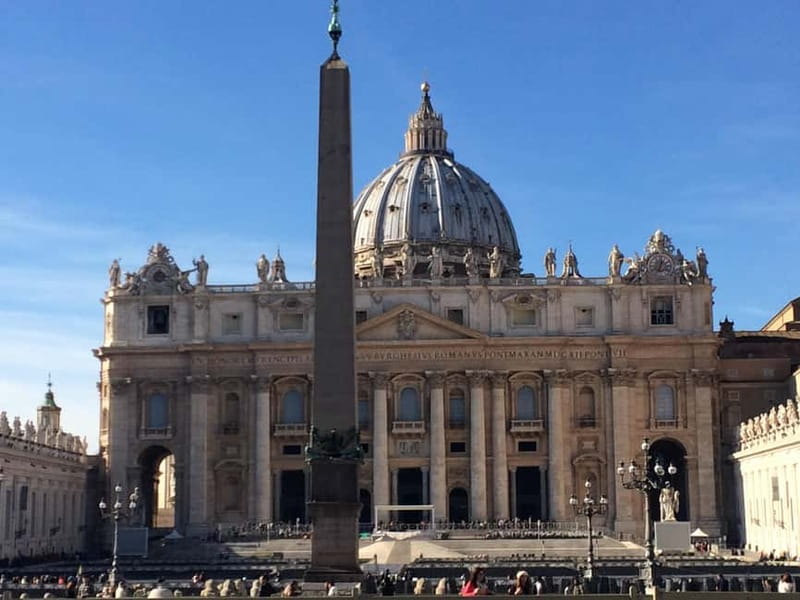
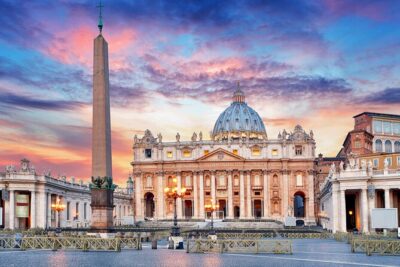
After the Sistine Chapel, you’ll head to St. Peter’s Basilica for a self-guided tour. The ticket includes priority entrance, but that doesn’t automatically mean a narrated guided walkthrough inside.
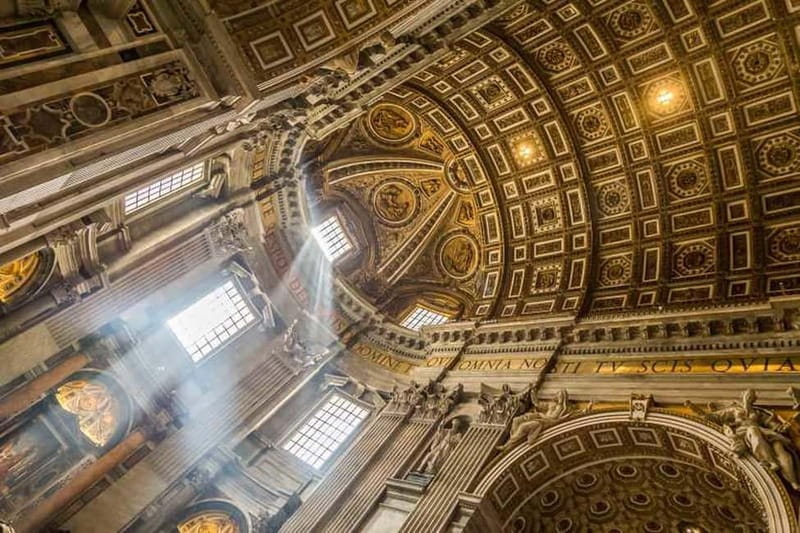
This part is best if you’re okay doing some of the experience on your own. St. Peter’s is visually overwhelming in a good way—architecture, sacred spaces, and big artistic statements in stone. In a guided museum, your guide points things out; in a self-guided basilica, you become your own interpreter.
A few reviews gave helpful context:
- Some people expected a guided tour inside but found the guide left them after dropping them near the main area.
- Access can be affected by events like Mass or general audiences, which can change how long you spend waiting.
- In some cases, people reported seeing or passing through areas associated with St. Peter’s tomb in their route.
So my advice is simple: treat St. Peter’s like a calm payoff after intense museum time. Don’t plan to learn everything from narration here. Plan to look, slowly enough to let the scale land.
If you really care mainly about St. Peter’s Basilica and nothing else, this may not feel like the best match because your time there is not structured as a guided deep walk. But if you want the full Vatican arc—from museums to Sistine to basilica—this sequence works.
Price and what you’re actually paying for at $88
$88 can feel steep at first glance, especially in a city where so much is free. Here’s what you’re buying, and why it can still be good value.
You’re paying for:
- Fast-track entry into the Vatican Museums
- Priority entrance to both the Sistine Chapel and St. Peter’s Basilica
- A licensed guide who chooses a route and explains key works
- Headsets, so you don’t miss the story when crowds swell
If you tried to do this on your own, you’d pay in time. The Vatican is one of those places where the line isn’t just annoying; it breaks your day. By paying for a guided plan with better access, you protect your limited vacation hours.
Is it perfect value for everyone? Not always. Some people pointed out issues like check-in being a bit disorganized at the meeting office, and others mentioned sound quality or headset comfort problems. Those are real considerations because the tour experience depends on you hearing the guide.
But if you want a guided approach that turns the museum into a coherent story instead of scattered rooms, $88 can be fair—especially if you’re visiting during peak hours and heat.
One extra note: the experience is non-refundable, so pick your day carefully.
Who this tour suits best, and who should reconsider
This tour fits best if you:
- Want art-history explanations while walking
- Feel overwhelmed by the Vatican’s size and want a guided path
- Care about seeing the Sistine Chapel ceiling and The Last Judgment with context
- Like the idea of walking into St. Peter’s and setting your own pace afterward
It might not fit if you:
- Want a fully guided, narration-heavy experience inside St. Peter’s Basilica
- Have trouble with crowds and heat, since the route can feel fast during busy periods
- Need step-free access, since it’s listed as not suitable for wheelchair users
- Have very young kids, since it’s not suitable for children under 6
If you’re traveling as a family with older kids, it could still work, but keep the clothing rules in mind and plan for long standing.
Should you book this Vatican Museums, Sistine Chapel & St. Peter’s Tour?
I’d book it if your goal is to get inside efficiently, see the key rooms, and walk away with a clearer sense of what you just witnessed. The fast-track setup plus headsets and a route that targets the biggest masterpieces makes the experience feel like more than just walking from one famous room to another.
Skip the booking if your priority is only St. Peter’s Basilica and you’re hoping for a guided walkthrough there, since the basilica portion is self-guided. Also, choose your timing wisely. Early morning slots tend to feel more comfortable, and summer can be intense even when you’re starting at a decent hour.
Bottom line: this is a solid choice for first-timers who want an efficient, guided Vatican hit—then a calmer, self-paced finale in St. Peter’s. If that matches your style, you’re in the right place.
FAQ
How long is the Vatican Museums, Sistine Chapel and St. Peter’s tour?
The duration is listed as 2.5 hours.
Where do I meet for the tour?
The meeting point is Via Sebastiano Veniero, 15, and it’s described as about 150 meters from the Vatican Museum entrance.
Does the tour really skip the line?
You get fast-track entry into the Vatican Museums and express security check. However, the data also states that security checks cannot be skipped.
What is included in the price?
Included items are fast-track entry to the Vatican Museums, priority entrance to the Sistine Chapel, priority entrance to St. Peter’s Basilica, a licensed guide, and headsets to hear clearly.
Is St. Peter’s Basilica guided or self-guided?
St. Peter’s Basilica is self-guided after the guided part of the tour.
What should I wear?
Dress code is smart casual. You are not allowed shorts, short skirts, or sleeveless shirts.
What should I bring?
Bring your passport or ID card (and passport/ID for children, as specified).
Can I bring a backpack or use flash photography?
No backpacks are allowed, and flash photography is not allowed.
Is the tour suitable for children or wheelchair users?
It is not suitable for children under 6 years and not suitable for wheelchair users.
What happens if St. Peter’s Basilica is closed during the tour?
If the Basilica is closed for an event or other reason, the tour ends at the Sistine Chapel, and no refunds are provided in that situation.
More Tour Reviews in Rome
- Vatican Museums, Sistine Chapel & St. Peter’s Basilica Tour
★ 4.3 · 73,970 reviews - Vatican Museums, Sistine Chapel & St Peter’s Basilica Guided Tour
★ 4.5 · 39,149 reviews - Rome: Colosseum, Palatine Hill and Roman Forum Guided Tour
★ 4.8 · 32,814 reviews - Rome: Guided Tour of Colosseum, Roman Forum & Palatine Hill
★ 4.7 · 27,897 reviews - Rome: Colosseum & Forum with Audio Guide App -Optional Arena
★ 4.2 · 24,770 reviews - Rome: Colosseum, Roman Forum and Palatine Hill Guided Tour
★ 4.5 · 23,903 reviews
More at St. Peter's Basilica
- Vatican Museums, Sistine Chapel & St. Peter’s Basilica Tour
★ 4.3 · 73,970 reviews - Vatican Museums, Sistine Chapel & St Peter’s Basilica Guided Tour
★ 4.5 · 39,149 reviews - Rome: Vatican Museums, Sistine Chapel and Basilica Tour
★ 4.3 · 16,039 reviews - Rome: Vatican Museums, Sistine Chapel & Basilica Tour
★ 4.7 · 13,217 reviews - Skip-the-Line Group Tour of the Vatican, Sistine Chapel & St. Peter’s Basilica
★ 4.5 · 12,779 reviews - Rome: St. Peter’s Basilica, Papal Tombs, and Dome Climb Tour
★ 4.5 · 10,099 reviews
The Vatican, A Few More Ways In
- Vatican Museums, Sistine Chapel & St. Peter’s Basilica Tour
★ 4.3 · 73,970 reviews - Vatican Museums, Sistine Chapel & St Peter’s Basilica Guided Tour
★ 4.5 · 39,149 reviews - Rome: Vatican Museums, Sistine Chapel and Basilica Tour
★ 4.3 · 16,039 reviews - Vatican Museums & Sistine Chapel Skip-the-Line Entry Ticket
★ 4.4 · 13,838 reviews - Rome: Vatican Museums, Sistine Chapel & Basilica Tour
★ 4.7 · 13,217 reviews - Skip-the-Line Group Tour of the Vatican, Sistine Chapel & St. Peter’s Basilica
★ 4.5 · 12,779 reviews
Just added to our Rome reviews

Vatican Museums Tours, compared.
 ★ 4.5Vatican: Museums & Sistine Chapel Entrance TicketFrom $38144,003 reviews
 ★ 4.3Vatican Museums, Sistine Chapel & St. Peter’s Basilica TourFrom $7273,970 reviews
 ★ 4.5Vatican Museums, Sistine Chapel & St Peter’s Basilica Guided TourFrom $2239,149 reviews
 ★ 4.3Vatican Museums, Sistine Chapel and Basilica TourFrom $7316,039 reviews
 ★ 4.4Vatican Museums & Sistine Chapel Skip-the-Line Entry TicketFrom $4313,838 reviews
 ★ 4.7Vatican Museums, Sistine Chapel & Basilica TourFrom $7213,217 reviews
 ★ 4.5Skip-the-Line Group Tour of the Vatican, Sistine Chapel & St. Peter’s BasilicaFrom $3012,779 reviews
 ★ 4.3Vatican Museums & Sistine Chapel Guided TourFrom $11812,117 reviews
Browse the lists this tour appears in