
Reviewed · VATICAN MUSEUMS TOURS
Rome: Vatican Museums & Sistine Chapel Small Group Tour
The Vatican runs on lines and timing. This small-group tour helps you beat both, with priority entry to the Vatican Museums and Sistine Chapel, plus Raphael Rooms and old Papal spaces. You get a guided route that keeps moving at a human pace, then finishes with an outside view of St. Peter’s Basilica.
I love the way you hit the Museum highlights that people actually remember: the Gallery of Maps and standout ancient sculpture like the Laocoön. I also love the short, focused Sistine Chapel segment, where Michelangelo’s Creation of Adam and the Last Judgment are explained so your eyes know where to go. One consideration: it’s a lot of art in a short time, so you need comfortable shoes and the stamina to keep up.
In This Review
- Key things you’ll notice
- Why this small group Vatican route feels easier than the usual crowd
- Via Tunisi 4 meeting point: what to expect before you even enter
- Vatican Museums: where the route hits the works people pause for
- Gallery of Maps and the big-picture feeling of Rome’s map of the world
- Gallery of Tapestries: texture, scale, and what they were for
- Gallery of Candelabra: a room that helps you read the collection
- Cortile del Belvedere: ancient sculpture that still hits hard
- Greek Cross Room, Belvedere Torso, and Laocoön: how the sculpture stops work
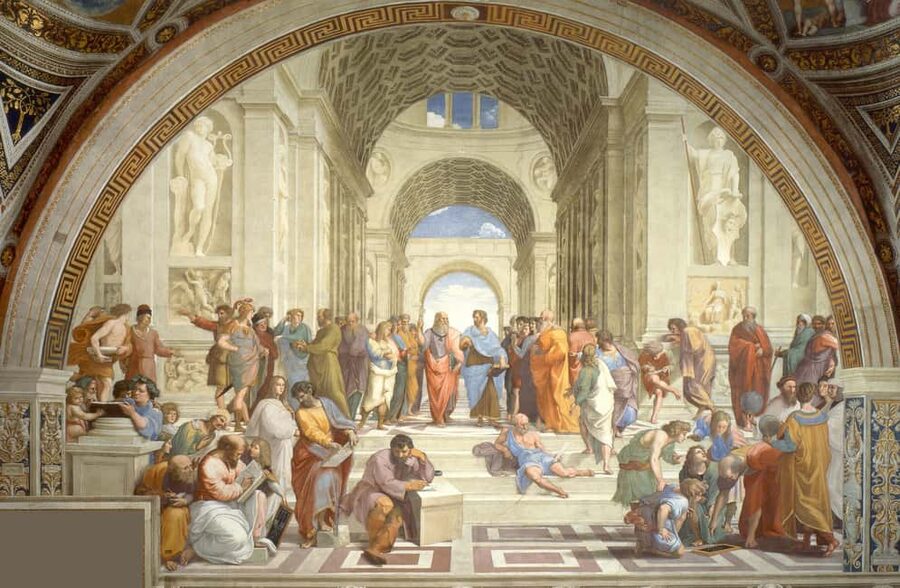
- Raphael Rooms and the Borgia spaces: when politics becomes decoration
- Why the Raphael Rooms feel different with a guide
- The Borgia Apartment: a contrast that keeps the tour interesting
- Sistine Chapel in practice: how to use the 20-minute window well
- What you should focus on: Creation of Adam and Last Judgment
- Exiting the chapel and heading toward St. Peter’s
- Finishing outside St. Peter’s Basilica: context first, optional entry after
- Old Papal Apartments: why this stop is a smart use of time
- Price and value: is $50 for a 3-hour Vatican tour a good deal
- Who should book this tour, and who should skip it
- Should you book this Vatican Museums & Sistine Chapel small group tour
- FAQ
- How long is the tour?
- Is this a small group tour?
- Do I get skip-the-line or priority entry?
- What does the tour include?
- Is St. Peter’s Basilica included inside?
- What are the rules on clothing and items?
- What should I bring with me?
- Is food included?
- Where do I meet the guide?
- Is the tour refundable if plans change?
Key things you’ll notice
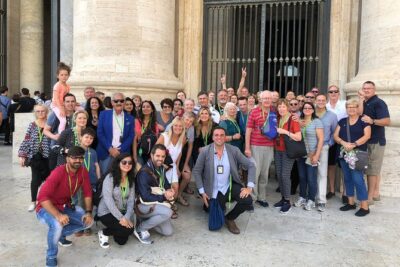
- Max 10 people means less crowd pressure and easier listening than big group tours
- Skip-the-line priority access via a separate entrance saves real time
- Big-name highlights in a tight route: Maps, tapestries, Greek sculpture, Raphael Rooms, and more
- Sistine Chapel viewing time is brief (about 20 minutes), so your guide’s directions matter
- You end outside St. Peter’s Basilica for context, then you can enter on your own
- Different guides lead the show, and names that often come up include Franca, Sarah, Patricia, Chris, Monica, and Tatiana
Why this small group Vatican route feels easier than the usual crowd
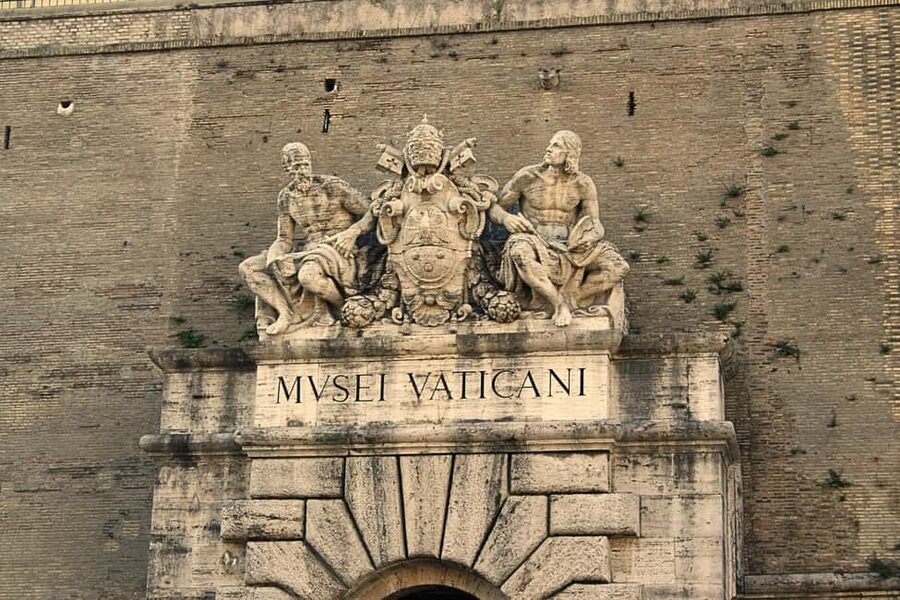
If you’ve ever walked into the Vatican on a busy day, you already know the problem. You’re not just seeing art. You’re fighting a slow-moving line of people holding phones and maps and opinions.
This tour targets that exact issue. It caps the group at 10 people, uses priority entry, and starts you on a guided path designed to keep you moving. That combo matters. With fewer bodies around you, you can actually hear what your guide is saying without doing the frantic “lean-and-listen” dance.
I also like that it’s not trying to cover everything. The Vatican Museums are enormous. A shorter, curated route means you spend your energy on the works you’ll care about later, not on dead time in long corridors.
Other ways through the Vatican Museums
- Vatican Museums, Sistine Chapel & St. Peter’s Basilica Tour
★ 4.3 · 73,970 reviews - Vatican Museums, Sistine Chapel & St Peter’s Basilica Guided Tour
★ 4.5 · 39,149 reviews - Rome: Vatican Museums, Sistine Chapel and Basilica Tour
★ 4.3 · 16,039 reviews - Vatican Museums & Sistine Chapel Skip-the-Line Entry Ticket
★ 4.4 · 13,838 reviews
Via Tunisi 4 meeting point: what to expect before you even enter
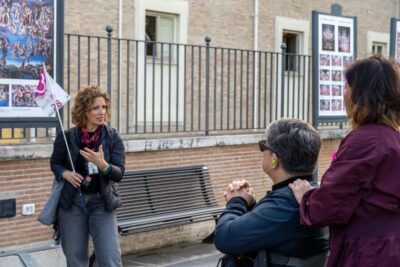
You meet outdoors at Via Tunisi 4, 00192, Roma, at the very bottom of the stairs. Look for Maximus Tours. That matters because there’s nothing worse than arriving at the right building and then wandering around for 15 minutes in the wrong direction.
A couple practical notes I’d follow:
- Wear comfortable shoes. You’ll be walking through a lot of museum floor.
- Plan for a one-direction flow inside the Vatican areas. That can be a lifesaver for time, but it means you don’t want to carry extra stuff.
- If it’s rainy: one guide-led group advice is to avoid a long umbrella. It may get checked, and you might have to go back through the entry point after you exit the tour route. A shorter umbrella is usually easier.
Dress rules are strict. No shorts, sleeveless shirts, short skirts, and no flash photography. Leave big bags and luggage behind too; they can’t come along.
And yes, your ID matters. Bring your passport or ID card.
Vatican Museums: where the route hits the works people pause for
This is the heart of the experience: guided time through the Vatican Museums with stops that focus on art, sculpture, and major themed galleries.
Gallery of Maps and the big-picture feeling of Rome’s map of the world
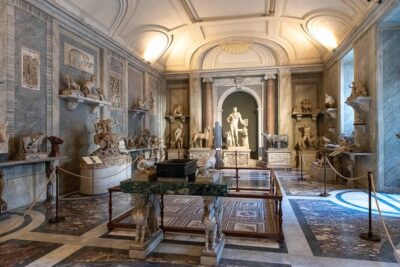
The Gallery of Maps is one of the spaces that makes the Vatican feel less like a museum and more like a political statement. You’re surrounded by detailed mapping imagery, and your guide helps you understand what you’re looking at beyond just geographic decoration. It’s the kind of room where, once someone points out what the details mean, you stop treating it like a quick photo stop.
Even if you’re not a “maps person,” this gallery is a good sign that the tour is building context, not just tossing trivia.
Worth a look next to this Rome booking:
Gallery of Tapestries: texture, scale, and what they were for
Next comes the Gallery of Tapestries. This is where you feel the difference between seeing art on a screen and seeing it in real scale. Tapestries have weight and presence. In this gallery, you also start to notice how the Vatican collected prestige as much as beauty—important when you’re trying to understand why the art looks the way it does.
If you tend to move fast through museums, let this be one of your slower stops. Your guide’s timing here can make the room feel bigger than it looks.
Gallery of Candelabra: a room that helps you read the collection
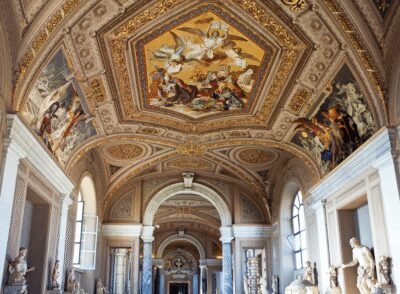
Then there’s the Gallery of the Candelabra. The name is straightforward, but the value is the atmosphere: this space helps you connect sculpture and design ideas across different parts of the museum. It’s also a nice breather in the route, letting you reset your brain before the sculpture courtyard and the more intense art spaces.
Cortile del Belvedere: ancient sculpture that still hits hard
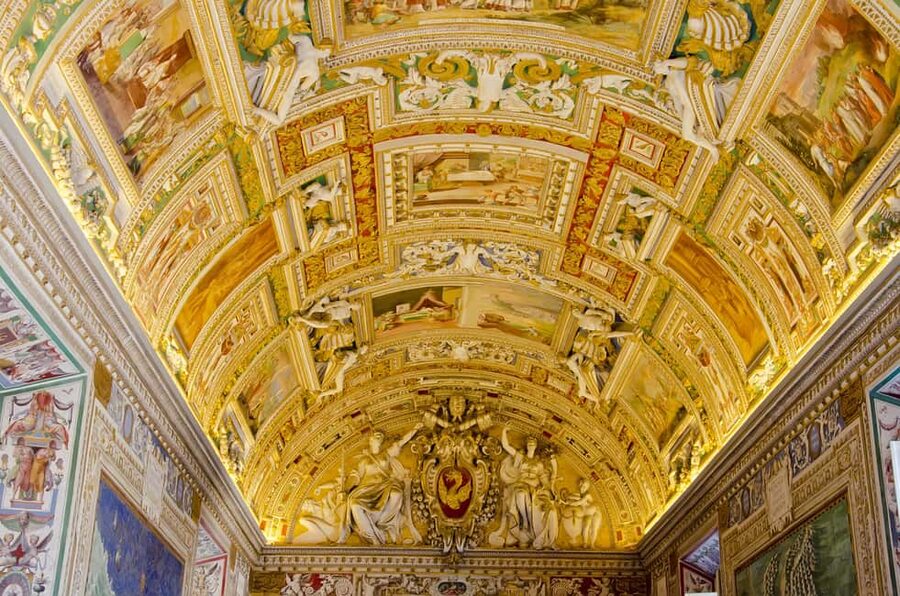
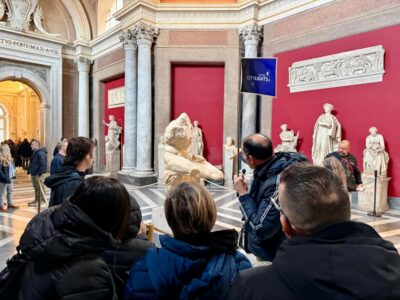
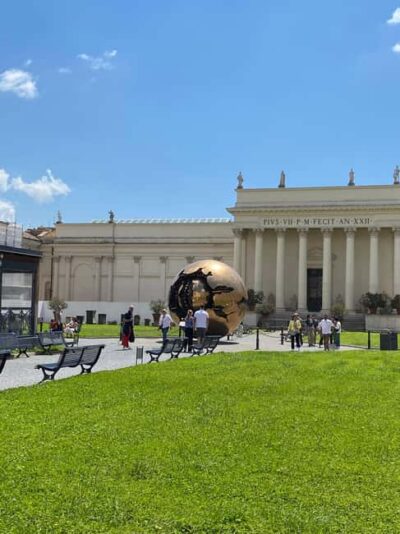
You’ll also spend time in the Cortile del Belvedere. This courtyard is where big classical pieces start to feel like more than “old statues.” You get sculpture highlights such as the Belvedere Torso and the Laocoön, two names that matter in art history for a reason.
Laocoön in particular can be a turning point. It’s dramatic, and it’s not subtle. When you learn what the scene represents and why it’s famous, the work stops being just a visual and becomes a story you can track.
One small caution: English clarity varies a bit by guide. Most guides in recent groups have been praised for clear explanation and patience, but if English accents or fast speech can be tough for you, plan to ask questions or watch for the guide’s slower set-up moments before big stops.
Greek Cross Room, Belvedere Torso, and Laocoön: how the sculpture stops work
The Vatican Museums aren’t only paintings. The sculpture route is a big deal here, and this tour pays attention to that.
You’ll see stops including:
- Greek Statuary and major classical pieces
- The Greek Cross Room
- Sculpture highlights like the Belvedere Torso and Laocoön
What I like about this approach is that it trains your eye. Instead of treating the Vatican as a single giant pile of famous objects, you learn how different eras and styles connect. And because the group is small, your guide can point out details without yelling over a wall of people.
If you’re traveling with teens or a friend who says they’re not an art person, these sculpture stops often convert people. They’re easier to react to in real time than dense paintings, especially when the guide helps you understand the scene or technique.
Raphael Rooms and the Borgia spaces: when politics becomes decoration
After the museum galleries and sculpture highlights, you’ll move into the Raphael Rooms and then the Borgia Apartment.
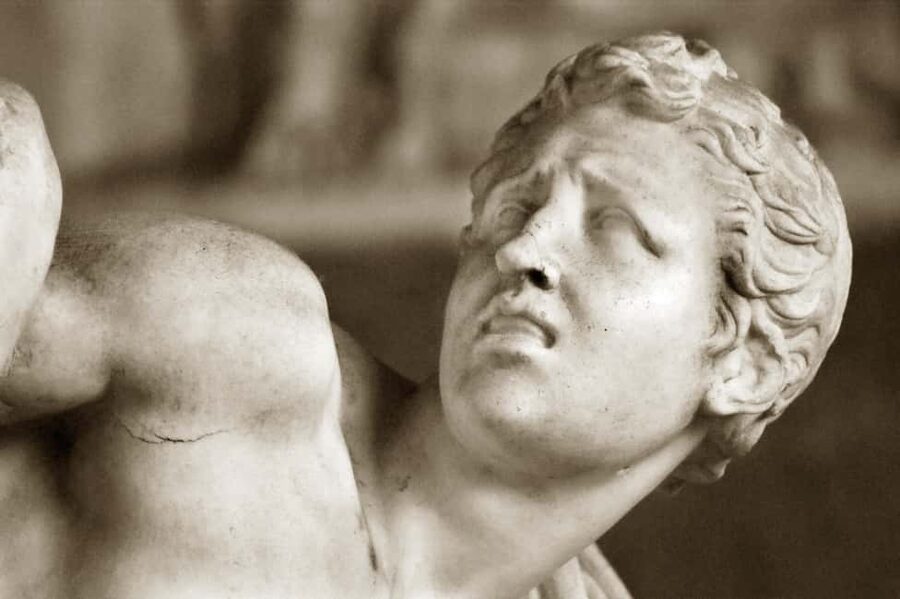
This is where the Vatican feels like a machine for power and image-making. Raphael’s work (and the spaces around it) reads differently once you understand the setting: these rooms weren’t built for casual viewing. They were built to impress, persuade, and signal authority.
Why the Raphael Rooms feel different with a guide
The Raphael Rooms can be visually dazzling, but without guidance you might still find yourself asking, Why does this matter? A guide changes that by pointing out what Raphael was doing, where you should look first, and how the scenes connect to the beliefs and goals behind them.
If you’re even mildly curious about Renaissance art, this is one of the strongest parts of the tour. It’s not only about the artists—it’s about why their work was chosen and how the Vatican wanted you to feel when you walked in.
The Borgia Apartment: a contrast that keeps the tour interesting
The Borgia Apartment adds contrast. It’s a reminder that the Vatican’s collection doesn’t just flow in one clean artistic timeline. There are shifts in style, priorities, and tone. With a good guide, those shifts become understandable instead of random.
Sistine Chapel in practice: how to use the 20-minute window well
Then you reach the moment most people plan their Rome trip around: the Sistine Chapel.
You’ll have guided time there for about 20 minutes. That’s not long, but it’s enough if you’re aiming your eyes at the right things.
What you should focus on: Creation of Adam and Last Judgment
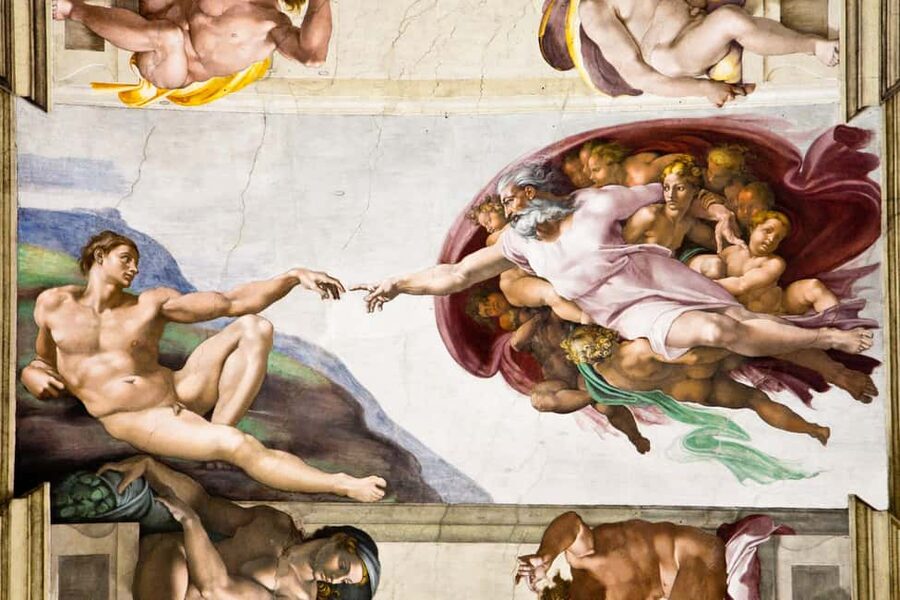
Your guide will steer you toward Michelangelo’s most iconic works, especially:
- Creation of Adam on the ceiling
- Last Judgment across the altar wall
The ceiling can look like chaos until someone tells you what to notice first. Once you know where to look, the details start clicking: positions, gestures, the way the composition pulls your eye upward.
Last Judgment can feel overwhelming too, but with direction it becomes readable. You stop trying to see everything and start noticing the story the fresco is telling.
One realistic note: the chapel rules and crowd flow can affect how long you can stand and where you can see from. This tour’s advantage is that it’s guided, and guidance is the difference between a frustrating “I saw it” moment and an “I understood it” moment.
Exiting the chapel and heading toward St. Peter’s
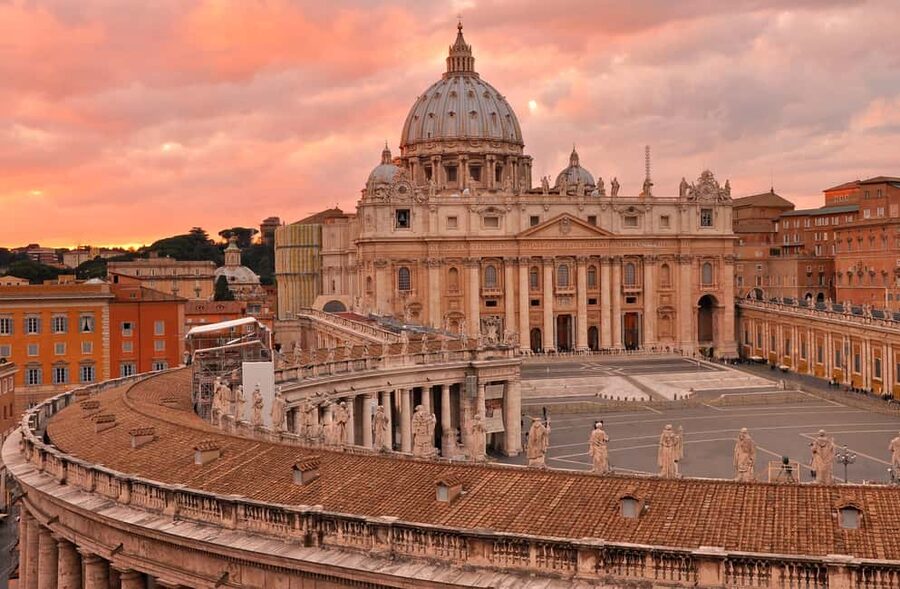
After the Sistine Chapel, you’ll go through a guide passage out when passage is open, finishing directly in front of St. Peter’s Basilica. That outside explanation is designed to give you framing before you decide whether to enter the church.
If you do enter, expect that wait times may vary. The tour’s strength is the context it gives you outside, so the Basilica doesn’t feel like a random stop.
Finishing outside St. Peter’s Basilica: context first, optional entry after
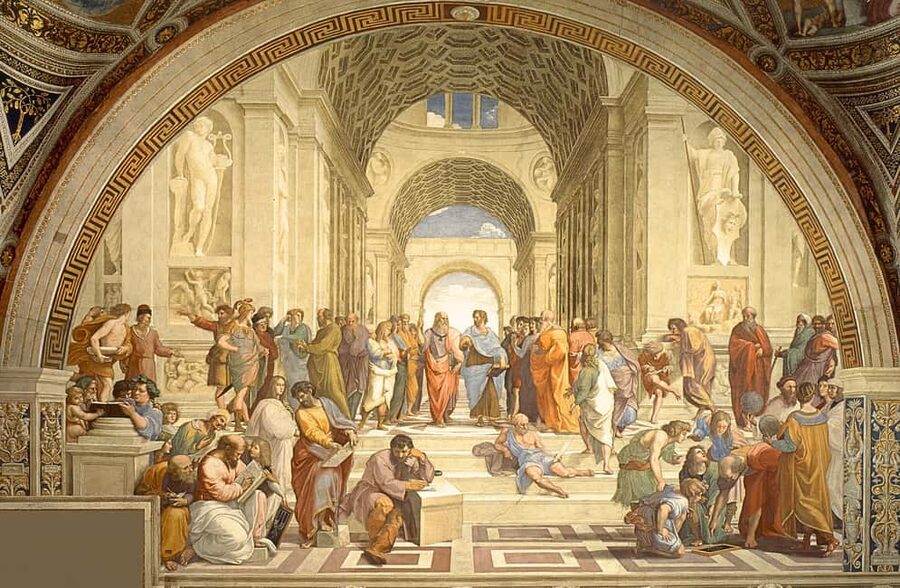
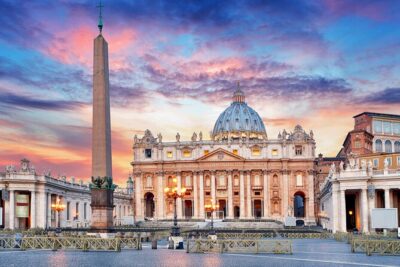
Ending in front of St. Peter’s Basilica works because it slows you down at the right time. You get an explanation from the outside, then you’re free to go in if you choose.
I like this format for two reasons:
- It reduces the “rush in, rush out” feeling.
- It gives you a reason to look at the architecture before you get lost inside.
If you’re going to enter, dress the same way you would for the chapel areas. Sleeves and coverage matter.
Old Papal Apartments: why this stop is a smart use of time
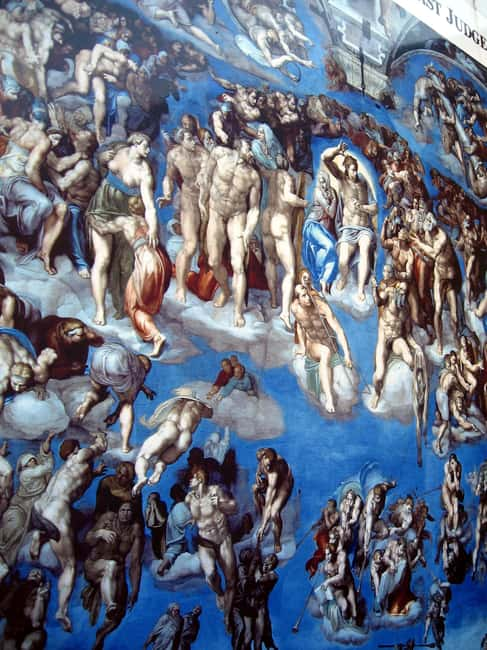
The tour includes historic Old Papal Apartments as part of the guided route through the Vatican spaces. Even if you’re not a specialist in interior history, these rooms help you understand the Vatican as a lived-in power center, not only an art storage vault.
This is one of those stops that makes the tour feel grounded. After sculpture and famous galleries, the apartments bring you back to the human scale of rooms and circulation—how people once moved through spaces that still define the Vatican today.
Price and value: is $50 for a 3-hour Vatican tour a good deal
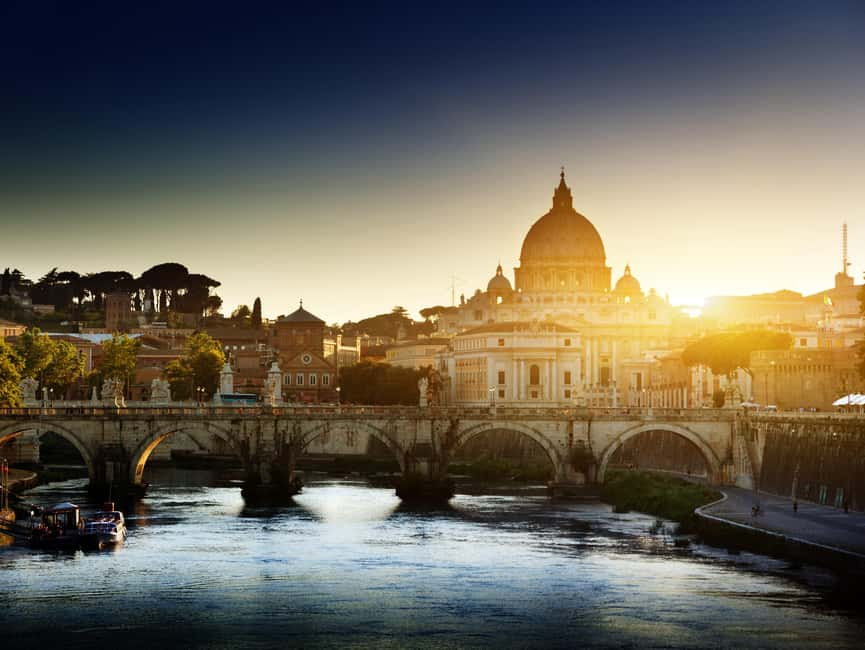
Let’s talk money. This tour is listed at $50 per person for about 3 hours, with a small group and priority entry.
At that price, the big value isn’t just the guide. The value is time. In the Vatican, a separate entrance and priority access can mean you spend your limited day on art instead of standing in line.
Also, the tour is curated. You’re not buying a generic “walk and hope” experience. You’re buying a route that targets well-known works like the Sistine Chapel and Raphael Rooms, plus meaningful stops in the Museums that most self-guided visitors miss or don’t understand quickly.
What’s not included matters too:
- No food or drinks
- No transportation
- No stop for Papal Tombs
So you’ll want to plan your meal breaks outside, and treat this as a focused art block, not a full-day Vatican plan.
Who should book this tour, and who should skip it
This tour is a good match if:
- You’re short on time and want the Vatican Museums + Sistine Chapel without the chaos
- You want a guide to help you read art quickly, especially in the Sistine Chapel
- You care more about a strong set of highlights than an exhaustive list of every room
Consider other options if:
- You need wheelchair-friendly access. This tour is not suitable for wheelchair users and is not suitable for people with mobility impairments.
- You want a slow, unstructured museum day. This is a guided path with a set rhythm.
Should you book this Vatican Museums & Sistine Chapel small group tour
Book it if you want the highest odds of leaving the Vatican feeling satisfied, not drained. The small group size, priority access, and clear highlight focus make a big difference when you’re dealing with one of the world’s most crowded museum environments.
I’d especially recommend it if Sistine Chapel is your main goal. A 20-minute window with guidance is the difference between standing under Michelangelo without knowing where to look and actually feeling the images connect.
Skip it if you’re hoping to explore at your own pace for hours. Also skip if mobility constraints are part of your planning.
FAQ
How long is the tour?
It’s about 3 hours.
Is this a small group tour?
Yes. It’s limited to a maximum of 10 participants.
Do I get skip-the-line or priority entry?
Yes. The tour includes priority entrance into all sites, with skip-the-line access using a separate entrance.
What does the tour include?
Guided time in the Vatican Museums, Sistine Chapel, Rooms of Raphael, Old Papal Apartments, and major museum stops such as the Gallery of Maps and Gallery of Tapestries, plus sculpture highlights. It also ends with an explanation from outside St. Peter’s Basilica.
Is St. Peter’s Basilica included inside?
The tour ends in front of St. Peter’s Basilica with an outside explanation. You can enter the Basilica afterward if you want, and wait times may vary.
What are the rules on clothing and items?
No shorts, no short skirts, no sleeveless shirts, no flash photography. Avoid bringing luggage or large bags. Weapons or sharp objects are not allowed.
What should I bring with me?
Bring your passport or ID card and wear comfortable shoes.
Is food included?
No. Food and drinks aren’t included.
Where do I meet the guide?
You meet outdoors at Via Tunisi 4, 00192, Roma, at the very bottom of the stairs. Look for Maximus Tours.
Is the tour refundable if plans change?
Yes. Free cancellation is available up to 24 hours in advance for a full refund.
More Tours in Rome
- Vatican Museums, Sistine Chapel & St. Peter’s Basilica Tour
★ 4.3 · 73,970 reviews - Vatican Museums, Sistine Chapel & St Peter’s Basilica Guided Tour
★ 4.5 · 39,149 reviews - Rome: Colosseum, Palatine Hill and Roman Forum Guided Tour
★ 4.8 · 32,814 reviews - Rome: Guided Tour of Colosseum, Roman Forum & Palatine Hill
★ 4.7 · 27,897 reviews - Rome: Colosseum, Roman Forum and Palatine Hill Guided Tour
★ 4.5 · 23,903 reviews - Rome: Colosseum Arena Floor, Palatine & Forum Guided Tour
★ 4.5 · 20,180 reviews
More Tour Reviews in Rome
- Vatican Museums, Sistine Chapel & St. Peter’s Basilica Tour
★ 4.3 · 73,970 reviews - Vatican Museums, Sistine Chapel & St Peter’s Basilica Guided Tour
★ 4.5 · 39,149 reviews - Rome: Colosseum, Palatine Hill and Roman Forum Guided Tour
★ 4.8 · 32,814 reviews - Rome: Guided Tour of Colosseum, Roman Forum & Palatine Hill
★ 4.7 · 27,897 reviews - Rome: Colosseum & Forum with Audio Guide App -Optional Arena
★ 4.2 · 24,770 reviews - Rome: Colosseum, Roman Forum and Palatine Hill Guided Tour
★ 4.5 · 23,903 reviews
The Vatican, A Few More Ways In
- Vatican Museums, Sistine Chapel & St. Peter’s Basilica Tour
★ 4.3 · 73,970 reviews - Vatican Museums, Sistine Chapel & St Peter’s Basilica Guided Tour
★ 4.5 · 39,149 reviews - Rome: Vatican Museums, Sistine Chapel and Basilica Tour
★ 4.3 · 16,039 reviews - Vatican Museums & Sistine Chapel Skip-the-Line Entry Ticket
★ 4.4 · 13,838 reviews - Rome: Vatican Museums, Sistine Chapel & Basilica Tour
★ 4.7 · 13,217 reviews - Skip-the-Line Group Tour of the Vatican, Sistine Chapel & St. Peter’s Basilica
★ 4.5 · 12,779 reviews
Just added to our Rome reviews





Vatican Museums Tours, compared.
 ★ 4.5Vatican: Museums & Sistine Chapel Entrance TicketFrom $38144,003 reviews
 ★ 4.3Vatican Museums, Sistine Chapel & St. Peter’s Basilica TourFrom $7273,970 reviews
 ★ 4.5Vatican Museums, Sistine Chapel & St Peter’s Basilica Guided TourFrom $2239,149 reviews
 ★ 4.3Vatican Museums, Sistine Chapel and Basilica TourFrom $7316,039 reviews
 ★ 4.4Vatican Museums & Sistine Chapel Skip-the-Line Entry TicketFrom $4313,838 reviews
 ★ 4.7Vatican Museums, Sistine Chapel & Basilica TourFrom $7213,217 reviews
 ★ 4.5Skip-the-Line Group Tour of the Vatican, Sistine Chapel & St. Peter’s BasilicaFrom $3012,779 reviews
 ★ 4.3Vatican Museums & Sistine Chapel Guided TourFrom $11812,117 reviews