

Reviewed · VATICAN MUSEUMS TOURS
Rome: Vatican Museum & Sistine Chapel Skip-the-Line Entry
Getting into the Vatican fast changes everything. With skip-the-line entry, you spend less time stuck in Rome’s queue culture and more time staring at big-name art, plus the Sistine Chapel is the main event with Michelangelo up close and personal.
One thing to plan for: you still go through airport-style security, and your entry depends on how the Vatican is running ceremonies that day. If the Sistine Chapel is closed for an official event, you still get access to the Vatican Museums, but the finale may shift.
In This Review
- Key points before you go
- Skip-the-line entry: what the fast-track really buys you
- Meeting point and express security: how the day starts
- Pio Clementino and Belvedere Courtyard: the museum route that fits
- Pio Clementino: ancient sculpture energy
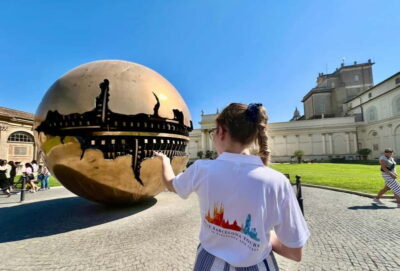
- Belvedere Courtyard: a breather with a plan
- Bramante Staircase and Pinecone Courtyard: architecture that deserves attention
- Bramante Staircase: movement as design
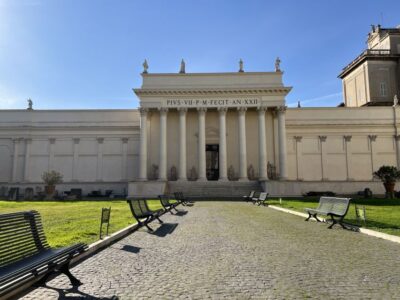
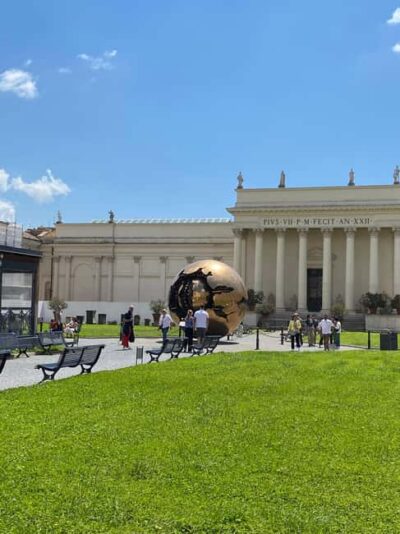
- Pinecone Courtyard: classical symbols, museum mood
- Maps, woven-wall hangings, and the Raphael Rooms: where stories take over
- Gallery of Maps: geography with attitude
- Woven-wall gallery: Renaissance decoration as storytelling
- Raphael Rooms: frescoes that feel like a conversation
- Sistine Chapel: Michelangelo’s ceiling and the Last Judgment factor
- A key reality check: ceremonies can affect entry
- Practical value for $70: is this a smart purchase?
- What to wear and bring so you don’t waste time
- Bring
- Wear
- Don’t bring
- Should you book this Vatican Museums skip-the-line entry?
- FAQ
- How long is the Vatican Museums and Sistine Chapel visit?
- What does the skip-the-line ticket include?
- Is there a guide included?
- What time period should I expect for the Sistine Chapel?
- What do I need to bring with me?
- What clothing is allowed?
- Is this suitable for wheelchair users?
Key points before you go
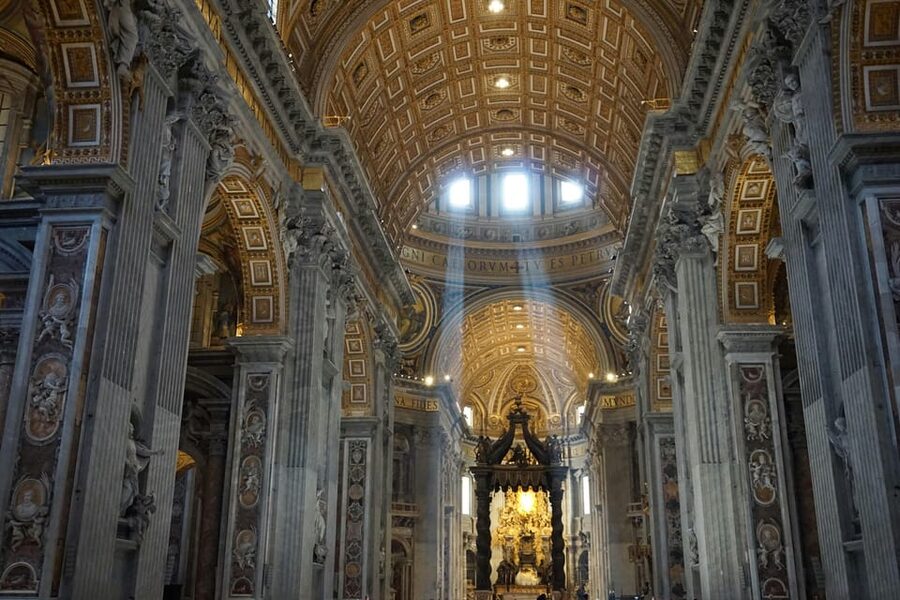
- Fast-track access cuts down waiting so you can actually enjoy the highlights instead of counting minutes
- Express security check means you’ll enter the museum with less friction than standard entry
- The route hits famous stops like Pio Clementino, Belvedere Courtyard, Gallery of Maps, and the Raphael Rooms
- Michelangelo’s ceiling and Creation of Adam are built into the plan, not left to chance
- Sistine Chapel access can vary based on Vatican ceremonies, even at short notice
- Dress and bag rules matter, including no shorts and no large luggage
Skip-the-line entry: what the fast-track really buys you
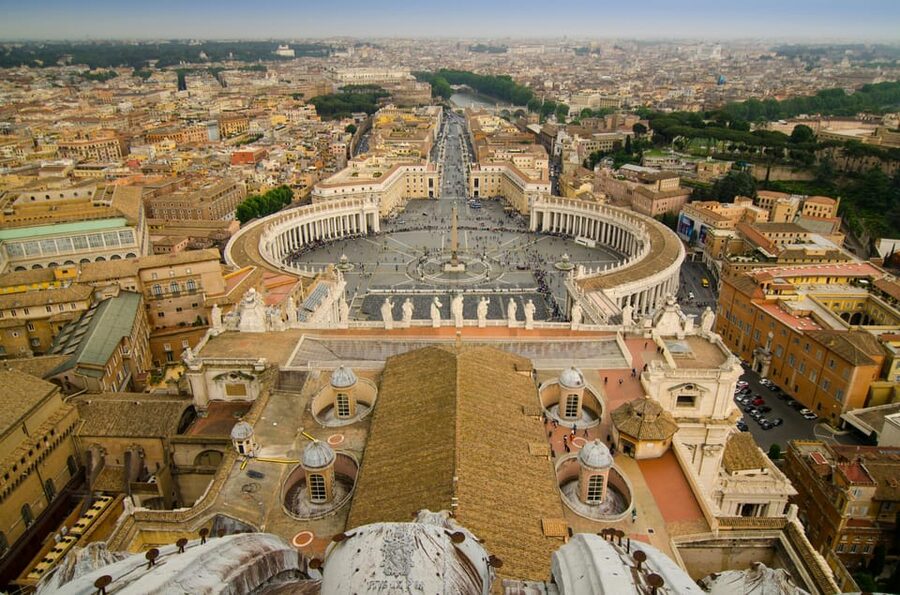
At this price point, you’re not paying for a private guide or a luxury ride. You’re paying for time. And at the Vatican, time is the real currency.
A standard Vatican plan can turn into a queue marathon. This fast-track format aims to bypass the biggest bottleneck: entry and security before you even get to the galleries. That matters because the Vatican is huge, and your energy is limited. In 2.5 hours, you’re not seeing every room cover to cover. So you want a route that gets you to the best-known works without wasting your whole morning inching forward.
I also like that the experience is built around the logic of the collection itself: classical sculpture, then Renaissance rooms, then the Sistine Chapel. The art history flows rather than feeling random.
Other ways through the Vatican Museums
- Vatican Museums, Sistine Chapel & St. Peter’s Basilica Tour
★ 4.3 · 73,970 reviews - Vatican Museums, Sistine Chapel & St Peter’s Basilica Guided Tour
★ 4.5 · 39,149 reviews - Rome: Vatican Museums, Sistine Chapel and Basilica Tour
★ 4.3 · 16,039 reviews - Vatican Museums & Sistine Chapel Skip-the-Line Entry Ticket
★ 4.4 · 13,838 reviews
Meeting point and express security: how the day starts
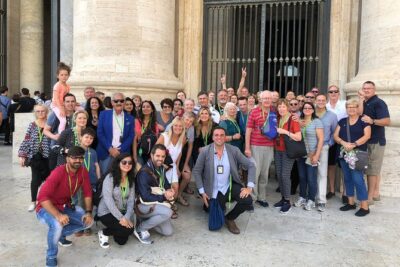
You meet your host at the Vatican Museums entrance, holding a Tour Geeky placard. This is one of those small details that’s worth watching for, because the museum complex is confusing when you’re jet-lagged and everyone else is trying to find the same door.
Then comes the part that keeps this from being a walk-in attraction: airport-style security. Plan around it like it’s an airport checkpoint, not a casual lobby. You’ll want to be ready for the clothing and bag rules, too.
Also note the practical limits:
- You need a passport or ID card (including for children)
- No luggage or large bags
- No shorts and you should cover knees and shoulders
- No alcohol and drugs
That dress-and-bags checklist isn’t just “nice to know.” It directly affects whether you’re delayed or sent back to fix things.
Pio Clementino and Belvedere Courtyard: the museum route that fits
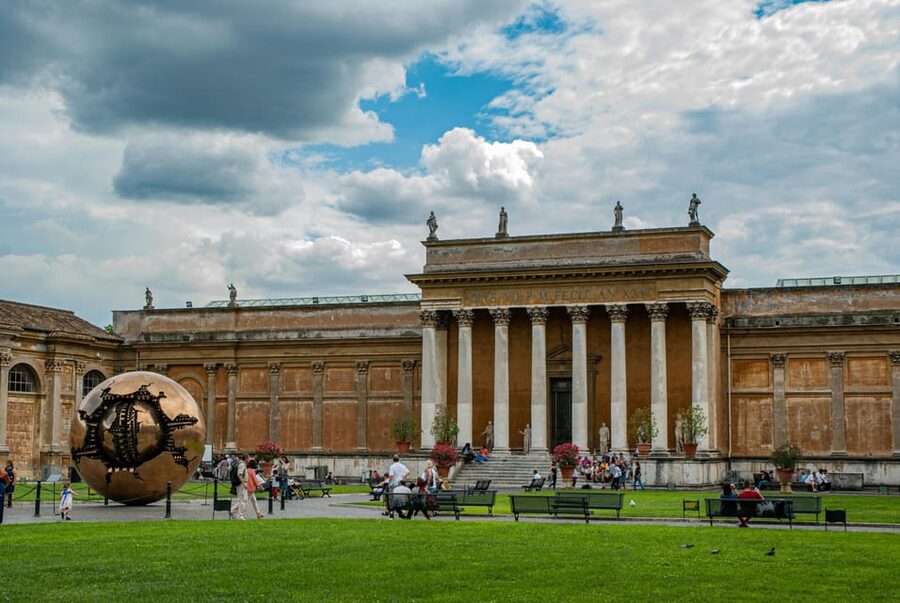
Once inside, the plan moves through the Vatican Museums highlights in a way that works with the short 2.5-hour window.
Pio Clementino: ancient sculpture energy
The Pio Clementino is one of those places where you can see why the Renaissance obsessed over Greco-Roman forms. Expect large-scale rooms focused on classical statuary. Even if you don’t know every artist or era, the sheer scale and repetition of motifs makes the “why” click: later European art kept borrowing from these bodies, poses, and ideas.
If you like art that feels intellectual but also physical, this is a great starting stop.
Worth a look next to this Rome booking:
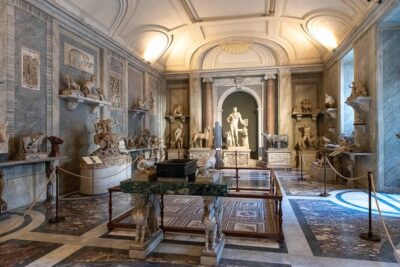
Belvedere Courtyard: a breather with a plan
From there you head to the Belvedere Courtyard, a standout open space that gives your eyes a reset after indoor galleries. Courtyards in palaces and museums are more than a break—they often function like turning points where visitors naturally regroup.
It’s also a good place to orient yourself. You’re about to hit rooms where the decoration and storytelling get busier.
A small caution: because the route is compact, you’ll want to slow down when you reach the big spaces. The fastest option isn’t always the best one, even when you paid for fast access.
Bramante Staircase and Pinecone Courtyard: architecture that deserves attention
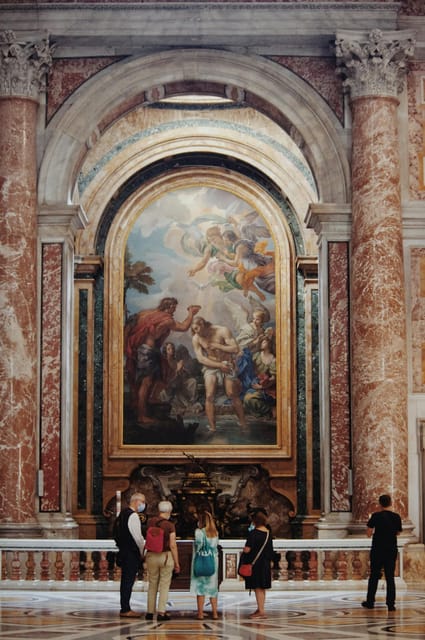
One reason I like this stop sequence is that it doesn’t treat the Vatican like only paintings and frescoes. It also treats space design as part of the show.
Bramante Staircase: movement as design
The Bramante Staircase is the kind of architectural feature people rush past—then regret it after. This is one of those moments where the “how it’s built” becomes part of the experience. You’re going upward through a carefully shaped stair, and it adds drama to the transition between museum sections.
In a tight time frame, architecture can be a smart use of your attention because it refreshes you mentally before the next art-heavy room.
Pinecone Courtyard: classical symbols, museum mood
Then you reach the Pinecone Courtyard. The name alone tells you it’s not just another corridor. Courtyards like this create a visual anchor in a place that can otherwise feel like endless halls.
Think of it like a palate cleanser before the Renaissance rooms.
If you’re traveling with someone who gets tired of standing in galleries, these courtyard/architecture moments are often what keep the trip fun for both of you.
Maps, woven-wall hangings, and the Raphael Rooms: where stories take over
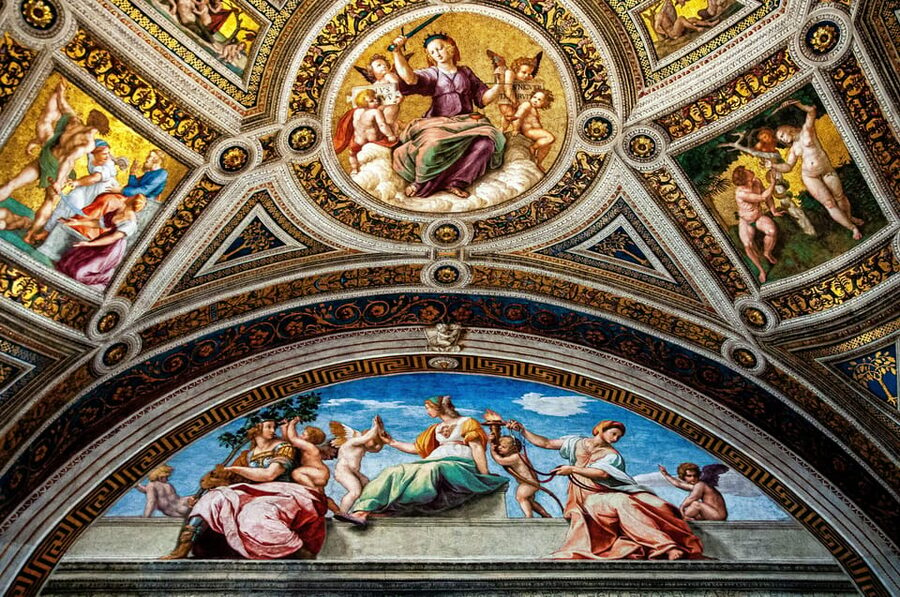
After the courtyard breaks, the route shifts into the parts people come for when they want art that explains power, belief, and persuasion.
Gallery of Maps: geography with attitude
The Gallery of Maps is exactly what it sounds like, but it’s also something else: a statement about how the world was understood. You’re looking at detailed mapping presented in a grand, ceremonial way. It’s the Vatican doing what it does best—turning information into authority.
If you care about how the Church shaped knowledge and culture, this is one of the most interesting stops because it’s not just pretty. It’s telling you how people wanted the world framed.
Woven-wall gallery: Renaissance decoration as storytelling
Next is the gallery of woven-wall hangings (often shown as the “woven-wall” collection in this circuit). The point of this room isn’t to count every scene like you’re reading a textbook. It’s to notice the craft and the way art fills space, turning the museum into something closer to theater.
You’ll likely spend less time here than you think you should, just because the next rooms pull you forward. That’s normal. If you want to maximize it, pick one or two panels to study instead of trying to see everything.
Raphael Rooms: frescoes that feel like a conversation
The Raphael Rooms are where the vibe shifts toward Renaissance storytelling. These rooms are famous for fresco programs, and you can feel why Raphael’s name is attached to this era. The paintings aren’t just decoration; they’re full compositions meant to impress and persuade.
One reason I think this part works so well is that the tour route links art to meaning. The experience helps you read the Vatican as a living system—how the Roman Catholic tradition, politics, and culture get expressed through images.
And if you’re the type who likes a visual “big picture” rather than dates and lectures, this set of rooms is a strong match.
Sistine Chapel: Michelangelo’s ceiling and the Last Judgment factor
Now you get to the part that makes people smile as soon as they see the crowd settle: the Sistine Chapel.
This experience is designed around Michelangelo highlights, including The Creation of Adam and The Last Judgment. Even if you’ve seen photos before, the scale changes everything once you’re there. The ceiling doesn’t feel like a picture. It feels like you’re standing inside a masterpiece’s full argument.
A key reality check: ceremonies can affect entry
Here’s the consideration that matters most: Sistine Chapel access can change. The Vatican may close it on short notice for official events or religious proceedings. The ticket still grants you access to the Vatican Museums, but you might not get the Sistine Chapel at the exact moment you expected.
So how should you handle that risk?
- If the Sistine Chapel is your top priority, you should treat this as a “best chance” plan, not a guaranteed guarantee.
- If your priority is the overall Vatican Museums collection, you’ll still be in good shape.
Practical value for $70: is this a smart purchase?
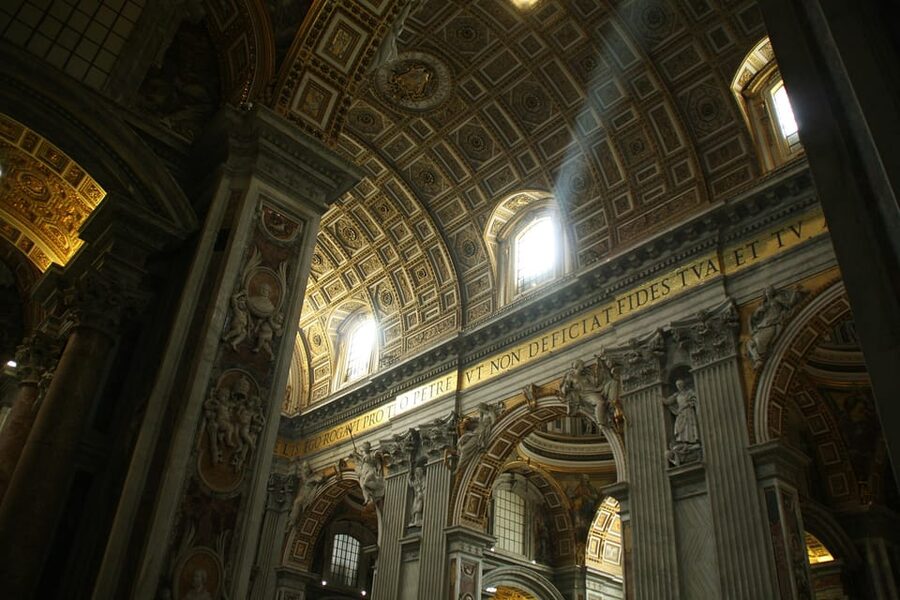
For $70 per person and a 2.5-hour visit, you’re buying three things: priority access, reduced waiting, and a structured route to the big hitters.
Does it include a guide? The information here says guide isn’t included. What you do get is host support at the entrance and the ticketed entry flow, plus the freedom to explore at your own pace. For many people, that’s a good setup: you don’t have to keep up with a group, but you still save the time cost of queues.
This is best value if:
- You’re short on time in Rome
- You want the top Vatican Museums stops without spending your whole day grinding through lines
- You’d rather use your energy to look carefully at a few major rooms than sprint across dozens
It may be less satisfying if:
- You were hoping for a true guided, commentary-heavy experience inside the halls
- You want a full, museum-complete day (this isn’t long enough for that)
Also, it’s not suitable for wheelchair users in this format, so mobility needs should guide your choice.
What to wear and bring so you don’t waste time
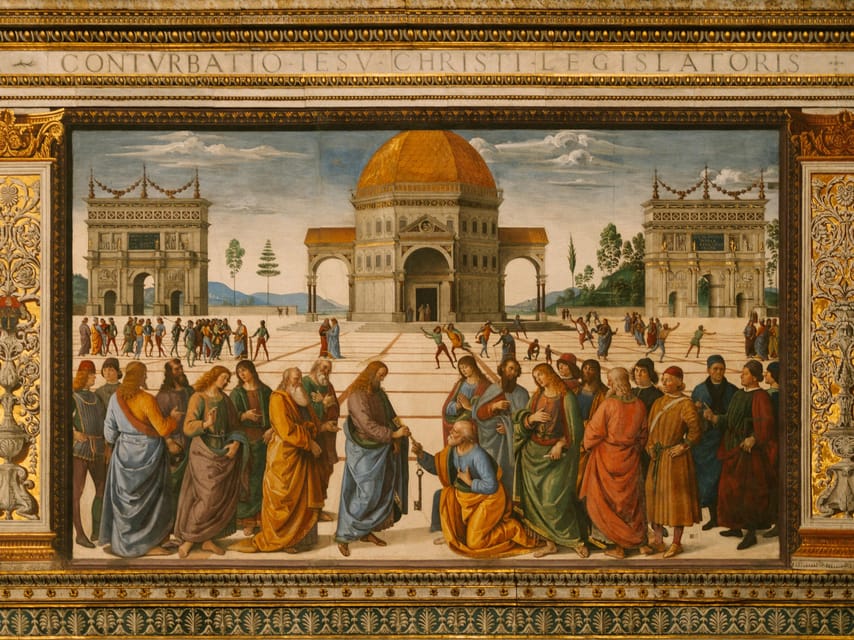
This is the section that saves trips.
Bring
- Your passport or ID card (children need ID too)
Wear
- Cover your knees and shoulders
- Avoid anything that looks like it’s breaking rules at the entrance
Don’t bring
- No luggage or large bags
- Avoid restricted items like alcohol and drugs
And remember: you’ll go through express security, so being prepared helps you move smoothly once you’re at the front.
Should you book this Vatican Museums skip-the-line entry?
Book it if you want a time-smart Vatican plan that gets you to the big rooms—Pio Clementino, Belvedere Courtyard, Gallery of Maps, Raphael Rooms—and then aims for the Sistine Chapel with Michelangelo’s ceiling highlights.
Pass on it (or consider a different style) if you need wheelchair-friendly access, you’re expecting a full guided tour with commentary throughout, or you’re the kind of person who needs unlimited time in the museum complex to feel satisfied.
If your goal is to see the Vatican’s most famous art without spending your morning fighting lines, this format is a practical win. Just go in with the right expectations: you’re doing a focused highlight run, and the Sistine Chapel finale depends on how Vatican events are running that day.
FAQ
How long is the Vatican Museums and Sistine Chapel visit?
The experience lasts about 2.5 hours.
What does the skip-the-line ticket include?
It includes skip-the-ticket-line access to the Vatican Museums and skip-the-ticket-line access to the Sistine Chapel.
Is there a guide included?
A guide is listed as not included. You will have a host meeting you at the entrance.
What time period should I expect for the Sistine Chapel?
Access is subject to Vatican regulations and ceremonies, and it can close on short notice for official events.
What do I need to bring with me?
Bring a passport or ID card. Children also need a passport or ID card.
What clothing is allowed?
Shorts and short skirts are not allowed. You should cover your knees and shoulders.
Is this suitable for wheelchair users?
No, it is not suitable for wheelchair users.
More Museums in Rome
- Vatican Museums, Sistine Chapel & St. Peter’s Basilica Tour
★ 4.3 · 73,970 reviews - Vatican Museums, Sistine Chapel & St Peter’s Basilica Guided Tour
★ 4.5 · 39,149 reviews - Rome: Vatican Museums, Sistine Chapel and Basilica Tour
★ 4.3 · 16,039 reviews - Vatican Museums & Sistine Chapel Skip-the-Line Entry Ticket
★ 4.4 · 13,838 reviews - Rome: Vatican Museums, Sistine Chapel & Basilica Tour
★ 4.7 · 13,217 reviews - Rome: Vatican Museums & Sistine Chapel Guided Tour
★ 4.3 · 12,117 reviews
More Tour Reviews in Rome
- Vatican Museums, Sistine Chapel & St. Peter’s Basilica Tour
★ 4.3 · 73,970 reviews - Vatican Museums, Sistine Chapel & St Peter’s Basilica Guided Tour
★ 4.5 · 39,149 reviews - Rome: Colosseum, Palatine Hill and Roman Forum Guided Tour
★ 4.8 · 32,814 reviews - Rome: Guided Tour of Colosseum, Roman Forum & Palatine Hill
★ 4.7 · 27,897 reviews - Rome: Colosseum & Forum with Audio Guide App -Optional Arena
★ 4.2 · 24,770 reviews - Rome: Colosseum, Roman Forum and Palatine Hill Guided Tour
★ 4.5 · 23,903 reviews
The Vatican, A Few More Ways In
- Vatican Museums, Sistine Chapel & St. Peter’s Basilica Tour
★ 4.3 · 73,970 reviews - Vatican Museums, Sistine Chapel & St Peter’s Basilica Guided Tour
★ 4.5 · 39,149 reviews - Rome: Vatican Museums, Sistine Chapel and Basilica Tour
★ 4.3 · 16,039 reviews - Vatican Museums & Sistine Chapel Skip-the-Line Entry Ticket
★ 4.4 · 13,838 reviews - Rome: Vatican Museums, Sistine Chapel & Basilica Tour
★ 4.7 · 13,217 reviews - Skip-the-Line Group Tour of the Vatican, Sistine Chapel & St. Peter’s Basilica
★ 4.5 · 12,779 reviews
Just added to our Rome reviews





Vatican Museums Tours, compared.
 ★ 4.5Vatican: Museums & Sistine Chapel Entrance TicketFrom $38144,003 reviews
 ★ 4.3Vatican Museums, Sistine Chapel & St. Peter’s Basilica TourFrom $7273,970 reviews
 ★ 4.5Vatican Museums, Sistine Chapel & St Peter’s Basilica Guided TourFrom $2239,149 reviews
 ★ 4.3Vatican Museums, Sistine Chapel and Basilica TourFrom $7316,039 reviews
 ★ 4.4Vatican Museums & Sistine Chapel Skip-the-Line Entry TicketFrom $4313,838 reviews
 ★ 4.7Vatican Museums, Sistine Chapel & Basilica TourFrom $7213,217 reviews
 ★ 4.5Skip-the-Line Group Tour of the Vatican, Sistine Chapel & St. Peter’s BasilicaFrom $3012,779 reviews
 ★ 4.3Vatican Museums & Sistine Chapel Guided TourFrom $11812,117 reviews