
Reviewed · ROME
Rome underground hidden temples, ruins, and secret basilicas
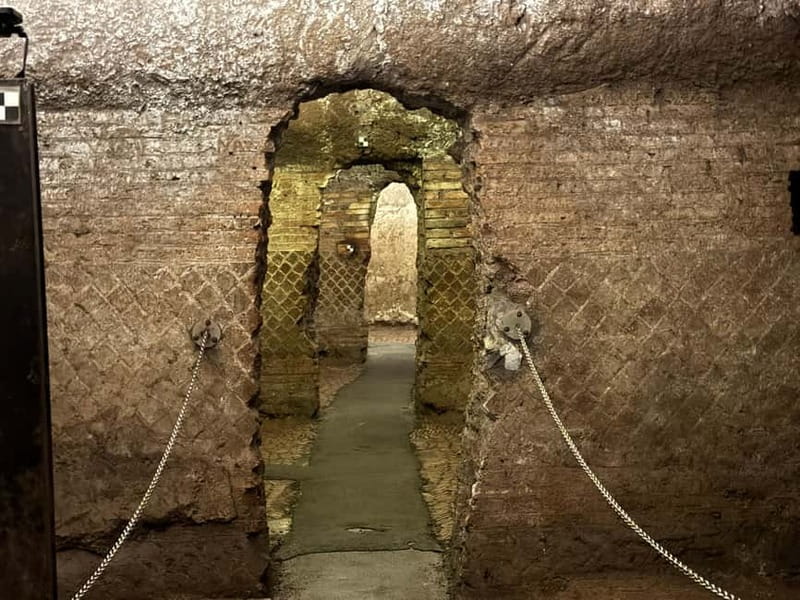
Rome has a basement, and it’s worth it. Step off the main tourist circuit and walk into San Clemente’s underground world, where centuries sit one on top of another like a history stack you can actually walk through. I like that the route is compact and close to the Colosseum area, but the payoff feels far from typical Rome sightseeing.
My first big love: you descend through three levels at San Clemente and watch the city’s story change as you go deeper. My second love: you warm up above ground with Michelangelo’s Moses and the chains of St. Peter inside San Pietro in Vincoli, then you head straight back down into the older Rome that built those later churches.
One consideration: church entry has a strict dress code. If your knees or shoulders aren’t covered, entry can be refused, so plan clothes before you arrive—no last-minute fashion fixes in the dark underground stairwells.
In This Review
- Key things to know before you go
- Rome Underground Starts at San Pietro in Vincoli (Michelangelo’s Moses and St. Peter’s Chains)
- Ludus Magnus: The Gladiator School Beneath the Arena Hype
- San Clemente’s Three Underground Levels: From 12th-Century Mosaics to a Mithraeum
- Private Guide vs Audio App: Which Style Fits Your Day?
- Private guided tour (best for story-driven visitors)
- Audio guided tour app (best for flexible pacing)
- Timing, Walking Route, and Where You Actually Start
- Price and Value: Why $31 Can Make Sense for Rome
- Who This Works Best For (and Who Should Rethink It)
- Should You Book This Rome Underground Experience?
- FAQ
- How long does the Rome underground tour take?
- Where is the meeting point?
- What do I visit on this experience?
- Are there languages available for the guide or audio?
- What phone and headphones do I need for the audio tour?
- What’s the dress code for entering the churches?
Key things to know before you go
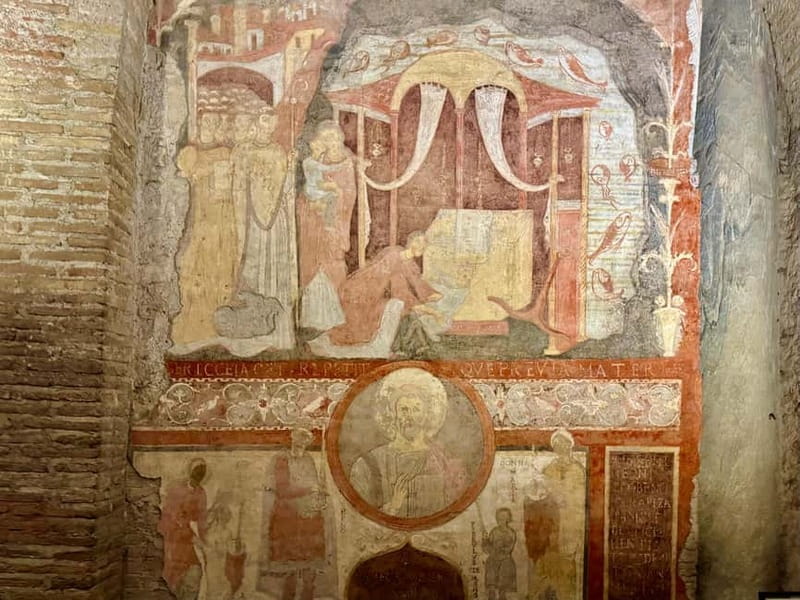
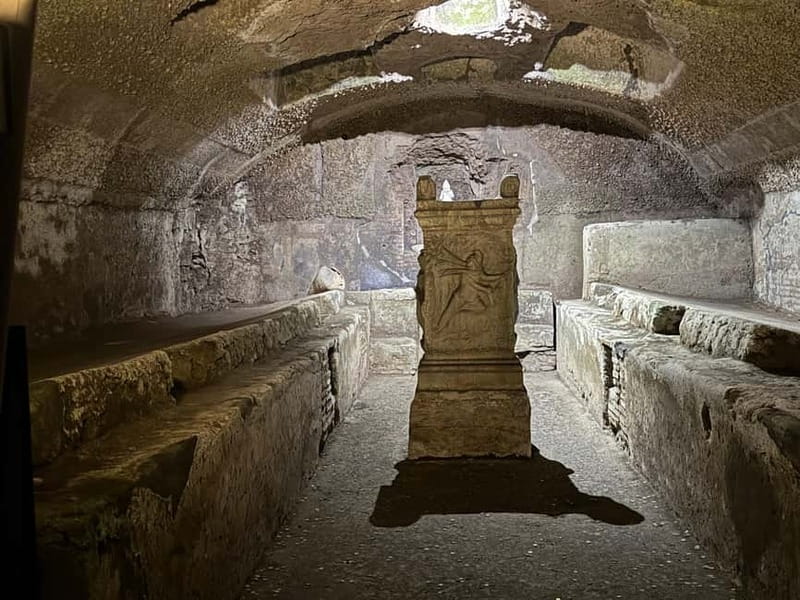
- San Clemente is the star: three underground layers, including a 1st-century Roman house and a Mithraeum
- You start with meaning, not just ruins: San Pietro in Vincoli pairs St. Peter stories with Michelangelo’s Moses
- Ludus Magnus makes gladiators feel real: the training ground is haunting in a grounded way
- Two ways to enjoy it: private guide for deeper storytelling, or an audio app for your own pace
- Bring the right phone (if audio): smartphones produced in 2020 or later are recommended for the app
- Wear for churches and caves: knees/shoulders covered, plus comfortable shoes for stairs and uneven spots
Rome Underground Starts at San Pietro in Vincoli (Michelangelo’s Moses and St. Peter’s Chains)
Most Rome tours start with the big postcard sites. This one starts with something quieter and more personal, which I really appreciate. You meet near the Colosseum zone, then begin at San Pietro in Vincoli, where the experience immediately turns from sightseeing into story.
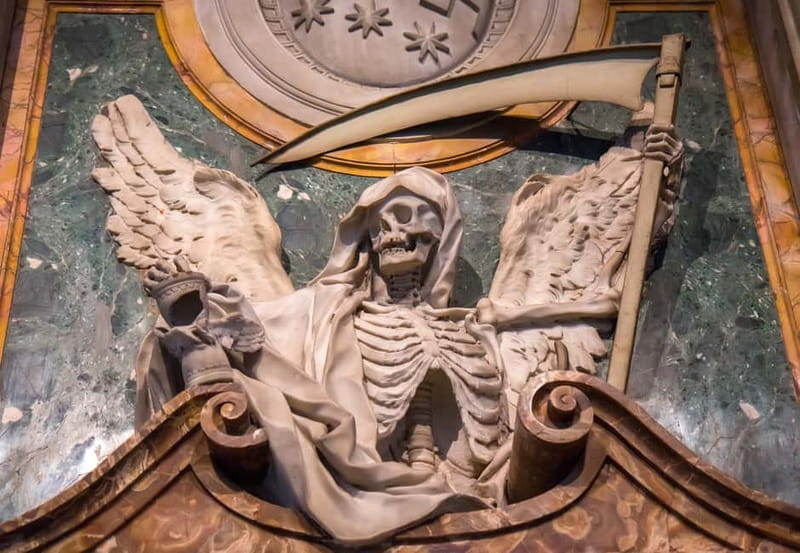
Inside, you get to see Michelangelo’s Moses, one of those works that feels less like decoration and more like a moment frozen in time. The guide focus (or the audio script, if you choose that option) also points you toward the two sets of chains connected with St. Peter. Even if you don’t consider yourself religious, it’s hard not to feel the weight of how these objects and legends were carried through centuries of faith and politics.
From here, you’re primed for what comes next: you’ll be looking at Rome not as a single era, but as a series of layers. You also get the benefit of a smart sequencing trick: seeing something powerful above ground first makes the underground later feel less random and more inevitable.
Practical note: you’ll want to dress for church entry. The rule is knees and shoulders covered for both men and women, and it’s strictly enforced.
Weighing this one up? Here is how a few Rome favourites compare:
- Vatican Museums, Sistine Chapel & St. Peter’s Basilica Tour
★ 4.3 · 73,970 reviews - Vatican Museums, Sistine Chapel & St Peter’s Basilica Guided Tour
★ 4.5 · 39,149 reviews - Rome: Colosseum, Palatine Hill and Roman Forum Guided Tour
★ 4.8 · 32,814 reviews - Rome: Guided Tour of Colosseum, Roman Forum & Palatine Hill
★ 4.7 · 27,897 reviews
Ludus Magnus: The Gladiator School Beneath the Arena Hype
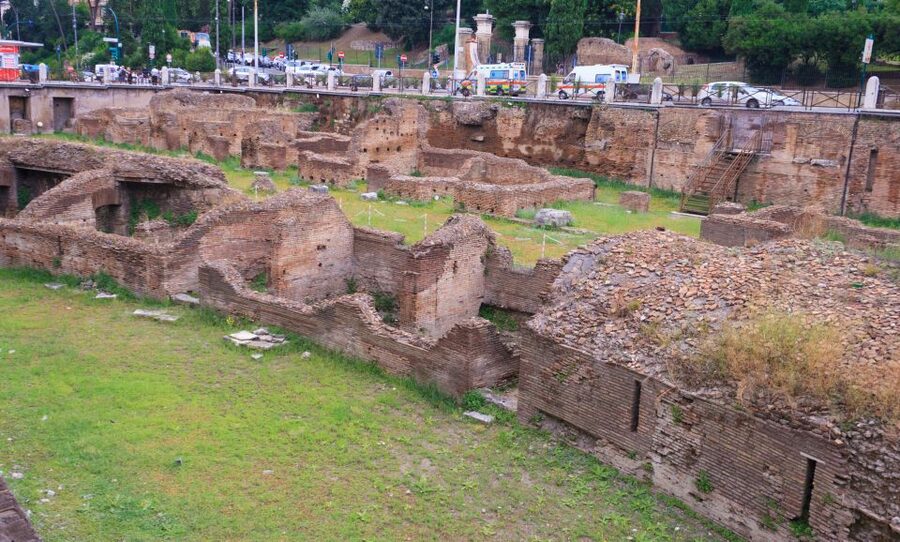
After San Pietro in Vincoli, the route shifts toward the gritty Rome people often skip: the training side, not the arena side. The stops around Ludus Magnus help you connect the gladiator myth to a physical place—an ancient training ground that ties directly into what you’ve seen at the Colosseum.
What I like here is the mood. This isn’t a polished “show” ruin. It’s more like the bones of a system—rooms and spaces that once supported intense daily life. If the Colosseum is where gladiators performed, Ludus Magnus is where they prepared. Standing in that context changes how you picture the whole spectacle.
If you’re going with a private guide, expect more shaping of the story—why certain locations mattered, and how the underground connections worked conceptually. If you’re on the audio app, you still get a guided experience, but the pacing depends more on how long you pause to look.
Either way, don’t rush this stop. You only get a short visit window, but you’ll get more out of it if you take a minute to orient yourself and picture training routines in a place that wasn’t built for tourists.
San Clemente’s Three Underground Levels: From 12th-Century Mosaics to a Mithraeum
This is the reason to book.
San Clemente is one of those rare places in Rome where “under the city” isn’t a metaphor. You walk down and the timeline rewrites itself around you. The visit takes you through three underground levels, stepping backward through time.
At the upper layer, you’ll see the 12th-century basilica—ornate and visually alive, with mosaics that show the confidence of a later Rome. Then you go deeper into a more austere 4th-century church that feels different in tone: older, more stripped down, more about function than flourish. Finally, you reach the 1st-century world, including a Roman house and the site tied to the Mithraeum, the pagan temple area associated with the cult of Mithras.
I like how this structure forces a better kind of Rome thinking. The point isn’t to memorize dates. It’s to understand that Rome kept building over itself—sometimes because of growth, sometimes because of survival, sometimes because one community reused what came before. San Clemente is the proof you can see with your eyes and feel with your feet.
A small thing that matters: you’re descending, so the temperature and sound change. If you’re the type who enjoys atmosphere as much as facts, this stop delivers.
What to watch for: comfortable shoes. Underground surfaces can be uneven, and there are stairs. Even when the tour is well organized, you’re still moving through a real site that wasn’t designed for smooth wheelchair-friendly flow.
Private Guide vs Audio App: Which Style Fits Your Day?
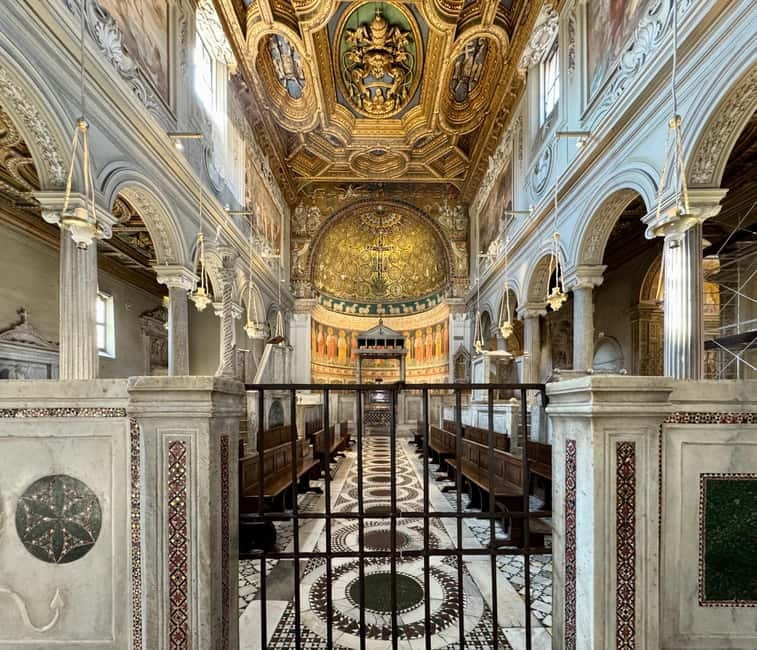
This experience comes in two formats, and your choice shapes how much you’ll get out of the underground layers.




Private guided tour (best for story-driven visitors)
With the private guide in English (and live tour guide languages listed as English, Spanish, Italian, French), you’ll get a more conversational narrative, especially around the transitions between sites. This option also includes visits to San Pietro in Vincoli, Ludus Magnus, and the full San Clemente underground exploration.
If you like asking questions, or if you tend to connect history to people and politics, this is the better match.
Audio guided tour app (best for flexible pacing)
The audio guided option focuses on the Basilica of San Clemente, letting you go at your own speed. The app is offered in multiple languages (English, Italian, Spanish, French, German). The experience is built for independent exploring, which I find great if you already know you’ll want time to stand still and look.
Here’s the practical catch: for best performance, the instructions recommend a smartphone produced in 2020 or later with the latest operating system. Headphones are highly recommended, and you should bring your own.
If your phone is older or you don’t travel with headphones, you might still make it work, but it’s a risk.
Timing, Walking Route, and Where You Actually Start
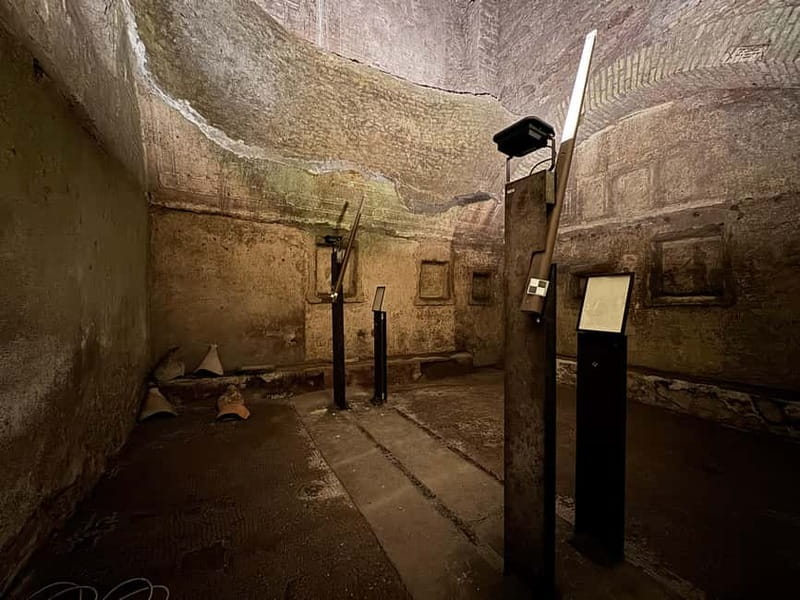
This tour is designed for a walking day, not bus transfers. The duration ranges from 1 to 2.5 hours, depending on the option and start time you pick. Sites are close enough that you’ll do short walks between them.
You also get two possible starting location options listed for meeting:
- Via Labicana, 96
- Piazza di San Pietro in Vincoli
From there, your route moves through the Colosseum-area neighborhood, then into San Pietro in Vincoli, then toward the ruin stop, and finally ends at Piazza di S. Clemente.
Because the finish point is different from the start point, I like to think of this as half a route and half an experience. Plan that you’ll leave near San Clemente afterward and keep walking from there, rather than expecting to be right back where you started.
Also, the activity runs in all weather conditions. Rome can go from sunny to damp quickly, so bring the right layer. Nothing ruins the underground vibe like sore feet and a cold shock when you go underground.
Price and Value: Why $31 Can Make Sense for Rome
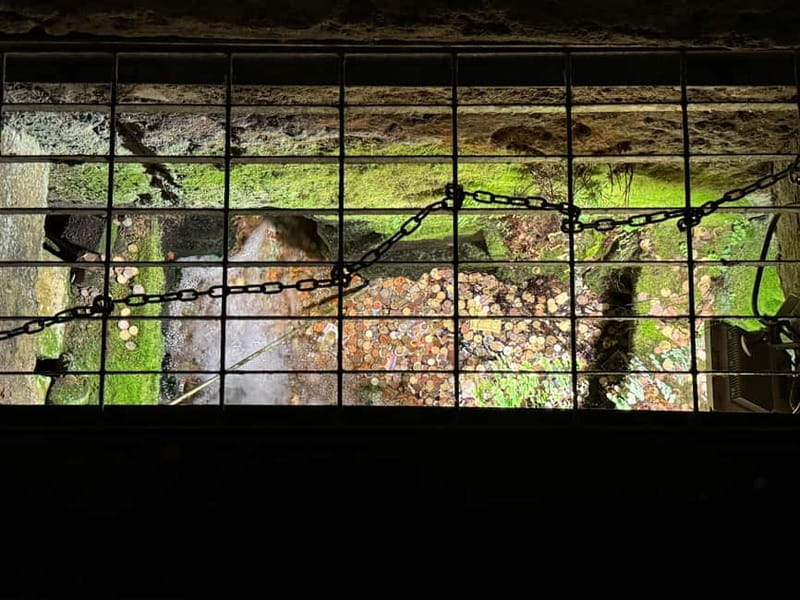
At $31 per person, you’re not paying for a fancy coach ride. You’re paying for access, guidance (private) or structured audio, and entrance coverage for the key stops.
What makes the value feel real:
- Entrance tickets are included for the required sites
- You get skip-the-ticket-line for the included ticketed access
- The underground portion includes access to three levels at San Clemente
- The route includes major works and ruins close together, so you’re not spending hours getting between disconnected points
When Rome tours feel overpriced, it’s often because the “experience” is just walking past a place. Here, you’re actually getting inside places and moving through different layers of the city—12th century to 1st century—within a short time window.
The smarter comparison isn’t “Is it cheaper than another tour?” It’s “Will this help me see something I can’t easily see on my own?” For many people, the answer is yes, because the underground layout and the connections between sites are hard to interpret without a guide or a well-built audio path.
Who This Works Best For (and Who Should Rethink It)
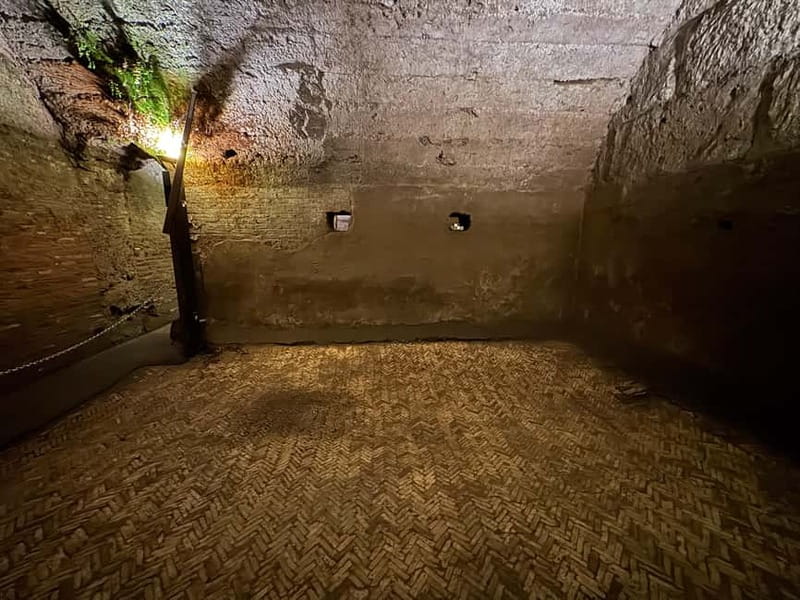
This is a strong match for:
- People who love history you can physically trace with your feet
- Visitors who want something different from Colosseum-only days
- Anyone who enjoys religious art and artifacts as part of the wider city story (the chains and Moses matter here)
- Independent travelers who like a self-paced audio app structure
You might want to rethink it if:
- You can’t handle stairs and uneven surfaces. The instructions say it’s not wheelchair accessible due to stairs and uneven underground areas.
- You don’t want to manage a phone and headphones for the audio option. The app is recommended to run best on newer smartphones.
- You forget the church dress code. Knees and shoulders covered is not optional.
Should You Book This Rome Underground Experience?
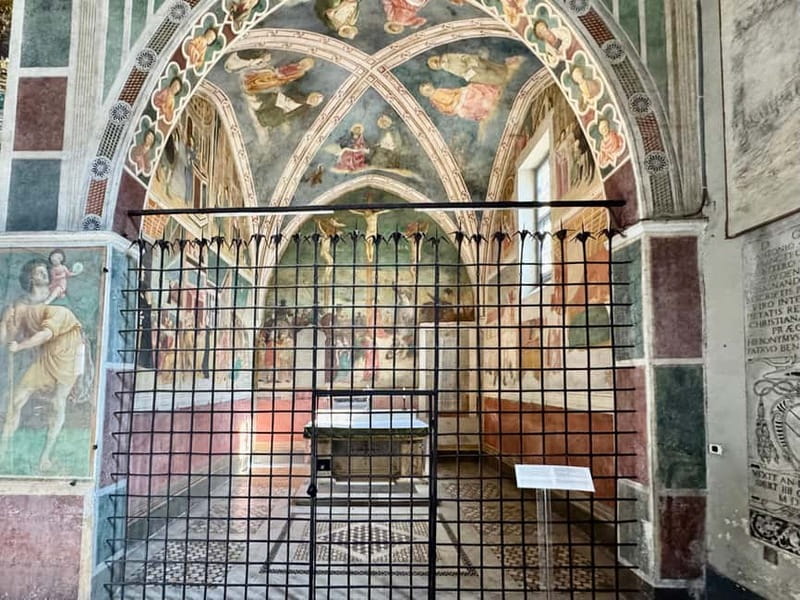
I’d book it if you’re trying to see the real Rome under the real Rome. This tour gives you a rare combo: a major art object and religious legend above ground, gladiator-era context through Ludus Magnus, and then the big payoff at San Clemente, where you go down through centuries in a way that feels practical, not theatrical.
If you’re short on time, you’ll still get meaningful value out of the 1–2.5 hour window. If you like flexibility, choose the audio app for San Clemente and take your time in the places that catch your eye.
Just remember the two make-or-break details: dress for the churches and wear comfortable shoes. Do that, and Rome’s underground stops being a weird curiosity and becomes one of your most memorable stops in the city.
FAQ
How long does the Rome underground tour take?
The duration is listed as 1 to 2.5 hours, depending on availability and the option you choose.
Where is the meeting point?
You can start at Via Labicana, 96 or Piazza di San Pietro in Vincoli (meeting point may vary by the option booked).
What do I visit on this experience?
The private guided option includes San Pietro in Vincoli, the Ludus Magnus ruins, and the Basilica of San Clemente with access to its underground levels. The audio option focuses on the Basilica of San Clemente.
Are there languages available for the guide or audio?
The private live guide is listed in English, Spanish, Italian, and French. The audio guide app is available in English, Italian, Spanish, French, and German.
What phone and headphones do I need for the audio tour?
You’ll download and use an audio guide app. The instructions recommend a smartphone produced in 2020 or later with the latest operating system, and headphones are recommended for optimal listening (bring your own).
What’s the dress code for entering the churches?
A dress code is required: knees and shoulders must be covered for both men and women. Entry can be refused if you don’t comply.
More Tour Reviews in Rome
- Vatican Museums, Sistine Chapel & St. Peter’s Basilica Tour
★ 4.3 · 73,970 reviews - Vatican Museums, Sistine Chapel & St Peter’s Basilica Guided Tour
★ 4.5 · 39,149 reviews - Rome: Colosseum, Palatine Hill and Roman Forum Guided Tour
★ 4.8 · 32,814 reviews - Rome: Guided Tour of Colosseum, Roman Forum & Palatine Hill
★ 4.7 · 27,897 reviews - Rome: Colosseum & Forum with Audio Guide App -Optional Arena
★ 4.2 · 24,770 reviews - Rome: Colosseum, Roman Forum and Palatine Hill Guided Tour
★ 4.5 · 23,903 reviews




