
Reviewed · COLOSSEUM & ANCIENT ROME TOURS
Rome: Trajan Markets Experience with Multimedia Video
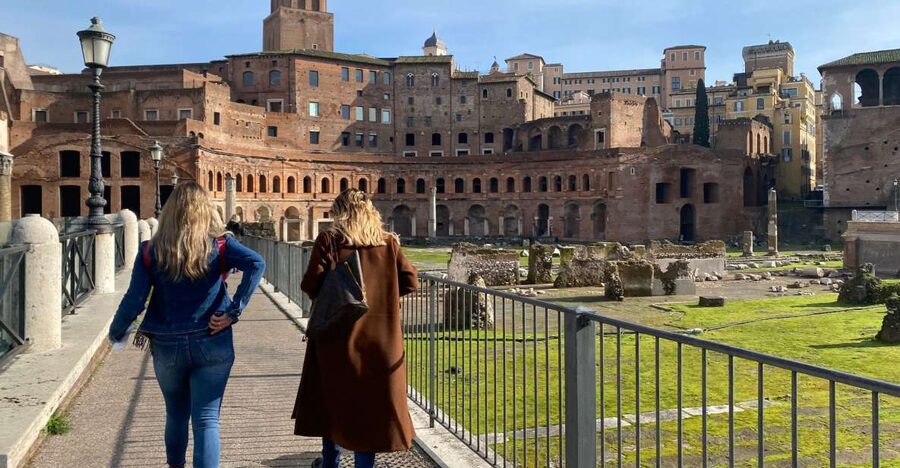
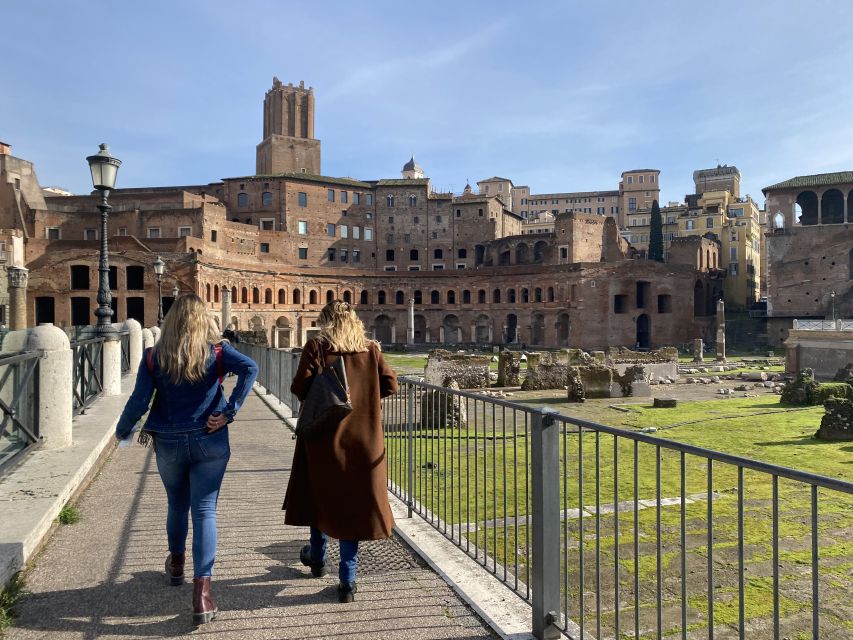
Trajan Markets feels like a Roman mall. I especially love the semi-circle architecture and how the Fori Imperiali Museum makes trade feel real with artifacts and amphorae. The one drawback to plan around: this isn’t a live guided tour, so you’ll rely on the video and phone audio to connect the dots.
You’ll start with a 25-minute multimedia video that reconstructs major monuments of Rome, then move through the archaeological complex that once served as the Empire’s commercial hub. After that, the Fori Imperiali Museum helps you slow down and look closely at what people actually bought, sold, and used.
If you want a hands-on stroll through Imperial Rome without crowds and without needing to think too hard about logistics, this is a solid pick. Just bring what you need, especially comfortable shoes and working headphones.
In This Review
- Key things to know before you go
- A 25-Minute Multimedia Primer on Imperial Rome
- Trajan Markets: How a Roman Shopping Mall Was Built
- Spot the Forums and the 17th-Century Cistern
- Fori Imperiali Museum: Artifacts, Amphorae, and Trade in Context
- Using the Phone App Audioguide with 170+ Points
- Price and Logistics: What You Pay for and How to Prepare
- Who This Experience Fits Best (and who should skip)
- Should You Book the Trajan Markets and Fori Imperiali Museum?
- FAQ
- How long is the experience?
- What is included in the ticket price?
- Is there a guided tour?
- Where is the meeting point?
- What time should I plan to go?
- What should I bring?
- What is not allowed during the visit?
- Is it wheelchair accessible?
- Are there options for flexible booking or cancellation?
- Do I need to download anything before I start?
Key things to know before you go
- 25-minute multimedia video: a quick, visual warm-up that sets the context for the markets and forums.
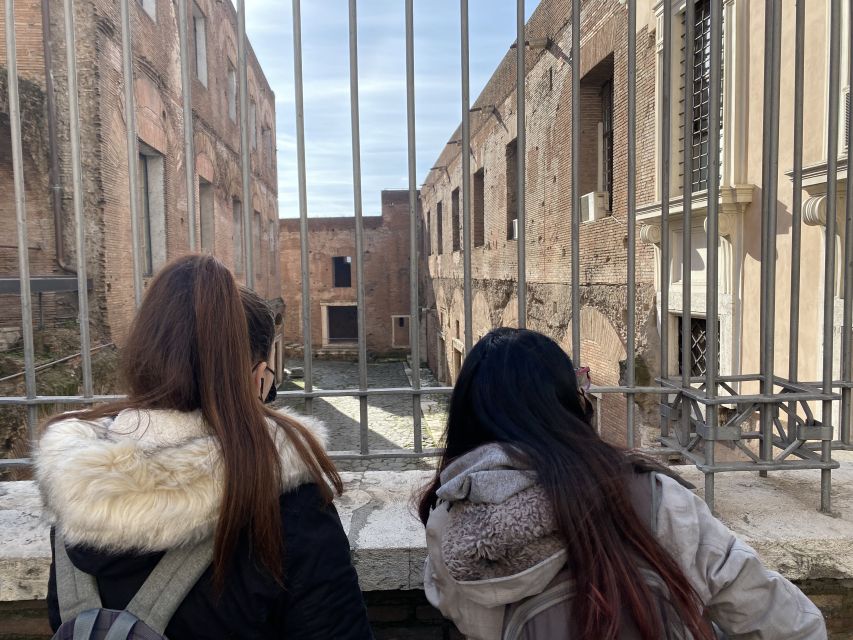
- Trajan Markets as a “commercial machine”: you’re walking through space that functioned like an ancient shopping center.
- App audioguide with 170+ points: you can tap around and choose what you want to focus on.
- Forums tied to emperors: you’ll pass key areas linked to Caesar’s Forum, Augustus’ Forum, Nerva’s Forum, and the Templum Pacis.
- Museum artifacts and amphorae: a good stop if you like everyday objects that reflect real trade.
- Plan for self-paced pacing: no guide is included, so the phone audio is your main tool.
A 25-Minute Multimedia Primer on Imperial Rome
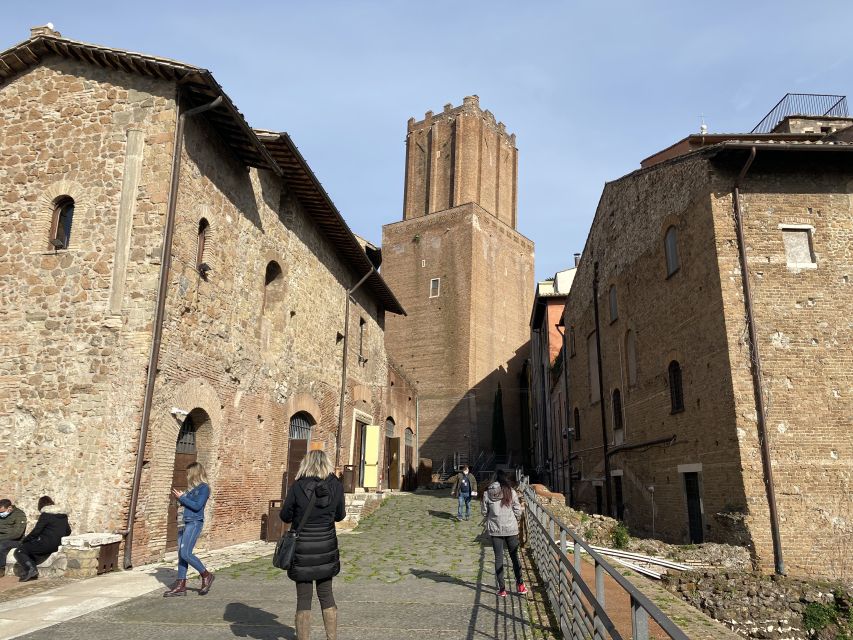
Rome can be a lot at once: ruins, layers, names, and dates that blur together fast. This experience gets around that by starting with a 25-minute multimedia video on Ancient Rome. It’s designed to give you a mental picture before you start wandering. You see reconstructions of important monuments, which helps the later ruins feel less like random stone and more like part of a functioning city.
What I like about this start is the pace. Twenty-five minutes is long enough to build context, but short enough that you’re still fresh when you step outside. The video also helps you understand what kind of place Trajan Markets was: not a standalone monument, but part of a larger urban system where commerce, politics, and public life overlapped.
One more practical point: this kind of intro is great if you’re not trying to study a whole Roman textbook while on vacation. If you prefer your learning packaged into short chunks, you’ll appreciate the format.
Still on ancient Rome? A few more we rated
- Rome: Colosseum, Palatine Hill and Roman Forum Guided Tour
★ 4.8 · 32,814 reviews - Rome: Guided Tour of Colosseum, Roman Forum & Palatine Hill
★ 4.7 · 27,897 reviews - Rome: Colosseum & Forum with Audio Guide App -Optional Arena
★ 4.2 · 24,770 reviews - Rome: Colosseum, Roman Forum and Palatine Hill Guided Tour
★ 4.5 · 23,903 reviews
Trajan Markets: How a Roman Shopping Mall Was Built
Trajan Markets is often described as an architectural oddity, and that’s part of the fun. The complex includes that distinctive semi-circle shape, which gives you a stronger sense of how these structures were planned rather than built randomly over time.
When you explore the archaeological complex, you’re not just looking at walls. You’re walking through the commercial center of the city during the Roman Imperial Age. That matters because it changes how you read the space. Instead of asking, What is this structure? you start asking, What kind of activity happened here? Shops and trade weren’t side quests in Imperial Rome—they were a real, daily engine.
You’ll notice how the site reads like layers of use. Even in ruins, you can sense that the area had multiple purposes across centuries. That’s reinforced later when you see remnants like a 17th-century cistern, but you can already feel the “Rome kept reusing and reshaping this place” theme while you’re moving through the markets.
The complex is also a nice option if you’re traveling with varied interests. Architecture lovers get the geometry and scale. People who like everyday history get the commerce angle. And if you’re more of a museum person, you’ll have the Fori Imperiali Museum waiting for you after the walk.
Spot the Forums and the 17th-Century Cistern
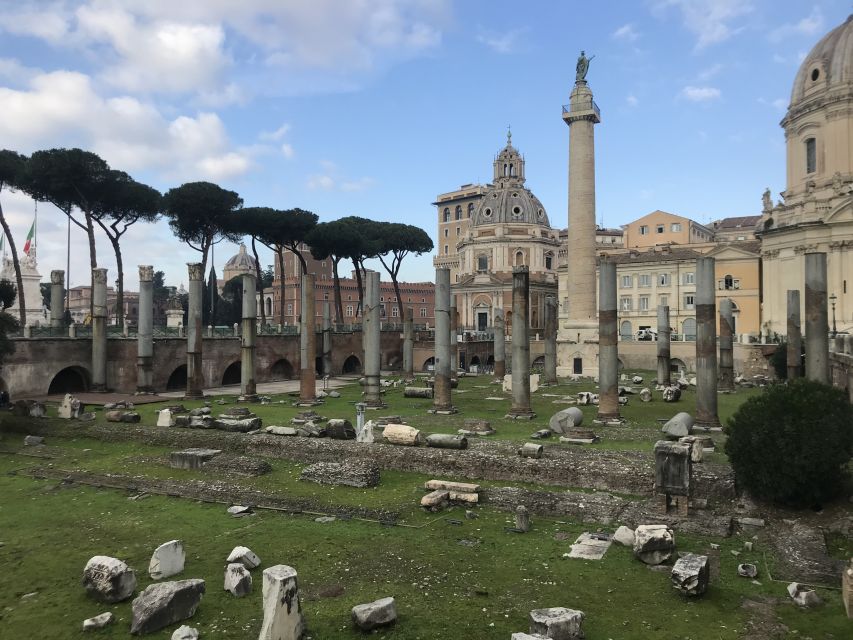
Trajan Markets doesn’t sit in isolation. It sits near—and connects you to—the bigger story of the forums: the places where Romans met, traded, and did politics in public view.
As you move through the complex, you’ll explore areas associated with major forums and spaces, including Caesar’s Forum, Augustus’ Forum, Nerva’s Forum, and the Templum Pacis. Even if you’re not a Roman names-and-dates specialist, those connections help you understand the city’s “hub and spokes” layout. This is why the site feels important: it’s tied to the centers of power and public life, not hidden somewhere on the edge.
Then there’s the 17th-century cistern, and it’s a detail I think you’ll enjoy more than you expect. It’s a reminder that Rome didn’t stop being useful after the Roman Empire fell. The same area kept serving practical needs, long after the original Imperial functions changed.
This is also where the mood shifts slightly. The markets section can feel like you’re seeing the past at work, and then the cistern makes you think about adaptation and survival. It’s not just ancient spectacle—it’s a place that kept getting reused because it was already in the right spot.
If you like to look at ruins and ask, How did people live with this? you’ll probably find the cistern especially satisfying.
Fori Imperiali Museum: Artifacts, Amphorae, and Trade in Context
After exploring the outdoor archaeological areas, you’ll head into the Fori Imperiali Museum. This is the part of the experience that helps the trade theme become specific instead of abstract.
The museum features a collection of artifacts from ancient cultures, including amphorae. Amphorae are the kind of objects that can feel almost boring until you connect them to what they carried. When you see them close up, it clicks: commerce wasn’t just markets and speeches—it was containers, storage, transport, and everyday goods.
Another reason this museum stop works well is that it complements the architecture. Outdoors, you’re reading space. Indoors, you’re reading objects. That combination makes the day feel complete, rather than like you only saw “cool stones” and called it history.
If you enjoyed the architecture of Trajan Markets, you’ll likely appreciate how the museum helps you zoom in. If you came primarily for the trade story, the artifacts give you something tangible to anchor your memory.
One practical tip: spend a little time just scanning the labels and grouping items in your mind (transport, storage, everyday use). You don’t need to read everything to get the point.
Using the Phone App Audioguide with 170+ Points
The experience includes an interactive city app audioguide that you download to your phone. It’s loaded with more than 170 points of interest, and it’s meant to help you listen and explore as you go.
This is a big deal because this day is self-paced. There’s no guided tour included, so the app becomes your main layer of interpretation. With that many points, you can choose what you want to emphasize: architecture details, historical context, or connections between the markets and the forums.
You’ll also want to use headphones and make sure your phone is charged. This isn’t just for comfort; it’s for flow. If your audio cuts out halfway through a section, the experience becomes harder to stitch together.
Think of the app as your “choose-your-own-focus” tool. If you’re tired, you can just follow the most important audio stops. If you’re in a curiosity mood, you can branch out and explore extra points.
If you tend to lose time fiddling with apps, do yourself a favor and set everything up before you enter the site.
Price and Logistics: What You Pay for and How to Prepare
The price is listed at $37 per person for a 1-day experience, and you’re getting a mix that usually costs more when it’s pieced together: a 25-minute multimedia video, Trajan Markets entrance, Fori Imperiali Museum entrance, plus the phone audioguide app and meeting-point assistance.
To judge value, it helps to be clear about what you’re buying. You’re not paying for a traditional guide walking point-by-point. You’re paying for access, context (video), and an interpretive tool (the app). That can be excellent value if you like independence and short structured learning.
For logistics, start at the Touristation office at Piazza d’Aracoeli 16, near Piazza Venezia. Look for the orange Touristation flags, and there’s a fountain in front of the office entrance. This matters because meeting points in central Rome can be confusing quickly if you’re rushing.
One thing to plan around: ticket pickup and printing can take time at the on-site station. It’s smart to arrive a bit earlier than you think you need, so a slow moment doesn’t steal time from the first big interpretive stop.
What to bring:
- passport or ID card
- comfortable shoes
- headphones
- a charged smartphone
Also note the rules. Pets aren’t allowed, and you can’t bring luggage or large bags, drones, weapons or sharp objects, or items like glass. If you’re traveling light, you’ll make this easier on yourself.
As for pacing, this is a good day for people who like walking but also want built-in structure. The video gives you that first layer, and the app helps keep your attention from drifting.
Who This Experience Fits Best (and who should skip)
This experience fits best if you want a Roman day that’s part architecture, part practical history, and part museum objects. You’ll likely enjoy it if you’re curious about how commerce worked in the Imperial Age and you like seeing trade reflected in real spaces and real containers like amphorae.
It’s also a good choice if you prefer self-guided flexibility. Since a live guided tour isn’t included, you can move at your pace—slow down for details, speed up when you’re tired, and revisit areas if something catches your attention.
If you’re short on time but want more than a quick photo stop, the combination of video + markets + museum is a strong package. The day is structured enough to feel like you did something meaningful, not just wandered.
If you’re a wheelchair user, note that this experience is not suitable for wheelchair users, based on the provided info. And because you’ll be on your feet, comfortable shoes are not optional.
Should You Book the Trajan Markets and Fori Imperiali Museum?
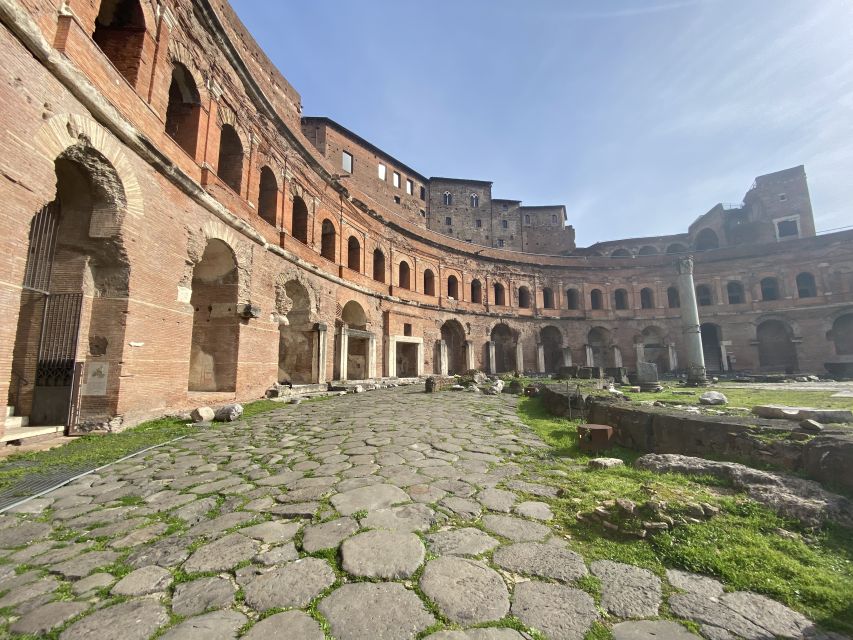
I’d book it if you want a day that feels anchored: the video gives you the big picture, the Trajan Markets complex gives you the lived-in “shopping mall” feeling of Imperial Rome, and the Fori Imperiali Museum turns trade into tangible objects like amphorae.
Skip it if you only enjoy history when someone explains it live from start to finish. Since there’s no guided tour included, you’ll be happier if you’re comfortable using headphones and following the phone app.
If you’re the kind of traveler who likes to set your own pace but still wants good structure, this is a very reasonable buy at $37 for a full day of access and interpretation.
FAQ
How long is the experience?
It’s listed as valid for 1 day.
What is included in the ticket price?
You get the 25-minute Ancient Rome video presentation, Trajan Markets entrance, Fori Imperiali Museum entrance, the city app audioguide downloadable to your smartphone, and assistance at the meeting point.
Is there a guided tour?
A guided tour is not included.
Where is the meeting point?
Meet at the Touristation Aracoeli Office at Piazza d’Aracoeli 16, near Piazza Venezia. Look for the orange Touristation flags, and there is a fountain in front of the office entrance.
What time should I plan to go?
Starting times depend on availability for the 1-day experience, so check the available starting times before you book.
What should I bring?
Bring your passport or ID card, comfortable shoes, headphones, and a charged smartphone.
What is not allowed during the visit?
Pets, weapons or sharp objects, luggage or large bags, drones, alcohol and drugs, sprays or aerosols, and glass objects are not allowed.
Is it wheelchair accessible?
No, it’s not suitable for wheelchair users.
Are there options for flexible booking or cancellation?
You can cancel up to 24 hours in advance for a full refund. You can also reserve now and pay later.
Do I need to download anything before I start?
Yes. You’ll download the interactive app on your mobile phone to use the audioguide and points of interest.
More Tour Reviews in Rome
- Vatican Museums, Sistine Chapel & St. Peter’s Basilica Tour
★ 4.3 · 73,970 reviews - Vatican Museums, Sistine Chapel & St Peter’s Basilica Guided Tour
★ 4.5 · 39,149 reviews - Rome: Colosseum, Palatine Hill and Roman Forum Guided Tour
★ 4.8 · 32,814 reviews - Rome: Guided Tour of Colosseum, Roman Forum & Palatine Hill
★ 4.7 · 27,897 reviews - Rome: Colosseum & Forum with Audio Guide App -Optional Arena
★ 4.2 · 24,770 reviews - Rome: Colosseum, Roman Forum and Palatine Hill Guided Tour
★ 4.5 · 23,903 reviews
Ancient Rome, Kept Going
- Rome: Colosseum, Palatine Hill and Roman Forum Guided Tour
★ 4.8 · 32,814 reviews - Rome: Guided Tour of Colosseum, Roman Forum & Palatine Hill
★ 4.7 · 27,897 reviews - Rome: Colosseum & Forum with Audio Guide App -Optional Arena
★ 4.2 · 24,770 reviews - Rome: Colosseum, Roman Forum and Palatine Hill Guided Tour
★ 4.5 · 23,903 reviews - Rome: Colosseum Arena Floor, Palatine & Forum Guided Tour
★ 4.5 · 20,180 reviews - Rome: Colosseum Arena, Palatine Hill & Forum Guided Tour
★ 4.7 · 14,510 reviews
Just added to our Rome reviews





Colosseum & Ancient Rome Tours, compared.
 ★ 4.8Colosseum, Palatine Hill and Roman Forum Guided TourFrom $5232,814 reviews
 ★ 4.7Guided Tour of Colosseum, Roman Forum & Palatine HillFrom $5527,897 reviews
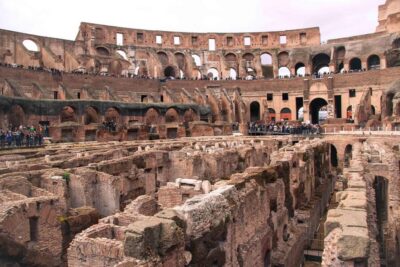 ★ 4.2Colosseum & Forum with Audio Guide App -Optional ArenaFrom $4124,770 reviews
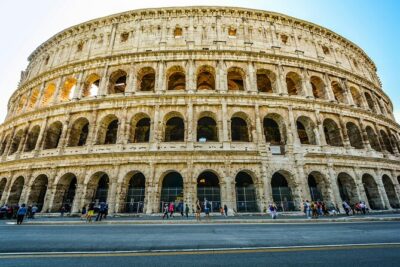 ★ 4.5Colosseum, Roman Forum and Palatine Hill Guided TourFrom $5923,903 reviews
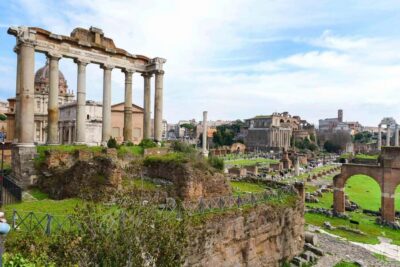 ★ 4.5Colosseum Arena Floor, Palatine & Forum Guided TourFrom $4120,180 reviews
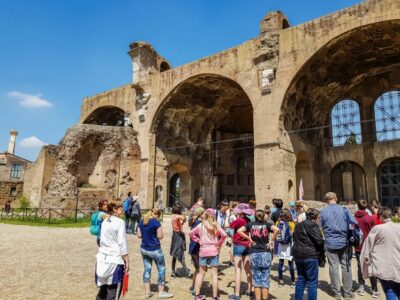 ★ 4.7Colosseum Arena, Palatine Hill & Forum Guided TourFrom $8414,510 reviews
 ★ 4.6Colosseum,Forum & Palatine Tour + Optional Arena FloorFrom $4513,169 reviews
 ★ 4.7Colosseum: Underground and Ancient Rome TourFrom $16012,691 reviews