Reviewed · ROME
Rome: The Four Seasons by Vivaldi
Four Seasons, in three Roman rooms of sound. This Rome concert puts Vivaldi’s season stories front and center, played by Elvin Dhimitri and a tight early-music-style ensemble with violin, strings, and harpsichord. It’s one of the easier ways to catch Italian Baroque music without committing to a full opera night.
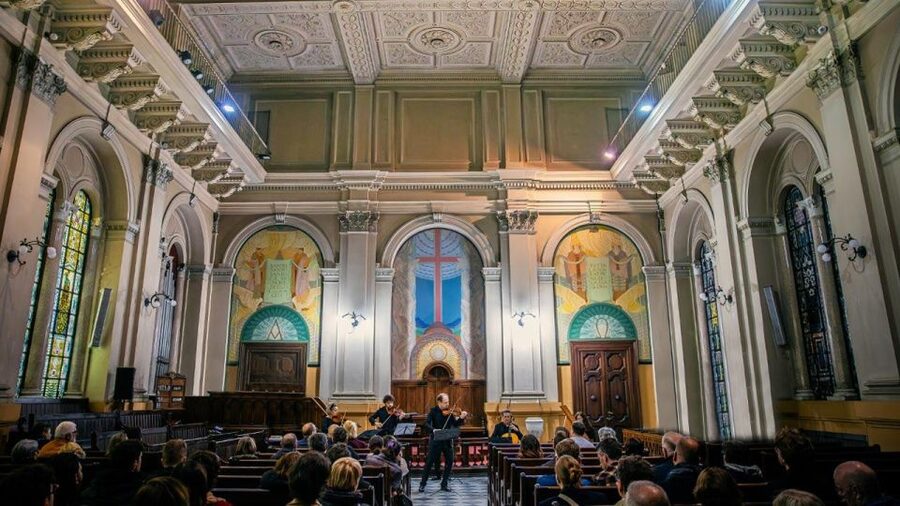
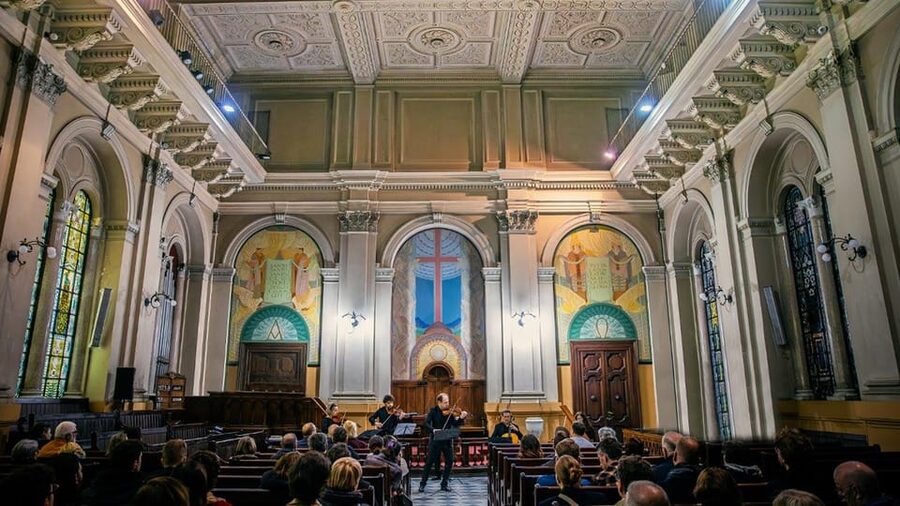
I especially like how close-up it feels. You’re in an intimate setting—often a small church—so the playing comes at you fast and clear, and you can hear how the ensemble locks together. I also love the harpsichord’s role here: it doesn’t just decorate the sound, it helps make Vivaldi’s rhythms and contrasts feel sharp and specific.
One consideration: these rooms can run hot or chilly depending on the venue and season. If you’re sensitive to temperature, plan to dress in layers so the music stays the focus.
In This Review
- Key things to know before you go
- Why Vivaldi’s Four Seasons fits Rome so well
- The venues: where you’ll actually hear it in the city center
- Chiesa Evangelica Metodista: intimate church acoustics that carry
- Sala Dante of Palazzo Poli and the Trevi Fountain view
- Horti Sallustiani: a double-show option with evening energy
- The cast: Elvin Dhimitri, strings quintet, and harpsichord
- What you’ll hear: Spring, Summer, Autumn, Winter (and why it works)
- Price and value: is $35 a good deal for Rome?
- Seating rules, arrival time, and comfort tips that actually help
- Who this concert is best for
- Should you book the Rome Four Seasons by Vivaldi?
- FAQ
- Where do I meet for the concert?
- How long is the concert?
- Is seating assigned?
- Where can the performance take place?
- Are there double performances at one of the venues?
- Is this experience wheelchair accessible?
Key things to know before you go
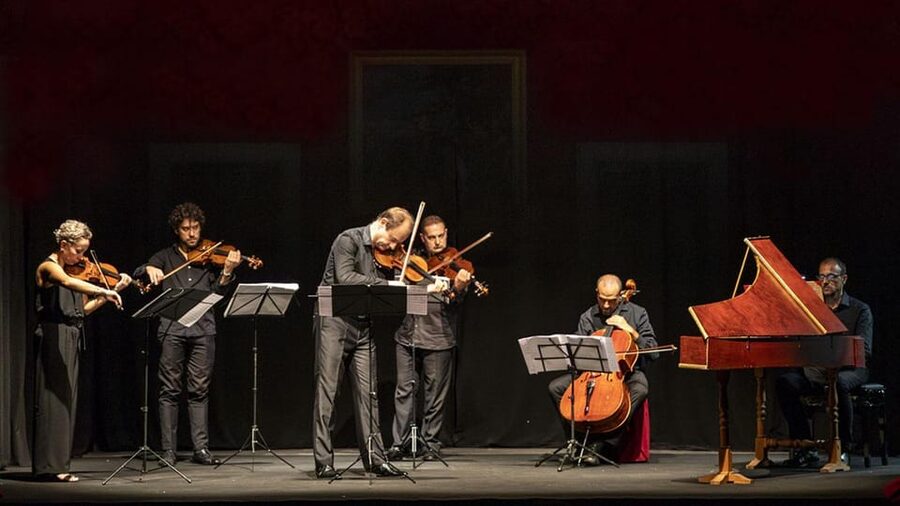
- Elvin Dhimitri leads the show as first violin and conductor, with an ensemble geared to Vivaldi’s snap and drama
- Small-venue acoustics make the details pop, especially in churches with strong resonance
- The harpsichord adds real color, helping the Baroque textures feel grounded rather than generic
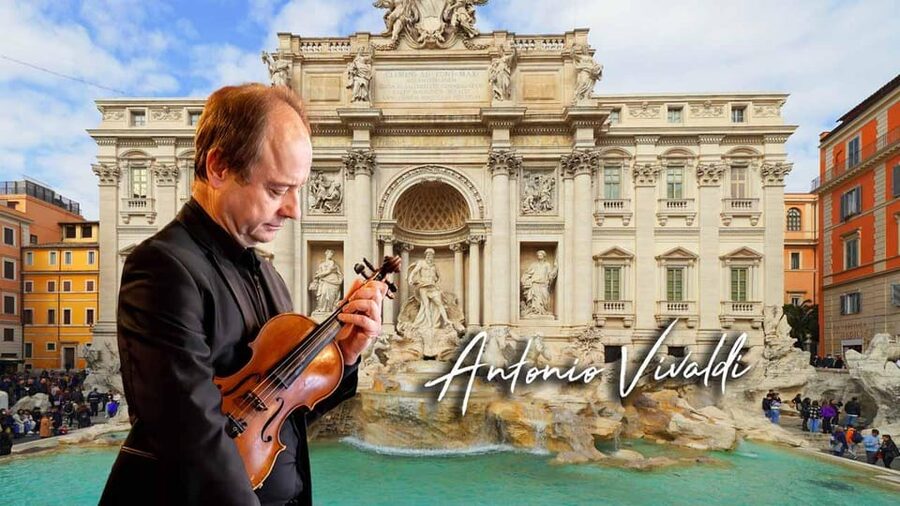
- Trevi Fountain views can be part of your seat at Sala Dante of Palazzo Poli
- You’ll hear the full Four Seasons cycle, from Spring’s birds and pastoral dance to Winter’s biting cold
- Not assigned seating means arriving early is smart for sightlines
Why Vivaldi’s Four Seasons fits Rome so well
Vivaldi wrote The Four Seasons as musical weather reports with teeth. Each concerto is built around vivid changes—bird calls and spring playfulness, summer storms and sudden bursts of energy, autumn hunts and peasant dances, winter’s icy agitation—so your brain stays engaged even if you don’t read music.
Rome is the perfect backdrop for that. Baroque art in particular had a strong sense of drama: the relationship between people, nature, and the bigger universe mattered. You’ll hear that attitude in how Vivaldi uses rhythm, contrast, and momentum to turn nature into story. It’s not just background music. It’s character-driven music.
Weighing this one up? Here is how a few Rome favourites compare:
- Vatican Museums, Sistine Chapel & St. Peter’s Basilica Tour
★ 4.3 · 73,970 reviews - Vatican Museums, Sistine Chapel & St Peter’s Basilica Guided Tour
★ 4.5 · 39,149 reviews - Rome: Colosseum, Palatine Hill and Roman Forum Guided Tour
★ 4.8 · 32,814 reviews - Rome: Guided Tour of Colosseum, Roman Forum & Palatine Hill
★ 4.7 · 27,897 reviews
The venues: where you’ll actually hear it in the city center
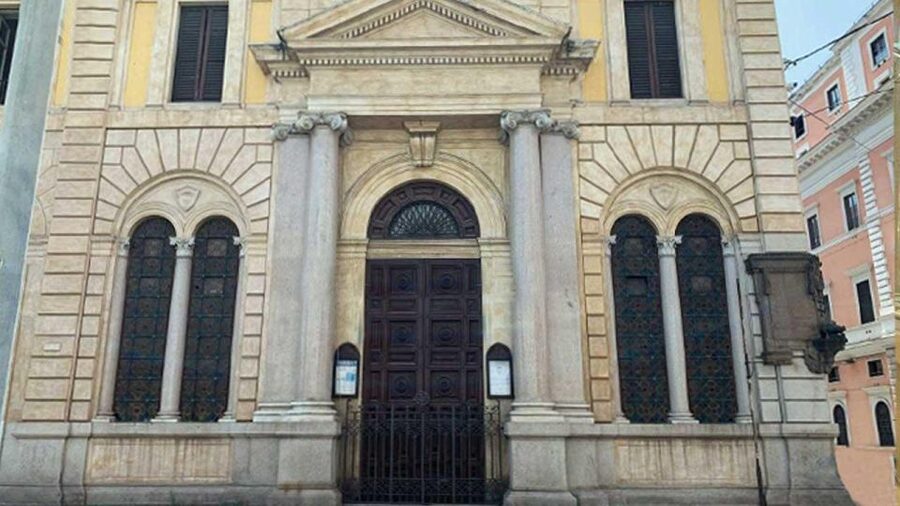
Your experience is built around several central Rome locations. The meeting point is at Chiesa Evangelica Metodista on Via XX Settembre 122 c, and then the concert may take place in one of the other listed spaces depending on the date.
Here’s how to think about it: Rome has a habit of giving you “the same show” in different rooms. With Baroque music, the room matters. The acoustics, sightlines, and even the temperature can change the feel of the performance from date to date.
In this concert series, you could end up at:
- Chiesa Evangelica Metodista (meeting point area and a common church setting)
- Sala Dante of Palazzo Poli (a dignified interior space with a famous nearby view)
- Horti Sallustiani (used for a double concert setting, with performances at 7:00 pm and 9:00 pm)
Also keep one practical thing in mind: a small number of people noted a venue shift close to the start time. I’d plan like a grown-up about it—check your final confirmation and be ready to move to the correct location if needed.
Chiesa Evangelica Metodista: intimate church acoustics that carry
When the concert is held in a small church, Vivaldi tends to sound especially “alive.” Multiple audience comments point to strong acoustics—crisp highs, clear ensemble blending, and that gratifying sense that you’re hearing the music the way it’s meant to be heard.
In plain terms, you’ll likely feel closer to the musicians than you would in a big hall. That matters for a work like The Four Seasons because it’s full of quick changes: short lyrical moments, then sharp rhythmic punches. In a resonant church, those contrasts land clearly instead of smearing together.
What to watch for:
- Lighting and comfort. Some people wished for softer lighting. Others flagged that it can get very hot in the church. If you’re the sort of person who notices small discomforts, bring layers and consider a small fan if you know heat affects you.
- Seat placement. Seats aren’t numbered. That’s normal in smaller venues, but it means you should arrive early if you want a better line of sight or you’re sitting with kids.
Sala Dante of Palazzo Poli and the Trevi Fountain view
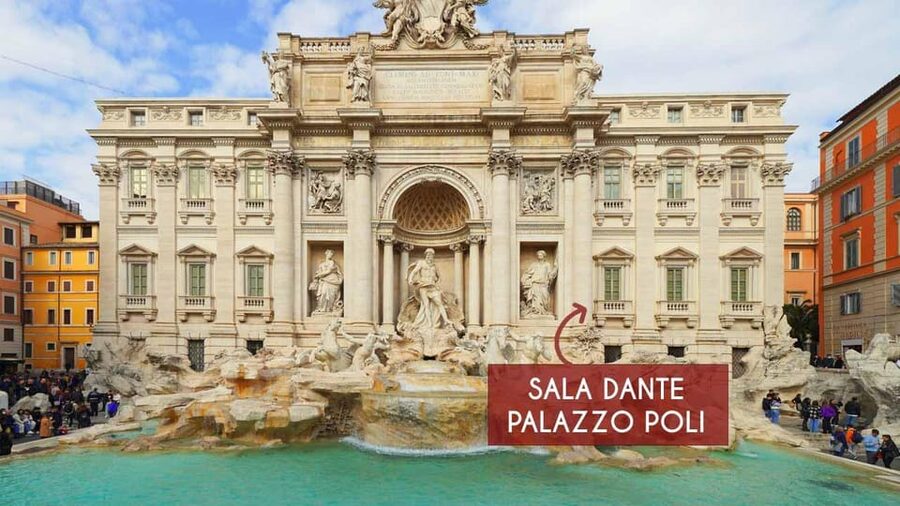
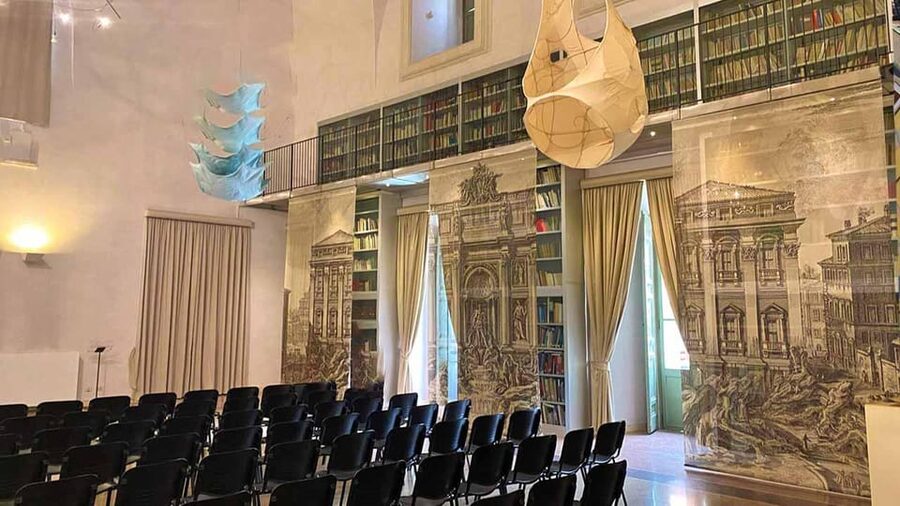
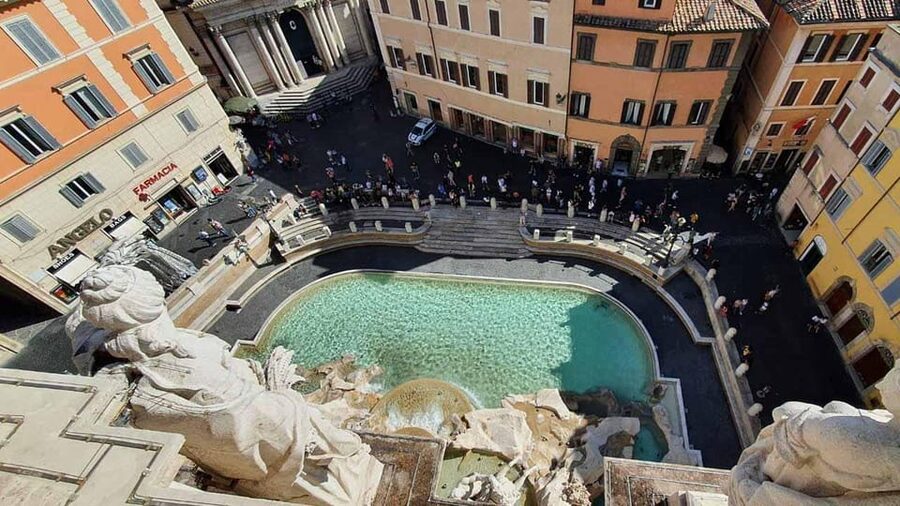
This is one of the most “Rome” perks attached to the experience. When the concert is staged at Sala Dante of Palazzo Poli (Via Poli, 54), you can enjoy a view of the Trevi Fountain—and several people specifically called out the window-overlooking aspect as a highlight.
This doesn’t turn the concert into a sightseeing detour. The music is still the main event. But it does add a sweet extra layer: you get that wow-factor sight without spending extra time between attractions.
Practical angle: if you care about the view, show up a bit early and choose your seat with intention. Since seating isn’t numbered, your “best spot” will depend on who arrives first.
Horti Sallustiani: a double-show option with evening energy
For some dates, the concert takes place at Horti Sallustiani in Piazza Sallustio 21. The series runs with two performances: 7:00 pm and 9:00 pm.
If you like planning your evening around music, this is handy. You can pick the earlier start if you want daylight energy for wandering afterward, or the later one if you’re building a Rome night around evening classics. Either way, 80 minutes is a workable length. It’s long enough to feel complete, short enough that you don’t get mentally fried mid-concert.
Also, a note from audience feedback: at least one person mentioned oxygen getting a little thin later in the evening. That’s not something you can fully control, but it’s a reminder to pick a comfortable spot, avoid arriving completely out of breath, and dress for the room rather than for the street.
The cast: Elvin Dhimitri, strings quintet, and harpsichord
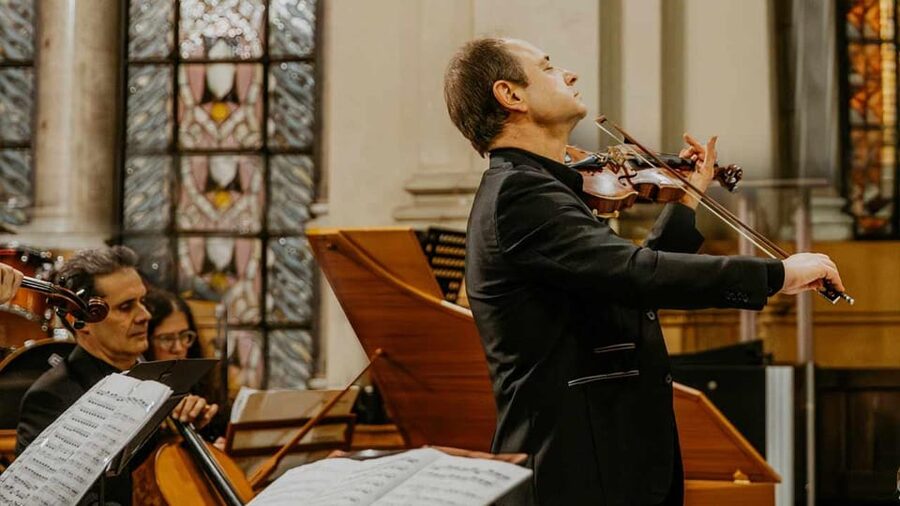
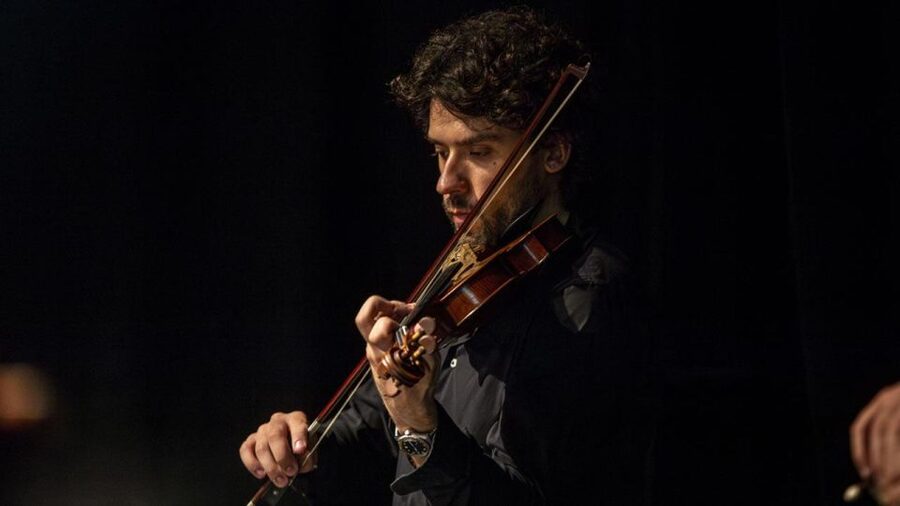
This performance is led by violin soloist (and conductor) Elvin Dhimitri, with a strings quintet and harpsichord. Dhimitri’s resume is exactly the kind of thing you want to see when you’re buying a classical ticket: he’s been active in major Roman musical circles and was appointed concertmaster of a youth international symphony orchestra in the early 1990s, plus he’s been part of the Rome and Lazio Symphony Orchestra since 1997.
What you care about as a listener: his role isn’t just “play the solos.” The framing here is that he drives the pace and the communication of the ensemble. With Vivaldi, that leadership makes the difference between a music exercise and an actual story.
And the harpsichord isn’t just a costume piece. In The Four Seasons, it helps anchor harmony and rhythmic drive. Multiple audience comments praise it as a standout addition, and you’ll likely hear why: it gives the sound a dry clarity that makes Vivaldi’s quick turns feel intentional.
What you’ll hear: Spring, Summer, Autumn, Winter (and why it works)
The program centers on the four concertos that made Vivaldi famous:
- Spring (RV 269): Allegro / Largo / Allegro, with a pastoral dance feel
- Summer (RV 315): Allegro non molto – Allegro / Adagio – Presto – Adagio / Presto (including the Summer Storm character)
- Autumn (RV 293): Allegro (peasant dance and song) / Adagio molto (sleeping drinkers) / Allegro (the hunt)
- Winter (RV 297): Allegro non molto / Largo / Allegro, with the “cold” musical behavior that grabs your attention
Even if you’ve never heard these before, you can follow them. Vivaldi gives you cues through melody, tempo changes, and dramatic contrasts. Birds chirping becomes musical texture. Storms arrive as bursts of tension. Hunts show up as rhythmic motion and energy. Winter becomes restless and sharply uncomfortable in sound.
That’s why this concert keeps landing as a hit with first-timers. It’s structured enough to feel coherent, but descriptive enough to feel fun even without a program booklet in your lap.
Price and value: is $35 a good deal for Rome?
At $35 per person, this is priced like a serious bargain for what you’re getting: a complete performance focused on one of classical music’s most recognizable works, delivered by named musicians and enhanced by harpsichord and a full string group.
The real value isn’t just the cost. It’s the format. Many people in Rome spend the same amount on dinner and still don’t get something as memorable as hearing a major Baroque masterpiece live in a small room with good acoustics.
For me, the “value math” comes down to this:
- One ticket, one major work, 80 minutes: simple and satisfying
- Intimate venue: live music details actually reach you
- City-center convenience: you can fit it into an evening without complicated logistics
If you’re a classical person already, you’ll appreciate the ensemble focus. If you’re not, this is still a strong pick because The Four Seasons is immediate and story-based.
Seating rules, arrival time, and comfort tips that actually help
Two practical points can make or break your evening:
1) Seats aren’t numbered. You’ll sit on a first-come, first-served basis. If you want the best sightlines (especially in church settings), arrive early rather than strolling in at the last possible moment.
2) Temperature can be unpredictable. Some people described being chilly; others described it running hot. Dress in layers. If you run warm, consider a small fan.
A few extra small things you might take seriously:
- If you’re going with kids, 80 minutes is manageable, and this kind of music can land well when children are watching close-up musicians and not stuck reading a lecture.
- If you’re sensitive to enclosed-room stuffiness, choose your spot thoughtfully and don’t arrive drenched in sweat from a long walk.
Who this concert is best for
You’ll probably love it if you fit one of these profiles:
- You want one iconic Baroque work in a format that doesn’t require deep background
- You like live music where you can hear phrasing and ensemble play clearly
- You’re planning a Rome night and want culture without a half-day commitment
- You’re traveling with family and want something that many kids can actually handle
It also works well for couples. The vibe tends to be quiet, focused, and emotional—people mention feeling moved, even emotional, by how direct the performance can feel in an intimate room.
Should you book the Rome Four Seasons by Vivaldi?
Yes—if your goal is a high-impact, time-friendly classical experience. For $35 and 80 minutes, you’re getting Vivaldi’s most famous season cycle with a real soloist and an ensemble that includes a harpsichord, in city-center Rome.
Book it especially if you care about atmosphere: either the church acoustics or the special “Trevi Fountain from Sala Dante” moment. If you’re very temperature-sensitive, plan layers and expect the room to set the mood.
If you want, tell me your travel dates and whether you prefer the earlier or later show, and I’ll help you pick the best evening plan around it.
FAQ
Where do I meet for the concert?
You meet at Chiesa Evangelica Metodista, Via XX Settembre 122 c, Rome.
How long is the concert?
The duration is 80 minutes.
Is seating assigned?
No. Seats aren’t numbered, so you’ll sit on a first-come, first-served basis.
Where can the performance take place?
The concert locations listed include Chiesa Evangelica Metodista, Sala Dante of Palazzo Poli (Via Poli, 54), and Horti Sallustiani (Piazza Sallustio 21).
Are there double performances at one of the venues?
Yes. At Horti Sallustiani, there are two concerts at 7:00 pm and 9:00 pm.
Is this experience wheelchair accessible?
Yes. The activity is listed as wheelchair accessible.
More Tour Reviews in Rome
- Vatican Museums, Sistine Chapel & St. Peter’s Basilica Tour
★ 4.3 · 73,970 reviews - Vatican Museums, Sistine Chapel & St Peter’s Basilica Guided Tour
★ 4.5 · 39,149 reviews - Rome: Colosseum, Palatine Hill and Roman Forum Guided Tour
★ 4.8 · 32,814 reviews - Rome: Guided Tour of Colosseum, Roman Forum & Palatine Hill
★ 4.7 · 27,897 reviews - Rome: Colosseum & Forum with Audio Guide App -Optional Arena
★ 4.2 · 24,770 reviews - Rome: Colosseum, Roman Forum and Palatine Hill Guided Tour
★ 4.5 · 23,903 reviews