
Reviewed · ROME FOOD TOURS
Rome Street Food Tour – History, Craft and Authentic Taste
A good Rome start fits in your stomach. This 3-hour street-food walk strings together old neighborhoods, a mosaic workshop stop, and enough tastings for a big meal, with history cues along the way. I like that it keeps group size small (max 10), and I love the mix of Roman classics plus dishes many first-timers skip, like carciofo alla giudia in the Ghetto. One drawback to plan for: if you need gluten or lactose-free options, not every tasting can be guaranteed.
You’ll walk from Largo dei Librari to Piazza Navona, with practical photo stops at major landmarks like the Pantheon (outside) and Bernini’s elephant at Piazza della Minerva. It runs in English, uses a mobile ticket, and is designed so you can sample first and read the city while you go.
In This Review
- Key things to know before you go
- Why this street-food walk works in Rome
- From Largo dei Librari: the tour’s fast start
- Campo de’ Fiori to pizza alley: snacks plus street-level history
- Largo Argentina: why Julius Caesar matters to your route
- The Jewish Ghetto stop: artichokes with a backstory
- Pantheon outside: landmark focus without the line tax
- Sant’ Eustachio for gelato: the classic sweet reset
- Piazza Navona finale: tiramisu plus a famous fountain
- Piazza della Minerva: a last stop that sticks
- Price and value: what $83.13 buys you
- Food choices, dietary limits, and what to plan for
- Who this tour suits best (and who might not)
- The guides: why personalities matter here
- Should you book this Rome Street Food Tour?
Key things to know before you go
- A meal’s worth of tastings: skewers, supplì, pizza samples, fried artichokes, gelato, and tiramisu (plus a surprise).
- Small groups: capped at 10 travelers for a more personal pace.
- A mosaic shop stop: you’ll watch tile cutting and assembly when the shop is operating; if not, you get an extra food tasting instead.
- Real Roman “overlooked” food: the tour leans into snacks like supplì and deep-fried artichokes rather than only tourist staples.
- Mostly outdoors, with quick landmark moments: Pantheon and Caesar’s site are learned from the street, not from inside.
Why this street-food walk works in Rome
Rome can be overwhelming fast. The streets look like a museum, and somehow you still feel hungry. This tour solves both problems by turning a short walk into a guided food circuit, with landmarks used like landmarks should be used: quick context, then back to the next bite.
I also like the way the tour respects the rhythm of the neighborhoods. You’re not stuck in one restaurant. Instead, you bounce between casual places and street-level culture. That’s where Rome feels most real—messy sidewalks, market energy, and people who clearly know what they’re ordering.
The price sits at $83.13 per person, and the value is in the volume and variety. You’re paying for multiple tastings that add up to more than “snack samples,” plus guided storytelling that explains why certain foods belong to specific corners of the city.
Still hungry? More Rome food walks
- Winner 2025 Rome Twilight Trastevere Food Tour by Eating Europe
★ 5.0 · 5,157 reviews - Rome: Street Food Tour with Local Guide
★ 4.8 · 4,077 reviews - Rome Food Tour: Unlimited Tastings with Fine Wine & Barolo
★ 5.0 · 3,365 reviews - Rome Food Tour: Campo de’ Fiori, Ghetto, Trastevere Winner 2024
★ 5.0 · 3,205 reviews
From Largo dei Librari: the tour’s fast start
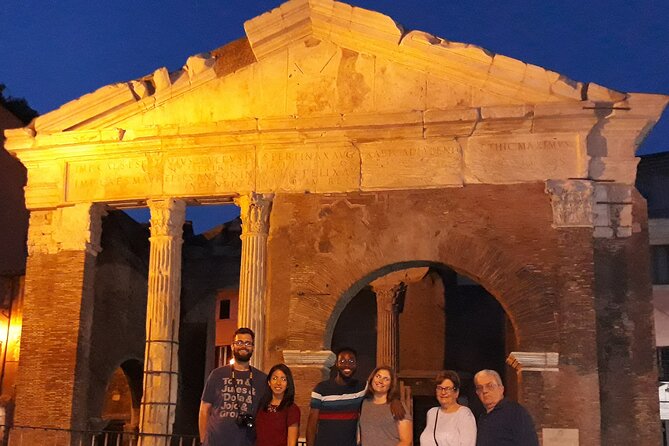
The meeting point is Largo dei Librari (Via dei Giubbonari, 90). From there, the tour moves right away—no long meet-and-greet speech, no standing around waiting to start earning your appetite.
Stop 1: Largo dei Librari
You begin with meat and cheese skewers and a glass of red wine. Even if you skip alcohol (it’s listed as buyable separately), the skewers are an ideal opener: salty, savory, easy to eat while walking, and just the right size to keep you hungry for what comes next.
This is a good first move because the area is tied to Rome’s dense older fabric. You get your bearings quickly, then you shift into food mode before the city can distract you.
Campo de’ Fiori to pizza alley: snacks plus street-level history
The tour heads to Campo de’ Fiori, one of Rome’s oldest market areas, and connects the neighborhood to people and stories—not just buildings. You also get a landmark detail: Giordano Bruno’s statue and the heresy story linked to him.
Stop 2: Campo de’ Fiori
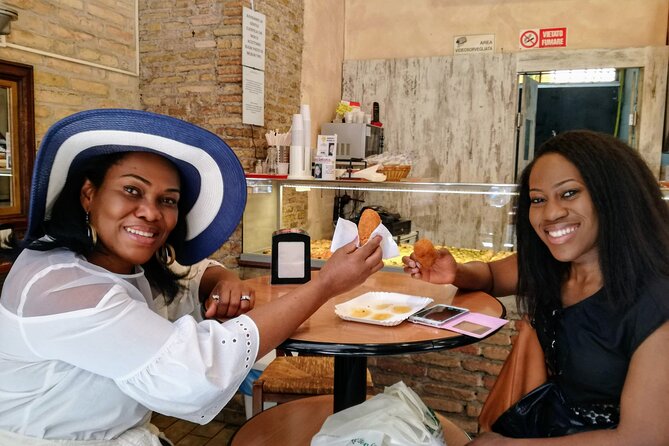
Here the tasting is supplì, the classic fried rice ball filled with mozzarella and tomato sauce. The best part of this stop is how the food and setting match. Campo de’ Fiori is all about food culture, so biting into supplì right here feels like part of the market logic, not a random snack stop.
Stop 3: back at the Campo de’ Fiori area—mosaic artisan shop
You’ll step into a mosaic artisan shop and watch the process. The craft explanation matters because mosaic-making is slow work: cutting tiles, assembling patterns, and building a finished piece like a photo frame. If the shop is operating (it’s tied to working days), you also get a sample.
If the shop isn’t running, the tour doesn’t leave you empty-handed. You’re offered an additional food tasting instead. That flexibility is smart—mosaic stops are calendar-dependent everywhere in Rome.
Stop 4: Passetto del Biscione
This is one of those short “shortcut” stretches that makes you wonder why you ever walked another way. Passetto del Biscione links alleys and comes with fresco decoration as you move through. Then you move straight into pizza tasting.
Pizza here isn’t about a sit-down slice. It’s more like: Rome’s casual street bread culture, explained through flavor. And because the walk is continuous, you keep momentum instead of feeling like you’re being shuttled.
Largo Argentina: why Julius Caesar matters to your route
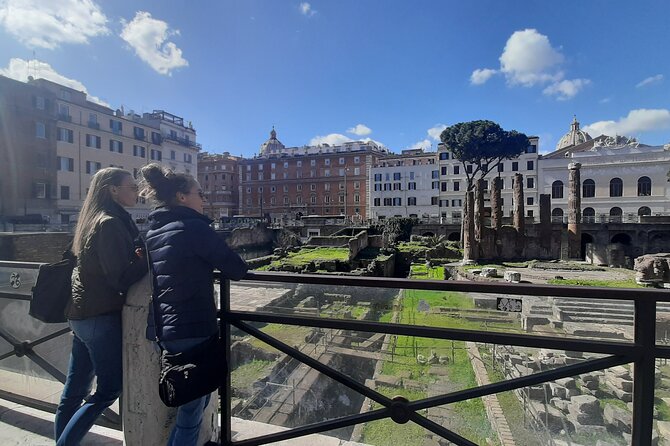
Stop 5: Area Sacra di Largo Argentina
You’ll discover the place where Julius Caesar was murdered. This is an outside moment, not a museum stop. But it’s worth it because Largo Argentina is one of those spots that changes how you read the street grid. After you hear the story, you start noticing how much Rome’s timeline overlaps.
If you’re the type who likes “why it’s here” rather than just “what it looks like,” this stop pays off.
Worth a look next to this Rome booking:
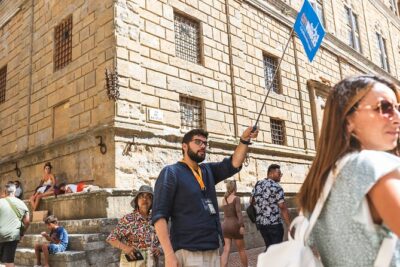
The Jewish Ghetto stop: artichokes with a backstory
This is one of the tour’s main attractions, mainly because the food connects to place.
Stop 6: Ghetto
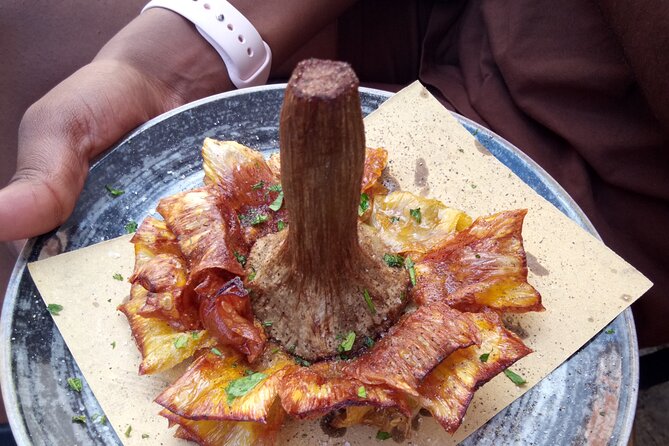
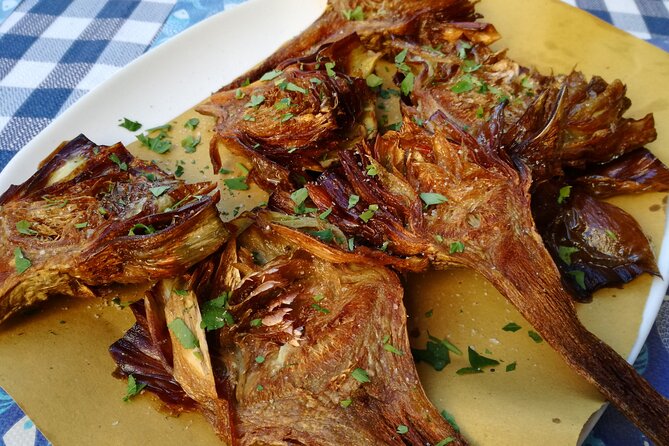
You’ll see remains of ancient Roman structures and the Rome synagogue from the outside only. Then you’ll taste carciofo alla giudia—the famous deep-fried artichoke—described as a must of Roman and Jewish culinary tradition.
If you’ve never tried it, don’t think of it as a fancy appetizer. It’s a crunchy, boldly flavored Roman staple that tastes like it belongs to street eating: salty, crisp, and deeply savory. It’s also the kind of dish you might never order on your own unless someone points it out.
Also, this stop is a good reality check for travelers who want “authentic.” The tour doesn’t treat the Ghetto like a backdrop. It frames the food within cultural history, then you eat.
Pantheon outside: landmark focus without the line tax
Stop 7: Pantheon (outside)
The guide takes you in front of the Pantheon and explains the main details, but you’re not going inside. That can be a drawback if you were hoping for interior time. Still, as part of a food tour, it keeps the pacing sensible.
Practical upside: you avoid the long line experience that can mess with a tight 3-hour plan. You also get a quick monument “reset,” where you can look up, take a photo, and go back to the next bite with your head still in Rome-mode.
Sant’ Eustachio for gelato: the classic sweet reset
Stop 8: Sant’ Eustachio
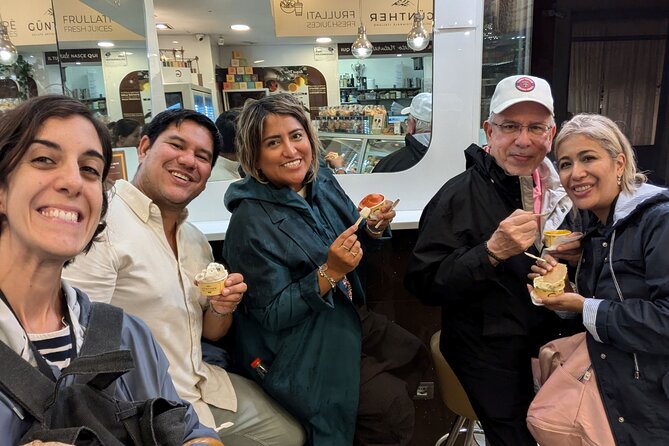
Now it’s time for gelato. This matters strategically because it’s a mid-tour palate reset. After savory snacks, fried flavors, and cheese-forward tastes, gelato gives you a cool landing point.
Sant’ Eustachio is associated with gelato culture in Rome, and this stop is timed so you don’t feel sugar-rushed at the end. You get a treat that also keeps you comfortable for the final stretch.
Piazza Navona finale: tiramisu plus a famous fountain
Stop 9: Piazza Navona
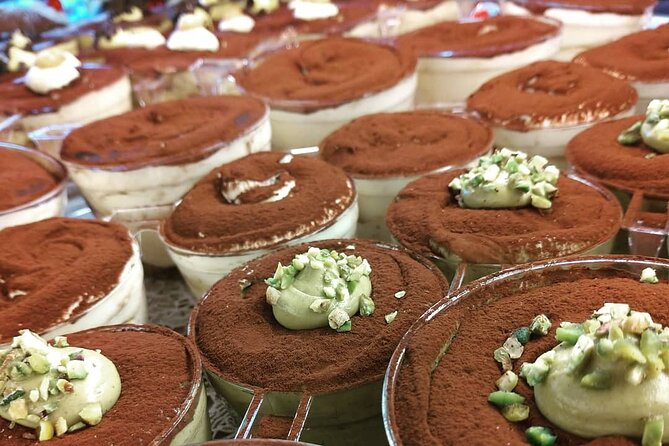
You’ll reach one of Rome’s most photogenic squares: Piazza Navona and its Fountain of the Four Rivers. You’ll also do the tour’s sweet payoff: tiramisu, billed as the last tasting and the gran finale.
This works because Piazza Navona provides the “reward setting.” You’ve been walking and eating for hours, so when you finally sit with tiramisu in a landmark square, it feels earned—not rushed.
Piazza della Minerva: a last stop that sticks
Stop 10: Piazza della Minerva
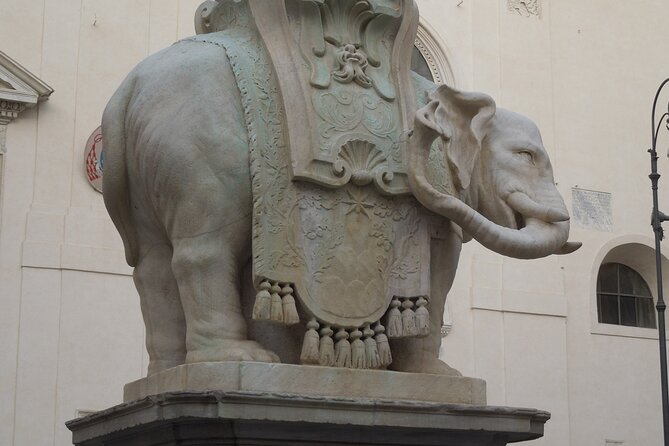
You’ll admire Bernini’s stone elephant statue and hear its history. This isn’t a food stop, but it’s a smart wrap-up. You finish with one last memorable visual, which helps the tour stick in your memory long after the last bite.
It’s also a good way to end the walk at the top of the area where Piazza Navona sits. From there, you can head to dinner without needing to cross half the city.
Price and value: what $83.13 buys you
At $83.13 per person for about 3 hours, this isn’t the cheapest way to taste Rome. But it also isn’t “just a little sampling.”
Here’s why the value feels real:
- Multiple tastings add up: skewers, supplì, pizza samples, fried artichokes, gelato, tiramisu, and a surprise.
- You’re paying for context: the tour weaves major landmarks and neighborhood stories into the walk, so your food doesn’t feel disconnected from the city.
- Small group cap (max 10): it’s easier to ask questions and keep the flow without losing time.
- Mosaic shop experience: when available, you get a craft window that isn’t typical for basic food tours.
The optionality is also clear. Alcoholic beverages are not included. If you want wine, you can buy it separately. That lets you control your total spending.
Food choices, dietary limits, and what to plan for
This tour says vegetarians (not vegans) can be accommodated—so it’s worth asking at booking if you’re vegetarian and what you avoid.
For gluten or lactose intolerance (not allergies), participation is allowed, but it also notes that not all tastings can be guaranteed for your restriction. The key is timing: you need to communicate your needs when booking. Last-minute changes aren’t considered.
That matters because fried foods are part of the core experience. If your restriction is strict, expect the guide to work with substitutions only when the food options exist.
If you want the smoothest experience, do two things: book early and send dietary details right away. It’s a short tour, and you don’t want “partial participation” to be a surprise.
Who this tour suits best (and who might not)
This is a strong fit if:
- you’re in Rome for a first visit and want a quick map of neighborhoods and landmarks
- you like street food more than formal meals
- you enjoy history told through everyday scenes, not only through big museums
- you want a guided group that still feels hands-on and casual
It may be less ideal if:
- you expect a lot of indoor attraction time (Pantheon is outside, Caesar’s site is a discovery from the spot)
- you need fully guaranteed allergen-safe meals
- you dislike walking for about 3 hours in sun or rain (it runs in sun or rain except extreme weather)
It’s also aimed at normal mobility participants. If you have reduced mobility needs, the tour suggests a private tour to avoid affecting duration for others.
The guides: why personalities matter here
This kind of tour lives or dies by the guide’s voice and pacing. In the reviews tied to this experience, a recurring theme is how guides blend history facts with food explanations in a way that feels human, not scripted.
Names that have shown up for this tour include Chris, Daniele, Serena, Mattia, and Virginia. If your booking gives you one of these guides, you can reasonably expect a lively mix of neighborhood context and clear, patient talk about what you’re eating and why it matters.
Should you book this Rome Street Food Tour?
Yes, if your goal is a smart, tasty orientation to Rome that ends with you fed and a little more street-smart than when you started. The tour’s biggest strengths are the combination of iconic Roman bites (supplì, gelato, tiramisu) with dishes many visitors overlook (especially the deep-fried artichoke in the Ghetto), plus the walk-by history moments at places like Largo Argentina and the Pantheon exterior.
Skip it only if you’re chasing big indoor sights, need strict allergen certainty, or you don’t want to walk in weather. Otherwise, for the cost, the portioning and variety are what make it feel like real value—not just a quick snack tour.
If you do book, I’d plan your first day around it. Ending near Piazza Navona gives you an easy path into dinner, and you’ll walk off the tour with a stronger sense of where Rome’s stories and food traditions overlap.
More Tours in Rome
- Vatican Museums, Sistine Chapel & St. Peter’s Basilica Tour
★ 4.3 · 73,970 reviews - Vatican Museums, Sistine Chapel & St Peter’s Basilica Guided Tour
★ 4.5 · 39,149 reviews - Rome: Colosseum, Palatine Hill and Roman Forum Guided Tour
★ 4.8 · 32,814 reviews - Rome: Guided Tour of Colosseum, Roman Forum & Palatine Hill
★ 4.7 · 27,897 reviews - Rome: Colosseum, Roman Forum and Palatine Hill Guided Tour
★ 4.5 · 23,903 reviews - Rome: Colosseum Arena Floor, Palatine & Forum Guided Tour
★ 4.5 · 20,180 reviews
More Tour Reviews in Rome
- Vatican Museums, Sistine Chapel & St. Peter’s Basilica Tour
★ 4.3 · 73,970 reviews - Vatican Museums, Sistine Chapel & St Peter’s Basilica Guided Tour
★ 4.5 · 39,149 reviews - Rome: Colosseum, Palatine Hill and Roman Forum Guided Tour
★ 4.8 · 32,814 reviews - Rome: Guided Tour of Colosseum, Roman Forum & Palatine Hill
★ 4.7 · 27,897 reviews - Rome: Colosseum & Forum with Audio Guide App -Optional Arena
★ 4.2 · 24,770 reviews - Rome: Colosseum, Roman Forum and Palatine Hill Guided Tour
★ 4.5 · 23,903 reviews
More Roman Tables Worth Booking
- Winner 2025 Rome Twilight Trastevere Food Tour by Eating Europe
★ 5.0 · 5,157 reviews - Rome: Street Food Tour with Local Guide
★ 4.8 · 4,077 reviews - Rome Food Tour: Unlimited Tastings with Fine Wine & Barolo
★ 5.0 · 3,365 reviews - Rome Food Tour: Campo de’ Fiori, Ghetto, Trastevere Winner 2024
★ 5.0 · 3,205 reviews - Rome: Guided Food Walking Tour with Wine in Trastevere
★ 4.9 · 3,105 reviews - Rome: Trastevere Food tour with Free-Flowing Fine Wine
★ 5.0 · 2,853 reviews
Just added to our Rome reviews





Rome Food Tours, compared.
 ★ 5.0Winner 2025 Rome Twilight Trastevere Food Tour by Eating EuropeFrom $1255,157 reviews
 ★ 4.8Street Food Tour with Local GuideFrom $534,077 reviews
 ★ 5.0Rome Food Tour: Unlimited Tastings with Fine Wine & BaroloFrom $833,365 reviews
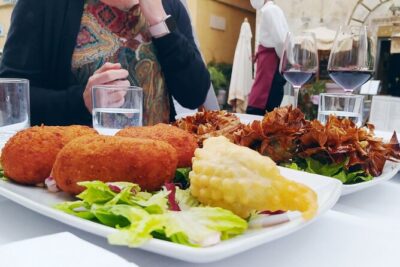 ★ 5.0Rome Food Tour: Campo de’ Fiori, Ghetto, Trastevere Winner 2024From $883,205 reviews
 ★ 4.9Guided Food Walking Tour with Wine in TrastevereFrom $1003,105 reviews
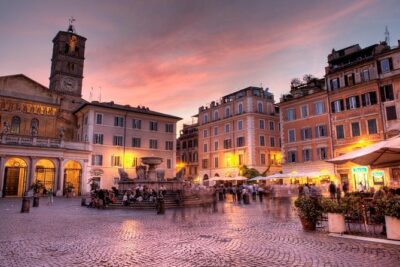 ★ 5.0Trastevere Food tour with Free-Flowing Fine WineFrom $1022,853 reviews
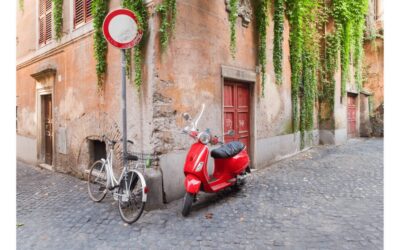 ★ 4.9Trastevere & Campo de Fiori Street Food Walking TourFrom $512,768 reviews
★ 5.0Rome Street Food Tour with Local GuideFrom $542,361 reviews
Browse the lists this tour appears in