
Reviewed · HISTORICAL TOURS
Rome Secrets: Dark History & Tasty Bites Tour
Rome has two faces, and this tour shows you the shadowy one. You start in the Jewish Ghetto around Portico d’Ottavia, then follow dark stories through cinematic streets, with real Roman comfort food built into the walk. I especially like the way the guide connects myths and history, and I also like that the tour is never only scary because you’re eating along the way.
You’ll get Roman pizza, plus ciambelline biscuits and wine, so the experience lands as a night out, not a lecture. For the main draw, I love how specific the stops are, from the Passetto del Biscione photo corridor to Santa Maria dell’Orazione e Morte with its skull imagery. One thing to consider: the subject matter is macabre and heavy at times, and you’ll cover multiple cobblestone stretches in a short 2-hour window.
In This Review
- Key things you’ll remember from this dark-history night walk
- Starting at Portico d’Ottavia: a Rome that feels older than the map
- The Jewish Ghetto’s mysticism: Kabbalah, the number 7, and the Golem
- Roman pizza and wine: how the tour stays fun while it gets dark
- Passetto del Biscione and the Madonnelle: hidden corners you’ll actually want to photograph
- Campo de’ Fiori and Giordano Bruno: heresy in the open air
- Santa Maria dell’Orazione e Morte: skulls, bones, and the “nameless dead”
- Via Giulia and Giulia Tofana: poison as an escape story
- Arco dei Banchi: the feeling of a hidden route through power
- Ciambelline and wine again: a sweet reset before the finale
- Near Ponte Sant’Angelo: Mastro Titta and the executioner’s complicated shadow
- Price and value: why this $40 night tour works
- The guides make or break it: Simona, Daniele, and the best kind of enthusiasm
- Who this tour is best for
- Should you book Rome Secrets: Dark History & Tasty Bites?
- FAQ
- Where does the tour start?
- How long is the tour?
- What food and drinks are included?
- What language is the guide in?
- What is the main theme of the tour?
- Are there places to take photos?
- Is this tour suitable for groups?
- How much does it cost?
- What is the typical ending point?
Key things you’ll remember from this dark-history night walk
- Kabbalah and the Golem stories begin right in the Jewish Ghetto, starting with Portico d’Ottavia.
- Roman pizza and wine break up the chilling legends at just the right moments.
- Santa Maria dell’Orazione e Morte is a stop you’ll photograph from the outside, with carved skulls and bone-like details.
- Secret corridors and hidden passages show up in Passetto del Biscione and the Arco dei Banchi walk-through.
- Giordano Bruno and Giulia Tofana bring heresy and poisoning into the streets around Campo de’ Fiori and Via Giulia.
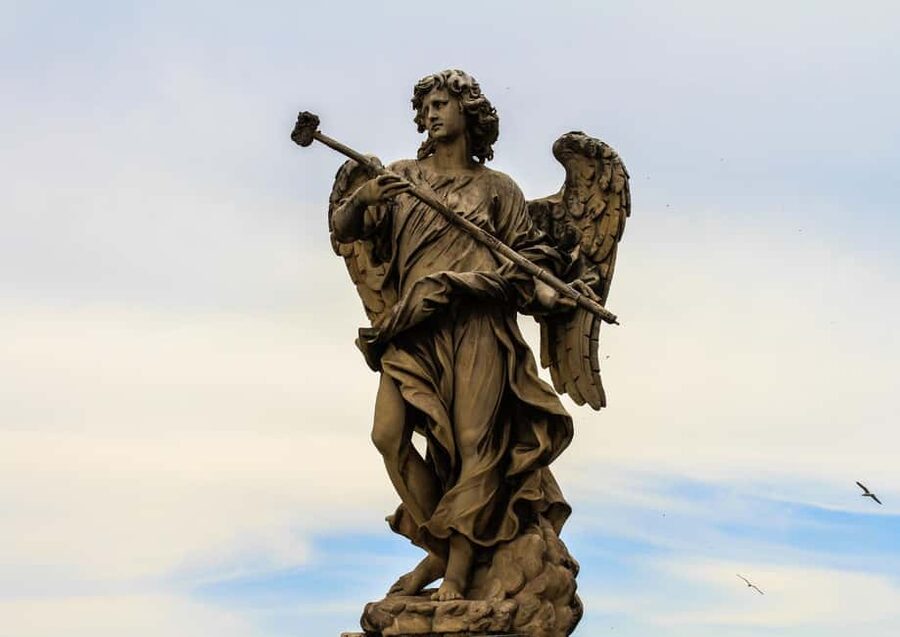
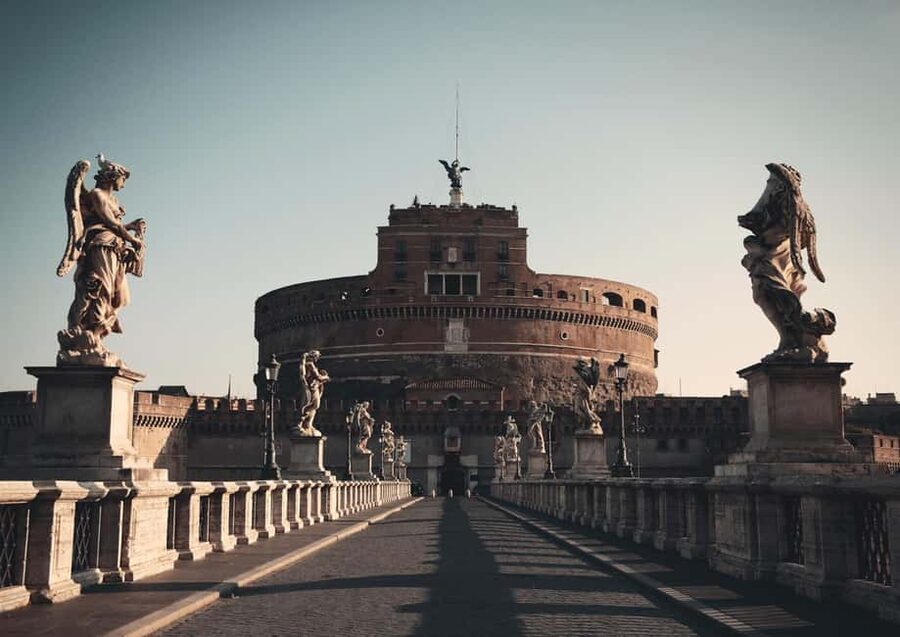
- The finale near Ponte Sant’Angelo includes the figure of Mastro Titta, Rome’s notorious executioner.
Starting at Portico d’Ottavia: a Rome that feels older than the map
The tour begins at Portico d’Ottavia, right in the Jewish Ghetto area. Even if you’ve seen Rome’s ruins in daylight, this spot has a different mood after dark: tighter streets, older walls, and stories that feel like they belong to the stones.
The first stretch sets expectations quickly. You’re not just passing landmarks; you’re learning the meaning behind them, including legends tied to mysticism and Jewish traditions. It’s a smart start because it gives you a lens before the tour turns to darker names and events.
And yes, there’s food early. You get a short tasting break to help you reset your brain from travel mode into story mode.
Worth a look next to this Rome booking:
- Rome in a Day Tour with Vatican, Colosseum and Historic Center
★ 4.5 · 1,042 reviews - Rome Food Tour in the Historic Centre with 8+ Food Tastings
★ 5.0 · 1,000 reviews - Rome: Forbidden History Walking Tour & Pub Crawl with Drinks
★ 4.9 · 688 reviews - Rome: Guided Bar Crawl with Drinks & Dark History
★ 4.9 · 444 reviews
The Jewish Ghetto’s mysticism: Kabbalah, the number 7, and the Golem
This is where the tour earns its title. You’ll hear legends connected to Kabbalah, plus the mysterious power of the number 7 in Rome’s folklore. The guide also brings up the haunting legend of the Golem, which is exactly the kind of story that makes you look twice at ordinary corners.
What I like about this section is the pacing. You get myth first, then context. That matters because otherwise these legends can feel like random spooky facts. Here, they’re framed as part of how people tried to make sense of fear, power, and the unknown.
You’ll feel the atmosphere build as the tour moves from mysticism into real-world danger—less magic, more history’s edge. If you’re the type who enjoys urban legends with a sense of place, this part clicks fast.
Roman pizza and wine: how the tour stays fun while it gets dark
You’ll stop for authentic Roman pizza early on, and it’s not a token bite. The idea is practical: you’ll be standing, listening, and walking, so a hot slice helps you keep pace and enjoy the evening.
Later, there’s another food moment built around classic Roman comfort. You’ll try ciambelline al vino, those sweet biscuits that pair naturally with a glass of wine. It’s a great contrast to what comes next, because the tour’s themes can turn grim.
If you’re picky about tours that promise food but deliver only crumbs, this one is designed to feed you properly for the duration. The drinks are also part of the rhythm, so you don’t feel like you’re waiting around for the next story.
Passetto del Biscione and the Madonnelle: hidden corners you’ll actually want to photograph
Next you’ll head to Passetto del Biscione, a narrow, frescoed corridor known for secret meetings, forbidden love affairs, and quick escapes. The corridor’s claim to fame isn’t just history on paper; it’s the fact that it’s visually striking, with a look that feels made for photos.
Bring your camera. This is one of those Rome moments where the angle and the narrowness do half the work for you. You’re learning the story, but you’re also seeing how the space itself shapes secrecy.
Right around here, you’ll also hear about the Madonnelle—small sacred images placed in unexpected corners. That detail is quietly brilliant because it makes you start noticing Rome the way locals do: not just big sights, but the little interruptions in a wall or alley that tell you something mattered here.




Campo de’ Fiori and Giordano Bruno: heresy in the open air
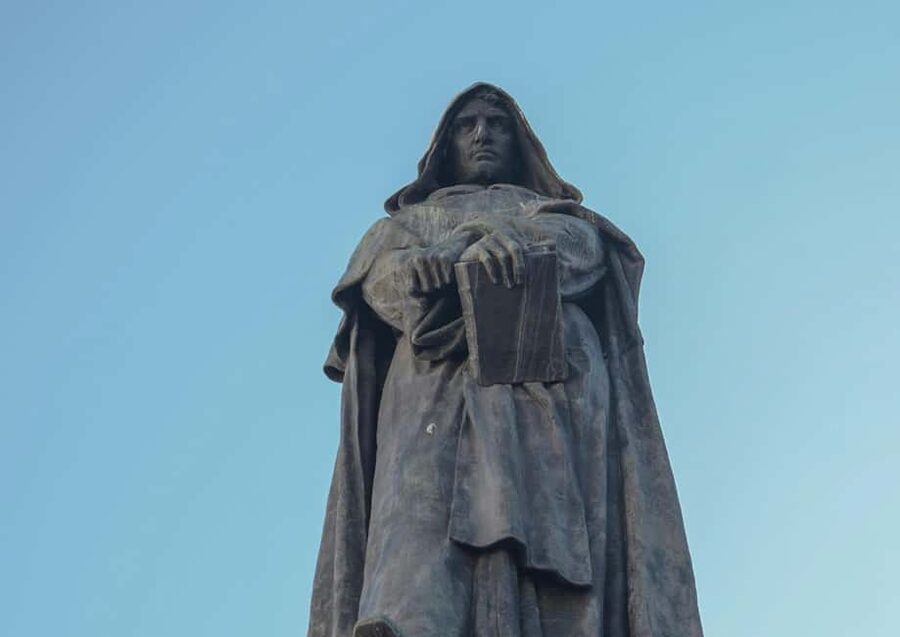
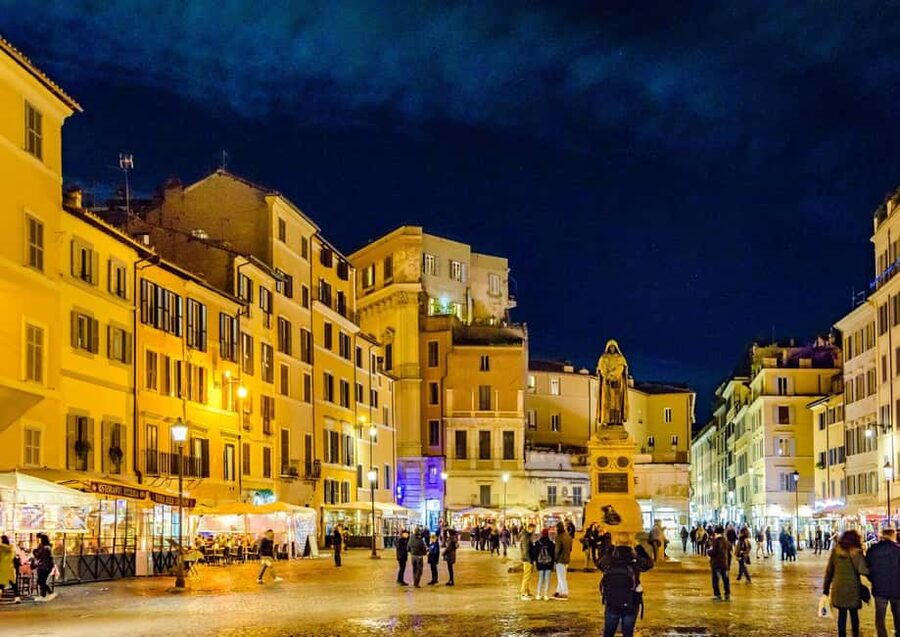
After the Ghetto’s myths, the tour shifts gears toward public history. You’ll arrive at Campo de’ Fiori, where the bronze statue of Giordano Bruno stands defiantly over the square.
Bruno was burned alive for heresy in 1600, and the guide’s story makes his defiance feel immediate, not academic. Even if you know the name, seeing the statue in this context changes how it lands in your head. It’s one of those moments where the past looks like it’s still arguing with the present.
This is also a good spot to pay attention to light and sound. The square feels different at night: more reflective, less touristy, and easier to imagine as a stage for confrontation.
Santa Maria dell’Orazione e Morte: skulls, bones, and the “nameless dead”
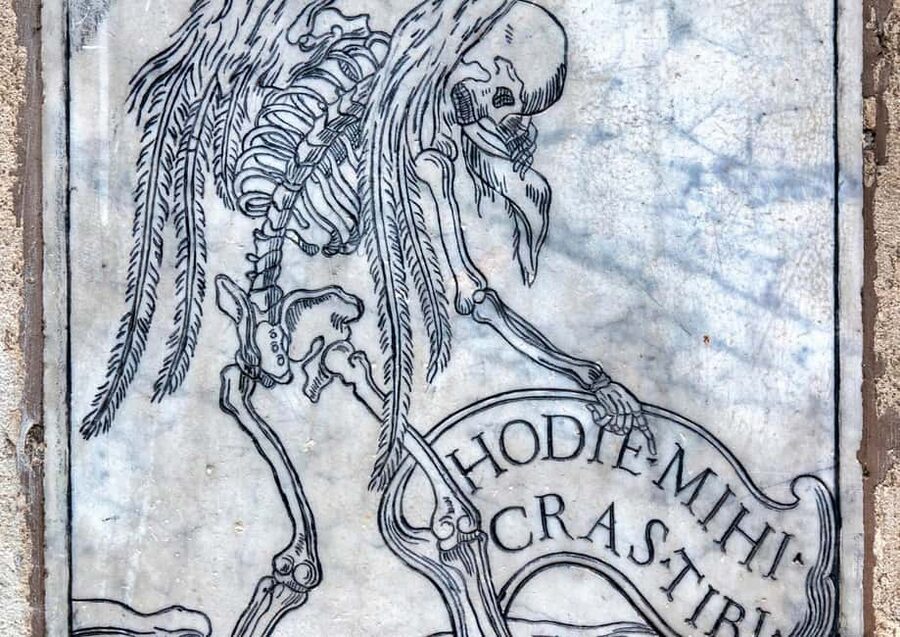
One of the most unforgettable stops is the Chiesa di Santa Maria dell’Orazione e Morte. You’ll have a photo stop here, focusing on the church’s exterior details—especially the macabre skull-and-bone imagery.
The guide explains the church’s purpose: it was built to honor the nameless dead pulled from the Tiber River. The façade greets you with carved skulls and stark reminders of mortality, and that theme isn’t subtle.
I appreciate that this doesn’t turn into shock-only tourism. The tour uses the imagery to anchor a real emotional idea: how cities deal with death when the identity is missing. If you’re sensitive to dark themes, you may want a moment here to look slowly and decide how long to stay on the details.
Via Giulia and Giulia Tofana: poison as an escape story
Then you move into the elegant atmosphere around Via Giulia, where the tour tells the story of Giulia Tofana, a 17th-century poisoner. You’ll hear about the lethal “Aqua Tofana” and how it was sold to women seeking to escape unhappy marriages.
That’s heavy material, but the way it’s explained is what makes it land. The guide isn’t treating it like gossip. Instead, the story reframes poison as desperation, strategy, and survival inside a society with narrow options.
This segment works well if you enjoy human stories with moral complexity. It’s also a good counterpoint to the earlier mysticism. Here, the danger is practical and social, not supernatural.
Arco dei Banchi: the feeling of a hidden route through power
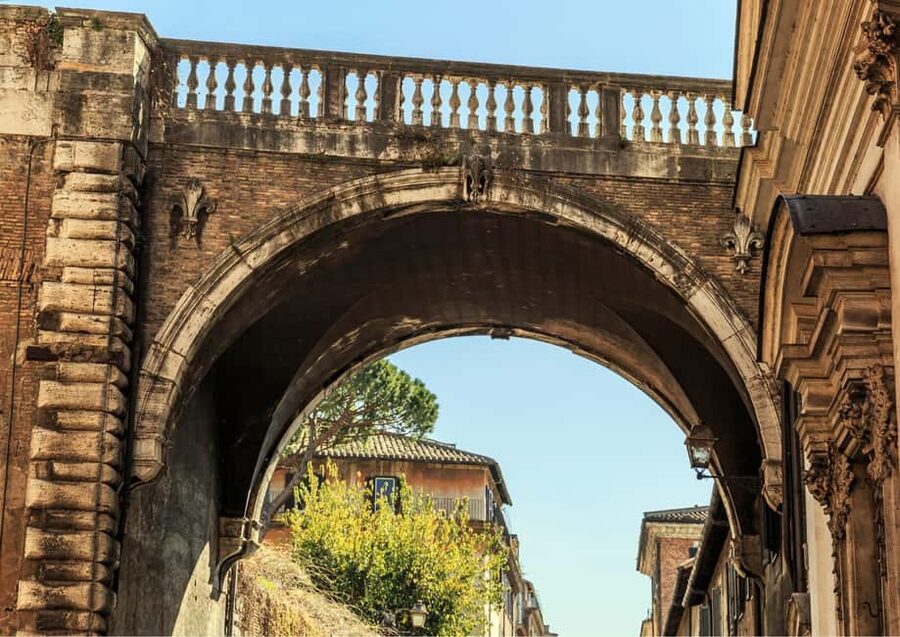
As you continue, you’ll pass under the Arco dei Banchi, described as a secret passageway. The story is that bankers, spies, and even priests used it to move between the Vatican and the heart of the city without being seen.
What you’re really getting here is a sense of Rome’s hidden choreography—how power often travels away from the public eye. The arch becomes more than an architectural feature. It becomes a symbol of the city’s long habit of moving quietly when it needs to.
Even if you’re not a history nerd, this stop makes sense because it feels like a shortcut. The tour helps you notice how an ordinary-looking passage can carry a whole system of secrecy.
Ciambelline and wine again: a sweet reset before the finale
You’ll have another tasting moment with ciambelline al vino and wine as you move toward the final stretch. It’s timed well. After the poison and secret passage stories, you need a pause that’s still part of the experience, not a random break.
I like that the food here isn’t just filler. It acts like punctuation, giving you a chance to keep the evening moving without your brain turning into a dark-story sponge.
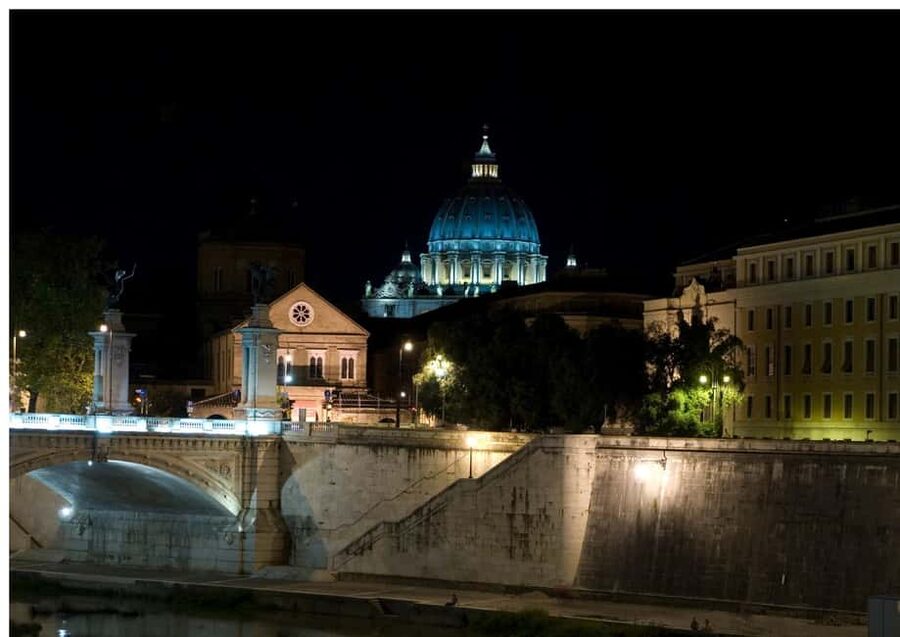
And since you’ll end in an area near the riverfront, a full glass and a sweet bite help you stay comfortable while you take photos and listen to the last legend.
Near Ponte Sant’Angelo: Mastro Titta and the executioner’s complicated shadow
The tour ends in the Ponte Sant’Angelo area, with a photo stop there. This is where the energy shifts from “learning places” to “walking through atmosphere.”
You’ll meet the chilling figure of Mastro Titta, described as Rome’s most notorious executioner. The guide’s take makes him more than a stereotype. The story includes his complex personality, which is exactly why he’s memorable.
As you finish near Via del Banco di Santo Spirito, you’ll leave with a different kind of map in your head. Rome isn’t only stones and viewpoints. It’s also fear, rumor, punishment, and the way people tried to survive what they couldn’t control.
Price and value: why this $40 night tour works
At $40 per person for a 2-hour guided walk, the value comes from three things you can’t easily replicate on your own in the same way.
First, you’re paying for the storytelling structure. The tour doesn’t just list sites; it connects them with legends and named figures like Giordano Bruno and Giulia Tofana. Second, you’re not paying extra for food stops. You get Roman pizza, plus ciambelline and wine, and you also receive one glass of beer along the way.
Third, the tour aims for less obvious corners and narrow spaces. Places like Passetto del Biscione and Arco dei Banchi are exactly the sort of spots you might miss without a guide explaining what to look for.
If you’re building your first-night plan and want one activity that’s both cultural and tasty, this pricing makes sense. You’re basically buying a guided night story with snacks bundled in.
The guides make or break it: Simona, Daniele, and the best kind of enthusiasm
The most praised part of this tour is the human delivery. Names that show up in recent bookings include Simona and Daniele, and you may also see support from Raphi. People consistently highlight that the guide blends history and folklore in a way that keeps you listening, not just walking.
One review also mentioned a guide background as an archaeologist, which explains the tone: details feel grounded, and the stories aren’t just spooky wallpaper. The jokes are light, the pace is steady, and you get the sense the guide really wants you to understand why these places matter.
My practical advice: treat the evening like a conversation. Ask small questions if your guide invites them, and pay attention when they point out “why this corner matters,” not just what you’re looking at.
Who this tour is best for
This works especially well if you:
- want a night activity that feels more story-driven than sightseeing
- like Rome legends tied to named people and places
- enjoy food on tours and don’t want to choose between a walk and a meal
- can handle dark themes like executioners, heresy, and poisoning
It’s less ideal if you hate macabre topics, or if you’re looking for a purely daylight, gentle walking experience. The church stop and executioner finale both lean into grim material.
Should you book Rome Secrets: Dark History & Tasty Bites?
I’d book it if you want an evening that’s both memorable and practical. You get two hours of guided walking through the Jewish Ghetto, Campo de’ Fiori, Via Giulia, and the skull-etched church, and you’ll also eat a solid Roman pizza plus sweet ciambelline with wine. For many first-time visitors, this is a strong way to understand why Rome feels haunted without making you sit in a museum chair.
If you’re sensitive to dark themes, go in with eyes open and take breaks when you need them, especially at Santa Maria dell’Orazione e Morte. Otherwise, this is the kind of tour that gives you stories you’ll still be talking about while you’re walking back to dinner.
FAQ
Where does the tour start?
It starts at Portico d’Ottavia, meeting in front of the ruins of the porch.
How long is the tour?
The tour lasts 2 hours.
What food and drinks are included?
You’ll receive Roman pizza, one glass of beer, one glass of wine, and local sweets (including ciambelline al vino biscuits).
What language is the guide in?
The tour offers a live English guide, and also operates with guides in English, French, Spanish, and Portuguese.
What is the main theme of the tour?
It focuses on dark history and legends, including stories connected to the Jewish Ghetto, mysticism, poisoners, heretics, and an executioner.
Are there places to take photos?
Yes. There are photo stops, including at Santa Maria dell’Orazione e Morte and near Ponte Sant’Angelo.
Is this tour suitable for groups?
Yes. The tour can run as private or small groups available.
How much does it cost?
The price is $40 per person.
What is the typical ending point?
It finishes near Via del Banco di Santo Spirito, 00186 Roma RM, Italia.
If you tell me your travel dates and whether you’re doing your first night in Rome, I can suggest the best time of day to start this so the mood matches the stories.
More Historical Tours in Rome
- Rome in a Day Tour with Vatican, Colosseum and Historic Center
★ 4.5 · 1,042 reviews - Rome Food Tour in the Historic Centre with 8+ Food Tastings
★ 5.0 · 1,000 reviews - Rome: Forbidden History Walking Tour & Pub Crawl with Drinks
★ 4.9 · 688 reviews - Rome: Guided Bar Crawl with Drinks & Dark History
★ 4.9 · 444 reviews - Rome: Vespa Photo Tour with Historic City Highlights
★ 5.0 · 395 reviews - Twilight Treasures: An Evening Tour Through Rome’s Rich History
★ 4.5 · 263 reviews
More Tours in Rome
- Vatican Museums, Sistine Chapel & St. Peter’s Basilica Tour
★ 4.3 · 73,970 reviews - Vatican Museums, Sistine Chapel & St Peter’s Basilica Guided Tour
★ 4.5 · 39,149 reviews - Rome: Colosseum, Palatine Hill and Roman Forum Guided Tour
★ 4.8 · 32,814 reviews - Rome: Guided Tour of Colosseum, Roman Forum & Palatine Hill
★ 4.7 · 27,897 reviews - Rome: Colosseum, Roman Forum and Palatine Hill Guided Tour
★ 4.5 · 23,903 reviews - Rome: Colosseum Arena Floor, Palatine & Forum Guided Tour
★ 4.5 · 20,180 reviews
More Tour Reviews in Rome
- Vatican Museums, Sistine Chapel & St. Peter’s Basilica Tour
★ 4.3 · 73,970 reviews - Vatican Museums, Sistine Chapel & St Peter’s Basilica Guided Tour
★ 4.5 · 39,149 reviews - Rome: Colosseum, Palatine Hill and Roman Forum Guided Tour
★ 4.8 · 32,814 reviews - Rome: Guided Tour of Colosseum, Roman Forum & Palatine Hill
★ 4.7 · 27,897 reviews - Rome: Colosseum & Forum with Audio Guide App -Optional Arena
★ 4.2 · 24,770 reviews - Rome: Colosseum, Roman Forum and Palatine Hill Guided Tour
★ 4.5 · 23,903 reviews
Just added to our Rome reviews





Historical Tours, compared.
 ★ 4.5Rome in a Day Tour with Vatican, Colosseum and Historic CenterFrom $1921,042 reviews
 ★ 5.0Rome Food Tour in the Historic Centre with 8+ Food TastingsFrom $1181,000 reviews
 ★ 4.9Forbidden History Walking Tour & Pub Crawl with DrinksFrom $61688 reviews
 ★ 4.9Guided Bar Crawl with Drinks & Dark HistoryFrom $77444 reviews
 ★ 5.0Vespa Photo Tour with Historic City HighlightsFrom $33395 reviews
 ★ 4.5Twilight Treasures: An Evening Tour Through Rome’s Rich HistoryFrom $4263 reviews
 ★ 5.0Small-Group Rome to Pompeii & Amalfi: Day of History & SeaFrom $144239 reviews
 ★ 4.7Colosseum, Vatican Museums & Historic Center in a Day228 reviews
Browse the lists this tour appears in