
Reviewed · ST. PETER'S BASILICA TOURS
Rome: Santa Maria Maggiore Basilica Guided Tour
Santa Maria Maggiore packs centuries into one focused hour. This official guided visit takes you through the basilica’s key sacred and historic spaces, with access you might not find on your own.
I especially love the chance to see the 5th-century mosaics up close, then connect them to the Marian story that gave this church its fame. I also like the added layers: Loggia delle Benedizioni, Gian Lorenzo Bernini’s Staircase, and the museum stop, so you’re not just admiring—you’re learning what each room was built to convey.
The main catch: it’s only 1 hour. You’ll leave with a strong overview, but if you want to linger in every chapel and corridor, you may wish you had more time inside.
In This Review
- Key highlights to watch for
- Santa Maria Maggiore in one smart hour
- The Marian miracle story that shapes the whole visit
- Where the 5th-century mosaics really land
- Bernini’s Staircase and the Loggia delle Benedizioni
- The Hall of the Popes and named funerary monuments
- The Liberian Historical Museum stop that ties it together
- The altar and Sacra Culla: tradition you can see
- The bell tower: 14th-century and Rome’s height marker
- Value and pricing: what $22 buys you
- What I’d do to get the most from it
- Who should book this tour (and who might not)
- A quick reality check on timing and experience pace
- Should you book Santa Maria Maggiore with this guided option?
- FAQ
- How long is the Santa Maria Maggiore guided tour?
- What does the tour cost?
- What’s included in the guided experience?
- Where do I meet the guide?
- Is the tour wheelchair accessible?
- Do I need to wait in line for tickets?
Key highlights to watch for
- 5th-century mosaics that make the basilica feel immediately older than Rome’s newer scenes
- Loggia delle Benedizioni and Bernini’s staircase areas included with the guided visit
- Hall of the Popes funerary monuments tied to specific names and eras
- Liberian Historical Museum access that adds context beyond the nave
- The bell tower at 75 meters described as the highest in Rome
- Sacra Culla under the altar, linked with traditions about Jesus’ crib
Santa Maria Maggiore in one smart hour
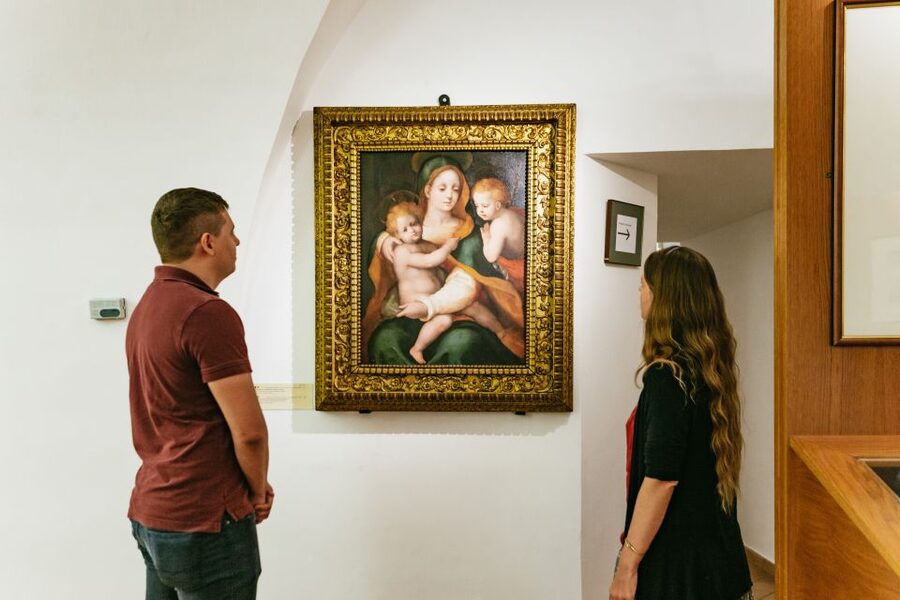
Santa Maria Maggiore is one of Rome’s big “must-know” churches. And yet, it’s easy to feel like you’re just wandering in and out, taking in beautiful art without fully catching the meaning. This guided tour is designed to prevent that.
You start at Piazza Santa Maria Maggiore, meet at the Papal Basilica entrance, and you’ll show your e-voucher to staff at the Portico. From there, the pace stays brisk but focused. In about an hour, you’re guided through the basilica’s core Marian story, the papal connections, and the standout artistic features.
If you’ve already seen the Colosseum and the Vatican this trip, Santa Maria Maggiore feels like a different kind of Rome. It’s still monumental, still crowded with meaning, but it’s quieter in spirit—more “sacred archive” than “big-ticket spectacle.”
More time under Michelangelo's dome
- Vatican Museums, Sistine Chapel & St. Peter’s Basilica Tour
★ 4.3 · 73,970 reviews - Vatican Museums, Sistine Chapel & St Peter’s Basilica Guided Tour
★ 4.5 · 39,149 reviews - Rome: Vatican Museums, Sistine Chapel and Basilica Tour
★ 4.3 · 16,039 reviews - Rome: Vatican Museums, Sistine Chapel & Basilica Tour
★ 4.7 · 13,217 reviews
The Marian miracle story that shapes the whole visit
What makes this basilica special isn’t only what’s inside. It’s the story that surrounds it, and the way locals keep that story alive.
You’ll hear how the basilica was built on the site where the Virgin Mary appeared in a dream of Pope Liberius. Then comes the mid-summer miracle: a blanket of snow appearing on the hill. The interesting part for me is how the church’s identity is tied to that recurring moment of belief—so the visit doesn’t just talk about ancient art; it explains why the site matters.
You’ll also learn that locals commemorate the miracle each year with white flower petals. That detail helps you see the basilica less like a museum object and more like a living tradition. Even if you’re not religious, you can still appreciate the cultural logic: Rome’s sacred sites often function like calendars, memory banks, and community rituals all at once.
Where the 5th-century mosaics really land
Santa Maria Maggiore is famous for mosaics from the 5th century, and this tour gives you a guided way to look at them. Without context, mosaics can feel like “pretty golden walls.” With a guide, the same images start feeling like messages.
I like that the tour spotlights the mosaics as a highlight instead of tucking them into the background. You get to slow down just enough to notice how the church’s older visual language communicates the Marian theme.
And here’s a practical tip: mosaics reward patience, not speed. In a one-hour tour, you won’t have time to become a mosaic scholar. But you will get the key cues—so when you look again later (even from outside or in photos), you’ll know what you’re actually seeing.
If you care about early Christian art, this stop is one of the best payoff-to-time ratios in central Rome.
Bernini’s Staircase and the Loggia delle Benedizioni
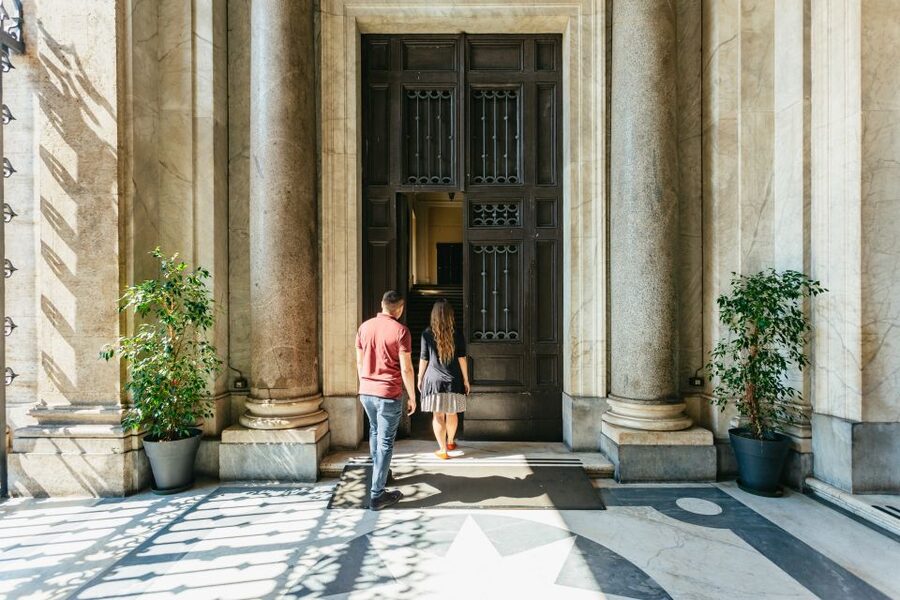
Some churches in Rome feel like they were built and then left alone. Santa Maria Maggiore feels like it has been worked on, reinterpreted, and curated over time. That’s where the included areas matter.
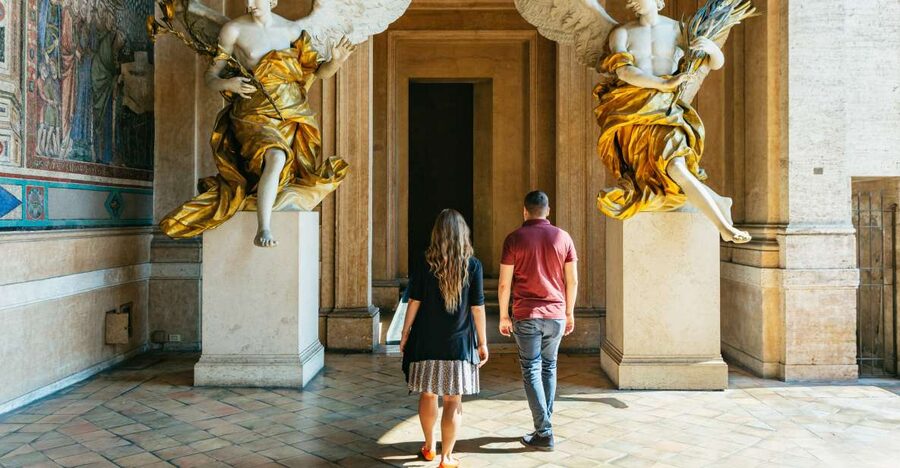
This visit includes entrance to Loggia delle Benedizioni and La Scala di Gian Lorenzo Bernini, also called Bernini’s Staircase. Those are not just pretty architectural extras. They connect you to the way papal authority and public ceremony were staged inside sacred spaces.
Bernini’s name is a big draw for many people. The benefit of having access on a guided route is that you’re not hunting through the basilica trying to figure out which stairs or doors were meant for what. Your guide points out the parts that correspond to the story of the church and the roles played by papal figures.
Even if you’re not an architecture person, the staircase and loggia make the basilica feel more human. You start imagining processions, audiences, announcements—how power, faith, and art got mixed together in Rome long ago.
Worth a look next to this Rome booking:
The Hall of the Popes and named funerary monuments
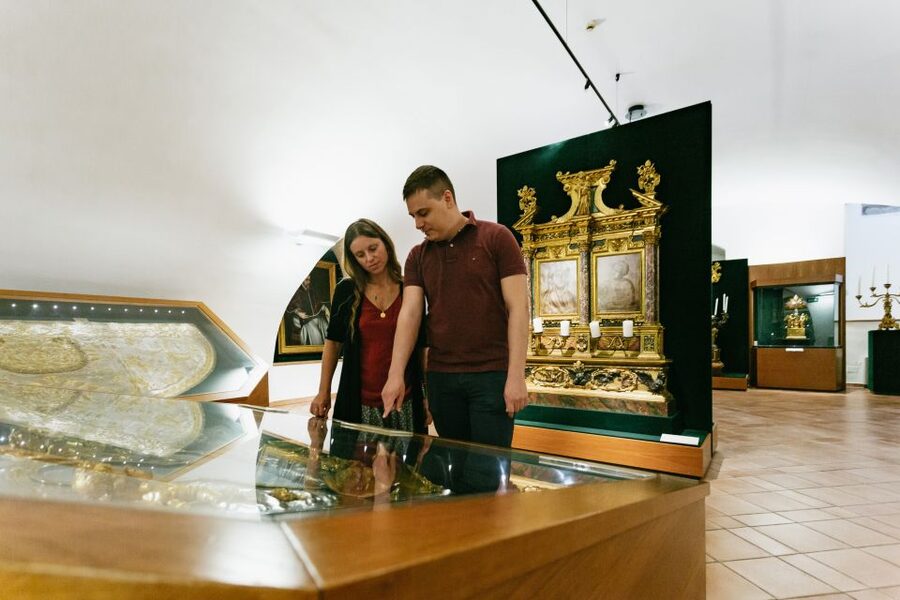
One of the strongest reasons to book this type of guided access is the funerary layer. Santa Maria Maggiore isn’t only about Mary. It’s also a burial site for major Catholic leaders.
You’ll discover funerary monuments of Pope Clement IX, Pope Paul V, and Nicolas IV. You’ll also hear about other important figures associated with the basilica, including Saint Jerome and Gian Lorenzo Bernini (yes, the artist). That gives the church a sense of “who belonged here,” not just “what looks old.”
For me, this is where the tour becomes more than sightseeing. Learning why these individuals are memorialized here helps you interpret the church’s status. You start to understand it as a statement by different eras: Rome repeatedly chose Santa Maria Maggiore as a place to honor authority and spiritual legacy.
Practical note: funerary monuments can be visually dense. With an hour, you’ll get the names and the placement cues that make the details stick. If you try to figure it out alone, you might miss the significance of what you’re standing in front of.
The Liberian Historical Museum stop that ties it together
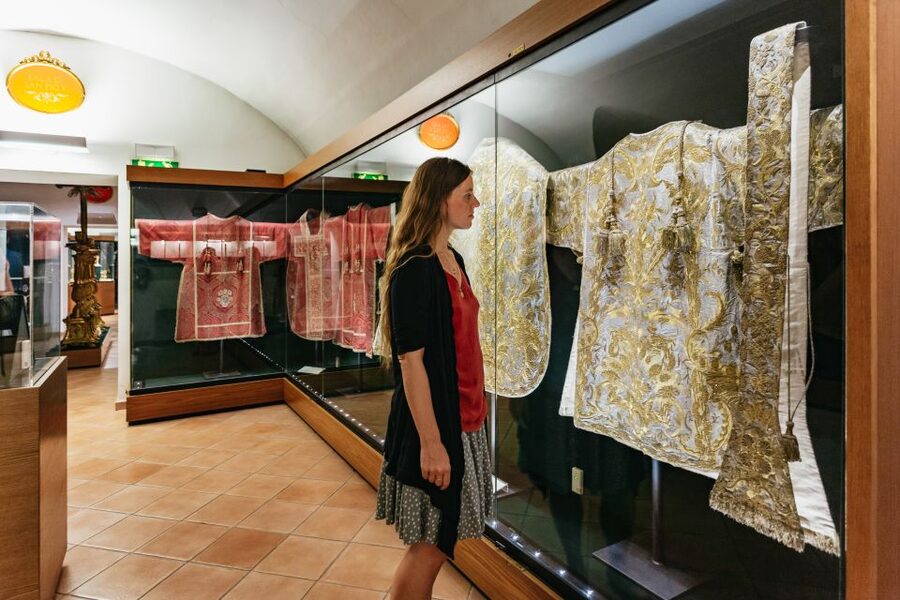
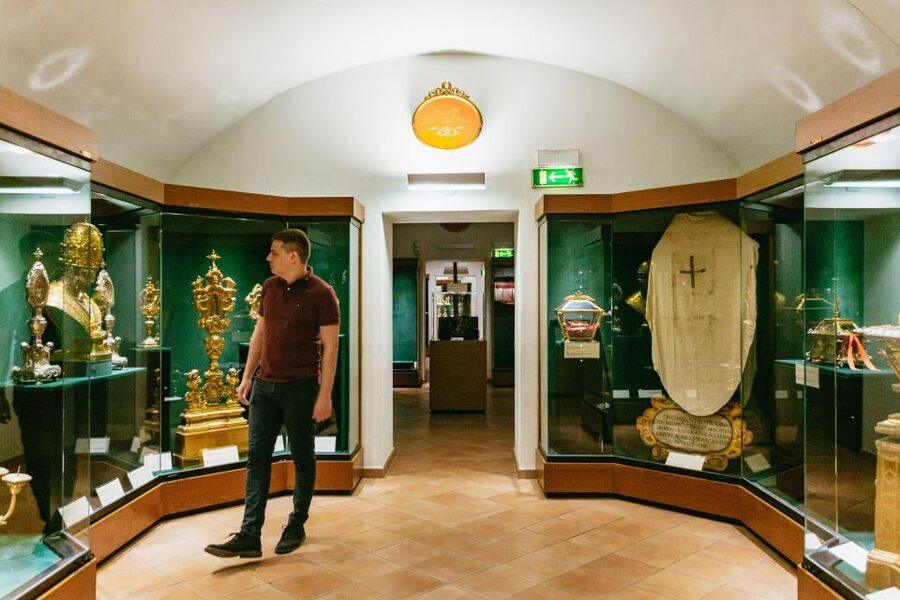
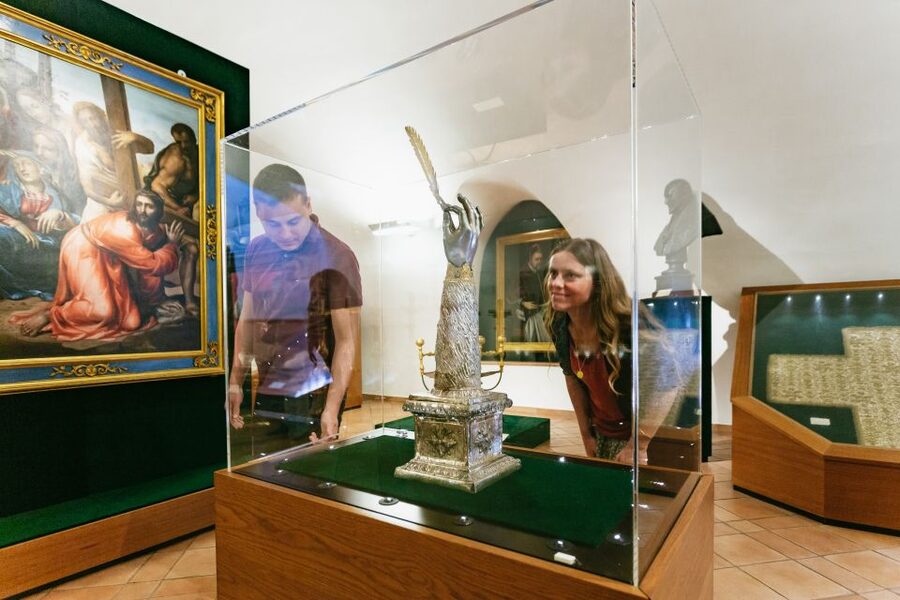
A lot of basilica tours focus on the nave and maybe a chapel or two. This one also includes entrance to the Storico Liberiano Museum (Liberian Historical Museum).
That museum component matters because it helps you connect the dots between myth, history, and physical space. You hear about Pope Liberius and the Marian miracle, then you’re shown a more structured way of thinking about the story and its place in the church’s development.
If you like learning how museums tell stories—what they choose to emphasize, what they frame as important—this is a good match. It also gives your hour an even steadier rhythm: sacred spaces, then context, then back out with a clearer picture.
The altar and Sacra Culla: tradition you can see
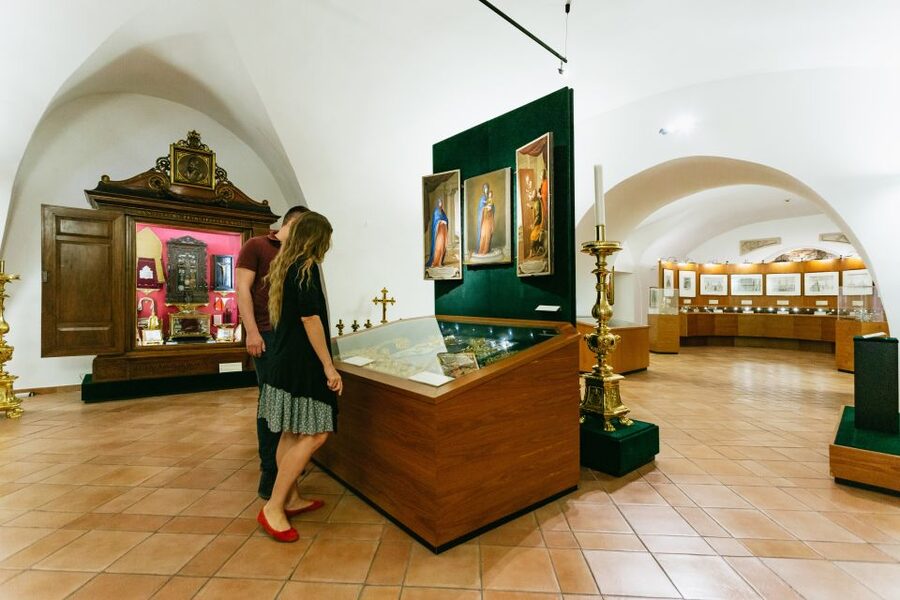
Another included highlight is the belief associated with the altar. The tour explains the tradition that pieces of wood from Jesus’ crib are underneath the altar, sometimes linked with the Sacra Culla.
Even if you approach it with a question mark in your own mind, it’s still a fascinating example of how religious sites communicate with visitors. The altar becomes a focal point where belief, tradition, and reverence are anchored to a specific spot.
Again, the guided framing is what makes this work. Without it, you might walk past and miss why people consider this area so significant.
The bell tower: 14th-century and Rome’s height marker
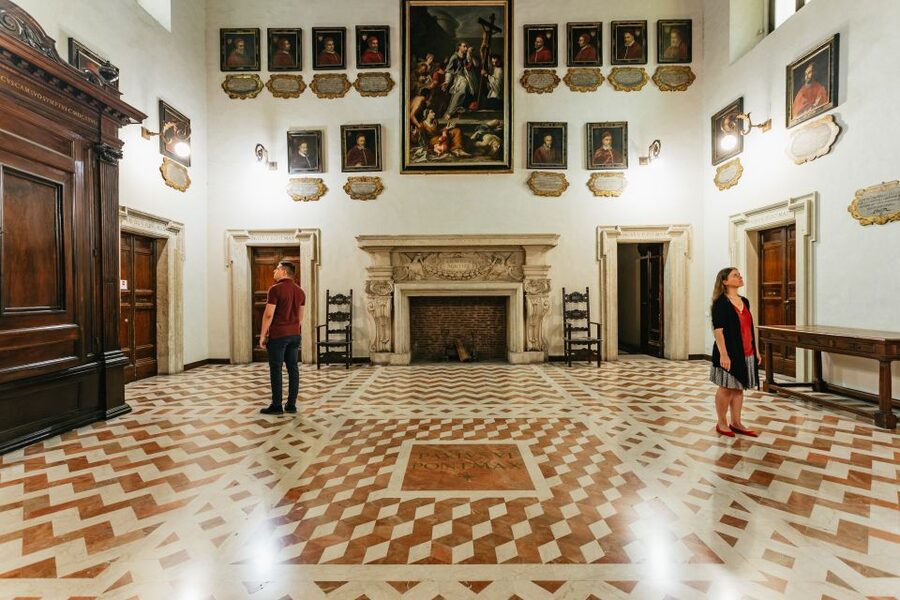
If you’re curious about Rome’s vertical landmarks, the tour’s attention to the 14th-century bell tower is a nice add-on. You’ll learn it’s described as the highest bell tower in Rome, standing 75 meters tall.
Even if you don’t climb it during your hour (the tour data here focuses on the basilica access), knowing that height and date gives you a sense of how this church functioned over time. It wasn’t only a place for worship—it was also part of Rome’s skyline and communication system. A tall bell tower tells you where community attention goes.
Value and pricing: what $22 buys you
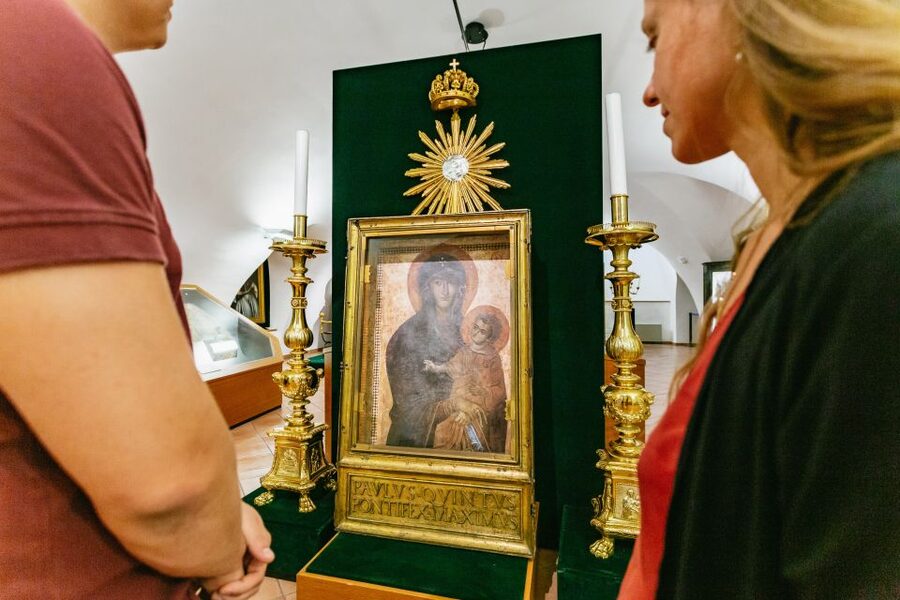
At $22 per person for a 1-hour official guided visit, the value comes down to three things:
First, it’s not just a lecture. The tour includes access to specific areas: Loggia delle Benedizioni, Bernini’s Staircase, and the Storico Liberiano Museum. Those “extra-access” elements are where the price stops feeling like a generic add-on.
Second, you’ll skip the ticket line, which matters in Rome. Time spent waiting is wasted time—especially in a one-hour experience where you don’t have much buffer.
Third, you get a live English guide for the whole run. A good guide is like a shortcut for context. You still see the same architecture as everyone else, but you understand it faster.
If you’re the type who likes to “get the meaning” instead of only taking photos, this is a fair deal.
What I’d do to get the most from it
This is how I’d set you up for success with this exact tour length and focus.
- Show up a little early so check-in doesn’t steal your attention.
- Keep your eyes up as well as down. Mosaics and sacred details often live at different heights.
- Ask yourself one question as you go: what is each room trying to communicate—Mary, papal power, or historical context?
- If you’re planning other major sights the same day, treat this as your “structured church hour.” Don’t try to cram too much before or after.
Also: the tour is not suitable for wheelchair users, so plan accordingly if mobility is an issue.
Who should book this tour (and who might not)
This Santa Maria Maggiore guided tour is a strong fit if you want:
- A fast, structured introduction to one of Rome’s four papal basilicas
- Focus on Marian meaning plus papal tomb history
- Access to extra areas like Bernini’s Staircase and the Liberian Historical Museum
- An English live guide who explains what you’re seeing
It may not be the best fit if you’re someone who wants to spend long, quiet stretches alone. With just 1 hour, the tour is designed for highlights—not for hours of free wandering.
If you’re debating between “official guided” and “show up on your own,” choose official if you care about understanding. Choose self-guided only if you already know what you want to see and you plan to move slowly.
A quick reality check on timing and experience pace
The duration is about 1 hour, and you’ll want to check availability for starting times. That time window shapes everything. The tour will touch the important parts, but it won’t give you a slow, unhurried deep look at every niche.
You can still get a lot out of it, especially because the guide’s role is to identify what matters and help you see it in the right order. But if you’re the kind of visitor who reads every plaque for 30 minutes, you might feel time pressure.
Should you book Santa Maria Maggiore with this guided option?
I’d book this tour if you want an efficient, official way to connect Santa Maria Maggiore’s Marian miracle story with what’s physically here now. The included access—Loggia delle Benedizioni, Bernini’s Staircase, and the Liberian Historical Museum—makes the hour feel like more than just “a guided church walk.”
I’d skip it only if you’d rather roam freely for longer and don’t care much about context. In that case, you might prefer extra time inside on your own.
One more practical clue: the tour has a 4.7 rating from 38 ratings, and the guides are praised by name in the supplied info. People specifically highlighted guide Valentina for being delightful and helpful, and Barbara for being patient and explaining significance. That’s exactly what you want from a tour at this length—clear, calm interpretation that helps you get it.
If your goal is smart value and a coherent understanding in 60 minutes, this one delivers.
FAQ
How long is the Santa Maria Maggiore guided tour?
The tour lasts about 1 hour. You should check availability to see the starting times.
What does the tour cost?
It’s listed at $22 per person.
What’s included in the guided experience?
The tour includes an official guided visit and entry to the Loggia delle Benedizioni, Bernini’s Staircase (La Scala di Gian Lorenzo Bernini), the Popes’ staircase, and the Storico Liberiano Museum.
Where do I meet the guide?
Meet at the entrance of the Papal Basilica of Santa Maria Maggiore on Piazza Santa Maria Maggiore. Show your e-voucher to reception staff at the Portico.
Is the tour wheelchair accessible?
No. It is not suitable for wheelchair users.
Do I need to wait in line for tickets?
No. The tour includes skip-the-ticket-line access.
More Tours in Rome
- Vatican Museums, Sistine Chapel & St. Peter’s Basilica Tour
★ 4.3 · 73,970 reviews - Vatican Museums, Sistine Chapel & St Peter’s Basilica Guided Tour
★ 4.5 · 39,149 reviews - Rome: Colosseum, Palatine Hill and Roman Forum Guided Tour
★ 4.8 · 32,814 reviews - Rome: Guided Tour of Colosseum, Roman Forum & Palatine Hill
★ 4.7 · 27,897 reviews - Rome: Colosseum, Roman Forum and Palatine Hill Guided Tour
★ 4.5 · 23,903 reviews - Rome: Colosseum Arena Floor, Palatine & Forum Guided Tour
★ 4.5 · 20,180 reviews
More Tour Reviews in Rome
- Vatican Museums, Sistine Chapel & St. Peter’s Basilica Tour
★ 4.3 · 73,970 reviews - Vatican Museums, Sistine Chapel & St Peter’s Basilica Guided Tour
★ 4.5 · 39,149 reviews - Rome: Colosseum, Palatine Hill and Roman Forum Guided Tour
★ 4.8 · 32,814 reviews - Rome: Guided Tour of Colosseum, Roman Forum & Palatine Hill
★ 4.7 · 27,897 reviews - Rome: Colosseum & Forum with Audio Guide App -Optional Arena
★ 4.2 · 24,770 reviews - Rome: Colosseum, Roman Forum and Palatine Hill Guided Tour
★ 4.5 · 23,903 reviews
More at St. Peter's Basilica
- Vatican Museums, Sistine Chapel & St. Peter’s Basilica Tour
★ 4.3 · 73,970 reviews - Vatican Museums, Sistine Chapel & St Peter’s Basilica Guided Tour
★ 4.5 · 39,149 reviews - Rome: Vatican Museums, Sistine Chapel and Basilica Tour
★ 4.3 · 16,039 reviews - Rome: Vatican Museums, Sistine Chapel & Basilica Tour
★ 4.7 · 13,217 reviews - Skip-the-Line Group Tour of the Vatican, Sistine Chapel & St. Peter’s Basilica
★ 4.5 · 12,779 reviews - Rome: St. Peter’s Basilica, Papal Tombs, and Dome Climb Tour
★ 4.5 · 10,099 reviews
Just added to our Rome reviews





St. Peter's Basilica Tours, compared.
 ★ 4.3Vatican Museums, Sistine Chapel & St. Peter’s Basilica TourFrom $7273,970 reviews
 ★ 4.5Vatican Museums, Sistine Chapel & St Peter’s Basilica Guided TourFrom $2239,149 reviews
 ★ 4.3Vatican Museums, Sistine Chapel and Basilica TourFrom $7316,039 reviews
 ★ 4.7Vatican Museums, Sistine Chapel & Basilica TourFrom $7213,217 reviews
 ★ 4.5Skip-the-Line Group Tour of the Vatican, Sistine Chapel & St. Peter’s BasilicaFrom $3012,779 reviews
★ 4.6Vatican Museums, Sistine Chapel & St Peter’s Basilica TourFrom $6810,222 reviews
 ★ 4.5St. Peter’s Basilica, Papal Tombs, and Dome Climb TourFrom $6410,099 reviews
 ★ 4.2Vatican, Sistine Chapel & St. Peter’s Basilica TourFrom $759,089 reviews
Browse the lists this tour appears in